


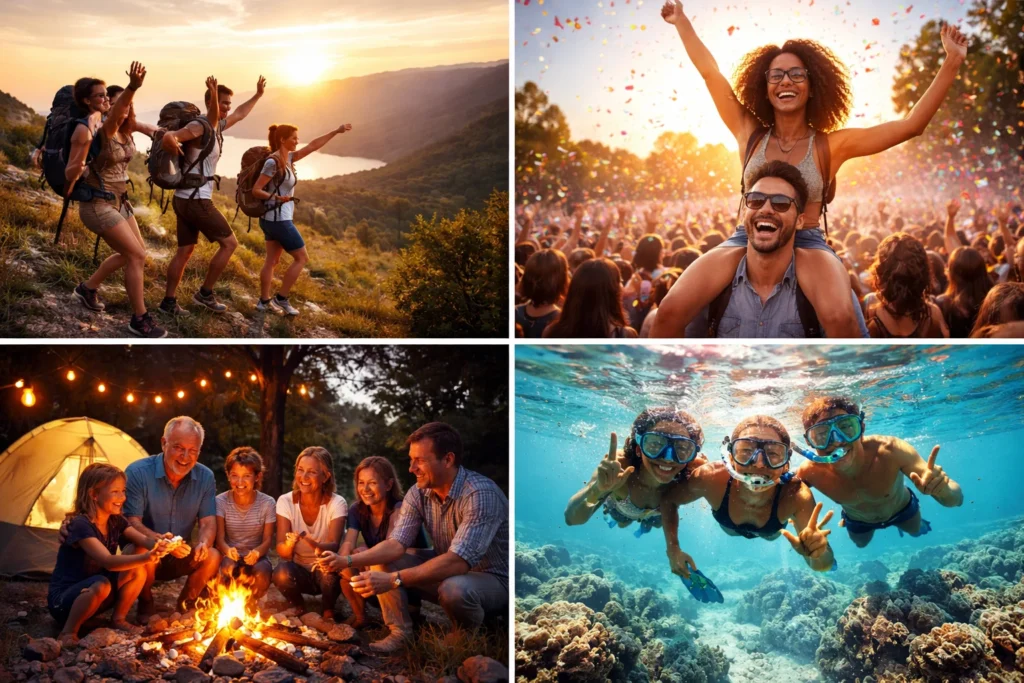
In an era defined by consumer culture, a significant shift is occurring in how people allocate their resources. More and more, individuals are choosing experiences over things, prioritizing lasting memories and personal growth over the accumulation of material possessions.
This article delves into the psychology and sociology behind this trend, exploring why experiential purchases lead to lasting happiness and well-being.
The Shift from Possessions to Experiences

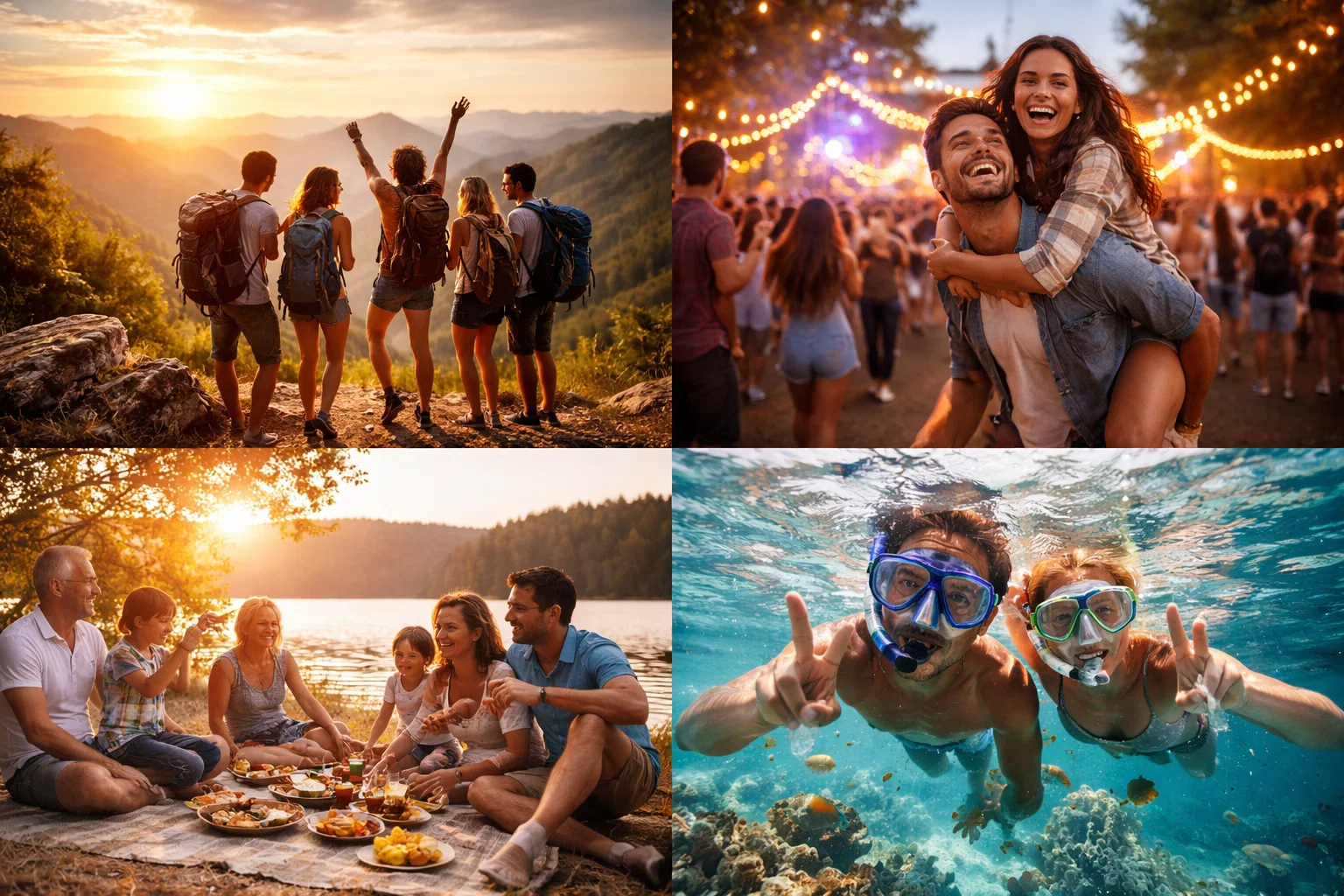
How Modern Society Values Memories Over Material Goods
Modern society increasingly values memories over material goods, with many consumers prioritizing experiences over things. This shift is evident in how millennials and younger generations spend their money, often investing in travel experiences, concerts, and adventures rather than buying the latest gadgets or physical possessions. This trend is reshaping business models and marketing strategies, influencing how companies engage with consumers.
Why This Trend Matters for Personal Well-Being
This trend matters significantly for personal well-being because experiences create lasting memories and emotional bonds, contributing to greater happiness and fulfillment. Choosing experiences over things offers a higher return on investment in terms of lasting happiness and personal growth. This shift in priorities reflects a deeper understanding of what truly makes us happy, leading to a more fulfilling life.
The Psychology Behind Choosing Experiences
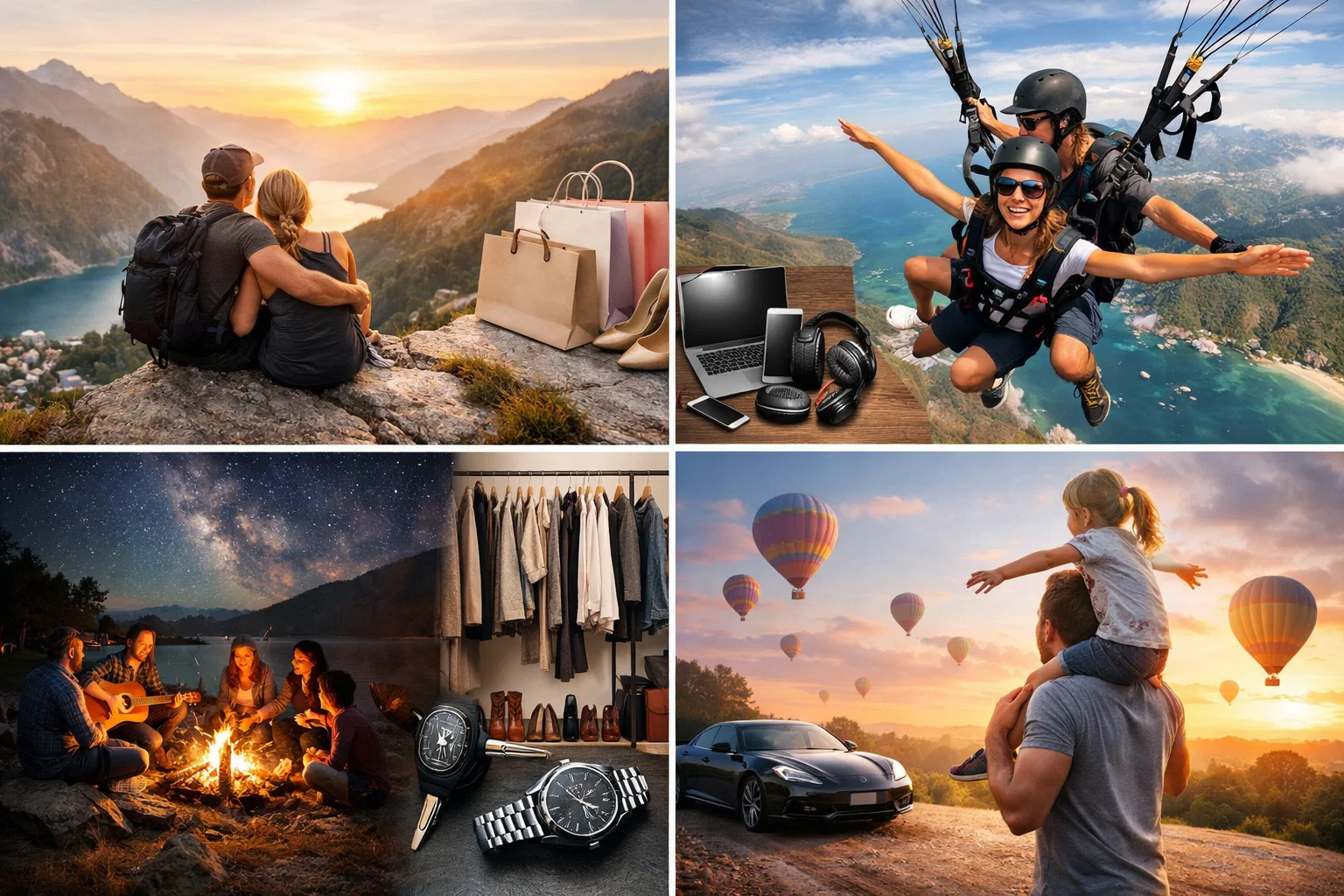
Anticipation, Enjoyment, and Remembrance: How Experiences Boost Happiness
The psychology behind choosing experiences reveals that anticipation, enjoyment, and remembrance are key factors in boosting happiness. Even if the experience is fleeting, the anticipation leading up to it and the memories created afterward extend its positive influence. Experiences make us happier because they offer a more profound and lasting form of enjoyment compared to material purchases.
Why Material Goods Bring Short-Term Pleasure vs. Long-Term Satisfaction
Material goods bring short-term pleasure because their novelty wears off quickly, leading to adaptation and a diminished sense of satisfaction. In contrast, experiences offer long-term satisfaction because they become part of our identity and create lasting memories. According to Cornell University researcher Thomas Gilovich, choosing experiences over things provides a more enduring source of happiness than material possessions.
Positive Emotions and Personal Growth Through Experiences
Experiences really offer positive emotions and contribute to personal growth by challenging us, exposing us to new perspectives, and creating opportunities for learning and self-discovery. Life experiences inspire us to thrive and broaden our horizons, fostering a sense of accomplishment and well-being. This is why many people now prioritize travel, learning, and trying new things.
Experiences Foster Social Connection and Belonging
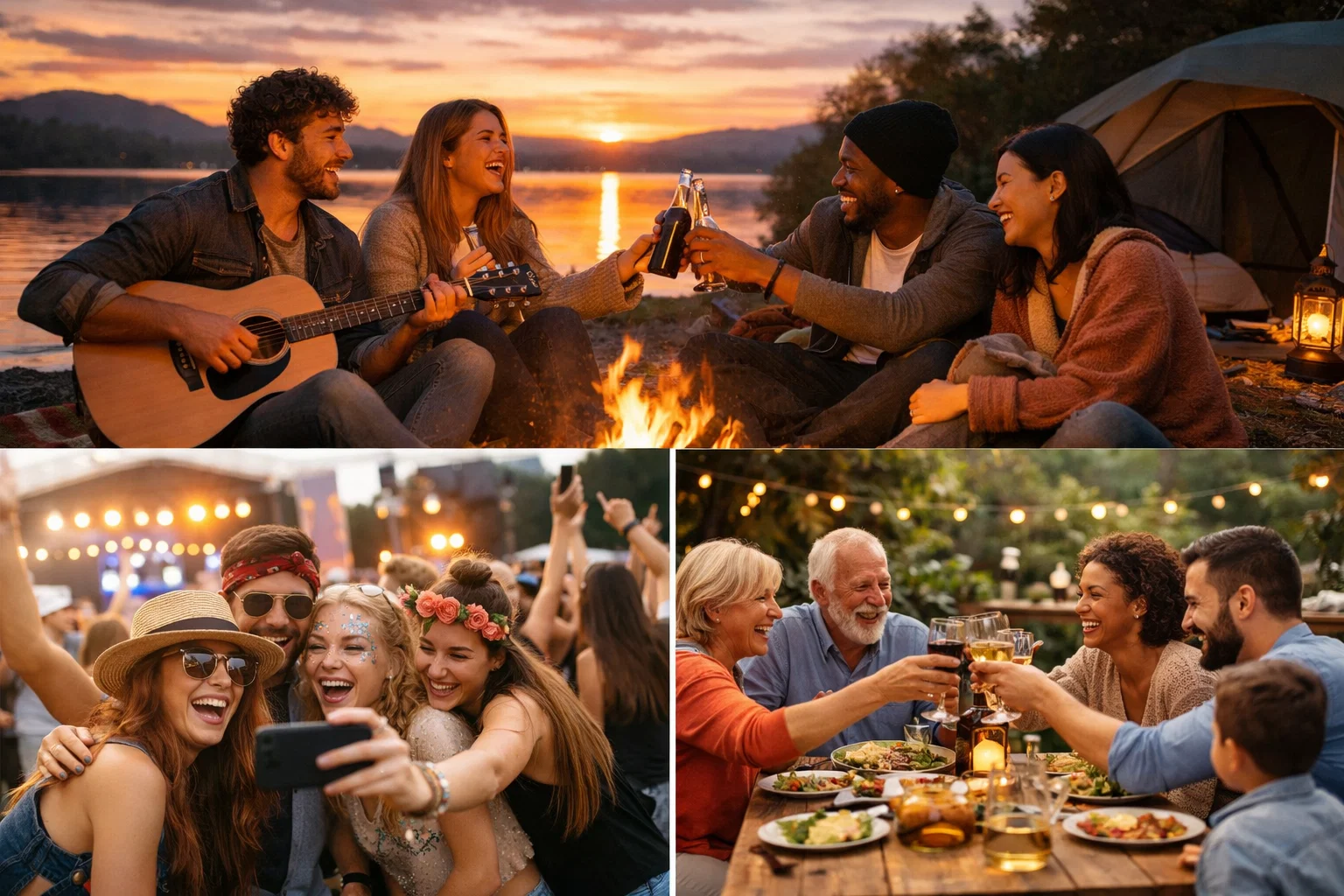
Shared Experiences Strengthen Relationships
Shared experiences strengthen relationships by creating emotional bonds and lasting memories with friends and family. When you spend your money on experiences like concerts, festivals, or theme parks, you’re also investing in quality time and shared moments that enhance your connection with others. Platforms like vacation rentals make it easier to plan and enjoy these shared moments.
Community, Culture, and the Joy of Participating Together
Community and culture thrive on shared experiences, bringing people together and fostering a sense of belonging. The joy of participating together in cultural events, community projects, or group adventures enhances social connections and creates a sense of unity. These shared activities offer a valuable opportunity to connect with others and build meaningful relationships.
Real-Life Examples of Socially Rewarding Experiences
Real-life examples of socially rewarding experiences are numerous and contribute to overall well-being. Many find fulfillment in activities such as:
- Volunteering
- Joining a sports team
- Participating in a community event
These experiences create opportunities for social interaction, collaboration, and shared achievement, leading to a greater sense of belonging and fulfillment. Choosing these types of activities contributes to both personal happiness and social well-being.
Experiences Shape Identity and Personal Growth
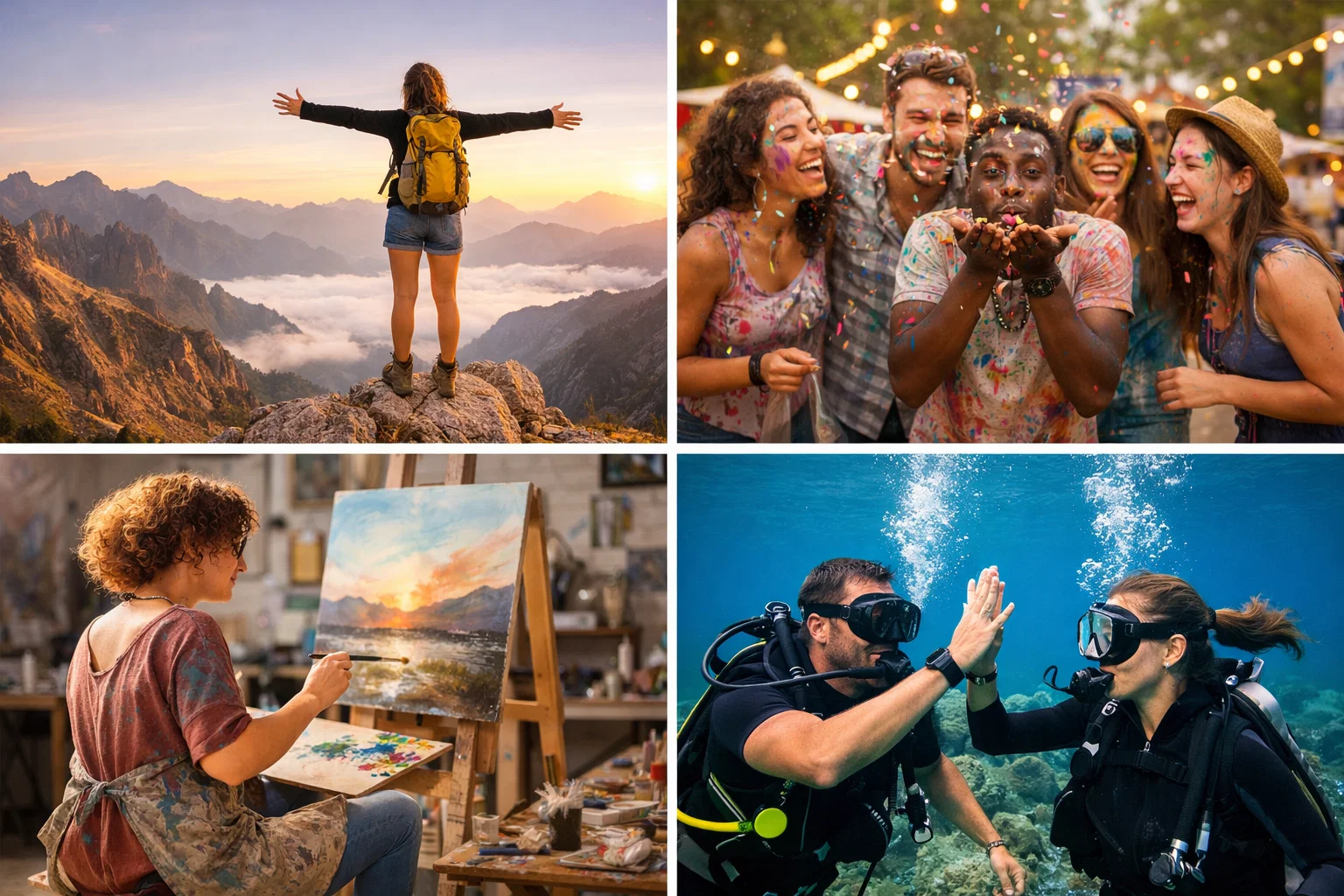
How Travel, Learning, and New Adventures Expand Self-Perception
Travel and new adventures significantly expand self-perception by exposing individuals to diverse cultures, perspectives, and challenges. Experiential purchases like international trips and learning new skills broaden horizons and foster a deeper understanding of oneself. Life experiences shape identity, and these experiences really contribute to personal growth, making individuals more adaptable and resilient.
Skills, Achievements, and Life Stories as Identity Builders
Skills and achievements gained through experiences contribute to the narrative of one’s life, building a robust sense of self. The ability to tell compelling life stories based on challenges overcome and goals achieved enhances self-esteem and personal identity. When you spend your money investing in learning or adventure, these experiences become integral parts of who you are.
Why Material Possessions Rarely Contribute to Personal Growth
Unlike experiential purchases, material possessions rarely contribute to lasting happiness or personal growth because their impact is often superficial and fleeting. While a new gadget or material items may provide temporary satisfaction, they don’t shape identity or expand self-perception in the same way. Prioritize experiences over things if you seek profound and enduring personal development.
Longevity of Happiness: Why Experiences Last Longer

Memory and Reflection as Sources of Continued Joy
Memory and reflection serve as enduring sources of continued joy, extending the happiness derived from experiences far beyond the initial moment. Recalling positive memories and sharing stories of adventures with friends and family enhances the emotional value and longevity of happiness. It’s the lasting memories, not physical possessions, that truly enrich our lives.
The Role of Storytelling in Making Experiences Meaningful
Storytelling plays a crucial role in making experiences more meaningful by allowing individuals to relive and share their adventures with others. Sharing travel experiences or tales of personal triumph transforms fleeting moments into lasting legacies. Experiences make us happier because they provide rich material for stories that connect us to others and reinforce our sense of self.
Research Evidence Supporting Experience-Based Happiness
Research consistently supports that choosing experiences over things leads to greater and more lasting happiness. Cornell University researcher Thomas Gilovich has demonstrated that happiness derived from experiential purchases tends to increase over time, whereas happiness from material purchases diminishes. Prioritizing experiences offers a higher return on investment in long-term well-being, says Gilovich.
Mindfulness and Presence in Experiential Living
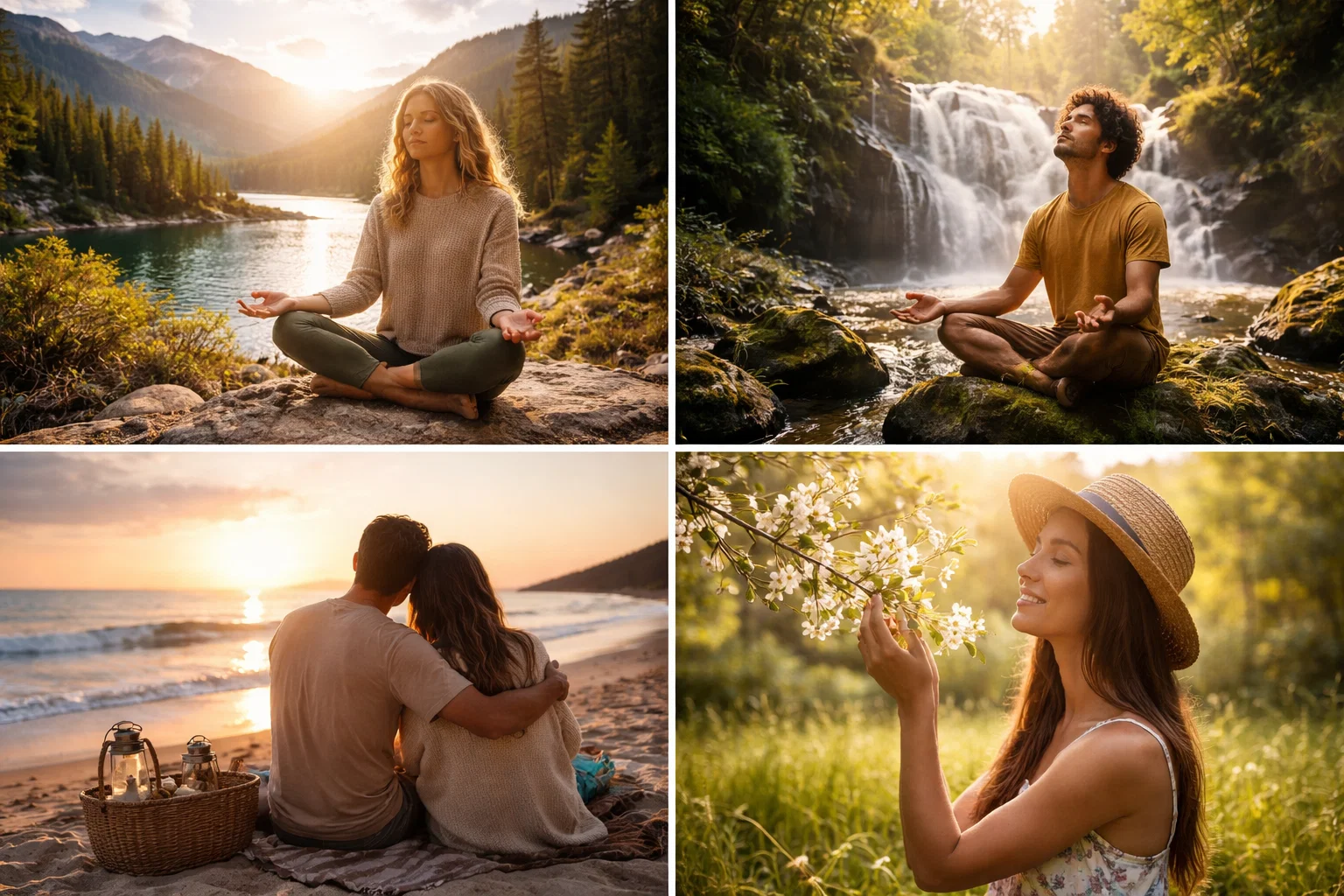
How Experiences Encourage Engagement in the Present Moment
Experiences have become a powerful tool for encouraging engagement in the present moment, as they often demand our full attention and involvement. Experiential activities, such as attending a concert or festival, draw us away from distractions and immerse us in the sensory richness of the now. When you spend your money on such experiences, you’re investing in mindfulness.
Contrasting Mindless Consumption of Material Goods
Mindless consumption of material goods often leads to a state of distraction and detachment from the present moment. In contrast, experiential purchases encourage mindful engagement and awareness, promoting a deeper appreciation for the world around us. Shifting the focus from buying the latest gadgets to embracing immersive adventures can cultivate a more mindful way of life.
Practicing Gratitude and Awareness Through Experiences
Experiences foster a greater sense of gratitude and awareness by exposing individuals to new perspectives and enriching moments. Whether it’s the joy of a shared meal with friends and family or the wonder of exploring a new destination, these encounters provide opportunities to cultivate gratitude for the beauty and richness of life. Prioritize experiences over things and invest in platforms like vacation rentals, to spend your time and money making lasting memories.
Social and Cultural Drivers of the Experience Economy
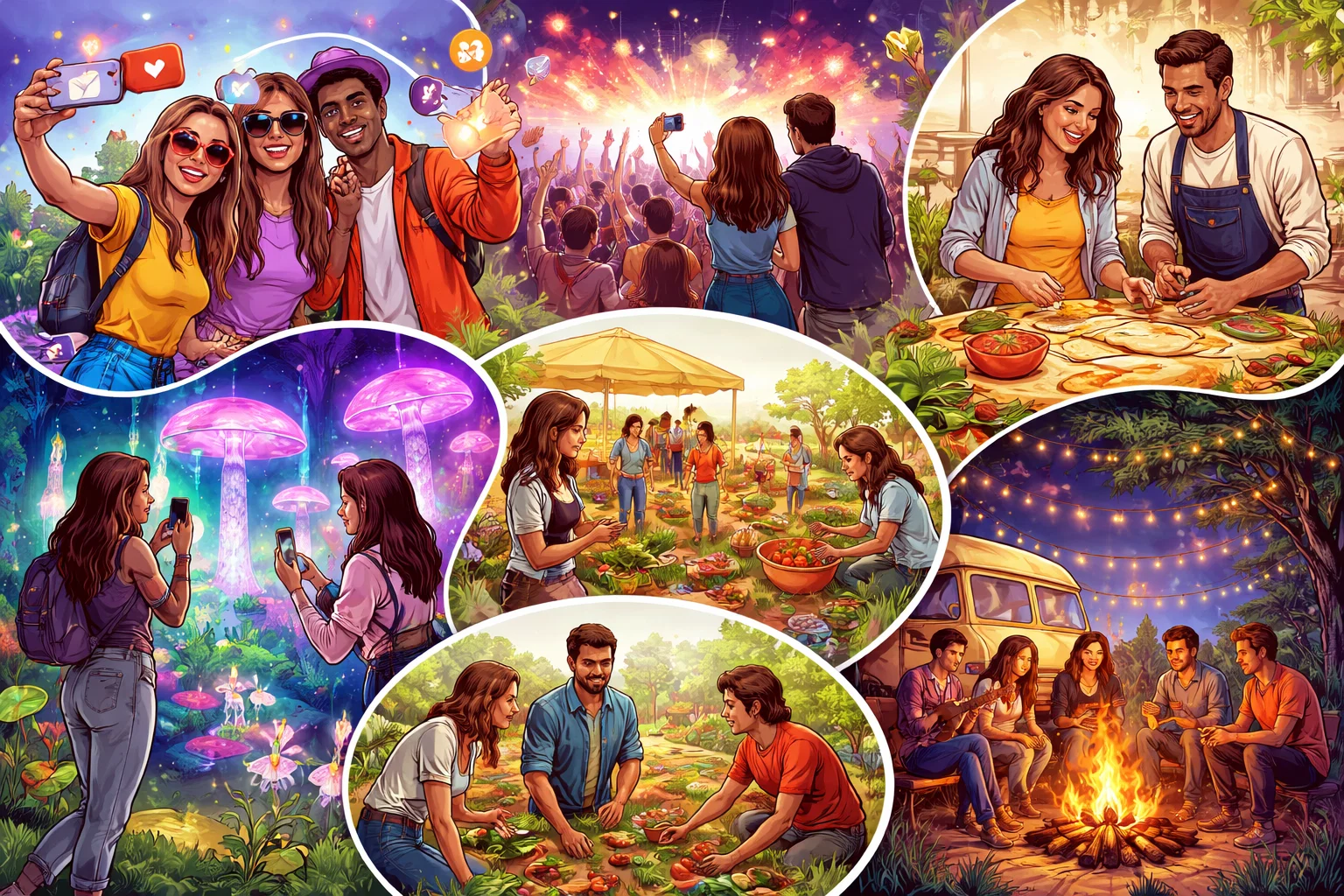
The Impact of Social Media and the Desire to Share Moments
The rise of social media has amplified the desire to share experiences, influencing consumer behavior significantly. People now share moments from concerts, festivals, and adventures, driving a shift towards experiential purchases. Platforms like Instagram and Facebook showcase that experiences make us happier and this fuels the trend of choosing experiences over things.
Generational Trends: Millennials and Gen Z Favoring Experiences
Generational trends show that millennials and Gen Z prioritize experiences over things, valuing memories and personal growth above material possessions. These generations spend their money on travel, festivals, and unique adventures, fueling the experience economy. This focus on life experiences really reflects a shift in values away from traditional markers of success.
Marketing and Lifestyle Shifts Towards Experiential Consumption
Marketing and lifestyle trends now promote experiential consumption, with brands emphasizing experiences over things in their campaigns. Companies are creating opportunities for consumers to engage in immersive adventures, shifting from selling products to selling experiences. This shift caters to consumers, particularly millennials, who invest in building lasting memories.
Practical Ways to Prioritize Experiences Over Things

Designing a Life That Values Memories and Adventures
Designing a life that prioritizes memories and adventures involves consciously choosing experiences over things and aligning your spending habits with your values. You should spend your money planning travel experiences, learning new skills, or attending events that create lasting memories. Prioritize experiences that inspire you and contribute to your personal growth.
Budgeting and Planning for Experiences Instead of Material Goods
Budgeting and planning for experiences instead of material goods requires a shift in financial priorities. Allocate your money to experiences and savings for travel, concerts, and festivals, instead of buying the latest gadgets. By prioritizing experiential purchases and platforms like vacation rentals, you can cultivate a life rich in adventure and memories.
Everyday Experiences That Bring Joy Without Breaking the Bank
You don’t need to break the bank to enjoy enriching experiences. Everyday experiences can bring immense joy and contribute to overall happiness, and these experiences can be quite simple, such as:
- Exploring local parks
- Attending free community events
- Simply spending quality time with friends and family
Choosing experiences over things, even on a small scale, can significantly enhance your well-being.
Common Mistakes to Avoid When Choosing Experiences
Over-Scheduling or Seeking Only “Instagrammable” Moments
Over-scheduling or seeking only “Instagrammable” moments can detract from the genuine enjoyment of an experience. It’s essential to focus on the intrinsic value and personal meaning of an experience, rather than solely on its social media appeal. Be mindful of why you are investing time and money in experiences that make you happier.
Neglecting Reflection and Personal Meaning
Neglecting reflection and personal meaning after an experience can diminish its lasting impact. To make your experiences more meaningful, consider these activities:
- Writing in a journal
- Sharing stories with friends and family
- Creating a photo album
Failing to Balance Experiences with Other Life Priorities
It’s crucial to maintain balance by balancing experiences with other life priorities, such as work, relationships, and financial stability. While prioritizing experiences over things is beneficial, neglecting other aspects of your life can lead to stress and imbalance. A well-rounded life incorporates both meaningful experiences and essential responsibilities.
Conclusion: The Science-Backed Case for Choosing Experiences
In conclusion, research supports choosing experiences over things for lasting happiness and personal growth. Cornell University researcher Thomas Gilovich’s research demonstrates that happiness from experiential purchases tends to increase over time, unlike material goods. By prioritizing experiences, we invest in memories, personal growth, and social connections that enrich our lives.