



In 2026, businesses are increasingly adopting outcome-based pricing models to ensure they receive tangible value for their investments. This shift represents a fundamental change in how services and products are monetized, focusing on delivering measurable business results rather than simply charging a flat fee for inputs.
Why Outcome-Based Pricing Is Gaining Momentum


The shift from traditional pricing to results-focused models
Traditional pricing strategies are increasingly seen as misaligned with customer value. The shift to outcome-based pricing models is driven by the desire for better ROI and a greater emphasis on accountability. Businesses want to ensure that what a customer pays is directly tied to success metrics and customer satisfaction, not just effort.
How 2026 trends are driving businesses to pay for outcomes
Several trends are fueling the adoption of outcome-based pricing. The rise of SaaS and the increasing availability of data analytics through AI have made it easier to track and measure business results. Moreover, companies seek greater transparency and are moving away from flat fee models to flexible pricing models.
The advantages of aligning payment with measurable results
The advantages of outcome-based pricing align incentives for both the customer and the vendor. It reduces the customer’s risk by ensuring payment is tied to tangible benefits. For vendors, outcome-based pricing creates opportunities to build stronger partnerships by demonstrating a commitment to achieving customer success and customer value.
What Is Outcome-Based Pricing?

Definition and core principles
Outcome-based pricing is a pricing model where the customer pays based on the actual business results achieved, rather than a flat fee or usage-based billing. The core principle is to align the vendor’s revenue with the customer’s success metrics. It emphasizes measurable outcomes, shared risk, and a focus on delivering tangible customer value.
Difference between traditional, value-based, and outcome-based pricing
Traditional pricing focuses on the cost of inputs, while value-based pricing reflects the perceived value the customer receives. Outcome-based pricing goes a step further by tying payment directly to measurable business results. Unlike usage-based pricing, which bills for consumption, outcome-based pricing charges for achieved outcomes.
Industries where outcome-based pricing is most impactful
Outcome-based models are particularly impactful in industries where results are easily measurable, such as marketing, SaaS, healthcare, and consulting. Here’s how they might work in a few examples:
| Industry | Example Outcome-Based Model |
|---|---|
| Marketing | Agencies might be paid per lead or conversion. |
| SaaS | Subscription fees can be tied to performance metrics. |
Healthcare providers could be paid for patient recovery or health outcomes.
How Outcome-Based Pricing Works
Setting clear and measurable KPIs for success
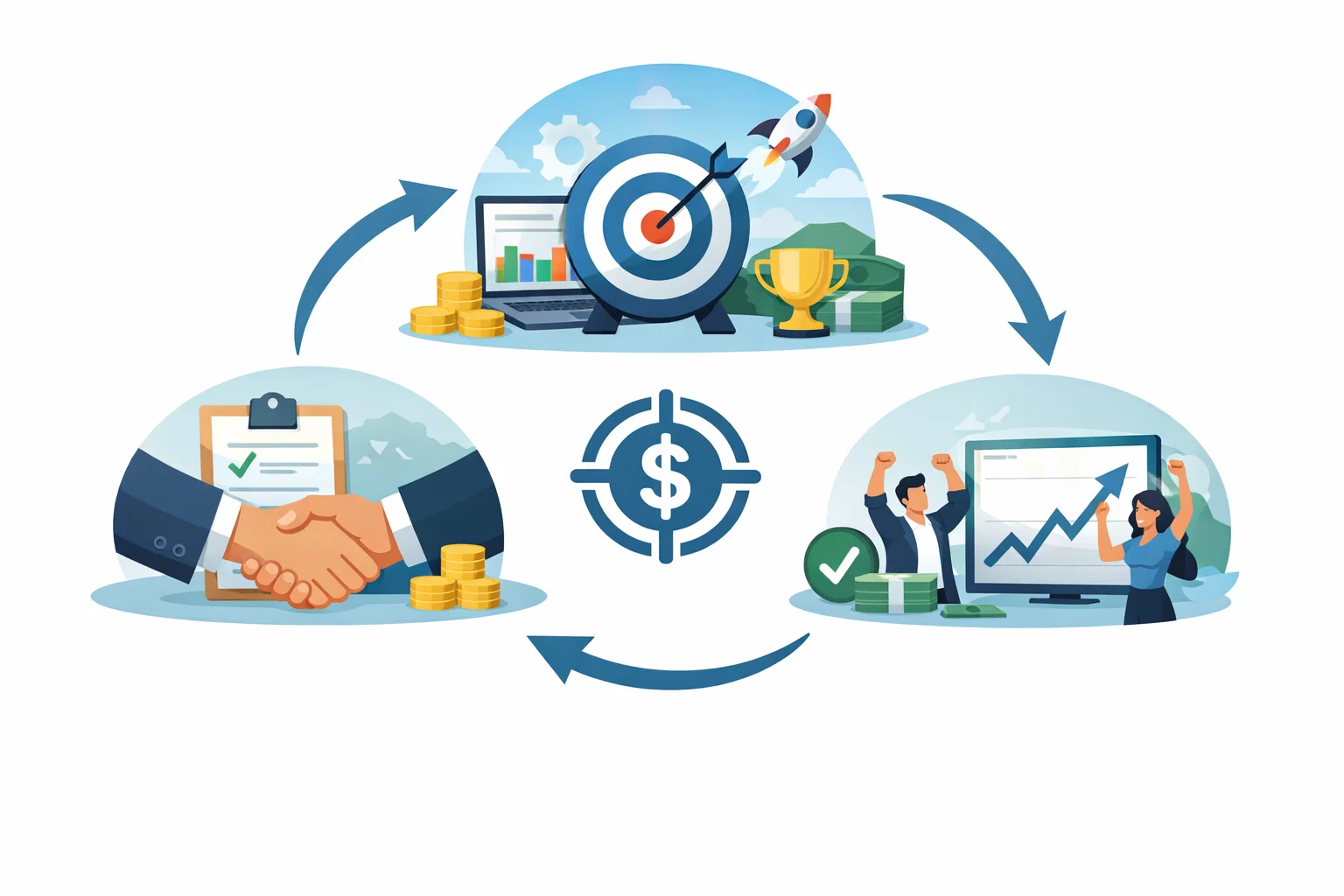
Setting clear and measurable KPIs is essential in outcome-based pricing. These success metrics define what constitutes a successful outcome and must be specific, measurable, achievable, relevant, and time-bound. Selecting the right success metrics ensures the vendor and the customer are aligned on expectations and that the benefits of outcome-based pricing are realized.
Structuring payment terms around performance outcomes
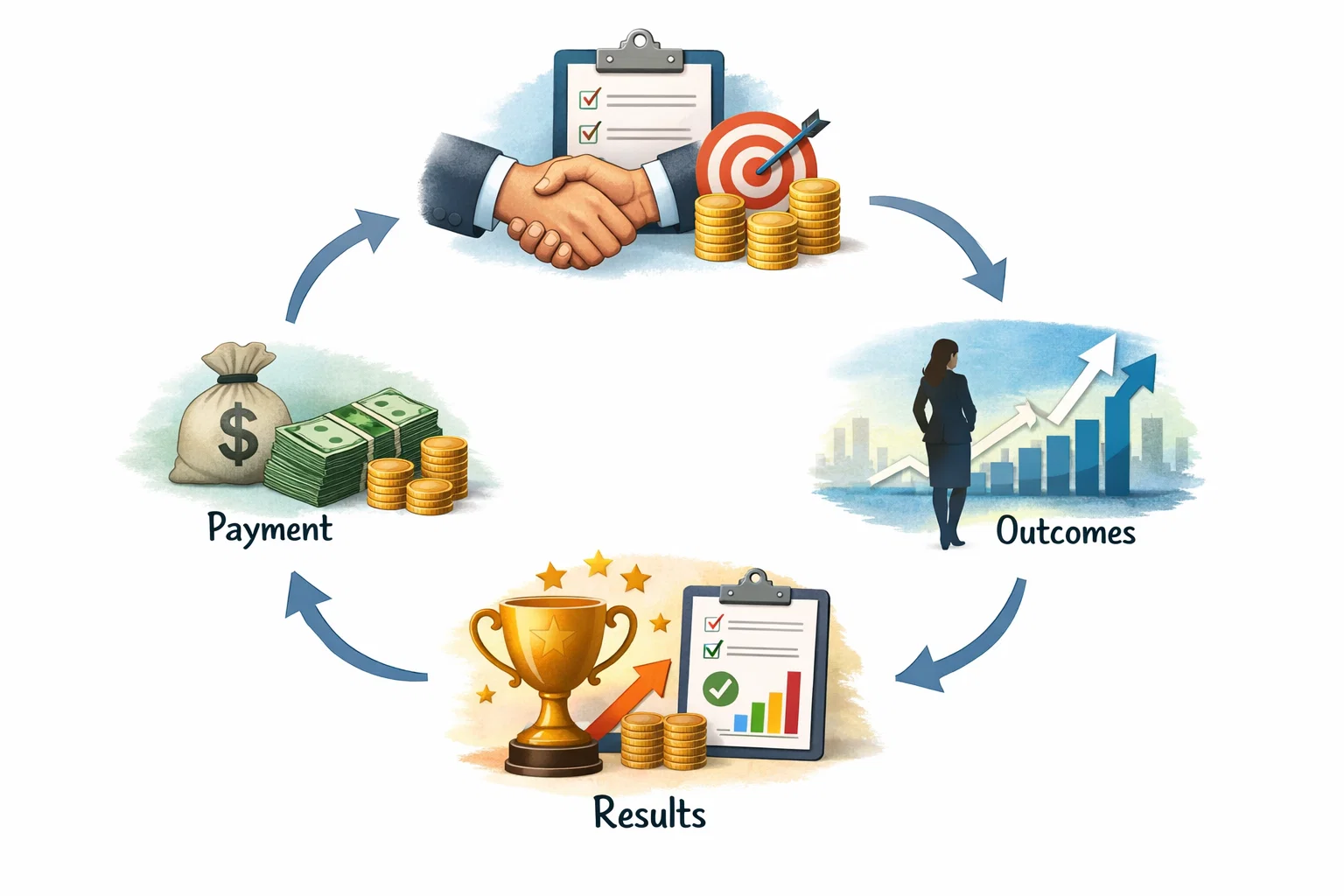
The pricing model and invoice structure must reflect the performance outcomes. Payment terms often include a base fee plus a variable component tied to achieving specific metrics.
For example, a SaaS company might charge a flat fee for basic usage-based pricing plus a bonus for exceeding customer satisfaction benchmarks. This approach ensures the customer pays for tangible business results and is beneficial for outcome-based pricing.
Monitoring and tracking results through analytics and dashboards
Effective monitoring and tracking of results are crucial in outcome-based models. Analytics tools and dashboards provide real-time visibility into performance against agreed-upon KPIs.
Regular reports and updates ensure that both the vendor and customer can track progress and address any issues promptly. This transparency is a key advantage of outcome-based pricing.
Adjusting agreements based on evolving objectives and market conditions
Outcome-based pricing agreements should be flexible and adaptable. Regular reviews allow for adjustments to metrics or payment terms based on evolving business objectives or changing market conditions.
This flexibility ensures that the agreement remains relevant and continues to drive customer value and customer success throughout the partnership. That ensures the benefits of outcome-based pricing.
Benefits of Paying for Results

For clients: reduced risk and guaranteed ROI
For clients, the primary benefit of outcome-based pricing is reduced risk. By tying payment to measurable business results, clients only pay when they achieve the desired outcomes. This approach guarantees ROI and ensures that the pricing strategies align with the client’s objectives. The pricing flips from a cost to an investment that demonstrably drives customer value and lower risk.
For providers: building trust, differentiation, and stronger partnerships
For providers, outcome-based pricing creates opportunities to build trust and differentiate themselves from competitors. By aligning incentives with customer success, vendors demonstrate a commitment to delivering tangible business results. This fosters stronger, more collaborative partnerships based on shared goals and accountability. This helps build a strong customer support system.
For both: accountability, transparency, and long-term collaboration
Outcome-based pricing fosters accountability and transparency between clients and vendors. Clear metrics and regular reporting ensure that both parties are aligned on progress and performance. This shared understanding promotes long-term collaboration and strengthens the relationship, as both sides are invested in achieving mutual success and optimizing what the customer pays for the best possible outcome.
Challenges and Considerations in Outcome-Based Pricing
Defining measurable and fair outcomes
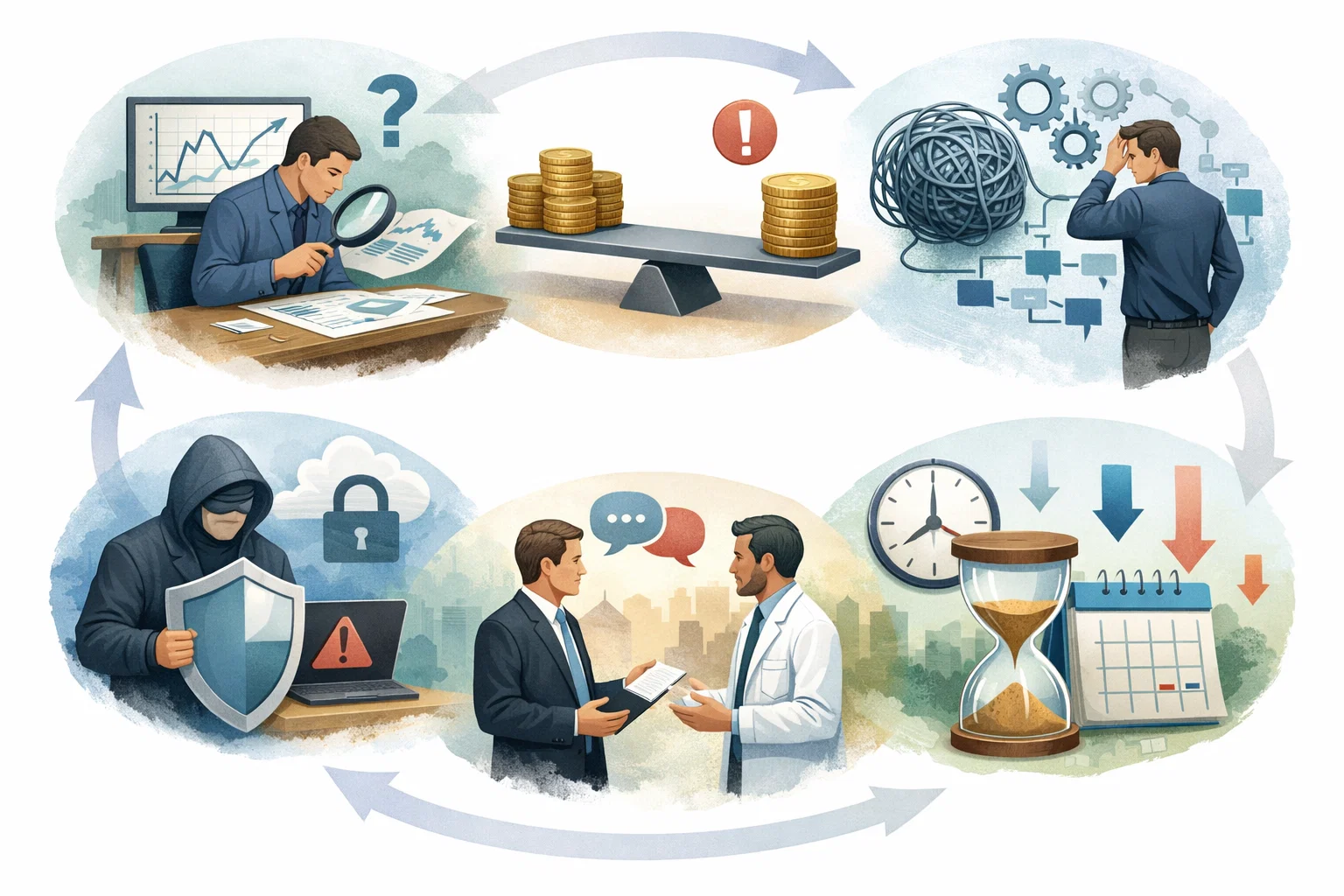
One of the significant challenges in adopting an outcome-based pricing model is defining measurable and fair outcomes. It requires a deep understanding of the client’s business and the specific objectives they aim to achieve.
Selecting appropriate success metrics that accurately reflect value and are attainable within a reasonable timeframe is crucial. The pricing strategies must consider various factors to ensure both parties perceive the outcomes as equitable and the pricing flips.
Sharing risk when results depend on external factors
Another key consideration is how to share risk when business results depend on external factors. External factors that are beyond the vendor’s control can significantly impact the achievement of agreed-upon success metrics.
An outcome-based pricing framework needs to address these scenarios. This may involve adjusting payment terms or incorporating risk-sharing mechanisms to ensure fairness and maintain the alignment between vendor and client which helps in advantages of outcome-based pricing.

Longer negotiation and implementation cycles
Implementing outcome-based pricing often involves longer negotiation and implementation cycles compared to traditional pricing models. Establishing clear KPIs, agreeing on measurement methodologies, and structuring payment terms require extensive collaboration and alignment between the vendor and the client.
The components of outcome-based pricing are complex. This extended process can be a barrier to entry, but the benefits of outcome-based pricing often outweigh the initial time investment and help in customer satisfaction.
Maintaining trust and transparency throughout the process
Maintaining trust and transparency is essential for the success of outcome-based pricing. Regular communication, transparent reporting on progress against agreed-upon metrics, and a willingness to address concerns are critical.
The pricing works better if both the vendor and the client have a clear understanding of the performance and are confident in the integrity of the data. Open communication fosters a strong partnership and ensures long-term collaboration, where customer success is a priority.
Examples of Outcome-Based Pricing in Action

Marketing agencies: pay per lead or conversion
Marketing agencies increasingly use outcome-based pricing strategies. Instead of charging a flat fee for services, agencies get paid per lead generated or per conversion achieved.
The pricing model aligns the agency’s incentives with the client’s goal of increasing sales and revenue. For example, the customer pays only when qualified leads are delivered or when website visitors convert into paying customers ensuring customer value.
IT and SaaS: subscription tied to performance metrics
In the IT and SaaS industries, outcome-based pricing often takes the form of subscriptions tied to performance metrics. Rather than charging a flat monthly fee, the pricing flips to be based on the usage, adoption rates, or customer satisfaction scores.
SaaS pricing might vary based on the number of active users, the volume of data processed, or the achievement of specific business objectives. This approach ensures that clients only pay for the value they receive, and outcome-based pricing aligns vendor interests with customer success.

Healthcare: providers paid for patient recovery or health outcomes
The healthcare sector is exploring outcome-based models where providers get paid for patient recovery or health outcomes. Instead of traditional fee-for-service billing, providers receive payment based on the achievement of specific health goals, such as reducing hospital readmission rates or improving patient satisfaction.
This approach encourages providers to focus on delivering high-quality care and achieving measurable improvements in patient health, where the benefits of outcome-based pricing are mutual.
Consulting: fees linked to revenue growth, cost savings, or operational improvements
Consulting firms are increasingly adopting outcome-based pricing models. Instead of charging hourly rates or project fees, their fees can be linked to revenue growth, cost savings, or operational improvements achieved by their clients.
The invoice might include a base fee plus a percentage of the incremental revenue generated or cost savings realized. By aligning their compensation with tangible results, the consulting vendor demonstrates a commitment to delivering real value and helps in switching to outcome-based pricing.
How Businesses Can Implement Outcome-Based Pricing Successfully
Identifying suitable services or products for outcome-based pricing
To successfully implement outcome-based pricing strategies, businesses must first identify suitable services or products. The ideal candidates are those where results are easily measurable and directly linked to the vendor’s actions.
SaaS products, marketing campaigns, and consulting services often lend themselves well to this pricing model. The key is to select offerings where the business results can be clearly quantified and the pricing flips depending on success.
Collaborating with clients to define success metrics
Collaboration with clients is paramount in defining success metrics for outcome-based pricing. The process involves a deep dive into the client’s business objectives to identify KPIs that truly reflect value. These metrics should align with the client’s strategic goals and be measurable, achievable, relevant, and time-bound (SMART). This collaboration ensures that both parties are aligned on what constitutes success and ensures the benefits of outcome-based pricing are realized.
Selecting analytics and reporting tools to track outcomes
Selecting the right analytics and reporting tools is crucial for tracking outcomes in an outcome-based pricing model. These tools provide the necessary data to monitor progress against agreed-upon metrics and ensure transparency.
Dashboards that offer real-time visibility into performance are invaluable. Using a strong API helps integrate data from various sources allowing for a comprehensive view of the impact of the service or product. These components of outcome-based pricing can automate data collection and reporting, making it easier to demonstrate business results.
Training teams to operate in a results-driven pricing model
Training teams to operate within a results-driven pricing model is essential for successful implementation. Sales, customer support, and product marketing teams need to understand the nuances of outcome-based pricing strategies.
This training should focus on aligning their efforts with customer success, communicating the value proposition effectively, and understanding how their actions directly impact the measurable results on which the invoice is based. This ensures a consistent and results-oriented approach across the organization.
Future Outlook: Outcome-Based Pricing Trends in 2026 and Beyond
Increasing adoption across industries and geographies
The adoption of outcome-based pricing is expected to increase across industries and geographies in 2026 and beyond. As businesses seek greater ROI and accountability, this pricing model will become more prevalent in sectors such as IT, healthcare, and professional services.
This trend is fueled by the increasing availability of data analytics and the growing demand for flexible pricing models that align vendor incentives with customer success. This will increase the advantages of outcome-based pricing.
Integration with AI and analytics for better prediction of results
The integration of AI and analytics will play a crucial role in the future of outcome-based pricing. AI algorithms can analyze vast amounts of data to predict potential business results and optimize performance.
The pricing model and workflow will be optimized using AI agents. These can monitor progress, identify areas for improvement, and adjust strategies in real-time to maximize the likelihood of achieving desired outcomes. The pricing flips depending on results that have better prediction.
Long-term impact on client-vendor relationships and market expectations
Outcome-based pricing is set to have a long-term impact on client-vendor relationships and market expectations. This pricing model fosters deeper partnerships built on trust, transparency, and shared goals.
As outcome-based models become more common, customers will expect vendors to demonstrate a clear commitment to delivering tangible value and aligning their incentives with client success. This will create a more collaborative and results-oriented business environment, improving customer satisfaction.
Conclusion: Embracing a Results-Driven Pricing Model
Embracing a results-driven pricing model is essential for businesses looking to thrive in today’s competitive landscape. By aligning payment with measurable business results, companies can reduce risk, build stronger partnerships, and drive greater ROI. As the market continues to evolve, outcome-based pricing will become increasingly prevalent, offering a win-win solution for both clients and vendors, especially with the help of AI customer and automation.