



In today’s rapidly evolving world, the concept of a traditional, linear career is becoming a thing of the past. The rise of technology, globalization, and other disruptive forces has created a dynamic job market where adaptability and lifelong learning are essential for success. This article explores the emergence of the nonlinear career and how individuals can thrive in this new landscape.
Why Traditional Career Paths Are Disappearing


From Linear Progression to Multi-Path Careers
The traditional linear career, characterized by a single job and predictable career path within one company, is fading. Now, individuals are charting non-linear career paths with multiple roles, industries, and skill sets. This shift reflects a workforce that values transferable skills and career growth over rigid, predetermined pathways. Many careers now involve frequent career changes.
The Forces Driving Nonlinear Careers in 2026
Several powerful forces are accelerating the shift toward non-linear careers. The pandemic has reshaped working lives, demonstrating the viability of remote work and flexible work arrangements. Technological advancements, particularly AI and automation, are redefining job roles, creating new fields, and demanding continuous professional development and an ever-changing job market.
Lifelong Learning as the Key to Career Resilience
In the age of non-linear careers, lifelong learning is no longer optional but a necessity for career resilience. To thrive, individuals must become lifelong learners, continuously acquiring new skills and adapting to evolving employer demands. This proactive approach ensures they can navigate career changes, leverage new career opportunities, and remain competitive in the job market. It is key to adapt.
Understanding Nonlinear Careers
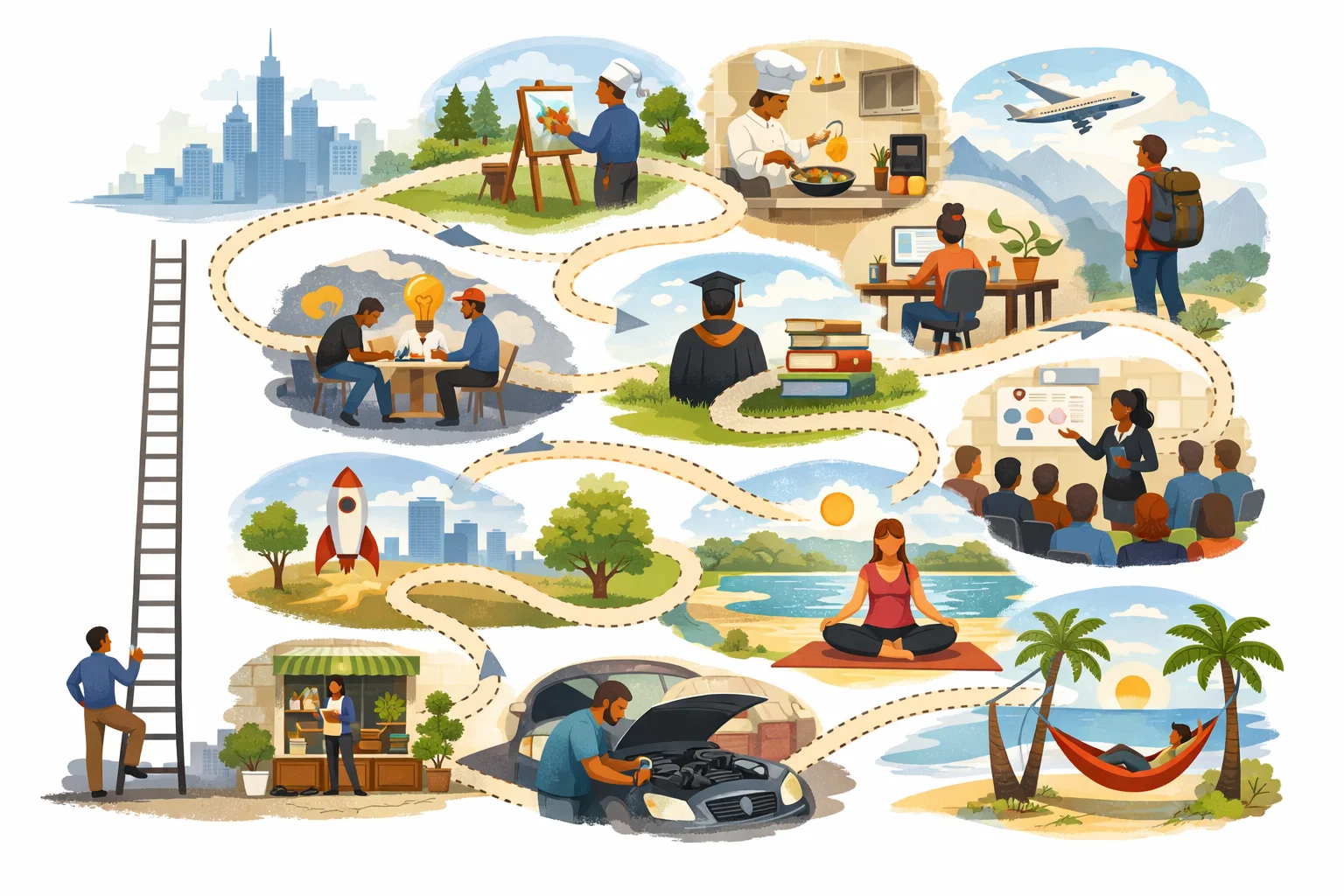
What a Nonlinear Career Looks Like in Practice
A non-linear career is characterized by frequent pivots, diverse experiences, and a willingness to embrace non-traditional career opportunities. Instead of progressing up a single ladder, individuals may move laterally, explore different industries, or combine multiple roles. This approach values adaptability, learning journey, and continuous career growth over rigid adherence to a linear career path.
Examples Across Industries: Tech, Healthcare, Creative, and Business
Non-linear careers are becoming increasingly common, with professionals exploring diverse paths across various industries. For example, consider these potential career shifts:
- In tech, professionals might transition from software development to data science.
- Healthcare workers may combine clinical practice with health tech innovation.
Creative and business professionals are also embracing this trend, blending design with marketing or leveraging skills in consulting or entrepreneurship. The possibilities are as diverse as working lives.
Advantages and Challenges of a Nonlinear Career
Non-linear careers offer many advantages, including increased career opportunities, skill diversification, and greater career resilience. However, they also present challenges, such as managing uncertainty, overcoming employer bias (“may frown upon non-linear careers”), and maintaining motivation amidst frequent changes. A career coach may help in this scenario to adapt.
Lifelong Learning: The Foundation of Career Adaptability

Continuous Skills Development vs. One-Time Degrees
In today’s rapidly changing job market, a one-time degree is no longer sufficient. Continuous skills development is essential for adaptability and long-term career success. Lifelong learning empowers individuals to stay relevant, acquire new skills, and navigate career changes effectively. This proactive approach ensures they can meet the evolving demands of employers.
The Role of Online Courses, Microlearning, and Certifications
Online courses, microlearning modules, and professional certifications play a crucial role in lifelong learning. These accessible and flexible resources enable individuals to acquire new skills, deepen their expertise, and validate their knowledge to potential employers. They accelerate the learning journey and equip individuals with the tools to adapt to the ever-changing job market.
AI-Powered Personalized Learning Paths
AI is revolutionizing lifelong learning by creating AI-powered personalized learning paths tailored to individual needs and career goals. These systems analyze skill gaps, recommend relevant learning resources, and track progress, optimizing the learning journey for maximum impact.
As AI continues to evolve, it will play an increasingly important role in empowering individuals to upskill, reskill, and adapt to the demands of the future workforce.
Technology and the Nonlinear Career Shift
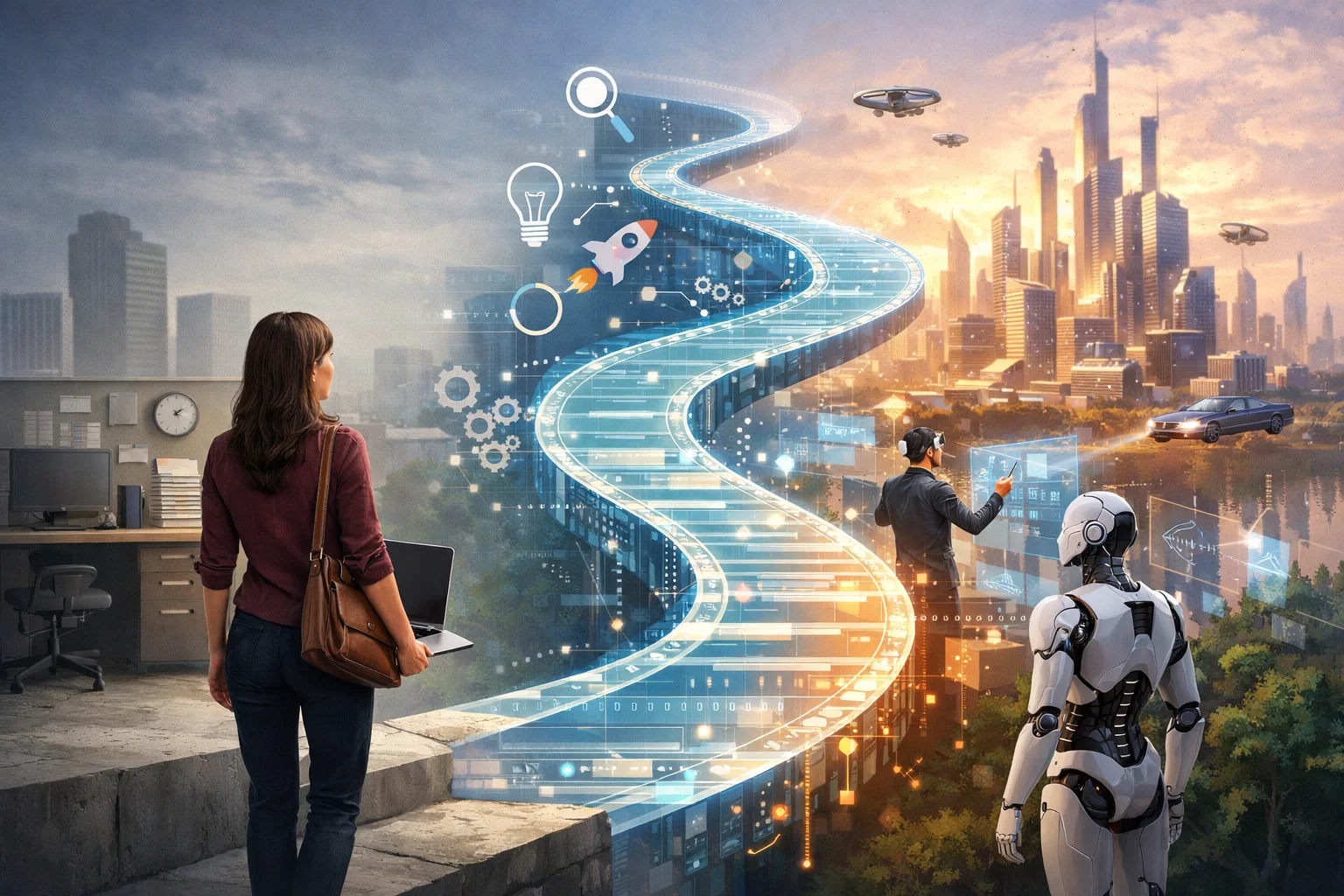
AI and Automation Redefining Job Roles
AI and automation are significantly redefining job roles across industries, marking the end of linear career paths and accelerating the shift towards non-linear careers.
These technologies are automating routine tasks, creating new fields that require different skill sets, and demanding that the workforce adapt through lifelong learning. Employers are looking for candidates who can work alongside AI, leveraging its capabilities to enhance productivity and innovation, thus making adaptability in one’s current career paramount.
How Digital Platforms Enable Remote, Freelance, and Portfolio Careers
Digital platforms are enabling a surge in remote, freelance, and portfolio careers, providing flexible workers with greater control over their professional lives. These platforms facilitate the creation of non-linear career paths by connecting individuals with diverse career opportunities, allowing them to pivot between projects, industries, and roles.
This shift empowers individuals to embrace career changes and build a portfolio of experiences that showcase their adaptability and resilience, marking the end of linear careers.
Using AI Tools to Upskill and Reskill Faster
AI tools are revolutionizing upskilling and reskilling, enabling individuals to adapt faster to the evolving job market and changing jobs. These tools offer personalized learning paths, identify skill gaps, and provide targeted training, accelerating the learning journey.
By leveraging AI, individuals can acquire new skills and knowledge more efficiently, enhancing their career resilience and enabling them to embrace non-linear career paths with confidence, making them lifelong learners.
Skills That Will Matter Most in 2026
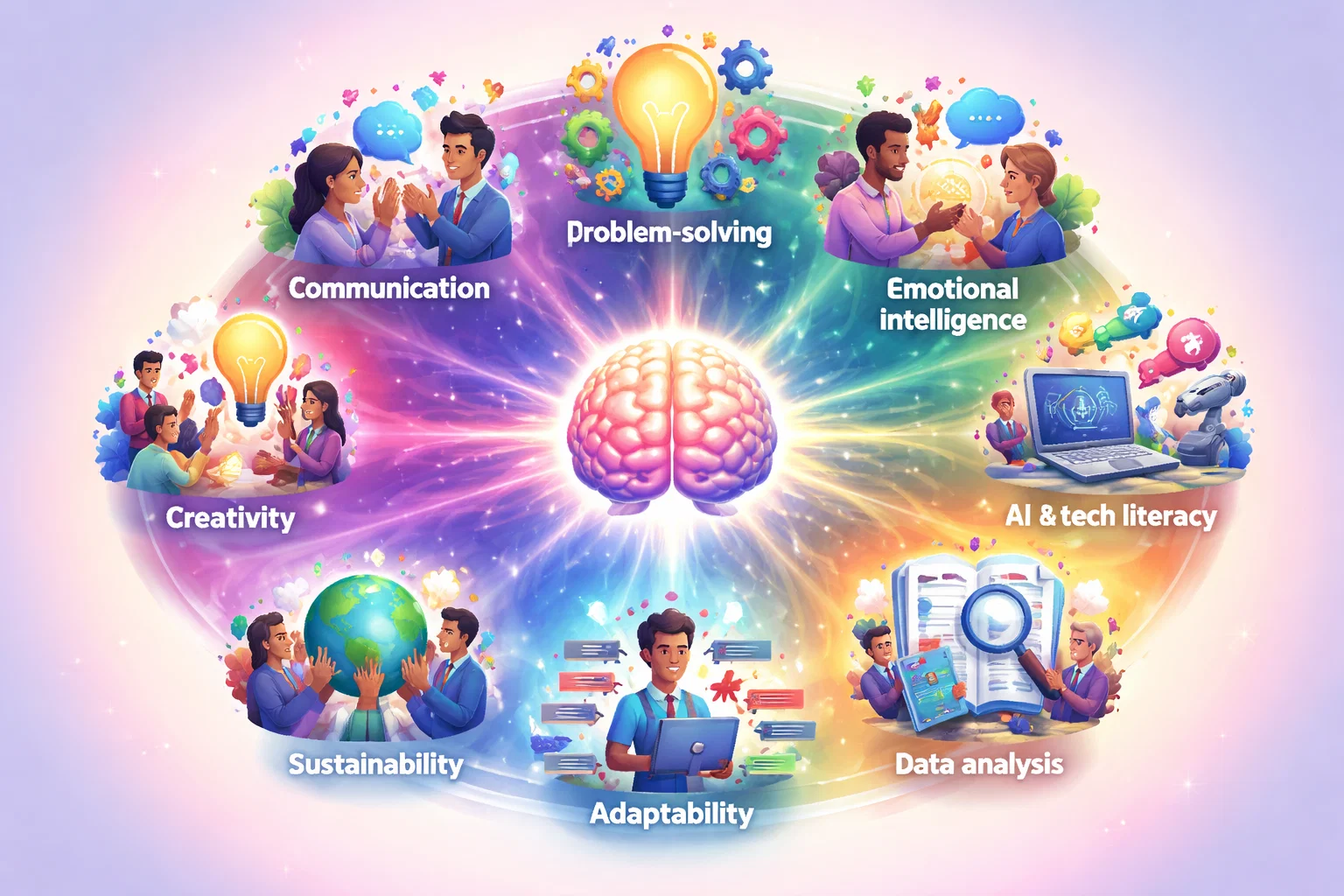
Soft Skills: Emotional Intelligence, Adaptability, and Critical Thinking
In 2026, soft skills such as emotional intelligence, adaptability, and critical thinking will be highly valued as AI and automation continue to reshape the workforce.
These skills complement technical expertise, enabling individuals to navigate complex situations, collaborate effectively, and adapt to changing circumstances in their current career. Employers seek individuals who can demonstrate these soft skills, recognizing their importance in driving innovation and success in non-linear career paths.
Tech Skills: AI, Data, Cloud, and Digital Collaboration
Tech skills related to AI, data analysis, cloud computing, and digital collaboration will be in high demand in 2026. As organizations increasingly rely on these technologies, individuals with expertise in these areas will have a significant advantage in the job market.
Lifelong learning in these domains is essential for career growth and adapting to the ever-evolving technological landscape, enabling professionals to thrive in non-linear career paths, not being constrained by a single job.
Hybrid Skills: Combining Creativity, Tech, and Business Acumen
Hybrid skills, which combine creativity, technical expertise, and business acumen, will be increasingly valuable in the future workforce. Individuals who can bridge the gap between these domains will be well-positioned to drive innovation and create new career opportunities.
The end of linear career approaches and pivot to non-linear career paths will require that working lives now become lifelong learners, adapting to the ever-changing job market through reskilling and upskilling, making them valuable to the employer.
Building a Nonlinear Career Roadmap
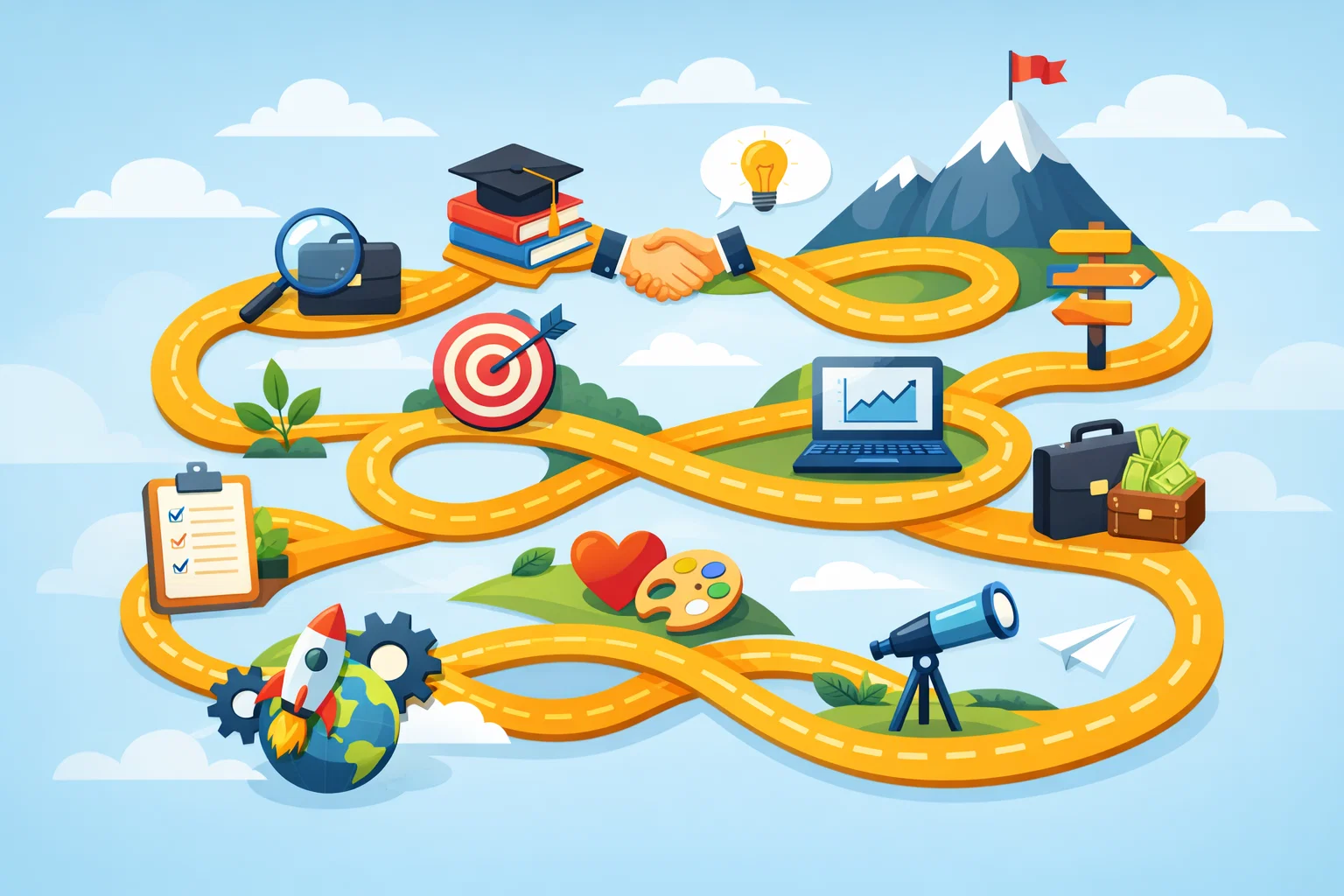
Embracing Career Flexibility and Multiple Roles
Building a non-linear career roadmap requires embracing career flexibility and the possibility of multiple roles simultaneously. This involves being open to non-traditional pathways, exploring different industries, and combining various skills and experiences.
Many careers will likely see the importance of adaptability and a willingness to pivot as critical components for navigating the evolving job market. These roles enable individuals to adapt, showcase their resilience, and manage career changes.
Leveraging Mentorship, Networking, and Community Learning
Mentorship, networking, and community learning play a crucial role in building a non-linear career. Mentors can provide guidance and support, helping individuals navigate career changes and make informed decisions about their professional lives.
Networking events and online communities offer opportunities to connect with peers, share knowledge, and discover new career opportunities. A career coach may help decide the next step. These collaborations enable a shift away from a single job.
Tracking Progress With Portfolios and Skill Badges
Tracking progress in a non-linear career is essential for maintaining motivation and demonstrating value to potential employers. Portfolios and skill badges provide a tangible way to showcase accomplishments, skills, and experiences.
They validate one’s skills and expertise, but also highlight their adaptability and commitment to lifelong learning, an important step to showcase in an ever-changing job market, especially as AI continues to evolve. These tools help individuals effectively communicate their unique value proposition in a non-linear career.
Overcoming Challenges in a Nonlinear Career
Managing Uncertainty and Career Anxiety
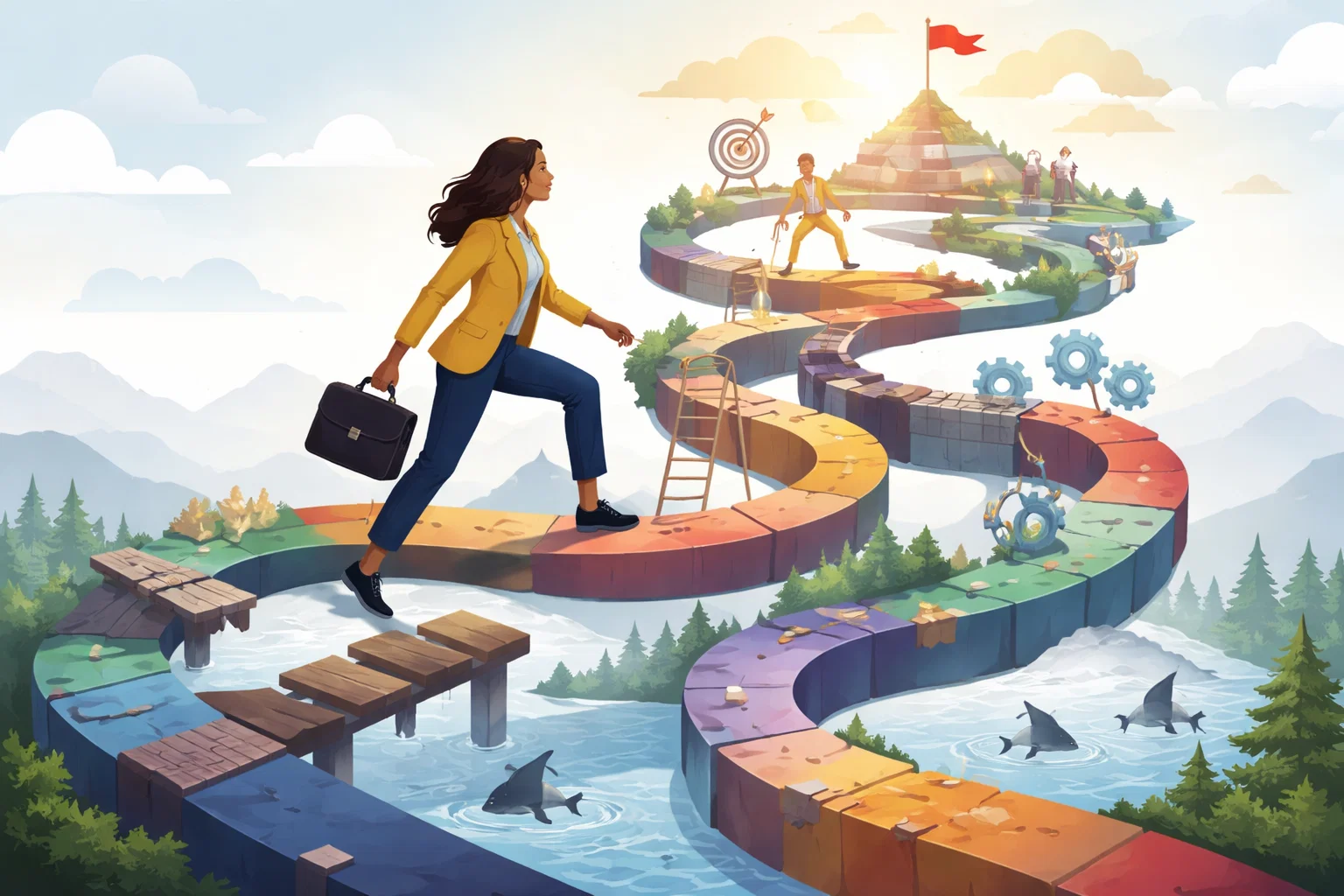
One of the primary challenges in a non-linear career is managing uncertainty and career anxiety. Unlike a traditional, linear career path, a non-linear career involves frequent career changes and pivots, which can lead to feelings of instability.
It’s crucial to develop coping mechanisms, such as mindfulness and stress management, to navigate this inherent uncertainty and maintain a positive outlook.
Balancing Multiple Jobs or Projects Without Burnout
Many individuals in non-linear career paths often juggle multiple jobs or projects simultaneously, increasing the risk of burnout. Effective time management, prioritization, and setting realistic boundaries are essential for maintaining a healthy work-life balance. Recognizing the importance of self-care and proactively preventing burnout are crucial for long-term sustainability in this dynamic environment.
Staying Motivated Through Continuous Learning
In a non-linear career, lifelong learning is the key to staying relevant and motivated. The job market is constantly evolving, and changing jobs may require acquiring new transferable skills. Embrace the learning journey by setting achievable goals, celebrating small wins, and seeking out career opportunities that align with your evolving interests. Career growth is also very important to see to.
The Future of Work and Lifelong Learning
How Careers Will Evolve in the Next 5–10 Years
The career landscape will continue to evolve rapidly in the next 5-10 years, driven by technological advancements and shifting demographics. AI and automation will continue to redefine job roles, demanding that workers possess adaptability and lifelong learning capabilities. Employers will increasingly value individuals who can demonstrate a growth mindset and a willingness to embrace new challenges.
Lifelong Learning as a Social and Cultural Norm
Lifelong learning will become increasingly ingrained as a social and cultural norm. As the shelf life of skills continues to shorten, individuals will recognize the necessity of continuous professional development to remain competitive in the ever-changing job market. Educational institutions and organizations will play a vital role in fostering a culture of lifelong learning by providing accessible and relevant learning opportunities.
Preparing Today for a Career That Never Stops Changing
To prepare for a career that never stops changing, individuals must embrace a proactive and adaptable mindset. Invest in lifelong learning, cultivate transferable skills, and build a strong professional network. Be open to exploring non-traditional career paths and embrace the challenges and opportunities that come with a non-linear career. Adaptability is the key to survival.
Conclusion: Thriving in the Nonlinear Career Revolution
The non-linear career revolution is transforming the workforce and redefining what it means to have a successful career. By embracing lifelong learning, cultivating adaptability, and developing resilience, individuals can thrive in this dynamic environment. While some employers may frown upon non-linear careers, remember that the future belongs to those who can adapt and embrace change. The end of linear careers is at hand.