In the ever-evolving world of skincare, staying ahead of the curve is essential. As we approach 2026, certain skincare ingredients are poised to dominate the market, backed by rigorous scientific research and the endorsement of leading dermatologists.
This article explores the must-have skincare ingredients for 2026, recommended by dermatologists to help you achieve healthy, radiant skin.
Why Choosing the Right Skincare Ingredients Matters
How Dermatologists Evaluate Ingredients for Safety and Effectiveness
Dermatologists meticulously evaluate skincare ingredients for both safety and effectiveness. This involves examining clinical studies, understanding the active ingredient’s mechanism of action, and considering potential side effects. A board-certified dermatologist prioritizes ingredients with proven benefits, ensuring they improve skin health without causing irritation or adverse reactions on every skin type.
Why 2026 Is Shaping New Trends in Ingredient Innovation
2026 is poised to bring significant innovation in skincare, driven by advancements in cosmetic dermatology and a deeper understanding of skin cells. New technologies are enabling the creation of more effective ingredients that address specific skin concerns, such as aging skin and acne, leading to dermatologist-recommended skincare products that deliver targeted results.
Hydration Heroes: Ingredients That Lock in Moisture
Hyaluronic Acid: Deep Hydration and Plumping Benefits
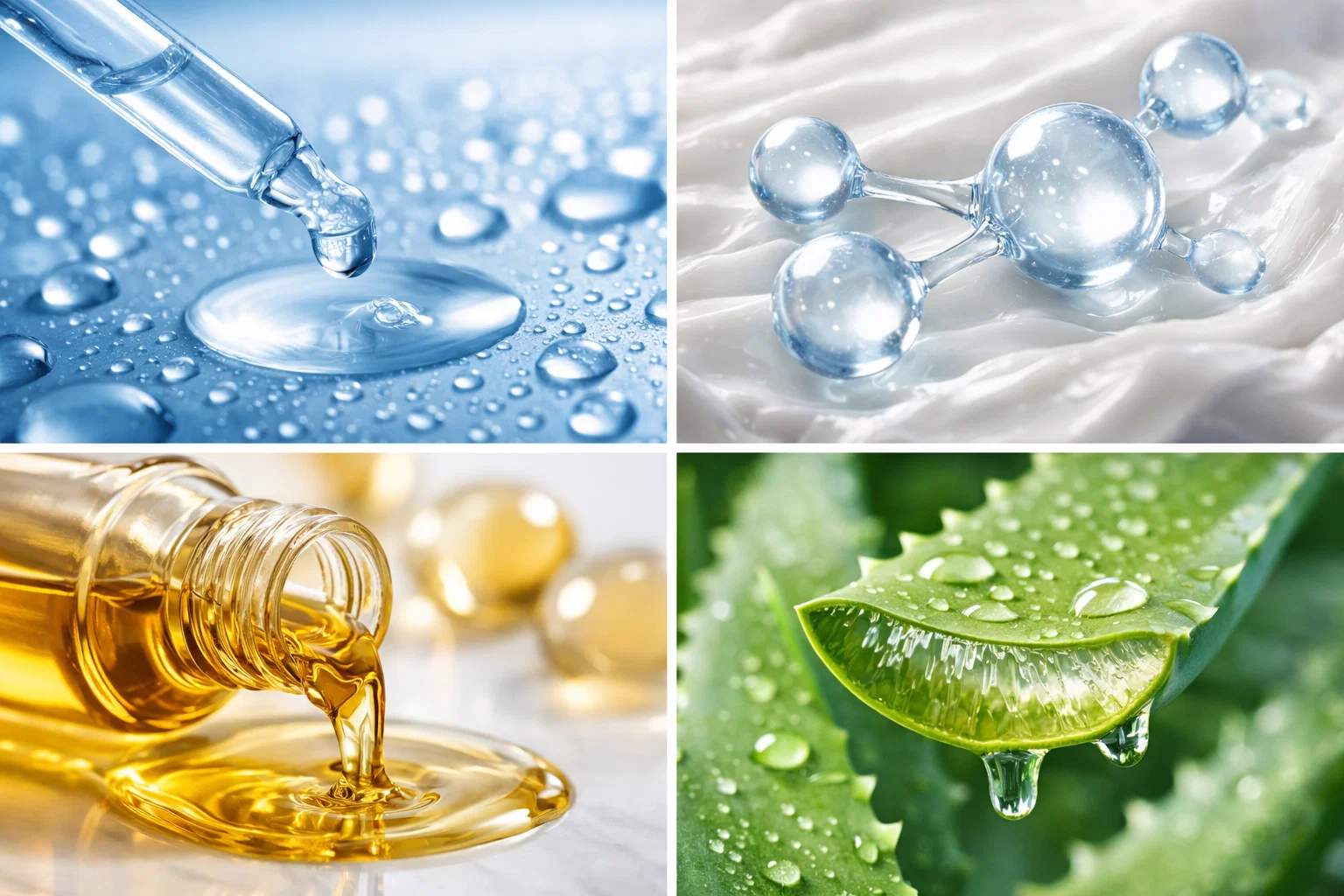
Hyaluronic acid remains a top pick for hydration, thanks to its ability to hold up to 1000 times its weight in water. This powerful humectant draws moisture from the environment into the skin, providing deep hydration and a plumping effect that reduces the appearance of fine lines and wrinkles, leading to smoother skin.
Glycerin and Squalane: Lightweight Moisture for All Skin Types
Glycerin and squalane are excellent lightweight moisturizers suitable for all skin types, including sensitive skin. Glycerin is a humectant that attracts moisture, while squalane, derived from natural sources, mimics the skin’s natural oils, providing hydration without clogging pores or causing greasiness. These ingredients are essential for maintaining the skin barrier.
Ceramides: Strengthening the Skin Barrier for Long-Term Health
Ceramides are crucial for maintaining the skin barrier. By strengthening this protective layer of skin, ceramides help to prevent moisture loss and shield against environmental aggressors. Incorporating ceramides into your skincare routine promotes long-term skin health and hydration.
Anti-Aging Powerhouses: Ingredients That Fight Fine Lines and Wrinkles
Retinoids (Retinol, Tretinoin, Retinal): Collagen-Boosting Superstars
Retinoids are collagen-boosting superstars renowned for their anti-aging benefits. These ingredients work by stimulating collagen production, accelerating skin cell turnover, and reducing the appearance of fine lines, wrinkles, and dark spots. Dermatologists often recommend retinoids as a cornerstone of an effective anti-aging skincare regimen.
Peptides: Supporting Skin Elasticity and Smoothness
Peptides help support skin elasticity and smoothness. These building blocks of proteins stimulate collagen production, improve skin texture, and reduce the appearance of fine lines and wrinkles. Incorporating peptides into your skincare routine can enhance skin firmness and promote a more youthful complexion.
Vitamin C (L-Ascorbic Acid): Brightening and Free Radical Protection
Vitamin C is a potent antioxidant offering brightening and free radical protection. This powerful ingredient helps to even skin tone, reduce hyperpigmentation, and protect the skin from environmental damage caused by UV rays and pollution. Vitamin C is an essential component of a comprehensive skincare routine for healthy, radiant skin.
Skin-Clarifying Ingredients for Acne and Blemishes
Salicylic Acid (BHA): Deep Pore Cleaning and Oil Control
Salicylic acid is a powerful tool for combating acne due to its ability to deeply penetrate pores and dissolve oil and dead skin cells. Dermatologist-recommended skincare products often include salicylic acid to effectively reduce breakouts and maintain clearer skin. Regular use can greatly improve skin texture, especially for oily skin types.
Niacinamide (Vitamin B3): Reducing Redness, Oiliness, and Pores
Niacinamide is celebrated for its versatile benefits in skincare. This active ingredient reduces redness and oiliness while minimizing the appearance of pores. Niacinamide supports overall skin health, improves skin tone, and strengthens the skin barrier. Many skincare products incorporate niacinamide for its soothing and balancing properties.
Azelaic Acid: Gentle Treatment for Acne and Hyperpigmentation
Azelaic acid is a gentle yet effective ingredient in addressing acne and hyperpigmentation. Known for its anti-inflammatory and antibacterial properties, it can help to reduce redness and inflammation associated with acne. This makes it a great skincare option for sensitive skin, providing a smoother skin tone without causing irritation.
Soothing and Barrier-Repair Ingredients
Allantoin and Panthenol: Calming Sensitive or Irritated Skin
Allantoin and panthenol are top picks for their calming and soothing effects on sensitive or irritated skin. These ingredients help to reduce redness and inflammation, promoting skin health and hydration. Allantoin helps to gently exfoliate dead skin cells, while panthenol, also known as pro-vitamin B5, helps to attract and retain moisture, improving skin texture.
Madecassoside and Centella Asiatica: Healing and Strengthening the Barrier
Madecassoside and Centella Asiatica are powerful ingredients for healing and strengthening the skin barrier. These ingredients are known for their anti-inflammatory and wound-healing properties, making them ideal for addressing various skin concerns, including dryness, irritation, and signs of aging. Dermatologist-recommended skincare routines often include these ingredients to improve skin elasticity.
Sun Protection: The Non-Negotiable Ingredient

Physical Sunscreens: Zinc Oxide and Titanium Dioxide
Physical sunscreens are essential for protecting your skin from harmful UV rays. These minerals create a protective barrier on the skin, reflecting UVA and UVB rays to prevent sunburn, premature aging, and skin cancer. They are suitable for every skin type, including sensitive skin.
Chemical Sunscreens: Broad-Spectrum UVA/UVB Protection
Chemical sunscreens offer broad-spectrum UVA/UVB protection by absorbing UV radiation and converting it into heat, which is then released from the skin. These sunscreens often contain active ingredients like avobenzone, octinoxate, and oxybenzone. Regular use of chemical sunscreens helps to prevent sun damage, dark spots, and the signs of aging, improving overall skin health.
How Sunscreen Works Synergistically with Other Ingredients
Sunscreen works synergistically with other skincare ingredients to enhance their efficacy and protect the skin. By shielding the skin from UV rays, sunscreen prevents the degradation of active ingredients like vitamin C and retinol, ensuring they can effectively target skin concerns. Incorporating sunscreen into your skincare regimen is crucial for maintaining healthy skin.
Ingredients for Even Tone and Brightening
Alpha Hydroxy Acids (AHAs): Glycolic and Lactic Acid for Gentle Exfoliation
AHAs are known for gentle exfoliation, revealing smoother skin and improving skin texture. AHAs also promote collagen production, reducing fine lines and wrinkles and addressing uneven skin tone. This results in a more radiant complexion and overall skin health.
Licorice Root Extract and Tranexamic Acid: Targeting Pigmentation
Licorice root extract and tranexamic acid are active ingredients targeting hyperpigmentation and dark spots. Licorice root extract soothes the skin and inhibits melanin production, while tranexamic acid reduces melanin synthesis and inflammation. Together, these ingredients help even out skin tone, improve skin clarity, and combat the signs of aging, making them great skincare additions.
Kojic Acid: Brightening Without Irritation
Kojic acid is celebrated for its brightening properties without causing significant irritation, making it suitable for sensitive skin. It works by inhibiting melanin production, reducing dark spots and hyperpigmentation. Dermatologist-recommended skincare often includes kojic acid to promote a more even skin tone and radiant complexion, improving overall skin health.
Lifestyle and Ingredient Synergy
How Diet, Sleep, and Stress Influence Skincare Efficacy
Diet, sleep, and stress significantly influence skincare efficacy. A balanced diet rich in antioxidants supports healthy skin cells, while adequate sleep allows for skin repair and regeneration. High stress levels can exacerbate skin concerns like acne and dryness. Integrating healthy lifestyle habits with the right skincare routine maximizes the benefits of skincare ingredients, leading to improved skin health.
Combining Ingredients Safely for Maximum Results
Combining skincare ingredients safely is crucial for achieving maximum results. Some ingredients, like vitamin C and retinol, can complement each other, enhancing their anti-aging benefits. However, certain combinations, like AHAs and retinoids, may cause skin irritation. Dermatologist guidance can help create a skincare regimen with proven ingredients that work synergistically, minimizing adverse reactions and improving skin texture.
The Role of Dermatologist Guidance in Personalized Skincare
Dermatologist guidance plays a pivotal role in creating personalized skincare regimens. A board-certified dermatologist can assess your skin type and skin concerns, recommending the right skincare ingredients and products tailored to your specific needs. This ensures you avoid potential skin irritation, address skin concerns effectively, and achieve optimal skin health, making it the best skincare approach.
Conclusion: Building a 2026 Skincare Routine with Dermatologist-Approved Ingredients
Building a 2026 skincare routine involves selecting products that address your specific skin concerns. Incorporating ingredients like hyaluronic acid, retinoids, niacinamide, and sunscreen, while considering your skin type and potential ingredient interactions, can lead to healthier, more radiant skin. Always consult with a dermatologist to create the best skincare routine.