


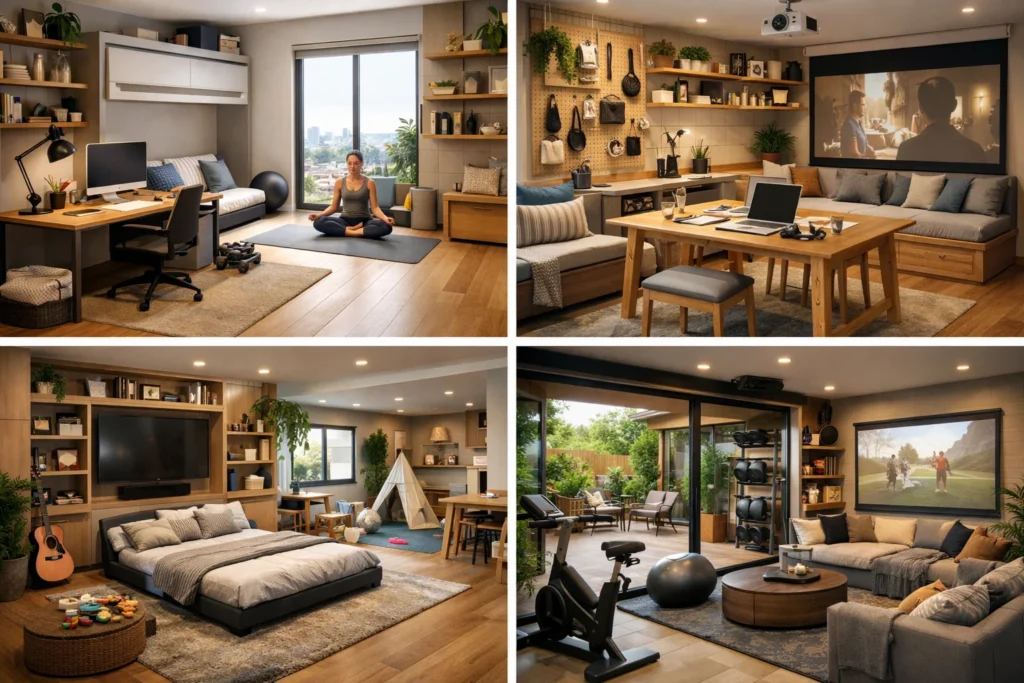
Welcome to the new era of flexible living! As we journey into 2026, our homes are transforming to meet the demands of modern lifestyles, with multi-functional spaces taking center stage. This article explores the rise of multi-functional living and its increasing importance.
The New Era of Flexible Living

How Modern Lifestyles Are Driving Home Evolution
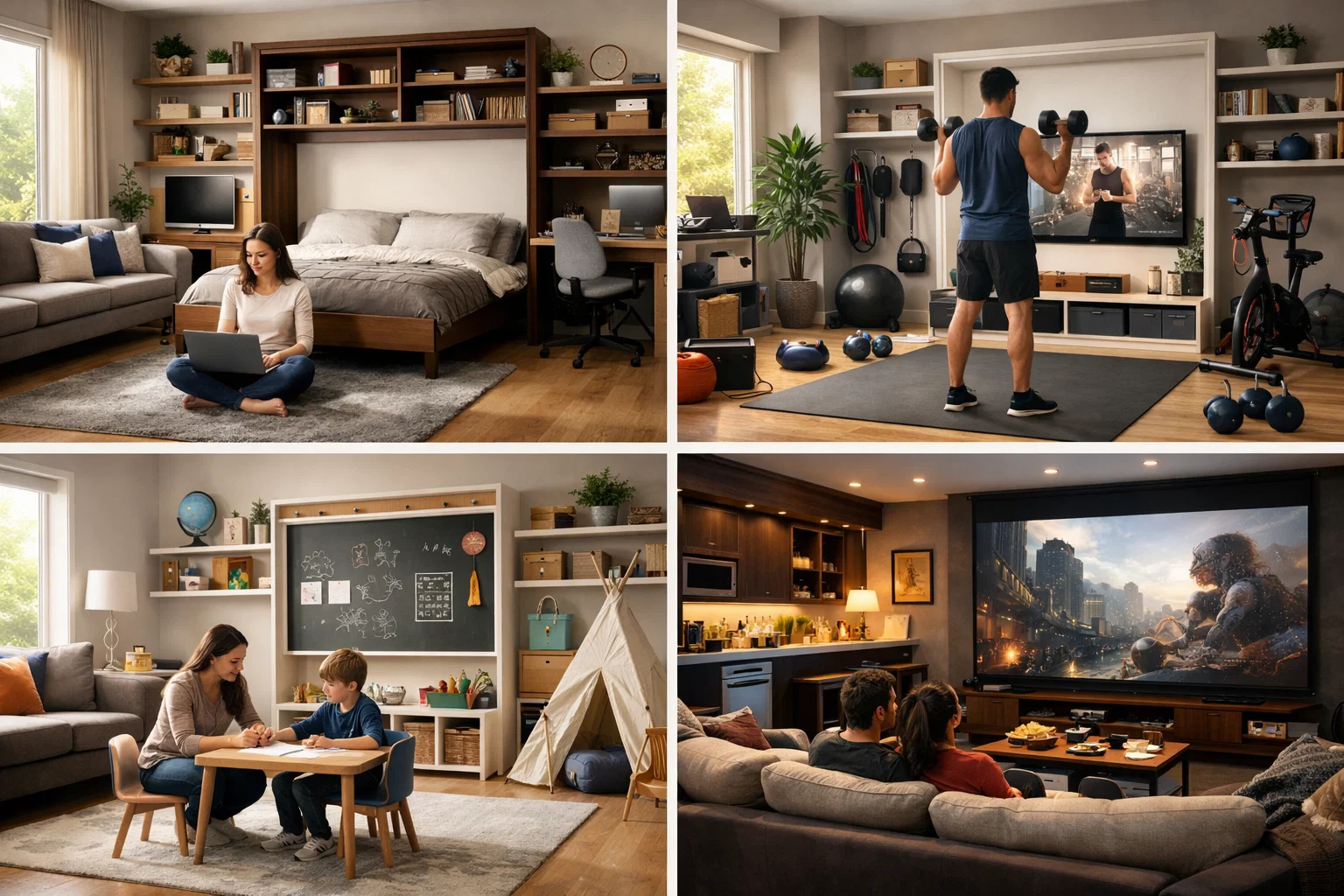
Modern lifestyles demand adaptability, and our living spaces are evolving to meet these needs. The rise of multi-functional design reflects a desire for versatility, accommodating work, leisure, and social activities seamlessly within the same square footage.
Why Multi-Functional Spaces Matter More Than Ever
In an era where space is a premium, multi-functional spaces offer practical solutions for modern living. The ability to serve multiple functions within a single area maximizes every square foot, making these spaces invaluable to homeowners.
Understanding Multi-Functional Living Spaces
Definition and Core Principles
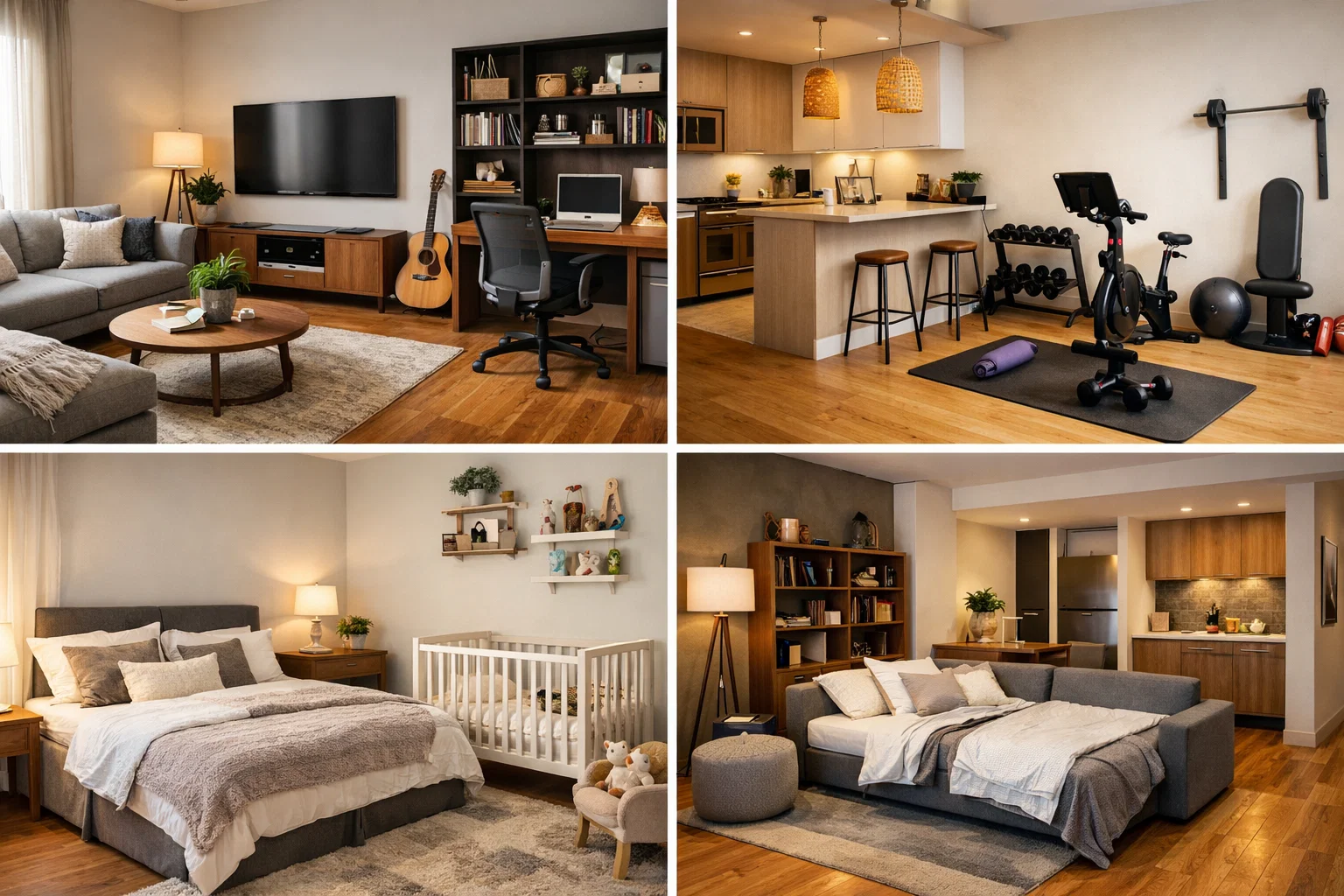
A multi-functional space is designed to serve multiple purposes, seamlessly adapting to evolving needs. Core principles guide the creation of these spaces, including:
- Flexibility
- Adaptability
- Efficient use of space
These principles create environments that are both practical and aesthetically pleasing.
Difference Between Multi-Functional, Modular, and Smart Spaces
While multi-functional spaces serve multiple purposes, modular spaces involve rearrangeable components. Smart spaces integrate smart technology for automated convenience. These concepts intertwine, offering diverse solutions for modern homes and smaller living spaces.
Psychological Benefits of Flexible Home Design
Flexible home design offers psychological benefits by promoting a sense of control and adaptability. Adaptable living spaces contribute to emotional well-being, reducing stress by seamlessly accommodating different activities and needs within the living area.
Key Drivers Behind the Trend
Urbanization and Smaller Living Spaces
Urbanization drives the trend toward multi-functional living as smaller living spaces become the norm. Homeowners seek innovative solutions to maximize limited square footage, turning to space-saving and multi-functional furniture.
Remote Work, Hybrid Lifestyles, and Home Offices
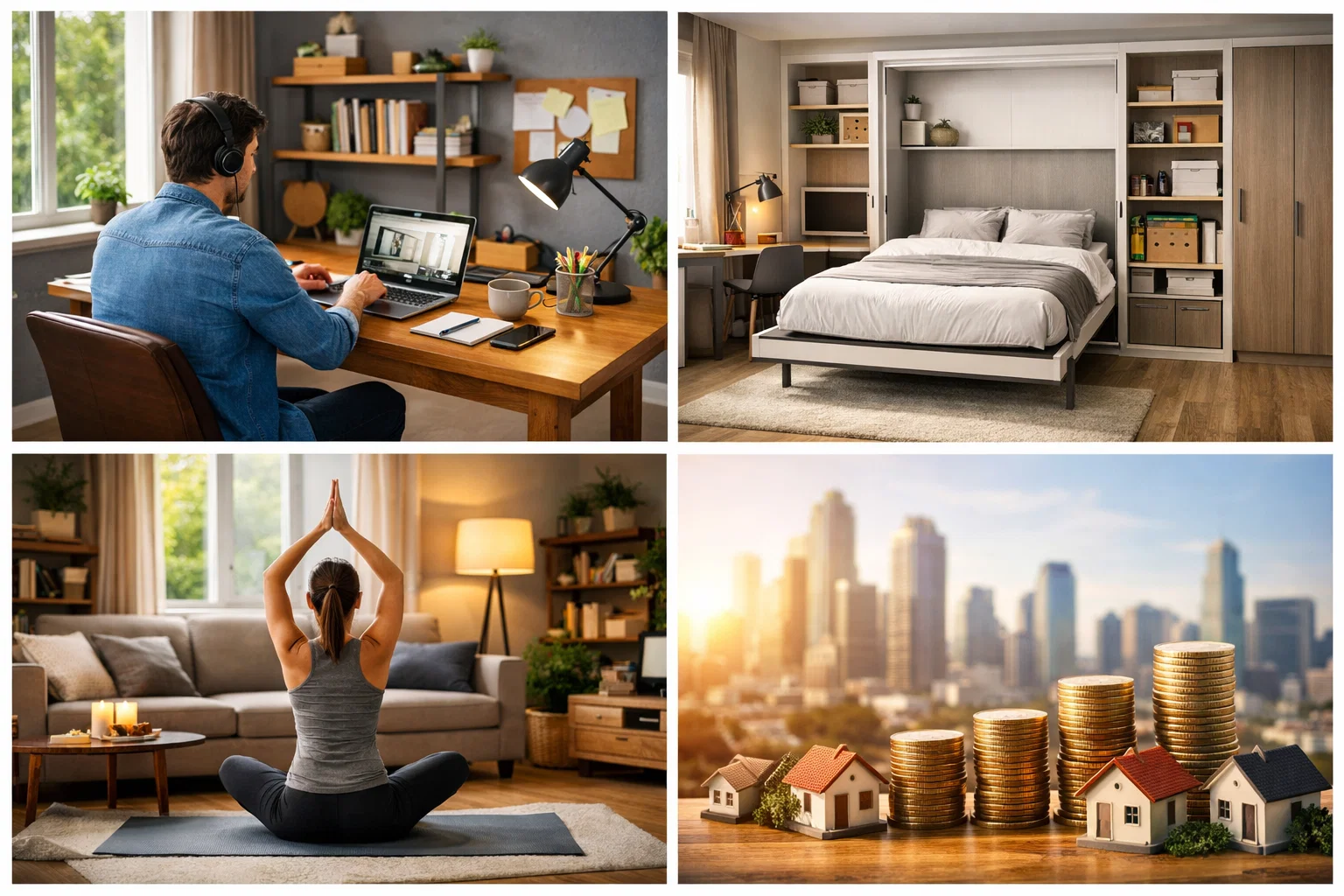
Remote work and hybrid lifestyles necessitate dedicated home offices, often integrated into living areas. Multi-functional design allows spaces to seamlessly transition from workspaces during the day to relaxing living spaces after hours.
Shift from Materialism to Experiential Living
The shift from materialism to experiential living emphasizes adaptability and flexibility in our homes. Multi-functional spaces support diverse activities and experiences, reflecting a lifestyle focused on adaptability and purpose.
Technological Advancements in Smart Furniture and IoT
Technological advancements in smart furniture and IoT are revolutionizing home design. Smart technology enhances the adaptability of multi-functional spaces, offering automated adjustments to lighting, temperature, and furniture configuration to serve multiple functions.
Essential Features of Multi-Functional Spaces
Modular and Transformable Furniture Solutions
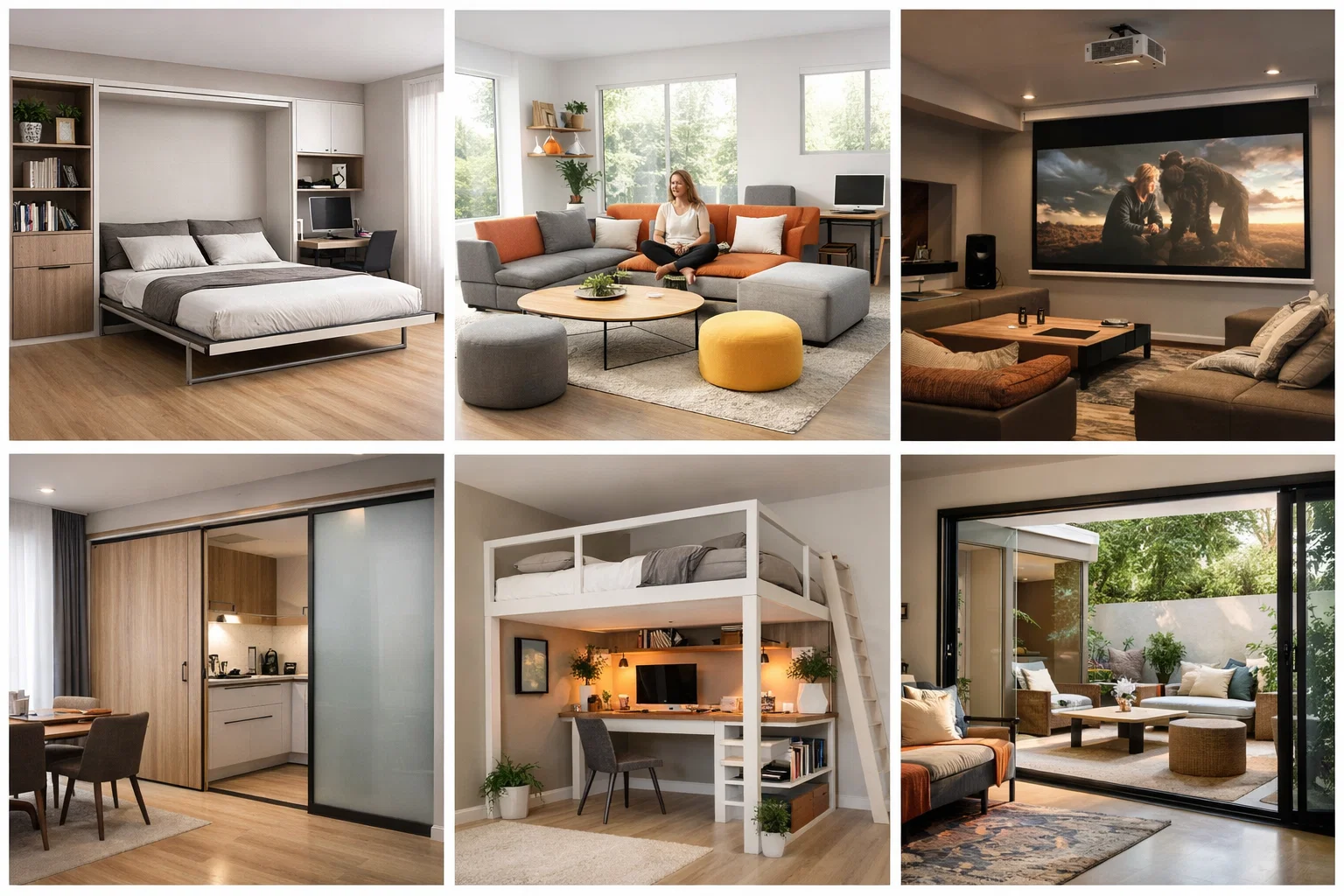
Modular furniture solutions are essential for multi-functional spaces, offering rearrangeable and adaptable components. Modern multifunctional furniture enhances flexibility, allowing homeowners to reconfigure their living spaces with ease to serve multiple purposes.
Zoning, Room Dividers, and Visual Separation
Zoning, room dividers, and visual separation are crucial for defining distinct areas within a multi-functional space. These elements create adaptable zones for different activities, maintaining functionality without sacrificing aesthetic appeal in the home design.
Convertible Rooms: From Bedroom to Office or Gym
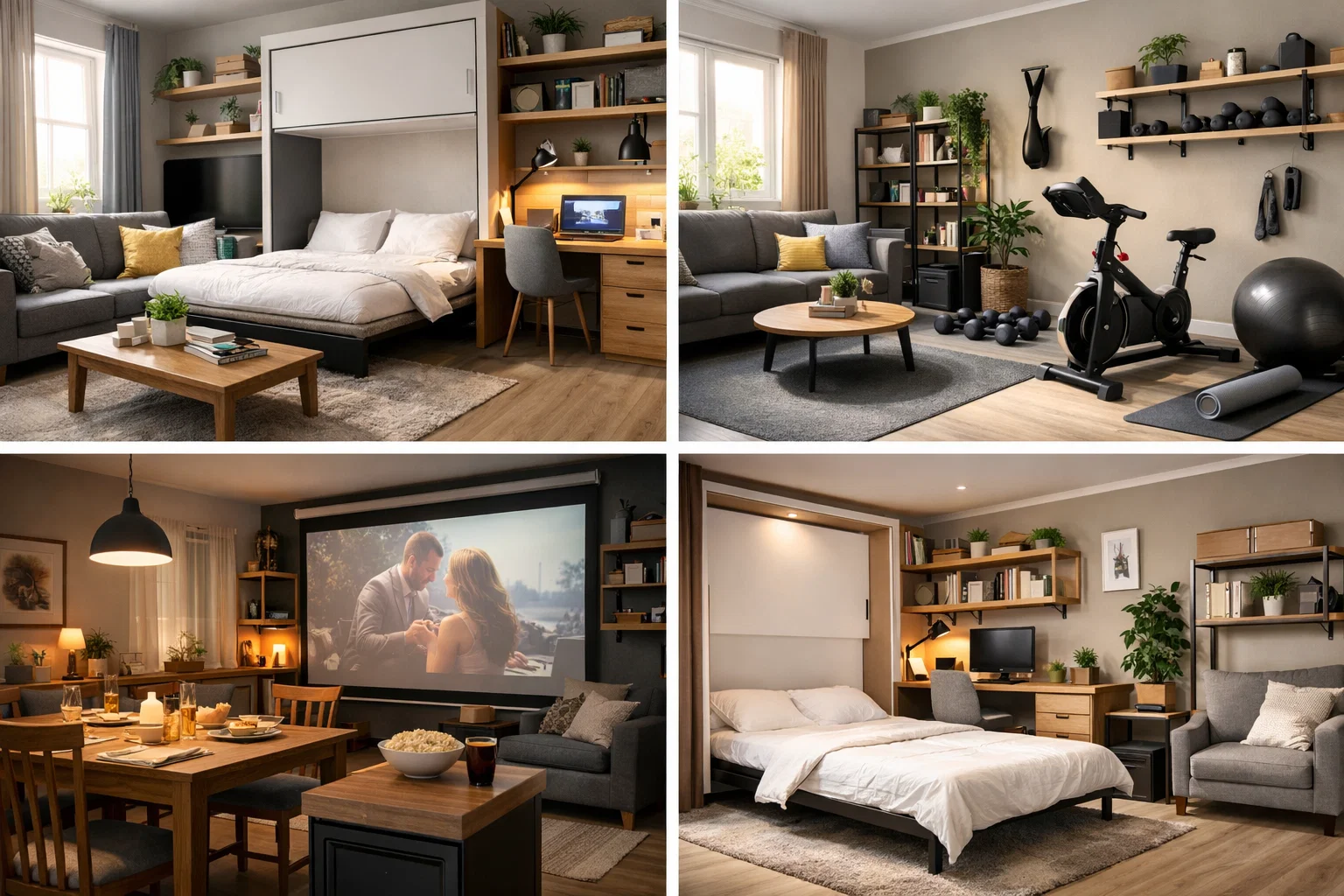
Convertible rooms seamlessly transform from bedroom to office or gym, showcasing the versatility of multi-functional design. Murphy beds, adaptable desks, and space-saving equipment enable these transitions, optimizing every square foot.
Smart Lighting, Temperature, and Sound Integration
Smart lighting, temperature, and sound integration enhance the adaptability of multi-functional spaces. Automated systems adjust settings to suit different activities, creating the perfect ambiance for work, relaxation, or entertainment using smart technology.
Benefits of Multi-Functional Living Spaces
Maximizing Space Efficiency Without Sacrificing Style
Multi-functional living spaces are designed to maximize space efficiency without sacrificing style. By carefully selecting modular furniture and space-saving furniture, homeowners can create adaptable environments that seamlessly integrate different functions while maintaining an aesthetic appeal.
Supporting Modern Work, Leisure, and Social Needs
These multi-functional rooms support modern work, leisure, and social needs by offering adaptable solutions for every lifestyle. From creating a comfortable home office to a versatile living area for entertaining, these spaces cater to the evolving needs of modern living.
Encouraging Minimalism and Intentional Living
The rise of multi-functional design encourages minimalism and intentional living by prioritizing adaptable spaces that serve multiple functions. By focusing on multipurpose furniture and smart design, homeowners can declutter their living spaces and cultivate a more intentional way of life.
Flexibility for Family, Guests, and Changing Needs
Multi-functional spaces provide flexibility for family, guests, and changing needs, ensuring that homes can easily adapt to various situations. A guest room can transform into a home office, or a living area can seamlessly accommodate a family gathering.
Cultural and Social Implications
How Multi-Functional Spaces Reflect Modern Values
Multi-functional spaces reflect modern values such as adaptability, versatility, and practicality. These home designs prioritize efficient use of every square foot, aligning with the contemporary emphasis on minimalism and creating adaptable spaces for smaller living.
Supporting Co-Living and Multi-Generational Homes
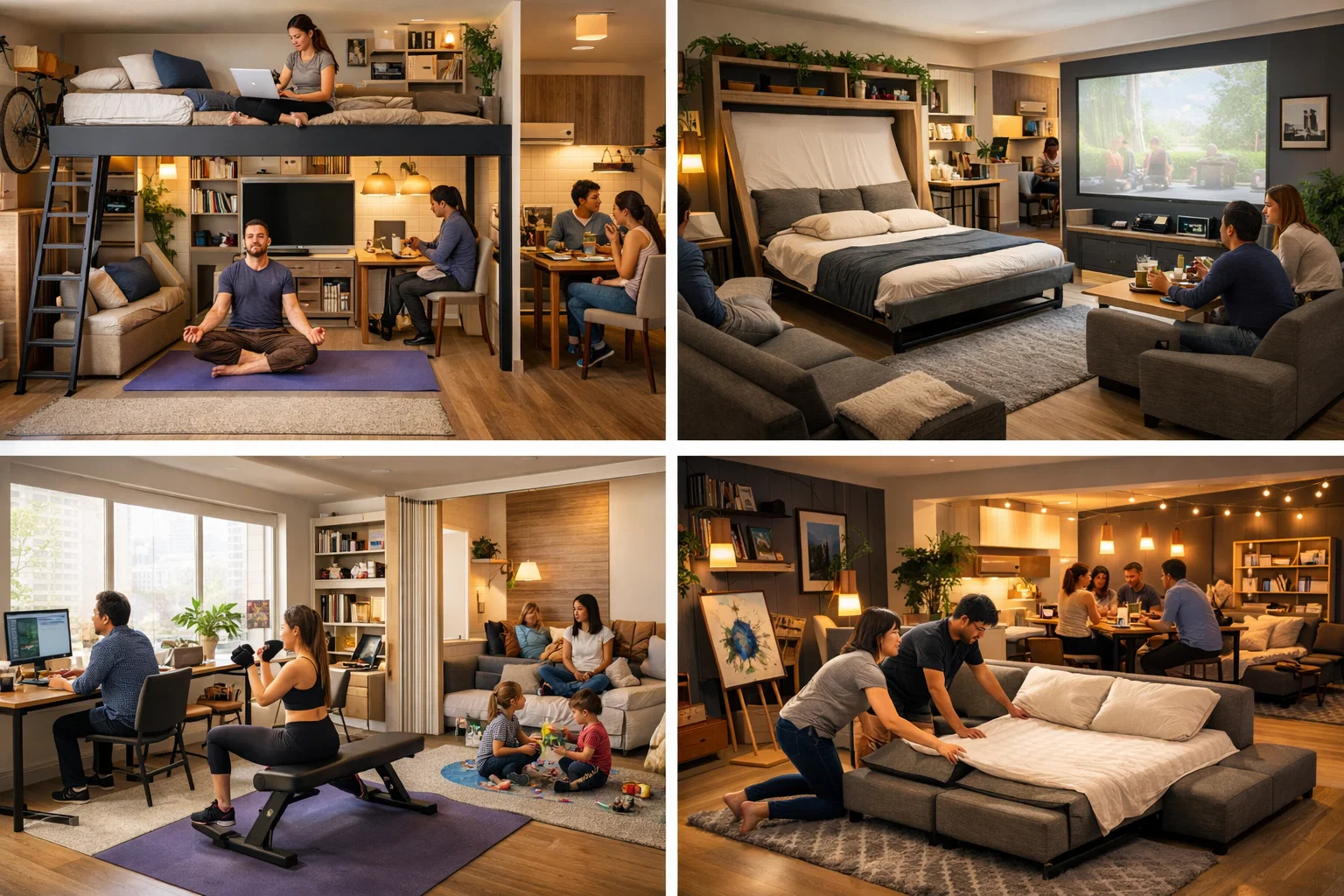
Multi-functional design is particularly beneficial in supporting co-living and multi-generational homes, where multiple people share a single living space. Adaptable layouts and multi-functional furniture allow individuals to maintain their privacy while still enjoying communal living spaces.
Enhancing Comfort, Emotional Well-Being, and Lifestyle Freedom
By offering adaptable environments that seamlessly integrate different functions, multi-functional spaces enhance comfort, emotional well-being, and lifestyle freedom. Creating adaptable spaces and a comfortable environment contribute to a greater sense of control and adaptability.
Global Trends and Examples in 2026
Micro-Apartments in Asia and Europe
In Asia and Europe, micro-apartments exemplify multi-functional design by maximizing every square foot with clever space-saving solutions. These urban living spaces often feature modular furniture, hidden storage, and convertible layouts to serve multiple purposes.
Open-Concept Lofts in the USA
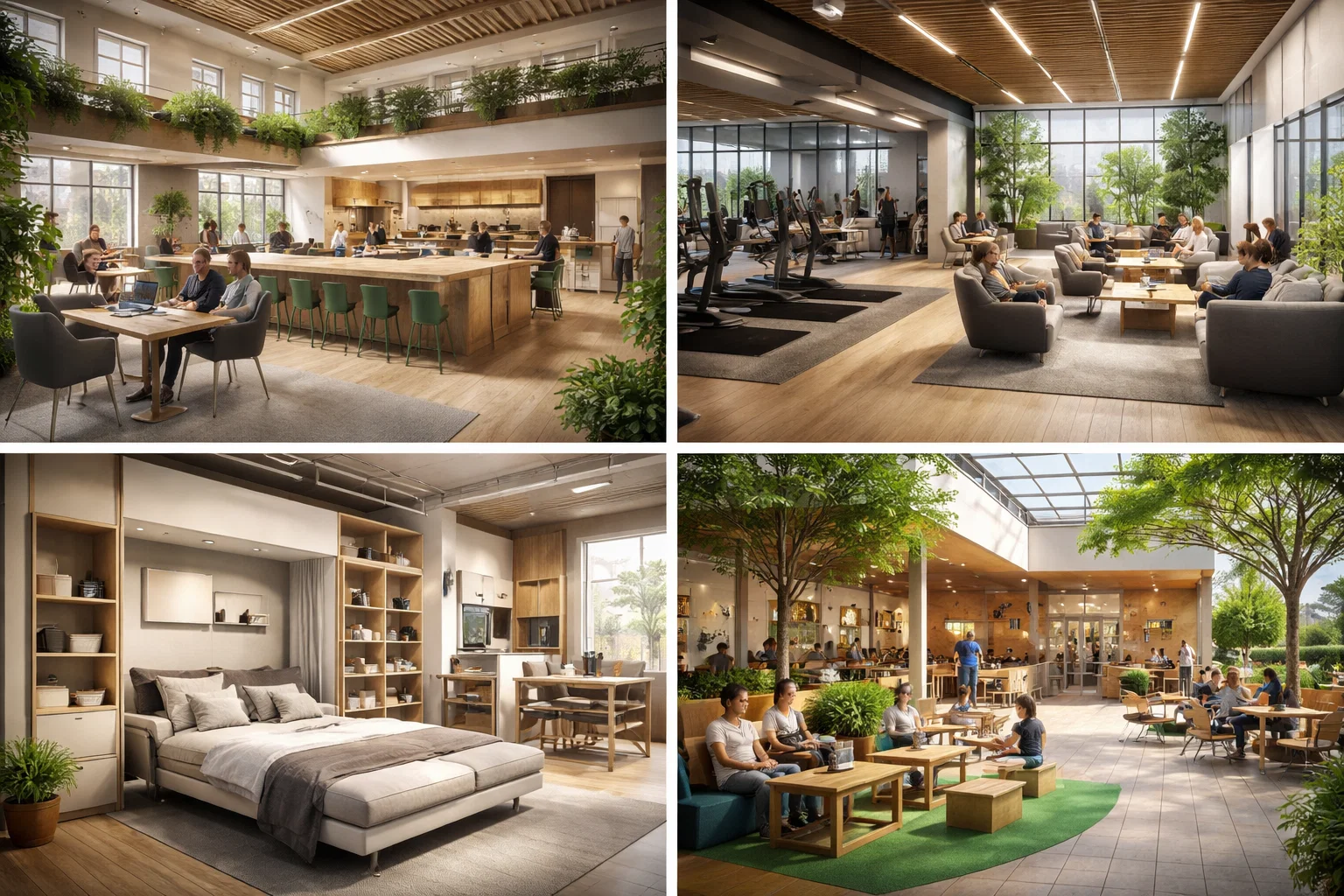
Open-concept lofts in the USA are embracing multi-functional design to create adaptable living and working spaces. By incorporating modular furniture and zoning techniques, homeowners can define distinct areas within the open layout for various activities.
Luxury Homes Embracing Modular and Smart Transformations
Luxury homes are also embracing modular and smart transformations, integrating high-end technology and adaptable design elements. Smart technology and multi-functional furniture elevate the experience of modern living. These modern homes adapt spaces using furniture.
Integrating Technology for Seamless Adaptation
Smart Furniture and IoT-Enabled Flexibility
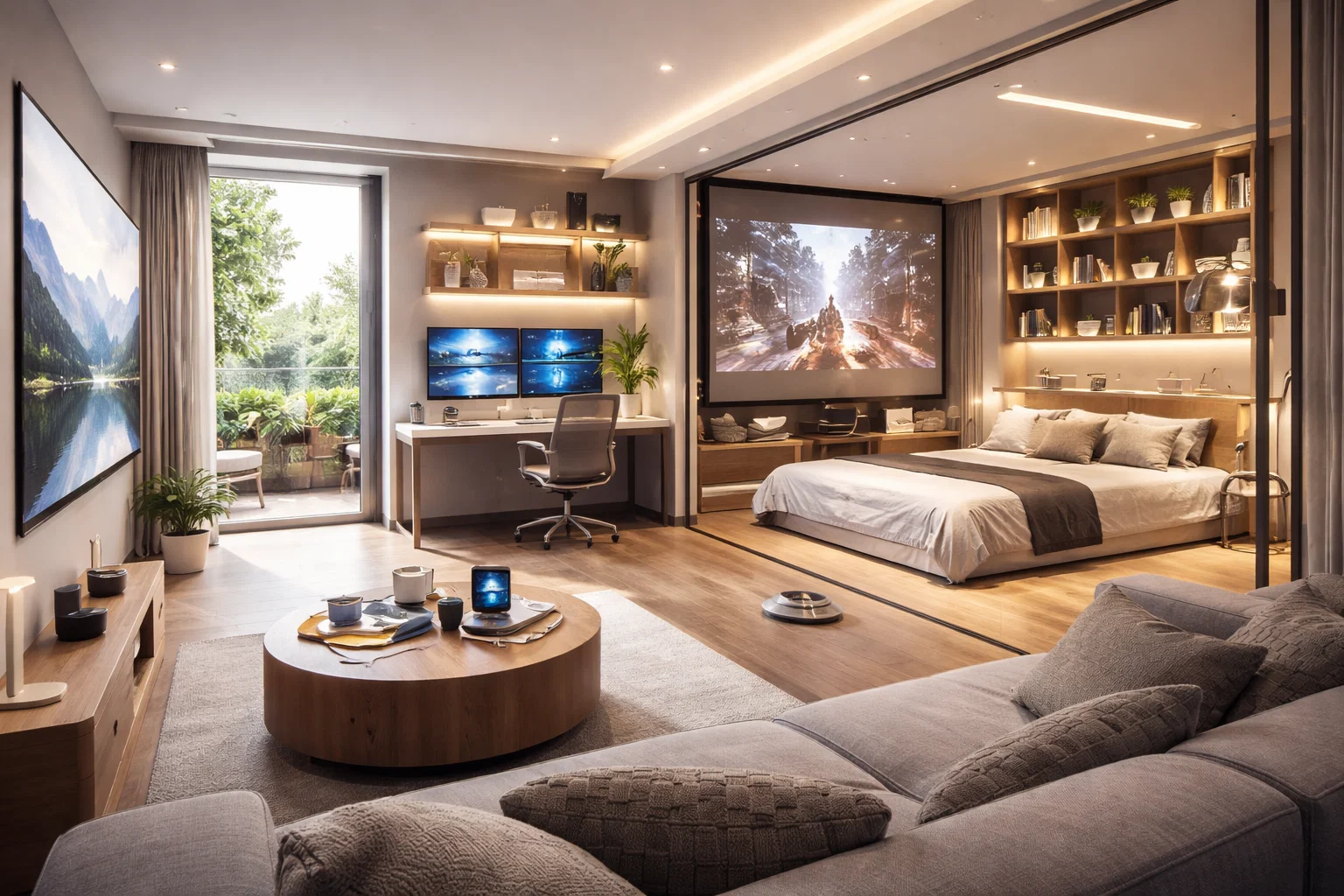
Smart furniture and IoT-enabled flexibility are revolutionizing multi-functional spaces, allowing for seamless adaptation to different needs and preferences. Modern multifunctional furniture can transform with the touch of a button, creating adaptable spaces.
Voice Control, Automated Lighting, and Climate Systems
Voice control, automated lighting, and climate systems further enhance the adaptability of multi-functional rooms. These technologies allow homeowners to effortlessly adjust their environment to suit different activities, creating the perfect ambiance for work or relaxation in flexible spaces.
How Technology Supports Efficient, Multi-Use Spaces
Technology supports efficient, multi-use spaces by automating tasks and optimizing resource consumption. Smart home systems can automatically adjust lighting, temperature, and energy usage based on occupancy and activity patterns in modern homes.
Design Tips for Creating Your Own Multi-Functional Space
Assessing Your Home’s Potential for Multi-Functionality
Begin by assessing your current living space and identifying areas with the most potential for adaptability. Consider which rooms could serve multiple functions to maximize every square foot. Think about your daily lifestyle and how to adapt spaces.
Choosing Modular, Foldable, or Convertible Furniture
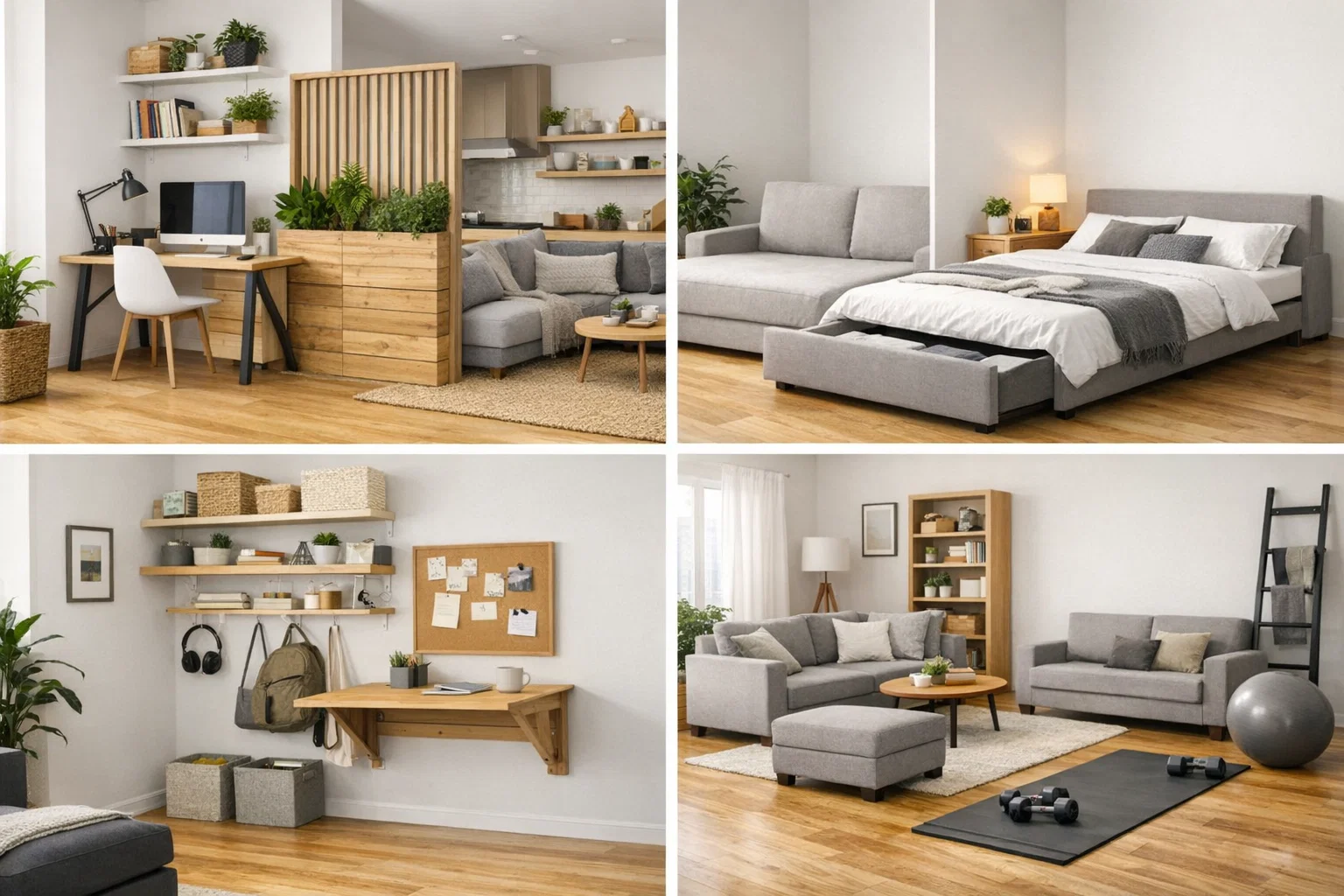
Select modular furniture, foldable items, or convertible pieces to optimize space and enhance flexibility. Look for sofa bed options, dining table solutions that can be compactly stowed away, and modular storage systems to suit your needs.
Layering Functions Without Cluttering the Space
Effectively layering functions without creating clutter is essential in multi-functional design. Utilize smart design techniques such as built-in storage, shelves, and vertical organizers to keep your living space tidy and practical.
Styling Tips: Making Multi-Functional Spaces Aesthetically Pleasing
To make multi-functional spaces aesthetically pleasing, prioritize a cohesive interior design scheme with coordinated colors and textures. Incorporate stylish storage solutions and décor items that enhance rather than detract from the space.
Common Mistakes to Avoid
Overloading a Room With Too Many Functions
Avoid overloading a room with too many functions. Prioritize adaptability that complements rather than complicates the space, and streamline living area and workspace needs. Ensure each area serves multiple functions, but does so seamlessly and practically.
Ignoring Ergonomics or Comfort
When creating adaptable workspaces, do not ignore ergonomics or comfort; prioritize supportive seating, adjustable desks, and suitable lighting in your home office. Ensure any design supports long-term well-being, especially in smaller living spaces.
Neglecting Technology and Smart Integration
Don’t neglect technology and smart integration, and consider how modern homes use smart technology to automate tasks and enhance adaptability. Integrate lighting and climate control to modernize the living space, creating adaptable spaces that serve multiple functions.
The Future of Multi-Functional Living Spaces
Integration with AI and Adaptive Interiors
In the future, integration with AI and adaptive interiors will further revolutionize multi-functional spaces. AI-driven systems will learn homeowner preferences and adjust lighting, temperature, and furniture configurations automatically and create adaptable spaces.
Sustainability and Eco-Friendly Modular Design
Sustainability and eco-friendly modular design will become increasingly important in modern homes and multi-functional living. Look for modular furniture crafted from sustainable materials, prioritizing space-saving furniture that minimizes environmental impact and serve multiple functions.
Personalized, Flexible Homes as the New Standard
Personalized, flexible homes will become the new standard, with multi-functional design at the forefront. Homeowners will expect living spaces that adapt to their changing needs, emphasizing adaptability, versatility, and practicality, especially in smaller living spaces.
Conclusion: Embracing Flexible Living for 2026 and Beyond
Embracing flexible living through multi-functional spaces is crucial for thriving in 2026 and beyond. As smaller living spaces become more common, the rise of multi-functional furniture will help people maximize every square foot and adapt their home design.