


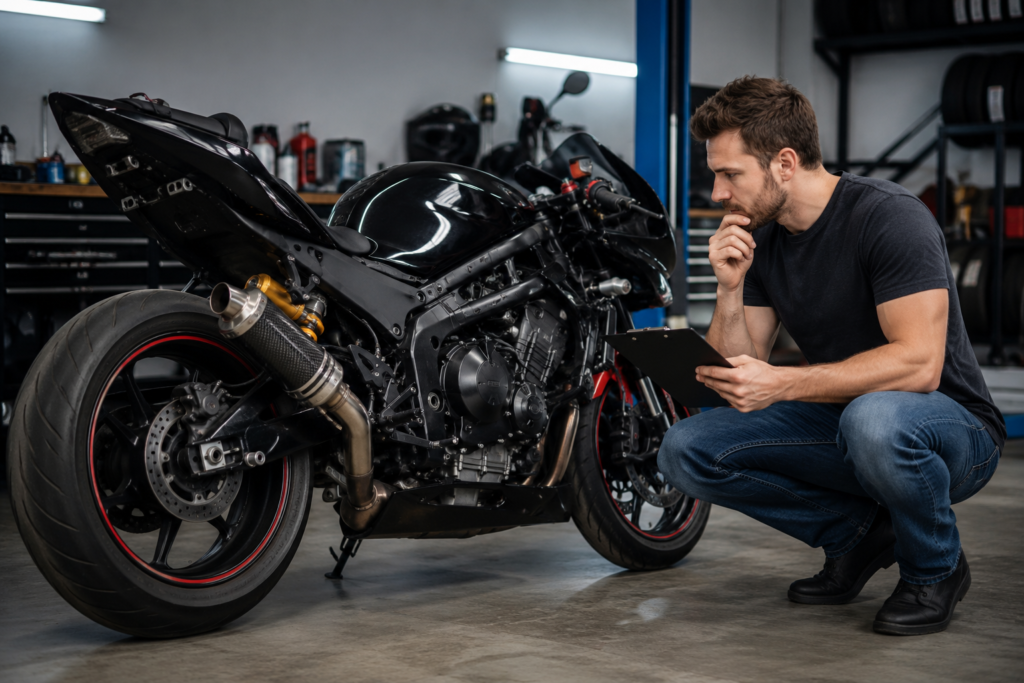
Bike modifications are common among riders who want better comfort, sharper styling, improved utility, or a more personalised riding experience. However, every change made to a two-wheeler can also matter when a claim is assessed.
Your insurer evaluates the bike based on the details declared in the policy. When those details change, your bike insurance should reflect the vehicle’s actual condition.
In this article, you will explore how bike modifications can influence claims, premiums, coverage, safety, and approvals.


How Modifications Affect Claims
A modified bike is not automatically difficult to insure or claim for. The concern usually arises when the insurer was not informed of the change, or when the modification affects safety, legality, value, or the cause of the damage. This is why riders should understand how alterations may be viewed during claim inspection.

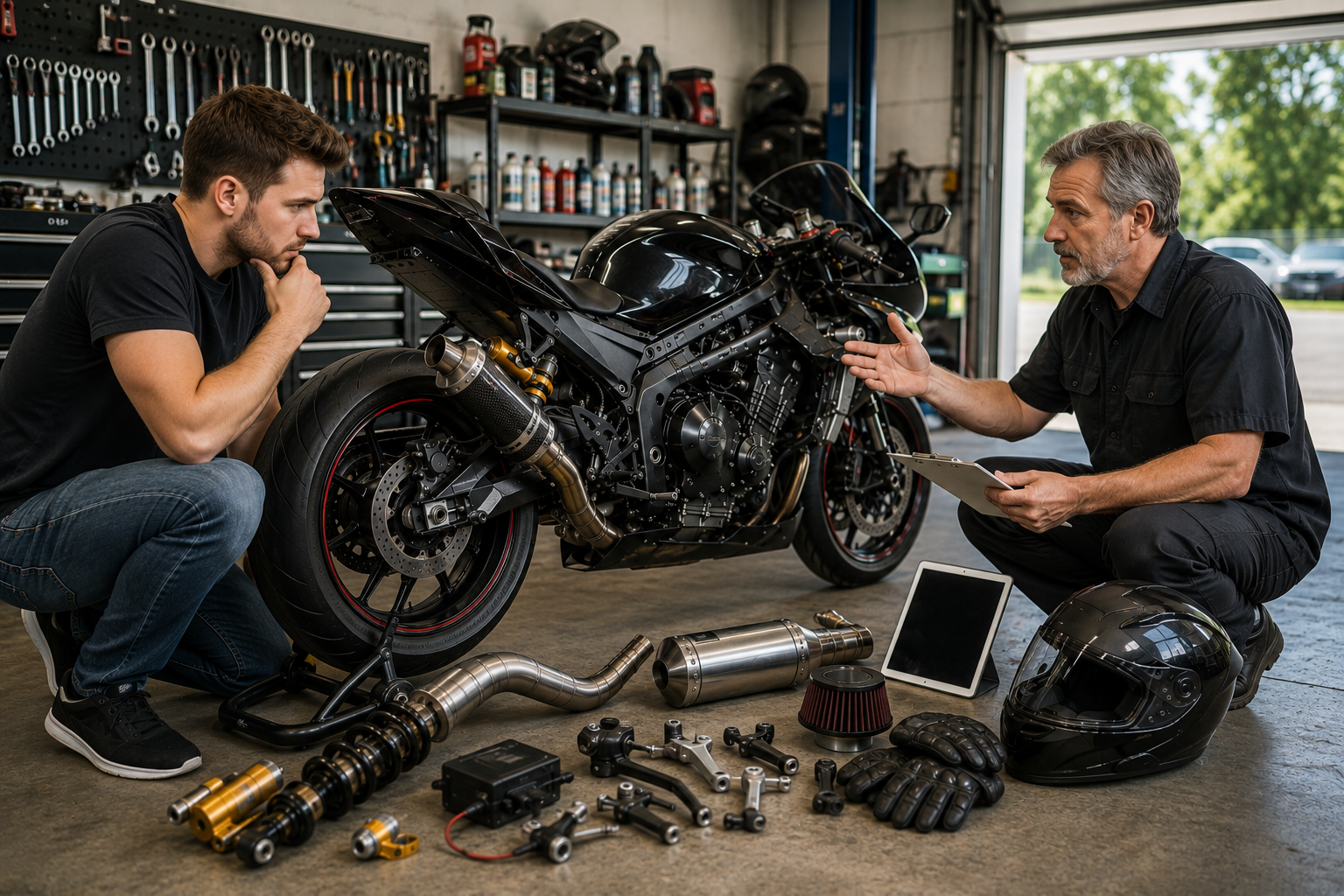
Claim Rejection
A claim may be questioned when a modification is directly connected to the accident or damage. For example, changes to braking parts, lights, tyres, suspension, exhaust systems, or engine components may need closer assessment.
- The modification was not shared with the insurer.
- The altered part contributed to the accident.
- The changed part affected road safety.
- The bike no longer matched registration details.
- The modification did not follow applicable motor vehicle rules.
Increased Premiums
Some modifications can change a bike’s risk profile. A simple visual addition may not have the same insurance impact as a performance upgrade or an expensive accessory. For example, a custom paint finish, high-value lighting system, modified exhaust, or engine-related change may affect how the vehicle is valued or repaired.
- The modification increases the bike’s insured value.
- The added part is expensive to repair or replace.
- The change affects performance or safety.
- The accessory increases the risk of theft or damage.
- The insurer needs to update the policy with an endorsement.
Non-coverage of Parts
Aftermarket parts are not always included automatically under a standard two-wheeler policy. Some accessories may need to be declared separately, especially when they have a measurable value or are not part of the manufacturer’s original fitment.
- Custom body panels
- Special lighting accessories
- Luggage carriers
- Imported fittings
- Modified seats
- Custom paintwork
- Performance-related parts
Safety Risk
A modification should not make the bike unsafe to ride. Changes that affect braking, balance, visibility, handling, or electrical systems may need careful attention.
- The accessory is not fitted properly.
- The tyres, brakes, suspension, or handlebars are altered without proper checks.
- The lighting system affects visibility or fails to comply with road-use requirements.
- The modification affects the bike’s balance or handling.
- The part does not suit the bike’s design or regular road use.
- The change reduces the bike’s roadworthiness.
Key Considerations for Modified Bikes
The safest approach is to treat every meaningful modification as potentially requiring disclosure. This does not mean every small accessory will affect your claim. It simply means the insurer should not discover major changes only after an accident.
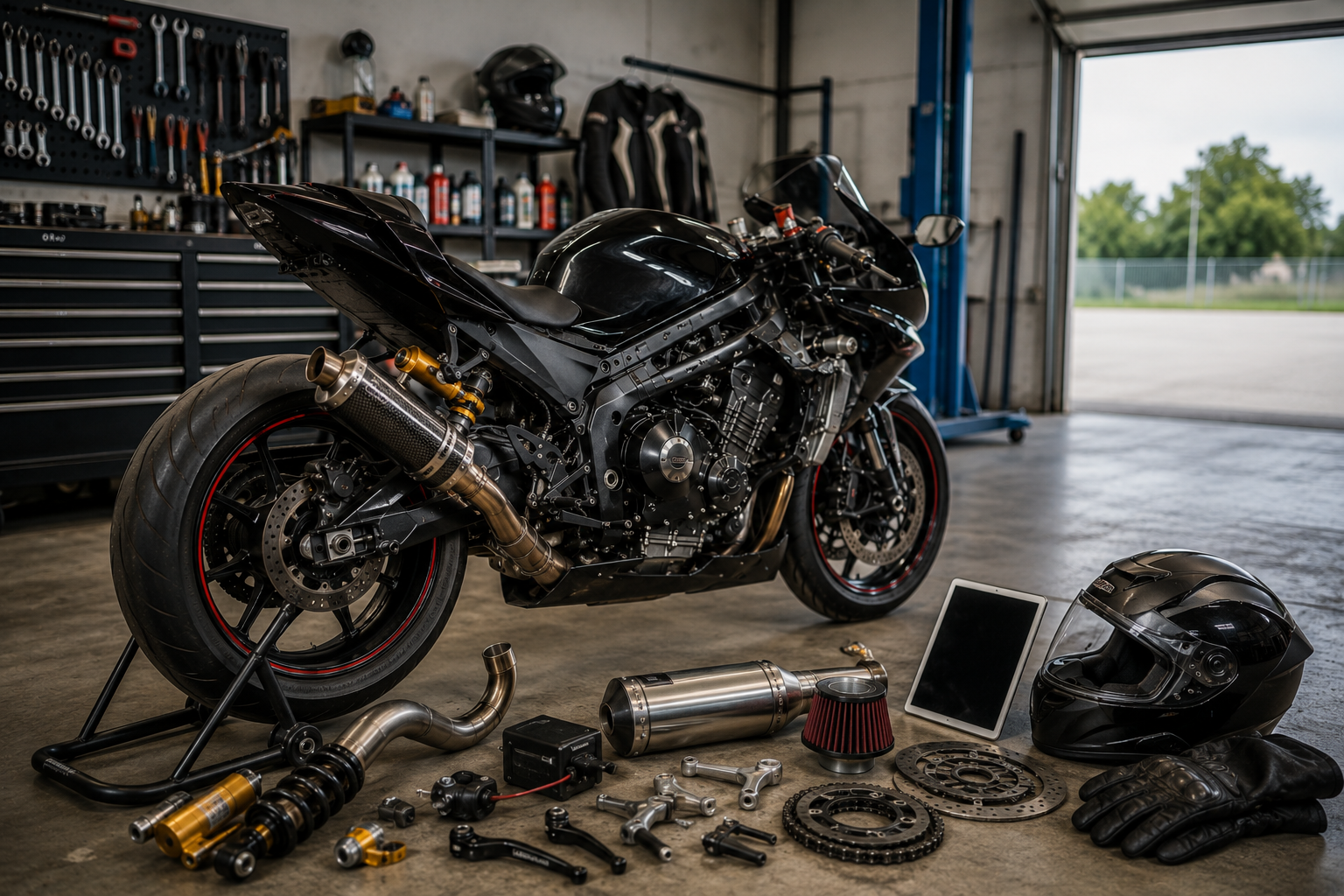
1. Declare Everything
Inform the insurer about any significant modifications made to the bike. Do this before the change, where possible, or soon after it is completed. Clear disclosure reduces uncertainty during claim inspection.
- Engine-related changes
- Electrical additions
- High-value accessories
- Custom paint or body changes
- Fuel-related alterations
- Major comfort or performance upgrades
2. Safety First
Choose modifications that support safe riding. A bike used on public roads should remain stable, visible, controllable, and compliant with applicable rules. Changes to braking, steering, lighting, mirrors, tyres, or suspension may need extra care because they can affect how the bike performs on the road.
- It affects braking, balance, or handling.
- It reduces visibility for the rider or other road users.
- The accessory is not compatible with the bike model.
- The part is poorly fitted or lacks proper technical support.
- The change does not follow applicable motor vehicle rules.
3. Keep Documentation
Paperwork matters more than many riders realise. When a claim is filed, clear records can make the assessment easier. Keep all documents related to the modification in one place.
- Purchase invoices
- Workshop bills
- Installation details
- Photographs before and after modification
- Policy endorsement copies
- Insurer communication
- RTO-related documents, where applicable
4. RTO Approval
RTO approval may be needed when a bike modification changes the details recorded in the vehicle’s registration. Under Section 52 of the Motor Vehicles Act, alterations that make the vehicle differ from the manufacturer’s original specifications may need to follow the applicable approval process.
- The modification changes the fuel type.
- The engine details are altered.
- The vehicle structure has changed.
- The bike no longer matches its registration particulars.
- The modification falls under a category that requires official approval.
Conclusion
Modified parts may affect a claim when they are unsafe, undisclosed, non-compliant, or connected to the damage being claimed. The better route is simple: inform your insurer, choose safe accessories, keep proper records, and check RTO requirements for major alterations. A transparent approach keeps your comprehensive bike insurance details accurate and clarifies the claim review process under the policy terms.