



MIRAI INTEX, a pioneer in sustainable refrigeration, recently announced the global availability of its advanced air-cycle refrigeration systems for ultra-low temperature (ULT) storage.
By using air as the refrigerant, Mirai-intex.com is removing reliance on hydrofluorocarbons (HFCs) and other high-GWP gases, providing laboratories, biobanks, and pharmaceutical companies with stable, zero-GWP cooling at -80 °C.

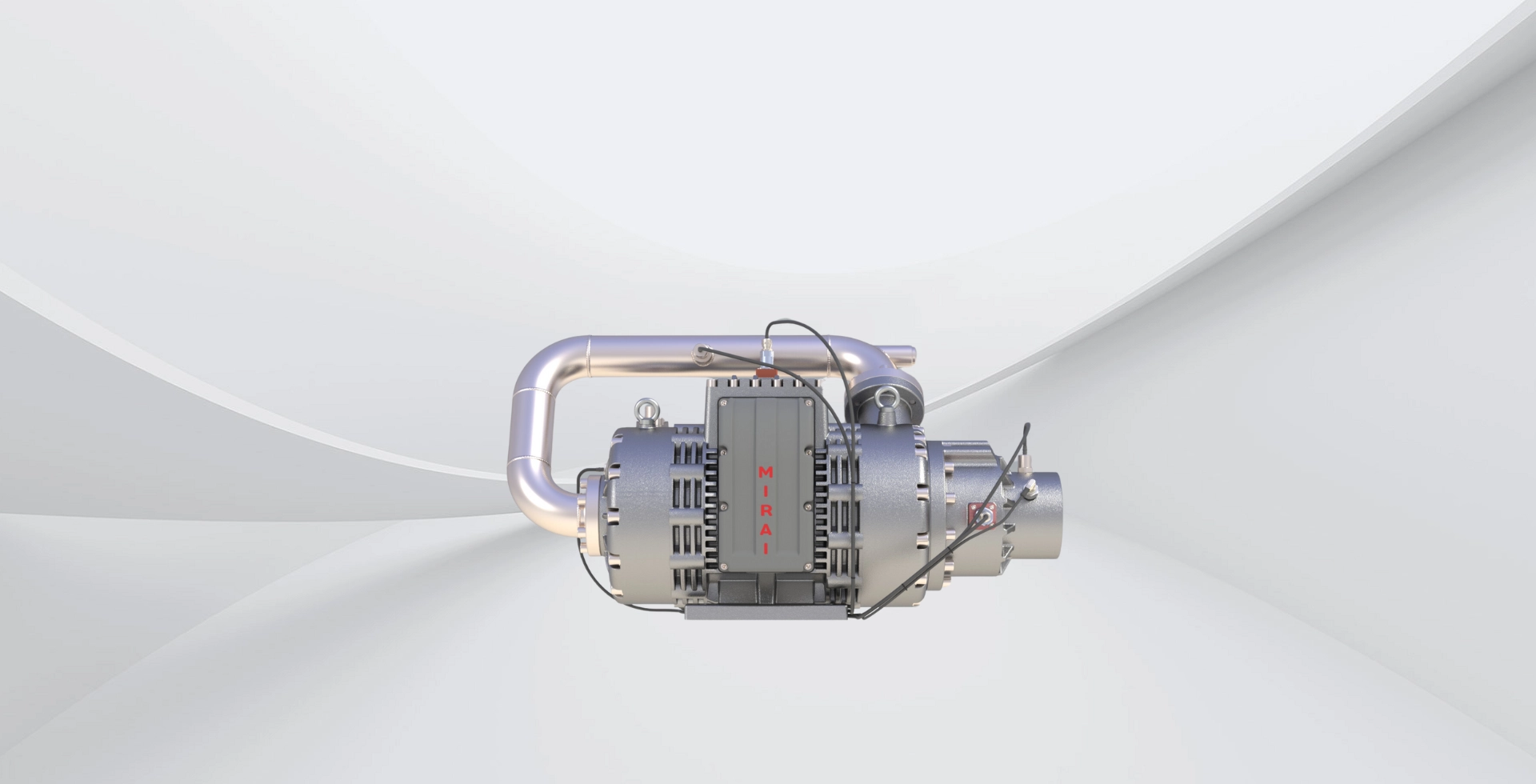
This breakthrough technology already underpins Azenta Life Sciences’ BioArc™ Ultra, the world’s first automated, high-density -80 °C storage system built entirely on air-based refrigeration.
The BioArc Ultra was recognized with the 2025 SelectScience Scientists’ Choice Award for Sustainability, highlighting the real-world impact of MIRAI’s innovation on global cold storage.
Addressing the Refrigerant Crisis
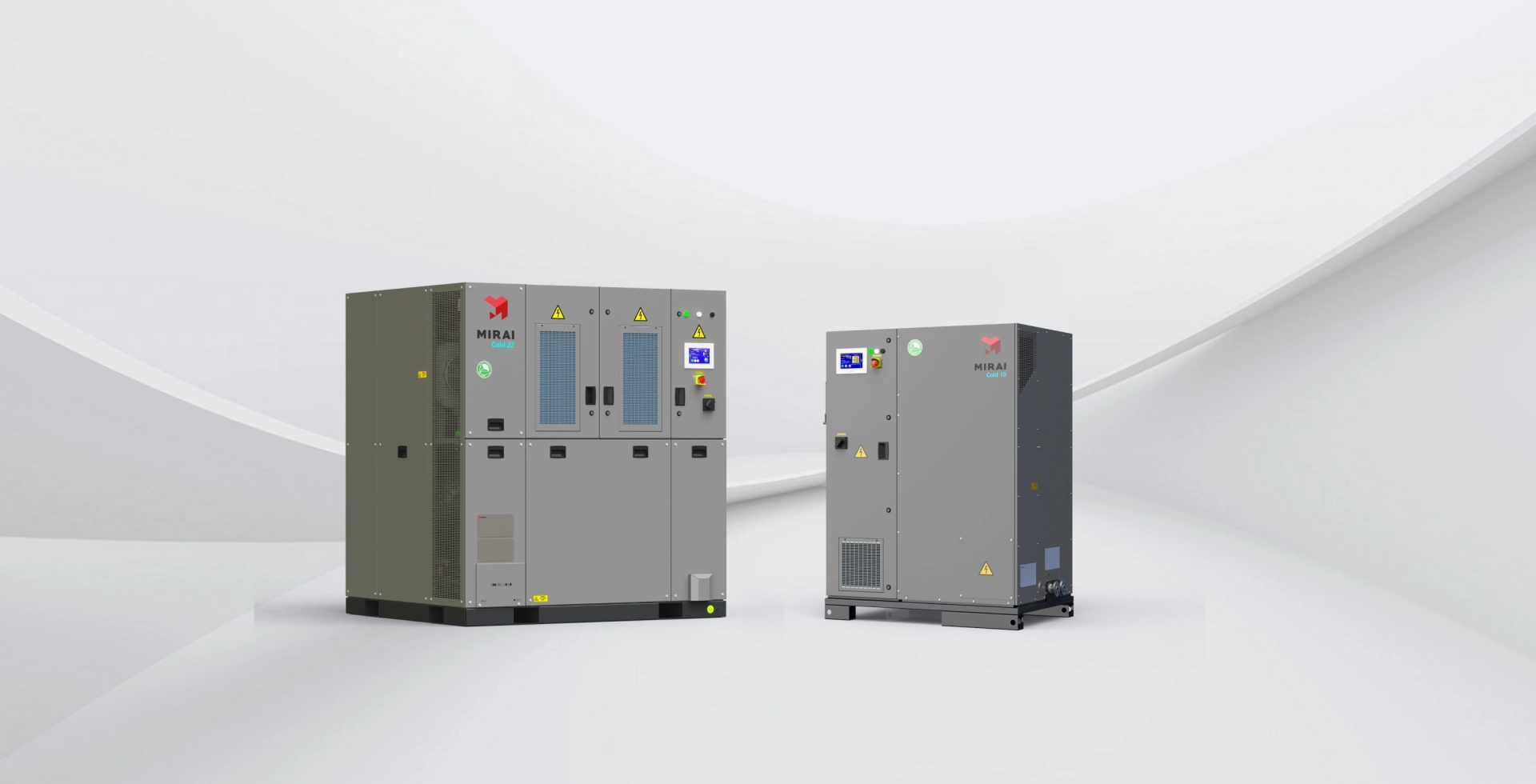
Cold storage is essential for science and healthcare, but the refrigerants that keep samples safe are a growing climate liability. Conventional ULT systems often use HFCs – gases with global warming potentials hundreds to thousands of times higher than CO₂.
With global regulations tightening, such as the EU F-gas Regulation (EU 2024/573) and the U.S. EPA Technology Transitions rule – supply, servicing, and compliance costs are escalating. Research institutions and pharmaceutical manufacturers face mounting pressure to adopt refrigerant strategies that support sustainability targets, reduce operational risk, and remain compliant over the coming decades.
How MIRAI’s Air-Cycle Refrigeration Works
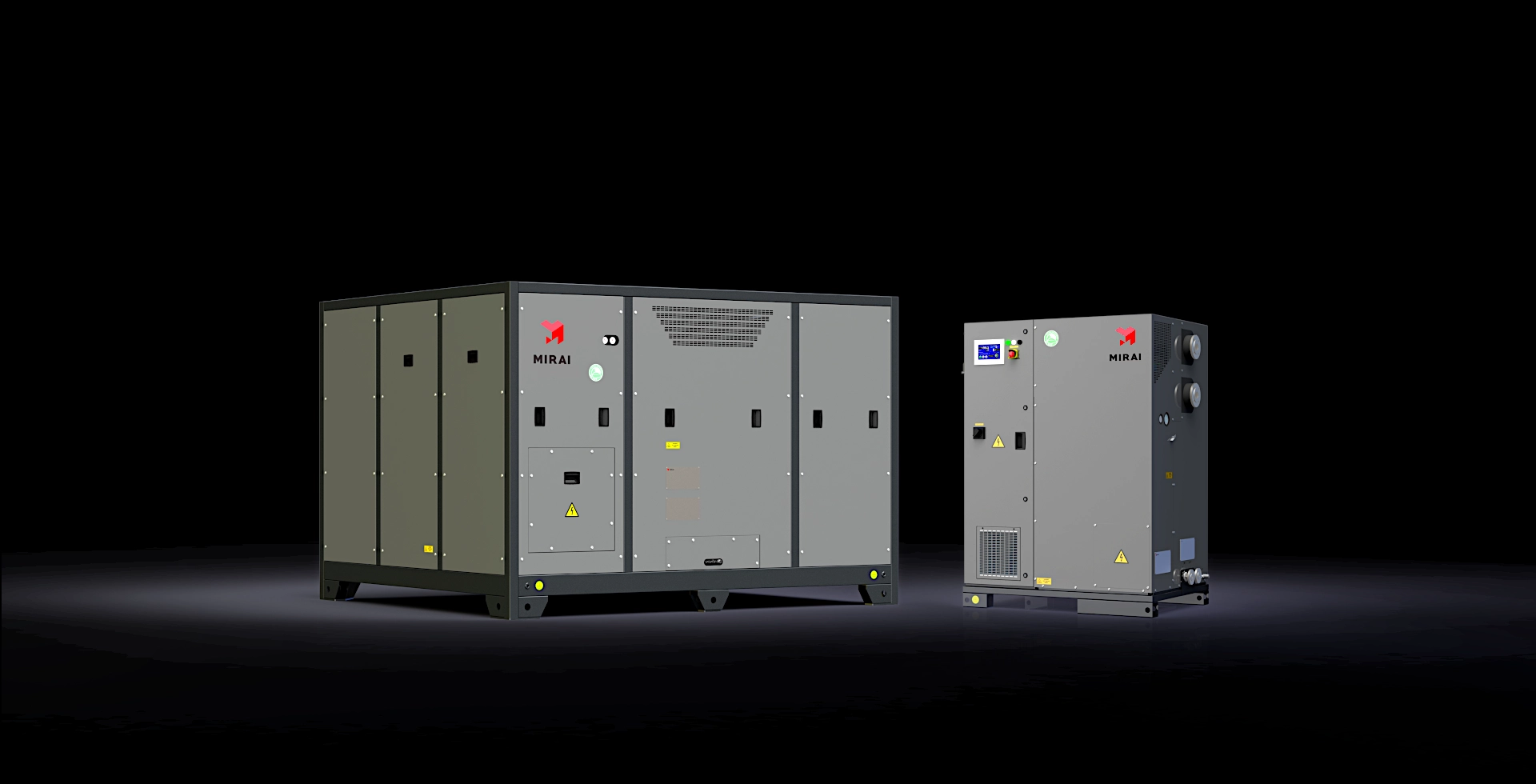
MIRAI’s technology relies on compressing and expanding ambient air to create deep cooling, without synthetic refrigerants. During the rapid temperature drop, moisture in the air can form tiny ice crystals—a process related to the scientific crystallization definition – which MIRAI’s system manages with advanced moisture-control engineering. The result is industrial-grade reliability with clear environmental advantages:
- Zero-GWP working fluid: The refrigerant is simply air, eliminating climate risk from leaks.
- Stable ultra-low temperatures: Proven to hold -40 °C, -60 °C, and -80 °C set points required in scientific storage.
- Lower total energy use per sample: Optimized duty cycles reduce electricity demand, and less heat rejection lowers HVAC load.
- Simplified compliance: No F-gas procurement, no leak logs, and no costly end-of-life gas recovery.
- Scalable integration: MIRAI refrigeration cores can support stand-alone systems or integrate into automated storage platforms.
Case Study: Azenta’s Award-Winning BioArc™ Ultra
Azenta Life Sciences selected MIRAI’s air-cycle technology to power its BioArc™ Ultra, a fully automated -80 °C sample store. The platform combines unprecedented density—up to 16 million samples—with sustainability credentials recognized by the scientific community.
Highlights:
- High-Density Storage: Consolidates dozens of upright ULT freezers into a single automated system, freeing laboratory space.
- Zero-GWP Refrigeration: Air-based cooling avoids regulatory risks tied to HFCs and other high-GWP gases.
- Lower Energy Per Sample: Efficient refrigeration plus consolidation sharply reduces electricity consumption.
- Independent Recognition: Winner of the 2025 Scientists’ Choice Award for Sustainability.
Industry Context and Global Impact
Cold storage represents one of the largest energy loads in laboratories and life sciences facilities. Studies show ULT freezers are among the most energy-hungry appliances in research environments. Benchmarking has demonstrated that newer high-performance ULT technologies can cut energy use by 70–75 % compared to legacy models.
By combining this level of efficiency with air-cycle refrigeration’s zero-GWP profile, MIRAI and its partners offer organizations a pathway to lower Scope 1 and Scope 2 emissions—critical for meeting net-zero pledges and satisfying sustainability funding requirements.
Looking Ahead
As R&D expands and global health demands rise, secure and sustainable cold storage is becoming a strategic priority. Governments and funding bodies increasingly expect adoption of natural refrigerant technologies such as air, CO₂, and hydrocarbons.
MIRAI INTEX positions its air-cycle solutions as a future-proof choice for organizations investing in next-generation labs, biobanks, and pharmaceutical manufacturing facilities.
About MIRAI INTEX
MIRAI INTEX develops and manufactures air-based refrigeration systems for ultra-low temperature applications across life sciences, pharmaceuticals, food, and industrial cold-chain logistics.
With headquarters in Switzerland, MIRAI partners globally to deliver zero-GWP cooling solutions that combine scientific reliability with environmental responsibility.
Learn more at https://mirai-intex.com.