Discover how mindful movement and low-impact fitness routines can enhance your quality of life in 2026. This guide explores gentle, sustainable exercises for all ages and fitness levels, promoting both physical and mental wellness.
What is Mindful Movement and Why It Matters in 2026
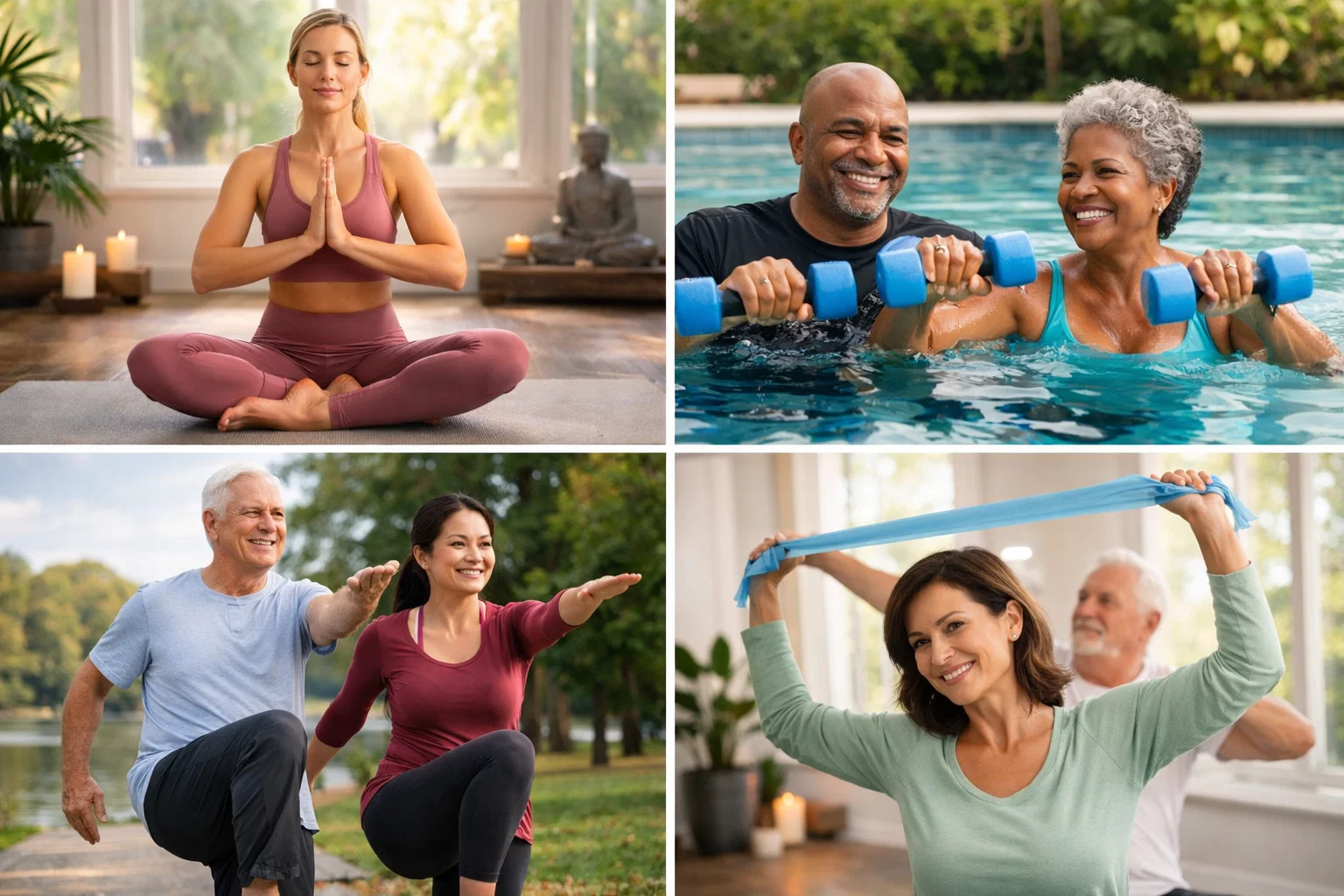
Definition: Low-Impact, Intentional, and Mind-Body Focused Fitness
Mindful movement is defined as a form of physical activity that combines low-impact exercise with mindfulness. This approach emphasizes intentional, mind-body focused fitness, where individuals are fully present during their workout, connecting with their bodies and breath to enhance overall wellness.
The Growing Trend of Mindful Fitness and Holistic Wellness
The trend of mindful fitness and holistic wellness is rapidly growing as more people recognize the benefits of integrating mindfulness into their exercise routines. This approach fosters a deeper connection with one’s body, enhancing mental clarity and overall well-being beyond traditional exercise.
How Mindful Movement Supports Longevity and Overall Health
Mindful movement supports longevity and overall health by promoting cardiovascular health and reducing stress. Regular physical activity through mindful exercise routines helps maintain fitness, improve mobility, and enhance mental clarity, contributing to a higher quality of life for older adults.
Key Principles of Mindful Movement
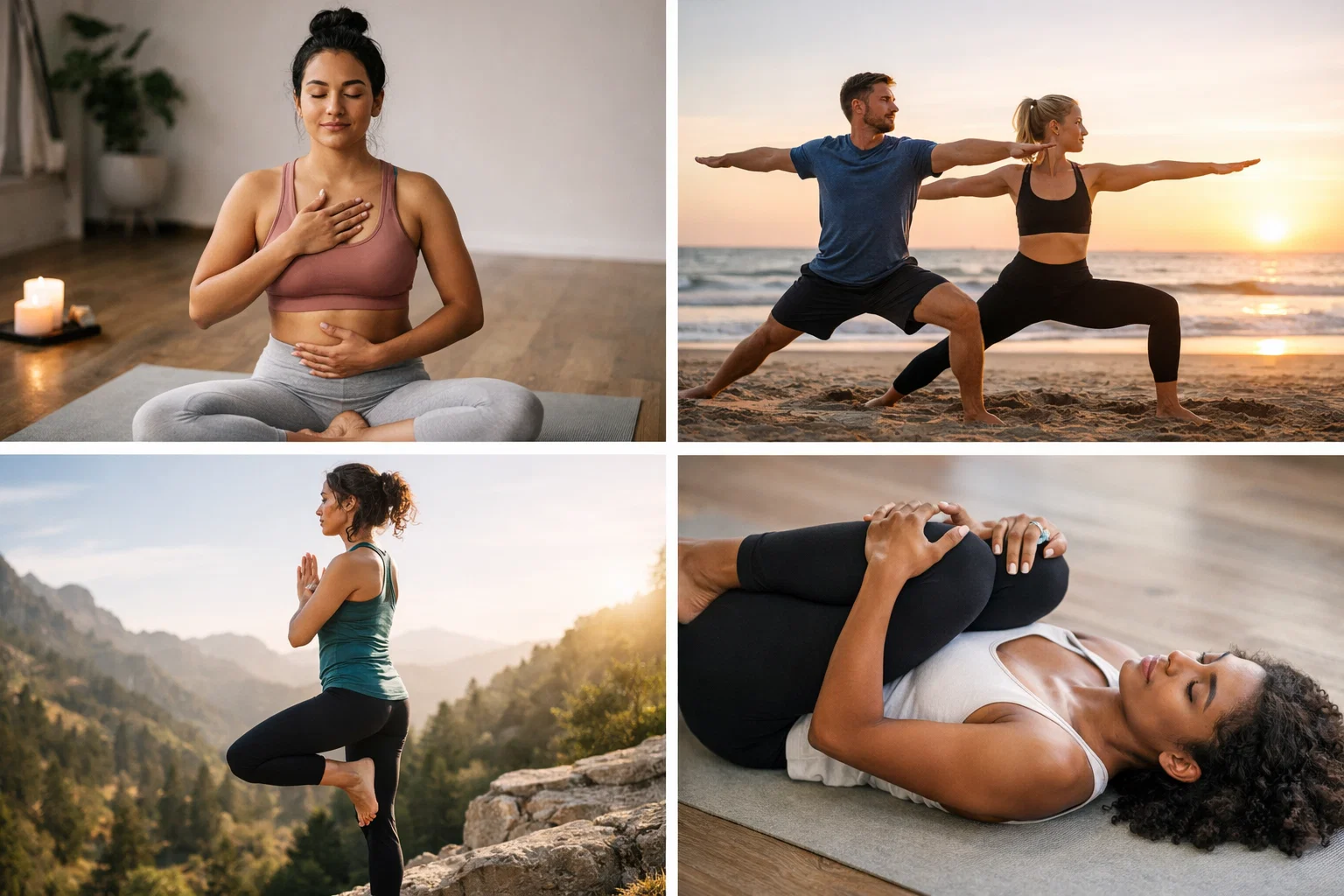
Move With Awareness: Body-Mind Connection
Moving with awareness involves establishing a strong body-mind connection. This principle encourages individuals to be fully present during exercise, paying attention to sensations, breath, and movements to enhance the benefits of mindful movement and improve overall wellness.
Focus on Quality Over Intensity
Focusing on quality over intensity in mindful movement means prioritizing proper form, controlled movements, and mindful engagement rather than pushing for high-impact or strenuous activities. This approach helps prevent injuries, promotes sustainable fitness, and enhances the benefits of each exercise.
Integrating Breath and Flow Into Every Exercise
Integrating breath and flow into every exercise is essential for mindful movement. Synchronizing breath with movement enhances the mind-body connection, promoting relaxation, improving cardiovascular health, and ensuring each exercise contributes to overall wellness and mindful engagement.
Benefits of Low-Impact Mindful Movement
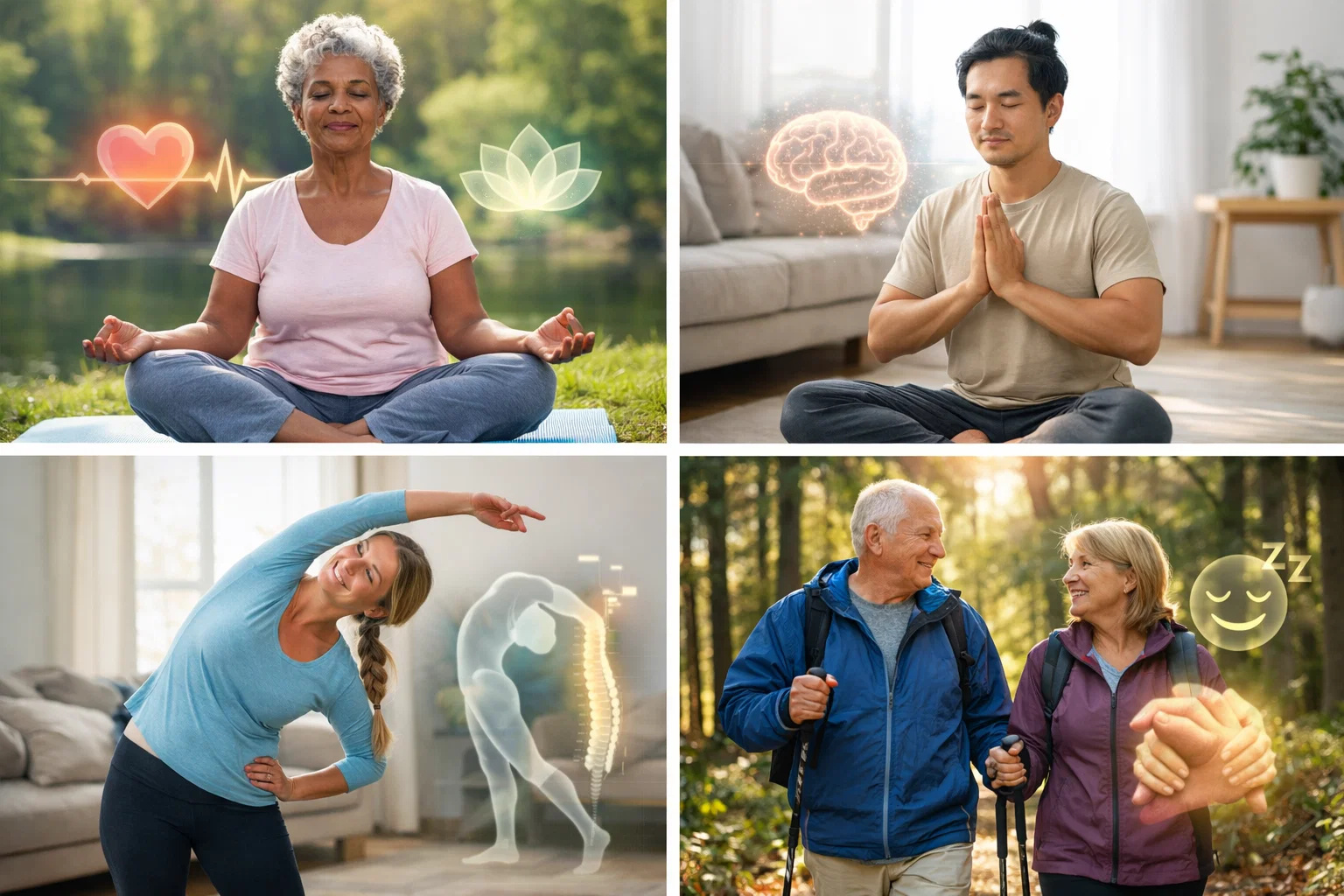
Joint Health and Injury Prevention
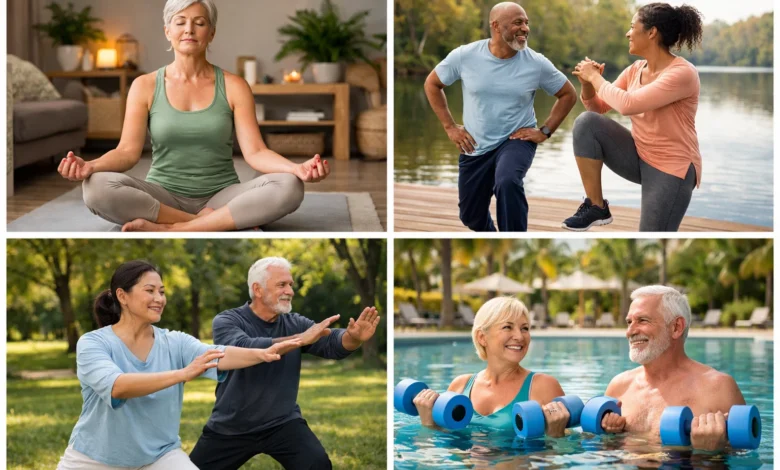
Low-impact mindful movement offers significant benefits for joint health and injury prevention. Exercises like tai chi, chair yoga, and pilates are easy on the joints and muscles, making them an excellent way for seniors to stay active and maintain fitness without high-impact.
Improved Balance, Coordination, and Flexibility
Improved balance, coordination, and flexibility are key benefits of low-impact mindful movement. Regular practice of gentle movement exercises helps older adults maintain and enhance these essential physical skills, promoting confidence in movement and reducing the risk of falls in senior living communities.
Stress Reduction and Mental Clarity
Stress reduction and mental clarity are notable benefits of incorporating mindfulness into low-impact exercise. Regular mindful movement promotes relaxation, enhances mental clarity, and has a positive impact on mental well-being, making it a holistic approach to overall health.
Sustainable Fitness and Lifelong Vitality
Sustainable fitness and lifelong vitality are achieved through consistent engagement in low-impact mindful movement. By choosing exercises that are easy on the joints and incorporating mindfulness, individuals can maintain fitness, mobility, and overall health well into their senior years.
Core Low-Impact Fitness Routines
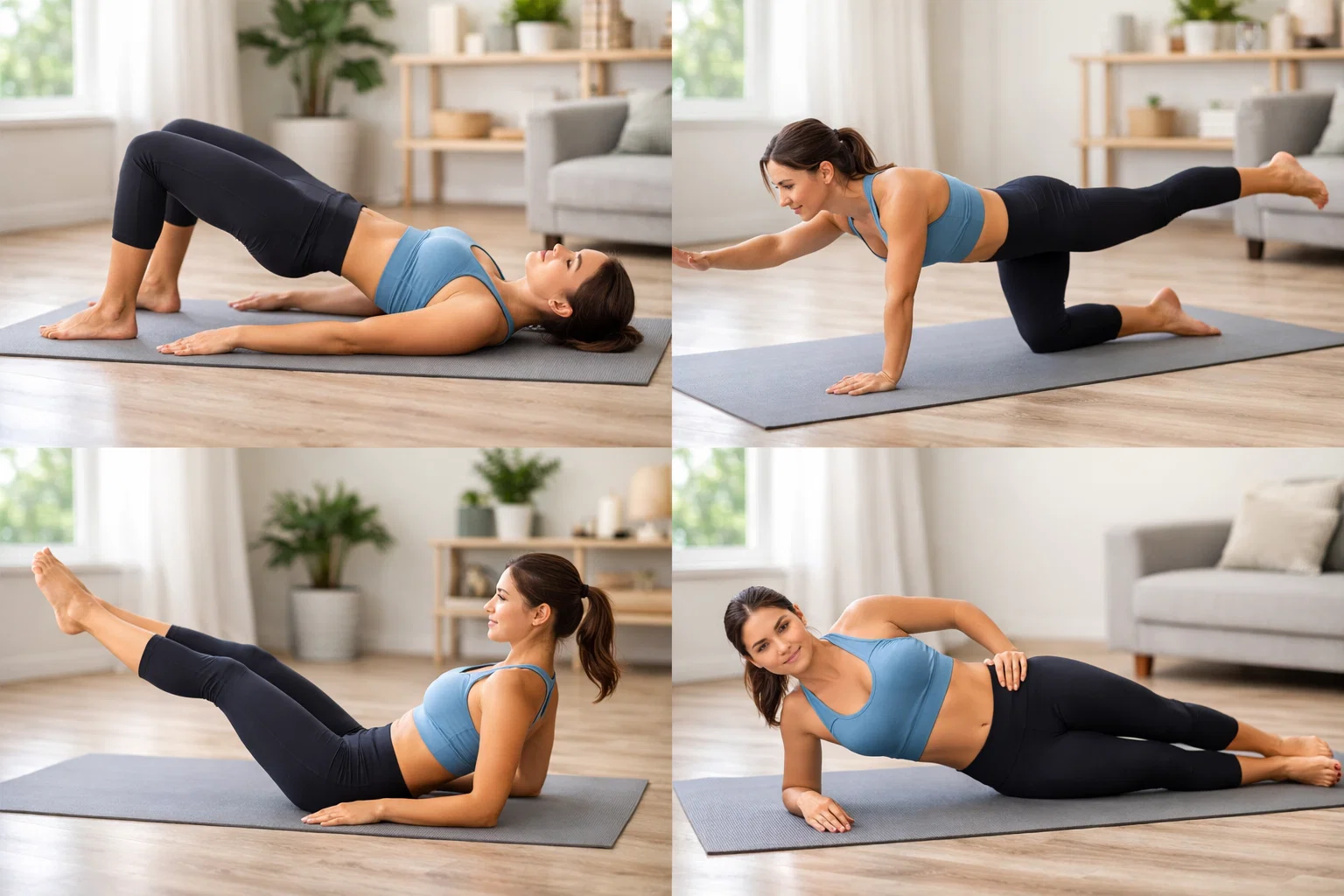
Gentle Cardio: Walking, Cycling, Swimming
Gentle cardio, such as walking, cycling, and swimming, offers an excellent way for seniors to stay active and enhance their cardiovascular health. These low-impact exercise options are easy on the joints and muscles, making them ideal for maintaining fitness levels without the risk of high-impact injuries.
Functional Strength Training: Bodyweight and Resistance Bands
Functional strength training using bodyweight and resistance bands is crucial for maintaining mobility and independence as older adults. These low-impact workouts focus on building strength in muscles used for daily activities, improving the quality of life, and helping seniors to stay active and independent.
Flexibility & Mobility Work: Yoga, Pilates, Tai Chi
Flexibility and mobility work, including yoga, pilates, and tai chi, plays a vital role in maintaining joint health and preventing age-related stiffness. These gentle movement practices enhance flexibility, improve balance, and promote mindful movement, contributing to overall wellness and a better quality of life for older adults.
Mindful Breathing and Meditation Practices
Mindful breathing and meditation practices can enhance the physical benefits of exercise. These practices promote relaxation, reduce stress, and improve mental clarity, allowing individuals to focus on their bodies and movements during a low-impact exercise routine for a more holistic and effective workout.
Recovery & Stretching Techniques for Longevity
Recovery and stretching techniques are essential components of any mindful movement program for longevity. Incorporating post-exercise stretches and recovery routines helps prevent muscle soreness, improve flexibility, and maintain joint health, ensuring that seniors stay active and enjoy regular exercise without risking injury.
Sample Daily & Weekly Mindful Movement Routines

Morning Flow Routine: 10-15 Minutes to Start the Day
A morning flow routine of 10-15 minutes is an excellent way for older adults to start the day with mindful movement. Incorporating gentle stretches, deep breathing exercises, and light cardio can enhance mental clarity, improve mobility, and set a positive tone for the day through regular physical activity.
Midday Desk Break Routine: Micro-Movements for Energy
A midday desk break routine focused on micro-movements can provide a much-needed energy boost and help maintain physical activity throughout the day. Simple stretches, shoulder rolls, and leg extensions can alleviate stiffness, improve circulation, and enhance overall wellness, promoting consistent mindful movement habits.
Evening Wind-Down Routine: Relaxation and Gentle Stretching
An evening wind-down routine of relaxation and gentle stretching is ideal for promoting restful sleep and reducing muscle tension after a day of activity. Mindful breathing, gentle yoga poses, and progressive muscle relaxation can enhance mental clarity and prepare the body for a good night’s rest, helping seniors to stay active.
Weekly Mobility and Balance Session (30-45 Minutes)
A weekly mobility and balance session lasting 30-45 minutes is crucial for maintaining physical independence and preventing falls as older adults. Exercises like tai chi, balance board workouts, and chair yoga can improve coordination, enhance stability, and promote confidence in movement, ensuring a better quality of life.
Equipment and Tools for Mindful Movement

Recommended Mats, Resistance Bands, and Foam Rollers
Recommended mats, resistance bands, and foam rollers are essential tools for creating a safe and effective mindful movement practice. Mats provide cushioning and stability, resistance bands enhance strength training, and foam rollers aid in muscle recovery and flexibility, supporting regular exercise and physical activity for seniors.
Wearable Tech for Tracking Mindful Fitness
Wearable tech can be valuable for tracking mindful fitness and monitoring physical activity levels. Devices like smartwatches and fitness trackers can provide insights into steps taken, heart rate, and sleep patterns, helping individuals stay motivated, achieve their fitness goals, and maintain an active lifestyle with mindful movement.
Creating a Mindful Movement Space at Home
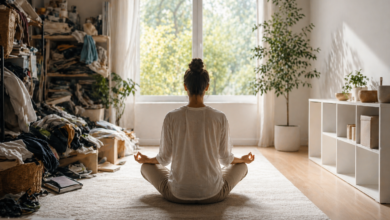
Creating a mindful movement space at home involves setting up a dedicated area that promotes relaxation and focus. This space should be free of distractions, well-lit, and equipped with essential tools like mats, resistance bands, and comfortable seating, encouraging regular exercise and mindful practice for overall wellness.
Integrating Mindful Movement Into Daily Life
Walking Meetings, Active Breaks, and Lifestyle Integration
Integrating mindful movement into daily life involves incorporating regular movement into everyday activities, such as walking meetings and active breaks. These practices promote consistent physical activity and enhance overall wellness by turning mundane tasks into opportunities for exercise and mindful engagement, helping seniors to stay active.
Combining Mindful Movement With Nutrition and Sleep
Combining mindful movement with nutrition and sleep forms a holistic approach to well-being. Regular exercise, coupled with a balanced diet and adequate rest, enhances both physical and mental health. This synergy ensures optimal cardiovascular health, improved mental clarity, and a higher quality of life through consistent mindful practices.
Tips for Staying Consistent Without Burnout
To stay consistent with mindful movement without burnout, vary your exercise routine, set realistic goals, and listen to your body. Incorporating a variety of low-impact exercises, such as tai chi, chair yoga, and walking, keeps workouts interesting and prevents overuse injuries, ensuring long-term adherence and a positive impact on mental well-being.
Common Mistakes and How to Avoid Them
Pushing Too Hard and Ignoring Body Signals
Pushing too hard and ignoring body signals is a common mistake in mindful movement. Overexertion can lead to injuries and setbacks. It’s important to listen to your body, adjust the intensity, and choose low-impact exercise options to maintain fitness without compromising joint health and overall wellness.
Skipping Recovery and Flexibility Work
Skipping recovery and flexibility work is a detrimental oversight in any fitness routine. Failing to stretch and allow muscles to recover can lead to stiffness, reduced mobility, and an increased risk of injury. Prioritizing recovery and incorporating gentle movement practices helps ensure sustainable physical activity and overall health.
Failing to Sync Breath With Movement
Failing to sync breath with movement diminishes the benefits of mindful exercise. Coordinating breath with each exercise enhances the mind-body connection, promotes relaxation, and improves the efficiency of movements. Focusing on mindful breathing during low-impact workouts enhances physical activity and promotes mental clarity.
Mindful Movement for All Ages and Fitness Levels
Benefits for Beginners and Seniors
Mindful movement offers significant benefits for beginners and seniors alike. Low-impact exercise options like chair yoga and gentle aerobics provide a safe and effective way to improve strength, balance, and flexibility. Regular physical activity through these practices enhances quality of life and promotes overall health without high-impact risks.
Modifications for Different Body Types and Conditions
Modifications for different body types and specific health conditions are crucial for making mindful movement accessible to everyone. Tailoring exercise routines to accommodate individual needs, such as arthritis or limited mobility, ensures that all individuals can safely engage in physical activity and enjoy the benefits of mindful movement.
Advanced Variations for Experienced Practitioners
Advanced variations in mindful movement offer experienced practitioners the opportunity to challenge themselves while staying true to core principles. Incorporating more complex sequences, increasing resistance in strength training, and exploring advanced yoga poses can enhance physical fitness, promote mental clarity, and deepen the mind-body connection.
Final Thoughts: Embrace Mindful Movement for Lifelong Vitality
Embrace mindful movement for lifelong vitality by integrating it into your daily routine. This approach combines low-impact exercise with mindfulness, promoting cardiovascular health, strength, and flexibility. By making regular movement a priority, you can improve your overall health, enhance your quality of life, and stay active for years to come.