



In 2026, the world of sports recognizes that physical prowess is not enough. This article explores how mental performance training is revolutionizing athletic performance, providing athletes with a crucial competitive edge.
The Rise of Mental Performance in Sports

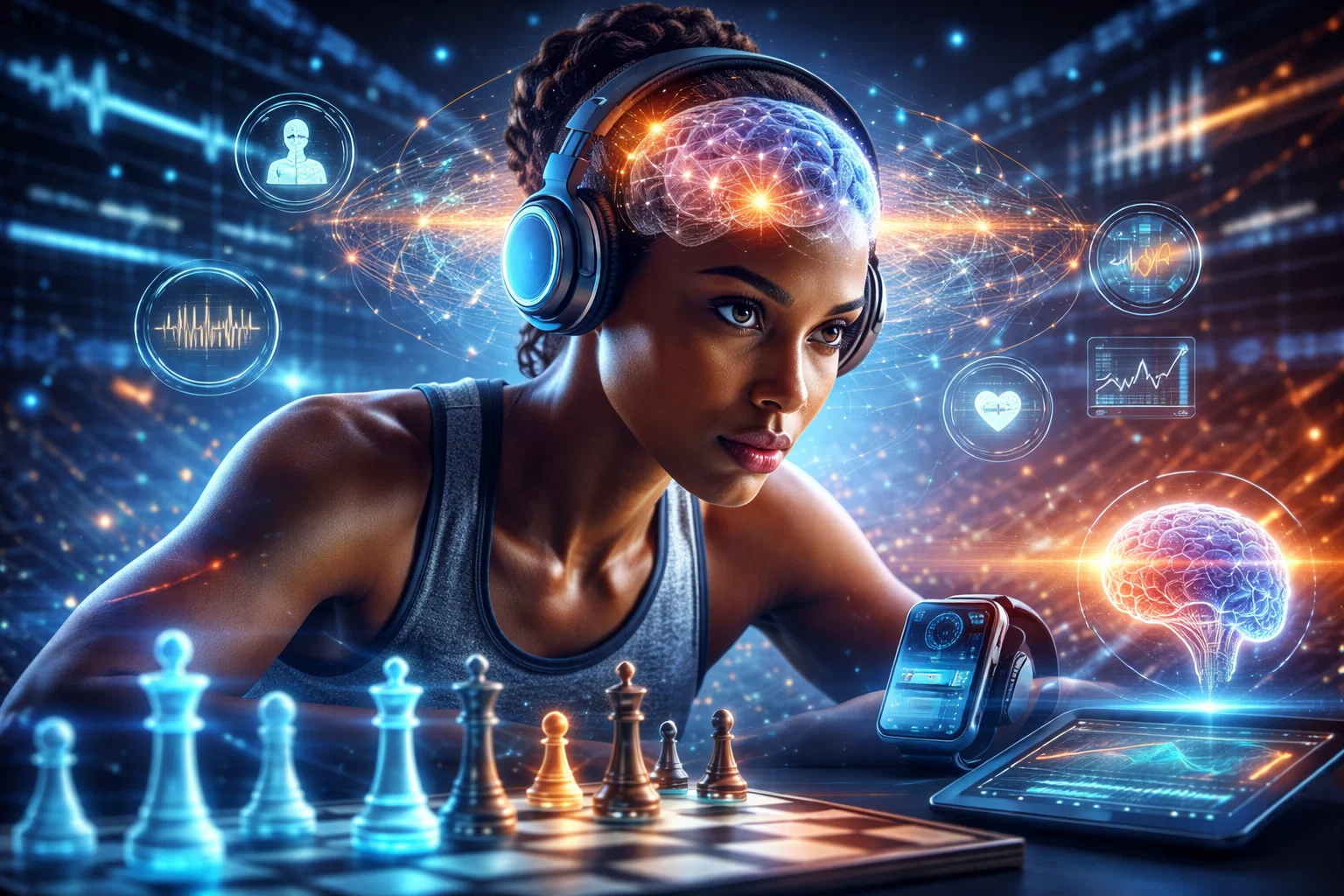
Why mental skills are now as important as physical abilities
The landscape of sports is evolving; physical training alone is no longer sufficient. Today, mental skills are as vital as physical prowess. Mental performance influences consistency, decision-making, and the ability to perform under pressure, directly impacting performance outcomes.
How focus, resilience, and emotional control are shaping athletic success
Athletic success is increasingly defined by mental resilience, unwavering focus, and impeccable emotional control. These mental skills enable athletes to manage performance anxiety, bounce back from setbacks, and maintain composure, all of which contribute to achieving peak performance.
Overview of mental performance trends emerging in 2026
In 2026, several mental performance trends are taking center stage, including personalized mental training programs, data-driven coaching, and the integration of technology like wearables to monitor mental states, helping athletes gain a competitive advantage in sport psychology.
What Is Mental Performance Training?
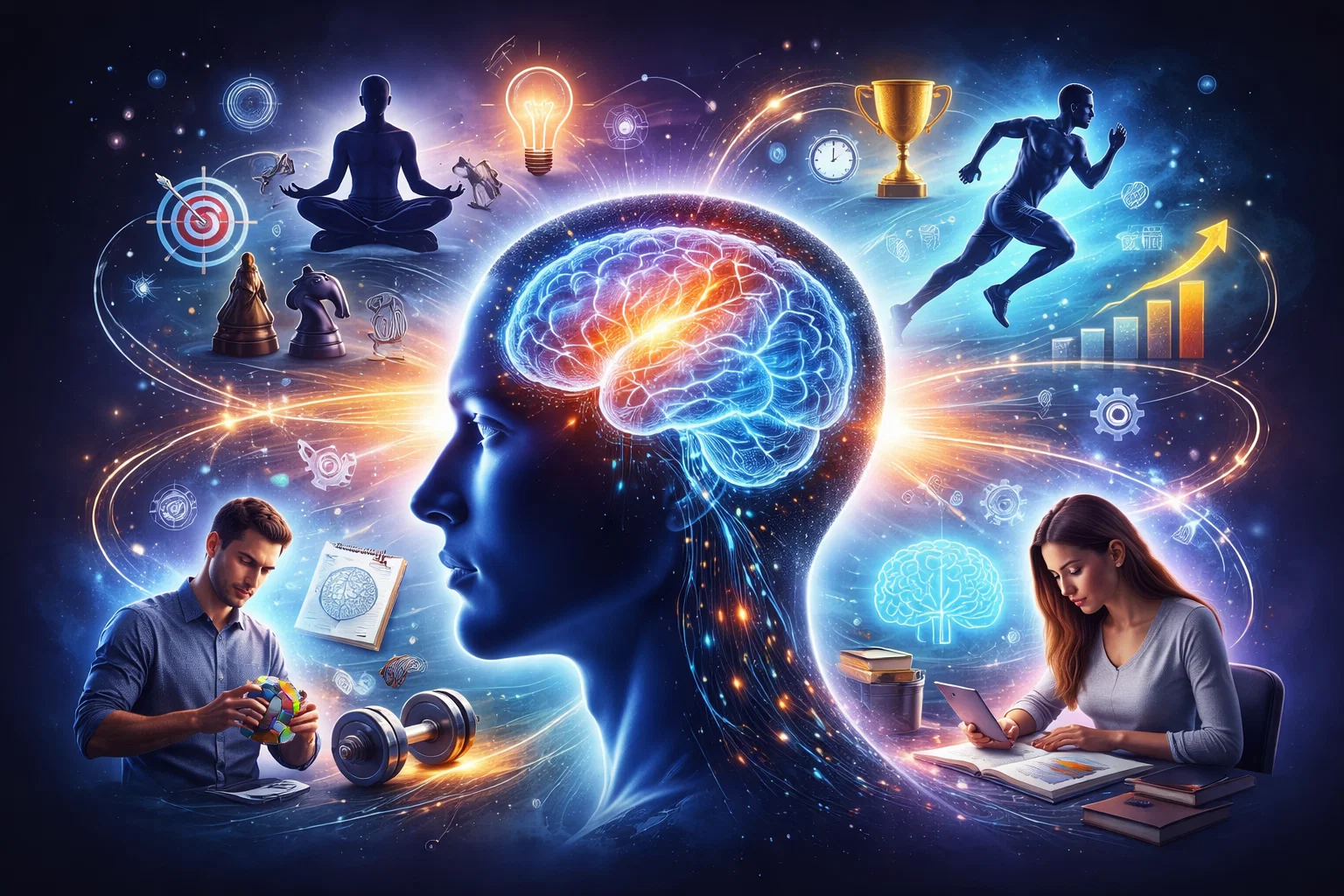
Definition and core principles
Mental performance training is a structured approach to developing mental toughness, focus, and emotional regulation in athletes. The core principles involve using psychological skills to improve athletic performance, creating a strong mental foundation for success.
Difference between traditional sports psychology and modern mental performance training
Traditional sport psychology often focused on clinical issues, while modern mental performance training emphasizes proactive skill development and mindset enhancement. This shift concentrates on teaching mental skills to help athletes achieve peak performance and gain a mental edge.
Key components: focus, stress management, visualization, resilience, goal setting
Here are some key components of mental performance training, which are particularly useful for athletes:
- Focus enhancement
- Effective stress management
- Powerful visualization techniques
- Building resilience to overcome obstacles
- Strategic goal setting to provide direction and motivation
Why Mental Performance Training Matters in 2026
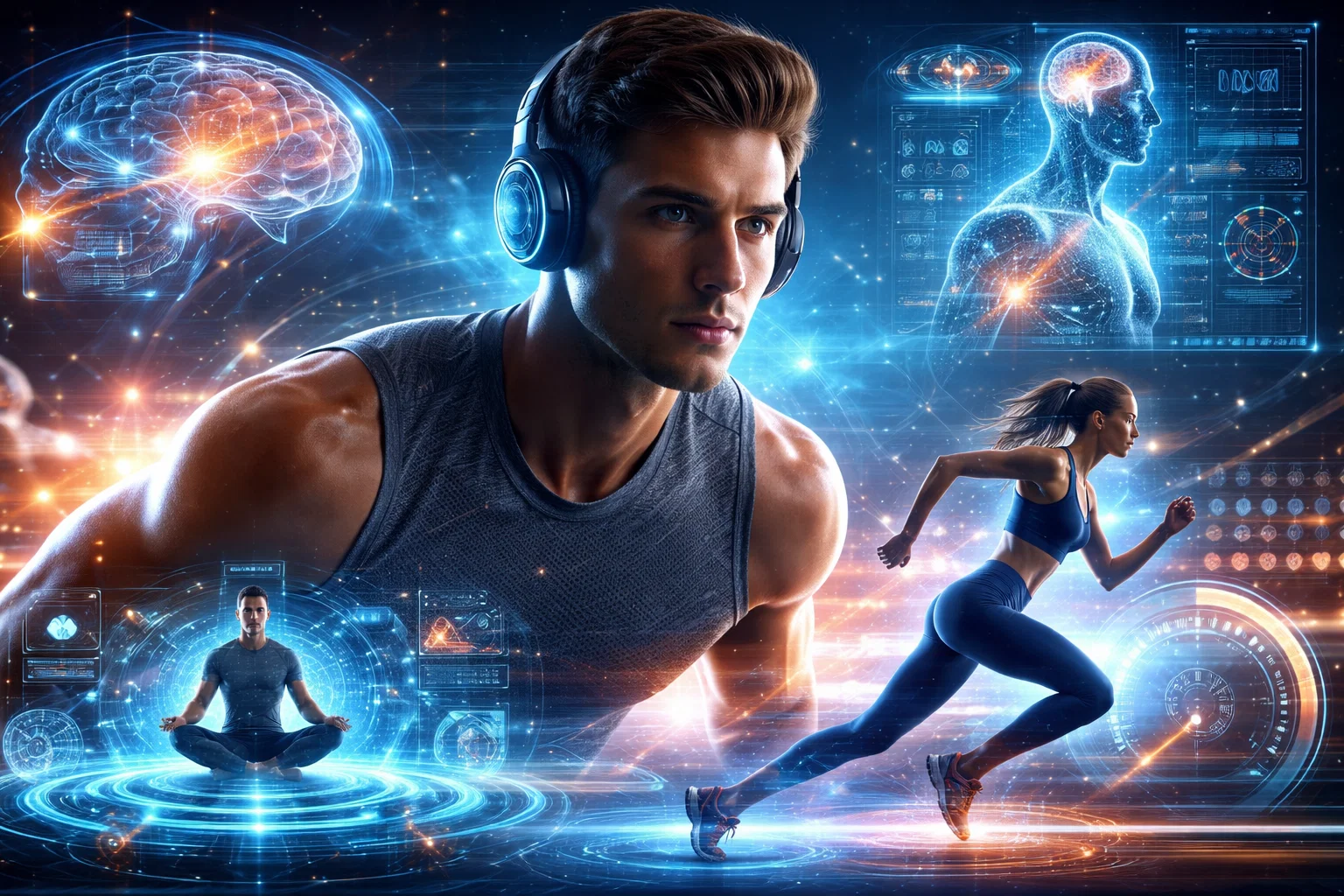
Competitive advantage: separating elite athletes from the rest
In 2026, mental performance training is a key differentiator, providing a competitive advantage that separates elite athletes from the rest. Developing mental strength and mental toughness enables athletes to consistently outperform their competition, ensuring their success.
Enhancing consistency under pressure and reducing errors
Mental training programs enhance consistency by equipping athletes to perform under pressure. Through techniques like mindfulness training and positive self-talk, athletes can minimize errors and maintain optimal athletic performance, ensuring peak performance in competitions.
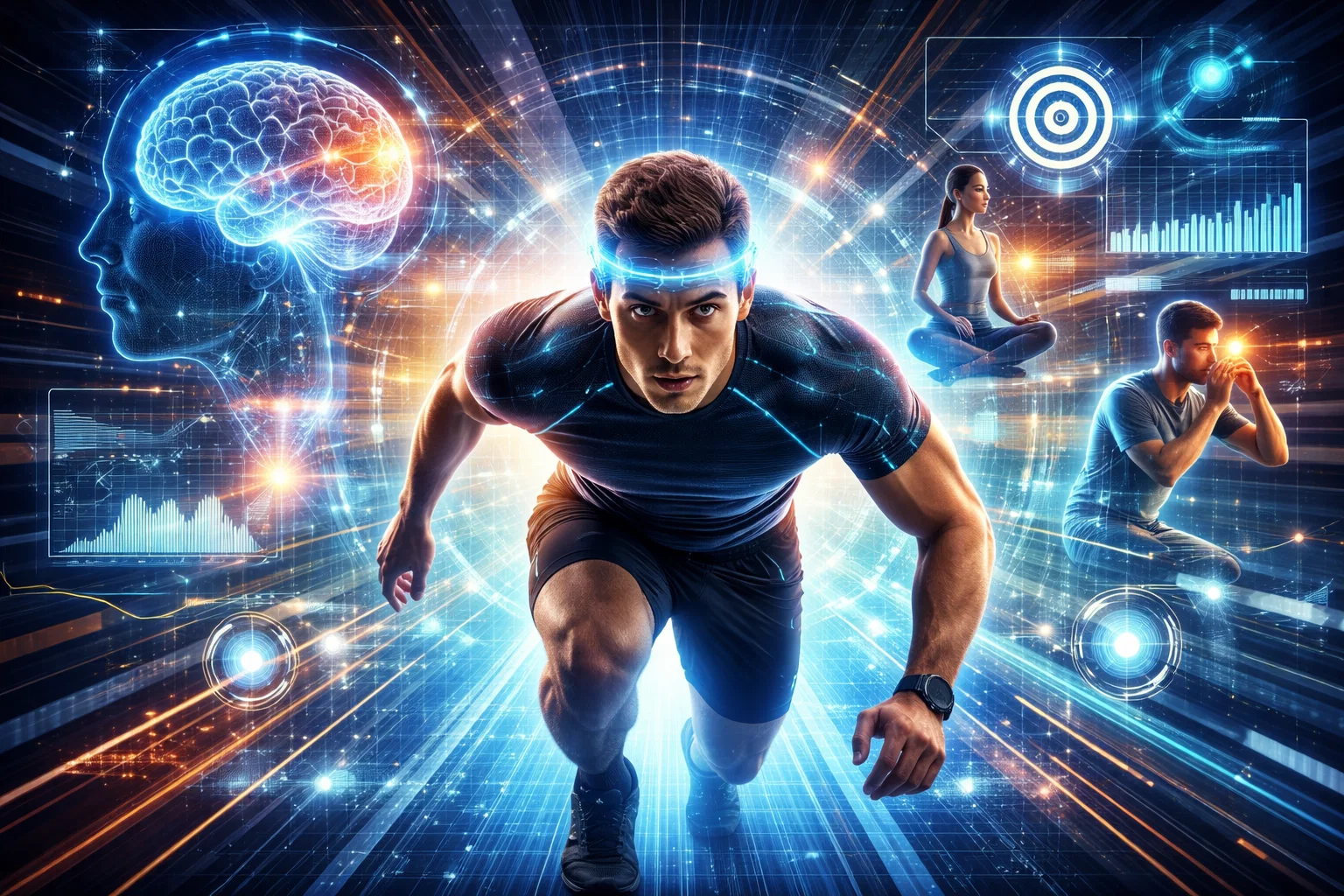
Supporting recovery and preventing burnout
Mental performance training supports recovery by providing athletes with tools to manage stress and prevent burnout. Techniques such as mindfulness training and mental rehearsal enhance mental resilience, ensuring athletes can maintain peak performance and mental toughness.
Integration with physical training for holistic athlete development
The integration of mental and physical training is crucial for holistic athlete development. By combining physical performance enhancements with mental skills development, athletes achieve peak performance, a competitive advantage, and sustained success in their respective fields.
Popular Mental Performance Training Techniques
Visualization and mental rehearsal for game-day preparation
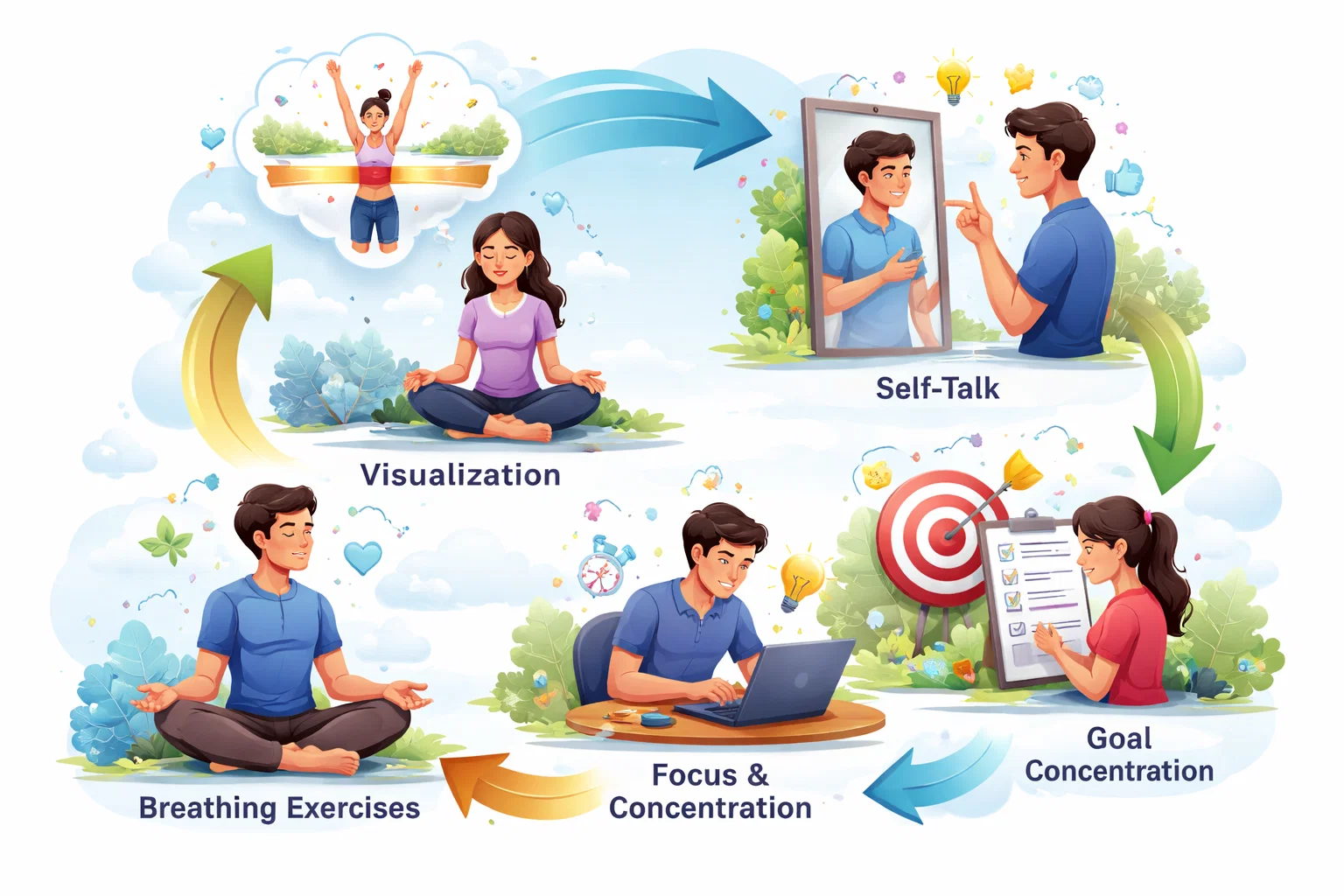
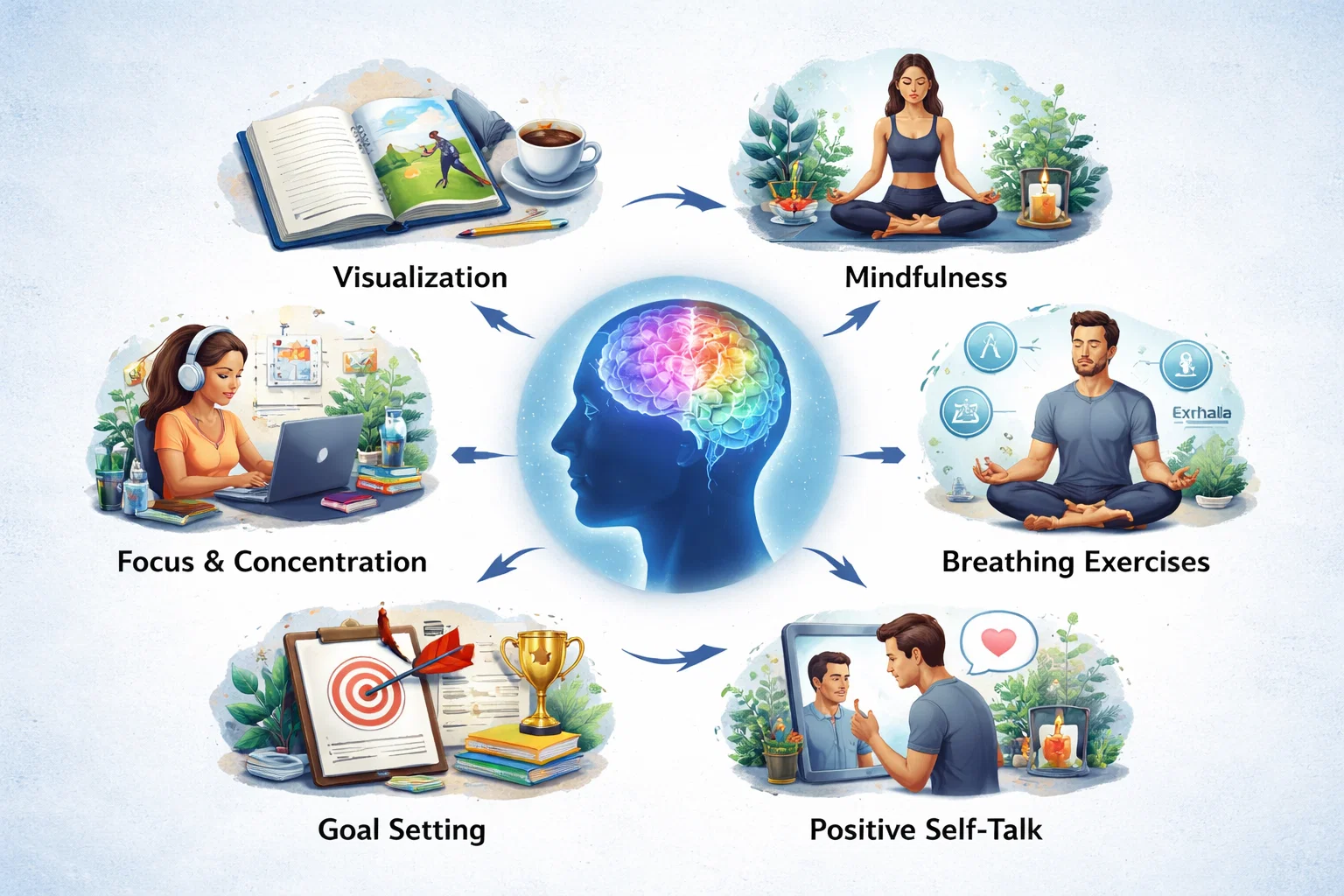
Visualization and mental rehearsal are powerful mental performance training techniques for game-day mental preparation. Athletes use these methods to mentally simulate their athletic performance, reinforcing mental skills and strategies. This mental rehearsal enhances confidence and readiness, allowing athletes to perform at their best.
Mindfulness, meditation, and breathing exercises for focus and stress reduction
Mindfulness training, meditation, and breathing exercises are key to mental performance, aiding focus and stress reduction. Athletes use these techniques to quiet their minds, manage performance anxiety, and enhance mental resilience. These practices foster a strong mental foundation, improving athletic performance and mental toughness.
Biofeedback and neurofeedback for tracking mental states
Biofeedback and neurofeedback provide athletes with real-time data on their mental states, enabling them to develop mental toughness. By monitoring brain activity and physiological responses, athletes can learn to control focus, reduce stress, and optimize their mindset for peak performance, gaining a competitive advantage.
Cognitive behavioral techniques (CBT) to manage anxiety and self-talk
Cognitive behavioral techniques (CBT) are used to manage anxiety and self-talk, crucial for mental performance. Athletes learn to identify and challenge negative thoughts, replacing them with positive self-talk. This mental training fosters mental resilience, helping athletes to perform under pressure and maintain a strong mental game.
Pre-performance routines and rituals for consistency
Pre-performance routines and rituals are essential for maintaining consistency in mental preparation. Athletes establish specific sequences of actions to mentally prepare themselves, reducing performance anxiety and enhancing focus. These rituals create a sense of control, allowing athletes to consistently perform at their best.
Goal-setting and performance planning to structure mental readiness
Goal-setting and performance planning are vital for structuring mental readiness in athletes. By setting clear, achievable goals, athletes maintain motivation and direction. Effective performance planning ensures mental skills training aligns with athletic performance objectives, leading to enhanced mental toughness and a competitive advantage.
Benefits of Mental Performance Training

Improved focus and decision-making under pressure
One of the key performance outcomes of mental performance training is improved focus and enhanced decision-making abilities, especially when athletes perform under pressure. Through targeted mental skills training, athletes are better equipped to remain composed, make strategic choices, and optimize their athletic performance in high-stakes situations.
Better stress and anxiety management
Mental training programs offer athletes strategies for better stress management and reducing performance anxiety, which is crucial for sustaining peak performance. By learning techniques such as mindfulness training, athletes gain the tools they need to maintain composure, manage their emotional state, and perform at their best under duress.
Faster recovery from setbacks and enhanced resilience
Mental performance training significantly enhances mental resilience, allowing athletes to achieve faster recovery from setbacks and to bounce back stronger after failures. By developing mental toughness, athletes learn to view challenges as opportunities for growth, strengthening their mental game and improving their overall athletic performance.
Consistent high-level performance and reduced performance variability
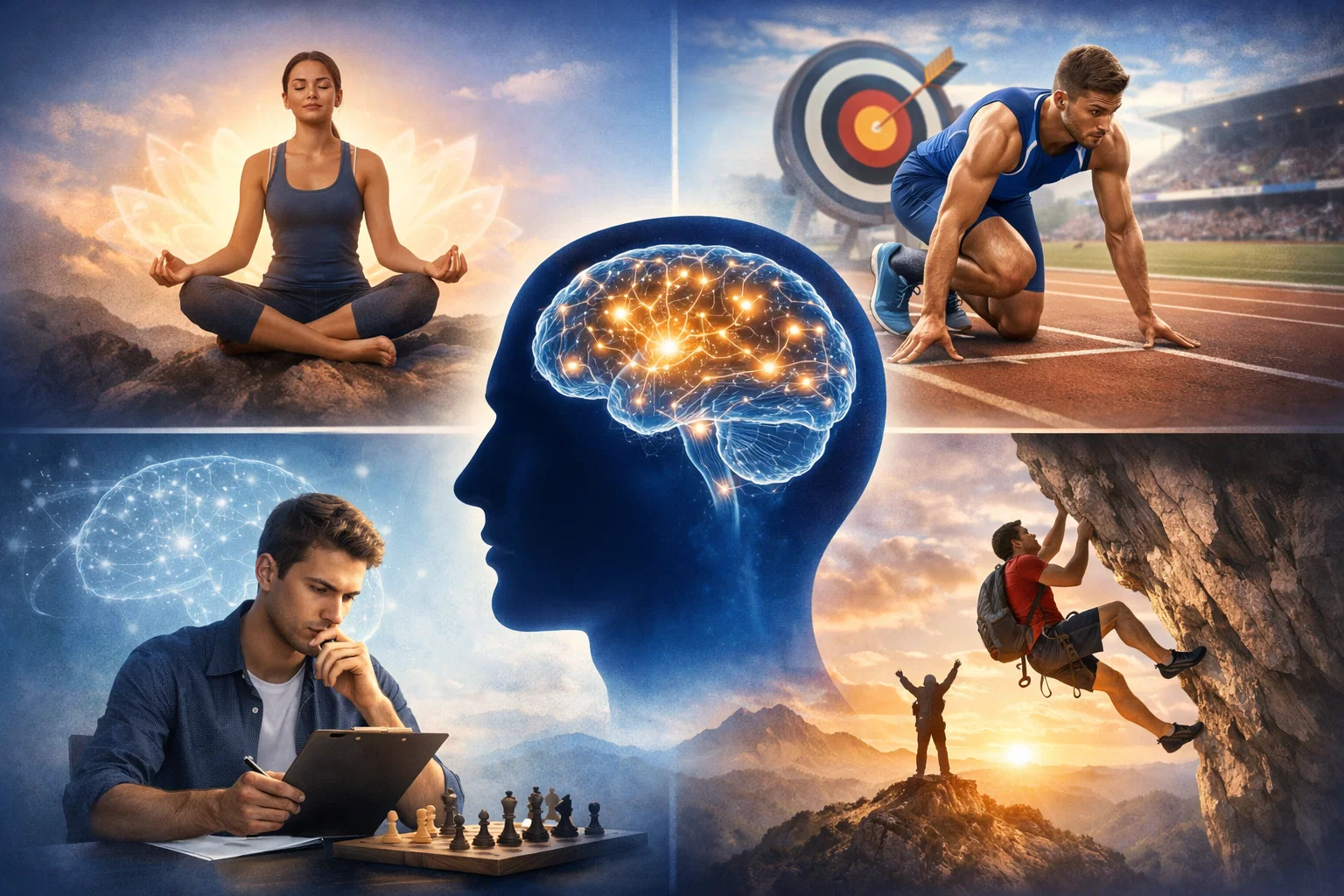
The result of mental performance training is consistent high-level athletic performance and reduced performance outcomes variability. Elite athletes, through dedicated mental rehearsal and mindset management, showcase more stability in their performance outcomes, showcasing the effectiveness of incorporating mental and physical training.
Holistic growth: combining physical, mental, and emotional readiness
Mental performance training facilitates holistic growth by combining physical training with mental and emotional readiness, allowing athletes to perform at their best. By integrating these elements, athletes achieve comprehensive mental skills development, enhancing their mental toughness and solidifying their competitive advantage in sport psychology.
Challenges and Considerations
Despite the recognized benefits, skepticism and stigma around mental training persist. Many athletes and coaches still view mental skills as secondary to physical training, hindering the adoption of mental performance strategies. Overcoming this requires education and showcasing tangible results to demonstrate the value of mental performance training.
Mental performance techniques must be personalized to match the specific sport psychology, position, and individual mindset of each athlete. A one-size-fits-all approach is ineffective; elite athletes need tailored mental training programs that address their unique challenges and strengths, maximizing the impact of mental skills training.
Measuring progress in mental performance can be challenging, but quantifying mental improvements is essential for demonstrating the value of mental training. Using tools like psychological skills assessments, performance outcomes metrics, and feedback from coaches helps track mental skills development and validate the effectiveness of mental training programs.
Successfully integrating mental training with existing physical training routines is critical. Mental skills training should not be treated as an add-on but as an integral component of an athlete’s overall training regimen. Coordinating mental and physical training ensures athletes receive holistic mental development.
Technology and Innovation in 2026
In 2026, wearables and apps are revolutionizing mental performance mental preparation by tracking focus, stress levels, and overall readiness. These tools provide athletes and coaches with real-time insights into mental states, enabling personalized adjustments to mental training programs and strategies to help athletes.
AI and machine learning are being leveraged to create personalized mental training programs. These technologies analyze data to tailor mental training programs to individual athlete needs, optimizing mental skills training for maximum impact and fostering mental resilience and mental toughness.
Virtual and gamified mental performance sessions provide engaging ways for athletes to enhance their mental skills. These platforms simulate high-pressure situations, allowing athletes to practice mental rehearsal, develop mental toughness, and improve their mindset in a controlled, interactive environment, help athletes perform at their best.
Data-driven coaching is transforming mental performance by combining analytics with mental skills development. By analyzing performance outcomes data alongside mental state metrics, coaches can provide targeted feedback and adjustments, ensuring athletes receive the precise mental training programs support they need.
Future Outlook for Mental Performance in Sports
Mental performance is expanding into youth and amateur sports to foster long-term athlete development. By introducing mental skills training early, youth athletes can develop mental toughness, resilience, and a competitive advantage, setting the stage for future success in their athletic performance pursuits.
The principles of mental training programs are transferring to business, education, and lifestyle performance domains. Techniques like mindfulness training, visualization, and goal-setting are being adopted to enhance focus, manage stress, and improve overall performance psychology in various aspects of life beyond sports.
Mental performance will continue to integrate with physical training, recovery protocols, and wellness programs. The convergence of these elements will lead to holistic athlete development, ensuring athletes are physically, mental, and emotionally prepared to achieve peak performance and sustain long-term success.
Mental performance will emerge as a key metric of success, signifying its importance in sport psychology. The ability to manage stress, maintain focus, and exhibit mental resilience will be paramount, solidifying mental toughness as a defining trait for elite athletes and a competitive advantage.