
It’s becoming increasingly clear that nurturing our mental well-being is as crucial as maintaining our physical health. Finally, the stigma surrounding mental health is diminishing, and society is beginning to prioritize mental health care.
This shift is driven by a deeper understanding of the interplay between mind and body, highlighting that our mental health significantly impacts our overall quality of life.
Why Mental Health Is Finally Getting the Attention It Deserves

Breaking the Stigma: Why People Are Speaking Up
One of the most significant mental health trends is the growing willingness of individuals to openly discuss mental health issues. For too long, mental disorders carried a heavy stigma, preventing people with mental illness from seeking help. Now, more and more people with mental health problems are sharing their stories, which helps to normalize these experiences and encourages others to seek mental health treatment.
Mental Health as Part of Whole-Body Wellness
There’s a growing recognition that mental and physical health are interconnected. We now understand that neglecting mental health can lead to poor mental health, which in turn can exacerbate physical ailments. Therefore, integrating mental health care into primary care and focusing on whole-body wellness is crucial. This holistic approach ensures that individuals receive comprehensive care addressing all aspects of their well-being.
The Role of Social Media and Awareness Campaigns
Social media platforms and widespread awareness campaigns play a vital role in shaping positive mental health trends. These initiatives help disseminate information, reduce stigma, and provide resources for people with mental illness and mental health problems. By leveraging digital tools and public forums, we can reach a broader audience, especially young people’s mental health, and foster a culture of understanding and support for behavioral health and the mental health system.
Mindfulness and Meditation as Everyday Tools

How Mindfulness Reduces Stress and Anxiety
Mindfulness practices are becoming increasingly popular as effective tools for managing stress and anxiety. By focusing on the present moment and cultivating a non-judgmental awareness, mindfulness can help individuals regulate their emotions and reduce reactivity to stressors. Integrating mindfulness into daily life can lead to significant improvements in mental well-being and overall resilience in the face of mental health crises and serious mental illness.
Popular Meditation Practices and Apps
Several meditation practices and apps are gaining traction as accessible resources for improving mental health. Guided meditations, mindfulness exercises, and breathwork techniques are readily available through various platforms, making them convenient for individuals to incorporate into their routines. These tools support mental health treatment and are particularly beneficial in managing symptoms of anxiety and depression, and improve overall mental well-being.
Incorporating Mindful Moments Into Daily Life
Incorporating mindful moments into daily life doesn’t require extensive time commitments. Simple practices such as mindful breathing, body scans, or mindful walking can be integrated into everyday activities.
Taking short breaks throughout the day to engage in these practices can help reduce stress, increase self-awareness, and promote a sense of calm and mental clarity, contributing to better mental and physical health and addressing the challenges of America’s mental health crisis.
Therapy and Counseling Becoming Mainstream
The landscape of mental health care is undergoing a significant transformation, with therapy and counseling becoming increasingly mainstream.

This shift is driven by a greater awareness of mental health issues and a growing recognition of the importance of seeking professional help. As people become more comfortable discussing their mental health problems, they are also more likely to explore therapy as a viable option for mental health treatment.
Virtual Therapy: Access and Convenience
Virtual therapy has emerged as a game-changer, significantly increasing access to mental health services, especially for those in remote areas or with limited mobility.
The convenience of online platforms allows individuals to connect with health professionals from the comfort of their homes, removing barriers such as travel time and geographical constraints. This accessibility is crucial in addressing the growing mental health crisis and providing timely support to people with mental illness.
Group and Peer Support Programs
Group and peer support programs offer a unique and valuable dimension to mental health care. These programs provide a safe and supportive environment where individuals can connect with others facing similar challenges. Sharing experiences, offering encouragement, and learning coping strategies from peers can be incredibly empowering and can reduce the sense of isolation often associated with mental disorders and mental illnesses.
Normalizing Talking About Mental Health
Perhaps one of the most important shifts is the normalization of talking about mental health problems. Open conversations about mental health issues help reduce stigma, encourage help-seeking behaviors, and foster a culture of understanding and empathy. When individuals feel safe discussing their struggles, they are more likely to seek timely mental health treatment and receive the support they need to thrive and improve their mental well-being.
Emotional Fitness and Self-Awareness

Building Emotional Intelligence and Resilience
Emotional intelligence and resilience are essential components of mental well-being. Developing these skills enables individuals to better understand and manage their emotions, cope with stress, and bounce back from adversity. By cultivating emotional awareness and resilience, people with mental health issues can navigate life’s challenges with greater confidence and emotional stability, improving their mental and physical health.
Self-Reflection and Journaling Practices
Self-reflection and journaling are powerful tools for enhancing self-awareness and promoting mental health. These practices allow individuals to explore their thoughts, feelings, and behaviors in a safe and non-judgmental space. Regular journaling can help identify patterns, gain insights into emotional triggers, and develop strategies for managing mental health problems and difficult emotions, promoting overall mental health.
Setting Boundaries and Recognizing Triggers
Setting healthy boundaries and recognizing personal triggers are crucial aspects of mental health. Understanding one’s limits and learning to say “no” can prevent burnout and protect emotional energy. Identifying triggers—situations or stimuli that evoke negative emotions—allows individuals to develop coping strategies and minimize exposure to stressors, ultimately safeguarding their mental well-being and addressing America’s mental health crisis.
Workplace Mental Health Is Finally Taken Seriously
The workplace is increasingly recognized as a critical setting for promoting mental health. Employers are beginning to understand that supporting employee mental well-being is not only ethically responsible but also beneficial for productivity and overall organizational success. Initiatives aimed at fostering a mentally healthy workplace are becoming more prevalent and are addressing young people’s mental health needs.

The workplace is increasingly recognized as a critical setting for promoting mental health. Employers are beginning to understand that supporting employee mental well-being is not only ethically responsible but also beneficial for productivity and overall organizational success. Initiatives aimed at fostering a mentally healthy workplace are becoming more prevalent and are addressing young people’s mental health needs.
Employee Assistance Programs (EAPs) and Counseling
Employee Assistance Programs (EAPs) are now more widely available, offering confidential counseling and support services to employees facing mental health problems.
These programs provide a safe space for individuals to address personal or work-related stressors that may be impacting their mental and physical health. EAPs represent a significant step forward in prioritizing mental health in the workplace and supporting overall mental well-being.
Flexible Work Policies and Mental Health Days
Flexible work policies, including remote work options and flexible hours, are gaining traction as ways to support employee mental health. Additionally, some companies are now offering mental health days, allowing employees to take time off to focus on their mental well-being without stigma. These initiatives recognize the importance of work-life balance in maintaining mental health and preventing burnout.
Promoting a Culture of Wellness and Support
Creating a workplace culture that values wellness and support is essential for fostering positive mental health. This includes initiatives such as mental health awareness training for managers, promoting open communication about mental health issues, and providing resources for stress management. By cultivating a supportive environment, employers can help reduce stigma and encourage employees to seek help when needed.
Mental Health Education in Schools
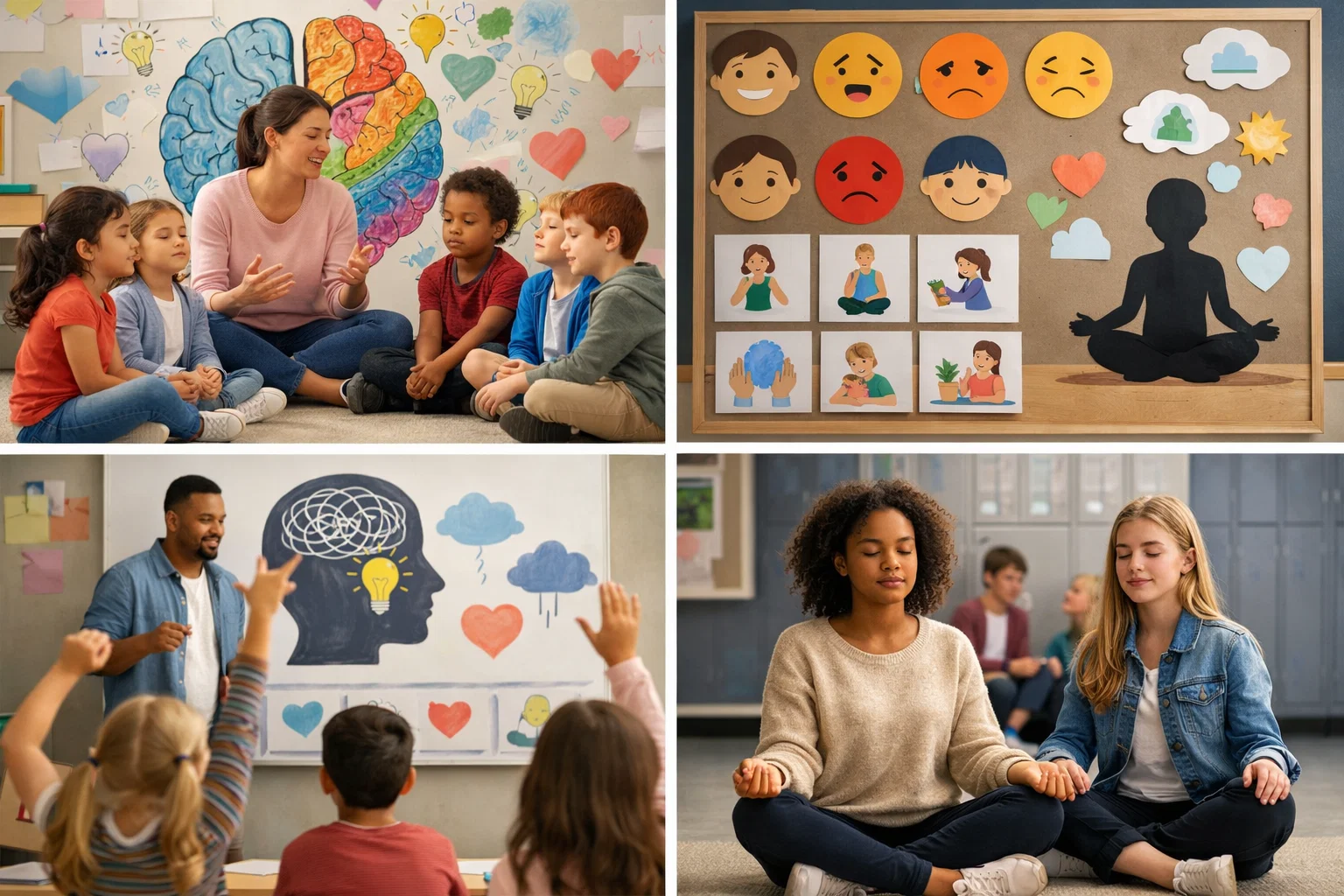
Recognizing the importance of early intervention, mental health education is increasingly being integrated into school curricula. By teaching young people about mental health problems, coping strategies, and available resources, schools are playing a vital role in promoting mental well-being and preventing mental disorders. This proactive approach equips students with the tools they need to navigate challenges and seek help when necessary.
Teaching Stress Management and Mindfulness Early
Integrating stress management techniques and mindfulness practices into the school day can have a profound impact on students’ mental health. By learning how to manage stress, regulate emotions, and cultivate a sense of calm, students can build resilience and improve their overall mental well-being. These skills are invaluable for navigating the pressures of academic life and beyond, and can help address America’s mental health crisis.
Social-Emotional Learning Programs
Social-emotional learning (SEL) programs are becoming increasingly prevalent in schools, focusing on developing students’ emotional intelligence, self-awareness, and interpersonal skills. These programs teach students how to understand and manage their emotions, build healthy relationships, and make responsible decisions. SEL programs contribute to a positive school climate and promote the mental health of all students, addressing young people’s mental health needs.
Preparing Students for Healthy Coping Strategies
Equipping students with healthy coping strategies is essential for promoting their mental health and preventing mental illness. Schools can teach students about various coping mechanisms, such as exercise, creative expression, and connecting with supportive adults. By providing students with these tools, schools empower them to manage stress, navigate challenges, and maintain their mental well-being throughout their lives, and to improve overall mental and physical health.
Preventive Mental Health Strategies

Adopting preventive mental health strategies is crucial for maintaining long-term well-being. Just as we prioritize preventive care for our physical health, we should also proactively address our mental health to prevent mental health problems. By incorporating simple yet effective practices into our daily routines, we can foster resilience, manage stress, and improve our overall quality of life and avoid serious mental illness.
Regular Check-Ins and Mood Tracking
Regularly checking in with ourselves and tracking our moods can provide valuable insights into our mental health. By paying attention to our emotional state and identifying patterns, we can detect early warning signs of mental health problems and take proactive steps to address them. Mood tracking apps and journaling can be helpful tools for monitoring our emotional well-being and identifying areas where we may need additional support.
Daily Practices for Emotional Hygiene
Just as we practice physical hygiene to maintain our physical health, we can also incorporate daily practices for emotional hygiene to promote our mental well-being. These practices may include mindfulness exercises, gratitude journaling, spending time in nature, or engaging in activities that bring us joy. By prioritizing emotional hygiene, we can cultivate resilience and protect ourselves from the negative impacts of stress and adversity.
Integrating Preventive Care Into Lifestyle Routines
Integrating preventive mental health care into our lifestyle routines can make it easier to prioritize our mental well-being. This may involve scheduling regular therapy sessions, incorporating mindfulness practices into our daily commute, or setting aside time for self-care activities each week. By weaving these practices into the fabric of our lives, we can make mental health a non-negotiable aspect of our overall well-being and improve behavioral health.
Digital Tools and Apps Supporting Mental Wellness
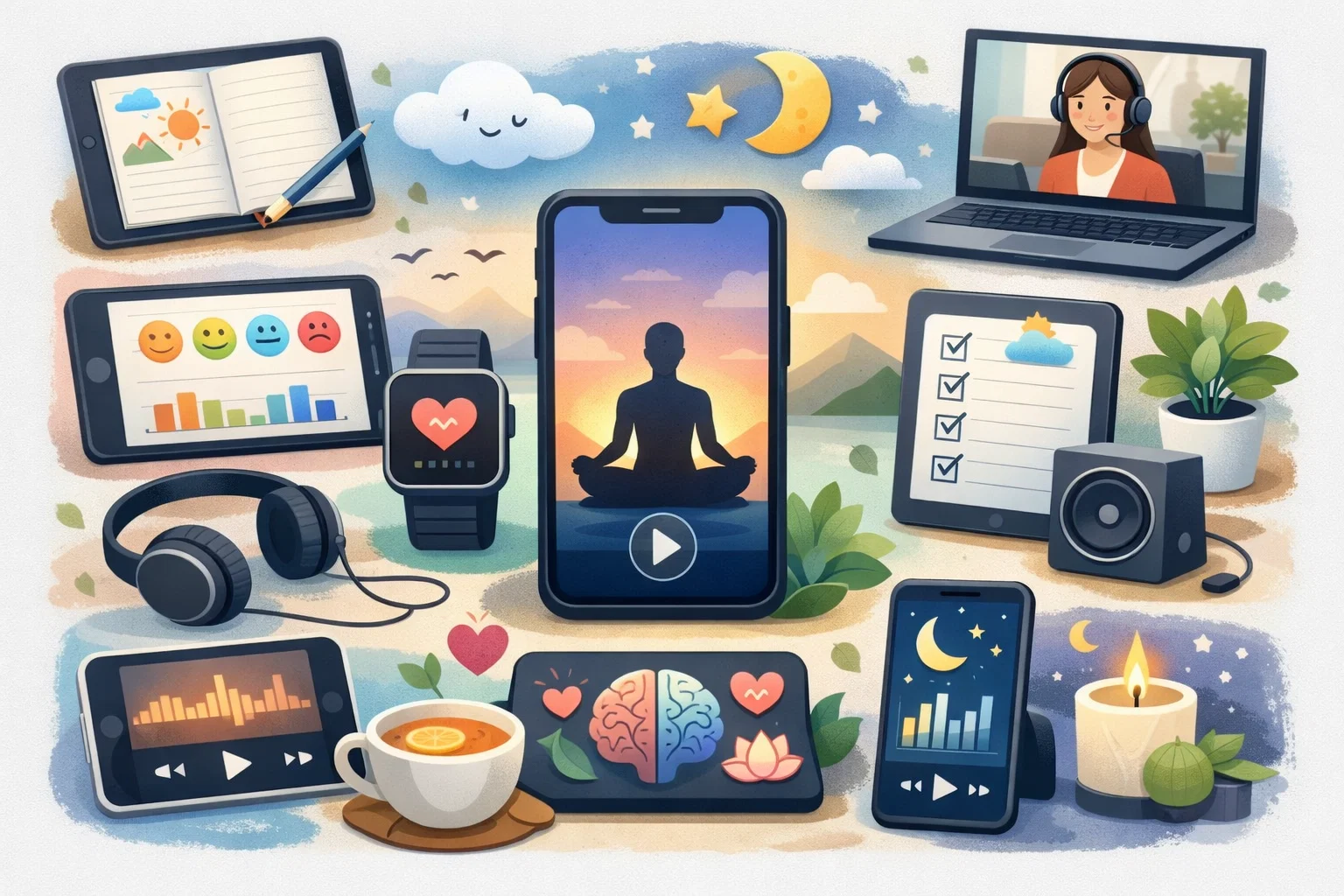
The digital age has ushered in a plethora of tools and apps designed to support mental well-being. These resources offer accessible and convenient ways to manage stress, improve mood, and access mental health services. As we navigate the complexities of modern life, these digital aids are becoming increasingly valuable in promoting mental health and addressing mental health issues, especially during times like the pandemic.
Meditation and Relaxation Apps
Meditation and relaxation apps are at the forefront of digital mental health trends. These apps provide guided meditations, mindfulness exercises, and soothing sounds to help reduce stress and anxiety. Many apps also offer personalized programs tailored to individual needs, making it easier for people with mental health issues to incorporate mindfulness into their daily routines and improve their mental well-being.
CBT-Based Tools and Mood Trackers
Cognitive Behavioral Therapy (CBT) techniques are now accessible through various digital tools and mood trackers. These resources help users identify and challenge negative thought patterns, track their mood fluctuations, and develop coping strategies. By providing structured exercises and insights, CBT-based tools empower individuals to take control of their mental health problems and enhance their emotional resilience.
Online Therapy Platforms and Communities
Online therapy platforms connect individuals with licensed health professionals for virtual counseling and support. These platforms offer a convenient and affordable alternative to traditional therapy, making mental health services more accessible to a wider audience. Additionally, many online communities provide peer support and a sense of belonging, which can be invaluable for people with mental illness.
Self-Compassion and Anti-Perfectionism Movements
The self-compassion and anti-perfectionism movements are gaining momentum as people recognize the importance of treating themselves with kindness and understanding. These movements challenge the societal pressure to be perfect and encourage individuals to embrace their imperfections. By cultivating self-compassion, people can reduce stress, improve their mental health, and enhance their overall mental well-being.
Rejecting Harsh Self-Criticism
Harsh self-criticism can be detrimental to mental health. Learning to reject negative self-talk and replace it with kinder, more compassionate thoughts is a crucial step in fostering self-compassion. By challenging self-critical thoughts and practicing self-acceptance, individuals can improve their self-esteem and reduce the risk of developing mental health problems or experiencing poor mental health.
Learning to Say “No” and Protect Emotional Energy
Setting boundaries is essential for protecting emotional energy and preventing burnout. Learning to say “no” to commitments that drain energy or compromise well-being is a powerful act of self-care. By prioritizing their needs and setting healthy boundaries, individuals can conserve their emotional resources and reduce their risk of mental health issues.
Combating Burnout Through Mindful Self-Care
Burnout is a state of emotional, physical, and mental exhaustion caused by prolonged stress. Mindful self-care practices, such as meditation, exercise, and spending time in nature, can help combat burnout and restore well-being. By prioritizing self-care and incorporating mindful moments into daily life, individuals can recharge their batteries and prevent serious mental illness.
Conclusion: The Future of Mental Health Awareness
As we move forward, the future of mental health awareness looks promising. With increasing openness, accessible resources, and a growing emphasis on preventive care, we are creating a society that prioritizes mental well-being. By continuing to break down stigma, promote mental health education, and support individuals in seeking help, we can build a healthier and more compassionate world for all, and address America’s mental health crisis.