


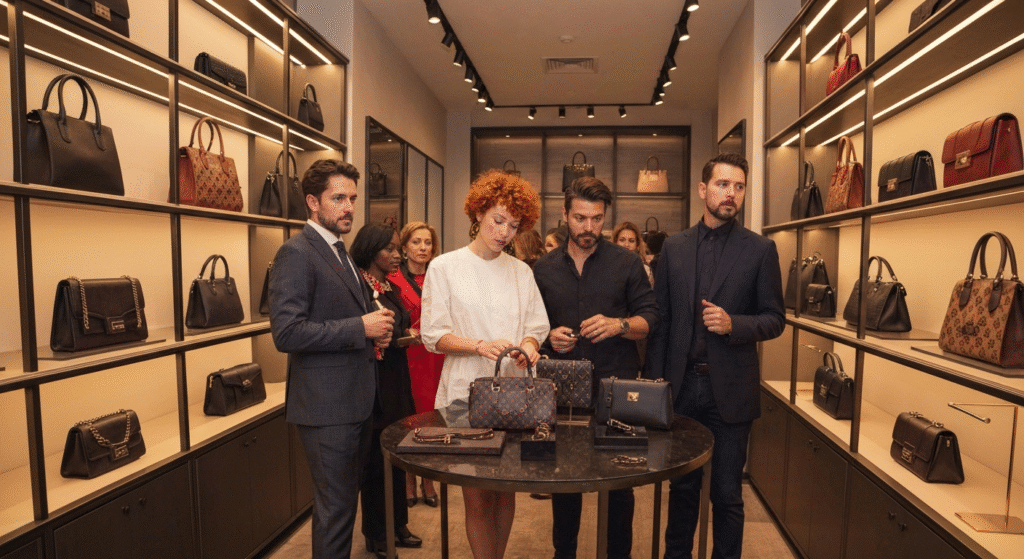
The way we think about high-end fashion is changing. The luxury resale market, once a small corner of the industry, has exploded into a powerful global market force. This shift is redefining what it means to own luxury goods, moving away from the idea that “new is always better.”
Instead, consumers are embracing pre-owned items for their value, history, and sustainability. This guide explores the rapid growth of this market and why pre-loved luxury is becoming the new standard for savvy shoppers.
The Evolution of Pre-Loved Luxury: From Niche to Mainstream

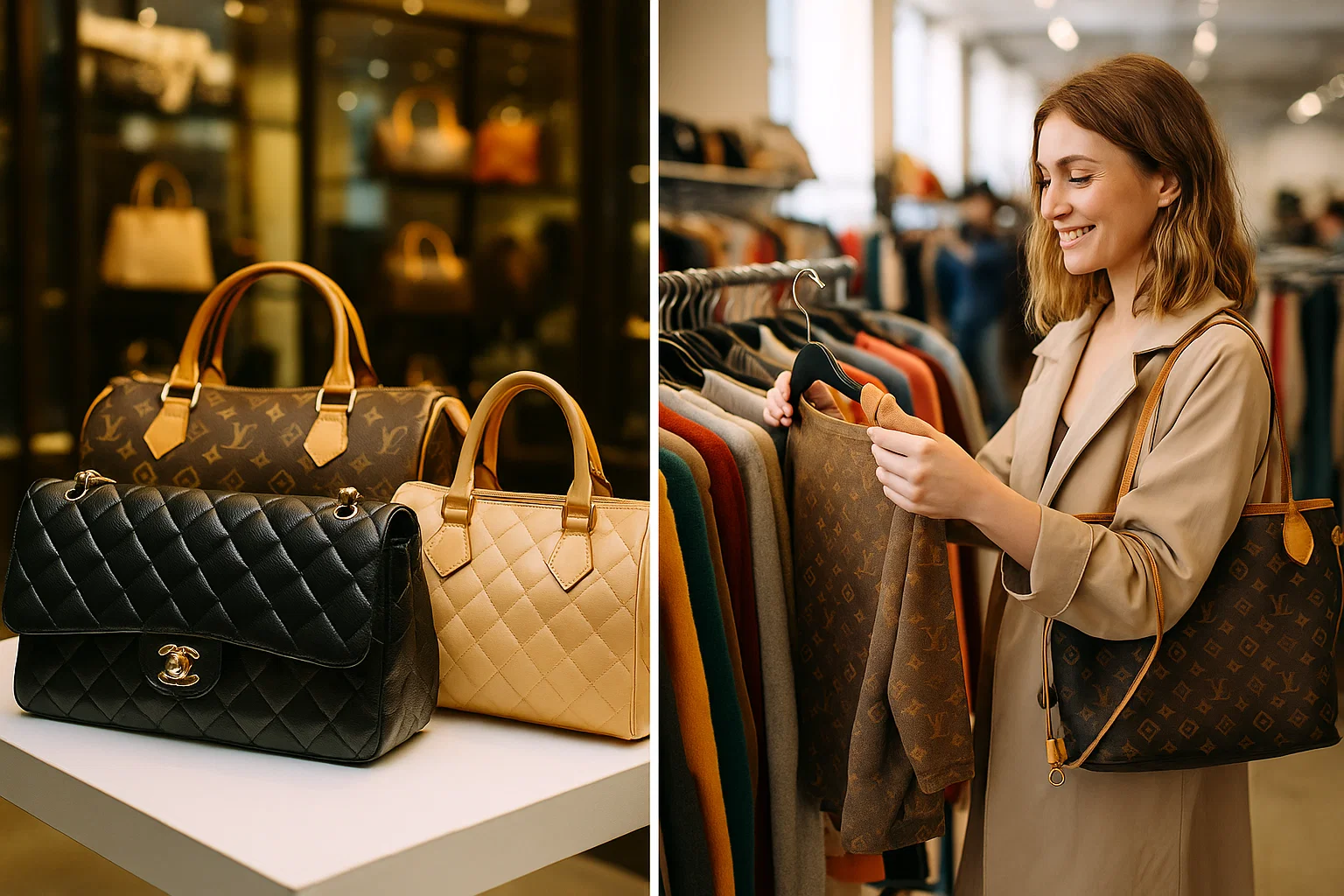
The luxury industry is witnessing a significant transformation as the resale market gains a larger market share. Previously, secondhand luxury goods were a niche interest, but now they are moving into the mainstream, challenging the dominance of the firsthand market.
This change is driven by a greater consumer awareness of sustainability and the appeal of accessing high-end items at more affordable prices.
This growing acceptance is why more people are buying and selling secondhand luxury goods. Platforms like The RealReal and Rebag are making it easier than ever to participate, offering authentication services that build trust. Now, let’s look at how different generations and social trends are fueling this movement.
Millennial and Gen Z Influence on Secondhand Luxury Fashion
Younger generations are at the forefront of the secondhand luxury wave. For many Gen Z respondents and millennials, the decision to buy pre-owned is about more than just price.
These younger consumers are highly conscious of their environmental footprint and are actively seeking sustainable shopping options. The resale market allows them to enjoy high-quality fashion without contributing to the waste associated with fast fashion.
This demographic is also driven by a desire for individuality. They are less interested in fleeting trends and more focused on finding unique pieces with a story.
Affluent consumers in this group see pre-loved items as smart investments that retain their value. Their purchasing power is reshaping the industry, attracting new customers to the circular economy.
Ultimately, this shift in values is redefining status. For these shoppers, owning a vintage or pre-loved piece from a top brand signals a sophisticated understanding of both style and sustainability, making them a powerful force in the luxury space.
Why are more people buying and selling secondhand luxury goods in recent years? It’s a combination of smart economics, environmental consciousness, and a new definition of style.
Social Media and the Rise of the Quiet Luxury Movement
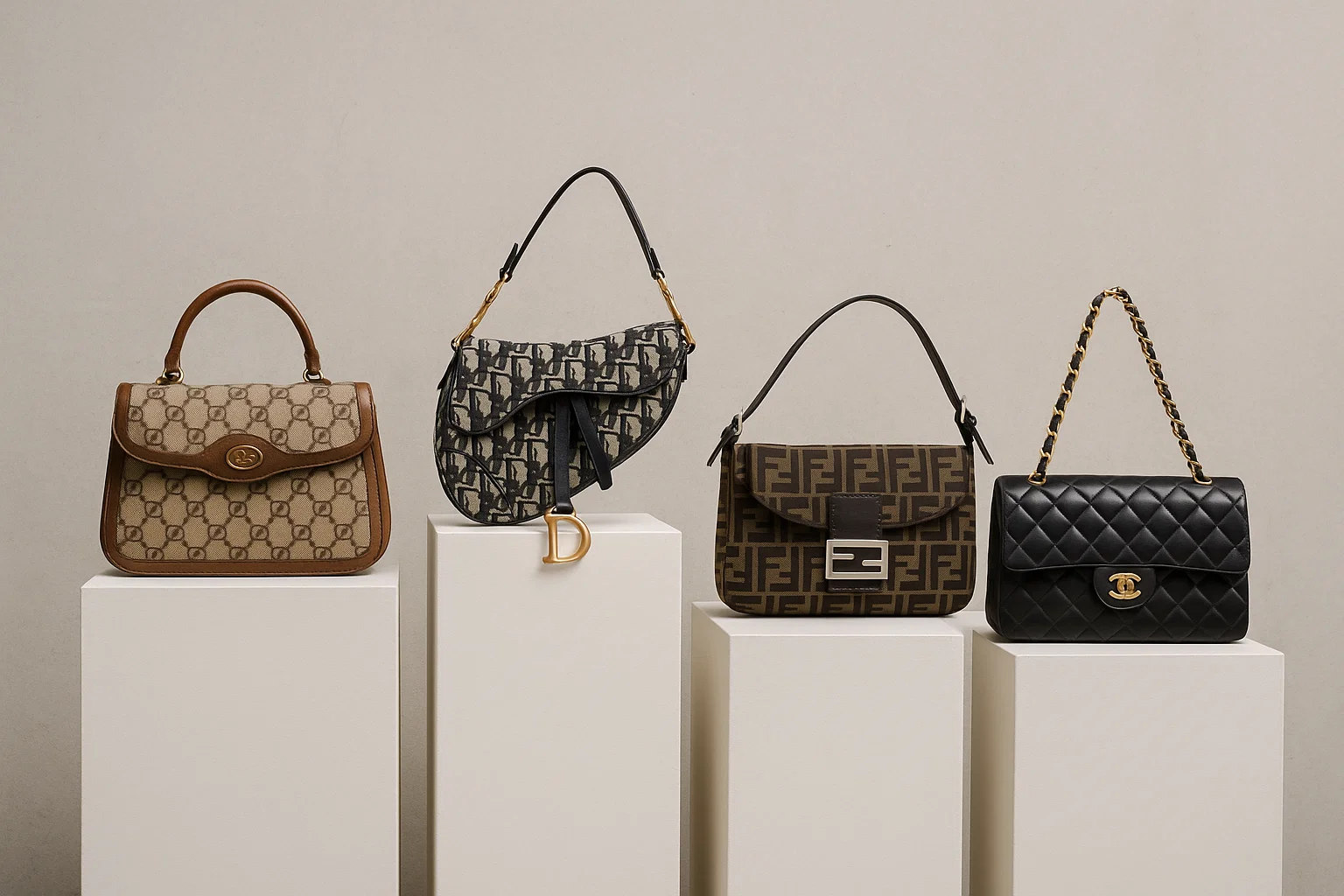
Social media has played a pivotal role in popularizing pre-loved fashion. Influencers and style icons are increasingly showcasing vintage and secondhand pieces, normalizing their use and boosting their appeal.
This digital exposure has helped shift brand perception, showing that the value of luxury brands lies in their craftsmanship and timelessness, not just their novelty. Instead of flaunting the latest runway looks, many are celebrating the hunt for rare and classic items.
This trend aligns perfectly with the “quiet luxury” movement, which prioritizes quality and subtlety over loud logos and conspicuous consumption.
The status quo is changing; today, true style is often seen as understated and self-assured. Pre-owned items fit this narrative perfectly, as they represent a more considered and personal approach to building a wardrobe.
Looking ahead, social media will continue to shape luxury resale. Future trends predicted for the luxury resale market include an even greater focus on digital verification and storytelling.
As consumers become more discerning, the history and authenticity of a piece will become as important as the brand name itself, a trend amplified by online communities.
Market Insights: Size, Growth, and Regional Trends in Luxury Resale

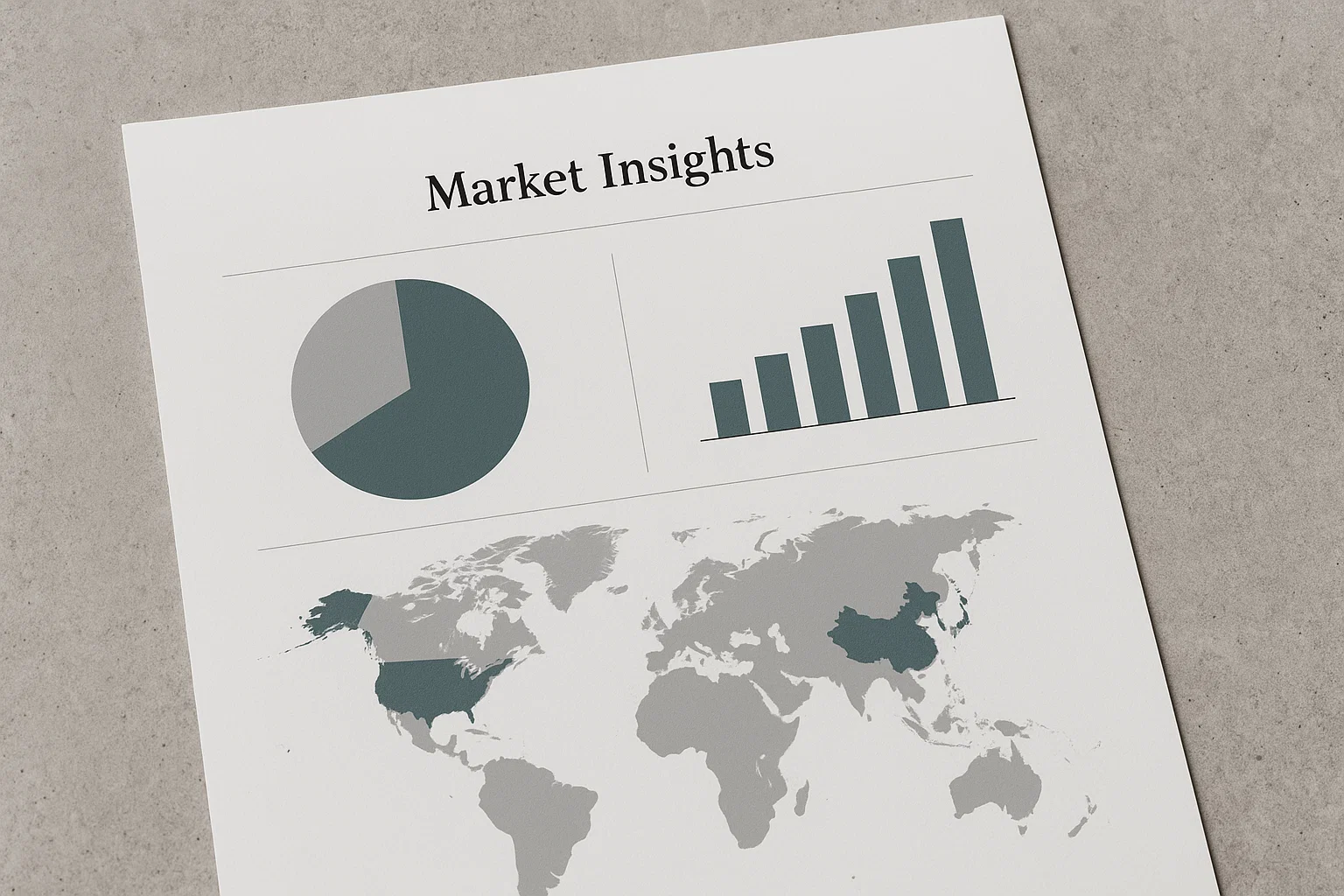
The numbers behind the pre-loved boom are staggering. According to a luxury resale market research report, the market size is on a strong upward trajectory, demonstrating a significant shift in consumer behavior.
With a robust annual growth rate, the global market is expanding far beyond its previous niche status and claiming a notable market share in the wider retail landscape.
This growth is not uniform, with certain regions and technologies driving the trend forward. Below, we’ll examine the specific figures defining this expansion and identify the key geographic areas leading the charge.
The Expanding Value of the Global Luxury Resale Market
The global luxury resale market has experienced remarkable momentum, increasing its appeal among affluent consumers. With an annual growth rate that outpaces traditional retail, luxury goods such as leather items are capturing significant market share.
This resurgence is fueled by younger consumers seeking sustainable options, reshaping brand perception and establishing new motivations for purchasing pre-owned luxury products. As online marketplaces expand and technology enhances authentication, the luxury resale market is not just thriving; it’s redefining the future of fashion.
Top U.S. Regions and Cities Leading Pre-Loved Luxury Demand
While Europe was the largest region for luxury resale in 2024, North America is a powerful player, with significant demand centered in the United States.
The rise of sophisticated e-commerce platforms and a strong consumer culture focused on both value and sustainability has created a thriving market. This is especially true in major metropolitan areas where fashion-conscious shoppers are concentrated.
The top reason for this growth in the U.S. is the combination of accessibility and aspiration. Consumers can now easily find and purchase authenticated pre-owned luxury goods online, making it simpler than ever to own items from coveted brands. This has helped the resale market capture a significant market share from traditional retail.
Key hubs for this demand include cities known for their fashion scenes and high disposable incomes. While specific city data is broad, the trend is clear in major economic centers.
- New York City
- Los Angeles
- Miami
- Chicago
These areas lead the way as luxury brands increasingly adapt their business models to embrace the resale industry, sometimes collaborating directly with resale platforms.
Why Secondhand Luxury Fashion Appeals to Modern Shoppers
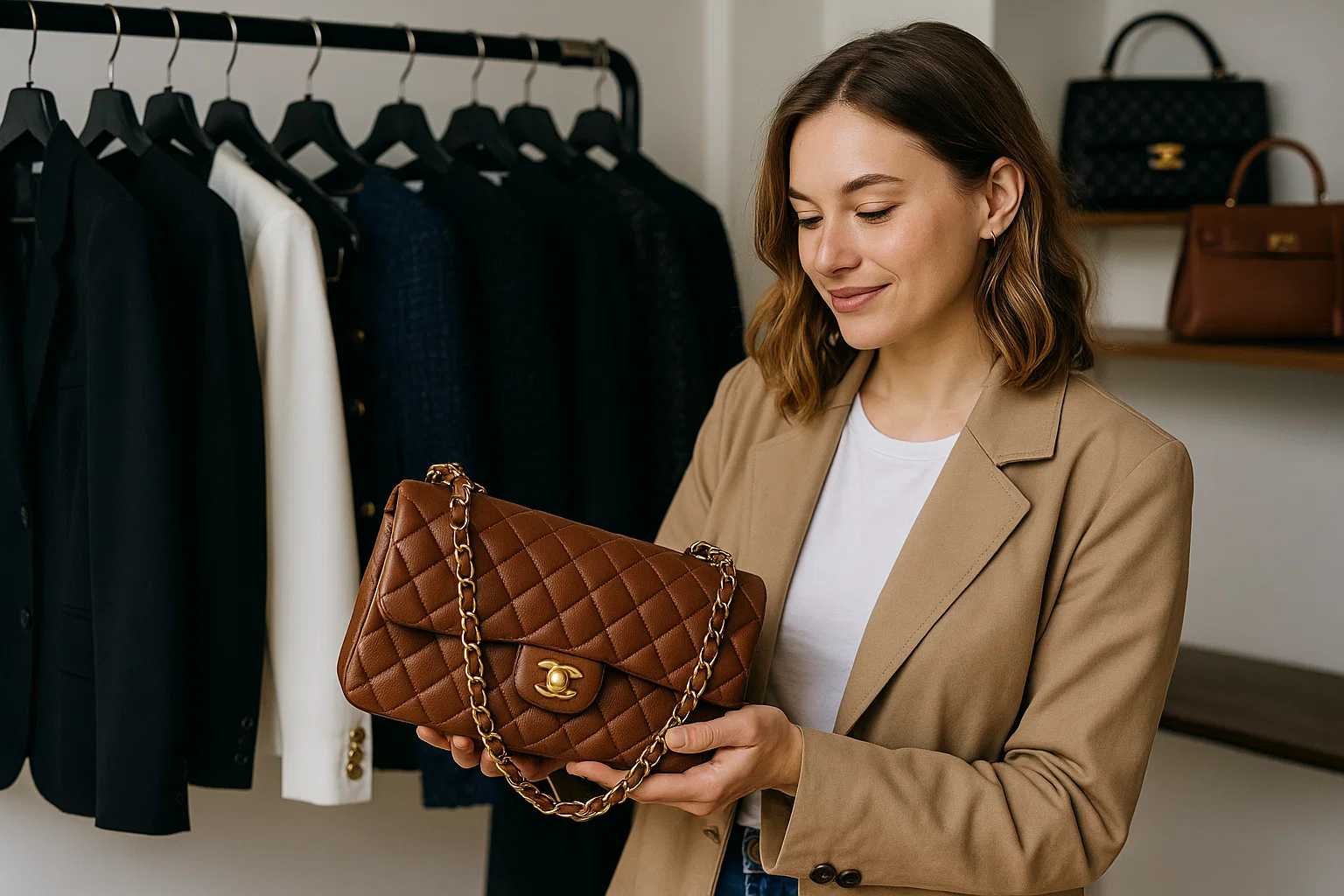
The appeal of secondhand luxury goes far beyond a lower price tag. For many new customers, the main motivations are a mix of smart shopping and conscious consumerism.
Pre-owned luxury goods often have a high resale value, making them sound investments. Shoppers can own pieces from premium brands, enjoy them, and potentially resell them later without a significant financial loss.
This modern approach to ownership is also about finding unique items that stand out. Why are more people buying and selling secondhand luxury goods in recent years?
Because it allows them to access rare and limited-edition pieces that are no longer available in stores. Let’s explore how sustainability and emotional connection further enhance this appeal.
Sustainability Trends Shaping the Circular Luxury Economy
Sustainability is no longer a buzzword; it’s a core value for a growing number of consumers. The luxury resale market directly addresses this concern by promoting a circular luxury economy.
By extending the life of high-quality items, you help reduce the environmental impact associated with producing new goods. This includes lessening the demand on the supply chain for raw materials, water, and energy.
How does the luxury resale market contribute to sustainability and the circular economy?
It transforms the traditional “take-make-dispose” model into a circular one. Instead of ending up in a landfill, a pre-loved handbag or watch can find a new home, continuing its journey for years or even decades. This approach is a powerful way to reduce waste and promote mindful consumption.
This conscious shopping model benefits everyone:
- It reduces the carbon footprint of the fashion industry.
- It minimizes waste by keeping items in circulation.
- It encourages brands to create durable, long-lasting products.
- It gives consumers a way to participate in fashion with a clear conscience.
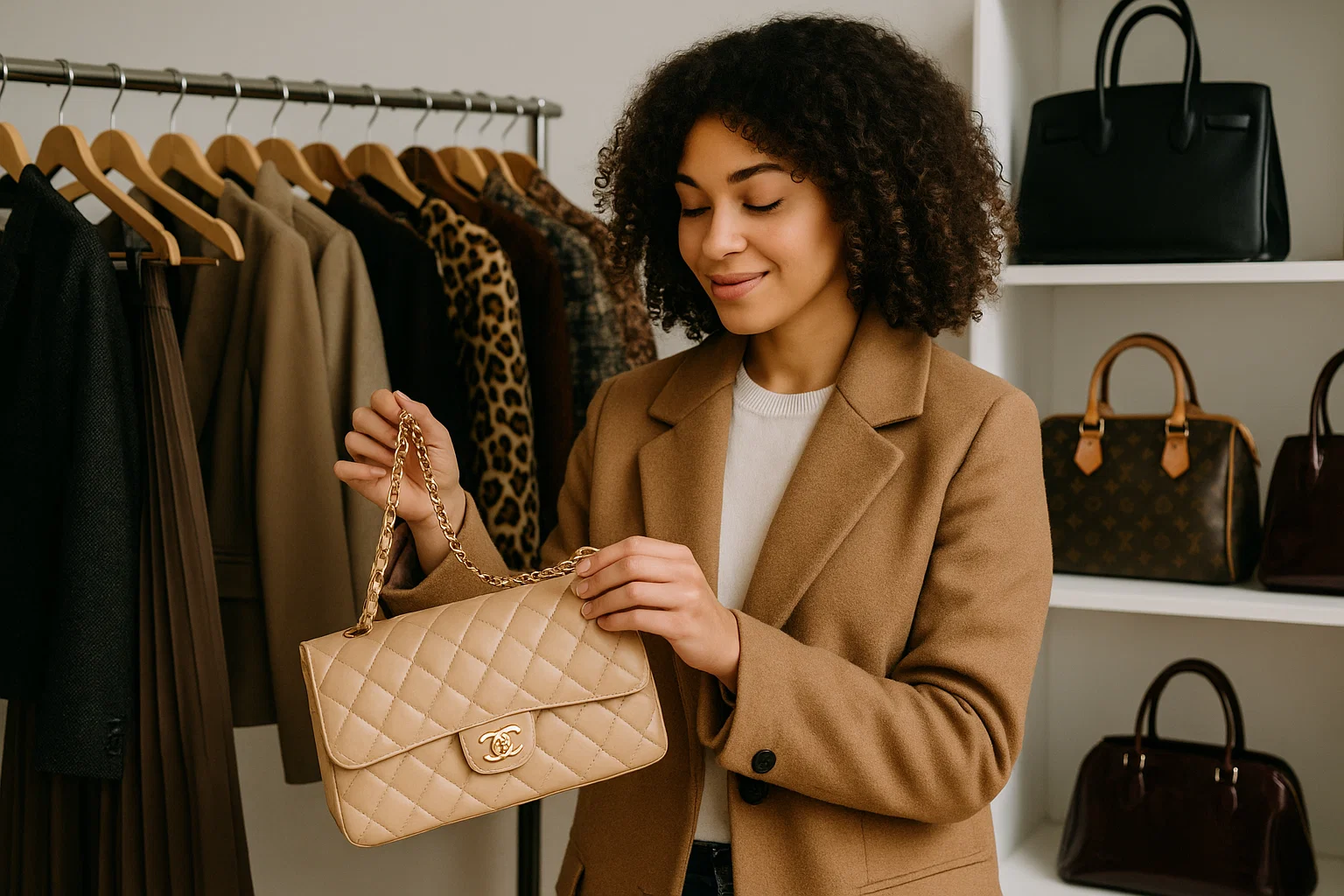
Emotional Value: Stories Behind Ownership and Heritage Pieces
Beyond the practical benefits, pre-owned luxury items carry an emotional value that new products often lack. Each piece comes with a history, a story of where it has been and who has owned it before.
These heritage pieces connect you to a legacy of craftsmanship and style. Owning a vintage watch or a classic handbag is like holding a piece of fashion history in your hands.
This sense of connection is a powerful motivator. The stories behind ownership add a layer of depth and personality to personal luxury goods that a brand-new item from a store cannot replicate.
It’s the difference between buying a product and inheriting an heirloom. This is one reason why shoppers are drawn to the resale market, despite challenges like ensuring authenticity.
While one of the main challenges shoppers face when buying luxury items secondhand is verifying an item’s condition and history, the reward is an unmatched sense of individuality. You are not just a consumer; you become part of the item’s ongoing story, adding your own chapter before it eventually passes to someone else.
Inside Luxury Resale Platforms: Building Trust and Value
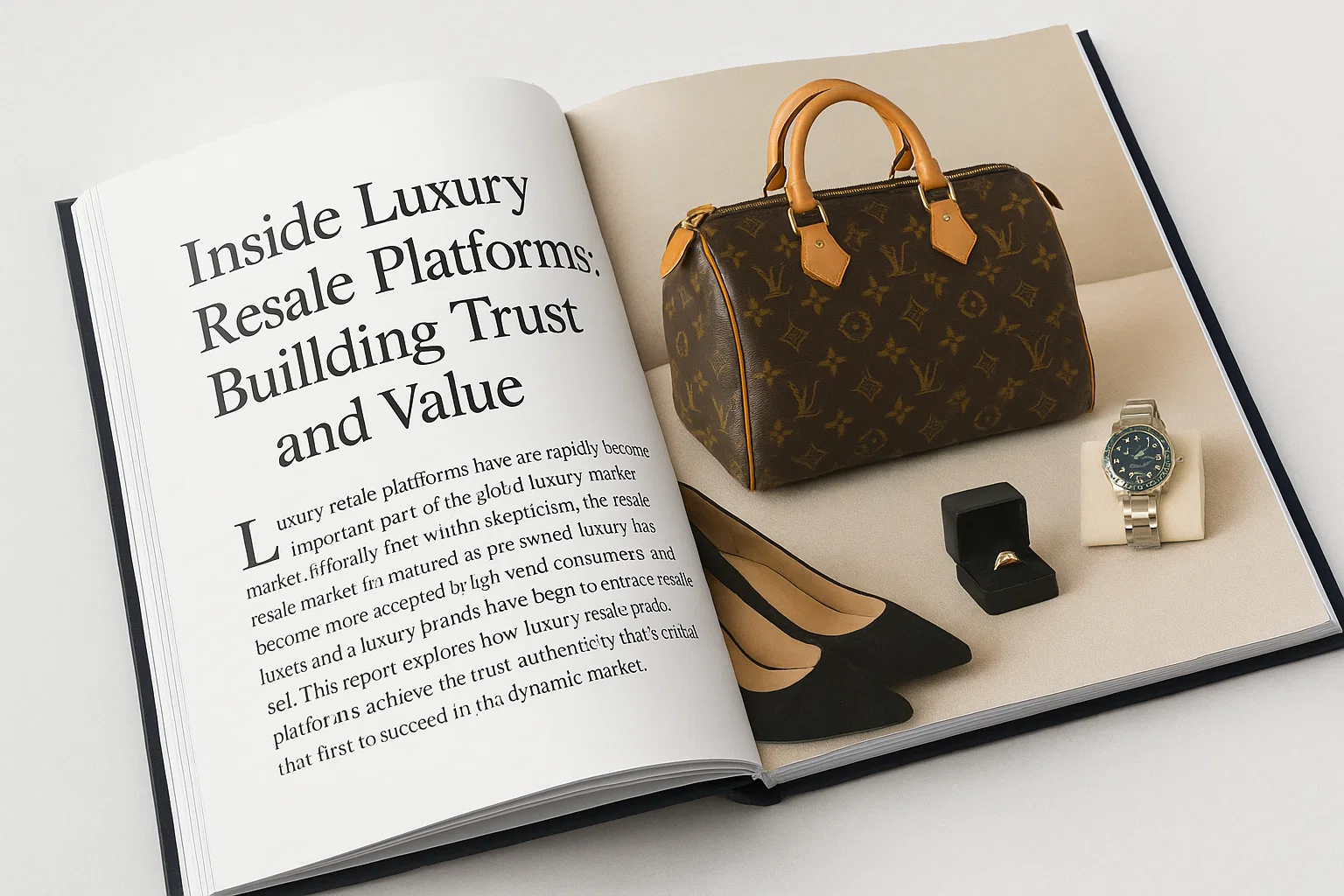
The success of the luxury resale market hinges on one critical factor: trust. Online resale platforms like The RealReal, Rebag, and Vestiaire Collective have invested heavily in building consumer confidence through rigorous authentication processes.
They understand that for shoppers to buy pre-owned luxury items online, they need absolute assurance that what they are buying is genuine.
This is where technology and human expertise come together. According to luxury resale market research reports, advancements in authentication technology are a key trend driving growth.
These platforms act as trusted intermediaries, making the market safer and more accessible for everyone. Let’s examine how they ensure authenticity and the technologies they use.
How Authentication Works on The RealReal, Rebag & More
How do platforms like Rebag and The RealReal ensure the authenticity of luxury items? The process is a multi-step, expert-led procedure designed to catch even the most sophisticated counterfeits. It starts the moment an item is submitted.
These online platforms employ teams of highly trained authenticators who specialize in specific luxury brands and categories, from handbags to fine watches.
These experts scrutinize every detail of the luxury items. They check for brand-specific markings, hardware quality, stitching, materials, and serial numbers.
They compare the item against a vast database of authentic products, looking for any inconsistencies. This hands-on inspection is often the first and most important line of defense against fakes.
Many platforms also use advanced technology to support their human experts. For instance, AI algorithms can analyze microscopic details in images to detect anomalies that the human eye might miss. This combination of human knowledge and technological precision is crucial for maintaining trust at the point of sale and ensuring every item sold is the real deal.
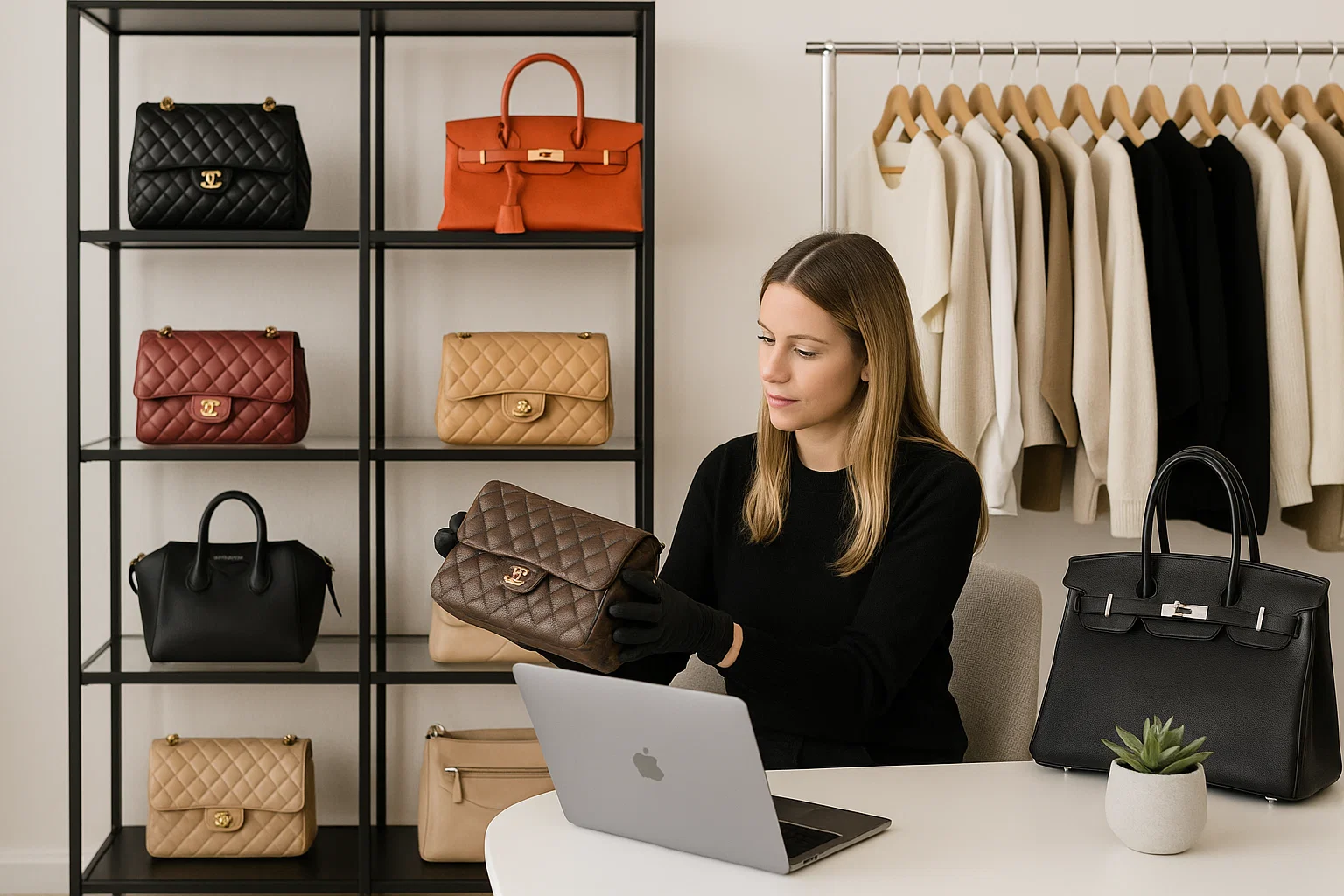
Technology’s Role: Blockchain, AI, and Digital Certificates
Technology is revolutionizing how we verify luxury goods. Beyond the initial inspection, platforms are adopting cutting-edge tools to create a permanent and transparent record of an item’s authenticity.
AI, for example, is used to analyze thousands of data points on an item, from logo placement to font style, and compare them against known authentic versions. This helps authenticators make faster, more accurate decisions.
Blockchain is another game-changing technology. By creating a secure, unchangeable digital ledger, platforms can issue digital product passports for luxury items. This digital certificate can store information about an item’s origin, materials, and ownership history.
Once created, it cannot be altered, providing a foolproof way to track an item’s journey and prove its legitimacy. These digital ventures are setting a new standard for trust.
Here’s how these technologies are boosting confidence:
- AI: Analyzes items for subtle signs of counterfeiting and helps determine fair market pricing based on condition and demand.
- Blockchain: Creates tamper-proof digital certificates, or “digital product passports,” that verify an item’s authenticity and ownership history permanently.
- Human Expertise: These technologies support, rather than replace, the critical judgment of trained authenticators.
Conclusion
In conclusion, the luxury resale market represents a transformative shift in how we perceive fashion and status. As sustainability becomes a priority for consumers, pre-loved luxury items offer not only economic value but also a rich narrative of heritage and craftsmanship.
With the influence of millennials and Gen Z, this market diversifies to cater to a more conscious, discerning shopper who values quality over quantity. The rise of advanced technology ensures authenticity and trust, making it easier than ever to participate in this evolving landscape. If you’re curious about embracing pre-loved luxury in your wardrobe, don’t hesitate to reach out for a free consultation to explore the best options tailored for you!