



Lucky Girl Syndrome, a social media trend that’s been sweeping across TikTok, represents a new, visually-driven era in manifestation. This trend, popularized by TikTokers and influencers, focuses on the power of positive thinking and the “law of attraction,” presenting a seemingly effortless way to attract good fortune.
A New Era of Manifestation Mindset
What Is Lucky Girl Syndrome?
Lucky Girl Syndrome, often called “lucky girl syndrome,” is a manifestation trend to hit TikTok that centers around the core belief that good things are always happening to you. It involves adopting a positive mindset and using positive affirmations to manifest your desires. Many believe that lucky girl syndrome is a way to achieve your goals.
Why It’s Trending Right Now
The trend is trending right now because it resonates with a generation seeking quick and easy solutions, offering a simplified approach to the “law of attraction.” Lucky girl syndrome provides an accessible and visually appealing method to engage with the power of manifestation. It spreads like wildfire through TikTok’s algorithm.
Who’s Talking About It: TikTok, Influencers, and Gen Z
TikTok influencers and Gen Z are primarily talking about “lucky girl syndrome”. They share their success stories and the things that are always happening for them, promoting it as a lifestyle. The hashtag #luckygirlsyndrome has gained significant traction, filled with videos detailing personal experiences and daily affirmations.


1. The Core Belief: “I’m So Lucky, Everything Works Out for Me”
The Mantra That Started a Movement
The mantra at the heart of the “lucky girl syndrome” movement is a simple, powerful statement: “I’m so lucky, everything always works out for me.” This affirmation is repeated frequently to reinforce the belief that you are lucky and to attract positive outcomes, helping to banish any negative thoughts.

How It Aligns with Law of Attraction & Law of Assumption
“Lucky girl syndrome” aligns closely with the “law of attraction” and the “law of assumption,” both of which emphasize the power of belief in shaping reality. These principles suggest that by holding a positive mindset and believing you are lucky, you can attract positive experiences and opportunities into your life.
Real-Life Examples from Viral TikToks
Viral TikToks showcase real-life examples of “lucky girl syndrome” in action. TikTokers share stories of unexpected opportunities, chance encounters, and seemingly miraculous outcomes, attributing their good fortune to their “lucky girl syndrome” mindset. This reinforces the belief in the trend’s effectiveness and the use of positive affirmations.
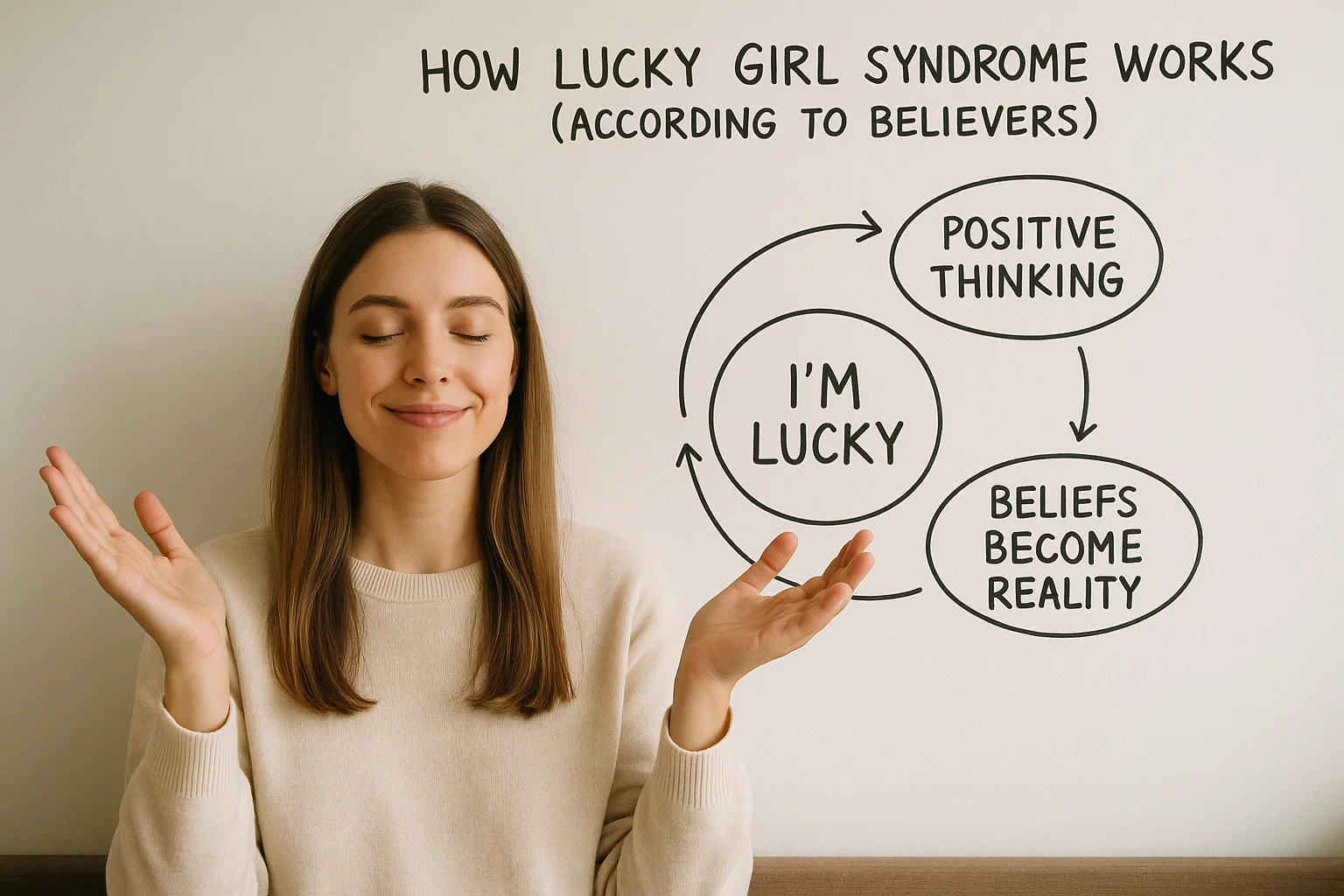
2. How Lucky Girl Syndrome Works (According to Believers)
Step-by-Step: How to Practice It Daily
To practice “lucky girl syndrome” daily, believers begin by consciously adopting a positive mindset. This involves several key practices:
- Repeating daily affirmations
- Visualizing their desired outcomes
- Expressing gratitude for the good things in their lives
This consistent reinforcement of positive thoughts is considered essential for manifesting their desires.
Affirmations, Mindset, and Energy Shifts
Central to “lucky girl syndrome” is using affirmations to shift one’s mindset and energy. Using positive affirmations like “I am so lucky” helps to reprogram the subconscious mind, fostering a belief in one’s inherent luckiness. This, in turn, is believed to attract positive circumstances and opportunities.
Daily Habits to Reinforce the Lucky Girl Belief
To reinforce the belief in lucky girl syndrome, certain daily habits can be quite helpful. These often involve practices such as:
- Using affirmations
- Practicing gratitude
- Visualizing desired outcomes as already achieved
These practices are designed to cultivate a consistent positive mindset, reinforcing the belief that you are lucky and attracting positive experiences into your daily life.
3. Why Gen Z and Millennials Are Obsessed
The Appeal of Effortless Manifestation
The appeal of effortless manifestation through “lucky girl syndrome” resonates strongly with Gen Z and Millennials, who often seek quick and accessible methods for personal development. The “manifestation trend” offers a seemingly simple way to “attract” “positive” outcomes. This aligns with the “TikTok” generation’s desire for instant gratification and accessible self-help techniques, as they believe “things are always happening”.

Social Media Validation & Aesthetics
Social media platforms like “TikTok” play a significant role in validating and popularizing the “lucky girl syndrome” “manifestation trend”. “TikTokers” often showcase aesthetically pleasing videos of their “manifesting” journeys, further fueling the trend’s popularity. The visual nature of the platform amplifies the appeal, creating a desire to emulate these seemingly “lucky” lifestyles and participate in “positive thinking”.
Feminine Empowerment in a Positive-Self Talk Culture
“Lucky girl syndrome” aligns with a growing culture of feminine empowerment centered around “positive-self talk”. The “trend to hit TikTok” encourages women to embrace their power to shape their realities through “positive affirmations”. By adopting a “positive mindset”, women feel empowered to “manifest” their desires and challenge limiting beliefs, reinforcing the notion that “things are always happening”.
4. The Psychology Behind the Luck Mindset
Self-Fulfilling Prophecies Explained
The psychology behind the luck mindset, as seen in “lucky girl syndrome”, is rooted in self-fulfilling prophecies. When individuals “believe you are lucky” and “use positive affirmations”, they unconsciously “attract” opportunities and behaviors that validate this belief. This creates a cycle where initial expectations lead to actions that ultimately “manifest” those expectations, furthering “positive thinking”.

Cognitive Reframing and Selective Focus
“Cognitive reframing” and “selective focus” are key psychological mechanisms at play in “lucky girl syndrome”. Individuals using the “manifestation trend” actively reframe their experiences to focus on “positive” outcomes and opportunities. By selectively attending to evidence that supports their belief in their luckiness, they reinforce their “positive mindset” and ignore or downplay negative experiences, believing that “things are always happening”.
Belief, Behavior, and Results: A Feedback Loop
“Lucky girl syndrome” creates a feedback loop between belief, behavior, and results. A “positive mindset” fosters proactive behaviors, which in turn, lead to “positive” results that reinforce the initial belief in one’s luckiness. This cycle perpetuates itself, as the more positive outcomes experienced, the stronger the belief in “positive affirmations” becomes, influencing future “manifestations” and “positive thoughts”.
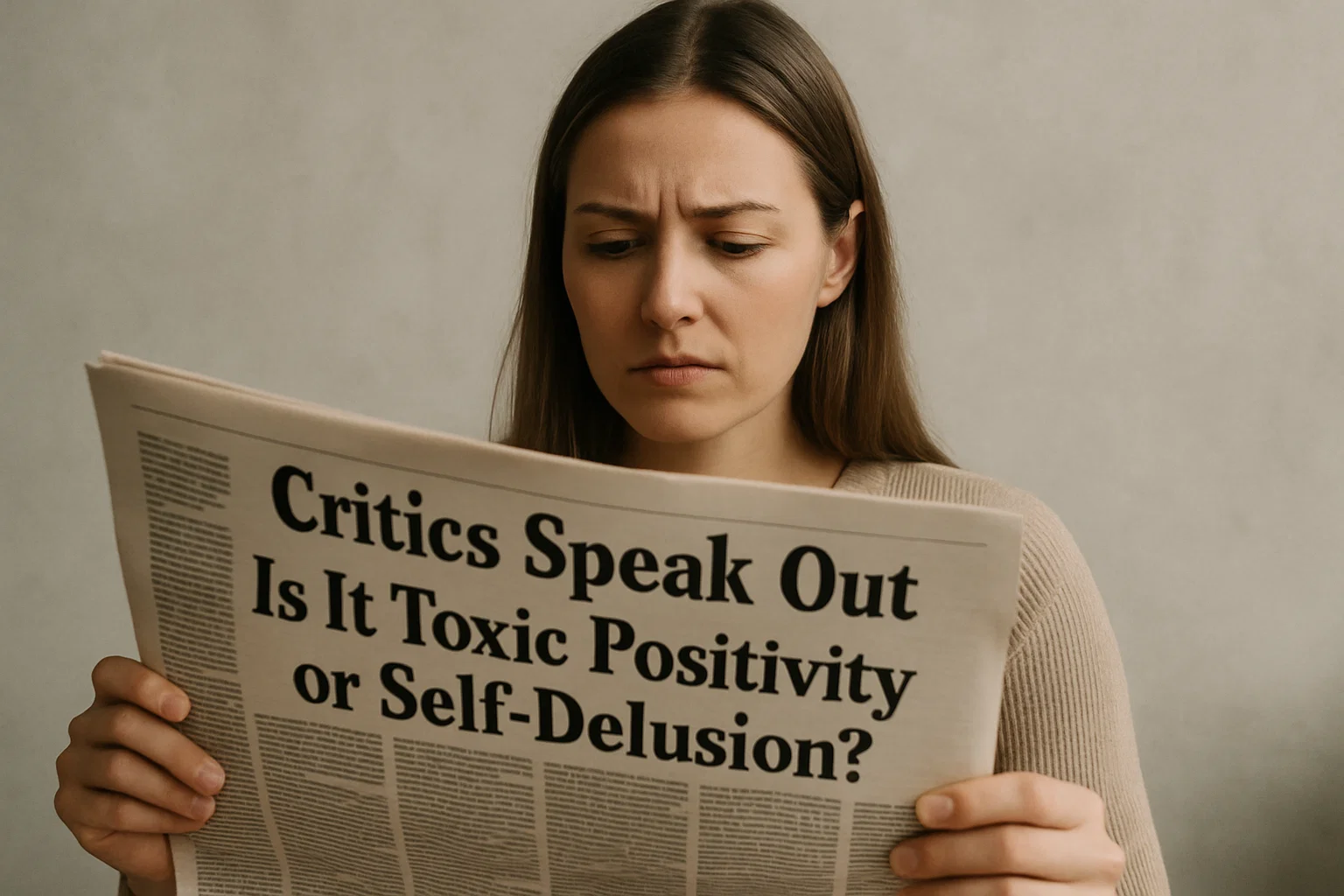
5. Critics Speak Out: Is It Toxic Positivity or Self-Delusion?
The Downsides: Ignoring Reality, Privilege, and Hard Work
Critics argue that “lucky girl syndrome” can promote “toxic positivity” by encouraging individuals to ignore or downplay genuine challenges and inequalities. The trend may also overlook the role of privilege and hard work in “achieving your goals”, presenting a “delusional” view that “positive thinking” alone is sufficient for success. They discourage “using affirmations” alone.
Can Positivity Ever Be Too Much?
The question arises: can “positivity” ever be too much? Critics suggest that excessive and unrealistic “positive thinking”, as seen in some interpretations of “lucky girl syndrome”, can be detrimental. It may discourage individuals from addressing real problems, seeking help when needed, or acknowledging the importance of negative emotions in “society’s” overall emotional well-being, suggesting that perhaps “things are always happening” is a harmful sentiment.
Responding to Criticism: Balanced Manifestation
In response to criticism, proponents of “lucky girl syndrome” advocate for a balanced approach to “manifestation”. They emphasize the importance of acknowledging challenges, taking action to overcome obstacles, and recognizing the role of privilege and hard work. A balanced “manifestation trend” integrates “positive thinking” with realistic expectations and proactive efforts. Instead of just “using positive affirmations” one must work hard.
6. Lucky Girl Syndrome vs Traditional Manifestation Techniques
How It Differs from Vision Boards & Journaling
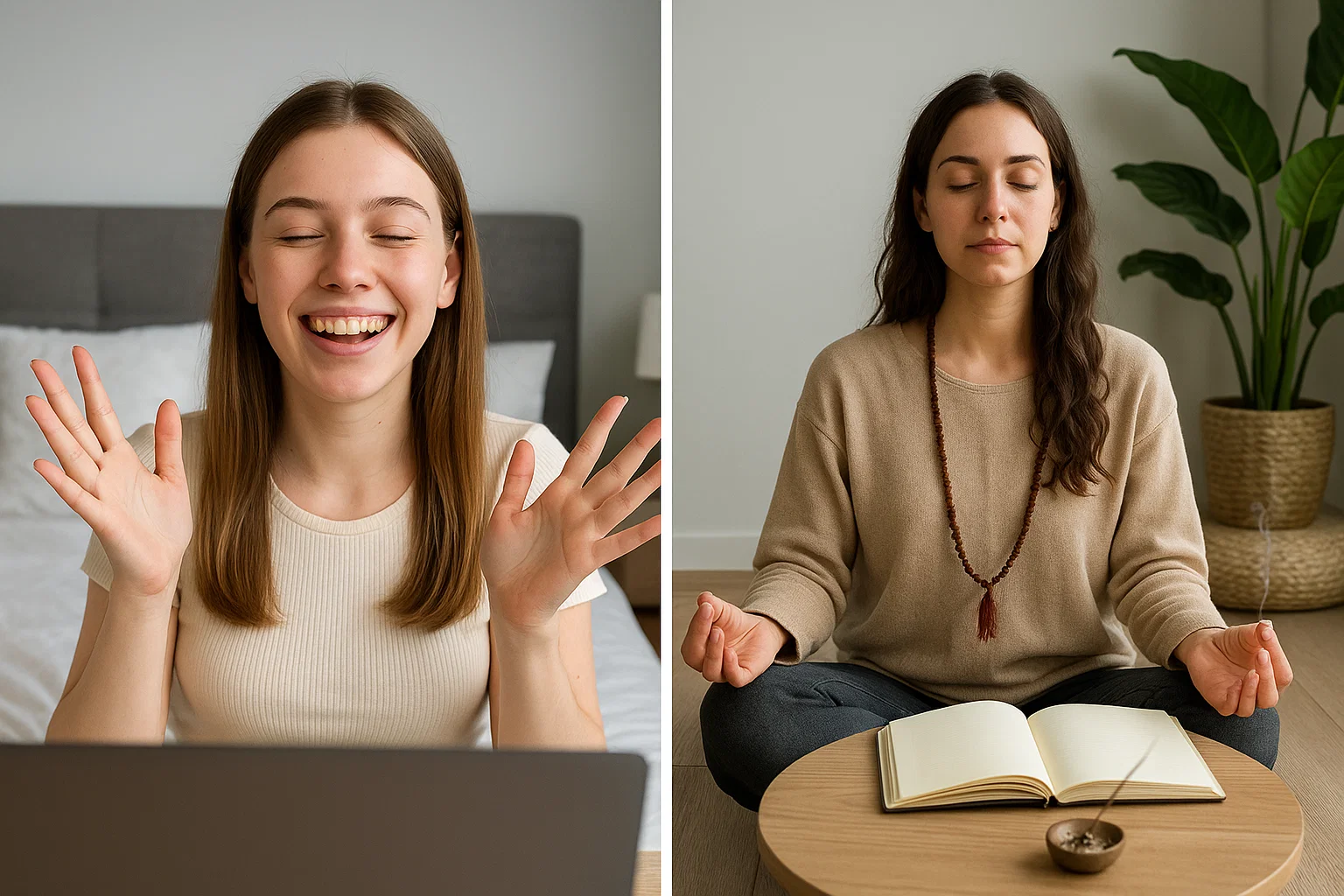
“Lucky girl syndrome” differs from traditional “manifestation trend” techniques like vision boards and journaling in its simplicity and accessibility. While vision boards and journaling involve a more structured and time-consuming approach, “lucky girl syndrome” focuses on a quick, repeatable “mantra” of “positive affirmations” and cultivating a “positive mindset”. While vision boards may help you imagine “things are always happening”, it requires a lot of supplies.
Simplicity Over Strategy: Why It Works for TikTok Users
The simplicity of “lucky girl syndrome” is a key reason why it resonates so well with “TikTok” users. The “manifestation trend” offers an easily digestible and shareable method for attracting “positive thoughts”. Unlike more complex “law of attraction” techniques, “using affirmations” requires minimal effort and can be seamlessly integrated into daily routines, making it an ideal trend for the fast-paced, visually-driven environment of “TikTok”.
Does It Work Faster—or Just Feel Easier?
Whether “lucky girl syndrome” works faster than traditional “manifestation trend” techniques is debatable, but it certainly feels easier to use. The focus on “positive affirmations” and instant “gratification” provides a sense of immediate control and optimism, which can be motivating. While the long-term effectiveness may depend on individual belief and consistent practice, the perceived ease of use makes it a more appealing option for many who are “manifesting”.
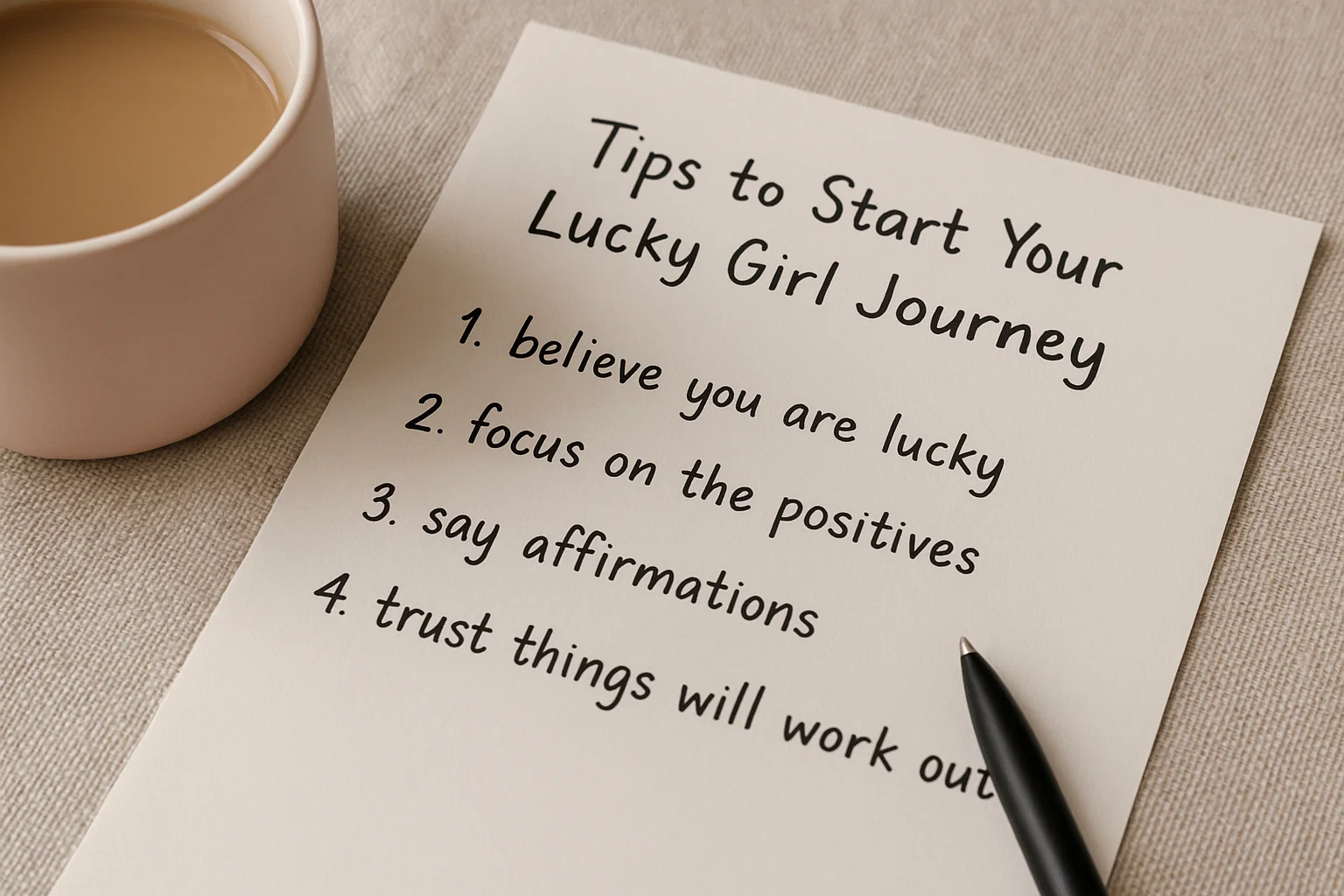
7. Tips to Start Your Own Lucky Girl Journey
Affirmation Examples You Can Use Today
To start your own “lucky girl syndrome” journey, begin with simple “affirmations”. Here are a couple of examples you can use:
- “I am so lucky, good things are always happening to me,”
- “I effortlessly ‘attract’ ‘positive’ opportunities.”
These “positive affirmations” should be repeated throughout the day to reinforce a “positive mindset” and “manifest” your desired outcomes, making you “believe you are lucky” to receive “positive thoughts”.
Combining Gratitude, Visualization, and Belief
Enhance your “lucky girl syndrome” practice by combining gratitude, visualization, and unwavering belief. Express gratitude for the good things in your life, visualize your desired outcomes as already achieved, and maintain an unwavering belief in your inherent luckiness. This combination amplifies the “power of positive” intention, which will “manifest”. These are “positive thoughts” to make you the popular “lucky girl”.
How to Make It Work Without Forcing It
To make “lucky girl syndrome” work without forcing it, approach the practice with a sense of openness and trust. Avoid becoming overly attached to specific outcomes, and instead, focus on cultivating a general sense of optimism and “positive” expectation. Allow the universe to work in its own way, trusting that “things are always happening” for your highest good when “achieving your goals”. It’s more than just “using affirmations”.
8. Where It’s Going: Future of the Lucky Girl Trend
Will It Evolve or Burn Out?
The future of the “lucky girl syndrome” “manifestation trend” is uncertain—it could either evolve into a more nuanced approach to “manifestation” or burn out as a fleeting “social media trend”. Its staying power may depend on its ability to adapt to criticism and integrate with other self-help practices while continuing to “believe you are lucky”. As “influencer’s” “daily affirmations” circulate “tiktok”, we can see how it’s transformed.
New Variants: Lucky Guy, Lucky CEO, etc.
New variants of “lucky girl syndrome” are already emerging, such as “Lucky Guy” and “Lucky CEO”, indicating a broader appeal beyond traditional demographics. These adaptations suggest that the core principles of “positive thinking” and “manifestation” can be applied to various aspects of life. The “hashtag” is increasingly popular, especially as Gen Z starts their careers by “using positive affirmations”.
Lucky Living: Could This Become a Lifestyle Brand?
It’s conceivable that “lucky girl syndrome” could evolve into a full-fledged lifestyle brand. With the rise of “TikTokers” who are “manifesting” everyday, encompassing everything from fashion and beauty to home decor and wellness. By promoting a lifestyle centered around “positive affirmations” and a “positive mindset”, this trend could establish itself as a significant player in the self-help industry that we know today.
Conclusion: Believe It, Speak It, Become It
“Lucky girl syndrome” encapsulates the transformative power of belief, encouraging individuals to speak their desires into existence and ultimately become the embodiment of their aspirations. It’s about believing in your inherent luckiness, adopting a “positive mindset”, and trusting that “things are always happening”. By “using affirmations”, this leads to a life filled with abundance and “positive” opportunities, and finally “manifesting” your dreams.