


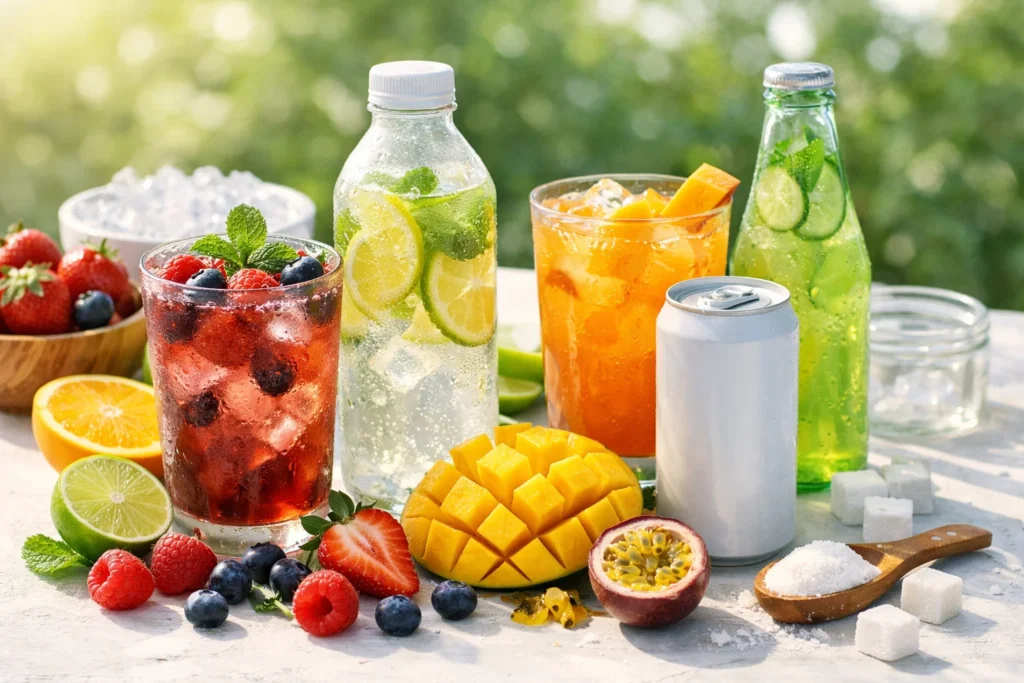
In 2026, the quest for a healthier lifestyle propels the low-sugar drinks trend to new heights. Consumers are increasingly prioritizing wellness and seeking beverage options that offer flavor without the guilt, driving innovation and reshaping the beverage aisle.
The Rise of Low-Sugar Beverages

Why sugar reduction has become a top consumer priority
Health-conscious consumers are actively reducing sugar intake to combat health issues. Awareness of the harmful effects of sugary drinks has made zero-sugar and low-sugar options a new standard for daily refreshment and overall wellness.
How wellness, lifestyle, and flavor innovation are driving the trend
The low-sugar trend is fueled by lifestyle choices, wellness goals, and flavor innovation. Brands are enhancing flavor through natural ingredients, responding to a demand for healthy drinks that don’t compromise on taste or indulgence.
The appeal of guilt-free indulgence in modern diets
Consumers crave guilt-free indulgence and seek low-calorie options that align with mindful eating habits. Low-sugar beverages provide the perfect balance, delivering flavor without the guilt and supporting a healthier lifestyle.
What Are Low-Sugar Drinks?
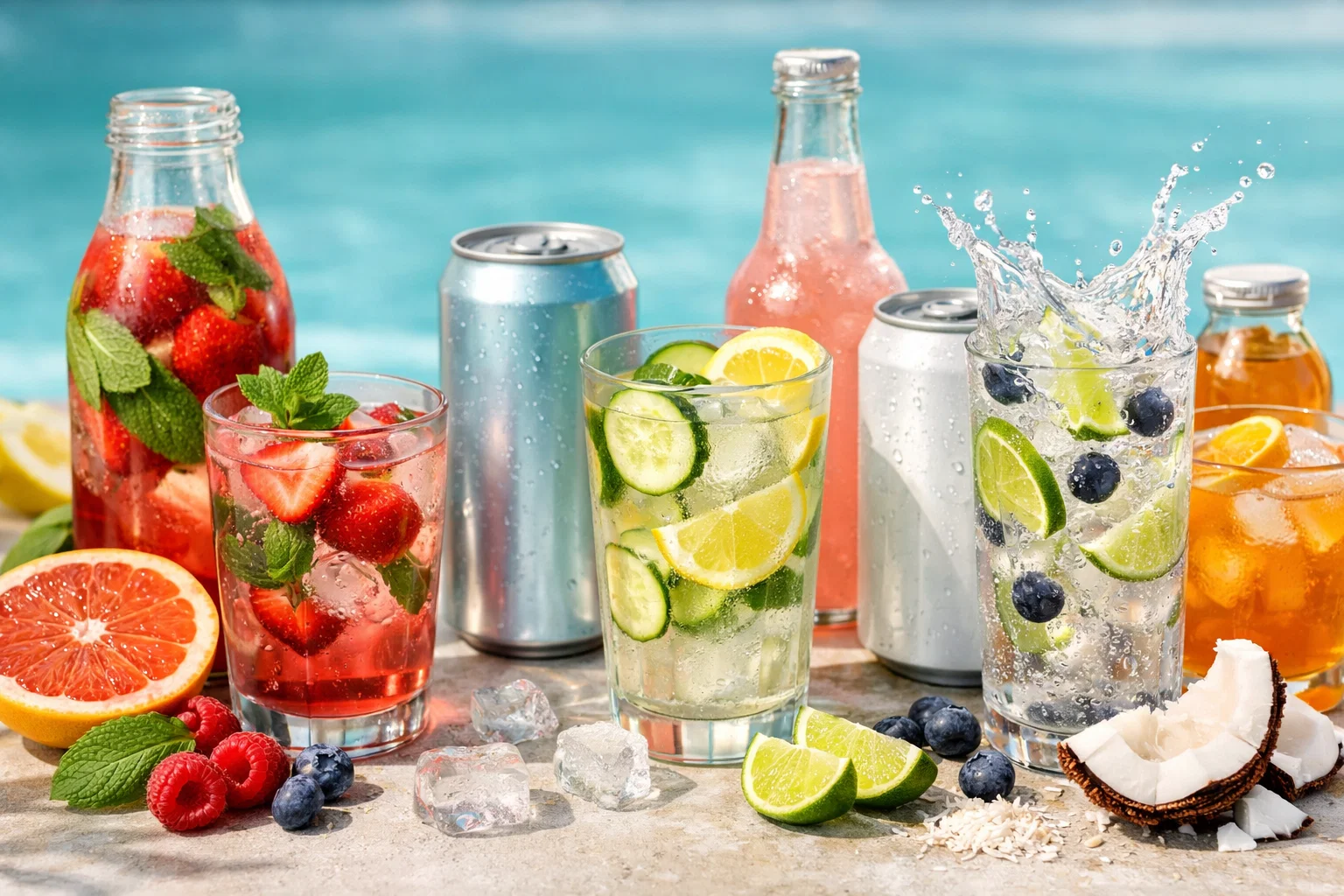
Definition and key characteristics
Low-sugar drinks are defined by minimal added sugar, offering flavor with fewer calories. These beverages aim to satisfy cravings without the negative health impacts of sugary drinks, providing a healthier alternative for hydration.
Categories: naturally low-sugar, reformulated classics, and functional beverages
Here are some examples of what you might find in the low-sugar category. These include:
- Naturally low-sugar options like green tea
- Reformulated classics
These drinks cater to diverse tastes while promoting wellness, offering refreshment without excessive sugar and artificial additives.
Popular sweetener alternatives: stevia, monk fruit, erythritol, and fruit infusions
Brands are innovating with natural sweeteners like stevia, monk fruit, and erythritol to enhance flavor in low-sugar drinks. Fruit infusions also provide a natural sweetness, allowing consumers to enjoy flavor without compromising their health goals.
Why Low-Sugar Drinks Are Trending in 2026
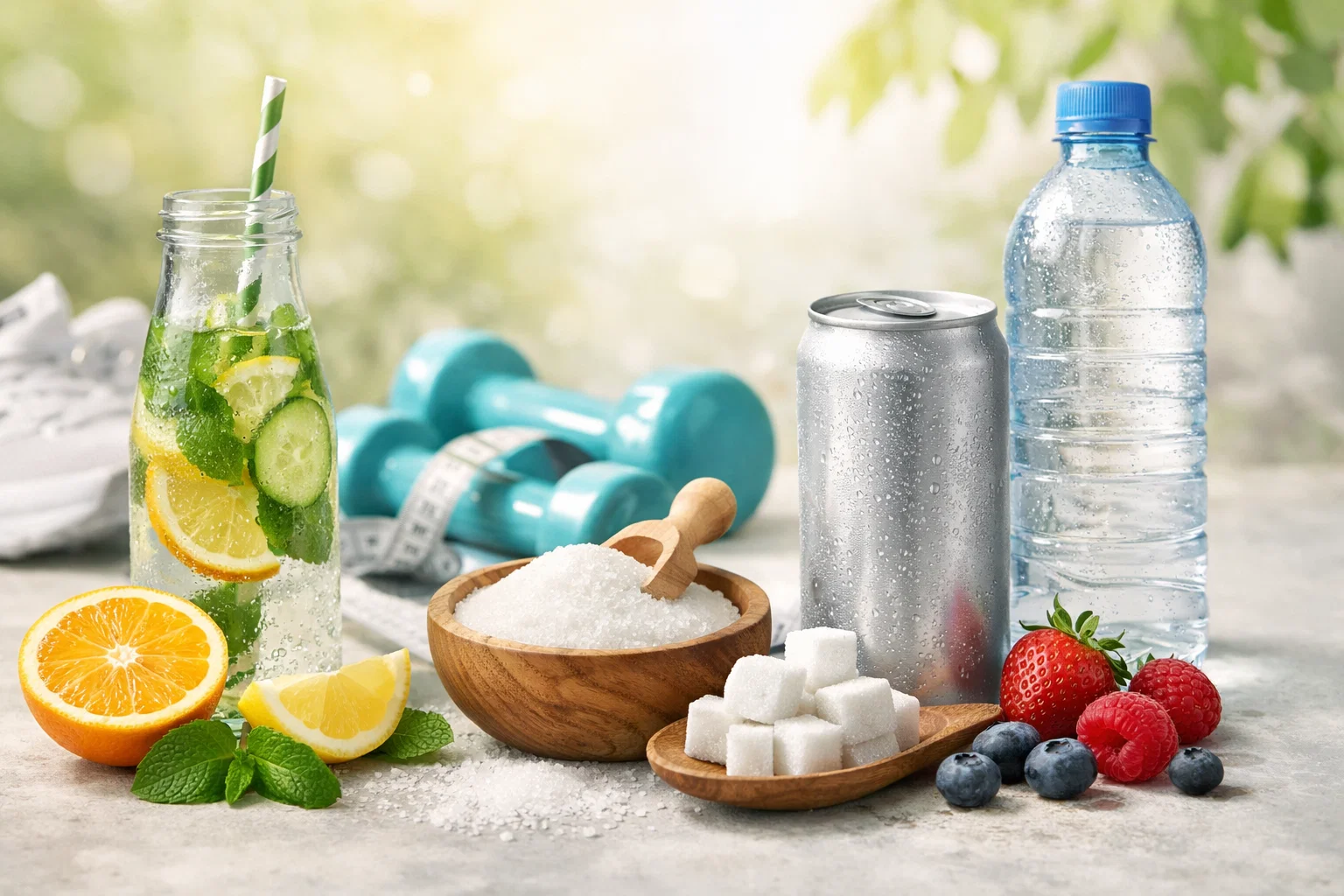
Health awareness: combating obesity, diabetes, and sugar-related health issues
Rising health awareness is driving demand for low-sugar options to combat obesity, diabetes, and related health issues. Consumers are choosing healthier options over sugary drinks to manage blood sugar and support long-term wellness.
Lifestyle alignment: clean eating, mindful consumption, and active living
Low-sugar drinks align with the lifestyle choices of health-conscious individuals practicing clean eating and active living. These beverages support mindful consumption, offering a refreshing and guilt-free addition to daily routines and wellness practices.
Flavor innovation: natural flavors, botanicals, and spices without excess sugar
Flavor innovation is key to the low-sugar trend, with brands using natural flavors, botanicals, and spices. This approach delivers flavor without the guilt associated with added sugar, making low-sugar beverages more appealing and satisfying.
Regulatory influence: sugar taxes and transparent labeling driving reformulation
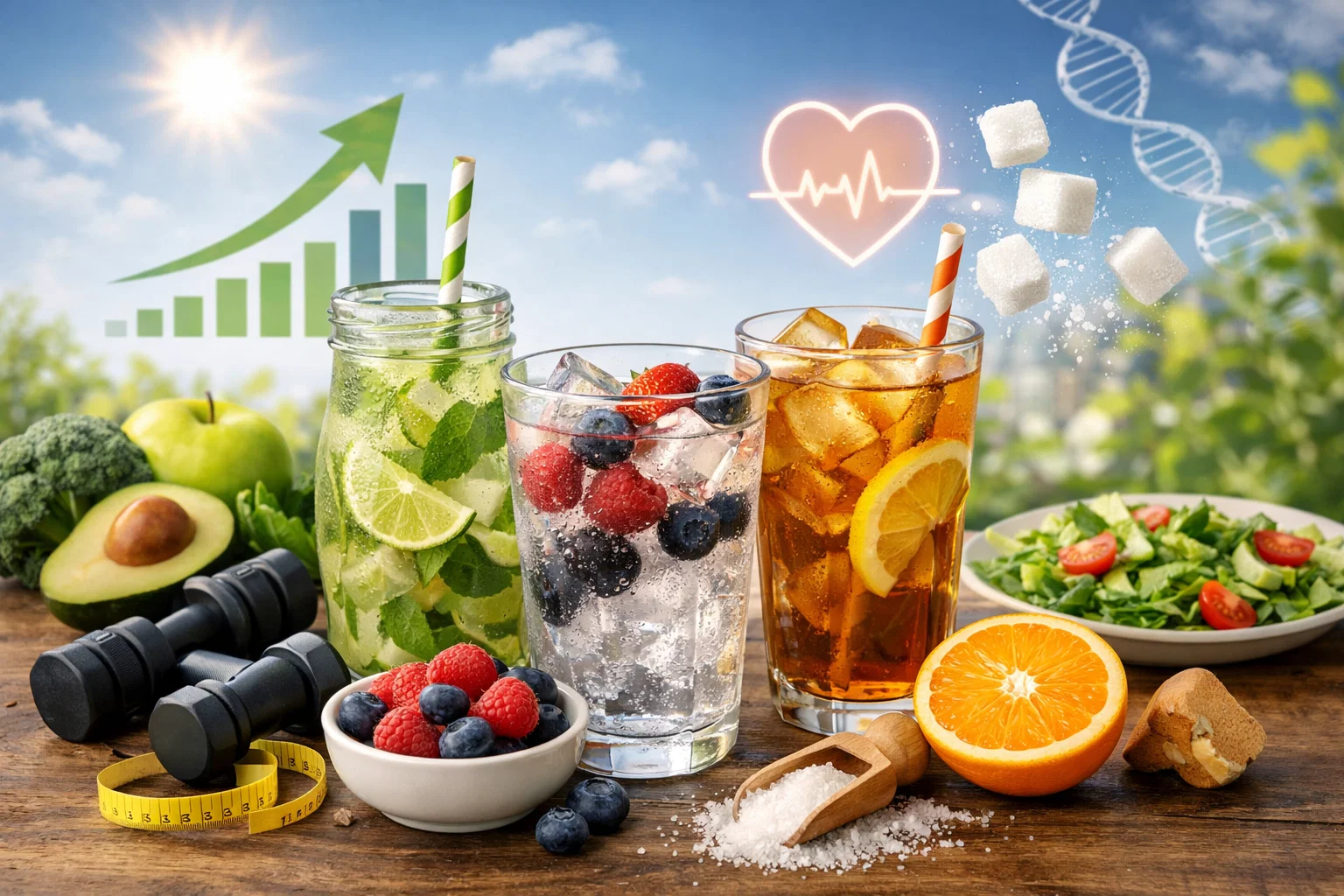
Regulatory influence, such as sugar taxes and transparent labeling, is driving beverage reformulation. Companies are innovating to reduce sugar content, ensuring products meet health standards and appeal to health-conscious consumers seeking healthier options.
Social and cultural influence: influencer promotion and wellness communities
Social and cultural influence, including influencer promotion on platforms like TikTok and the growth of wellness communities, plays a significant role. These channels amplify the appeal of low-sugar choices, driving demand among Gen Z and other demographics.
Popular Low-Sugar Drink Innovations
Flavored sparkling waters with fruits and botanicals
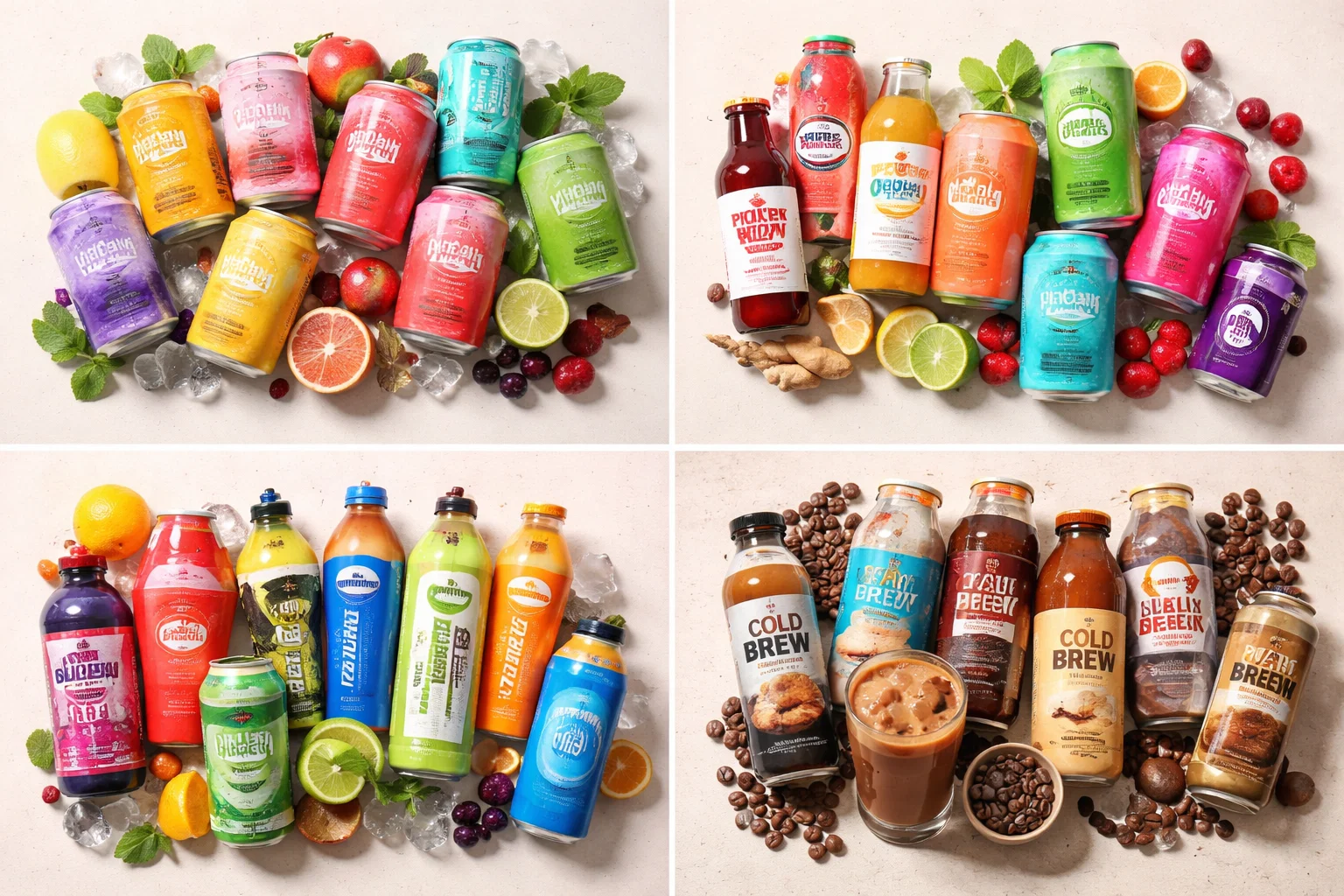
Flavored sparkling water is a refreshing beverage choice that combines hydration with exciting natural flavors from fruits and botanicals. These sugar-free options offer a guilt-free way to enjoy a flavorful drink, catering to health-conscious consumers seeking to reduce sugar intake.
Cold-brew teas and coffees with minimal sweeteners
Cold-brew teas and coffees are gaining popularity as low-sugar alternatives to sugary beverages. These drinks often use minimal sweeteners or natural sweeteners like stevia to enhance flavor without the guilt, aligning with wellness and healthier options.
Functional wellness beverages: probiotics, adaptogens, electrolytes
Functional wellness beverages are designed to offer more than just hydration, incorporating probiotics, adaptogens, and electrolytes. These drinks often come in low-sugar or zero-sugar formulations, catering to consumers who prioritize both flavor and health goals.
Zero-calorie sodas and modern twists on classic drinks
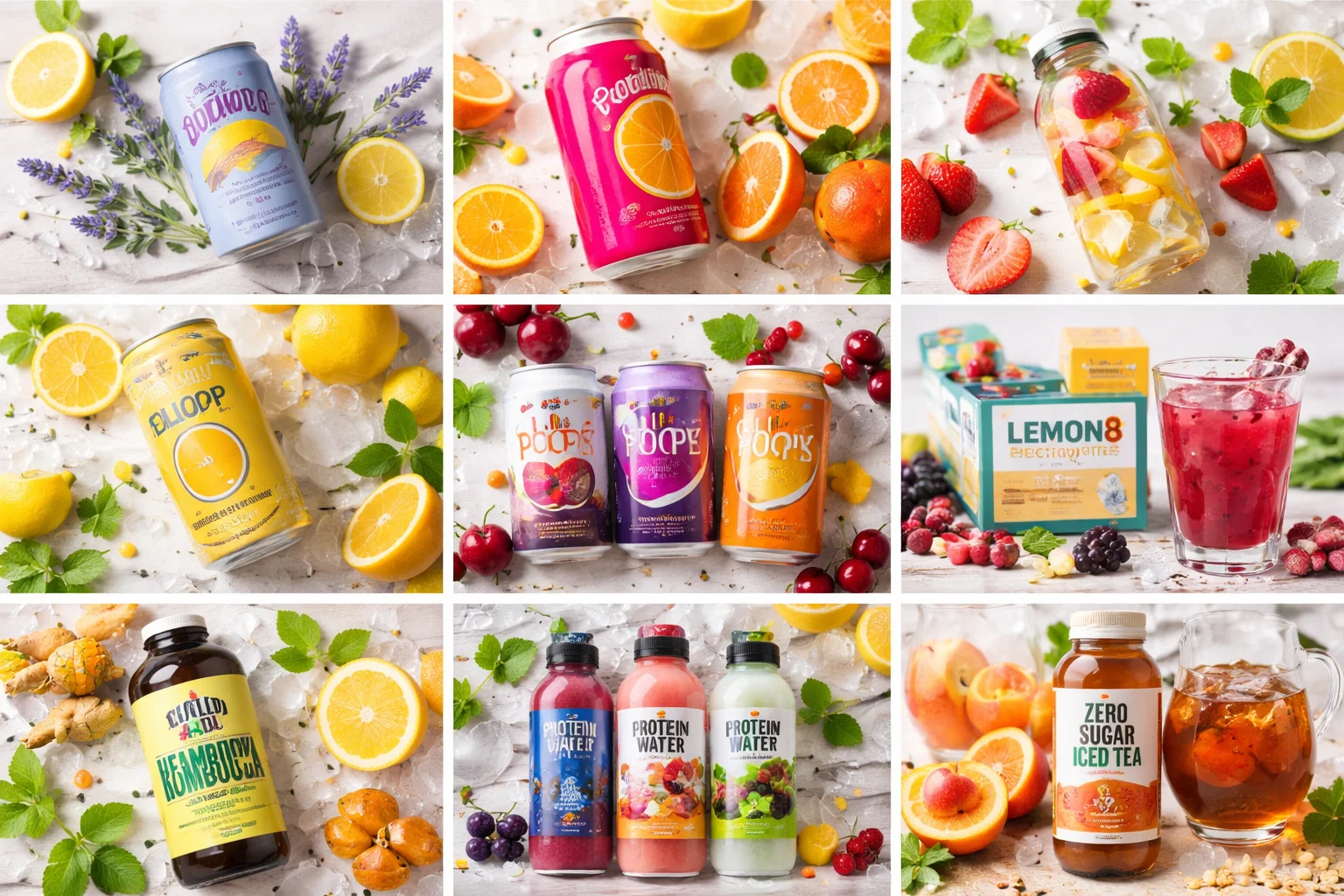
Zero-calorie sodas and modern twists on classic drinks provide guilt-free indulgence without the added sugar and artificial additives. These beverages use natural sweeteners and innovative flavor combinations to create satisfying options that meet the new standard.
Ready-to-drink options combining convenience with low sugar
Ready-to-drink (RTD) beverages are formulated to be both convenient and low in sugar, offering a practical choice for busy lifestyles. These healthier options span from sugar-free iced teas to almond milk smoothies, providing flavor without the guilt for on-the-go enjoyment.
Benefits of Low-Sugar Drinks for Consumers
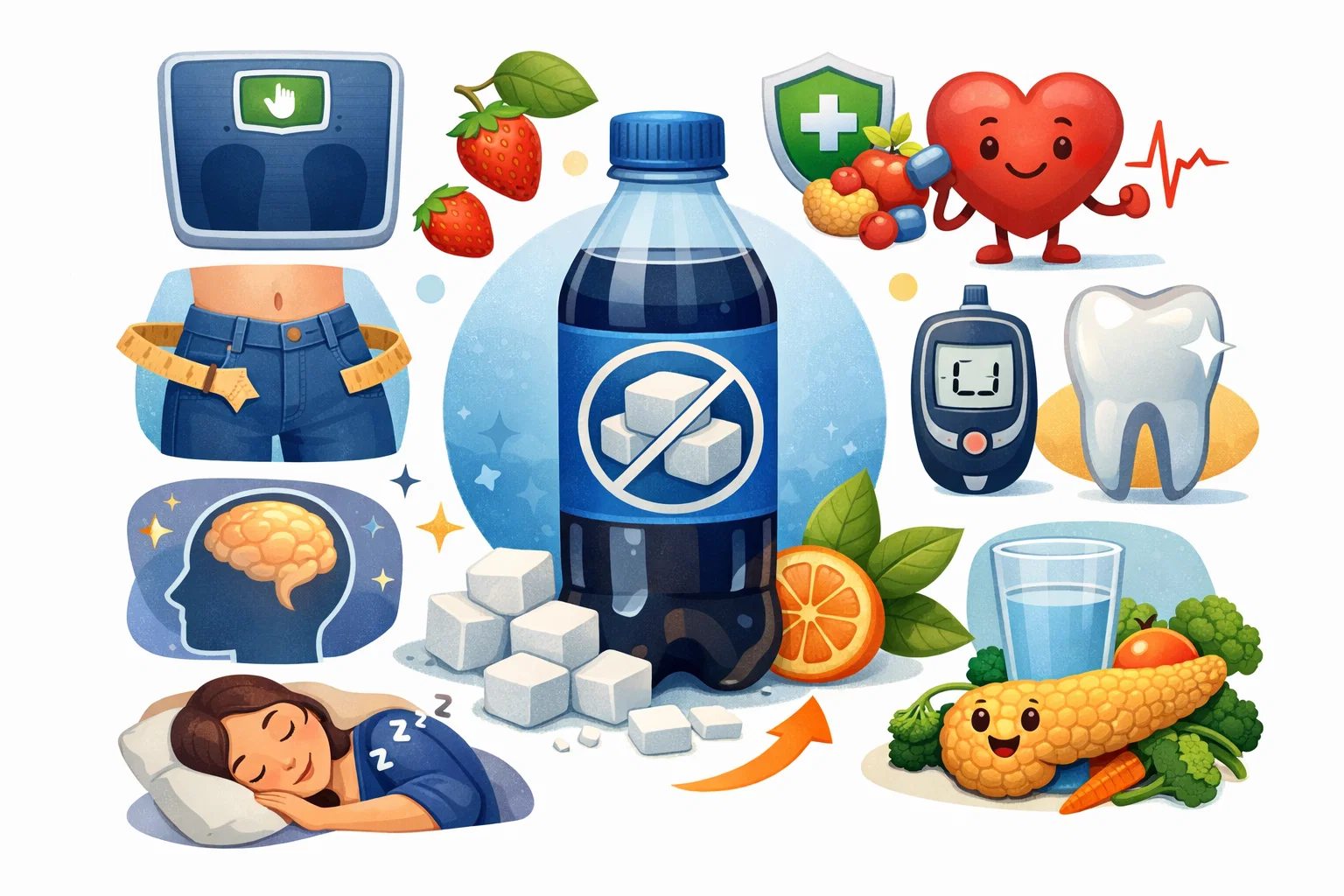
Health benefits: weight management, blood sugar control, and dental health
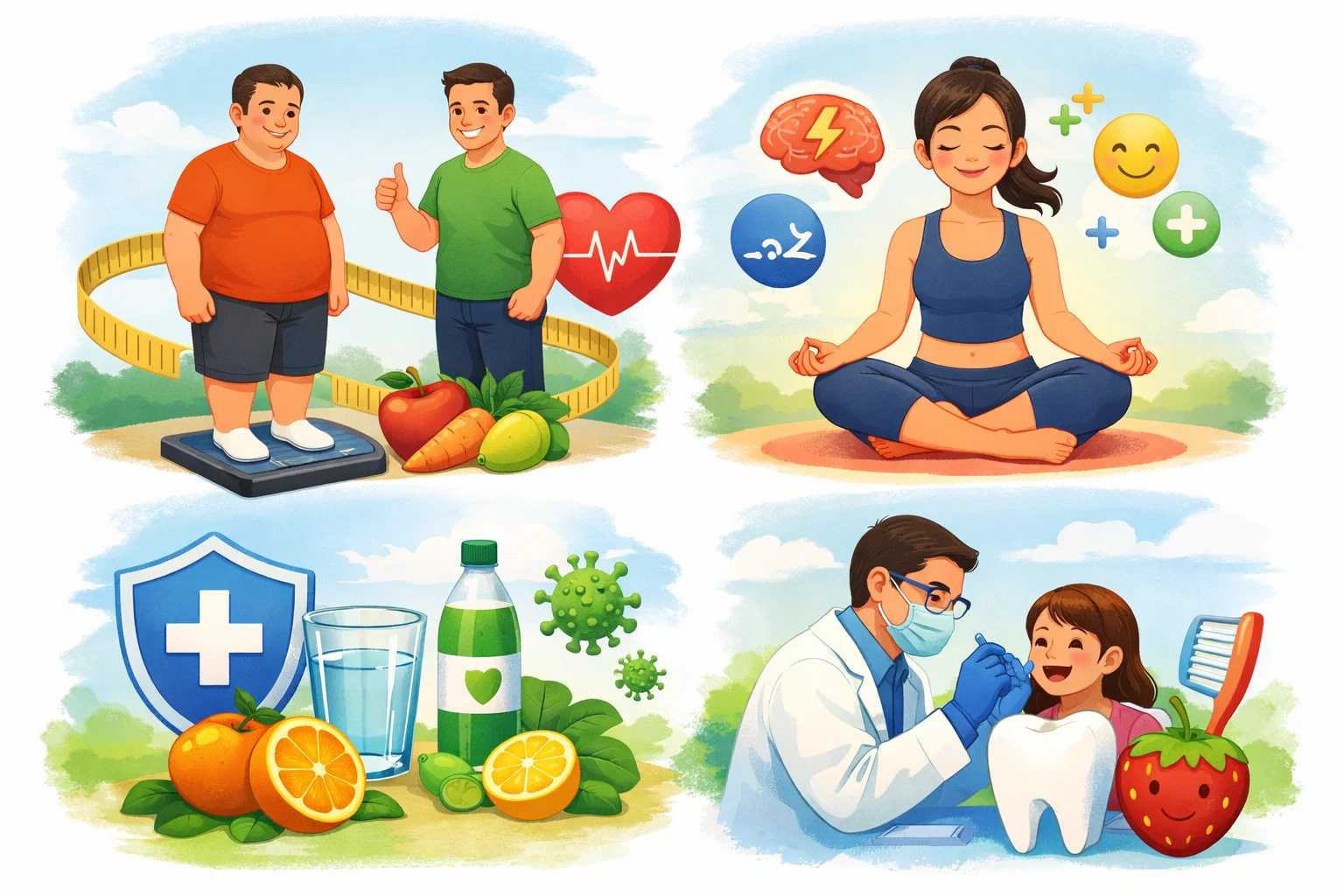
Low-sugar drinks offer significant health benefits. These benefits include:
- Weight management
- Better blood sugar control
- Improved dental health
By reducing sugar intake, consumers can support their overall wellness and achieve their health goals without compromising on flavor.
Flavor satisfaction without guilt or compromise
One of the primary benefits of low-sugar beverages is flavor satisfaction without the guilt associated with sugary drinks. Brands are innovating with natural ingredients and sweeteners to enhance flavor, allowing consumers to indulge mindfully and without compromising their health.
Functional wellness: hydration plus added nutrients or adaptogens
Low-sugar beverages are becoming increasingly popular due to their ability to offer functional wellness benefits. They do this by combining hydration with specific ingredients, such as:
- Added nutrients
- Vitamins or adaptogens
Ultimately, these beverages support overall health and well-being, offering more than just refreshment and aligning with health-conscious lifestyle choices.
Lifestyle alignment: clean, mindful, and modern beverage choices
Low-sugar drinks align with a clean, mindful, and modern lifestyle, making them a popular choice among health-conscious individuals. These beverages support conscious consumption, offering a guilt-free way to enjoy refreshing drinks that are in line with wellness trends.
Challenges and Considerations
Taste adaptation: appealing to diverse palates without excess sugar
Taste adaptation is a significant challenge when formulating low-sugar beverages. Appealing to diverse palates requires creative flavor innovation to ensure that the drinks are satisfying and flavorful without relying on high levels of sugar. Using natural ingredients helps to enhance flavor.
Sweetener selection: natural vs. artificial and consumer perception
The selection of sweeteners plays a crucial role in low-sugar drinks, impacting both flavor and consumer perception. Natural sweeteners like stevia and monk fruit are often favored by health-conscious consumers, while artificial sweeteners may face scrutiny despite being sugar-free. Many sugary drinks rely on syrup, and natural options can help the brand avoid these.
Cost and accessibility: affordability and distribution challenges
Cost and accessibility pose challenges for the low-sugar beverage market. Ensuring affordability and widespread distribution is essential to make these healthier options accessible to a broader audience and compete with cheaper, sugary drinks. This may require balancing the use of natural sweeteners with more cost-effective alternatives, ensuring that the sugar free options are readily available.
Marketing clarity: communicating health benefits without sounding restrictive
Communicating the health benefits of low-sugar drinks without sounding restrictive is crucial for effective marketing. Highlighting the flavor and wellness benefits can attract consumers seeking a guilt-free indulgence, ensuring that they view these options as positive lifestyle choices rather than sacrifices.
How Brands Are Innovating in the Low-Sugar Space
Reformulating classics to reduce sugar without losing flavor
Brands are innovating by reformulating classic beverages to reduce sugar content without sacrificing flavor. This involves using natural sweeteners, flavor enhancers, and innovative techniques to maintain the taste profile that consumers love, ensuring they can enjoy their favorite drinks with fewer calories. This process has become a new standard within the beverage aisle.
Combining low-sugar with functional ingredients and wellness benefits
Combining low-sugar formulations with functional ingredients enhances the appeal of beverages. Adding vitamins, minerals, probiotics, or adaptogens can provide additional wellness benefits, attracting health-conscious consumers seeking more than just hydration. This also allows the brand to market a healthy drink as a smoothie or energy drinks.
Creative flavors and global taste inspirations
Creative flavors and global taste inspirations are driving innovation in the low-sugar space. Brands are exploring unique flavor combinations, botanicals, and spices to create exciting and refreshing beverages that appeal to diverse palates. These new flavor profiles aim to provide a guilt-free indulgence. The flavors can range from raspberry to sugar free strawberry.
Leveraging packaging, storytelling, and social media for engagement
Packaging, storytelling, and social media play a vital role in engaging consumers with low-sugar beverages. Brands use these channels to highlight the health benefits, flavor innovation, and lifestyle alignment of their products, building brand loyalty and driving sales, particularly among Gen Z through platforms like TikTok. The beverage aisle is extremely competitive and requires clever marketing.
Future Outlook: Low-Sugar Drinks Beyond 2026
Growth of low-sugar options across beverage categories
The growth of low-sugar options is expected to continue across various beverage categories beyond 2026. From soda and juice to tea and sparkling water, more brands are likely to offer low-calorie and sugar-free alternatives, catering to the increasing demand for healthier drinks. This movement looks to push sugary drinks out of the beverage aisle.
Integration with functional and lifestyle beverages
Integration with functional and lifestyle beverages will drive further innovation. Low-sugar formulations will increasingly be combined with ingredients that support specific health goals, such as energy, immunity, or relaxation, aligning with the wellness-focused lifestyles of modern consumers.
Personalized and AI-driven beverage recommendations for consumers
Personalized and AI-driven beverage recommendations are set to revolutionize the consumer experience. By analyzing individual preferences and health data, AI can suggest low-sugar options that align with specific dietary needs and taste preferences, enhancing customer satisfaction. The new standard could be to provide a beverage based on individual needs.
Conclusion: Flavor, Wellness, and the Guilt-Free Choice
In conclusion, the low-sugar drinks trend represents a significant shift in the beverage industry. By prioritizing flavor without the guilt, embracing natural sweeteners, and aligning with health and wellness goals, brands are meeting the demands of health-conscious consumers and shaping a healthier future for refreshment. The future looks to be bright for healthier options over sugary drinks and those looking to watch their blood sugar.