


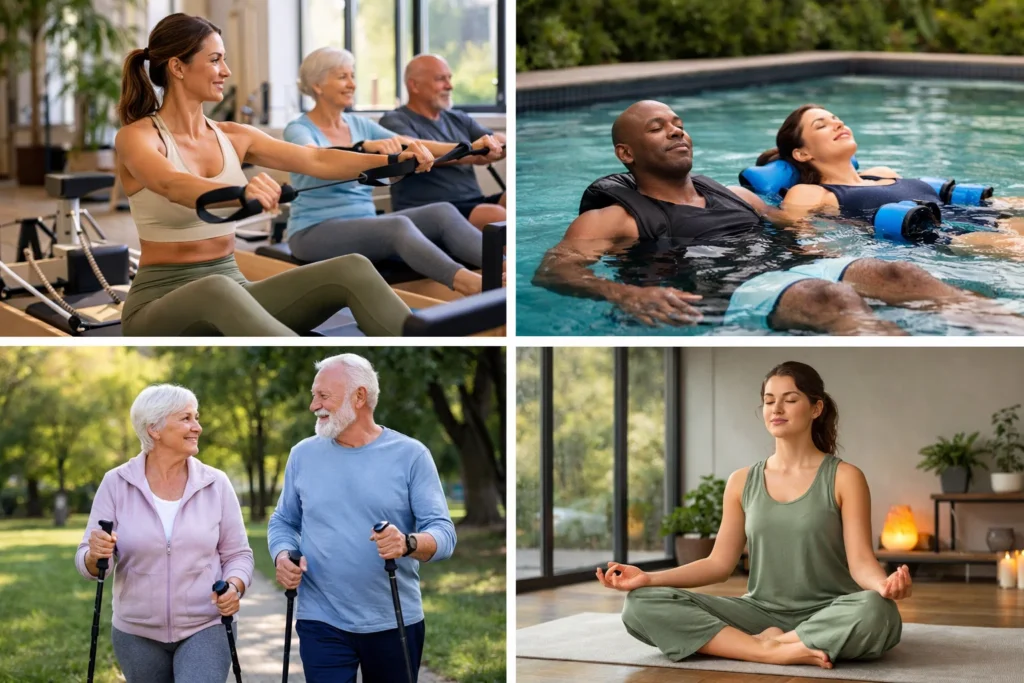
As we move into 2026, the fitness landscape is undergoing a significant transformation. High-intensity training is making way for a more sustainable and joint-friendly approach. This shift prioritizes long-term health and well-being, emphasizing workouts that support longevity and recovery. Here’s why low-impact fitness is set to dominate the health and fitness conversation.
Why Low-Impact Fitness Is Taking Over in 2026

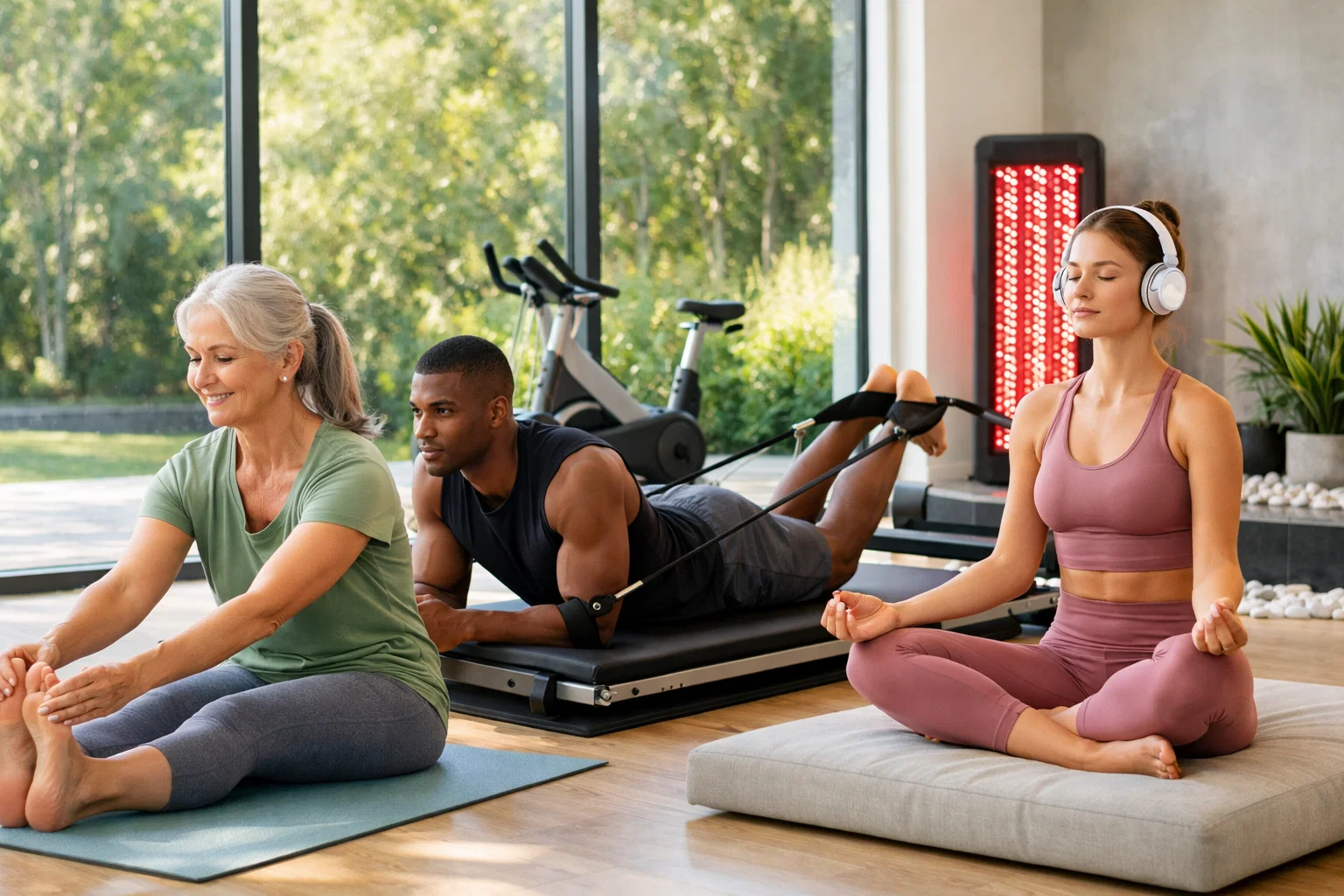
The shift from high-intensity to sustainable, joint-friendly workouts
The fitness industry is witnessing a notable shift as individuals increasingly favor sustainable, joint-friendly workout routines over high-intensity options. This change is driven by a desire to maintain physical health without the risk of injury, promoting long-term participation. Low-impact training allows for consistent engagement, fostering better health outcomes and overall well-being.
How longevity, recovery, and wellness priorities are redefining fitness
Longevity, recovery, and wellness are now central to redefining fitness goals in 2026. People are increasingly focused on maintaining mobility and resilience as they age. Low-impact exercise supports healthy aging by protecting joints, preserving muscle mass, and reducing the risk of injury. This holistic approach boosts both physical and mental health.
Overview of low-impact fitness trends shaping 2026
Here are a few low-impact fitness trends expected to be popular in 2026. These include:
- Functional fitness training
- Mind-body practices
- The integration of wearable technology
These trends emphasize strength and cardio, cardiovascular health, and overall well-being. As these fitness trends evolve, they cater to diverse fitness levels and health needs, promoting sustainable and accessible workout routines.
Understanding Low-Impact Fitness
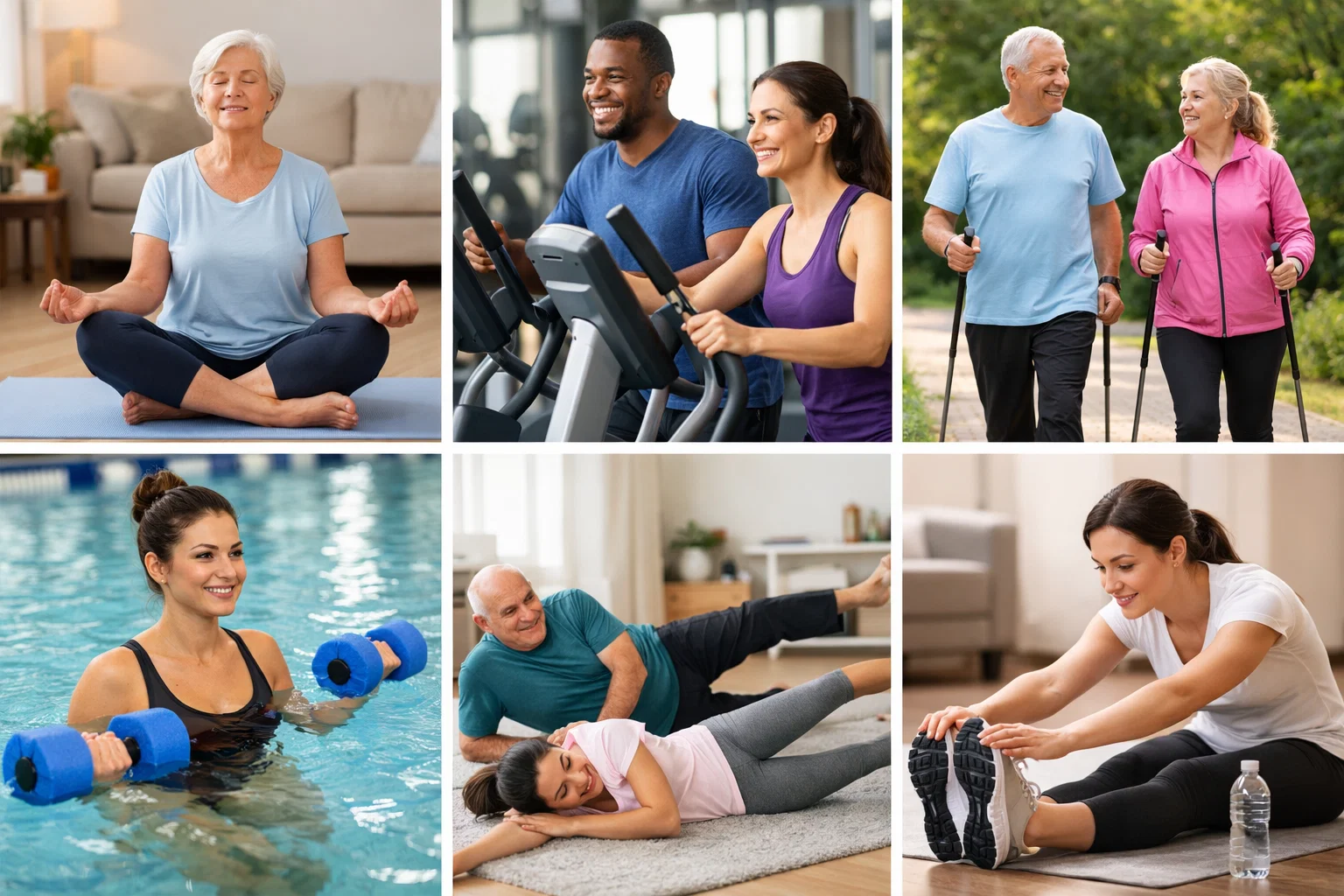
Definition and principles of low-impact training
Low-impact training is defined as exercise that minimizes stress on the joints. The core principle involves maintaining one foot on the ground at all times, reducing the impact from activities like running or jumping. This approach makes low-impact workouts suitable for all ages and fitness levels, supporting cardiovascular health and endurance without the risk of injury.
Difference between low-impact and high-intensity workouts
The key difference between low-impact and high-intensity workouts lies in the level of stress placed on the body. High-intensity workouts often involve vigorous movements that can strain joints, while low-impact exercises like brisk walking, Pilates, and swimming provide similar cardiovascular benefits with reduced risk. Choosing between them depends on individual fitness goals and joint health.
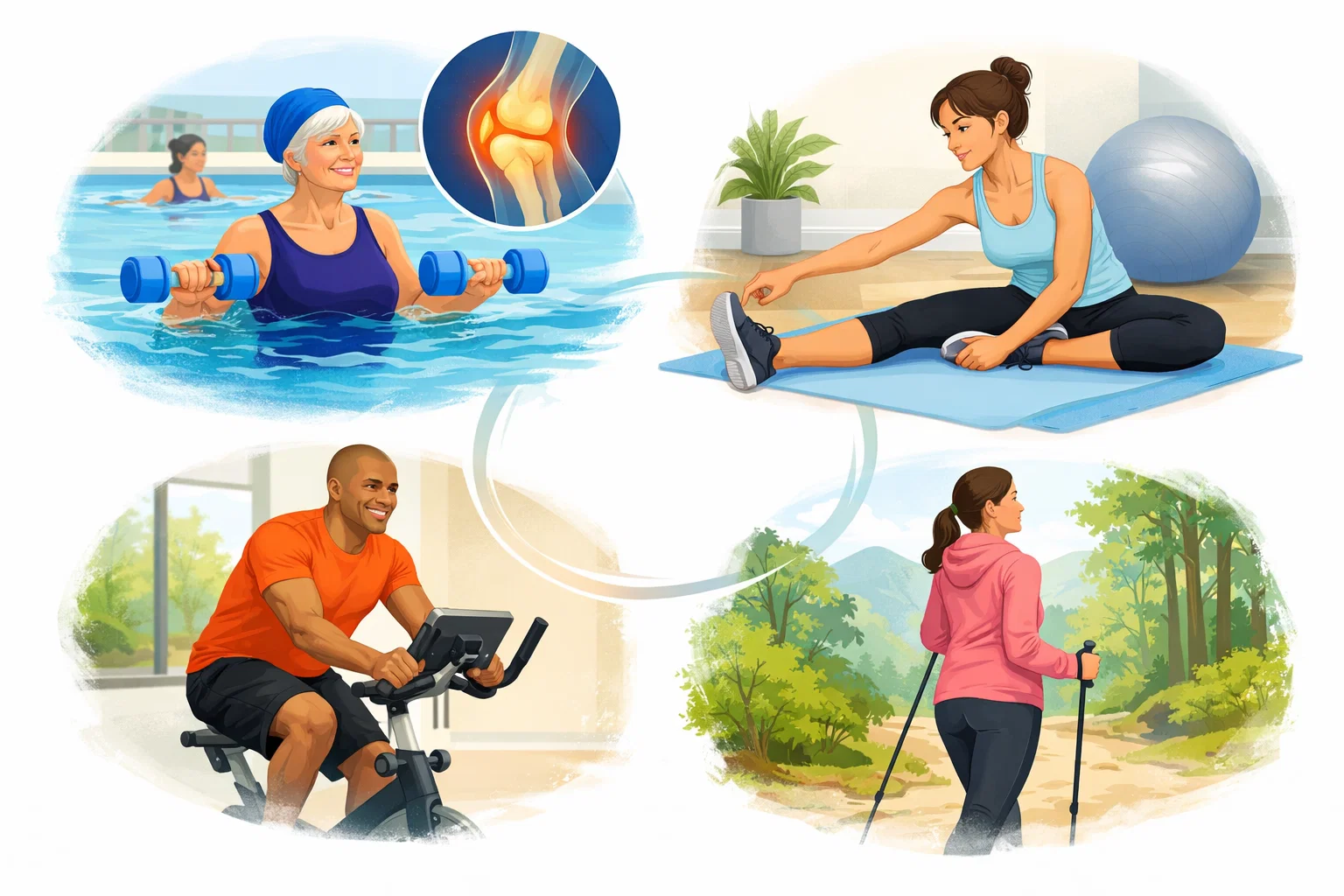
Examples of low-impact exercises: yoga, Pilates, swimming, cycling, resistance bands, and functional movement
Here are a few examples of low-impact exercises that are gentle on the joints and beneficial for overall fitness. Many of these options offer a great way to stay active:
- Yoga
- Pilates
- Swimming
- Cycling
- Resistance band exercises
- Functional fitness movement
Resistance training with resistance bands is another excellent option to build strength and preserve muscle mass, making it suitable for older adults. These activities boost cardiovascular health, build strength, and improve flexibility without placing excessive stress on joints.
Why Low-Impact Fitness Is Trending in 2026
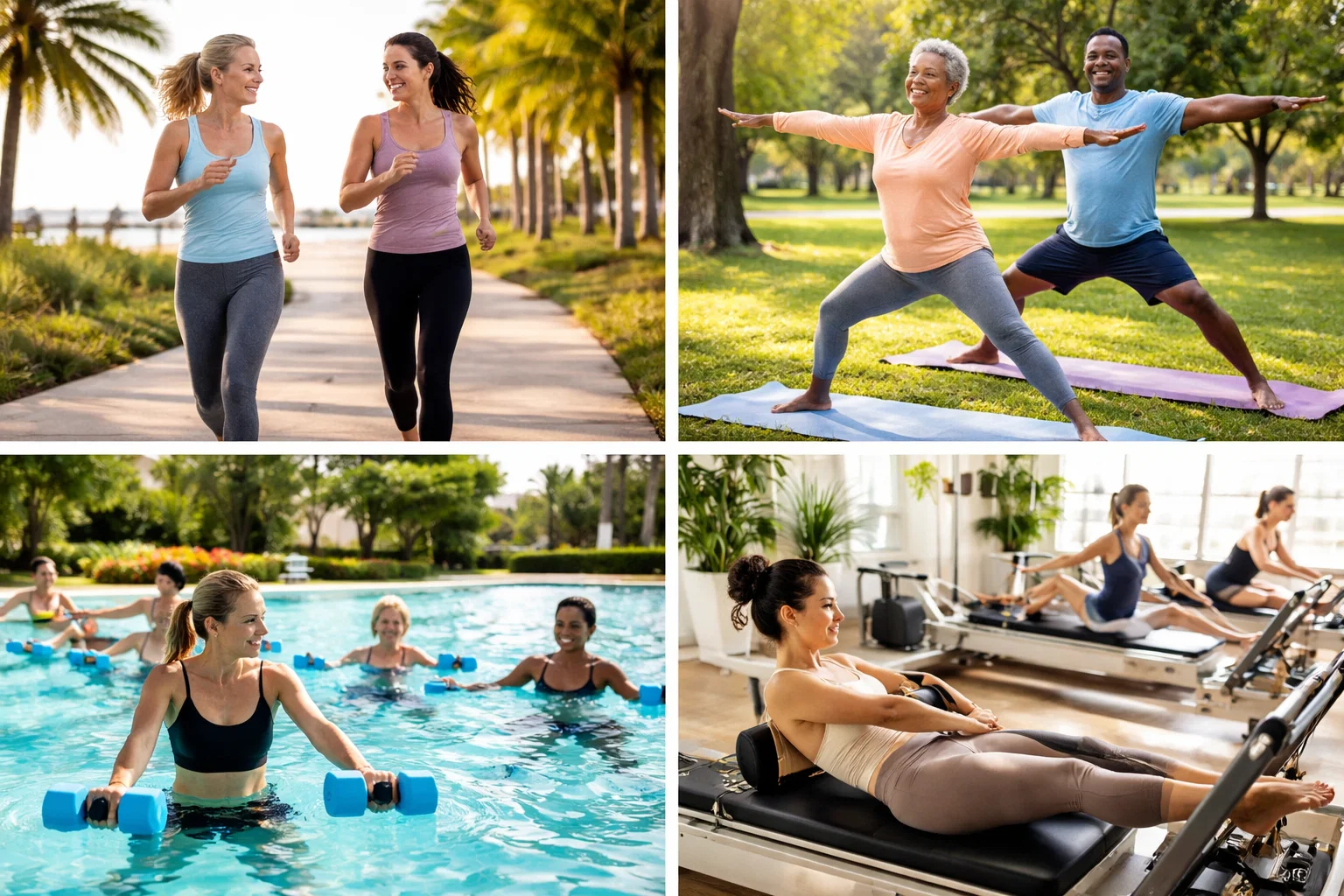
Longevity and healthy aging: protecting joints and maintaining mobility
The trend toward low-impact fitness in 2026 is significantly driven by a focus on longevity and healthy aging. People are actively seeking workout routines that protect their joints and maintain mobility, ensuring a higher quality of life as they age. This approach supports long-term physical health and wellness.
Injury prevention and recovery: fitness that heals rather than harms
Low-impact training emphasizes injury prevention and recovery, making it an appealing option for individuals of all fitness levels. Unlike high-intensity workouts that may increase the risk of injury, low-impact workout routines promote healing and rehabilitation, ensuring cardiovascular health without harm. It aligns with health and fitness goals.
Mental wellness: stress reduction, mindfulness, and focus through movement
The growing popularity of low-impact exercise is also linked to its mental health benefits. Practices like yoga and Pilates, which are low-impact, are known for stress reduction, promoting mindfulness, and enhancing focus through mindful movement. This contributes to overall health and wellness.
Accessibility: appealing to all ages, fitness levels, and body types
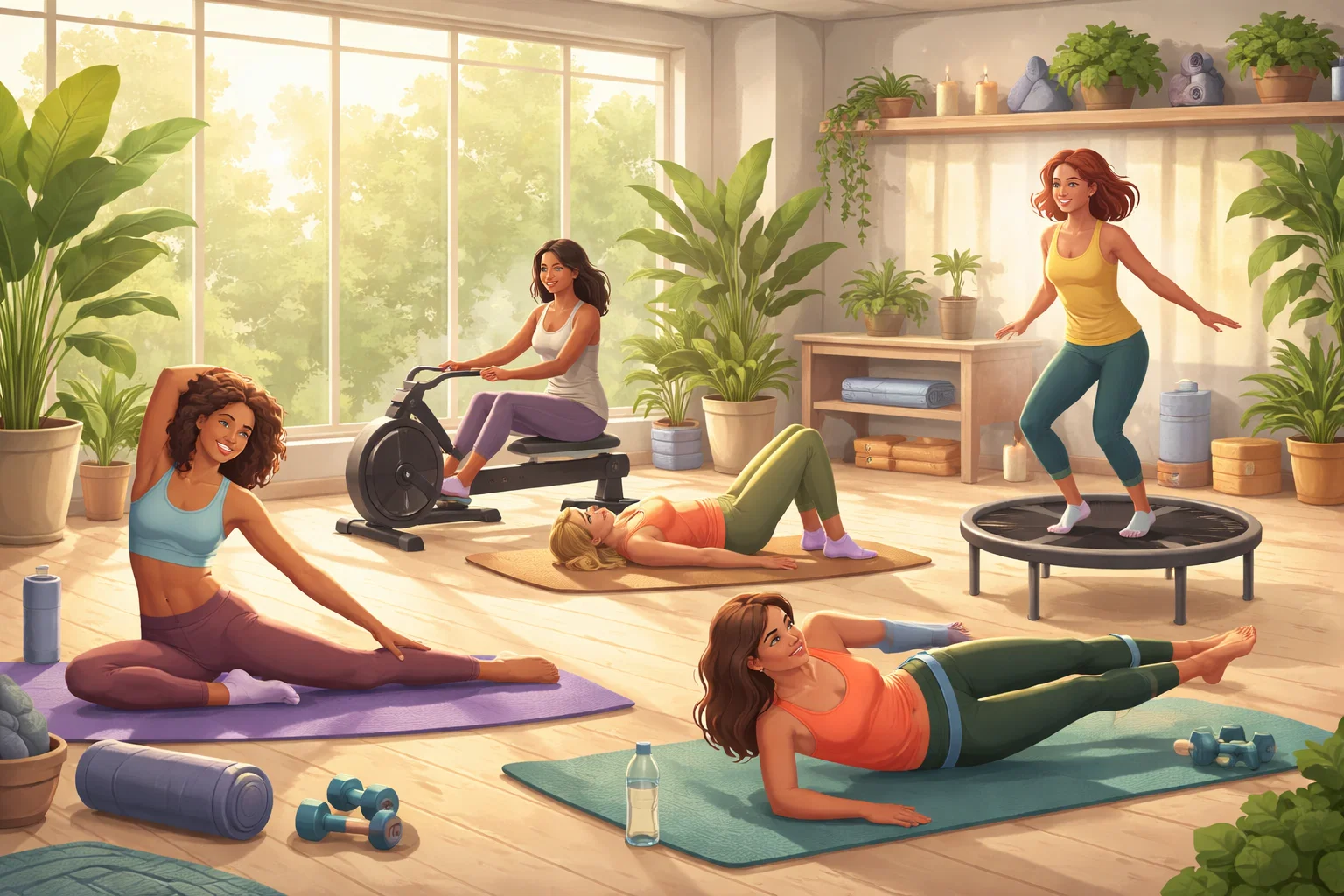
One of the key reasons low-impact fitness is trending in 2026 is its accessibility. It caters to all ages, fitness levels, and body types, making it easier for more people to engage in regular physical activity. This inclusivity broadens the appeal and ensures more individuals can enjoy the benefits of cardiovascular health.
Integration with technology: wearables, AI coaching, and virtual low-impact classes
The rise of fitness trackers or smartwatches and AI coaching further fuels the low-impact fitness trend. Wearable technology provides personalized insights and guidance, while virtual low-impact classes offer convenient access to various workout routines. This integration enhances the user experience and promotes better adherence to fitness programs for older adults.
Popular Low-Impact Fitness Trends in 2026
Mind-body practices: yoga, Pilates, Tai Chi, and Qigong for flexibility and mindfulness
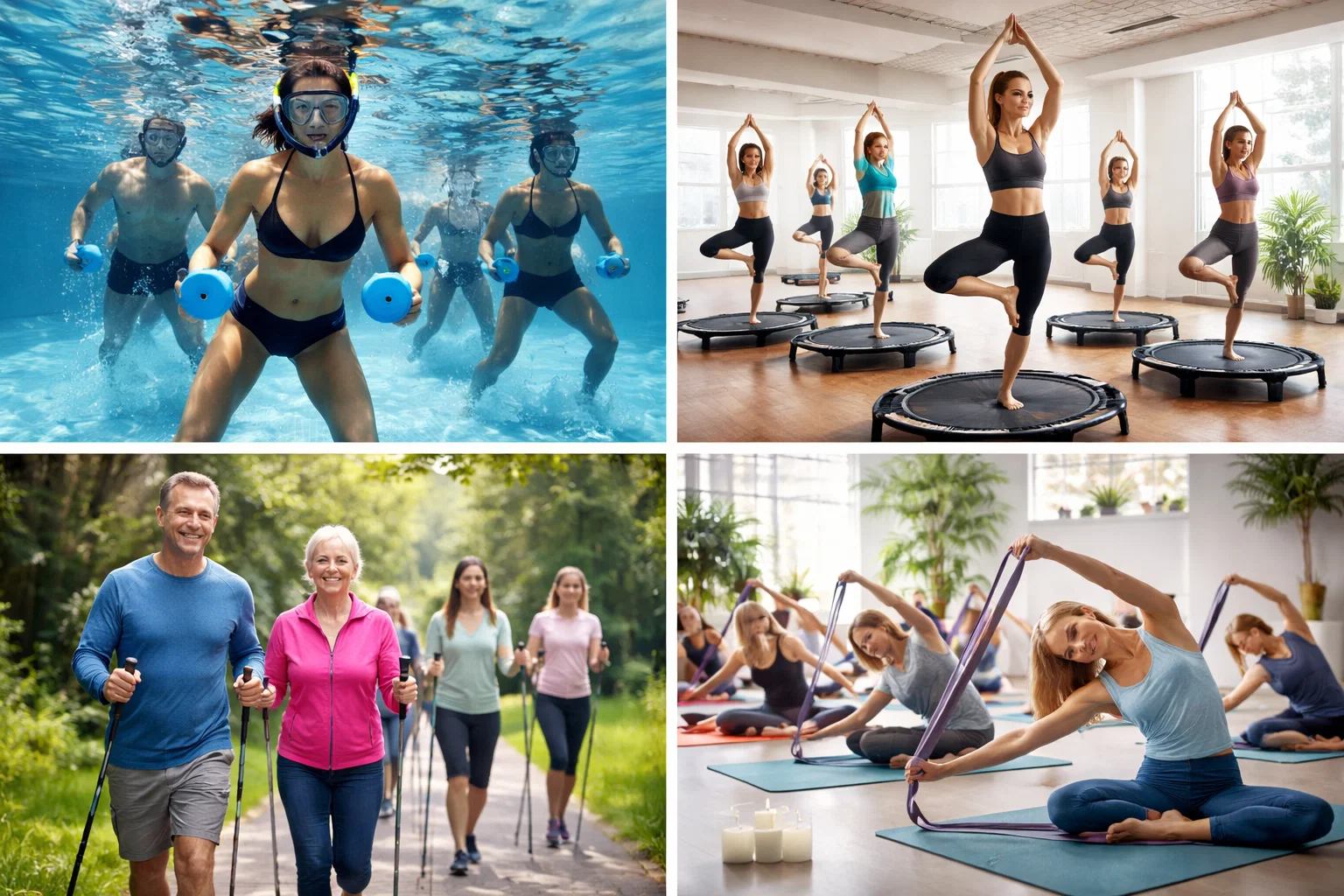
Here’s a look at some popular fitness trends expected for 2026. Mind-body practices are expected to remain popular, offering several benefits:
- Enhancing flexibility and promoting mindfulness
- Improving overall health
Additionally, integrating resistance training with tools such as resistance bands can build strength and improve bone density through low-impact exercise such as yoga, Pilates, Tai Chi, and Qigong.
Aquatic fitness: swimming, water aerobics, and hydrotherapy
Aquatic fitness, including swimming, water aerobics, and hydrotherapy, continues to gain traction as a low-impact option. These activities provide a full-body workout while minimizing stress on the joints. This makes them ideal for individuals seeking cardiovascular benefits and rehabilitation.
Low-impact cardio: cycling, elliptical, rowing machines
Low-impact cardio options like cycling, elliptical trainers, and rowing machines remain popular for individuals seeking cardiovascular health. These exercises provide effective cardio workouts without the high-impact stress associated with running or jumping. They are great for maintaining cardiovascular endurance.
Functional strength training: resistance bands, bodyweight exercises, and controlled weightlifting
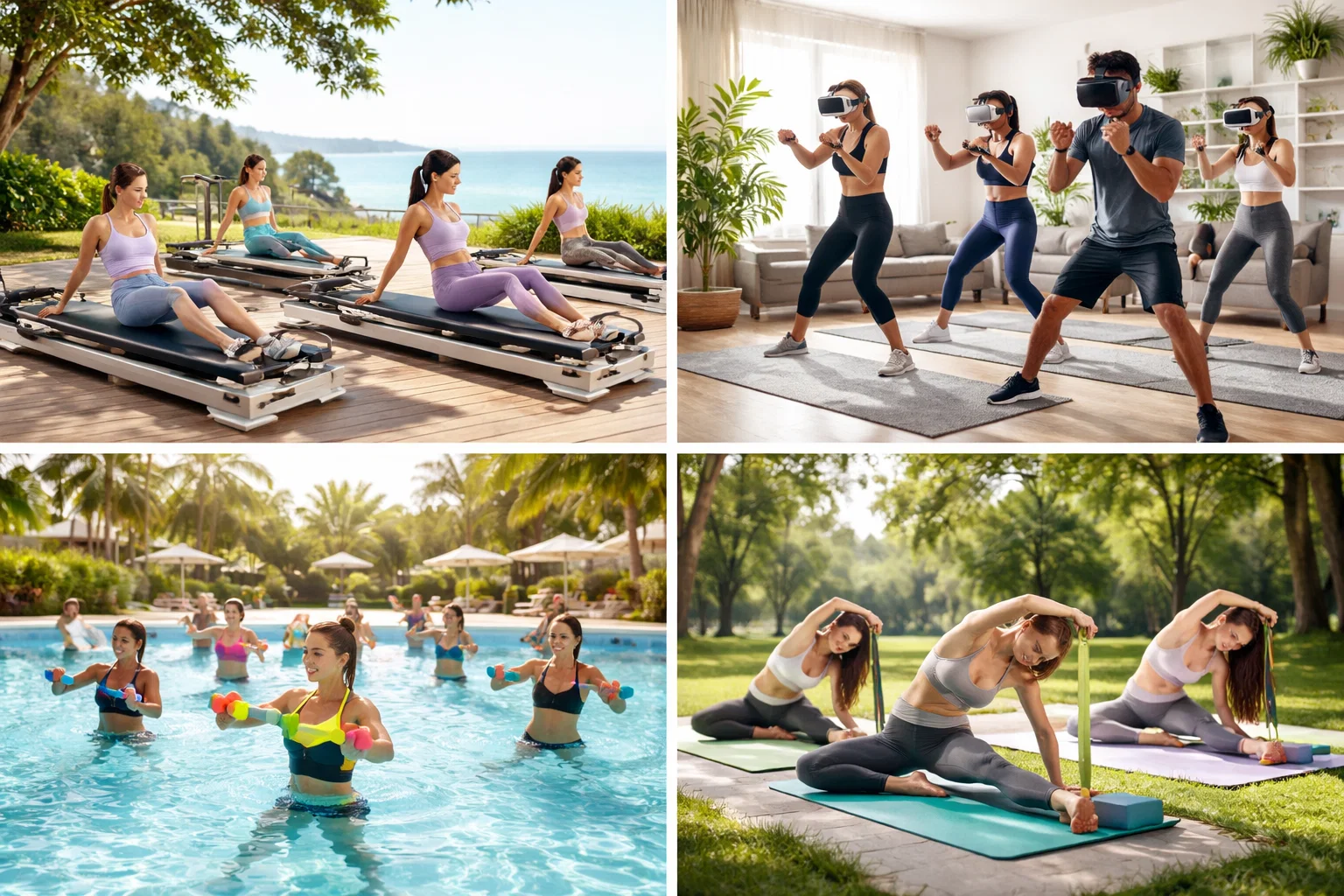
Functional fitness training, incorporating resistance bands, bodyweight exercises, and controlled weightlifting, is essential for building strength and cardio in a low-impact manner. These methods emphasize movements that mimic daily activities, enhancing mobility and physical health. They boost everyday functionality and muscle mass.
Recovery-focused routines: mobility, stretching, foam rolling, and restorative sessions
Recovery-focused routines that prioritize mobility, stretching, foam rolling, and restorative sessions are integral to low-impact training. These practices support muscle recovery, improve flexibility, and prevent injuries, ensuring sustainable long-term health. This enhances the benefits of strength training and cardio routines.
Hybrid and innovative classes: blending low-impact cardio with functional and mind-body exercises
Hybrid and innovative classes that blend low-impact cardio with functional fitness training and mind-body exercises are gaining popularity. These classes offer a comprehensive approach to fitness, combining cardiovascular health with strength training, flexibility, and mindfulness. This holistic approach improves overall health.
Benefits of Low-Impact Fitness
Joint and bone health: reducing wear and tear, preventing arthritis and injuries
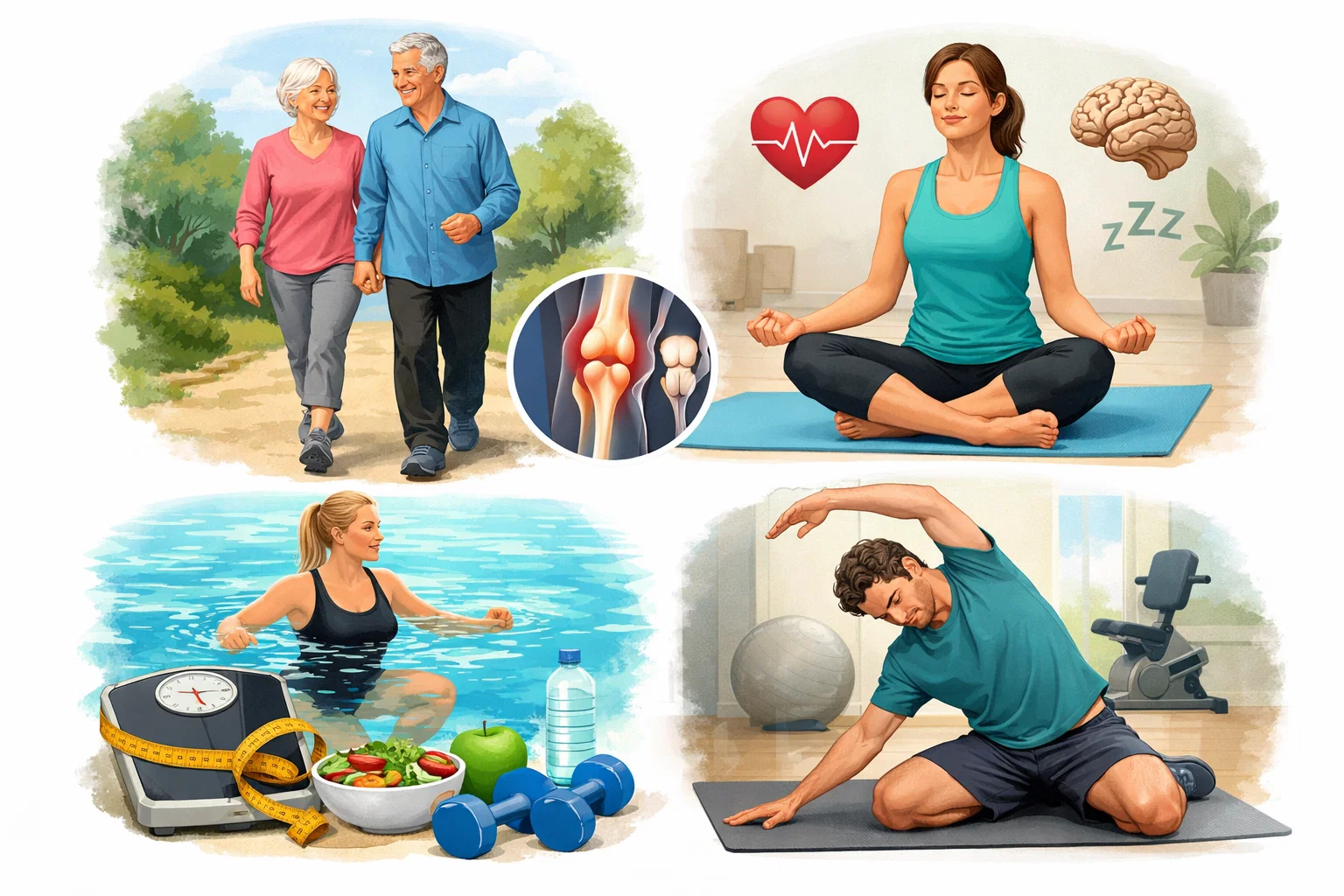
One of the primary benefits of low-impact fitness is its positive impact on joint health and bone density. By reducing wear and tear on the joints, these workouts can help prevent conditions like arthritis and other injuries. Regular low-impact exercise such as brisk walking supports long-term mobility and physical health, making it ideal for older adults and those seeking healthy aging.
Cardiovascular and muscular health: safe and effective strength and endurance
Low-impact training is a safe and effective method for improving cardiovascular health and building strength and cardio. Activities like swimming, cycling, and Pilates enhance cardiovascular endurance without placing excessive stress on the joints. Integrating resistance training exercises, such as resistance bands, boost muscle mass and overall endurance, supporting health and fitness goals.
Mental health and cognitive benefits: stress reduction, mindfulness, and better sleep
Beyond the physical advantages, low-impact fitness offers significant mental health and cognitive benefits. Practices such as yoga and Tai Chi promote stress reduction, enhance mindfulness, and improve sleep quality. These wellness trends contribute to a holistic health approach, supporting mental and emotional wellness alongside physical health.
Recovery and rehabilitation: supporting post-injury and chronic condition management
Low-impact exercise plays a crucial role in recovery and rehabilitation, supporting individuals managing post-injury conditions and chronic illnesses. These gentle workout routines improve circulation, reduce inflammation, and promote healing without exacerbating existing conditions. Such fitness programs for older adults can enhance mobility and improve the quality of life.
Sustainable fitness habit: long-term adherence and lifestyle integration
One of the key advantages of low-impact fitness is its sustainability as a fitness habit. The gentle nature of these exercises makes them easier to adhere to long-term, promoting consistent engagement and lifestyle integration. This sustainability ensures that individuals continue to enjoy the health and fitness benefits over many years, enhancing longevity and overall health.
Challenges and Considerations
Overcoming perceptions of “less effective” workouts
One challenge in promoting low-impact workout routines is overcoming the perception that they are “less effective” than high-intensity options. Emphasizing the long-term benefits, such as improved joint health, cardiovascular health, and sustainable fitness levels, can help change this mindset. Educating people about the health outcomes of low-impact training is crucial.
Motivation and consistency for results over time
Maintaining motivation and consistency is essential for achieving results with low-impact fitness. Setting realistic fitness goals, finding enjoyable activities, and tracking progress can help individuals stay engaged. Incorporating group classes or a fitness tracker or smartwatch may provide additional support and accountability, fostering better adherence to fitness programs for older adults.
Proper technique and guidance to prevent strain or injury
Ensuring proper technique and guidance is vital in low-impact training to prevent strain or injury. Seeking instruction from qualified fitness professionals ensures correct form and technique, maximizing the benefits and minimizing potential risks. This is particularly important for individuals with pre-existing conditions or those new to low-impact exercise.
Accessibility and class availability in certain regions
Accessibility and class availability can be a challenge in certain regions for low-impact fitness. Increasing the availability of classes, offering virtual options, and promoting community-based programs can help bridge this gap. Working with local gym and wellness centers can broaden access to these beneficial workout routines, supporting overall health.
Future Outlook: Low-Impact Fitness in 2026 and Beyond
Integration into hybrid gyms, wellness centers, and corporate wellness programs
The fitness industry in 2026 will likely see greater integration of low-impact fitness into hybrid gyms, wellness centers, and corporate wellness programs. This integration aims to provide comprehensive health and wellness solutions that cater to diverse needs and promote long-term health. Corporate programs may boost employee health outcomes by including low-impact workout options, supporting physical health and reducing healthcare costs.
Personalized low-impact programs with AI and fitness tracking apps
Personalized low-impact programs, powered by AI and a fitness tracker or smartwatch, are set to become more prevalent. These apps track individual fitness levels, providing customized workout recommendations and monitoring progress. AI algorithms can optimize fitness goals, ensuring that users receive tailored guidance to improve cardiovascular health, build strength, and maintain mobility. This personalization enhances the effectiveness of fitness programs for older adults.
Expansion of virtual classes and on-demand low-impact fitness platforms
The expansion of virtual classes and on-demand low-impact fitness platforms will make workout routines more accessible. These platforms offer a variety of classes, from yoga and Pilates to functional fitness training, catering to different preferences and fitness levels. This accessibility allows individuals to engage in regular low-impact exercise from the comfort of their homes, supporting cardiovascular well-being and overall health.
How longevity-focused fitness is redefining success and health metrics in 2026
Longevity-focused fitness is redefining success and health outcomes in 2026. Metrics are shifting from short-term gains to indicators of long-term health, such as joint health, cardiovascular health, and mobility. Low-impact fitness supports healthy aging by promoting physical health, mental wellness, and resilience, ensuring a higher quality of life for older adults. Strength training is a key indicator.
Conclusion: Train Smarter for Lifelong Health and Recovery
In conclusion, the rise of low-impact fitness in 2026 represents a significant shift towards sustainable, long-term health. By prioritizing joint health, cardiovascular health, and mental wellness, these workout routines offer a holistic approach to fitness. Embrace low-impact exercise to enhance your physical health, extend your mobility, and enjoy a more vibrant and fulfilling life. The future of fitness is here.