



Welcome to the age of longevity living! This isn’t just about adding years to your life, but adding life to your years. In this article, we’ll explore evidence-based strategies to not only live longer but also thrive, focusing on key lifestyle factors that contribute to healthy ageing and overall well-being.
Understanding Longevity Living: More Than Just Living Longer


What Longevity Living Means in 2026
Longevity living in 2026 moves beyond merely extending life expectancies. It encompasses promoting health and improving health, focusing on healthspan, the period of life spent in good health. It’s about embracing trends in living that support healthy ageing and enable older adults to live well and actively participate in society.
Healthspan vs. Lifespan: Focusing on Quality of Life
The goal of longevity is not solely about achieving a longer life expectancy. A focus on healthspan means prioritizing the quality of those years. This involves strategies to support healthy ageing, reduce exposure to chronic diseases, and optimizing physical and mental health so older people can thrive.
Why Longevity Is a Lifestyle Trend, Not a Fad
Longevity is more than a fleeting trend; it’s a fundamental shift towards understanding the impact of aging and adopting lifestyle choices that enhance healthy life. Backed by longevity science and the life sciences and health care sector, it addresses the achievements and challenges of aging populations and promotes a holistic approach to wellness.
Nutrition Habits for Longevity

Plant-Forward and Nutrient-Dense Diets
Adopting a plant-forward diet rich in essential nutrients is crucial for supporting healthy ageing and reducing the risk of age-related health conditions. These diets focus on providing the body with the necessary resources to support resilience, combat chronic diseases, and promote cardiovascular health.
Intermittent Fasting and Time-Restricted Eating
Intermittent fasting and time-restricted eating are strategies that can optimize metabolic function and potentially reduce the risk of type 2 diabetes and cardiovascular disease. These patterns involve cycling between periods of eating and fasting to promote cellular repair and improve metabolic health.
Avoiding Processed Foods and Sugar for Longevity
Minimizing the consumption of processed foods and added sugars is essential for supporting healthy ageing and promoting overall wellness. These foods often contribute to inflammation, metabolic dysfunction, and increased risk of chronic diseases and can prevent older adults from achieving their health goals.
Movement and Exercise Practices

Functional Fitness: Strength, Flexibility, and Mobility
Functional fitness focuses on exercises that improve strength, flexibility, and mobility, enabling older adults to perform daily activities with ease and maintain independence. This approach helps reduce the risk of falls, enhances physical function, and supports a higher quality of life, promoting healthy ageing.
Low-Impact Cardio for Heart and Joint Health
Engaging in low-impact cardio exercises, such as walking, swimming, or cycling, promotes cardiovascular health without putting excessive strain on the joints. These activities improve circulation, support heart function, and help maintain a healthy weight, all contributing to longer lives and improved well-being.
Mind-Body Practices: Yoga, Tai Chi, and Pilates
Mind-body practices like yoga, Tai Chi, and Pilates integrate physical movement with mental focus, promoting stress management, improved balance, and enhanced flexibility. These activities not only support physical health but also foster mental clarity and emotional well-being, crucial components of healthy ageing.
Mental Fitness and Cognitive Health
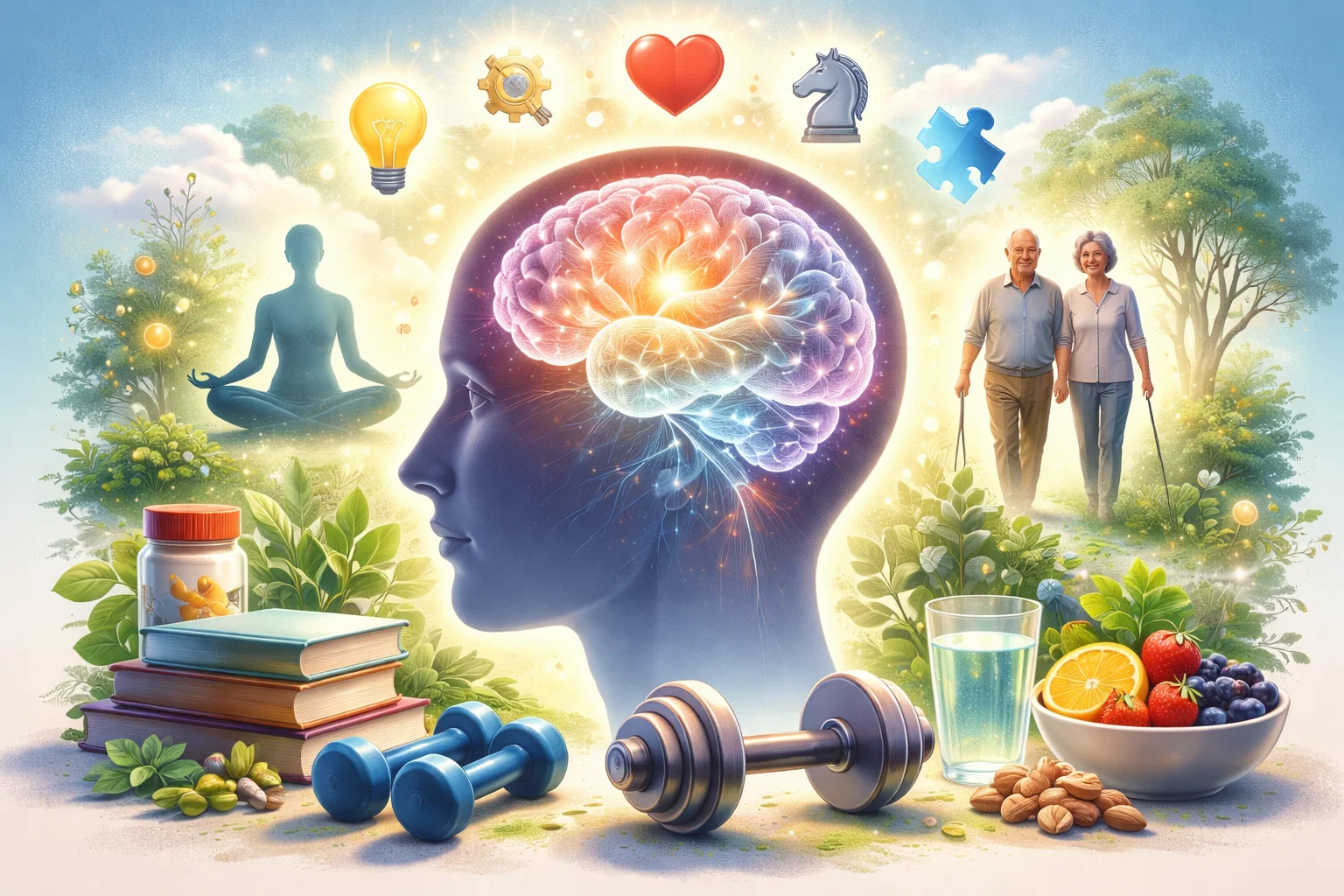
Brain Training, Memory Exercises, and Lifelong Learning
Engaging in brain training, memory exercises, and lifelong learning is crucial for maintaining mental fitness and cognitive health as we age, helping older adults live longer. These activities stimulate brain function, support neuroplasticity, and reduce the risk of cognitive decline, promoting healthy ageing and enhancing overall well-being.
Mindfulness and Stress Reduction Techniques
Practicing mindfulness and incorporating stress reduction techniques into daily life are essential for supporting mental health and resilience. Chronic stress can accelerate biological age and increase the risk of various health conditions. These practices promote emotional regulation, reduce the impact of aging, and foster a sense of overall wellness.
Social Engagement and Emotional Connection
Maintaining strong social connections and engaging in meaningful relationships are critical for promoting mental and emotional well-being. Social isolation and loneliness can negatively impact physical and mental health, while strong social support networks contribute to increased healthspan, reduce the risk of mortality, and foster a sense of belonging.
Sleep and Recovery Optimization
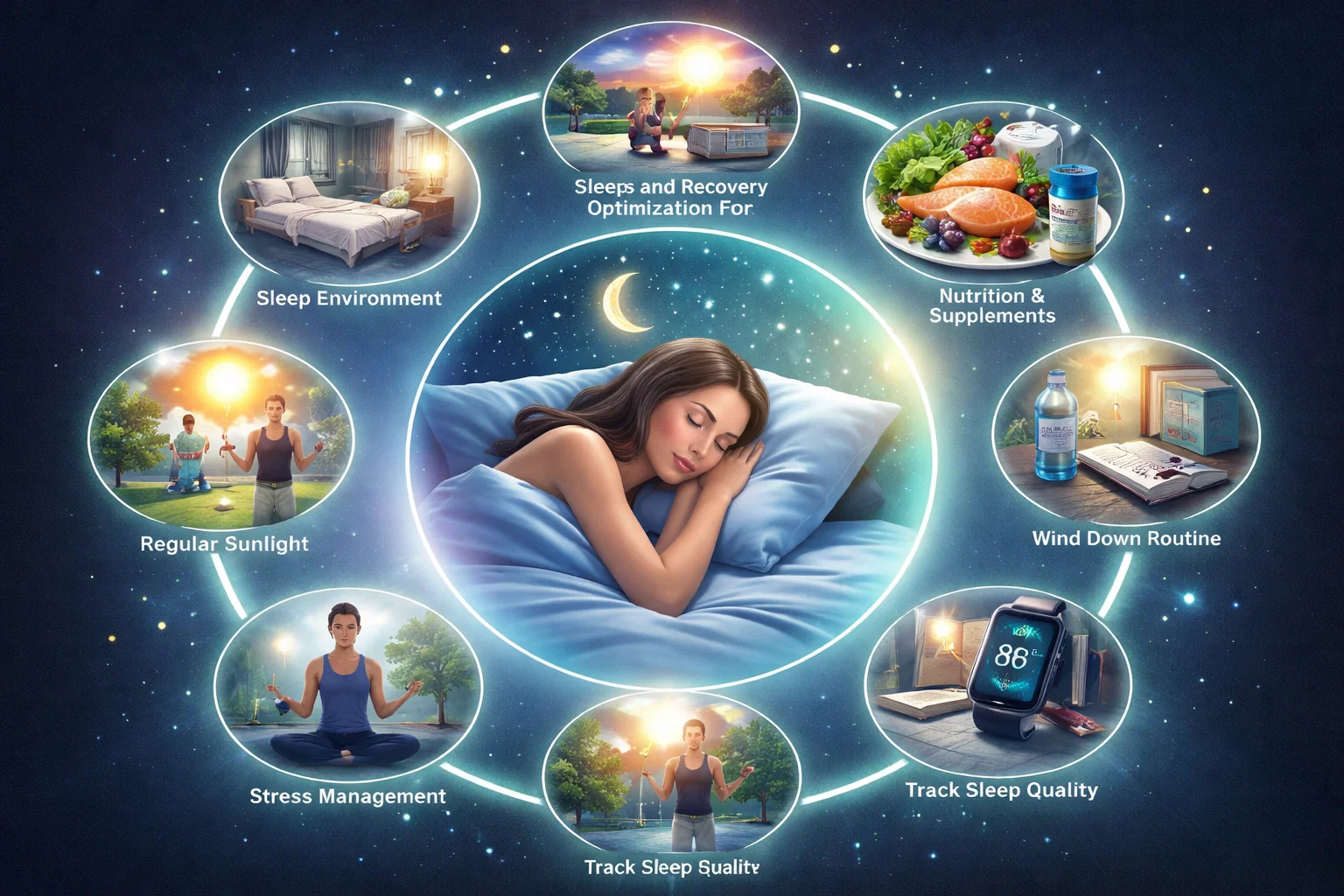
The Role of Quality Sleep in Longevity
Quality sleep plays a pivotal role in promoting longevity and overall health. Adequate and restorative sleep is essential for various biological processes, including cellular repair, hormone regulation, and immune function. Prioritizing sleep hygiene and optimizing sleep patterns can significantly contribute to healthy ageing and extend healthspan in older adults.
Using Technology to Track and Improve Sleep Patterns
Leveraging technology to track and improve sleep patterns can be a valuable tool for optimizing sleep quality and promoting healthy ageing. Wearable devices and sleep-tracking apps provide data on sleep duration, sleep stages, and sleep disturbances, allowing individuals to identify areas for improvement and implement personalized strategies to enhance sleep hygiene and promote better sleep health.
Technology-Driven Longevity Tools

Wearables for Heart, Sleep, and Activity Tracking
Wearable technology provides a wealth of information, specifically tracking different aspects of your well-being. These tools are generally capable of monitoring:
- Heart activity
- Sleep patterns
- Activity levels
This empowers individuals to make informed decisions about their health and wellness.
AI-Powered Health Coaching and Personalized Plans
Artificial intelligence (AI) is transforming the landscape of health coaching, offering personalized plans tailored to individual needs and goals. AI-powered platforms analyze vast amounts of data to provide customized recommendations on several key areas, including:
- Nutrition
- Exercise
- Sleep
- Stress management
These recommendations support individuals in their journey toward healthy ageing and longevity.
Preventive and Regenerative Medicine

Regular Health Screenings and Biomarker Monitoring
Regular health screenings and biomarker monitoring are essential components of preventive medicine, enabling early detection and management of potential health issues. These assessments provide valuable insights into an individual’s health status, allowing healthcare professionals to:
- Identify risk factors
- Detect diseases in their early stages
- Implement targeted interventions to promote healthy ageing and improve healthspan
Stem Cell and Hormone Therapies for Aging Well
Stem cell and hormone therapies are emerging as promising avenues for regenerative medicine, offering potential benefits for aging well and promoting longevity. These interventions aim to repair damaged tissues, restore hormonal balance, and rejuvenate physiological functions, potentially slowing down the ageing process and improving overall health and well-being in older adults.
Environmental and Lifestyle Factors
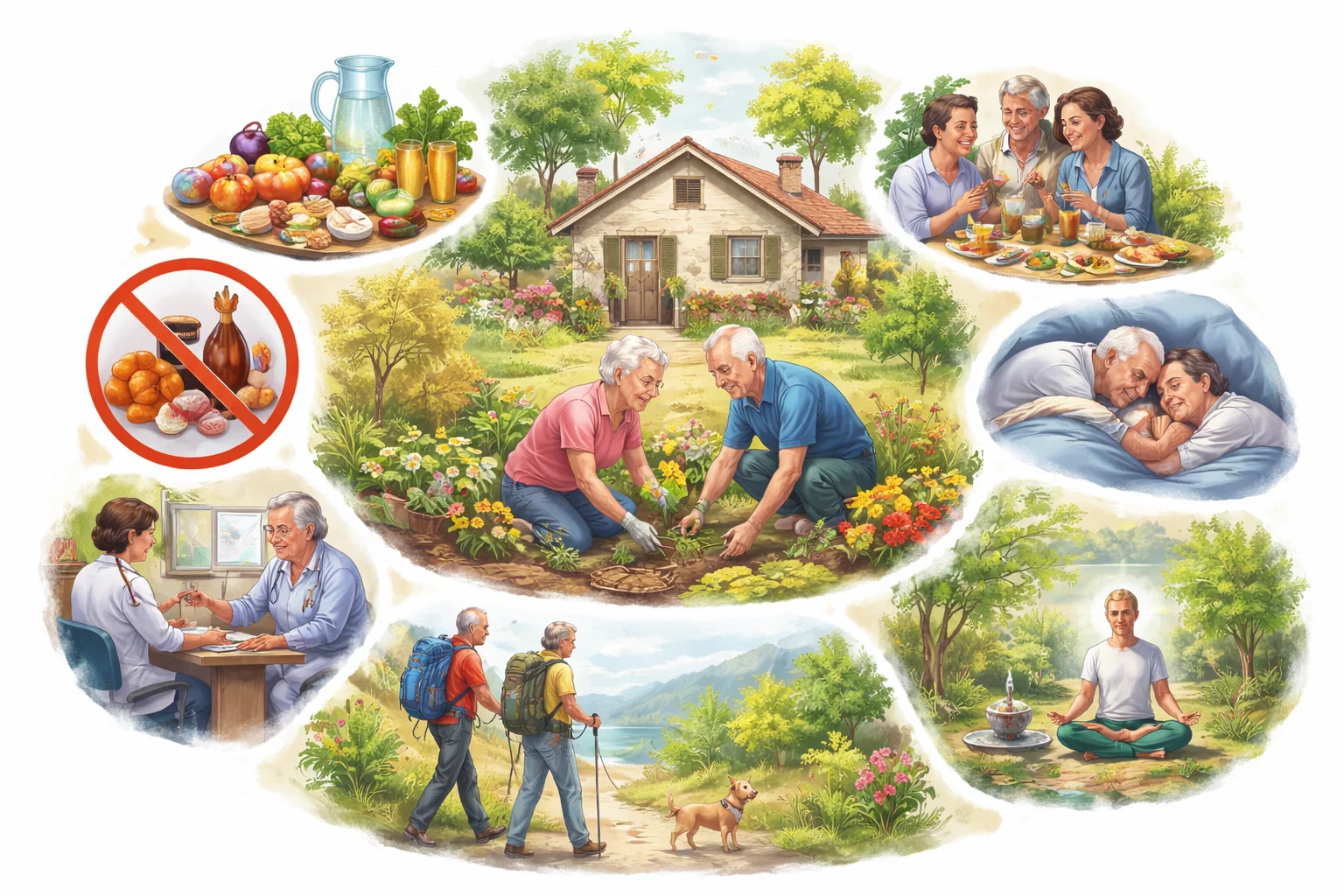
Reducing Exposure to Toxins and Pollutants
Reducing exposure to toxins and pollutants in the environment is crucial for supporting longevity and healthy ageing. Environmental toxins can contribute to chronic diseases and increase the risk of various health conditions, impacting physical and mental health. Implementing strategies to minimize exposure, such as improving indoor air quality and avoiding polluted areas, can promote overall wellness.
Spending Time in Nature and Outdoor Activities
Spending time in nature and engaging in outdoor activities can significantly enhance well-being and support longevity. Evidence-based research shows that exposure to natural environments reduces stress, lowers blood pressure, and improves mental health, all of which contribute to a healthier, longer life. It’s crucial for older adults to optimize lifestyle factors for longevity.
Real-Life Longevity Inspiration
Lessons from Blue Zones: Okinawa, Sardinia, Ikaria
The “Blue Zones,” such as Okinawa, Sardinia, and Ikaria, offer invaluable lessons in longevity. These regions are characterized by populations with exceptionally high life expectancies and remarkable healthspan. Studying their lifestyle choices, including diet, physical activity, and social engagement, provides insights into promoting healthy ageing for the rest of the world.
Corporate Wellness Programs Focused on Longevity
Corporate wellness programs focused on longevity are gaining traction as companies recognize the importance of supporting employee health and well-being. These programs often include initiatives such as health screenings, personalized nutrition guidance, stress management techniques, and access to fitness facilities, promoting healthy life and overall wellness and reducing the risk of mortality.
Challenges and Myths in Longevity Living
Common Misconceptions About Anti-Aging Hacks
There are several common misconceptions about anti-ageing hacks that can hinder effective strategies for longevity. Many people fall for quick fixes or unproven interventions, neglecting the importance of a holistic approach to health. It’s essential to debunk these myths and focus on evidence-based practices that support healthy ageing, rather than just focusing on reducing exposure to risk factors.
Accessibility and Affordability of Longevity Tools
The accessibility and affordability of longevity tools and interventions remain significant challenges in making healthy ageing accessible to all. Advanced technologies, personalized nutrition plans, and specialized medical treatments can be costly, creating disparities in access and limiting the ability of all individuals to optimize their health and well-being and improve their healthspan.
Conclusion: Building a Longevity Lifestyle for 2026
Building a longevity lifestyle for 2026 involves adopting a holistic approach that encompasses nutrition, movement, mental fitness, sleep optimization, and environmental awareness. By making conscious choices that support healthy ageing, individuals can enhance their healthspan, reduce the risk of chronic diseases, and thrive in the coming years, living longer and healthier lives. It is crucial that older adults are the center of longevity trends in living.