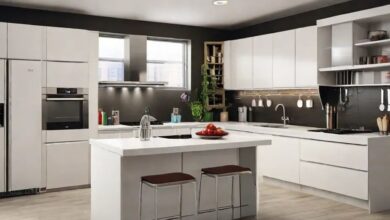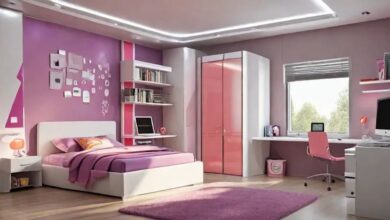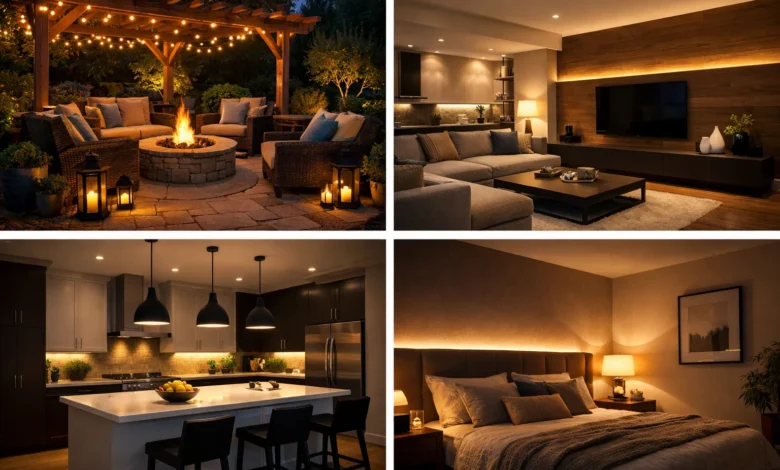
Lighting is more than just a functional element; it’s the soul of your home’s ambiance. Thoughtful lighting design can dramatically alter the mood, perception of space, and overall feel of your living environment. Let’s explore how to harness the power of lighting to transform your home.
Why Lighting Is the Most Powerful Design Tool in Your Home
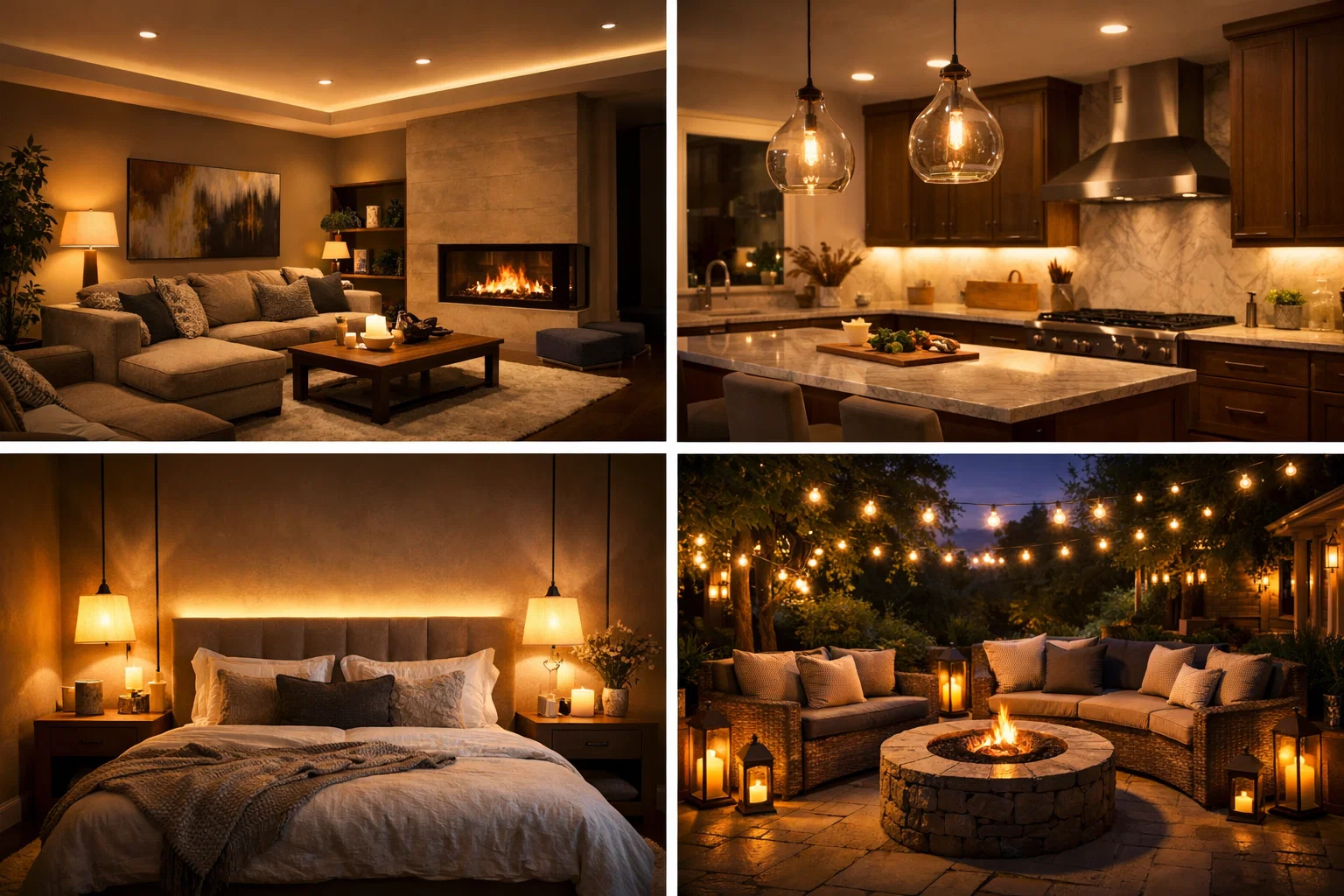
Lighting as Atmosphere, Not Just Illumination
Consider lighting as a mood enhancer, not just a utility. The right lighting sets the tone for relaxation, productivity, or socializing. It creates an inviting atmosphere, turning a house into a home filled with warmth and character by illuminating the home’s electrical system.
How Small Lighting Changes Create Dramatic Results
Simple adjustments, like swapping out bulbs or repositioning lamps, can yield significant improvements. These changes impact not only brightness but also color temperature and light direction. These small changes can drastically enhance your home’s aesthetics.
The Psychology of Lighting: How It Affects Mood and Emotions
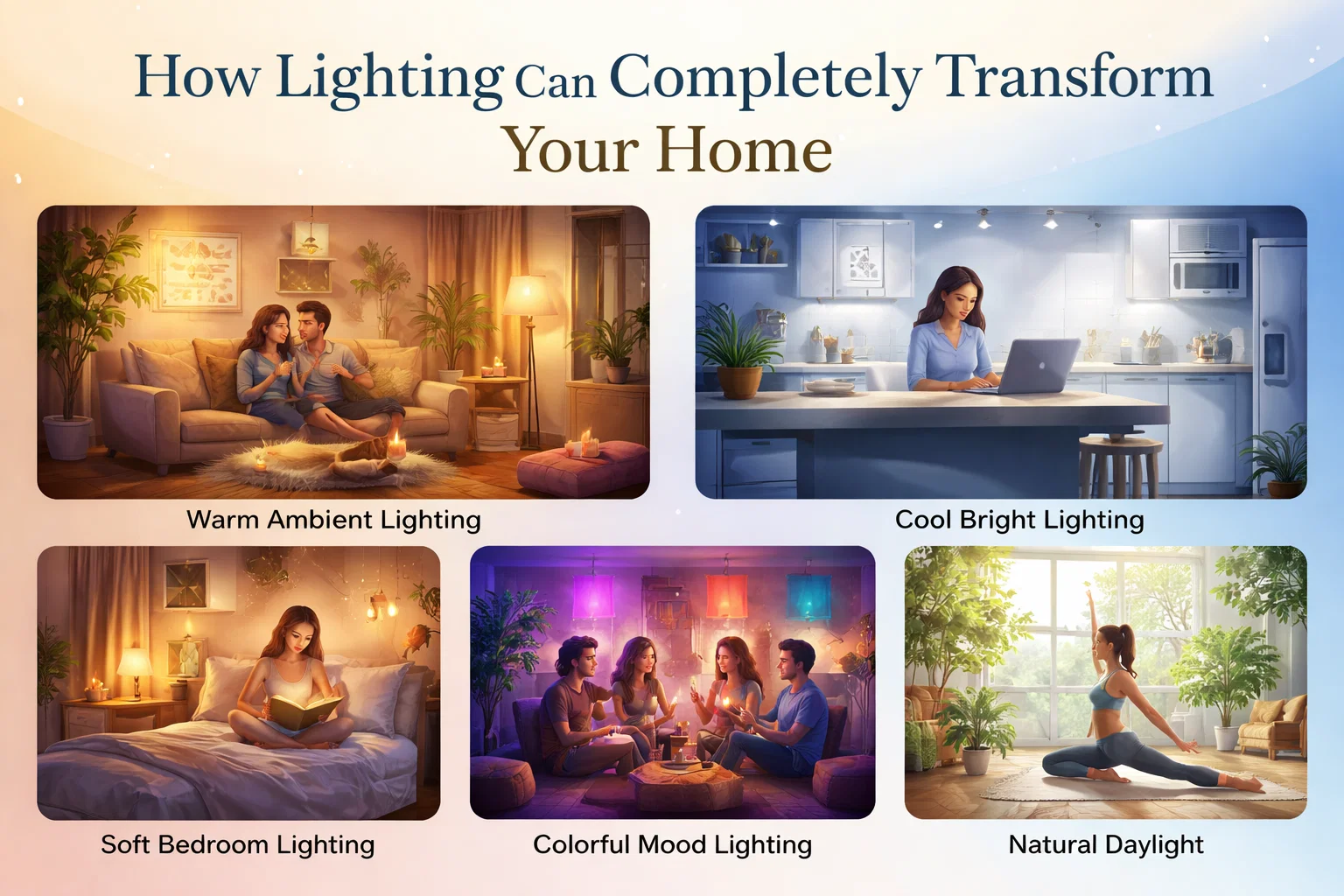
Warm vs. Cool Light and Their Emotional Impact
Warm light fosters a sense of relaxation, while cool light promotes alertness. Choose the appropriate color temperature for each room based on its function. This ensures the lighting complements the intended mood and activities.
How Lighting Influences Stress, Relaxation, and Focus
Poor lighting can cause eye strain and headaches, contributing to stress. Conversely, well-designed lighting can promote relaxation and enhance focus, creating a more comfortable and productive environment for the household members.
The Role of Lighting in Nervous System Regulation
Lighting affects the nervous system through its impact on melatonin production. Proper lighting helps regulate sleep cycles and overall well-being. Poor or improper lighting can be harmful to the nervous system.
How Lighting Changes the Perception of Space
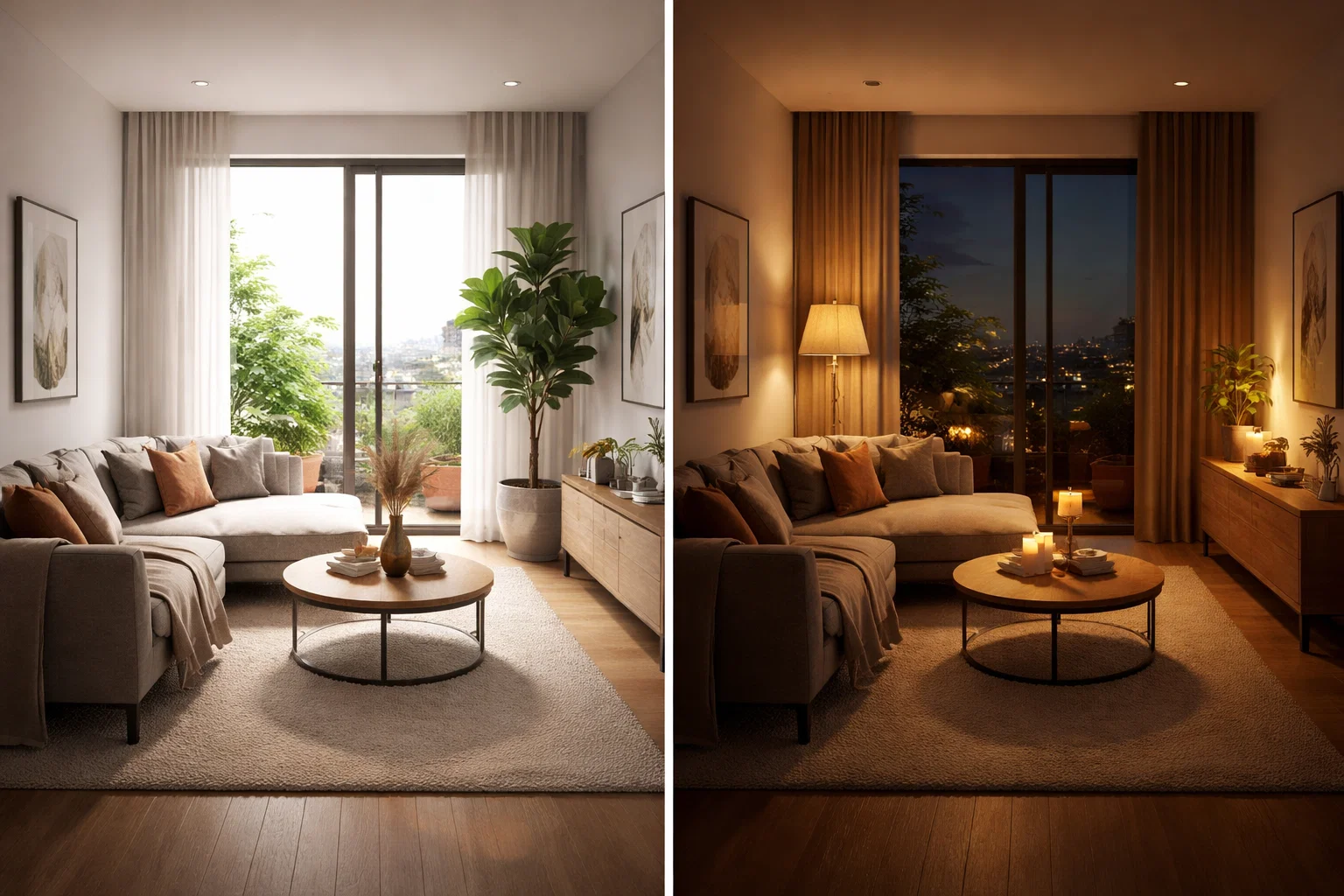
Making Small Rooms Feel Bigger With Strategic Lighting
Bright, even lighting can visually expand small spaces. Utilize light colors and reflective surfaces to maximize the effect. Strategic placement of light fixtures enhances the openness and airiness of compact rooms, making them feel more spacious.
Creating Intimacy in Large or Open Spaces
Conversely, warm, focused lighting creates intimacy in large rooms. Use dimmer switches and layered lighting to achieve a cozy atmosphere. This helps define specific areas and foster a sense of closeness.
Using Shadows and Depth to Add Dimension
Strategic shadows add depth and dimension to any room. Experiment with accent lighting to highlight textures and architectural features. Shadows and depth bring visual interest and sophistication to your living spaces with the proper placement of lighting.
The Three Essential Layers of Lighting Design
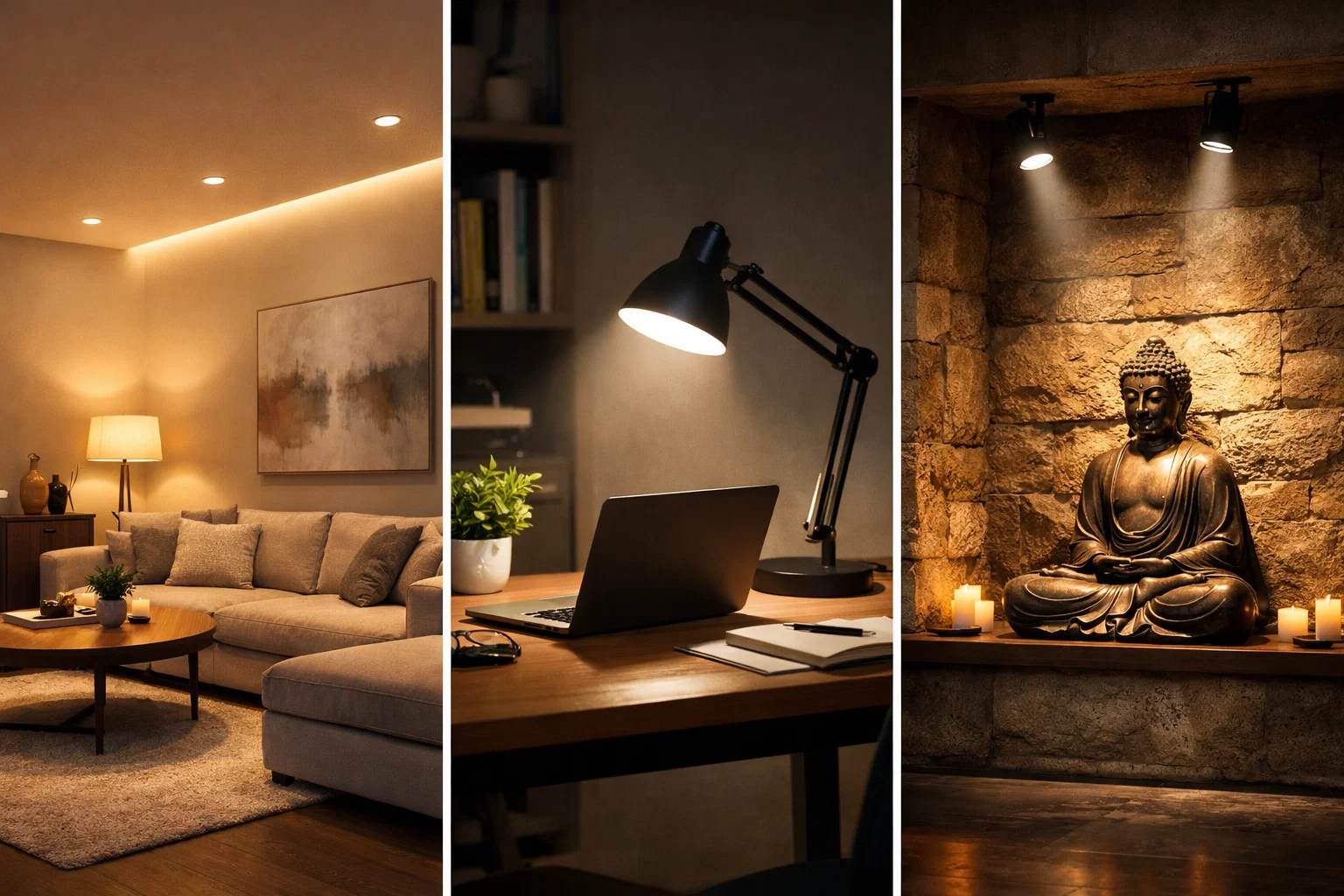
Ambient Lighting: The Foundation of Every Room
Ambient lighting provides overall illumination, setting the room’s mood and ensuring safety. It should be soft and even, creating a comfortable base layer. This foundational layer of light prevents harsh shadows and provides a general sense of brightness throughout the space.
Task Lighting: Functionality and Precision
Task lighting focuses on specific areas for activities like reading or cooking. It should be bright and direct, minimizing glare and shadows. Proper task lighting enhances efficiency and reduces eye strain, making tasks easier and more enjoyable in your home.
Accent Lighting: Drama, Texture, and Visual Interest
Accent lighting highlights architectural details, artwork, or decorative elements. It adds depth and visual interest, creating focal points and drawing attention to key features. Accent lighting elevates the room’s aesthetic, adding sophistication and personalized style.
Navigating the Risks of Lightning Strikes to Your Home
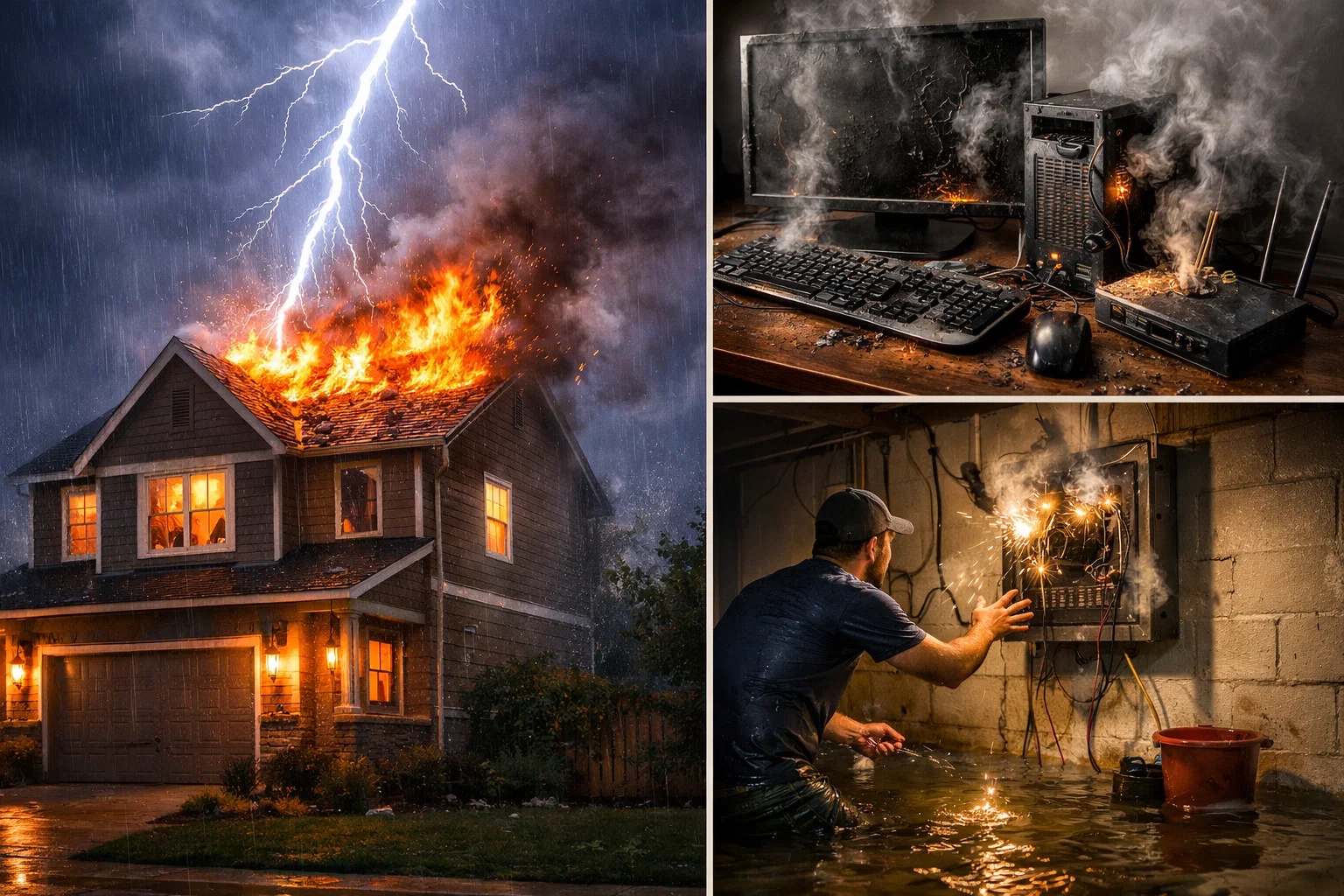
Understanding the Causes of Lightning Strikes
Lightning strikes cause immense electrical surges that can damage your home’s electrical system. Thunderstorms create electrical imbalances, leading to lightning seeking a path to the ground, often striking conductive structures like homes. Understanding this process is crucial for protecting your home from lightning damage.
How Lightning Strikes Can Cause Power Surges
When lightning strikes a home or nearby power line, it causes power surges that can overload your electrical system. This surge can damage appliances and electronics connected to the circuit. Even a nearby lightning strike can induce a surge powerful enough to cause damage.
Protecting Your Home from Lightning Damage
Here’s how you can protect your home from lightning: a properly installed lightning protection system is key, and this includes:
- Lightning rods
- A grounding system
For additional security, use surge protectors at the electrical panel and individual outlets to safeguard your electronics. As a final measure, unplug appliances and electronics during a lightning storm to minimize potential damage.
Common Lighting Mistakes Most Homeowners Make
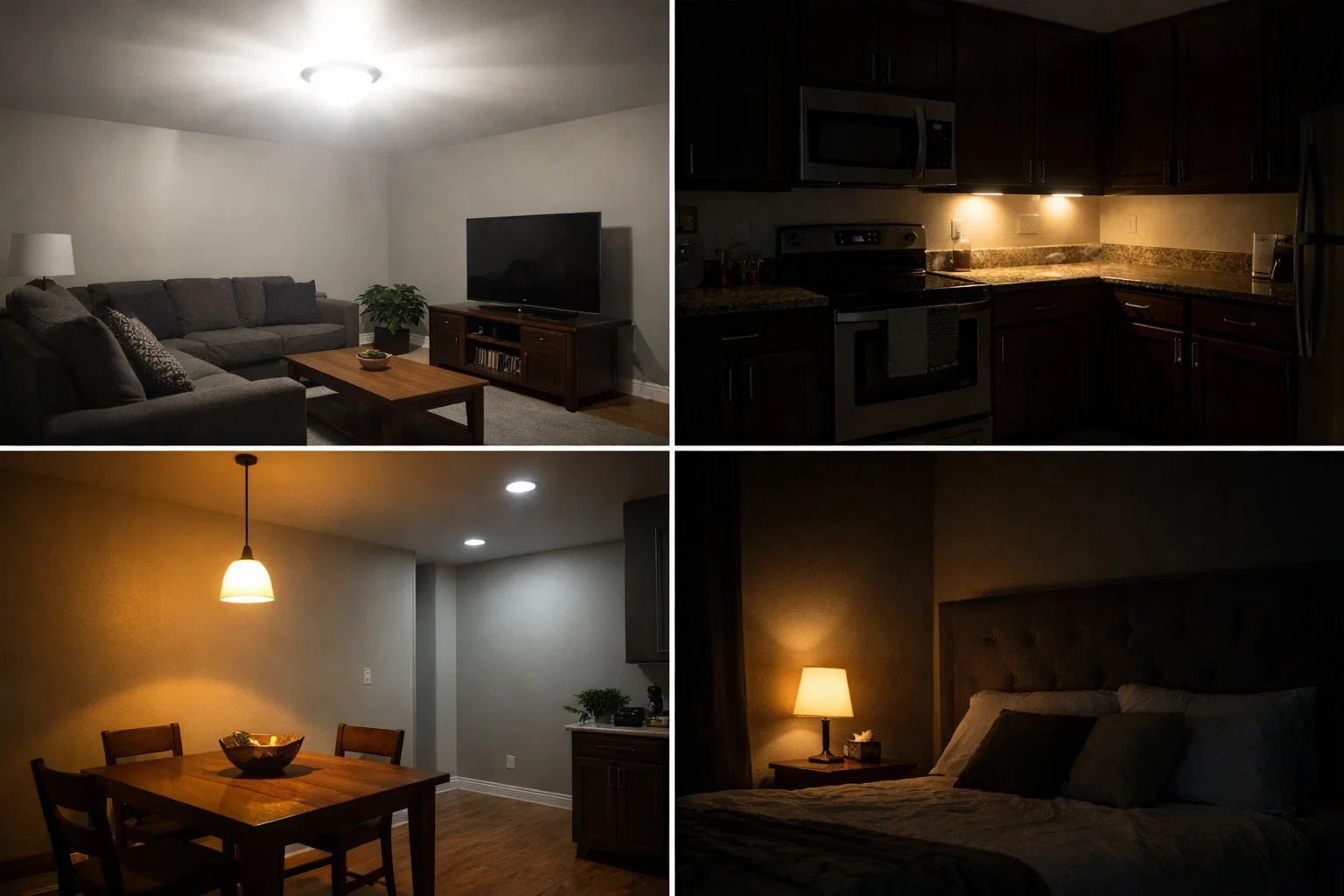
Relying Only on Overhead Lighting
Relying only on overhead lighting often results in harsh shadows and a flat, uninviting atmosphere. Layered lighting, combining ambient, task, and accent lights, is essential for creating a well-balanced and visually appealing space. This is one of the main mistakes that damage your home’s lighting.
Poor Fixture Placement and Uneven Illumination
Poor fixture placement leads to uneven illumination, creating dark spots and glare. Consider the room’s function and layout when positioning light fixtures. This ensures adequate and balanced lighting throughout the space, enhancing both aesthetics and functionality.
Ignoring Color Temperature Consistency
Ignoring color temperature consistency can result in a jarring and disjointed feel. Ensure all bulbs within a room have similar Kelvin ratings. This creates a cohesive and harmonious lighting scheme, enhancing the room’s overall ambiance and visual appeal.
How Lighting Defines Luxury in Modern Interior Design
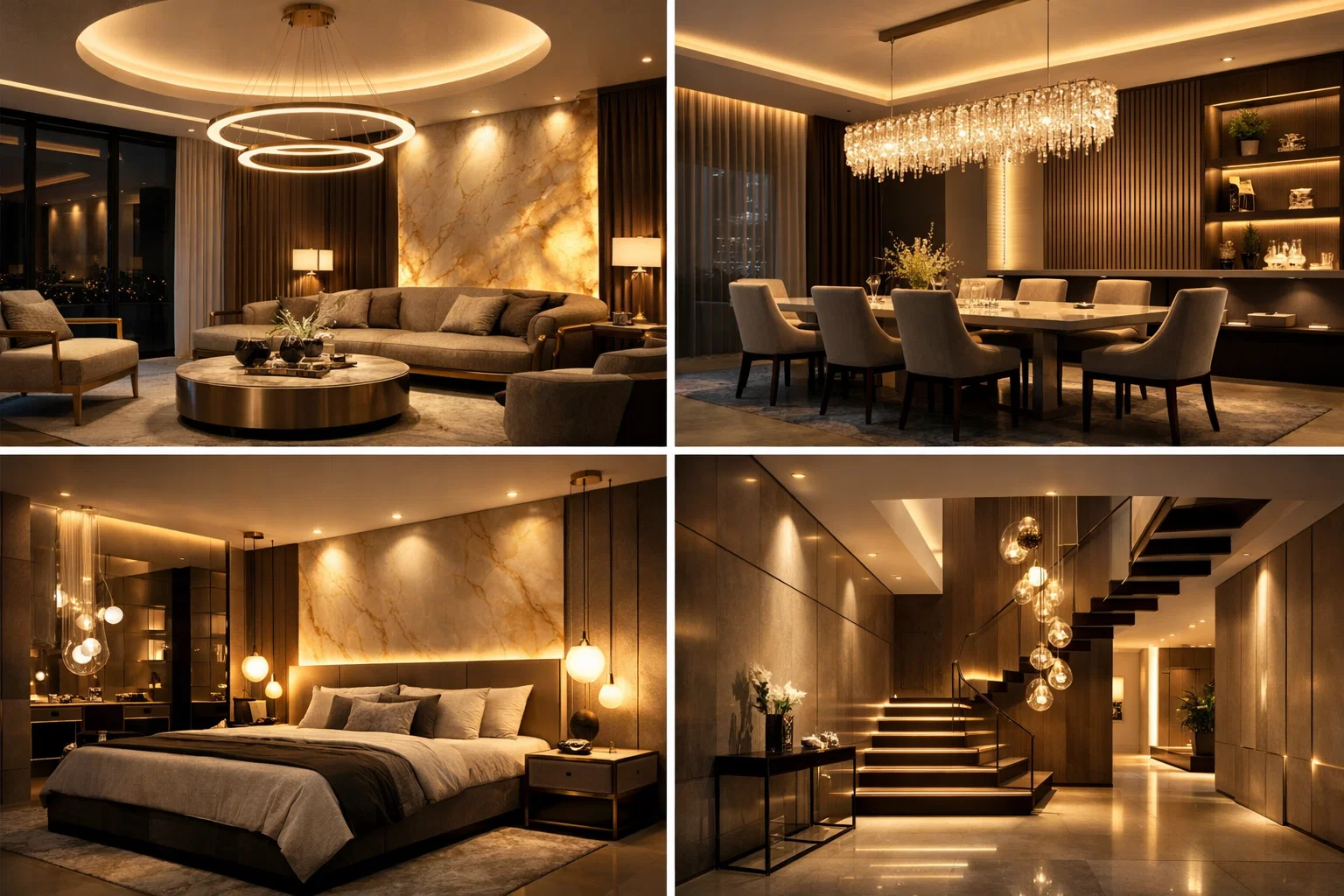
Statement Fixtures as Focal Points
In luxury interiors, statement lighting fixtures serve as artistic focal points, drawing the eye and setting the tone for the entire space. These fixtures are more than just light sources; they are sculptural elements that enhance the room’s design, showcasing impeccable craftsmanship and sophisticated style.
Hidden LED Strips and Indirect Lighting Trends
Modern luxury design increasingly favors hidden LED strips and indirect lighting. This approach creates a soft, diffused glow that accentuates architectural details and adds a sense of depth. Concealed lighting enhances the ambiance, providing a seamless and elegant lighting solution that elevates the overall aesthetic.
Why High-End Homes Prioritize Layered Lighting
High-end homes prioritize layered lighting to achieve a balanced and sophisticated atmosphere. Combining ambient, task, and accent lighting ensures that every area is well-illuminated and visually appealing. This approach allows for customized lighting schemes that cater to various activities and moods.
Budget-Friendly Ways to Transform Your Home With Lighting
Affordable Lighting Upgrades With High Impact
Transforming your home with lighting doesn’t have to break the bank. Affordable upgrades can significantly impact the overall look and feel. Consider changes such as:
- New lampshades
- Strategically placed mirrors
- Updated fixtures
These simple changes can rejuvenate any room without requiring extensive renovations.
Swapping Bulbs: Understanding Lumens and Kelvin
Understanding lumens and Kelvin is crucial for effective and budget-friendly lighting. Lumens measure brightness, while Kelvin indicates color temperature. Swapping bulbs to achieve the right combination can dramatically alter the ambiance, creating a more inviting and functional space, depending on the resident’s taste.
DIY Lighting Placement Strategies
DIY lighting placement strategies can transform your home on a budget. Experiment with different arrangements to highlight focal points, create cozy corners, or improve task lighting. Thoughtful placement maximizes the impact of your existing fixtures, making your home feel more stylish and functional.
The Future of Home Lighting Design
Wellness-Centered Lighting Concepts
The future of home lighting design is trending towards wellness-centered concepts. Lighting systems will be designed to support circadian rhythms, improve mood, and enhance overall well-being. These innovations prioritize health and comfort, creating environments that promote a balanced and harmonious lifestyle.
Sustainable and Energy-Conscious Innovations
Sustainability drives innovation in home lighting. Energy-efficient LED technology, smart controls, and eco-friendly materials are becoming standard. These advancements reduce energy consumption and environmental impact, aligning with a growing demand for sustainable and responsible living.
Adaptive Lighting That Responds to Mood and Behavior
Adaptive lighting systems that respond to mood and behavior are on the horizon. These systems will adjust brightness and color temperature based on individual preferences and activities. This personalized approach enhances comfort, productivity, and overall satisfaction with the home environment, making the owner feel more relaxed.
Conclusion: Why Lighting Is the Fastest Way to Redesign Your Home
In conclusion, lighting is the quickest and most effective way to redesign your home. With strategic changes, you can transform the mood, space, and functionality of any room. Embrace the power of lighting to create a home that is both beautiful and functional, tailored to your specific needs and preferences.