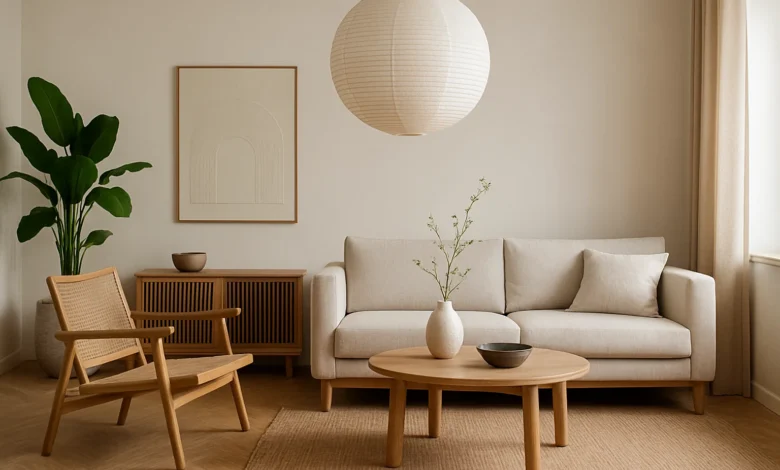
In an increasingly chaotic world, our homes are becoming more important than ever as sanctuaries of peace and order.
This article explores how Japandi design, a rising trend in interior design, can transform your living space into a haven of tranquility and style, promoting a sense of calm and well-being in 2025 and beyond.
What Is Japandi Design and Why It’s Trending in 2025
The Fusion of Japanese Minimalism and Scandinavian Warmth
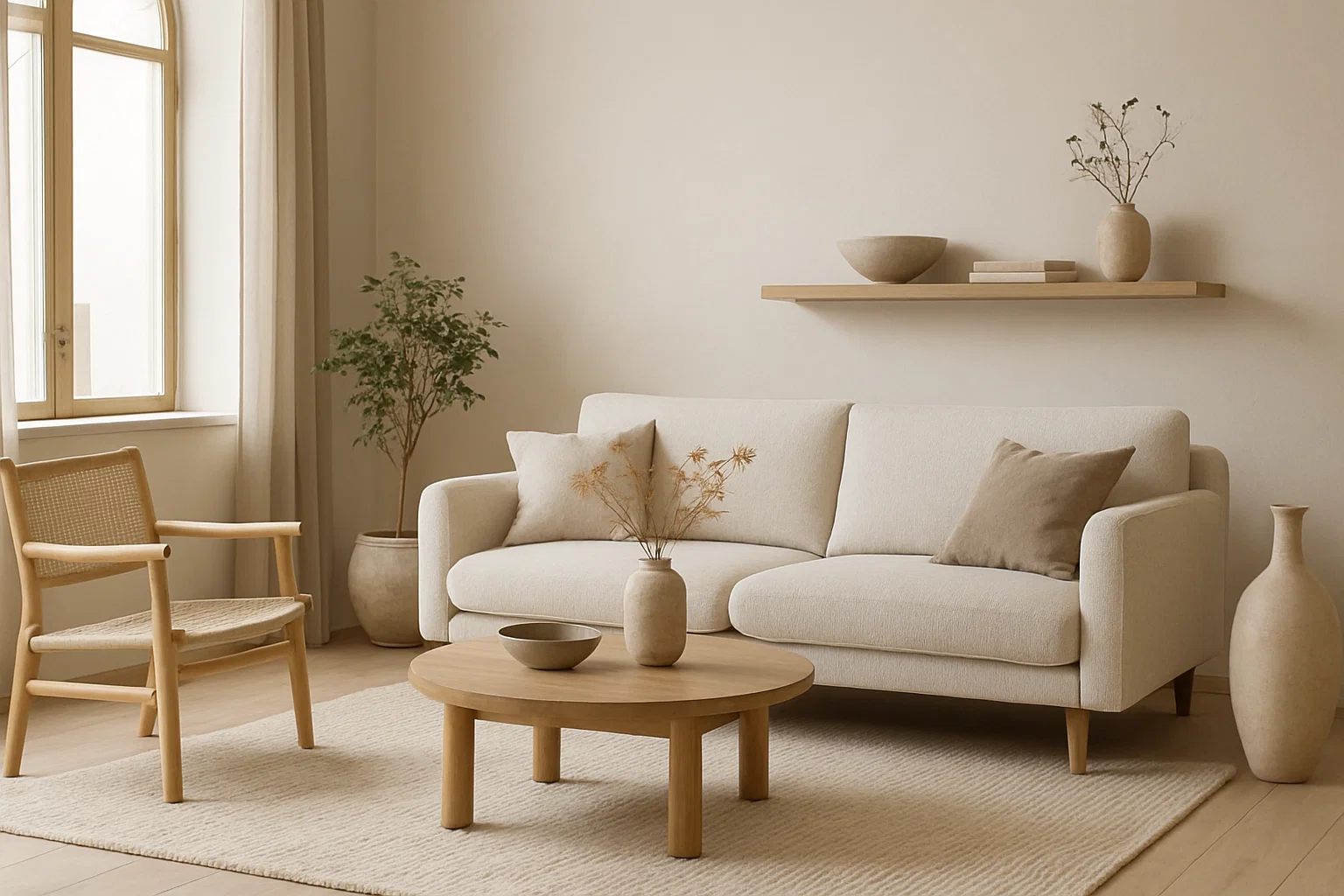
Japandi design represents a beautiful and harmonious fusion of Japanese minimalism and Scandinavian warmth, creating a unique interior design style that is gaining significant traction.
This design trend thoughtfully combines the sleek, clean lines and functional simplicity inherent in Japanese design principles with the cozy comfort and inviting textures characteristic of Scandinavian design.
The resulting Japandi aesthetic emphasizes a serene and balanced living space, carefully blending the best elements of both worlds to create an overall sense of calm and refined elegance.
Growing Demand for Calm, Intentional Living Spaces
The burgeoning popularity of Japandi style in 2025 can be largely attributed to a growing societal demand for calm, intentional living spaces that offer an escape from modern life’s relentless pace.
People are increasingly seeking to create a home environment that promotes relaxation, mindfulness, and an overall sense of well-being. Japandi design perfectly answers this need, providing a peaceful retreat through its understated elegance and emphasis on tranquility, which resonates deeply with those desiring a more considered and less cluttered existence.
Why Japandi Aligns with Sustainable and Mindful Lifestyles
Japandi design inherently aligns with sustainable and mindful lifestyles, making it an ideal choice for the environmentally conscious homeowner. This design style emphasizes durability, functionality, and the use of natural materials, promoting a philosophy of conscious consumption over transient trends.
By incorporating Japandi design principles, individuals can create a space that not only looks beautiful but also supports a holistic approach to living, encouraging mindful choices about possessions and fostering a deeper connection to nature within the home.
Core Principles That Define Japandi Interiors
Function Over Excess: Purpose-Driven Design
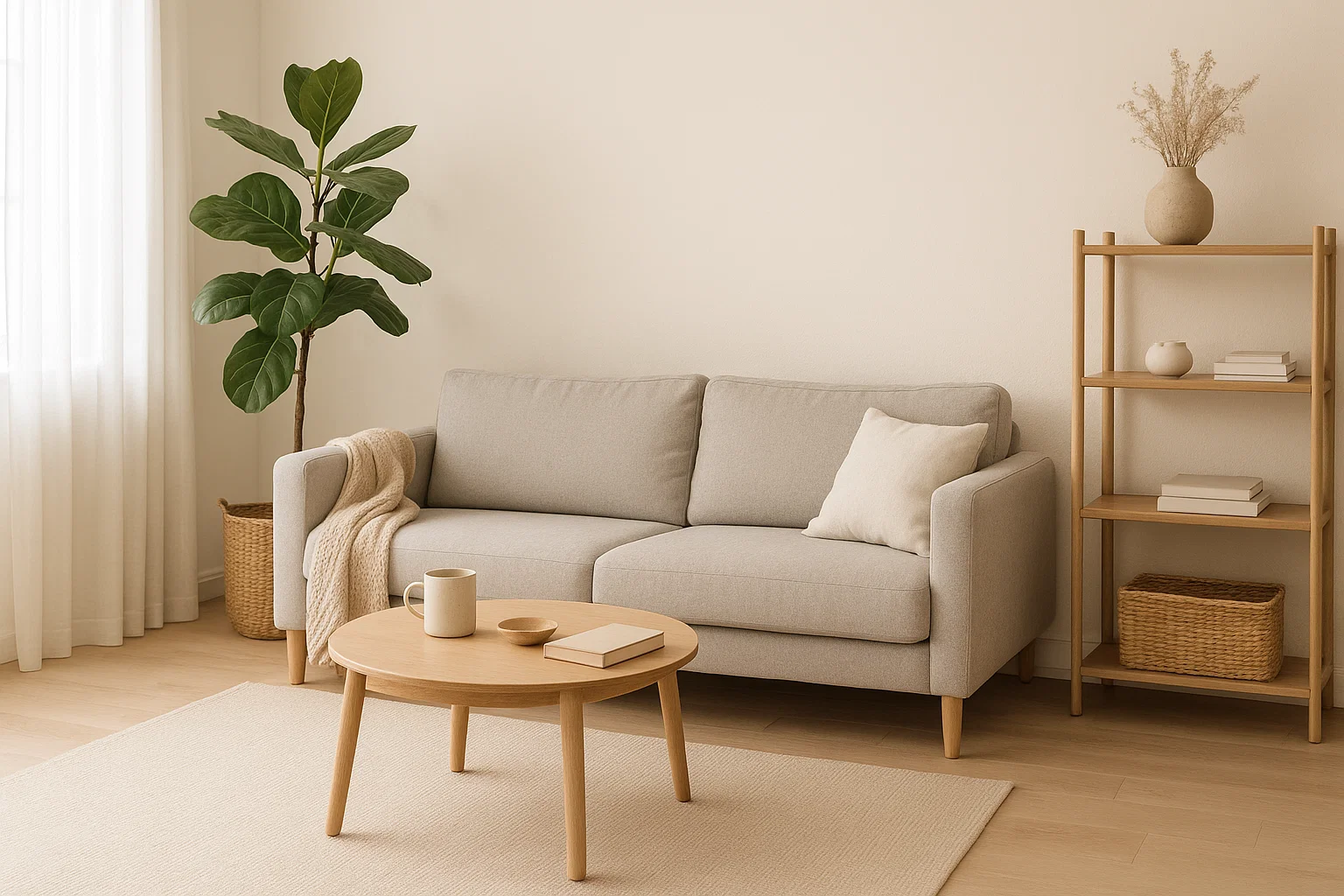
At the heart of Japandi interiors lies the principle of function over excess, embodying a purpose-driven design philosophy where every item serves a practical or aesthetic purpose, contributing to the overall sense of calm.
This minimalist design approach meticulously curates belongings, ensuring that the living space is free from unnecessary clutter and visual noise. By prioritizing utility and thoughtful placement, Japandi creates a home environment that feels both efficient and deeply peaceful, encouraging intentional living.
Nature-Inspired Materials and Textures
A defining characteristic of Japandi design is its profound connection to nature, evident through the extensive use of nature-inspired materials and textures. Natural wood, bamboo, stone, linen, wool, and clay are frequently incorporated to create a soothing, organic feel within the Japandi space.
These materials not only add warmth and tactile interest but also reinforce the blend of Japanese and Scandinavian aesthetics, contributing to a sense of calm and serenity. This aspect of Japandi creates visual interest through subtle variations in texture and tone.
Clean Lines, Open Space, and Balanced Layouts
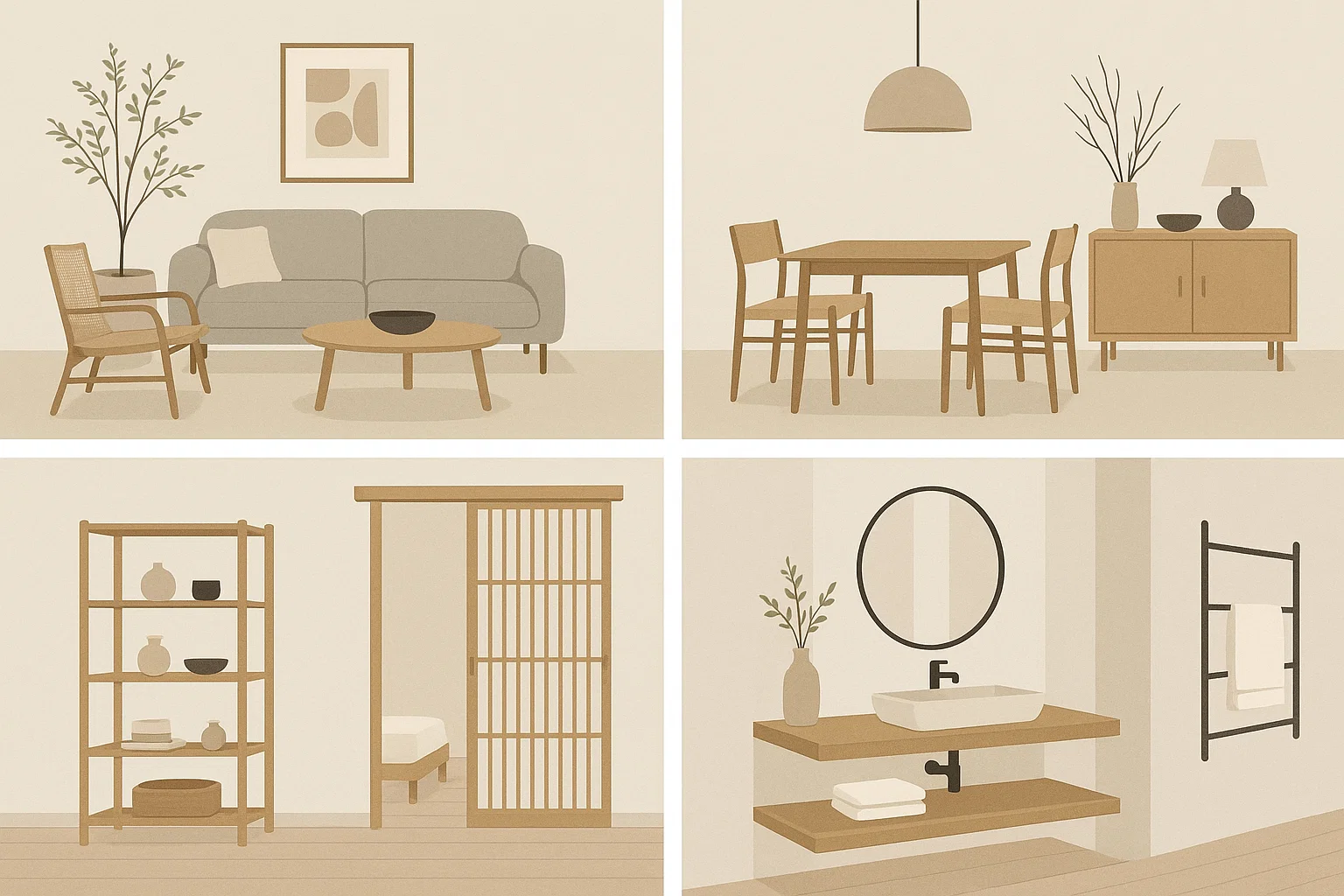
Japandi interior design strongly emphasizes clean lines, open space, and balanced layouts to create a serene and uncluttered atmosphere. Furniture with clean lines, often low to the ground, enhances the feeling of spaciousness and encourages a minimalist design approach.
The thoughtful arrangement of elements in a Japandi interior ensures visual harmony and a sense of calm, while ample open space allows residents to breathe and feel unconstrained. This carefully considered approach to layout defines the tranquility and style of a Japandi home.
Wabi-Sabi and Hygge: The Emotional Comfort of Japandi
The emotional comfort of Japandi is deeply rooted in the philosophical concepts of Wabi-Sabi and Hygge, seamlessly blending the imperfections of Japanese aesthetics with the coziness of Scandinavian comfort.
Wabi-Sabi celebrates the beauty in natural imperfections and the passage of time, lending a unique character to handmade ceramics and aged wood. Hygge, on the other hand, focuses on creating a cozy, convivial atmosphere. Together, these elements allow Japandi to create a sense of deep calm and comfort, fostering a warm, inviting, and peaceful home environment.
How Japandi Creates a Clutter-Free Home That Feels Peaceful
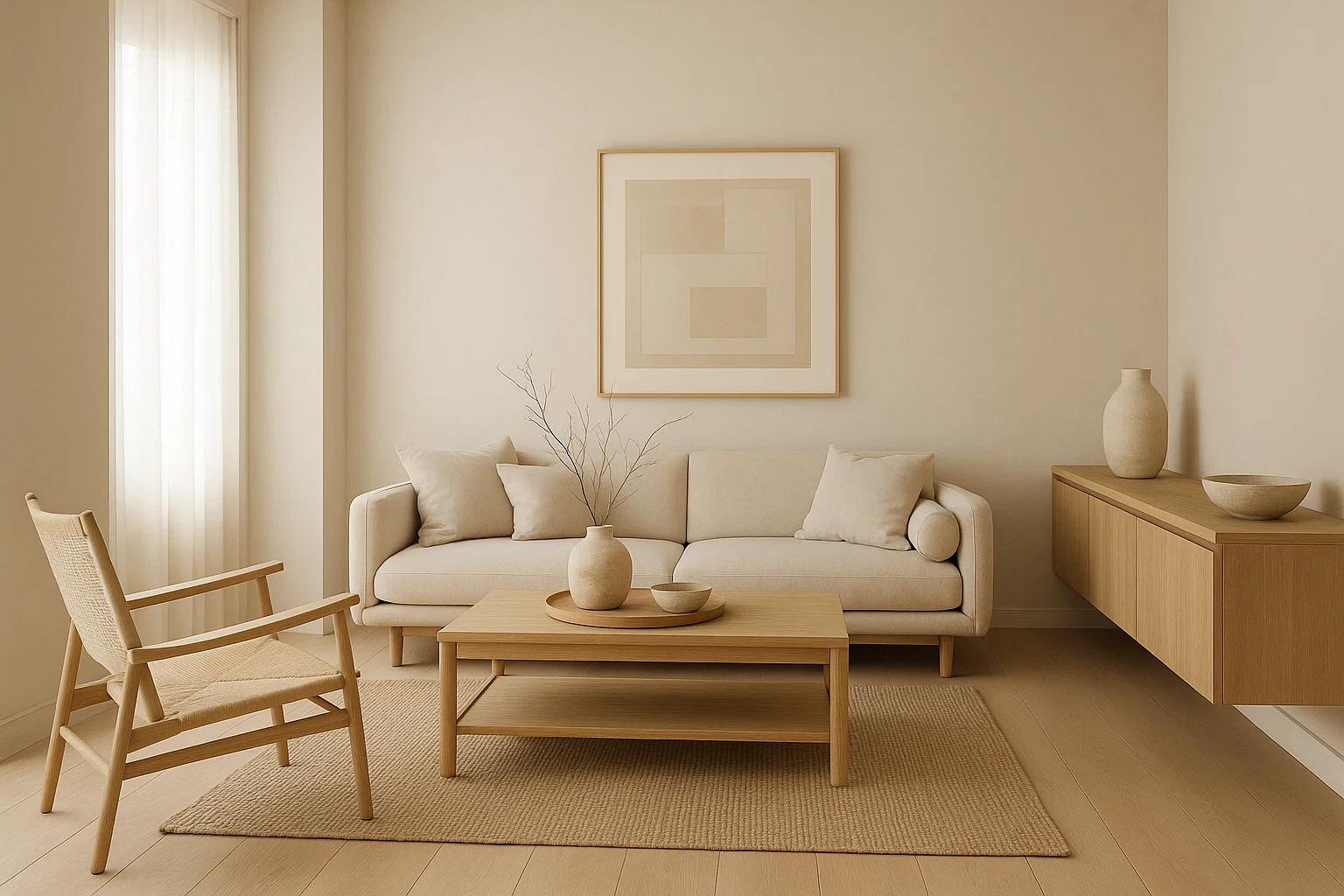
The Power of Minimalism: Decluttering Without Feeling Cold
Japandi design masterfully employs the power of minimalism, allowing for significant decluttering without ever feeling cold or austere.
Unlike some other minimalist approaches, the Japandi style imbues spaces with warmth through its careful selection of natural materials, soft textures, and a deliberate absence of excess. This creates a home environment that feels refreshingly free of clutter, yet remains incredibly inviting and comfortable, fostering a profound sense of calm and well-being.
Warmth Through Texture, Not Through Stuff
One of the defining characteristics of Japandi design is its ability to create warmth and coziness through texture, rather than through an accumulation of stuff.
By prioritizing soft natural textiles like linen and wool, alongside tactile materials such as natural wood and ceramics, the Japandi interior achieves a rich sensory experience. This thoughtful layering of textures contributes significantly to the overall sense of calm and comfort, ensuring that the minimalist design feels welcoming and lived-in, rather than stark.
Space to Breathe: Visual and Emotional Benefits
Japandi design inherently promotes “space to breathe,” offering both significant visual and emotional benefits within the home environment. The emphasis on clean lines, open space, and carefully curated furniture allows for an uncluttered aesthetic that visually expands the living space.
This expansive feeling translates emotionally into a sense of calm and freedom, reducing stress and promoting mental clarity. The overall design prioritizes tranquility and style, ensuring every Japandi space feels serene and unburdened.
Step-by-Step Guide to Designing a Japandi-Style Home
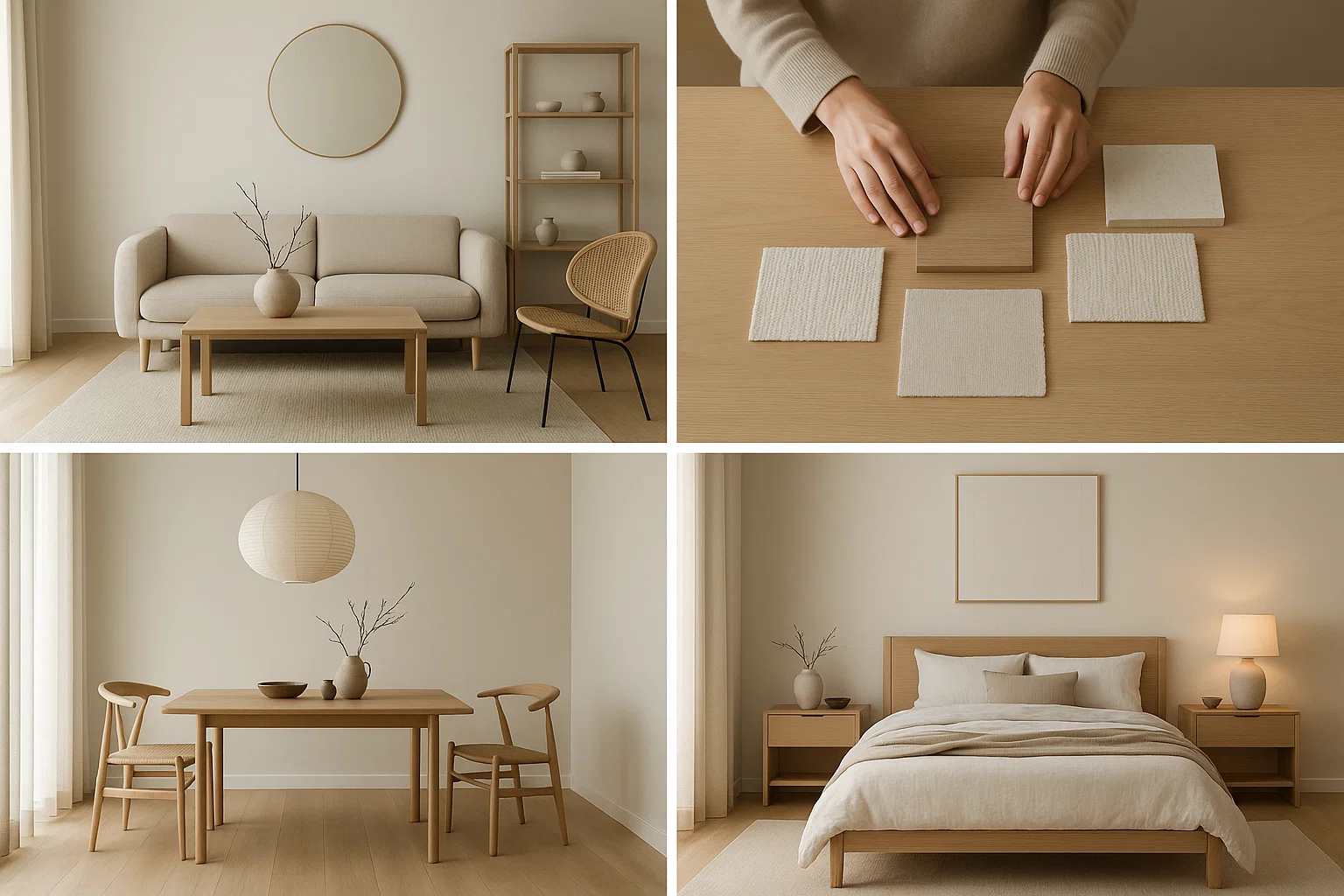
Choose a Neutral, Earthy Color Palette
To begin transforming your living space into a Japandi interior, the foundational step is to choose a neutral, earthy color palette. This typically involves a range of serene tones such as soft whites, muted grays, warm beiges, and subtle greens, which create a calm and harmonious backdrop.
This particular color scheme is crucial to the Japandi aesthetic as it inherently promotes a sense of calm and serenity, echoing the natural world and setting a tranquil foundation for the entire home.
Invest in Low, Clean-Lined Furniture Pieces
When incorporating Japandi style into your home, a key investment should be in low, clean-lined furniture pieces that embody the minimalist design principles.
Think of sofas, beds, and tables that are close to the ground, promoting a feeling of groundedness and spaciousness within the Japandi space. Furniture with clean lines not only contributes to the uncluttered look but also enhances the overall design by creating a sense of calm and an uncluttered visual flow throughout the interior.
Layer Soft Natural Textiles for Warmth
To truly embody the blend of Japanese and Scandinavian aesthetics in your Japandi interior, layer soft natural textiles for warmth and comfort. Incorporate elements like chunky wool throws, textured linen curtains, and cotton cushions to add tactile richness without introducing visual clutter.
This aspect of Japandi design emphasizes coziness and an inviting atmosphere, ensuring that the minimalist design never feels cold, but rather creates a cozy and welcoming home environment that enhances the overall sense of calm.
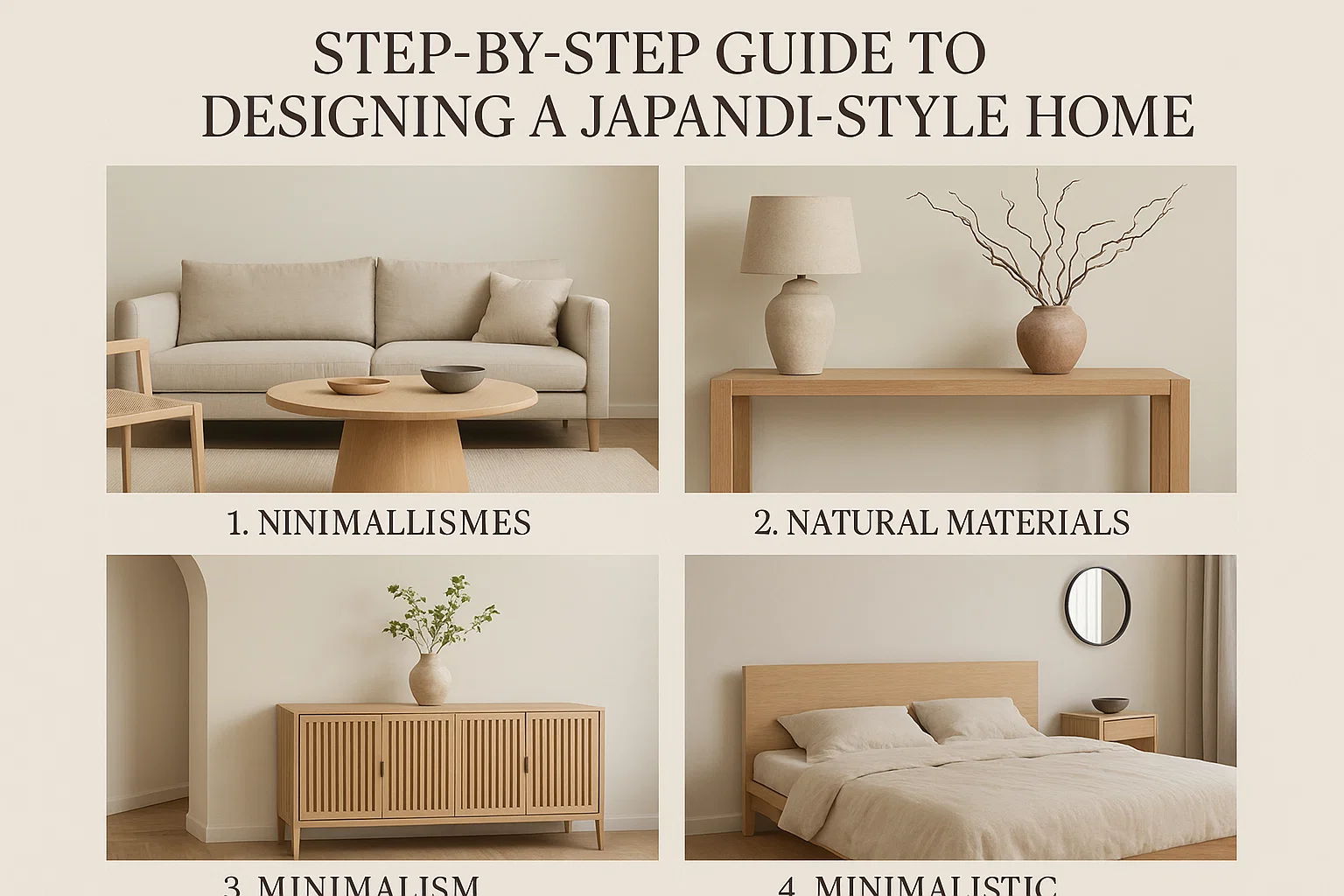
Prioritize Storage Solutions That Disappear
A cornerstone of achieving a clutter-free home in Japandi style is to prioritize storage solutions that effectively disappear into the architecture. Built-in cabinetry, seamless drawers, and discreet shelving units help maintain the clean lines and open space central to Japandi design principles.
This approach ensures that belongings are neatly tucked away, contributing to an overall sense of calm and an uncluttered Japandi space, which is vital for the tranquility and style of the Japandi aesthetic.
Embrace Empty Space as a Design Element
To fully embrace the Japandi design philosophy, learn to appreciate and utilize empty space as a powerful design element within your home environment. Rather than filling every corner, allow for areas of visual rest, as this is crucial to create a sense of calm and expansive serenity.
This minimalist design approach, a hallmark of Japandi, emphasizes intentionality and a peaceful atmosphere, ensuring that the Japandi interior feels spacious and airy, directly contributing to overall well-being.
Room-by-Room Japandi Tips for a Calm Home
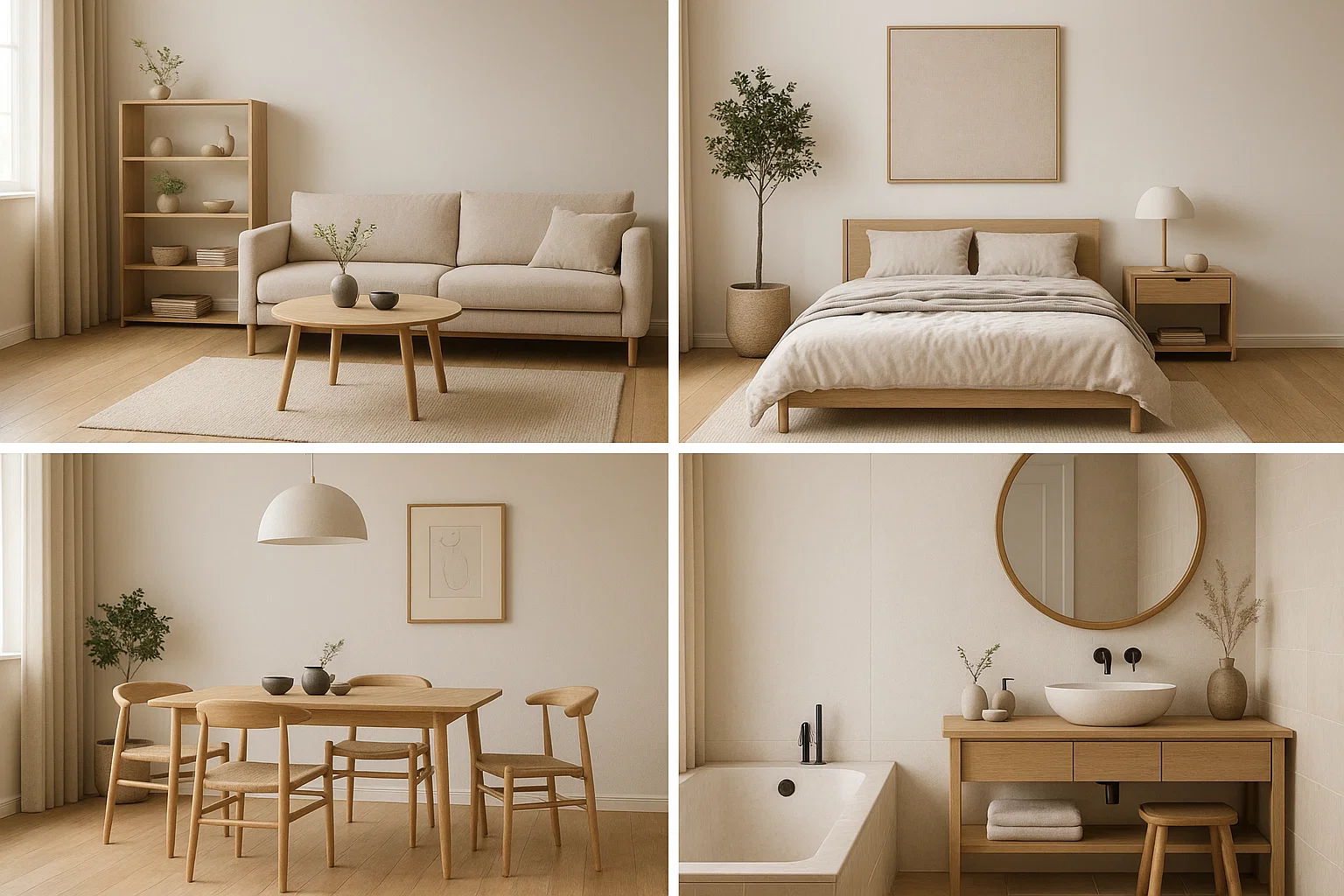
Living Room: Streamlined Seating and Cozy Minimalism
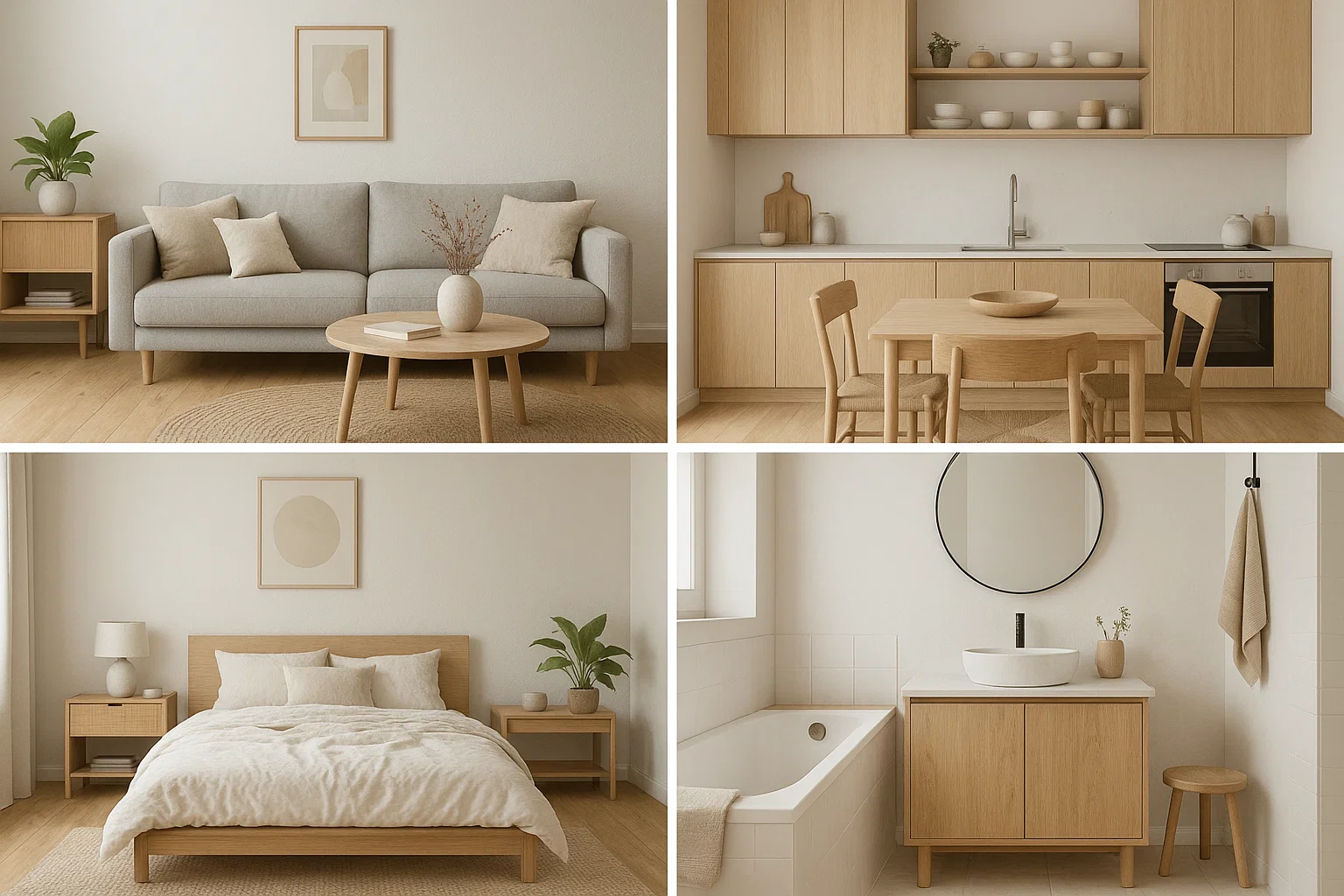
In a Japandi living room, the focus is on streamlined seating and cozy minimalism to create a sense of calm and an inviting atmosphere. Opt for low-slung sofas and armchairs with clean lines, often upholstered in natural materials like linen or cotton, which align with the Japandi aesthetic.
Thoughtful placement ensures open space, contributing to a peaceful home environment that encourages relaxation and quiet contemplation, embodying the core principles of Japandi design.
Bedroom: Low Beds, Soft Lighting, and Serene Textures
For a Japandi bedroom, prioritize creating a serene sanctuary through low beds, soft lighting, and an abundance of serene textures. A platform bed or a mattress directly on the floor exemplifies the Japanese design influence and promotes a grounded feeling.
Layer soft natural textiles such as organic cotton sheets, wool throws, and linen duvets to create a cozy and inviting atmosphere, ensuring the Japandi interior becomes a peaceful haven for rest and rejuvenation.
Kitchen & Dining: Functional Simplicity with Natural Materials
A Japandi kitchen and dining area champions functional simplicity, seamlessly integrating natural materials to create a calm and efficient space.
Opt for sleek, handle-less cabinetry in natural wood or matte finishes, complemented by stone countertops that provide durability and a tactile connection to nature. The Japandi aesthetic encourages a minimalist design approach, ensuring that every element serves a purpose, contributing to an overall sense of calm and a harmonious home environment.
Bathroom: Spa-Like Calm Through Stone and Wood
Transform your bathroom into a spa-like retreat by embracing Japandi style, utilizing stone and wood to create a sense of calm. Incorporate natural stone tiles for floors or shower walls, paired with warm wood accents in vanities or shelving.
This blend of natural materials, a hallmark of Japandi design, evokes a tranquil and uncluttered space, providing a peaceful escape for daily rituals and reinforcing the overall design’s emphasis on serenity and well-being.
Common Japandi Mistakes and How to Avoid Them
Overdecorating with “Minimalist” Pieces
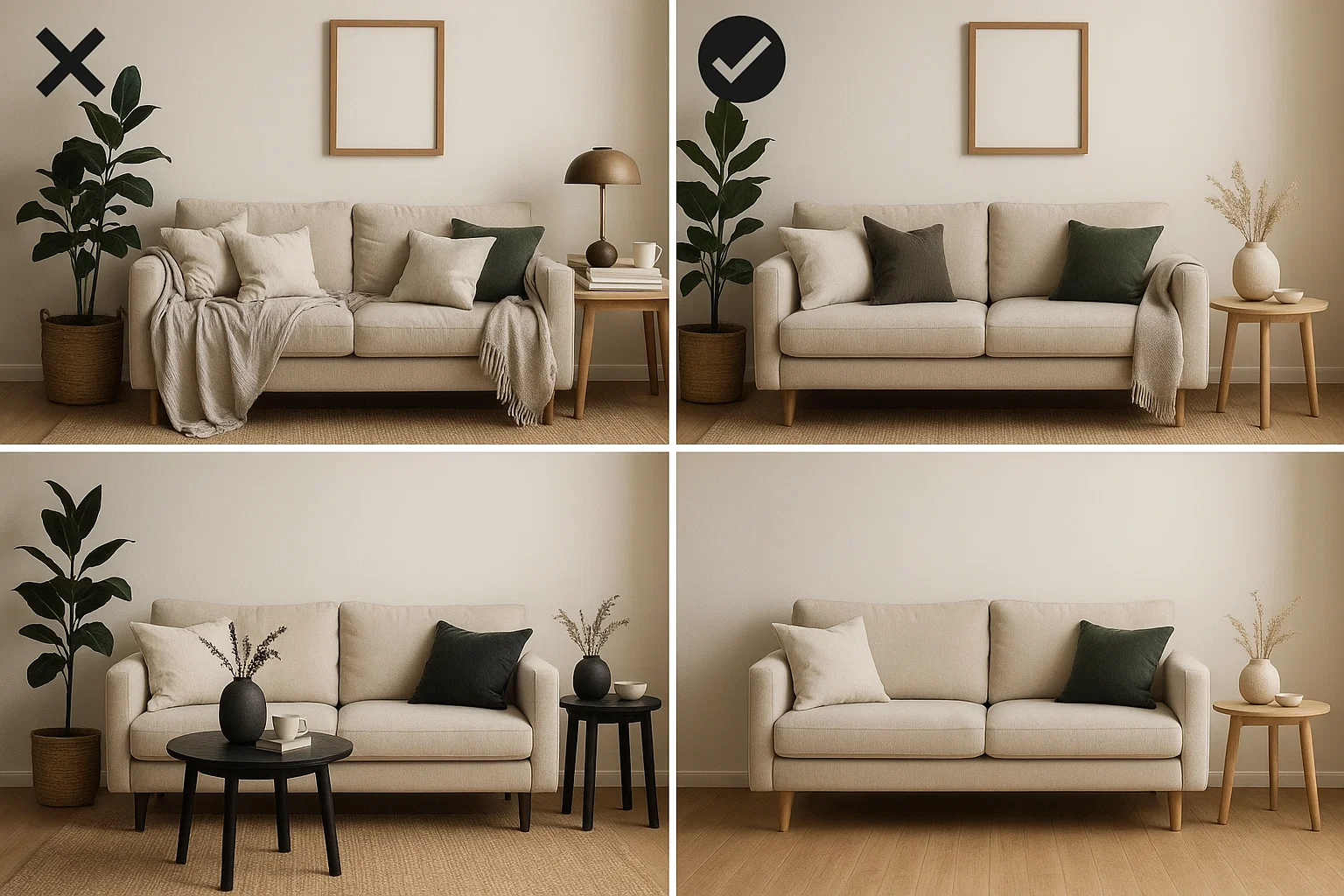
A common pitfall in Japandi interior design is the tendency to overdecorate, even with pieces that appear “minimalist” at first glance. True Japandi design emphasizes intentionality and space, meaning every item must contribute meaningfully to the aesthetic or function, thereby creating a sense of calm.
Avoid cluttering surfaces with too many small decorative items; instead, let a few carefully chosen pieces, such as a single ceramic vase or a textured rug, speak for themselves within the Japandi space.
Mixing Too Many Styles or Loud Colors
To maintain the serene and harmonious nature of Japandi style, it is crucial to avoid mixing too many disparate styles or introducing loud, vibrant colors. The Japandi aesthetic thrives on a cohesive, neutral, and earthy color palette, and a blend of Japanese and Scandinavian design elements, not a jumble of competing influences.
Incorporating too many distinct design trends or bold hues can disrupt the overall sense of calm and tranquility that Japandi aims to create within the home environment.
Ignoring Light and Airflow in Layout Planning
Ignoring light and airflow is a critical mistake that can undermine the essence of Japandi interior design. The Japandi aesthetic deeply values natural light and open space, which are fundamental to creating a sense of calm and a peaceful home environment.
Ensure furniture is arranged to allow for unobstructed flow of light and air, promoting a feeling of spaciousness and contributing to the overall well-being in the Japandi space, thereby maintaining the integrity of the design principles.
Best Japandi Materials and Decor Choices in 2025
Wood, Bamboo, Stone, Linen, Clay, and Wool
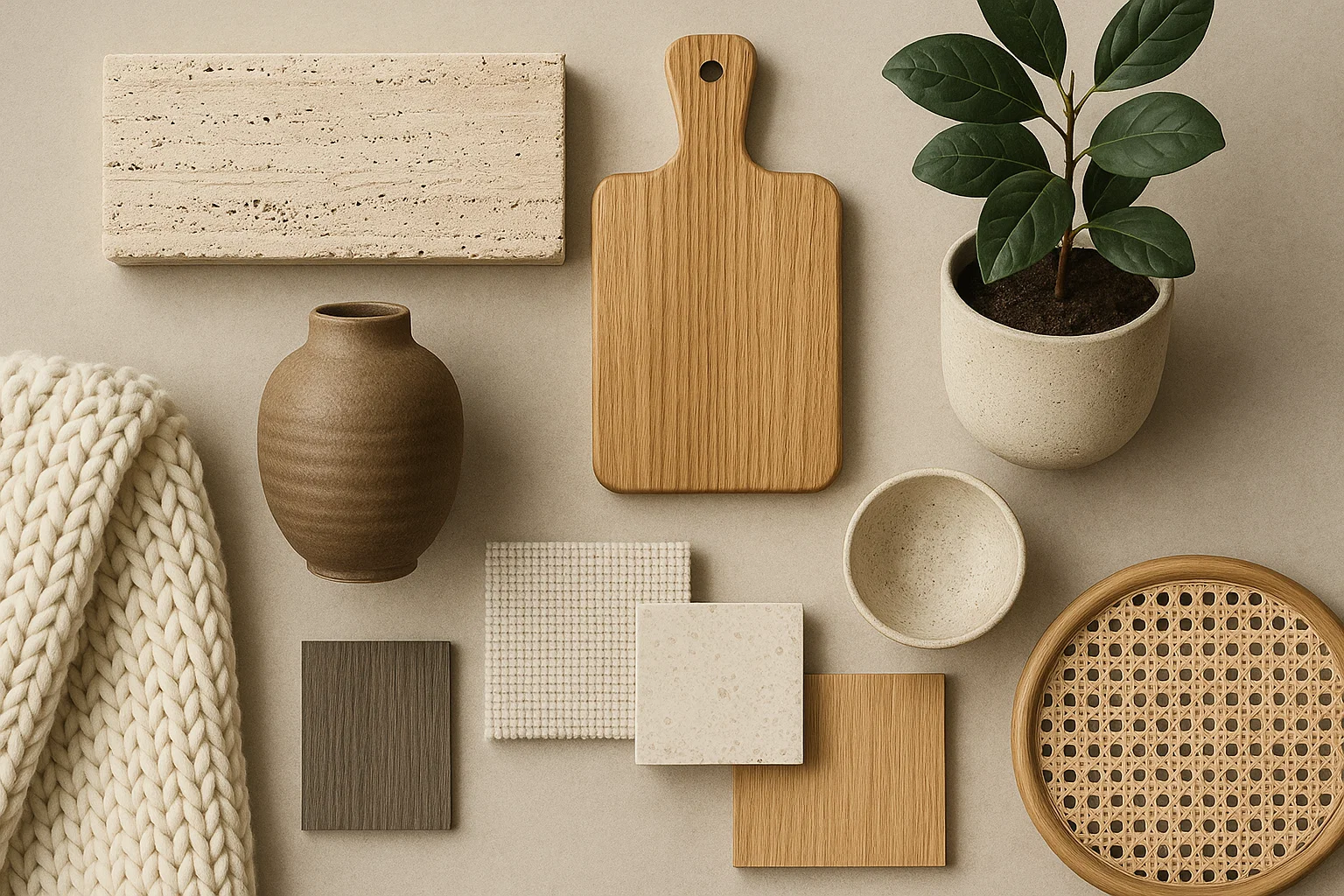
The core of Japandi design in 2025 heavily relies on a curated selection of natural materials such as wood, bamboo, stone, linen, clay, and wool. These elements are chosen for their organic textures, subtle variations, and their ability to create a sense of calm and connection to nature.
Incorporating these materials extensively across furniture, flooring, and textiles ensures the Japandi interior feels authentic, warm, and inherently inviting, aligning perfectly with the minimalist design principles.
Handmade Ceramics, Paper Lamps, and Textured Rugs
To enhance the Japandi aesthetic, integrate handmade ceramics, delicate paper lamps, and richly textured rugs into your home environment. Handmade ceramics, with their unique imperfections, embrace the Wabi-Sabi philosophy, adding character and warmth.
Paper lamps provide soft, diffused lighting, contributing to a cozy and calm atmosphere, while natural fiber rugs add tactile comfort and define living zones within the Japandi space, ensuring a harmonious and visually appealing interior design.
Real vs. Faux: Why Authenticity Matters in Japandi
In Japandi design, the distinction between real and faux materials is profoundly significant, as authenticity truly matters for creating a genuine sense of calm.
The Japandi aesthetic celebrates the natural imperfections and unique qualities of genuine wood, stone, and natural fibers, which resonate with the Wabi-Sabi philosophy. Opting for authentic natural materials over artificial alternatives enhances the tactile experience and reinforces the design principles, ensuring the Japandi interior exudes genuine tranquility and style.
Japandi for Small Spaces: How Less Really Is More
Visual Tricks for Space Maximization with Calmness
Japandi design offers powerful visual tricks for space maximization, making even the smallest homes feel incredibly open and filled with a sense of calm.
By employing a minimalist design approach, such as low-profile furniture and a restrained, neutral color palette, the Japandi aesthetic creates an uncluttered visual pathway. This helps to extend sightlines, making rooms appear larger and more expansive, directly contributing to an overall sense of calm and unburdened living within the Japandi space.
Multi-Function Furniture for Storage and Style
In small Japandi homes, multi-function furniture is an indispensable element that blends practical storage with impeccable style, perfectly embodying the Japandi design principles. Pieces like ottomans with hidden compartments, sofa beds, or coffee tables with integrated shelving contribute significantly to maintaining an uncluttered environment, a cornerstone of Japandi.
This thoughtful incorporation of furniture ensures that every item serves a dual purpose, maximizing space while upholding the Japandi aesthetic and promoting a profound sense of calm.
Neutral Zones That Make Spaces Feel Bigger
Creating “neutral zones” is a clever Japandi strategy to make small spaces feel significantly bigger and foster a greater sense of calm. By maintaining large, uninterrupted expanses of a single neutral color on walls or floors, and minimizing visual clutter, the Japandi aesthetic eliminates busy focal points that can make a room feel cramped.
This design emphasizes an uncluttered environment, allowing the eye to flow freely, thereby creating an illusion of expanded space and contributing to the overall sense of calm and tranquility in the Japandi interior.
Japandi vs. Other Minimalist Styles: What Sets It Apart
Japandi vs. Scandinavian: More Calm, Less Cold
While Japandi design shares roots with Scandinavian style, it distinguishes itself by offering “more calm and less cold,” creating a uniquely inviting home environment. Scandinavian design can sometimes lean towards stark simplicity, whereas Japandi consistently infuses warmth through its blend of Japanese and Scandinavian aesthetics.
The deliberate use of tactile natural materials and the Wabi-Sabi philosophy in Japandi ensures a deeper emotional connection, fostering an overall sense of calm and comfort that feels inherently more grounded and serene.
Japandi vs. Modern Minimalism: Emotional vs. Clinical
Japandi design fundamentally differs from modern minimalism, often described as a contrast between “emotional vs. clinical” approaches to interior design. Modern minimalism can sometimes feel stark, characterized by cold metals and an almost industrial precision.
In contrast, Japandi integrates the warmth of natural materials and the imperfect beauty of Wabi-Sabi, fostering a truly inviting and cozy atmosphere. This blend creates a sense of calm that resonates on an emotional level, making the Japandi interior a truly peaceful and lived-in sanctuary.
Benefits of Living in a Japandi-Style Home
Reduced Stress, Improved Focus, and Better Sleep
Living in a Japandi-style home offers profound benefits, including reduced stress, improved focus, and better sleep, all stemming from its ability to create a sense of calm. The uncluttered environment, soft lighting, and natural materials in a Japandi interior promote a peaceful home environment that encourages relaxation and mindfulness.
This intentional design reduces visual noise and creates a serene backdrop for daily life, directly contributing to overall well-being and a more restorative living experience.
Easier Cleaning and Maintenance
A significant practical benefit of embracing Japandi design is the ease of cleaning and maintenance it affords. The minimalist design approach inherently means fewer items to dust, fewer surfaces to clean, and less clutter to manage.
This aspect of Japandi design streamlines daily chores, contributing to an overall sense of calm and freeing up time. The emphasis on durable, high-quality natural materials also means less frequent need for replacements, making the Japandi interior both beautiful and wonderfully functional.
Supports Intentional Living and Well-being
Japandi design profoundly supports intentional living and overall well-being by creating a home environment that fosters peace and purpose.
The design principles encourage mindful consumption, emphasizing quality over quantity and cultivating an appreciation for simplicity and natural beauty. This approach to interior design helps residents create a space where every object holds meaning, reducing mental clutter and promoting a life lived with greater awareness and a deep sense of calm and contentment.
Final Thoughts: Make 2025 the Year You Embrace Japandi Calm
As we look to 2025, embracing Japandi design offers a compelling pathway to transform your living space into a true sanctuary of tranquility and style. By integrating the fusion of Japanese and Scandinavian aesthetics, you can create a home environment that is not only beautiful but also deeply conducive to well-being. Let this be the year you create a sense of calm and intentionality, allowing Japandi design principles to guide you towards a clutter-free home that truly nurtures your soul.