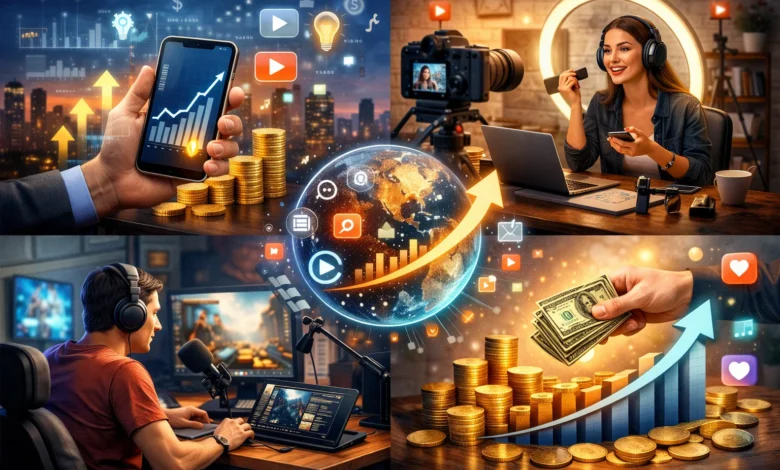
The creator economy is rapidly transforming how content is produced, distributed, and consumed. This article explores how 2024 presents a unique opportunity for investors to capitalize on the rise of the creator economy, examining various investment strategies, potential risks, and future trends.
Why the Creator Economy is the Next Big Investment Frontier

Definition and Scope of the Creator Economy
The creator economy encompasses individuals, often called content creators or influencers, who leverage their creative skills to build an online presence and monetize their content. This ecosystem includes platforms like YouTube, TikTok, and Patreon, as well as the tools and services that help creators grow and manage their businesses. Investing in the creator economy is a bet on the future of digital content creation and distribution.
Growth Statistics and Market Potential
The creator economy is booming, with estimates suggesting there are over 100 million creators globally. The market potential is immense, driven by increasing demand for niche content and innovative monetization strategies.
Early-stage VC firms and venture capitalists are increasingly focused on creator economy startups, recognizing the opportunity to invest in companies that leverage this burgeoning market and offer new business directly to creators.
Why Investors Are Paying Attention Now
Investors are paying attention to the creator economy due to its high-growth potential and the shift in power dynamics from traditional media to individual creators.
The next wave of innovation is being driven by creator-led businesses. Platforms like YouTube and tools like SaaS solutions are enabling creators to build sustainable revenue streams. This is attracting attention from early-stage venture firms like Slow Ventures.
Understanding the Revenue Streams in the Creator Economy
Content Monetization: Ads, Sponsorships, and Brand Deals
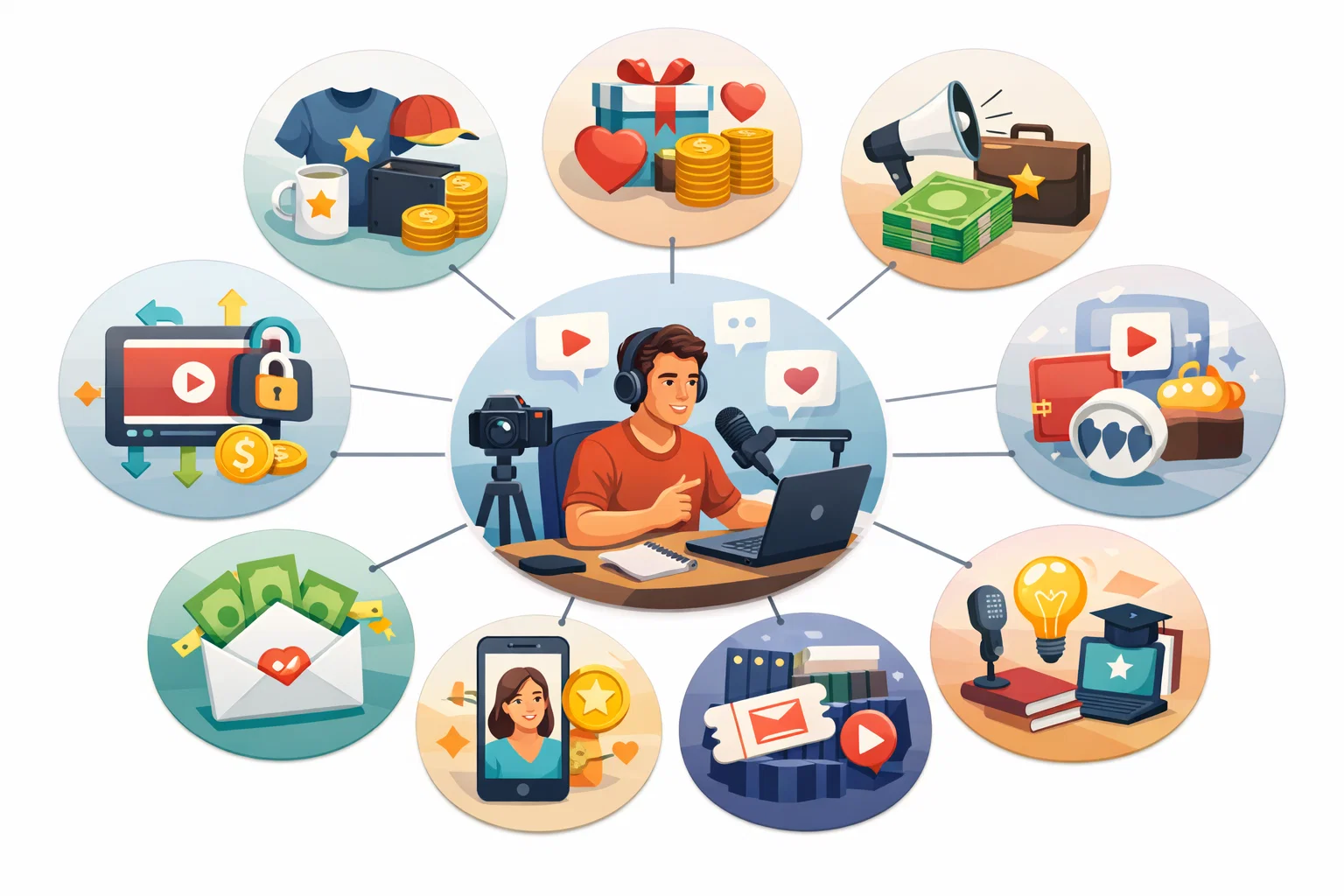
Content creators often monetize their content through various avenues, including ads displayed on platforms like YouTube, sponsorships, and brand deals.
Influencer marketing has become a significant revenue stream, with brands collaborating with influencers to reach their target audiences. These brand deals enable creators to monetize their online presence and creator relationships, which in turn attracts creator economy startups.
Subscription and Membership Models (Patreon, Substack, OnlyFans)
Subscription and membership models, such as those offered by Patreon, Substack, and OnlyFans, provide creators with a consistent revenue stream directly from their fans.
These platforms allow creators to build deeper relationships with their audience and offer exclusive content in exchange for recurring payments. The success of these platforms highlights the growing demand for direct support of creative work and enables creators to build.
Digital Products: Courses, NFTs, and Merchandise
Creators are increasingly diversifying their revenue streams by selling digital products such as courses, NFTs, and merchandise. Online courses allow creators to monetize their expertise, while NFTs and fan tokens offer new ways to engage with their audience and build brand loyalty.
E-commerce ventures enable creators to go into full-fledged businesses and grow their revenue streams beyond content creation. Investing in the creator economy therefore demands recognizing the multiple levels of monetization.
Top Investment Opportunities
Creator Platforms and SaaS Tools
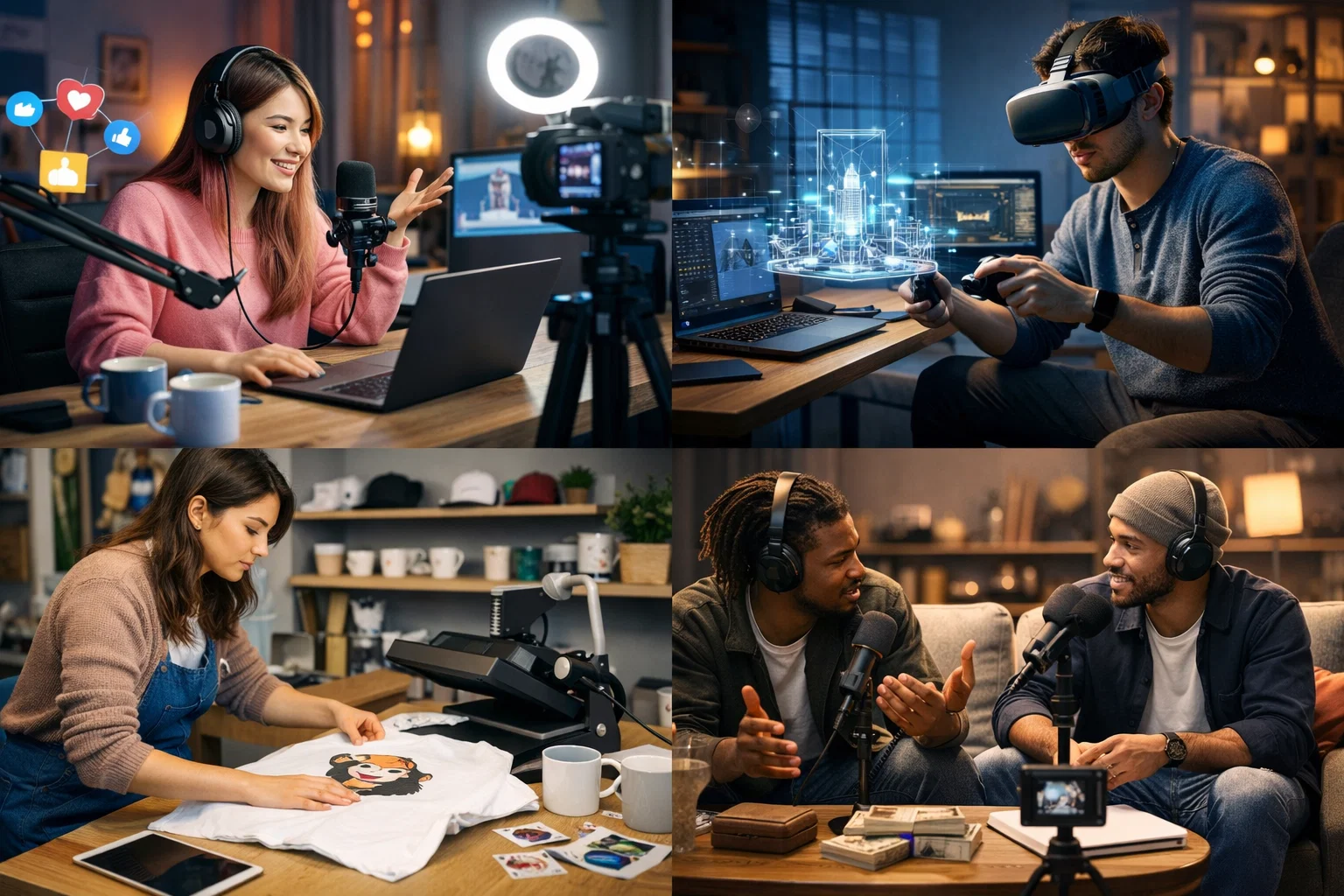
One of the most promising areas for investment within the creator economy is in creator platforms and SaaS tools. These are the platforms and tools that help creators manage their content, engage with their audience, and monetize their work. Investing in innovative platforms and tools like these means backing startups that directly support content creation and the creator-led businesses within the creator economy.
Venture Capital in Creator-Focused Startups
Venture capital is increasingly flowing into creator-focused startups. Early-stage VC firms are actively seeking startups that leverage the creator economy, recognizing the potential for high growth. This includes backing startups that provide services such as content management, analytics, and monetization solutions. Venture capitalists understand that backing startups is a bet on the future of the creator economy and content creator success.
NFTs, Fan Tokens, and Fractional Creator Ownership
NFTs, fan tokens, and fractional creator ownership represent new and exciting investment opportunities within the creator economy. Blockchain technology enables creators to monetize their content and connect with their audience in novel ways. Investing in these digital assets and platforms that support them allows investors to leverage the growing interest in digital ownership and creator relationships. Investing in innovative blockchain solutions shows the rise of the creator economy.
E-Commerce and Merchandising Ventures for Creators
E-commerce and merchandising ventures offer another avenue for investment in the creator economy. Many creators are expanding their brand by launching their own product lines and selling merchandise directly to their fans. Investing in these ventures means supporting creators to build full-fledged businesses and further diversify their revenue streams. Such creator-led businesses are attracting significant attention from investors in 2024.
Risks and Challenges of Investing in the Creator Economy
Platform Dependency and Algorithm Risks
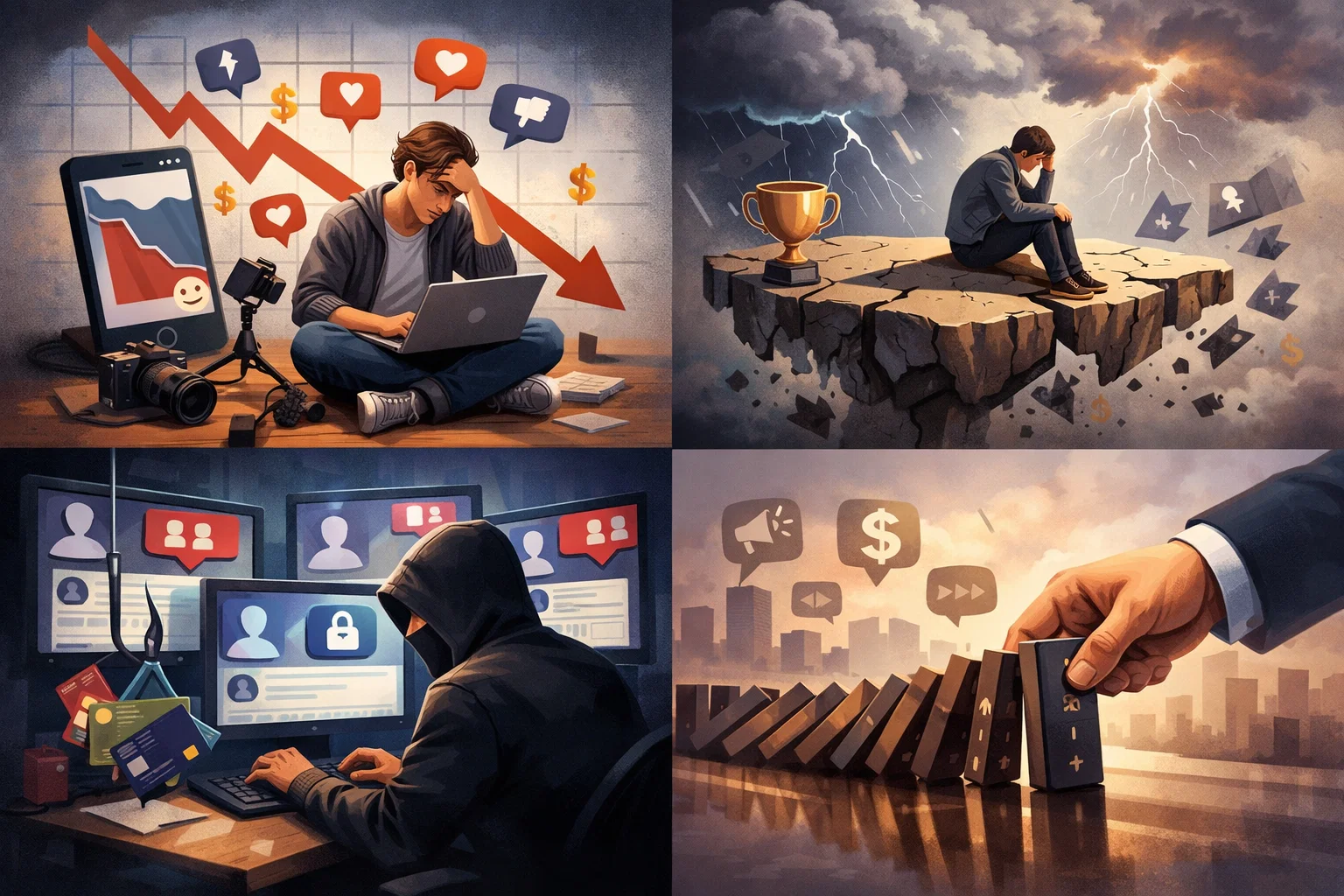
Platform dependency is a significant risk for creators and investors alike. Content creators are often reliant on platforms like YouTube and TikTok for their audience reach and revenue; changes to platform algorithms can impact their visibility and income. Investors need to be aware of these platform risks and consider the potential impact on their investments within the creator economy.
Income Volatility and Market Saturation
Income volatility is another challenge in the creator economy. The income of content creators can fluctuate based on factors such as audience engagement, ad rates, and sponsorship opportunities. Market saturation is also a concern, as the growing number of creators competing for audience attention may impact the earning potential for the million creators. Investing in the creator economy needs to be analyzed.
Regulatory Changes Impacting Digital Content Monetization
Regulatory changes pose a risk to the digital content monetization landscape. New laws and regulations regarding data privacy, advertising, and content moderation can impact the ability of creators and platforms to monetize their content effectively. Investors must stay informed about these regulatory developments and assess their potential impact on the creator economy as a whole. Content creators may face new challenges from these changes.
Trends Shaping the Future of the Creator Economy
AI-Powered Content Creation Tools
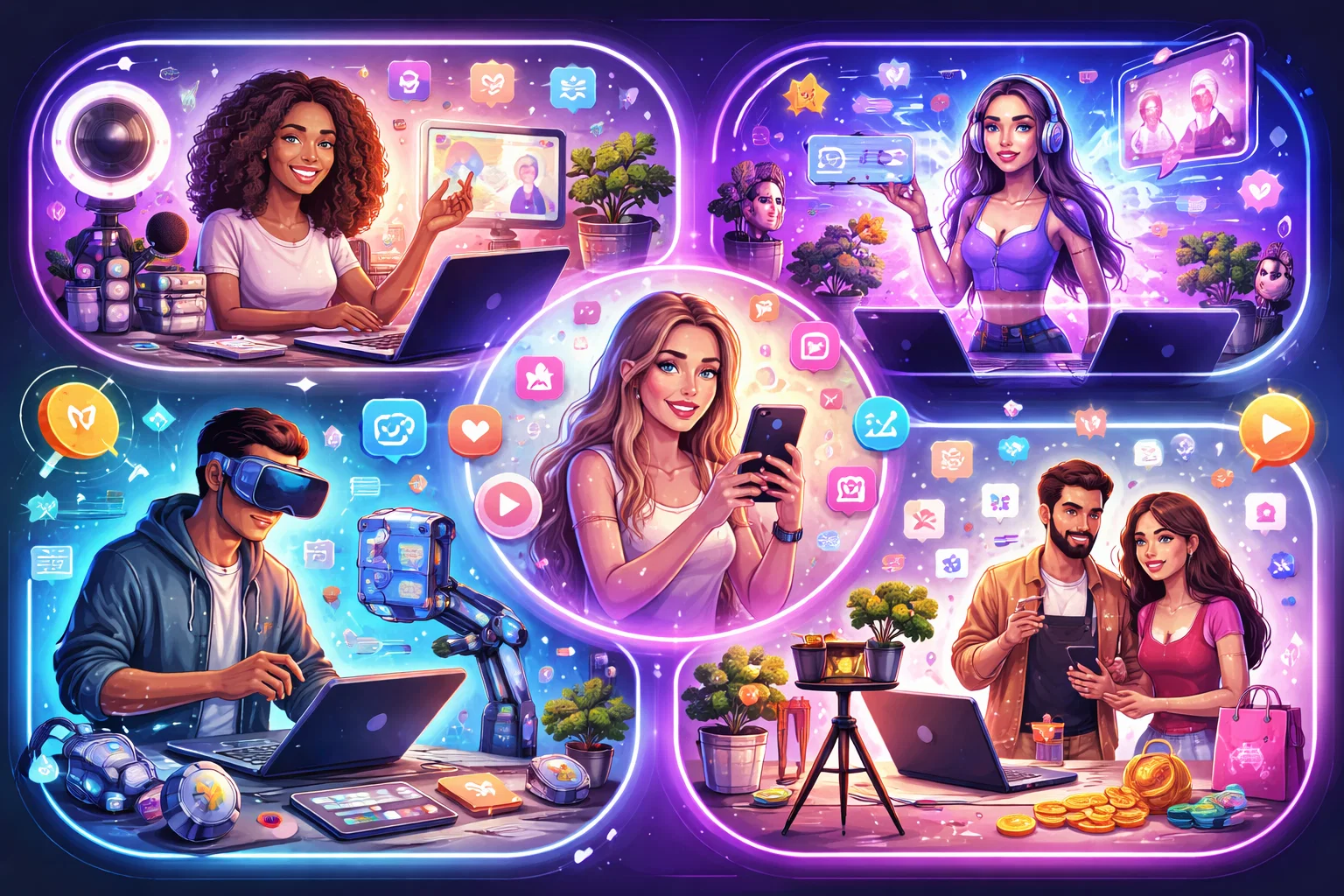
AI-powered content creation tools are poised to revolutionize the creator economy in 2024. These tools leverage artificial intelligence to help creators generate content more efficiently, from writing scripts to editing videos, and automating tasks.
Investors are closely watching startups that leverage AI to empower content creators. These AI-driven solutions may help creators to monetize content more effectively by increasing their output and reaching a wider audience, enhancing the return on investment.
Micro-Communities and Niche Audiences
The rise of micro-communities and niche audiences is transforming how creators connect with their fans and drive influencer marketing. These smaller, more engaged communities allow content creators to build stronger relationships and monetize their content directly.
Smart investors are identifying and supporting platforms that facilitate the growth of these niche communities and enable creators to tailor content and monetization strategies to specific interests. Platforms like this show the rise of creator relationships.
Global Expansion and Cross-Border Monetization
The creator economy is expanding globally, presenting new opportunities for creators to monetize their content across borders. Platforms and tools that support cross-border payments, language translation, and localized content are becoming increasingly valuable for investment.
Early-stage VC firms are looking at startups that leverage global reach to help content creators tap into new markets and diversify their revenue streams. Investing in the creator economy needs a global presence.
Creator-Led E-Commerce and Direct-to-Fan Models
The increasing trend of creator-led e-commerce and direct-to-fan models is reshaping the way creators monetize their content. Creators are launching their own online stores and selling merchandise directly to their audience, cutting out intermediaries.
Venture capitalists are focusing on startups that enable creators to build and manage their e-commerce ventures and strengthen their direct creator relationships. This allows them to retain a larger share of the revenue and engage more directly with their fans through influencer marketing.
How to Approach Investing Strategically
Diversifying Across Platforms and Revenue Streams
Diversifying across platforms and revenue streams is crucial for investors in the creator economy. Rather than focusing solely on one platform or monetization method, investors should spread their bets across a range of content creators and platforms to mitigate risks.
This includes investing in startups that support various revenue models, such as subscriptions, e-commerce, and brand deals, ensuring a resilient portfolio in this dynamic ecosystem.
Performing Due Diligence on Platforms and Startups
Performing thorough due diligence on platforms and startups is essential before making an investment in the creator economy. Investors should assess the platform’s user base, engagement metrics, and monetization potential.
Furthermore, it’s important to evaluate the startup’s team, business model, and competitive landscape. Solid due diligence ensures that investments are grounded in solid fundamentals and have a higher likelihood of success. Smart investing in the creator economy is safer.
Taking a Long-Term Perspective and Monitoring Trends
Taking a long-term perspective and monitoring trends is vital for success in the creator economy. The space is constantly evolving, with new platforms, tools, and monetization strategies emerging regularly. Investors need to stay informed about these trends and adapt their strategies accordingly. Early-stage venture firms should also be prepared to hold their investments for the long term, allowing time for creators and platforms to grow and mature.
Case Studies: Successful Investments in the Creator Economy
Platform Success Stories (e.g., YouTube, Patreon, Shopify Tools)
Several platform success stories illustrate the potential of the creator economy. Analyzing these success stories provides insights for future investments in the creator economy for creators to build full-fledged businesses.
| Platform | Monetization Method |
|---|---|
| YouTube | Ads and sponsorships |
| Patreon | Membership models |
| Shopify | E-commerce ventures |
Individual Creator Growth Stories with Investment Potential
Individual creator growth stories also offer valuable lessons for investors. Creators who have successfully built a large audience and diversified their revenue streams provide an example. Investors can learn from their strategies and business models to identify creators with high-growth potential and support related startups.
| Creator Revenue Streams (Examples) | Investor Insights |
|---|---|
| Brand Deals | Identify high-growth potential creators. |
| Merchandise Sales | Back startups that support creator growth. |
| Online Courses |
Individual creators also leverage platforms.
Conclusion: Positioning Yourself to Profit in the Creator Economy
Positioning yourself to profit in the creator economy requires a strategic approach that considers the various investment opportunities, risks, and trends shaping the landscape. By diversifying across platforms and revenue streams, performing thorough due diligence, and taking a long-term perspective, investors can capitalize on the growth of the creator economy. The next wave of innovation is being driven by creator relationships.