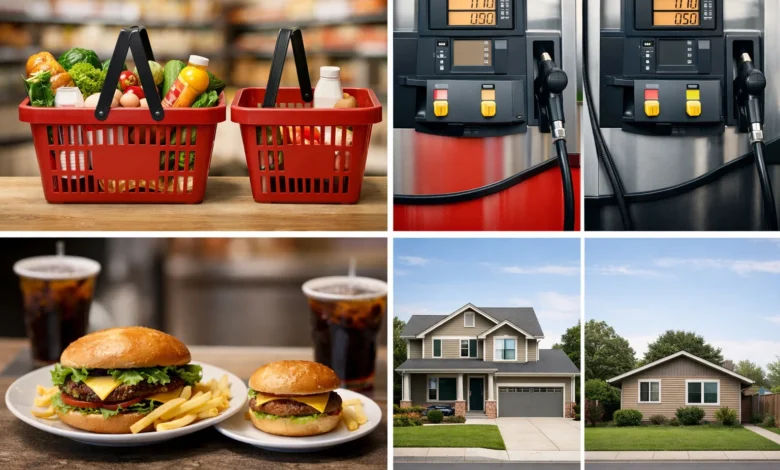
Inflation is more than just an economic term; it’s a force that quietly reshapes our daily lives. This article explores the multifaceted ways inflation affects our spending, saving, and overall financial well-being, offering insights into managing your money in these challenging times.
Why Inflation Matters More Than You Think
What Most People Don’t Understand About Rising Prices
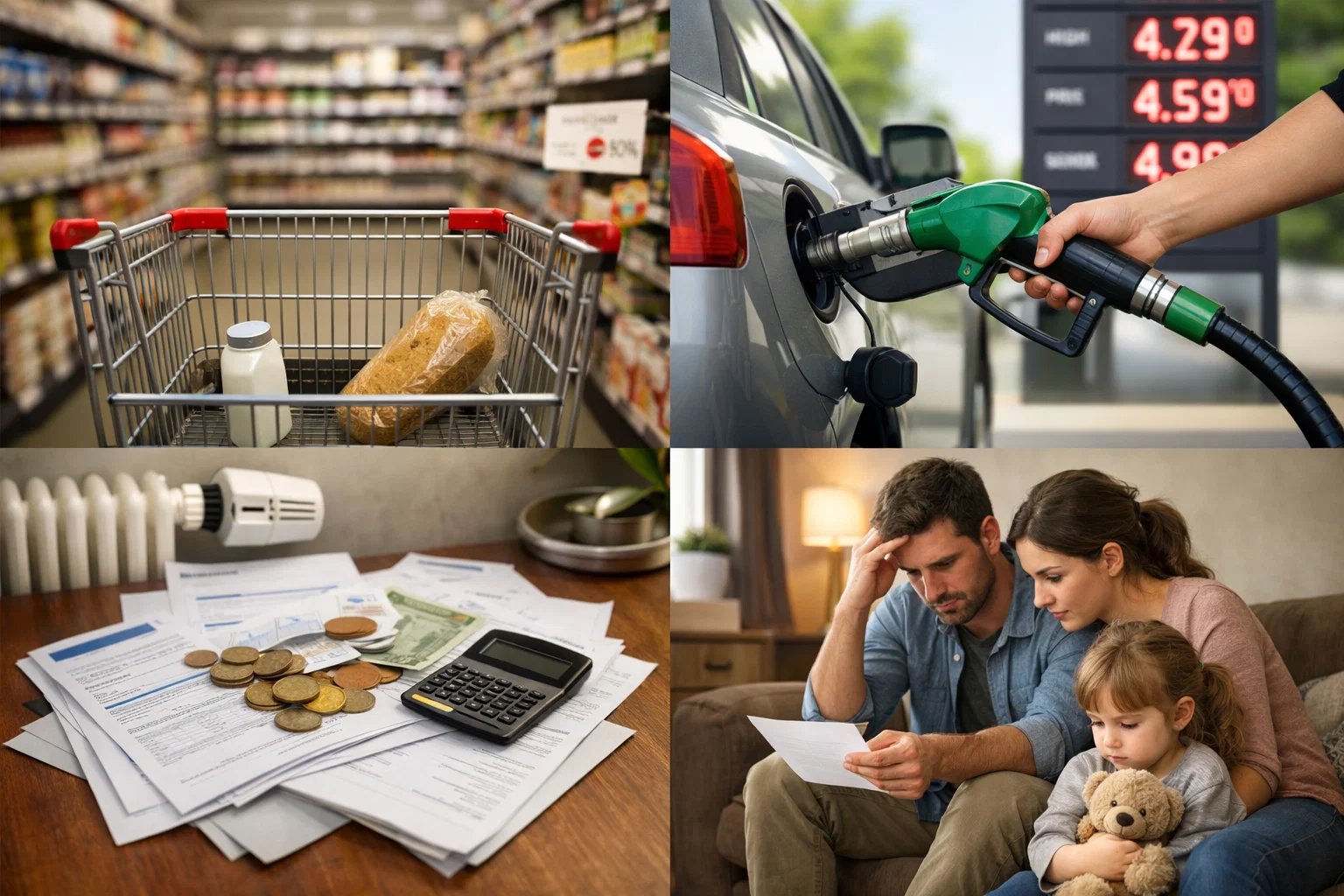
Many people underestimate how seemingly small price increases accumulate, significantly impacting their budgets. This lack of understanding can lead to poor financial decisions and a diminished standard of living over time, as inflation erodes purchasing power.
How Inflation Quietly Impacts Your Daily Life
Inflation subtly but surely affects various aspects of daily life, from grocery bills to transportation costs. As prices rise, your income stretches less, influencing decisions about spending, saving, and investment. The effects of inflation are pervasive.
What Is Inflation? A Simple Explanation for Everyone
Basic Definition of Inflation in Real-World Terms
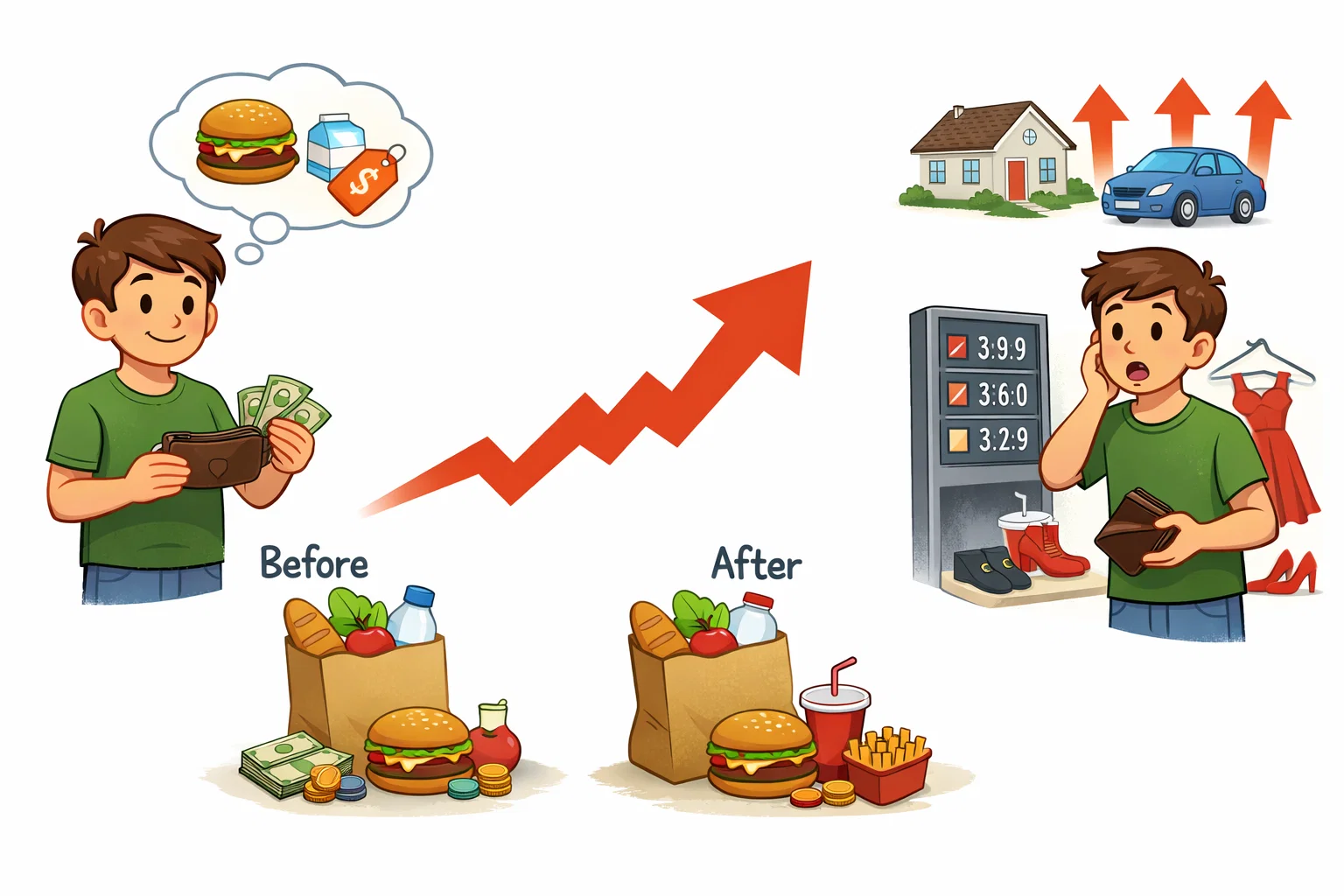
Inflation is the rate at which the general level of prices for goods and services is rising, and subsequently, purchasing power is falling. It is often measured using a consumer price index (CPI) to track price changes.
Inflation vs Cost of Living: Key Differences
While both relate to expenses, inflation refers specifically to the rate of increase in prices of goods and services over time. The cost of living, however, encompasses the total expenses required to maintain a certain standard of living in a given area.
Why Small Price Increases Add Up Over Time
Even small, incremental price increases can compound significantly over months and years. This cumulative effect gradually diminishes the value of your money, affecting long-term savings and investments. Understanding this is crucial for financial planning.
The Main Causes of Inflation in Modern Economies
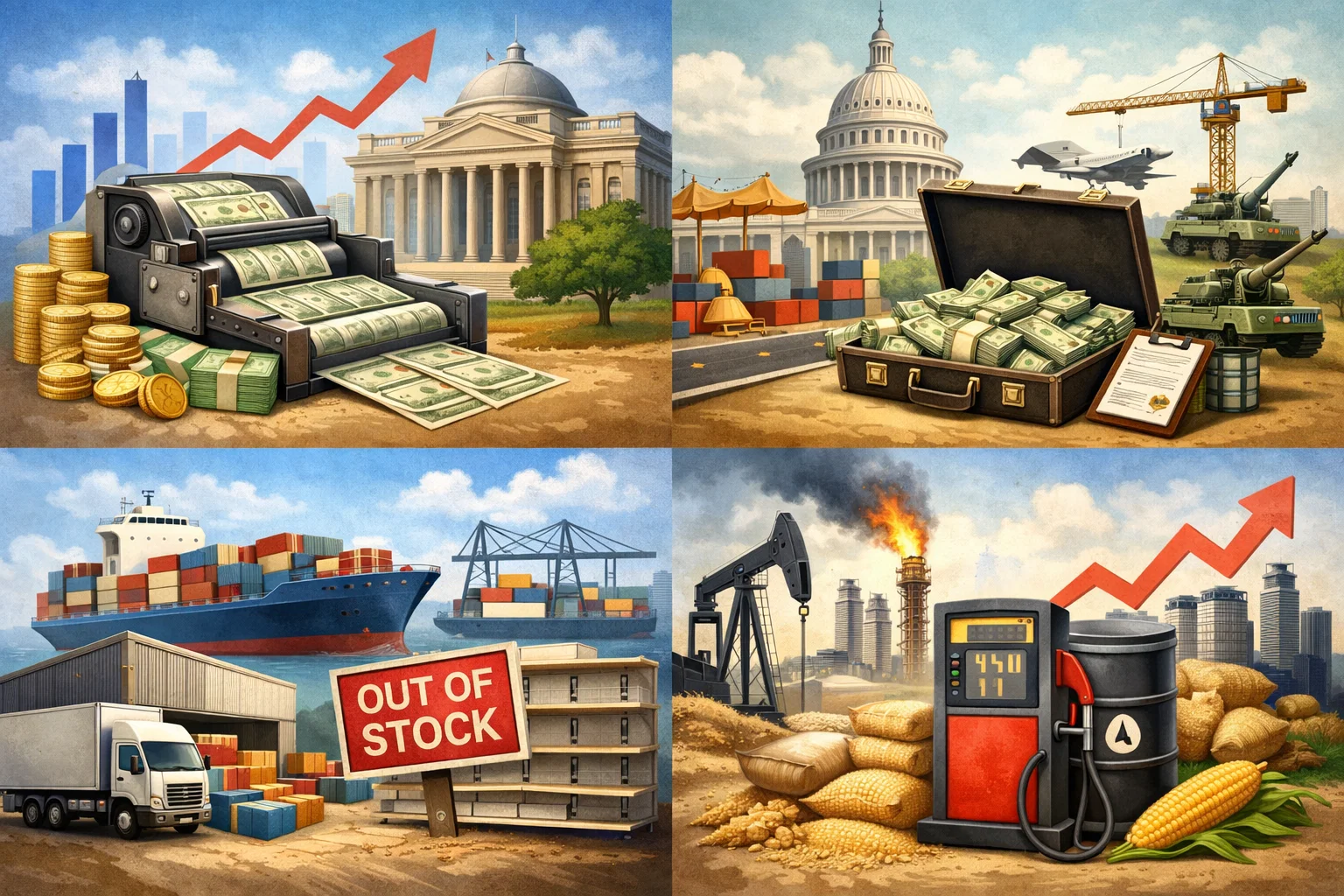
Demand-Pull Inflation: When Demand Exceeds Supply
Demand-pull inflation occurs when there is an increase in aggregate demand for goods and services that outpaces the available supply. This excess demand allows businesses to raise prices, leading to an overall increase in prices.
Cost-Push Inflation: Rising Production Costs
Cost-push inflation happens when the costs of production, such as wages and raw materials, increase. Businesses then pass these higher costs onto consumers in the form of higher prices, contributing to rising inflation and impacting household budgets.
Monetary Expansion and Currency Value Decline
When the money supply in an economy expands too rapidly, the value of each unit of currency declines. This monetary expansion results in more money chasing the same amount of goods and services, leading to inflation and impacting purchasing power.
Global Supply Chain Disruptions and Their Effects
Disruptions in the global supply chain can lead to shortages of goods and services, causing prices to rise. These disruptions, whether due to natural disasters or geopolitical events, can significantly contribute to inflationary pressures and affect households.
How Inflation Impacts Your Everyday Expenses
Rising Food Prices and Grocery Bills
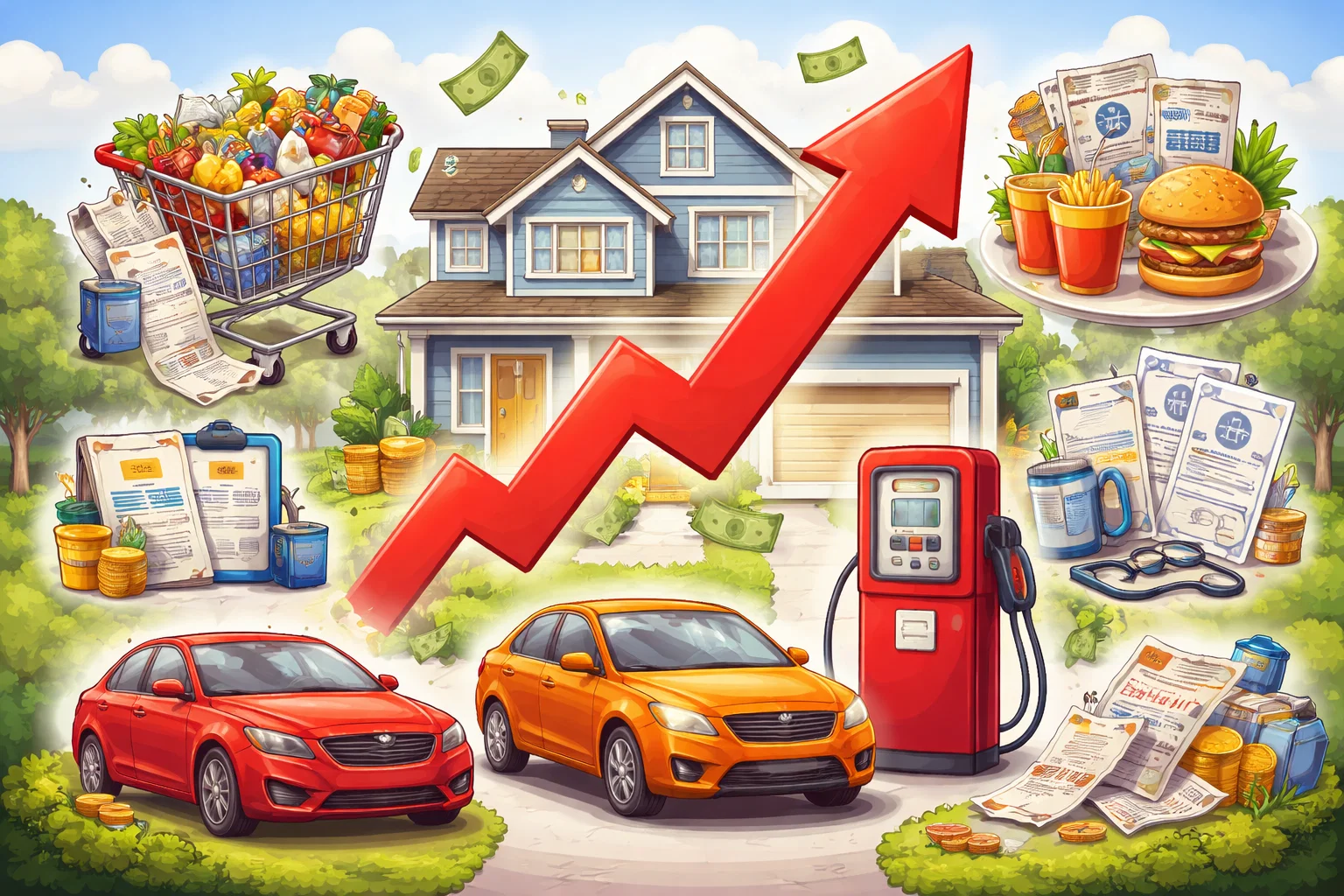
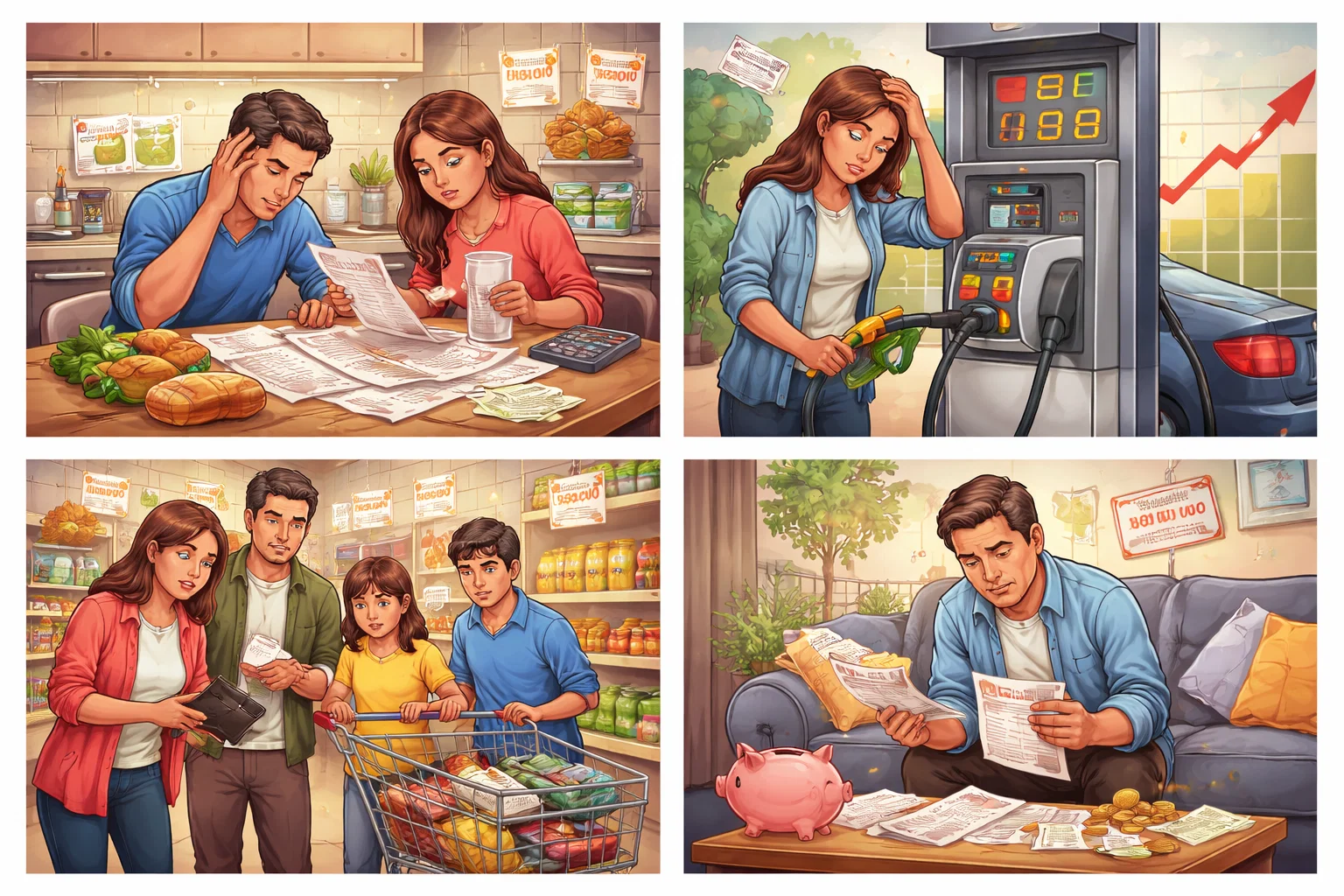
One of the most noticeable effects of inflation is the increase in food prices. As inflation rises, households find their grocery bills increasing, requiring them to make tough choices about what they can afford, impacting their standard of living.
Transportation and Fuel Cost Increases
Transportation costs, particularly fuel prices, are significantly affected by inflation. Higher fuel costs translate to increased expenses for commuting, travel, and the transportation of goods, affecting overall household budgets and inflationary expectations.
Housing, Rent, and Mortgage Pressure
Inflation puts upward pressure on housing costs, including rent and mortgage payments. As the cost of living increases, housing becomes less affordable, affecting both renters and homeowners, especially those on fixed incomes or with high mortgages.
Healthcare and Education Cost Growth
Healthcare and education costs often rise faster than the general inflation rate. This disproportionate increase can strain household budgets, making essential services less accessible and impacting long-term financial security, particularly for middle-class families.
Utilities and Household Bills
Inflation affects utility costs such as electricity, gas, and water. As prices rise, households face higher bills, impacting their monthly expenses and reducing disposable income. Managing these costs becomes crucial during periods of rising inflation.
How Inflation Reduces Your Purchasing Power
As inflation rises, the same amount of money buys fewer goods and services. This erosion of purchasing power affects everything from groceries to healthcare, impacting living standards. Understanding this decline is key to adapting financially.
The Hidden Loss of Money Value in Savings
Savings accounts can lose real value during periods of high inflation if the interest earned is lower than the inflation rate. This means your savings aren’t just sitting still; they’re effectively decreasing in what they can buy. This is why it’s important to consider investment options that outpace inflation.
Real-Life Example of Purchasing Power Decline
Imagine a loaf of bread cost $3 last year and now it costs $3.30. This reflects a 10% increase in price due to inflation. If your income stayed the same, you can now buy one less loaf of bread for every ten loaves you used to purchase.
Inflation and Your Income: Why Wages Don’t Always Keep Up
Wage Growth vs Inflation Rate Gap
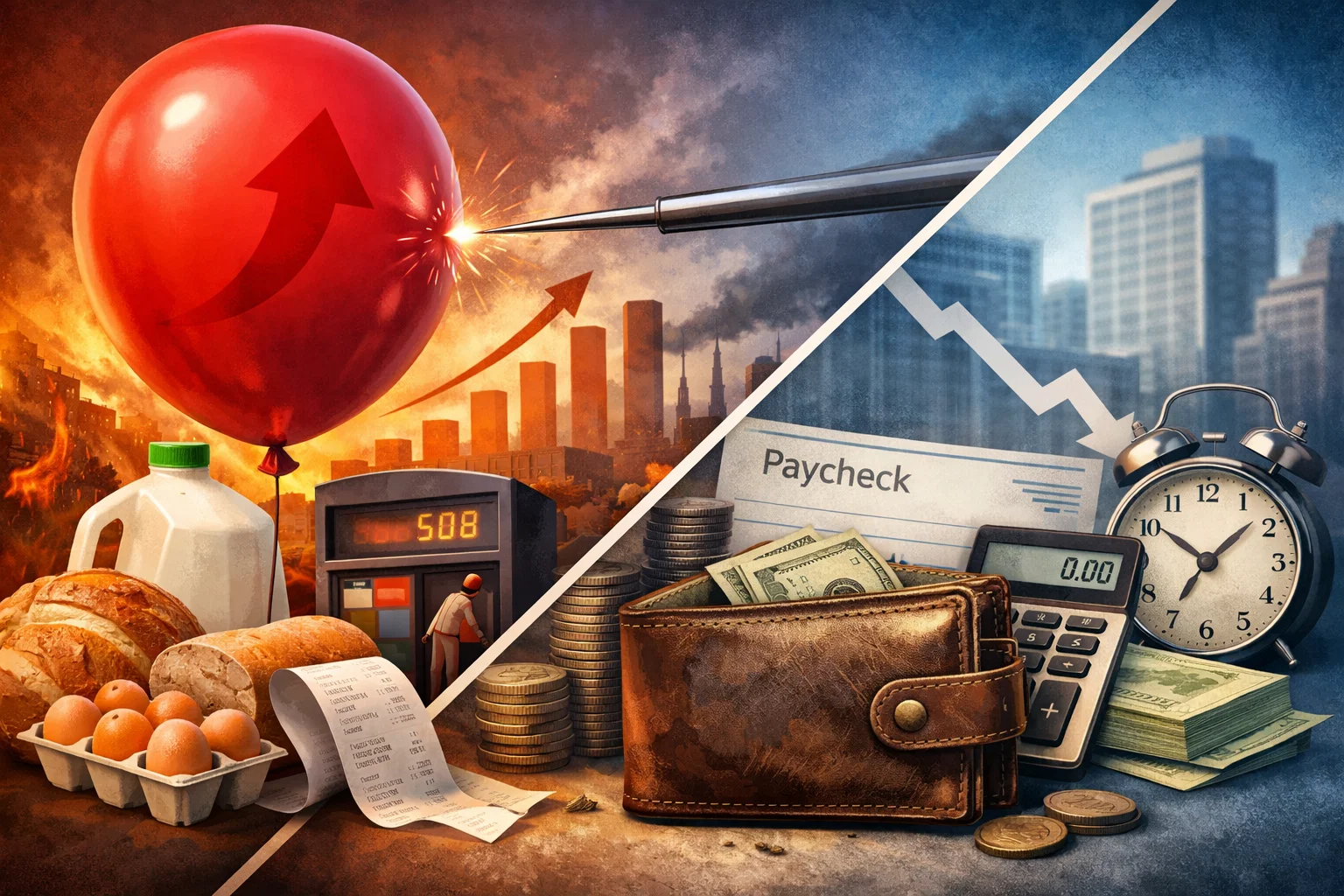
Often, wage growth doesn’t keep pace with the rate of inflation. This lag can lead to a decrease in real income, meaning your paycheck buys less than it did before. This discrepancy is a critical factor affecting household financial stability.
Why Some Jobs Fall Behind Faster Than Others
Some jobs, particularly those in sectors with less bargaining power or lower demand, see wages stagnate even as the cost of living rises. These workers feel the pinch of inflation more acutely, as their income doesn’t adjust to compensate for rising prices.
The Impact on Middle-Class and Fixed-Income Households
Middle-class and fixed-income households are particularly vulnerable to the impact of inflation because their incomes may not increase as quickly as the prices of essential goods and services. This can lead to financial strain and a need to adjust spending habits.
How Inflation Affects Saving, Investing, and Debt
Savings Accounts Losing Real Value
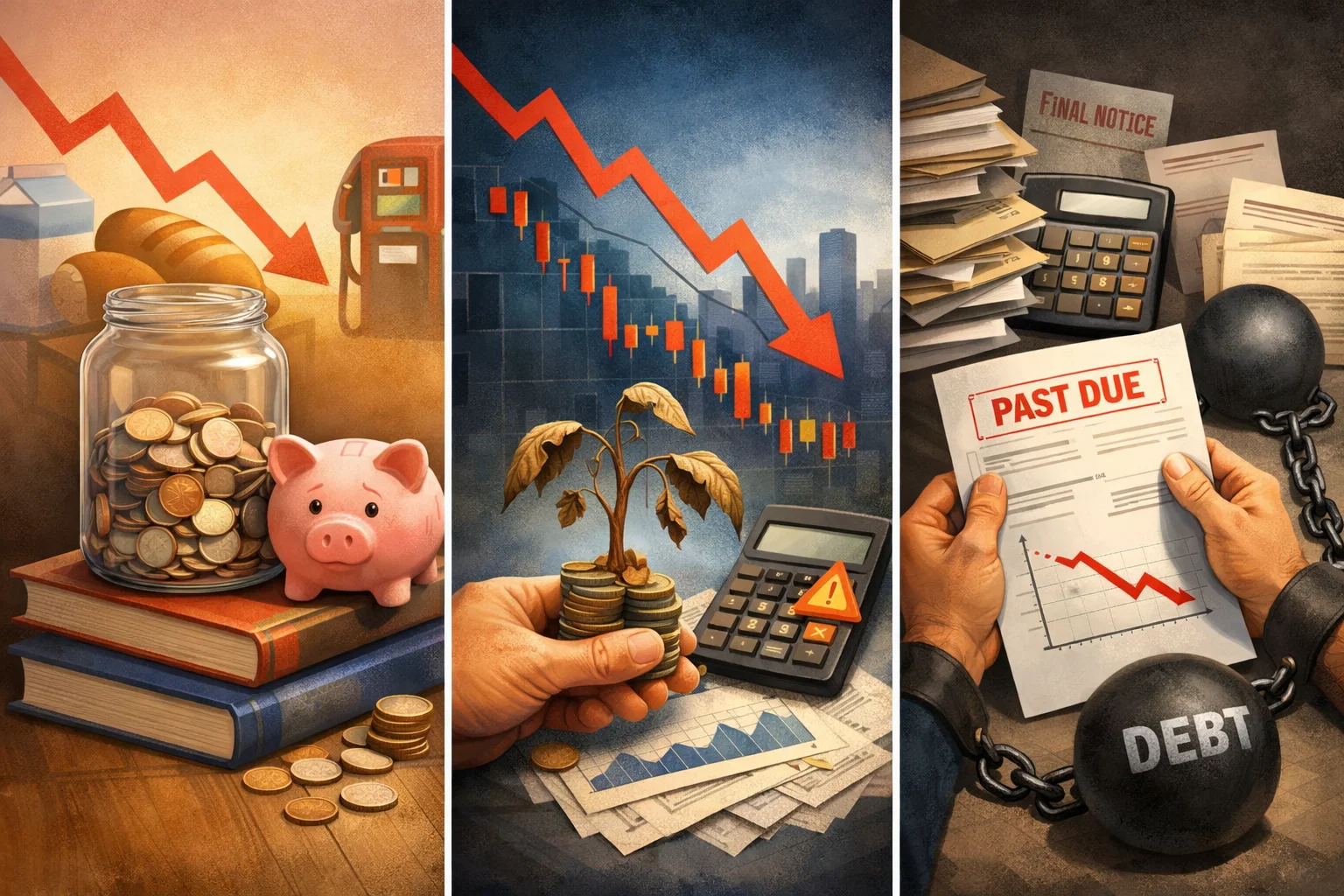
During periods of high inflation, traditional savings accounts may not offer enough interest to outpace the rising prices. This means the real value of your savings decreases over time, making it harder to achieve long-term financial goals.
How Inflation Impacts Loans and Credit
While inflation can erode the real value of debt, making it easier to pay back fixed-rate loans, it also leads to higher interest rates on new loans. This can make borrowing more expensive, affecting decisions about mortgages, car loans, and credit card usage.
Why Investing Becomes Essential During Inflation
Investing becomes crucial during periods of inflation to preserve and grow your wealth. Investing in assets that outpace inflation can help maintain your purchasing power and secure your financial future.
Safe vs Risky Assets in Inflationary Times
During inflationary times, investors often seek assets that can withstand inflation, such as real estate, commodities, or inflation-indexed securities. Balancing risk and potential returns is key, as some traditionally “safe” assets may not keep up with inflation.
The Psychological Impact of Inflation on Everyday Life
Financial Stress and Anxiety in Households
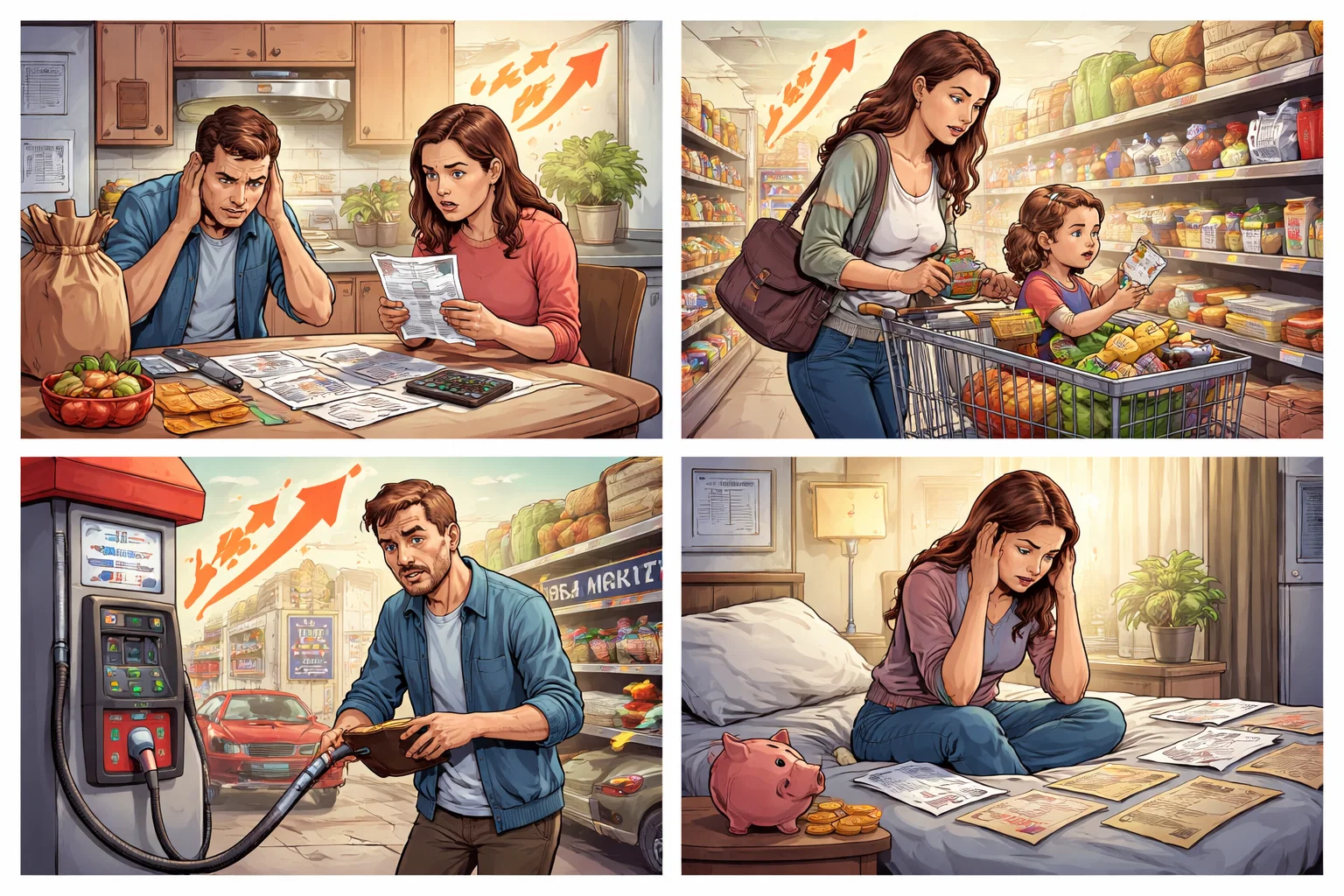
The constant rise in prices can lead to increased financial stress and anxiety in households. The feeling of being able to afford less can impact mental health and overall well-being, leading to difficult decisions about spending and saving.
Changing Spending Habits and Lifestyle Cuts
As inflation rises, many people adjust their spending habits and make lifestyle cuts to manage their budgets. This might include reducing dining out, entertainment, or travel, affecting overall quality of life and consumer spending patterns.
Consumer Behavior Shifts Toward Budgeting and Discounts
High inflation often leads to a shift in consumer behavior towards more careful budgeting and seeking out discounts. People become more price-sensitive, looking for deals and promotions to stretch their money further. This affects the retail sector.
Inflation Across Different Social Groups

Impact on Low-Income Households
Low-income households are disproportionately affected by inflation because a larger portion of their income is spent on essential goods and services like food and housing. Rising prices can push these households further into poverty, exacerbating economic inequality.
Effects on Middle-Class Families
Middle-class families often find their financial stability threatened by inflation, as they may not qualify for assistance programs but still struggle to maintain their living standards. This can lead to increased debt and reduced savings among middle-income households.
How Wealthy Individuals Are Less Affected
Wealthy individuals are generally less vulnerable to inflation because they have a larger cushion of assets and income to absorb rising prices. Their investments can also outpace inflation, preserving their wealth even during economic downturns.
Real-World Examples of Inflation in Daily Life
Supermarket Price Changes Over Time
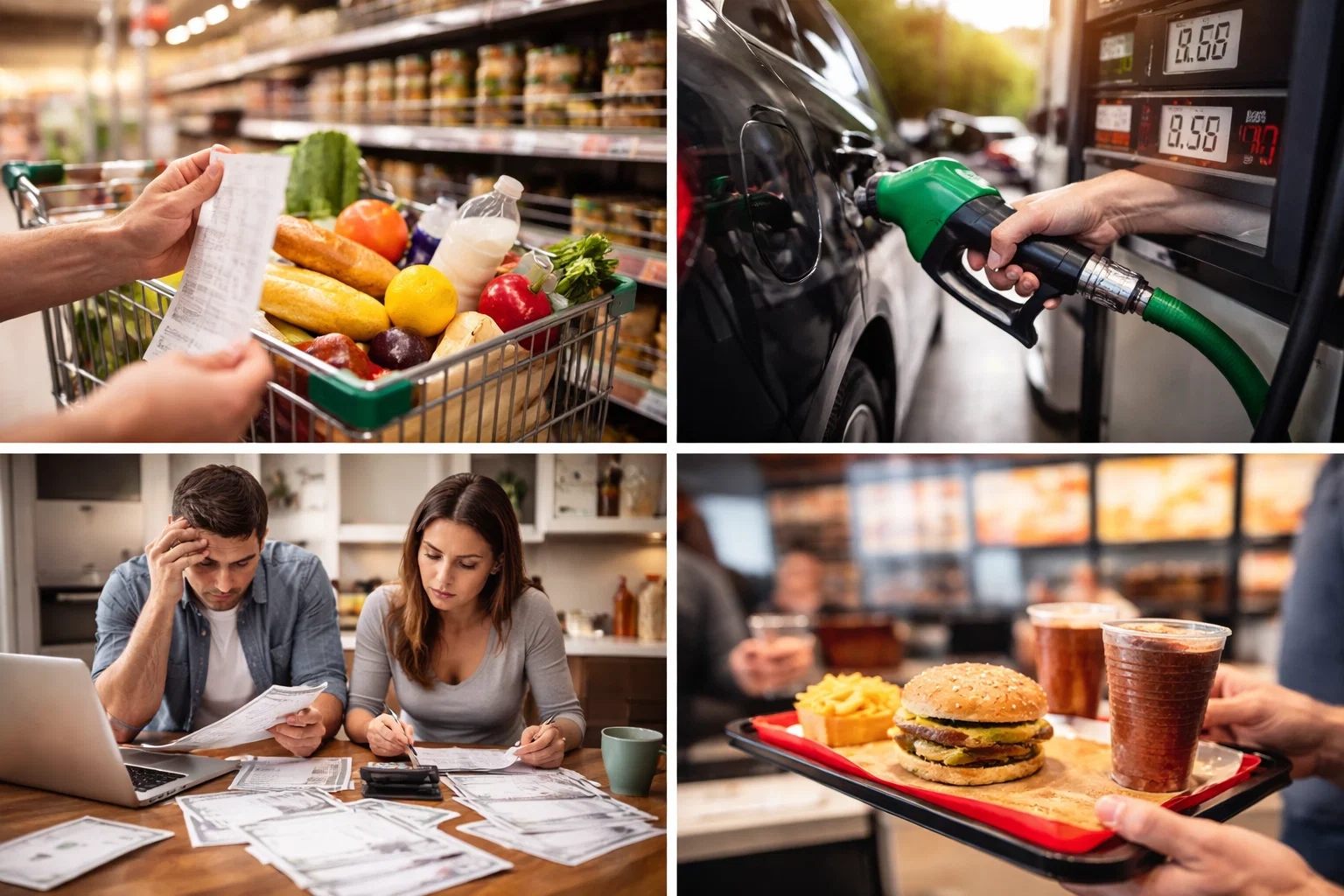
One of the most visible examples of inflation can be seen in supermarket price changes over time. Essential goods and services gradually become more expensive, impacting the average household’s grocery bills. Monitoring these price increases can give a tangible sense of the effects of inflation on your wallet and standard of living.
Housing Rent Increases in Cities
In urban areas, housing rent increases often outpace the average inflation rate, squeezing household budgets. As demand for housing grows, rising prices make it difficult for many individuals and families to afford decent living conditions. The impact of rising prices affects renters, especially those on fixed incomes, significantly.
Transportation and Fuel Price Cycles
Transportation and fuel price cycles are closely tied to inflationary pressures. The price of goods and services can increase with the rise in prices of gasoline and other transportation costs. This impacts not just commuters but also the cost of transporting goods, contributing to the overall increase in prices across various sectors.
How Governments and Central Banks Control Inflation
Interest Rate Policies Explained Simply
Central banks, like the Federal Reserve, use interest rate policies to control inflation. Raising interest rates makes borrowing more expensive, which reduces spending and investment, helping to cool down an overheating economy and curb rising prices. These policies are a key tool in managing inflation expectations.
Role of Central Banks in Stabilizing Prices
The primary role of central banks is to stabilize prices by managing the money supply and setting interest rates. By carefully adjusting monetary policy, these institutions aim to keep inflation at a target rate, promoting economic stability and maintaining the purchasing power of the currency. This is a critical aspect of monetary policy.
Fiscal Policy and Government Spending Impact
Government spending and fiscal policy also play a significant role in managing inflation. Increased government spending can stimulate demand, potentially leading to inflation, while tax policies can influence consumer spending and investment. Coordinating fiscal and monetary policy is crucial for controlling inflation impacts effectively.
How to Protect Yourself From Inflation
Smart Budgeting Strategies for Families
Smart budgeting is essential to protect your household from the effects of inflation. By carefully tracking expenses, prioritizing needs over wants, and seeking out deals, families can mitigate the impact of rising prices. This approach helps maintain a reasonable standard of living even during periods of high or rising inflation.
Building Multiple Income Streams
Creating multiple income streams can provide a buffer against the erosion of purchasing power due to inflation. Diversifying income sources, such as through part-time jobs or investments, ensures a more stable financial foundation, especially during inflationary periods. This strategy can help counteract the effects of inflation impact on fixed incomes.
Investing in Inflation-Resistant Assets
Investing in assets that tend to hold or increase their value during inflationary times can be a smart strategy. Real estate, commodities, and inflation-indexed securities are examples of assets that may act as a hedge against inflation. These investments can help preserve and potentially grow your wealth despite rising prices.
Reducing Unnecessary Expenses Without Sacrificing Quality
Another way to protect yourself from the impacts of high inflation is to reduce unnecessary expenses without sacrificing quality. By finding cost-effective alternatives and cutting back on non-essential spending, you can free up more of your income to cover rising prices of necessities. This approach helps maintain financial stability.
Common Myths About Inflation
“Inflation Only Affects Poor Countries”
One common myth is that “inflation only affects poor countries.” However, inflation can affect any economy, regardless of its wealth. While the impact of inflation might be felt more acutely in less developed nations, all countries must manage inflation to maintain economic stability and the purchasing power of their currency.
“Inflation Is Always Bad”
The idea that “inflation is always bad” is another misconception. A small amount of inflation is normal and can indicate a healthy, growing economy. However, high rates of inflation or hyperinflation can be detrimental, eroding savings and creating economic instability. The impacts of rising inflation is closely tied to economic impacts.
“Prices Will Always Go Back Down”
The notion that “prices will always go back down” is often untrue. While some prices may decrease temporarily, overall, the general trend is that prices tend to rise over time due to inflation. Expecting prices to revert to previous levels can lead to poor financial planning and a misunderstanding of long-term economic trends.
Future Outlook: Will Inflation Get Worse or Stabilize?
Global Economic Trends Affecting Inflation
Several global economic trends could affect future inflation. Factors like supply chain disruptions, geopolitical events, and changes in monetary policy can influence the rate of inflation. Monitoring these trends is essential for anticipating potential impacts on the cost of living and the price of goods and services.
Technology’s Role in Reducing Costs
Technology plays a role in potentially reducing costs and mitigating some inflationary pressures. Automation, increased efficiency, and e-commerce can help lower production and distribution costs, potentially leading to lower prices for consumers. The effects of inflation could be reduced with the rise in technology for goods and services over time.