



Chronic fatigue can be a debilitating condition, impacting every aspect of daily life. While many factors can contribute to fatigue, emerging research highlights a significant connection between inflammation and chronic fatigue.
This article explores this hidden link, providing insights and strategies to help you regain control of your energy and well-being.
Understanding Chronic Fatigue: More Than Just Tiredness


What Chronic Fatigue Really Means
Chronic fatigue is more than just feeling tired. It’s a complex medical condition known as myalgic encephalomyelitis/chronic fatigue syndrome. Patients with chronic fatigue syndrome experience persistent and profound fatigue that doesn’t improve with rest. This syndrome significantly impacts their ability to perform daily activities.
Common Symptoms and How It Differs from Normal Tiredness
Beyond persistent fatigue, chronic fatigue syndrome presents a range of symptoms, including cognitive dysfunction (brain fog), muscle and joint pain, sleep disturbances, and post-exertional malaise. Unlike normal tiredness, these symptoms are unrelenting and significantly impair an individual’s functionality and quality of life.
Prevalence and Who Is Most Affected
Chronic fatigue syndrome affects millions worldwide, with women being more susceptible. While it can occur at any age, it’s most commonly diagnosed in individuals between their 40s and 50s. The condition impacts various aspects of life, from work and relationships to overall well-being.
What Is Inflammation and How It Impacts the Body
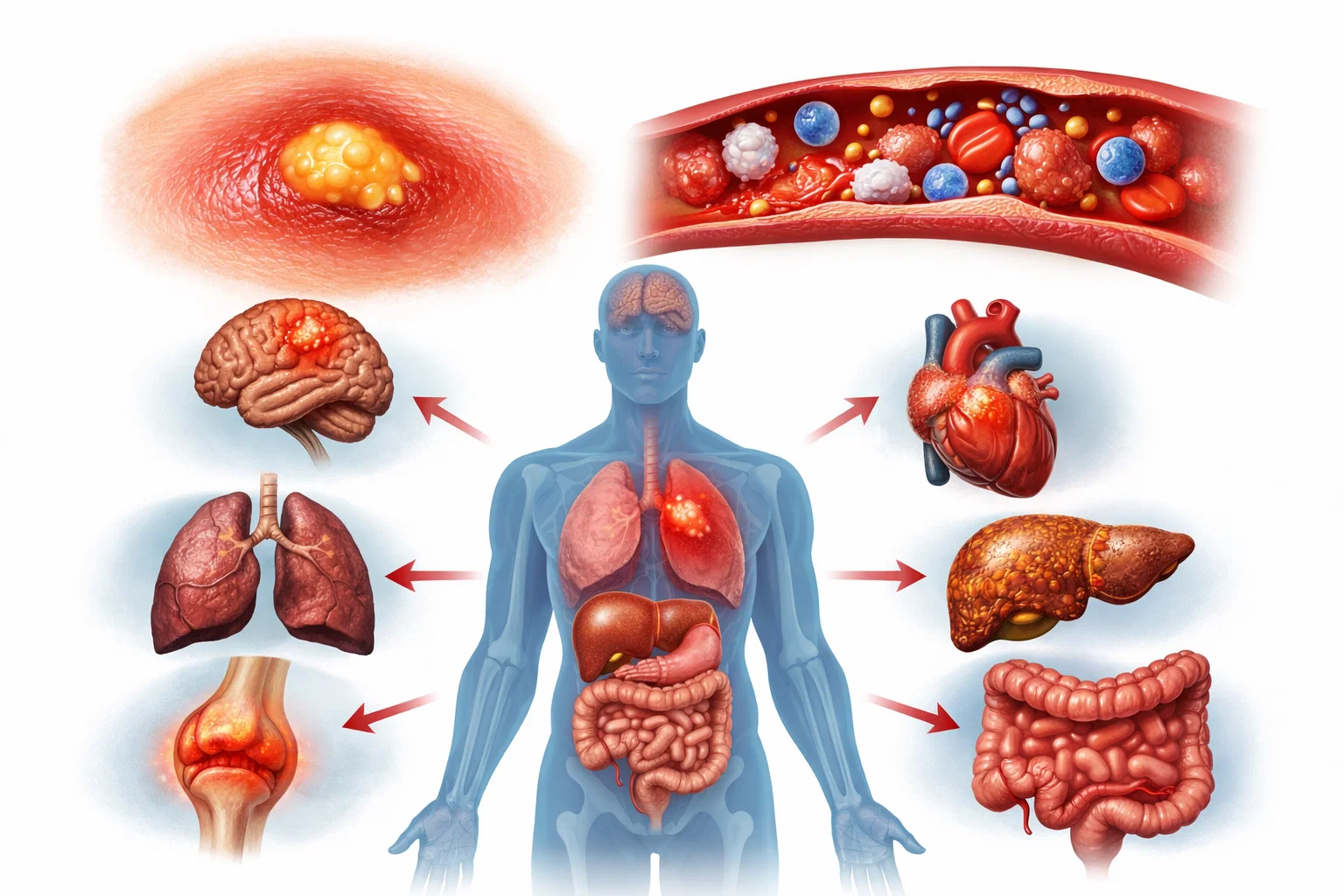
Acute vs. Chronic Inflammation
Inflammation is the immune system’s natural response to injury or infection. Acute inflammation is a short-term, beneficial process that helps the body heal. However, when inflammation becomes chronic, it can persist for months or even years, contributing to various health problems.
Key Players: Cytokines, Immune Response, and Oxidative Stress
Cytokines, small proteins involved in cell signaling, play a crucial role in the inflammatory response. In chronic inflammation, the immune system becomes dysregulated, leading to excessive production of inflammatory cytokines and oxidative stress, damaging cells and tissues throughout the body.
How Chronic Inflammation Can Affect Energy Production
Chronic inflammation can disrupt energy production at the cellular level. Inflammatory processes interfere with the function of mitochondria, the powerhouses of our cells, reducing their ability to produce ATP (adenosine triphosphate), the primary energy currency of the body, ultimately contributing to fatigue.
The Science Behind the Link Between Inflammation and Fatigue
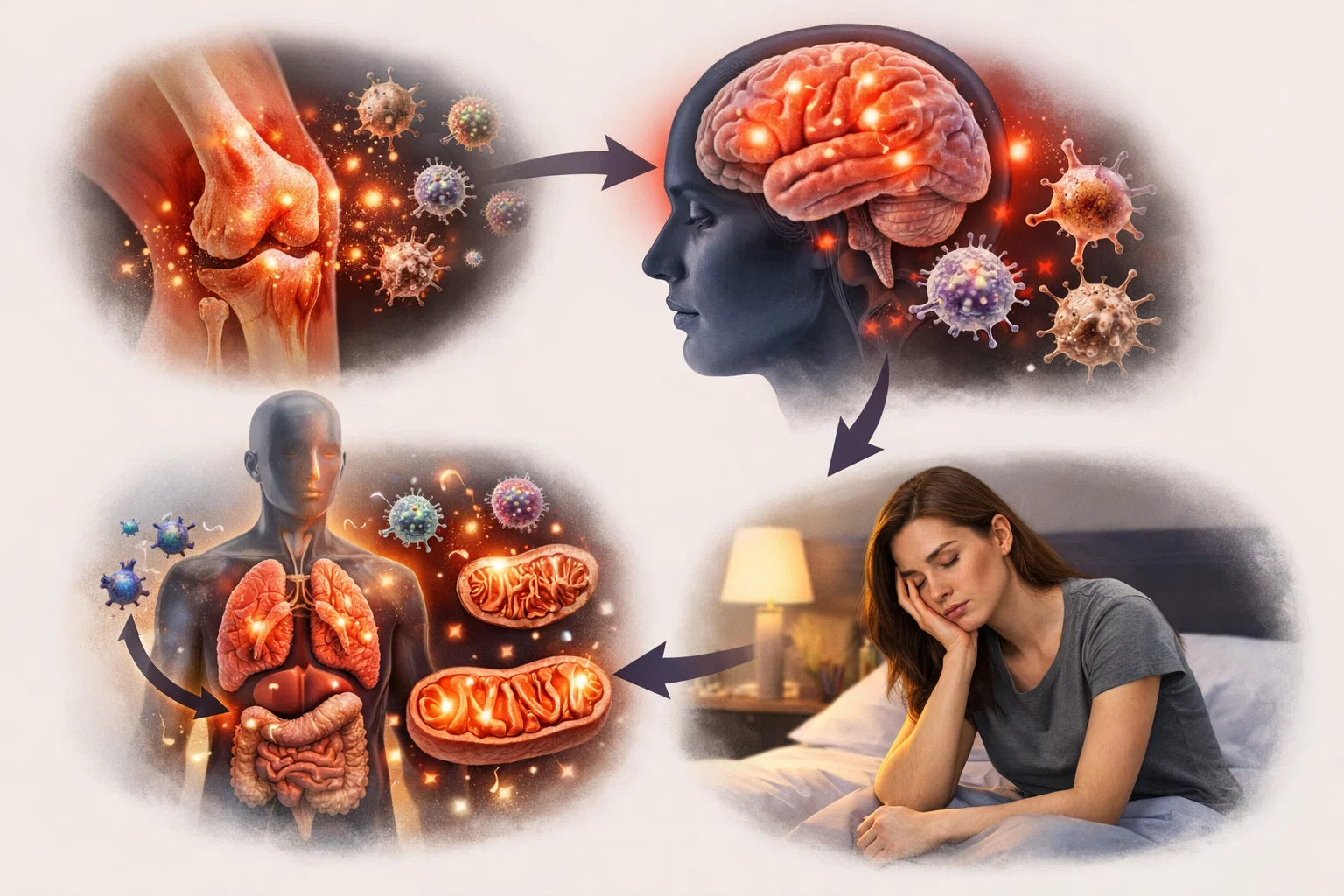
How Inflammatory Cytokines Influence the Brain and Mood
Inflammatory cytokines can cross the blood-brain barrier and directly impact brain function. These inflammatory messengers can disrupt neurotransmitter balance, affecting mood, cognition, and sleep patterns, often leading to depressive symptoms and cognitive impairment in individuals with chronic fatigue.
Effects on Mitochondria and Cellular Energy (ATP)
Inflammation can directly impair mitochondrial function, reducing ATP production. This energy deficit can manifest as fatigue, muscle weakness, and cognitive dysfunction. Addressing inflammation may help restore mitochondrial function and improve cellular energy production in patients with chronic fatigue.
Hormonal Imbalances: Cortisol, HPA Axis, and Fatigue
Chronic inflammation can disrupt the hypothalamic-pituitary-adrenal (HPA) axis, a key regulator of the body’s stress response. This disruption can lead to hormonal imbalances, particularly in cortisol levels, contributing to fatigue, sleep disturbances, and other symptoms associated with chronic fatigue.
Common Triggers of Chronic Inflammation Leading to Fatigue
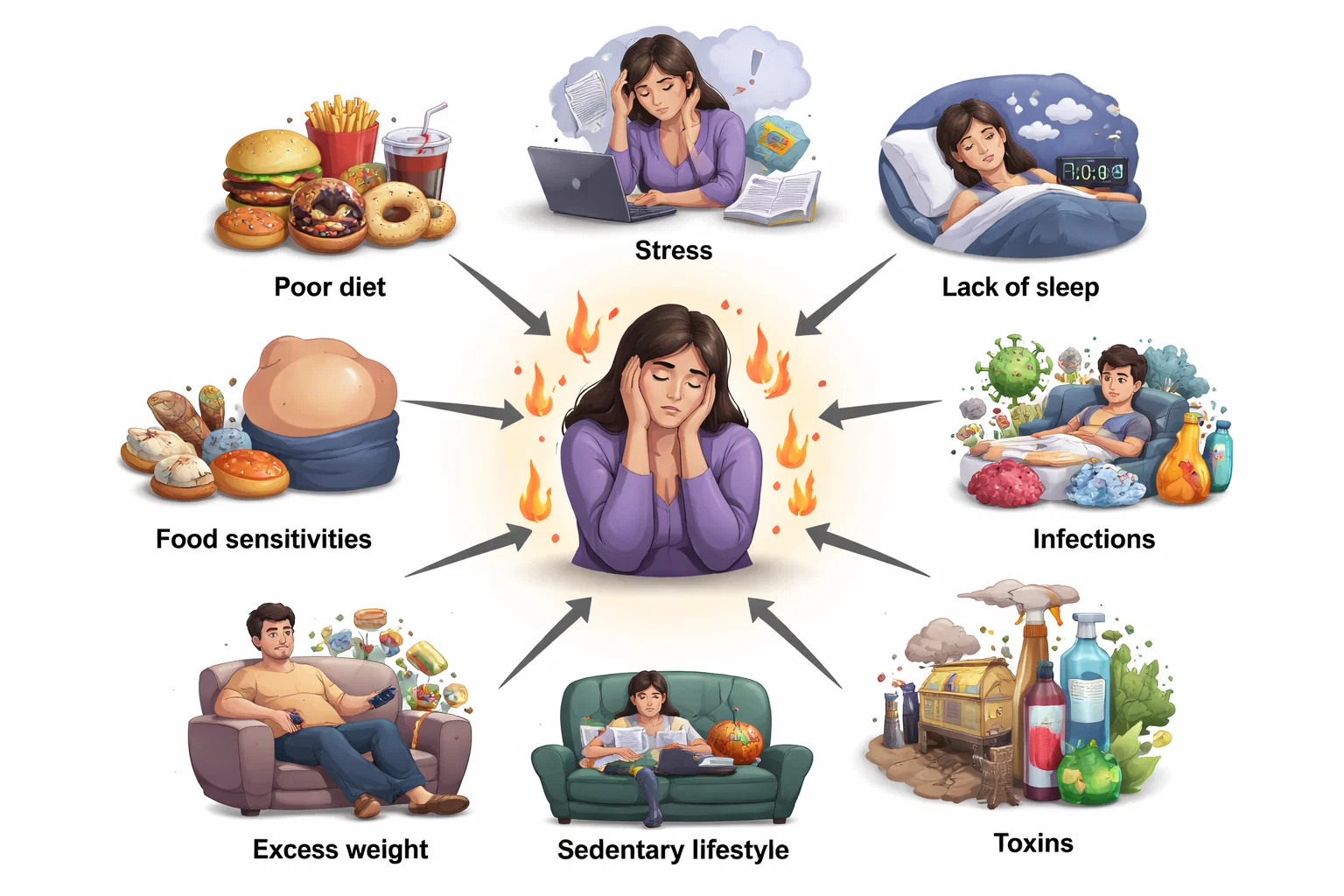
Poor Diet and Sugar Overload
A diet high in processed foods, sugar, and unhealthy fats can trigger chronic inflammation. These dietary choices can disrupt the balance of the gut microbiome, leading to increased intestinal permeability, also known as “leaky gut,” which allows inflammatory substances to enter the bloodstream and contribute to systemic inflammation. This can exacerbate chronic fatigue syndrome and associated symptoms.
Chronic Stress and Emotional Strain
Chronic stress and emotional strain are significant triggers of chronic inflammation. When the body experiences prolonged stress, it activates the hypothalamic-pituitary-adrenal (HPA) axis, leading to increased cortisol production. Elevated cortisol levels can suppress the immune system and promote inflammation, contributing to fatigue and exacerbating symptoms in patients with chronic fatigue.
Sleep Deprivation and Circadian Rhythm Disruption
Sleep deprivation and disruption of the circadian rhythm can significantly impact inflammatory processes. Insufficient sleep impairs immune function, leading to increased production of inflammatory cytokines. This chronic inflammatory state can disrupt energy production, cognitive function, and mood, contributing to fatigue and exacerbating chronic fatigue syndrome symptoms.
Sedentary Lifestyle and Lack of Exercise
A sedentary lifestyle and lack of exercise can contribute to chronic inflammation. Physical inactivity can lead to reduced muscle mass, increased body fat, and impaired metabolic function, all of which promote inflammation. Regular moderate exercise, on the other hand, has anti-inflammatory effects and can help improve energy levels and reduce fatigue in patients with chronic fatigue.
Autoimmune and Chronic Health Conditions
Autoimmune and chronic health conditions are often associated with chronic inflammation. In autoimmune diseases like rheumatoid arthritis and inflammatory bowel disease, the immune system mistakenly attacks the body’s own tissues, leading to chronic inflammation and tissue damage. This chronic inflammation contributes to fatigue, pain, and other symptoms commonly seen in chronic fatigue syndrome patients.
Recognizing the Symptoms of Inflammation-Related Fatigue

Persistent Low Energy Despite Rest
One of the hallmark symptoms of inflammation-related fatigue is persistent low energy despite adequate rest. Unlike normal tiredness, this fatigue is unrelenting and doesn’t improve with sleep or relaxation. It’s often accompanied by a feeling of exhaustion that interferes with daily activities and reduces overall quality of life in patients with chronic fatigue.
Brain Fog, Mood Swings, and Cognitive Impairment
Brain fog, mood swings, and cognitive impairment are common neurological symptoms associated with inflammation-related fatigue. Inflammatory cytokines can affect brain function, disrupting neurotransmitter balance and impairing cognitive processes such as memory, concentration, and decision-making. This can lead to feelings of confusion, difficulty focusing, and emotional instability in patients with chronic fatigue syndrome.
Muscle and Joint Aches
Muscle and joint aches are frequently reported by individuals experiencing inflammation-related fatigue. Chronic inflammation can sensitize pain receptors and contribute to musculoskeletal pain. This can manifest as widespread muscle soreness, joint stiffness, and tenderness, further exacerbating fatigue and reducing physical function in patients with chronic fatigue and associated inflammatory conditions.
Digestive Issues Linked to Inflammation
Digestive issues are often linked to inflammation and can contribute to fatigue. Chronic inflammation in the gut can disrupt the balance of gut bacteria, leading to conditions like leaky gut syndrome and inflammatory bowel disease. These gastrointestinal problems can impair nutrient absorption, trigger immune responses, and exacerbate fatigue in patients with chronic fatigue syndrome.
Evidence-Based Strategies to Combat Inflammation and Boost Energy

Anti-Inflammatory Diet: Key Foods and Nutrients
Adopting an anti-inflammatory diet is a cornerstone of combating inflammation and boosting energy. This involves prioritizing foods rich in antioxidants, omega-3 fatty acids, and phytonutrients. Incorporating plenty of fruits, vegetables, whole grains, lean proteins, and healthy fats can help reduce inflammatory processes and support overall health in patients with chronic fatigue and related inflammatory conditions.
Physical Activity: Moderate Exercise to Reduce Inflammation
Engaging in regular, moderate physical activity can significantly reduce inflammation and boost energy levels. Exercise helps regulate the immune system, decreasing the production of inflammatory cytokines and improving overall metabolic health. For patients with chronic fatigue syndrome, gentle activities like walking, swimming, or cycling can be particularly beneficial in managing fatigue in inflammatory conditions and improving overall well-being.
Stress Management Techniques: Meditation, Yoga, Journaling
Stress management techniques like meditation, yoga, and journaling can play an important role in reducing inflammation. Chronic stress exacerbates inflammatory processes, but these practices help regulate the nervous system, lower cortisol levels, and promote relaxation. Incorporating these techniques into daily life can lead to reduced inflammation and improved energy levels for patients with chronic fatigue.
Prioritizing Quality Sleep and Recovery
Prioritizing quality sleep and recovery is essential for managing inflammation and chronic fatigue syndrome. Adequate sleep allows the body to repair and regenerate, reducing the production of inflammatory cytokines. Establishing a consistent sleep schedule, creating a relaxing bedtime routine, and optimizing sleep environment can improve sleep quality and alleviate fatigue in patients with chronic fatigue.
Supplements with Anti-Inflammatory Benefits (Curcumin, Omega-3s, Vitamin D)
Certain supplements with anti-inflammatory benefits can be valuable tools in combating inflammation and boosting energy. Curcumin, omega-3 fatty acids, and vitamin D have all been shown to reduce inflammation and support immune function. These supplements may help alleviate symptoms associated with inflammation and fatigue and improve overall well-being in patients with chronic fatigue syndrome, reducing depressive symptoms linked to chronic inflammatory diseases.
Lifestyle Adjustments to Prevent Chronic Inflammation

Building a Daily Routine That Supports Immune and Energy Health
Building a daily routine that supports immune and energy health is crucial for preventing chronic inflammation. This involves incorporating regular exercise, a balanced diet, adequate sleep, and stress management techniques into your daily life. A structured routine can help regulate the immune system, reduce inflammation, and improve energy levels for patients with chronic fatigue and associated inflammatory conditions.
Avoiding Environmental and Lifestyle Stressors
Avoiding environmental and lifestyle stressors is important for managing inflammation and chronic fatigue. Exposure to toxins, pollutants, and excessive stress can trigger inflammatory responses in the body.
Minimizing exposure to these stressors can help reduce inflammation and improve overall health and energy levels for patients with chronic fatigue and other inflammation-related conditions, where inflammation causes several aspects of fatigue.
Mind-Body Practices to Maintain Long-Term Wellness
Mind-body practices like tai chi, qigong, and mindfulness meditation are effective for maintaining long-term wellness and reducing chronic inflammation. These practices promote relaxation, reduce stress, and improve immune function. Regularly engaging in mind-body practices can help reduce inflammation, improve energy levels, and enhance overall quality of life in patients with chronic fatigue syndrome.
When to Seek Professional Help

Signs That Chronic Fatigue Requires Medical Evaluation
Recognizing the signs that chronic fatigue requires medical evaluation is crucial for appropriate management. Persistent and debilitating fatigue that doesn’t improve with rest, accompanied by symptoms like brain fog, muscle pain, and sleep disturbances, warrants medical attention. Seeking professional help can lead to accurate diagnosis and personalized treatment plans for patients with chronic fatigue syndrome.
Tests and Diagnostics for Inflammation-Related Fatigue
Various tests and diagnostics can help identify inflammation-related fatigue and guide treatment strategies. Blood tests can assess inflammatory markers, immune function, and hormonal imbalances. Imaging studies may be used to evaluate organ function and rule out underlying conditions.
These diagnostic tools can provide valuable insights into the underlying causes of fatigue and inform personalized treatment plans for patients with chronic fatigue.
Working With Healthcare Professionals for Personalized Plans
Working with healthcare professionals is essential for developing personalized plans to manage inflammation-related fatigue. A multidisciplinary approach involving physicians, nutritionists, and therapists can address the various aspects of chronic fatigue.
Personalized treatment plans may include dietary modifications, exercise recommendations, stress management techniques, and targeted therapies to reduce inflammation and improve energy levels for patients with chronic fatigue syndrome.
Conclusion: Taking Control of Your Energy by Tackling Inflammation
By understanding the link between inflammation and chronic fatigue, individuals can take proactive steps to regain control of their energy and well-being. Addressing inflammation through lifestyle modifications, dietary changes, stress management techniques, and appropriate medical care can significantly improve symptoms and enhance overall quality of life in patients with chronic fatigue and associated inflammatory diseases.