


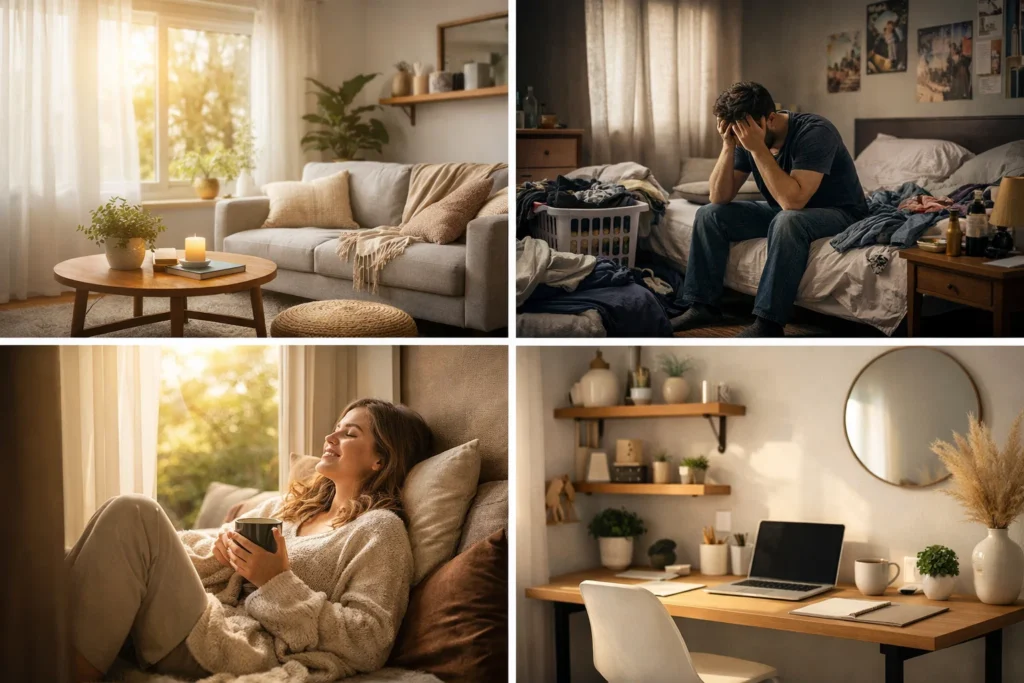
Our homes are more than just the places where we live; they are extensions of ourselves, deeply intertwined with our emotional and psychological well-being.
Understanding how your living space affects your mental health is crucial for creating a sanctuary that fosters positive feelings and supports overall mental wellness.
Why Your Home Is More Than Just a Physical Space

The Emotional Connection Between Environment and Well-Being
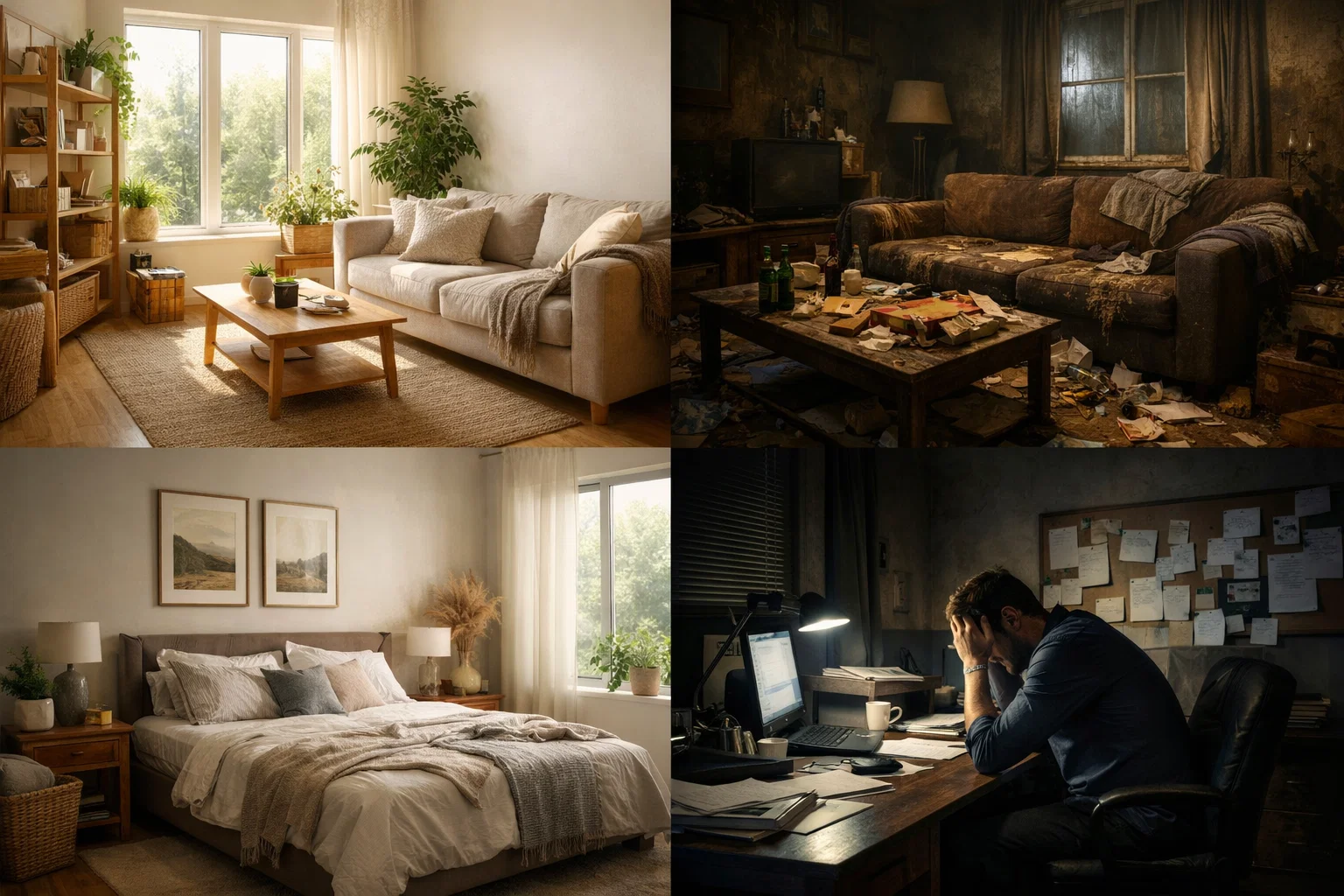
The environment profoundly affects your mental health and sense of well-being. The home environment, in particular, has a significant impact on your overall mental health, influencing everything from levels of stress to overall mental health.
How Your Brain Responds to Physical Surroundings
Our brains are wired to react to the built environment. The way a room is arranged, the amount of natural light it receives, and even the presence of clutter can trigger specific neurological responses, which affects your mental health.
The Science Behind Environmental Psychology
What Research Says About Space and Mental Health
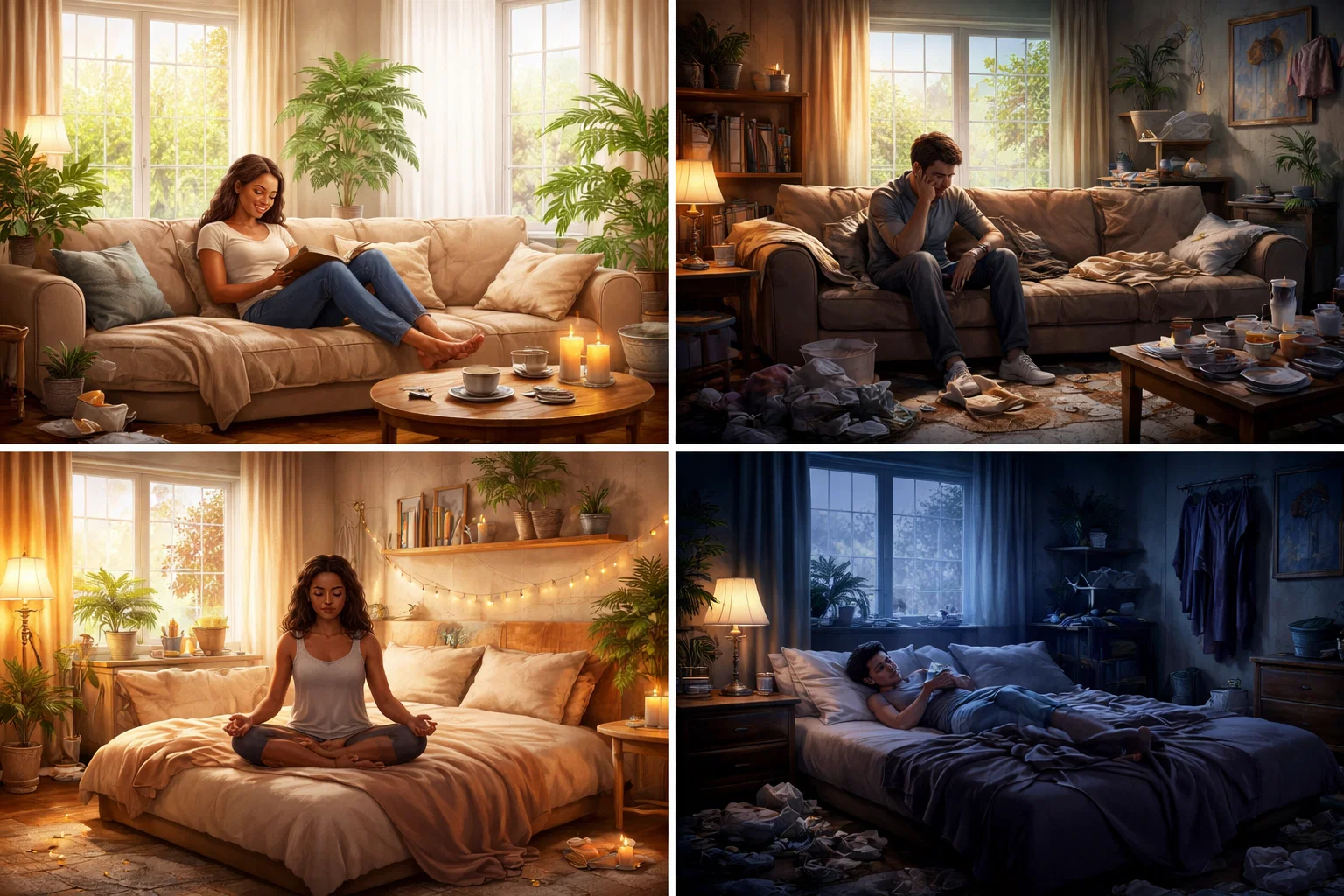
Research in environmental psychology consistently shows that the design and characteristics of our living space directly impact our physical and mental health. Poorly designed spaces can contribute to mental health problems.
Neuroplasticity and How Repeated Environments Shape Emotional Patterns
Neuroplasticity means our brains adapt to repeated stimuli. A consistently calming home environment can foster reduced stress and promote better mental health, while a chaotic one may lead to increased depression and anxiety.
The Role of Cortisol, Serotonin, and Dopamine in Home Design
Home design can influence the levels of several key neurotransmitters in our brains. In particular, consider how the following elements can have an impact:
- Natural light exposure boosts serotonin, which can elevate your mood and foster a greater sense of well-being.
- Clutter can elevate cortisol levels.
Clutter, Organization, and Cognitive Overload
How Visual Clutter Increases Stress and Anxiety
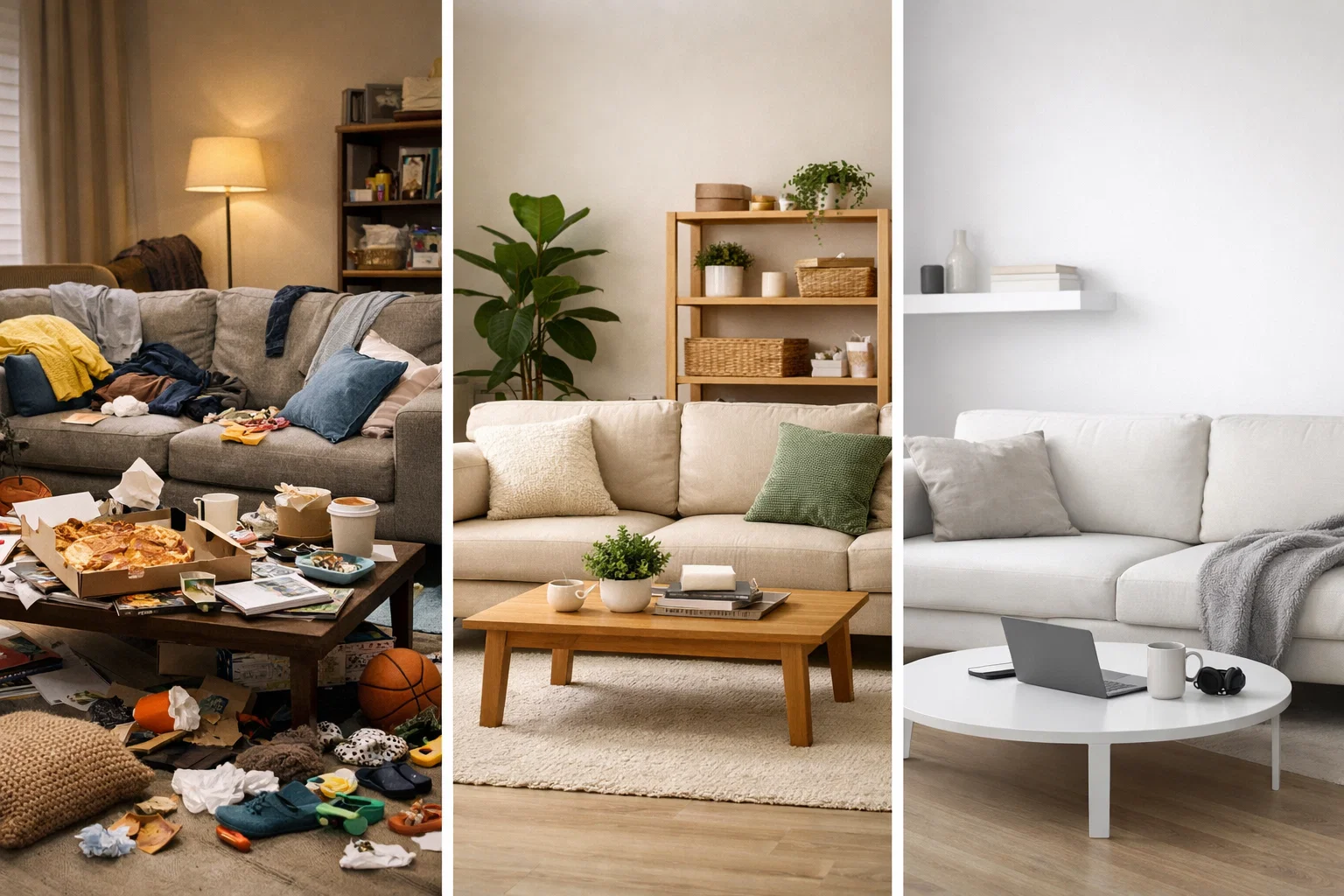
Visual clutter increases stress and anxiety by overwhelming our senses. Too much visual stimuli makes it difficult for the brain to process information, leading to feelings of being overwhelmed and a reduced sense of mental well-being.
The Mental Benefits of Organized and Minimal Spaces
Organized and minimal spaces create a peaceful environment that enhances focus and reduces stress levels. A clutter-free home promotes a clearer mind and can significantly improve your mental health.
Practical Decluttering Strategies That Improve Mood
Here’s how to declutter effectively and improve your mental health. Begin by implementing these practical strategies:
- Start small
- Focus on one area at a time
Creating a space that reflects your values is key to this transformation.
Lighting and Mood Regulation
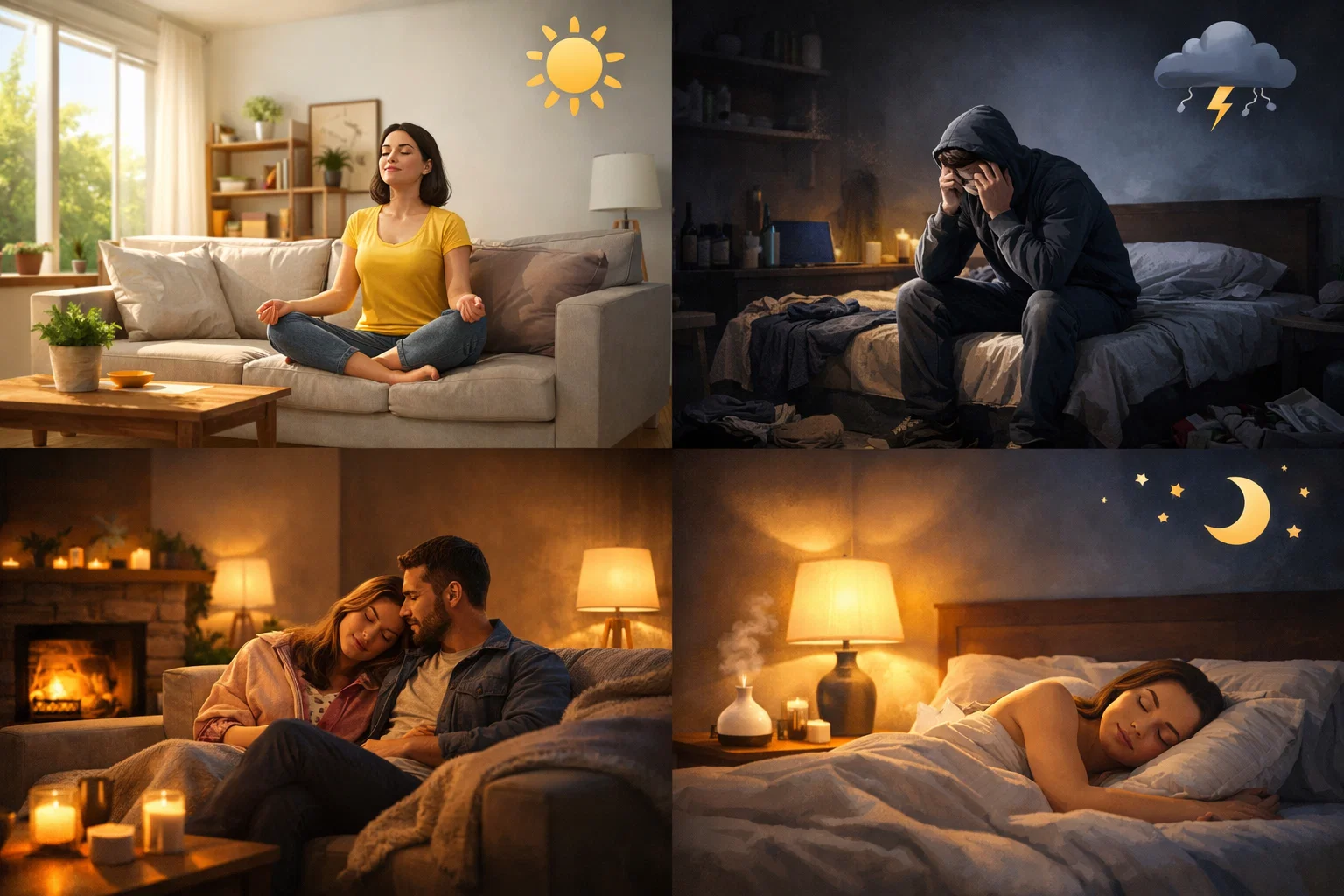
The Psychological Benefits of Natural Light Exposure
Natural light exposure has immense psychological benefits. Bright light helps regulate the circadian rhythm, which is vital for better mental and physical health and affects your mental health.
Warm vs. Cool Lighting: How Color Temperature Affects Emotions
Here’s how lighting affects our mental state:
- Warm lighting creates a cozy, relaxing atmosphere that reduces stress.
- Cool lighting promotes alertness and focus.
Balancing these two types of lighting can lead to an environment that supports overall mental wellness.
Seasonal Affective Disorder (SAD) and Indoor Environments
Seasonal Affective Disorder (SAD) is closely linked to indoor environments with limited natural light. Using bright light therapy and optimizing indoor lighting can alleviate symptoms and improve behavioral health.
The Psychology of Color in Interior Design
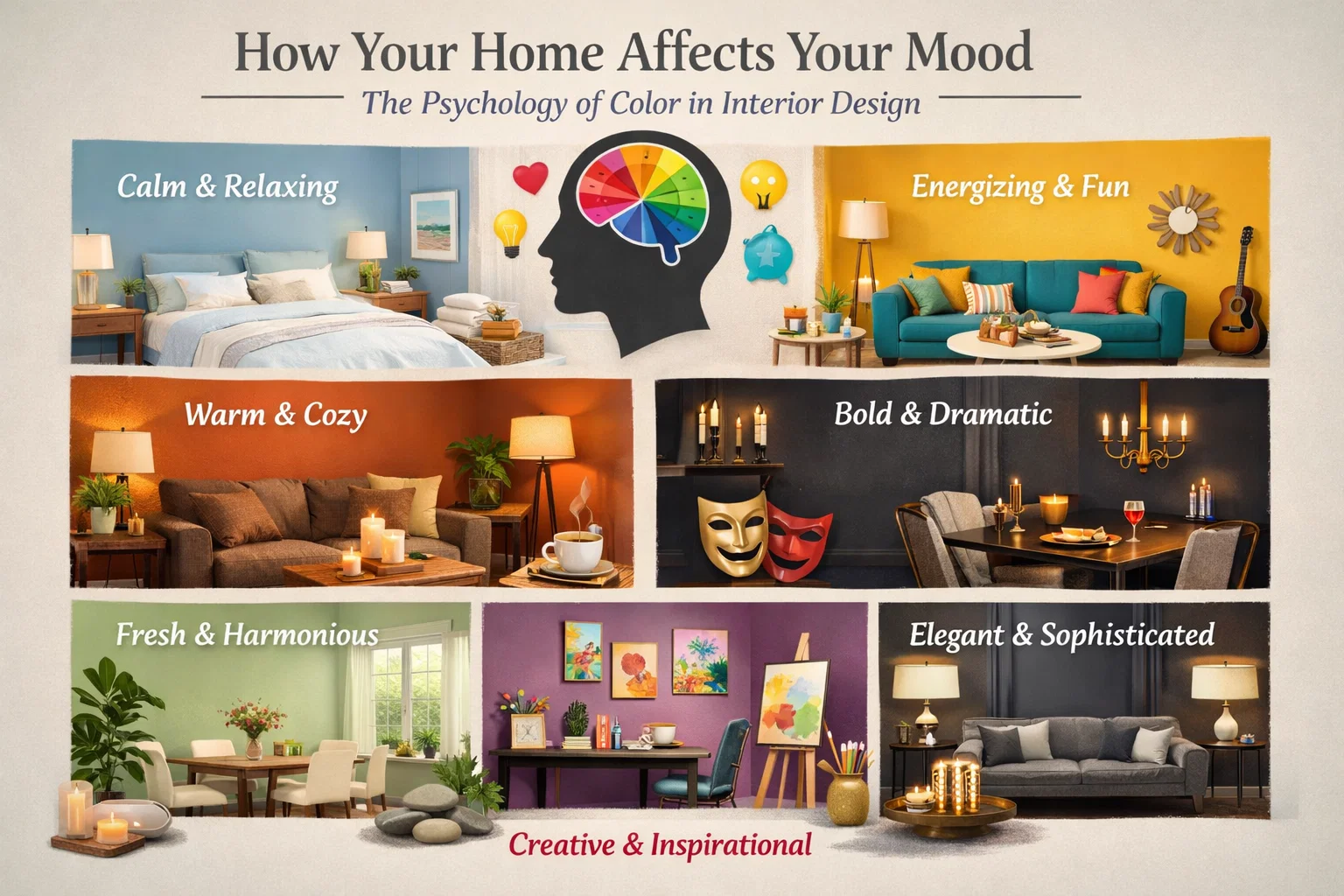
How Different Colors Influence Emotional States
Different colors profoundly affect your mental health and trigger varied emotional states. For instance, blues and greens often foster calmness, while reds and yellows can boost your mood and energy levels. Understanding the psychology of color is essential for creating a living space that supports your overall mental health and promotes mental well-being.
Choosing Colors Based on Room Function (Bedroom, Office, Living Room)
Selecting colors based on the function of each room can significantly affect your mental health and enhance its usability. Bedrooms benefit from calming blues and greens to foster restful sleep, while offices may use yellows to enhance focus and better mental clarity; this, in turn, creates a space to enhance your mental health.
Cultural and Personal Differences in Color Perception
Cultural and personal experiences influence color perception, which further affects your mental health. What is calming in one culture may be agitating in another. Personal preferences should guide color choices to create a space that promotes well-being, overall mental health, reduces stress, and fosters positive feelings.
Sound, Silence, and Emotional Stability
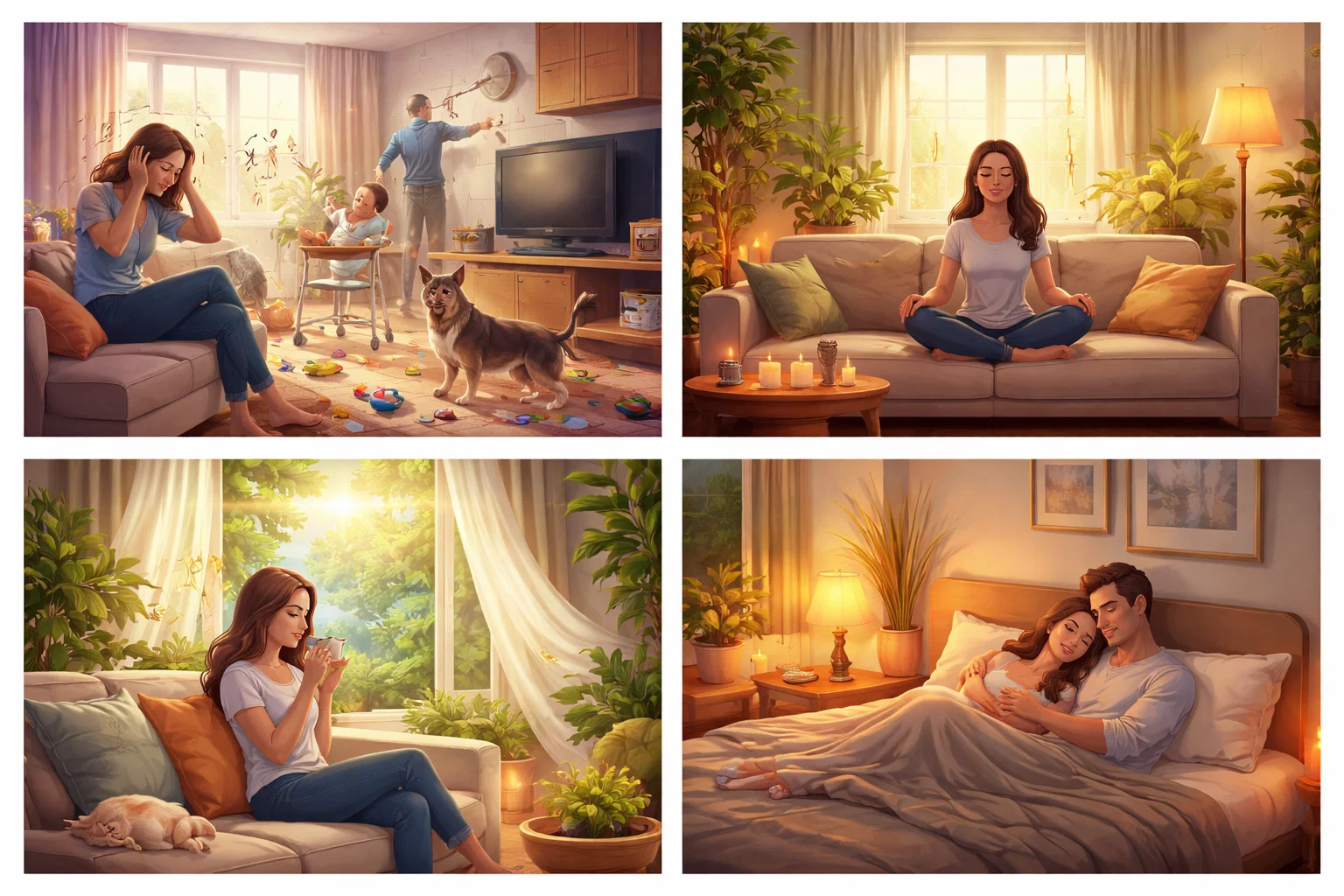
How Noise Pollution Elevates Stress Levels at Home
Noise pollution elevates stress levels by overstimulating the nervous system. Constant noise disrupts concentration and increases anxiety, which negatively affects your mental health and mental well-being. Minimizing noise is crucial for maintaining a peaceful and healthy environment.
Creating a Calming Sound Environment (Music, White Noise, Nature Sounds)
Creating a calming sound environment with music, white noise, or nature sounds can significantly enhance relaxation and reduce stress levels. These auditory elements mask distracting noises and foster a sense of overall mental well-being to improve your mental health.
The Importance of Quiet Spaces for Mental Recovery
Quiet spaces are essential for mental recovery and preventing mental health disorders. These areas provide respite from sensory overload, allowing the mind to rest and rejuvenate and enhance your overall mental health. Prioritizing quiet zones in your home supports better mental health.
The Role of Nature and Biophilic Design
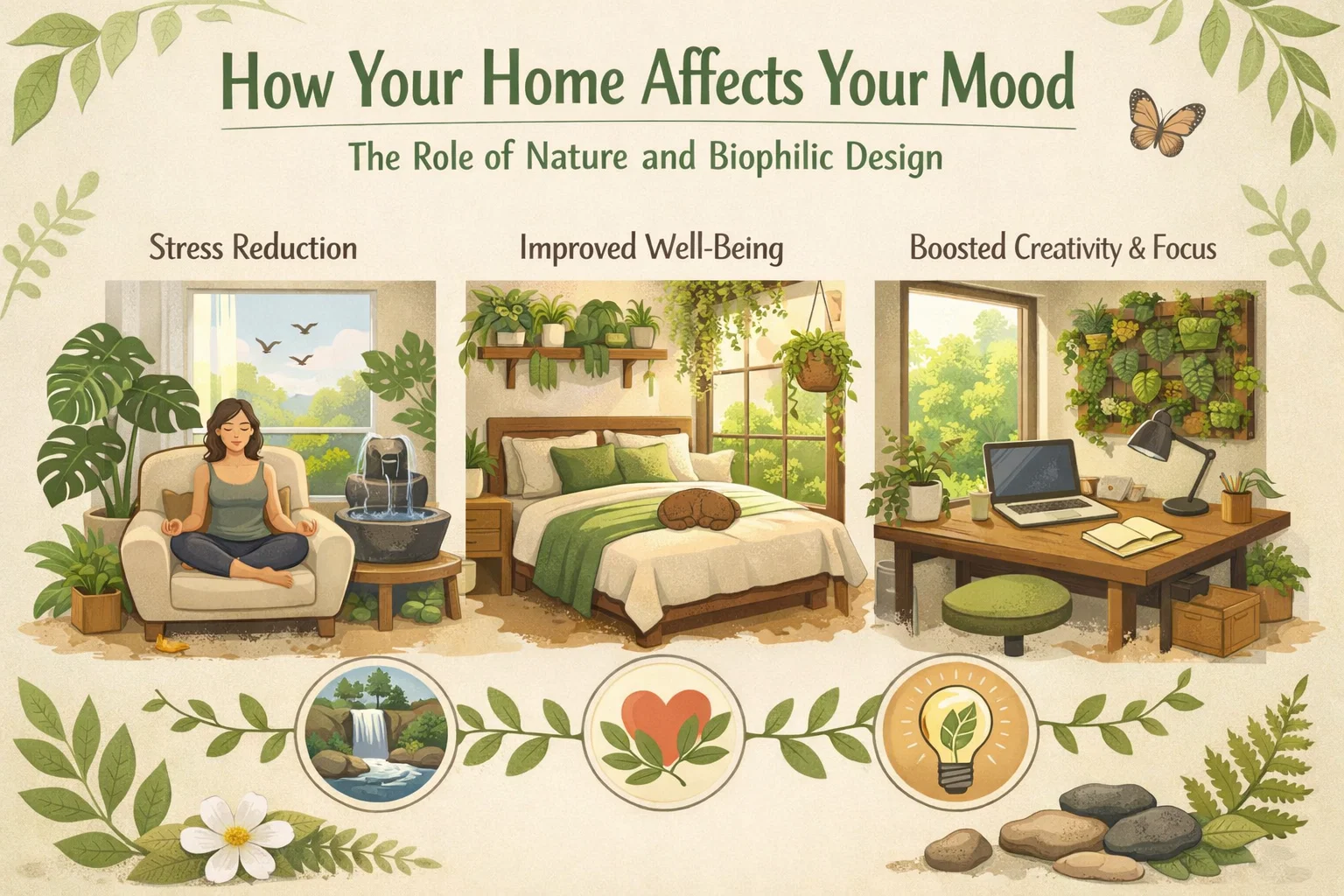
Why Humans Are Wired to Respond to Natural Elements
Humans are inherently wired to respond positively to natural elements through biophilic design. This connection fosters feelings of calm, reduces stress levels, and enhances overall mental health. Incorporating nature into our living spaces promotes well-being.
Benefits of Houseplants, Natural Materials, and Outdoor Views
Houseplants improve air quality and boost mood, natural materials create a soothing atmosphere, and outdoor views offer a sense of expansiveness. These elements collectively enhance your mental health, overall mental well-being, and foster a stronger connection to the environment.
Simple Ways to Integrate Nature Into Small Living Spaces
Even small living spaces can benefit from nature. Adding a few houseplants, using natural textiles, and maximizing natural light exposure can transform any area into a more calming and restorative environment to improve your mental health and mental well-being.
Layout, Flow, and Spatial Comfort
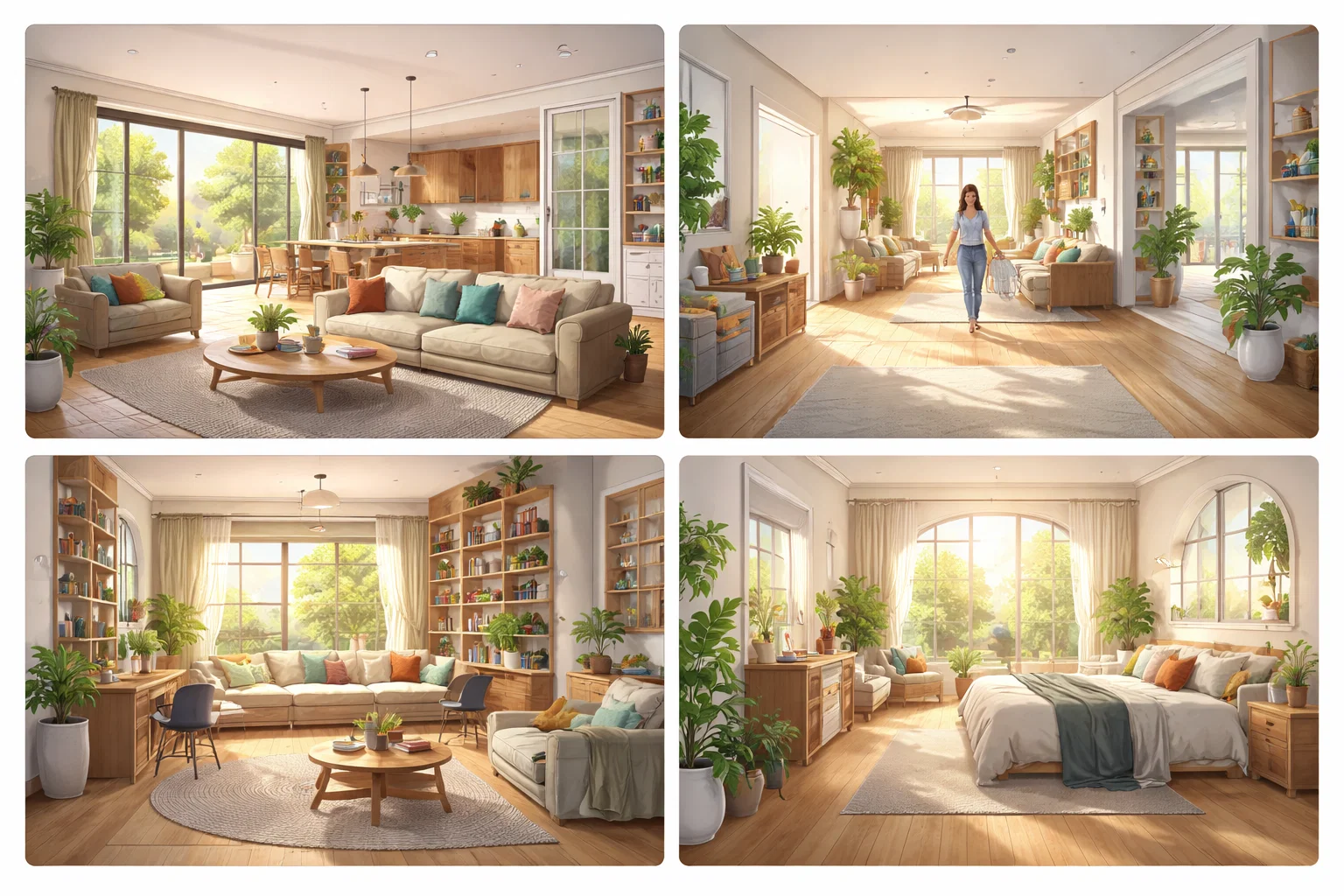
How Room Arrangement Impacts Movement and Emotional Ease
Room arrangement impacts movement and emotional ease. A well-arranged space facilitates smooth navigation, reducing frustration and promoting a sense of calm, which improves your overall mental health and contributes to mental well-being.
Open vs. Enclosed Spaces: Psychological Effects
Open spaces encourage social interaction and a sense of freedom, while enclosed spaces provide security and privacy. Balancing these types of spaces within a home can cater to different psychological needs and improve overall mental health and foster a space to enhance your mental health.
Designing Functional Spaces That Reduce Daily Micro-Stress
Designing functional spaces that reduce daily micro-stresses is vital. Thoughtful layouts and well-organized areas minimize frustration and enhance efficiency, contributing to a more peaceful home environment and improving your overall mental health, mental well-being, and helps foster positive feelings.
Personalization, Identity, and Emotional Attachment
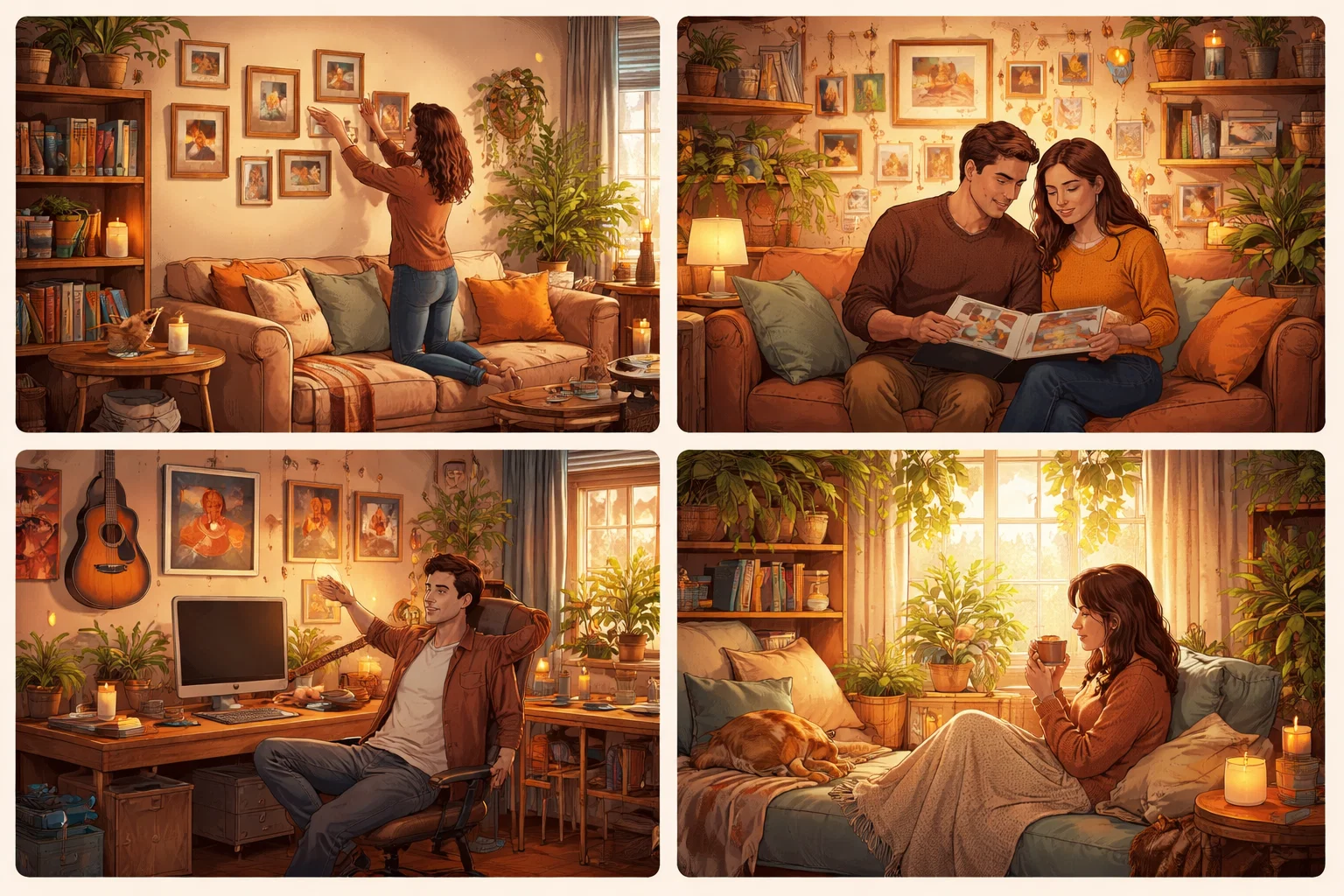
Why Your Home Should Reflect Your Personality and Values
Your home should reflect your personality and values to enhance emotional well-being. A space that resonates with your identity fosters a sense of belonging, security, and comfort and improves your overall mental health, creating a positive impact.
The Psychological Comfort of Familiar and Meaningful Objects
Familiar and meaningful objects provide psychological comfort by evoking positive memories and reinforcing personal identity. These items create a sense of continuity and stability, which contributes to your mental well-being, improves your mental health, and helps to foster positive feelings.
How Identity-Aligned Spaces Improve Confidence and Security
Identity-aligned spaces improve confidence and security by validating your sense of self. When your environment reflects who you are, it strengthens self-esteem and reduces anxiety, which supports your overall mental health and fosters positive feelings.
Cleanliness, Hygiene, and Emotional Regulation
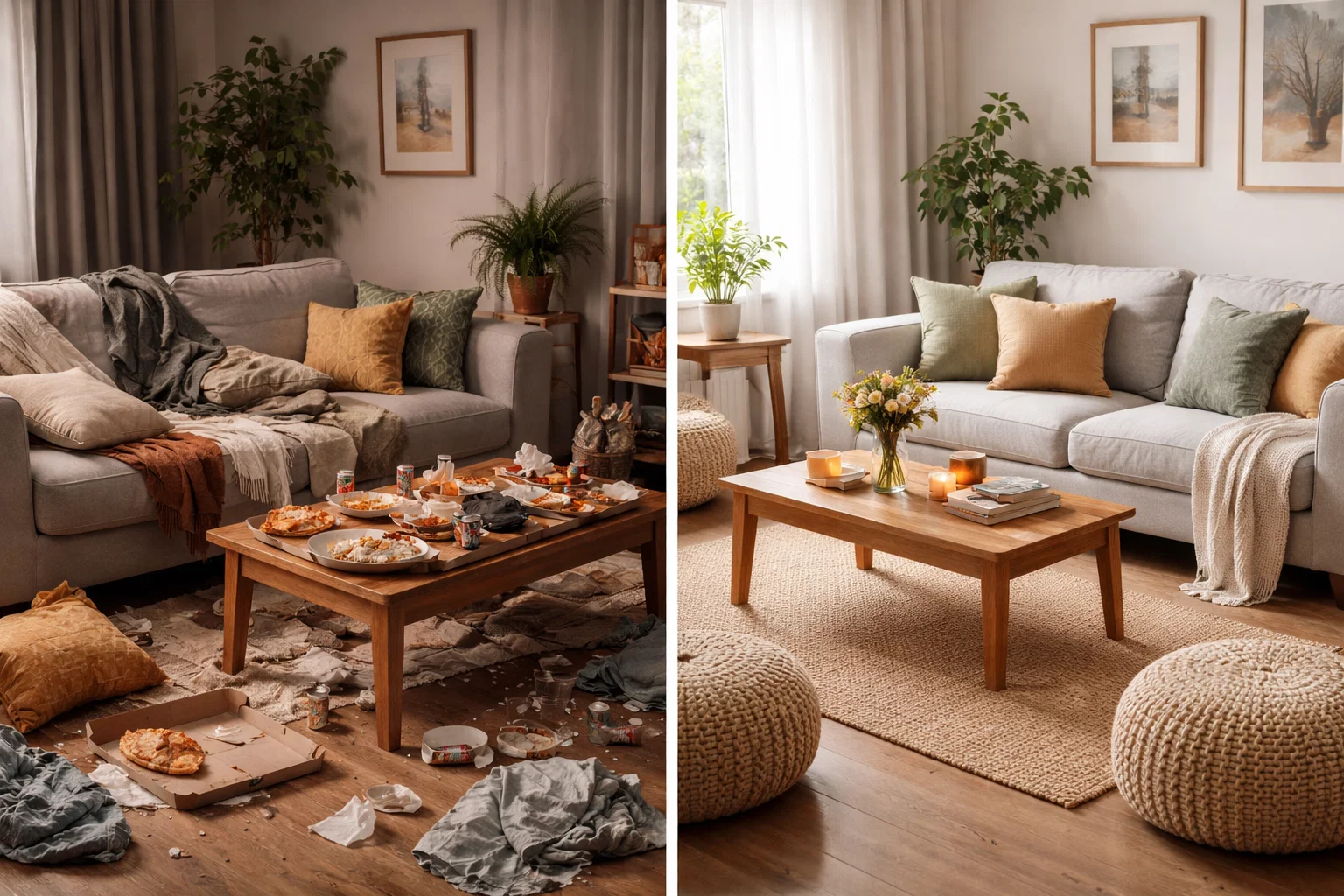
The Link Between Clean Environments and Reduced Anxiety
The link between clean environments and reduced anxiety is significant. A clean home minimizes allergens and pathogens, fostering a sense of control and reducing stress levels. This, in turn, positively affects your mental health and well-being, and improves your overall mental health.
Sleep Quality and Bedroom Environment Design
Sleep quality is deeply connected to bedroom environment design. A clean, organized, and calming bedroom promotes better sleep, which is crucial for mental well-being. Prioritize comfort, reduce clutter, and optimize lighting to boost your mood. This will affect your mental health in a positive way.
Daily Habits That Maintain a Mood-Boosting Home
Daily habits are essential for maintaining a mood-boosting home. Regular cleaning, decluttering, and introducing natural light can create a consistently positive living space. These habits reduce stress and enhance overall mental health, thereby improving your overall mental wellness.
How Your Home Influences Productivity and Motivation
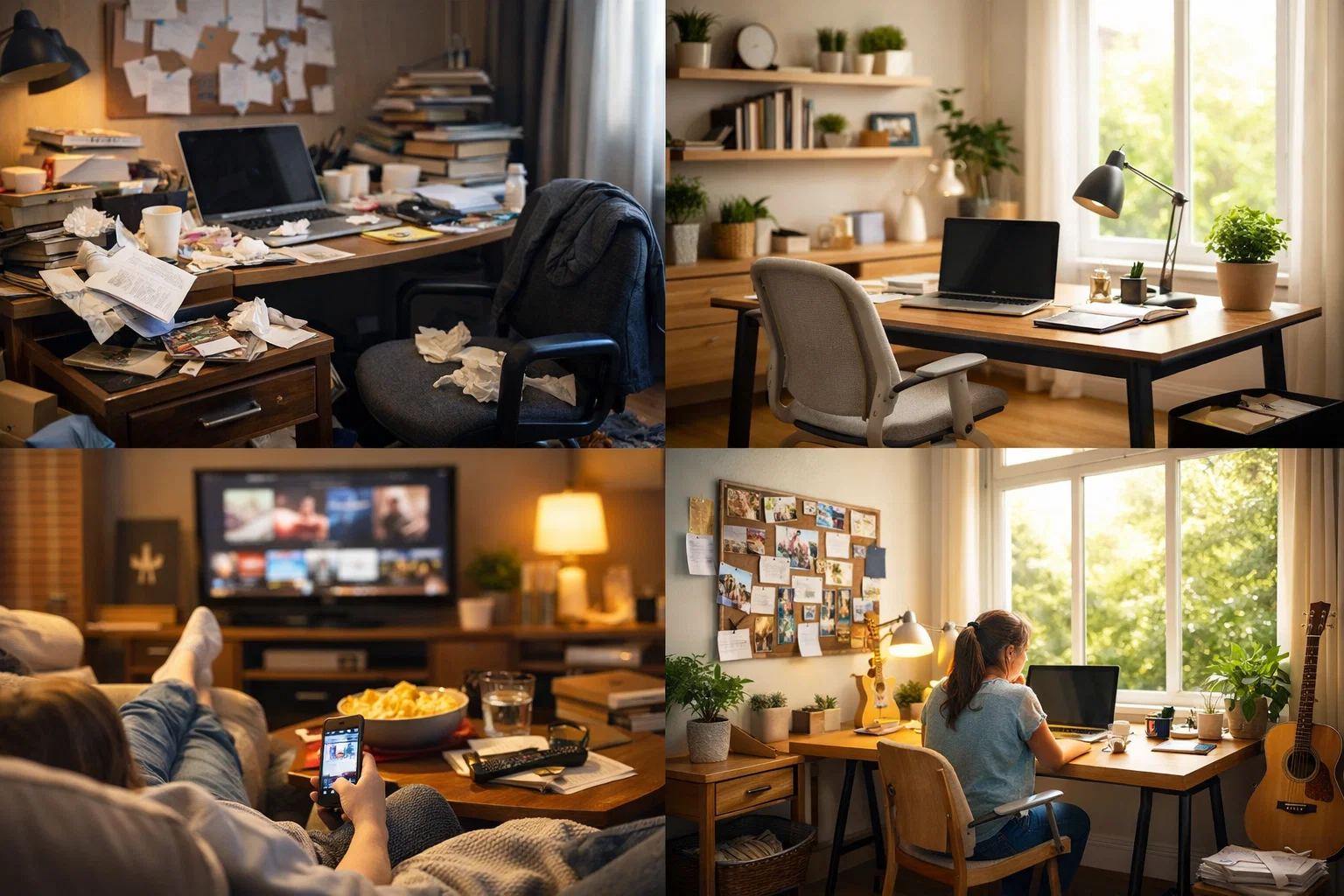
Designing Focus-Friendly Workspaces
Designing focus-friendly workspaces involves minimizing distractions and maximizing comfort. A well-organized desk, comfortable chair, and adequate lighting can enhance concentration. This improves productivity and boosts your mood and overall mental health.
Separating Work and Rest Areas to Protect Mental Health
Separating work and rest areas is essential for protecting your mental health. Designating specific zones for work and relaxation helps prevent burnout and promotes a healthy work-life balance, reducing overall stress levels.
Environmental Triggers That Boost Creativity and Flow
Environmental triggers can boost creativity and flow. Incorporating elements like plants, inspiring artwork, and comfortable seating can stimulate the mind and foster a more productive and enjoyable work environment that improves your mental health.
Hidden Factors Competitors Overlook
Air Quality, Temperature, and Their Effect on Mood
Air quality and temperature profoundly affect your mental health and mood. Poor air quality can lead to fatigue and irritability, while extreme temperatures can cause discomfort and stress. Maintaining optimal conditions is crucial for well-being.
Scents and Aromatherapy in Emotional Regulation
Scents and aromatherapy play a significant role in emotional regulation. Certain scents, like lavender and chamomile, have calming properties that reduce stress and promote relaxation, enhancing your overall mental well-being and positively affect your mental health.
Digital Clutter and Screen Overstimulation at Home
Digital clutter and screen overstimulation contribute to stress and anxiety. Reducing screen time, organizing digital files, and creating tech-free zones can minimize overwhelm and enhance mental clarity, positively affecting your overall mental health.
Practical Action Plan: Transforming Your Home Into a Mood-Boosting Space
Quick Changes You Can Make Today
Quick changes to enhance your living space include decluttering a small area, opening windows for natural light, and adding a plant. These simple adjustments can have an immediate positive impact on your mood and mental health.
Budget-Friendly Upgrades With High Emotional Impact
Budget-friendly upgrades with high emotional impact include rearranging furniture, adding colorful cushions, and creating a cozy reading nook. These changes enhance comfort and visual appeal without breaking the bank, while also improving your mental well-being.
Long-Term Design Strategies for Emotional Well-Being
Long-term design strategies for emotional well-being involve creating a home that reflects your personality and values. Prioritize natural light, organize clutter, and design functional spaces that promote relaxation and enhance overall mental health, improve your living environment.
Conclusion: Designing a Home That Supports Your Mental Health
Designing a home that supports your mental health is an ongoing process. By understanding the psychological impact of your living space and implementing thoughtful design strategies, you can create a sanctuary that fosters positive feelings, reduces stress, and enhances your overall mental well-being. By taking care of our built environment, we improve our mental health.