In today’s digital age, the perception of video games is rapidly evolving. No longer simply a form of entertainment, emerging research suggests that video games may offer significant cognitive benefits.
This article aims to explore how various aspects of gaming, from action-packed adventures to intricate strategy simulations, can positively influence our cognitive abilities and overall mental well-being.
More Than Just Play — The Brain Science Behind Gaming
Why This Topic Matters in a Digital Generation
Understanding the impact of video game play on cognitive function is crucial, especially for the digital generation. With an increasing amount of time spent playing video games, it’s essential to determine how this affects cognitive performance and whether we can leverage video gaming for cognitive enhancement.
Breaking the “Video Games Rot Your Brain” Myth
The long-standing myth that “video games rot your brain” is increasingly challenged by cognitive neuroscience. Studies suggest that certain types of video games can actually improve cognitive skills, highlighting the potential benefits associated with better cognitive performance.
1. Gaming and Cognitive Skill Development

Improved Memory and Information Retention
Video game training has been shown to improve cognitive performance, particularly in memory and information retention. Specific video game genres often require players to remember patterns and strategies, thereby enhancing their cognitive abilities and overall mental well-being through video game play.
Enhanced Focus and Attention Span
Engaging in video games requires sustained attention, making this action video game training a potential tool for enhancing focus and attention span. Video game players must concentrate on multiple stimuli simultaneously, leading to better cognitive performance on attention-related tasks.
Faster Decision-Making Under Pressure
Playing action video games often involves making quick decisions under pressure, which can improve cognitive abilities related to decision-making speed. The fast-paced nature of video game play challenges players to react swiftly, translating to better cognitive performance in real-world scenarios.
2. Problem Solving and Strategic Thinking in Gameplay
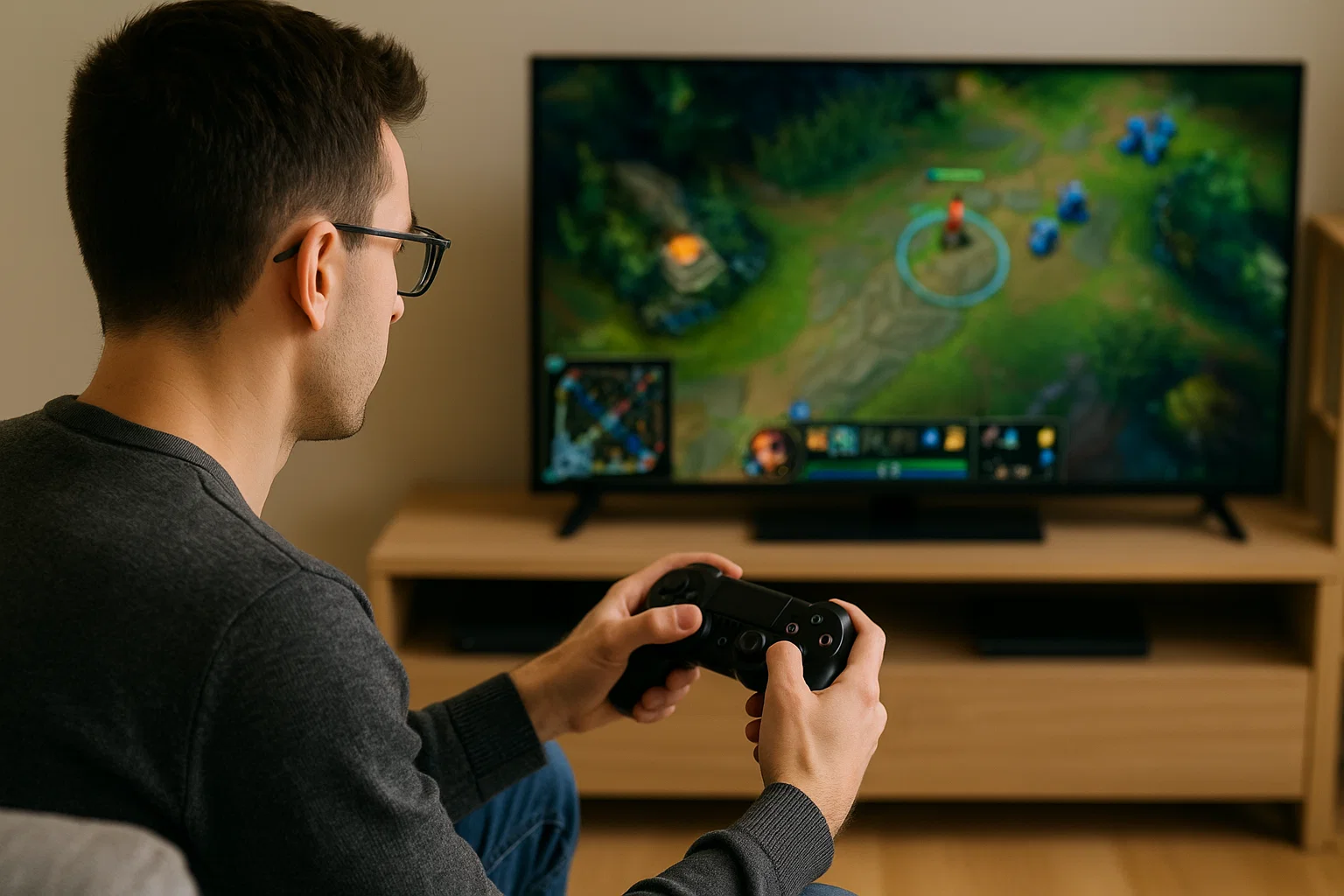
Puzzle, Strategy, and Role-Playing Games That Train the Brain
Puzzle, strategy, and role-playing games are particularly effective at training the brain, providing cognitive benefits that enhance problem-solving and strategic thinking skills. Engaging with these types of video games requires players to think critically and plan ahead.
Trial-and-Error Learning: Adapting Through Failure
Many video games involve trial-and-error learning, where players must adapt to failure and refine their strategies. This process fosters resilience and problem-solving skills, allowing players to improve cognitive skills through hands-on experience and adaptability that video games provide.
3. Visual-Spatial Awareness and Navigation Skills
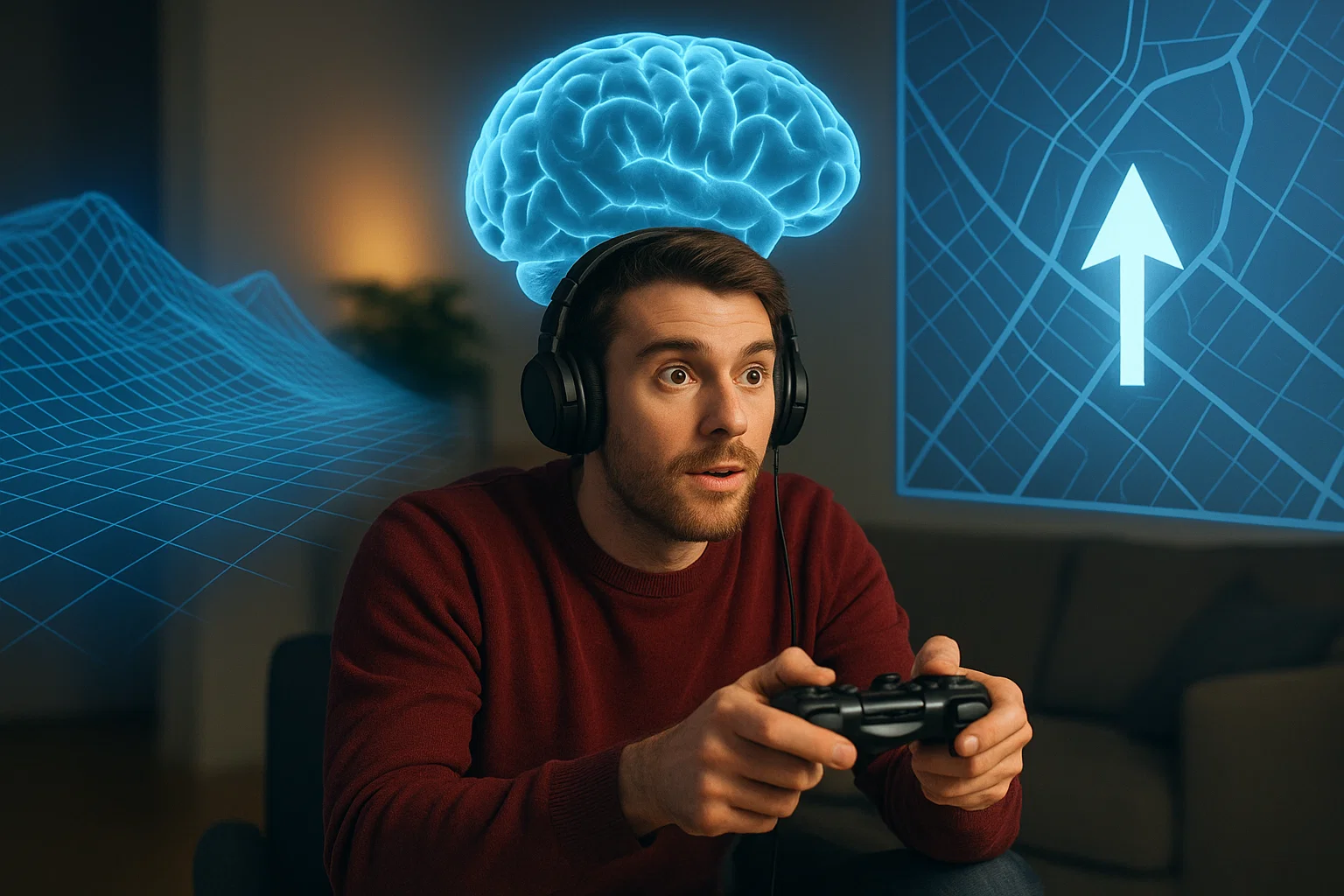
How 3D Game Environments Improve Spatial Intelligence
3D video game environments can significantly improve spatial intelligence, as players navigate complex virtual worlds. This kind of cognitive enhancement through interaction with intricate designs builds a user’s cognitive skills and provides new methods of interaction.
Real-World Applications: From Driving to STEM Careers
The visual-spatial skills honed through video games have real-world applications, from improved driving ability to success in STEM careers. Better cognitive performance can lead to better outcomes in these fields, highlighting the practical cognitive benefits of video game play.
4. Reaction Time and Hand-Eye Coordination
Action Games and Reflex Conditioning
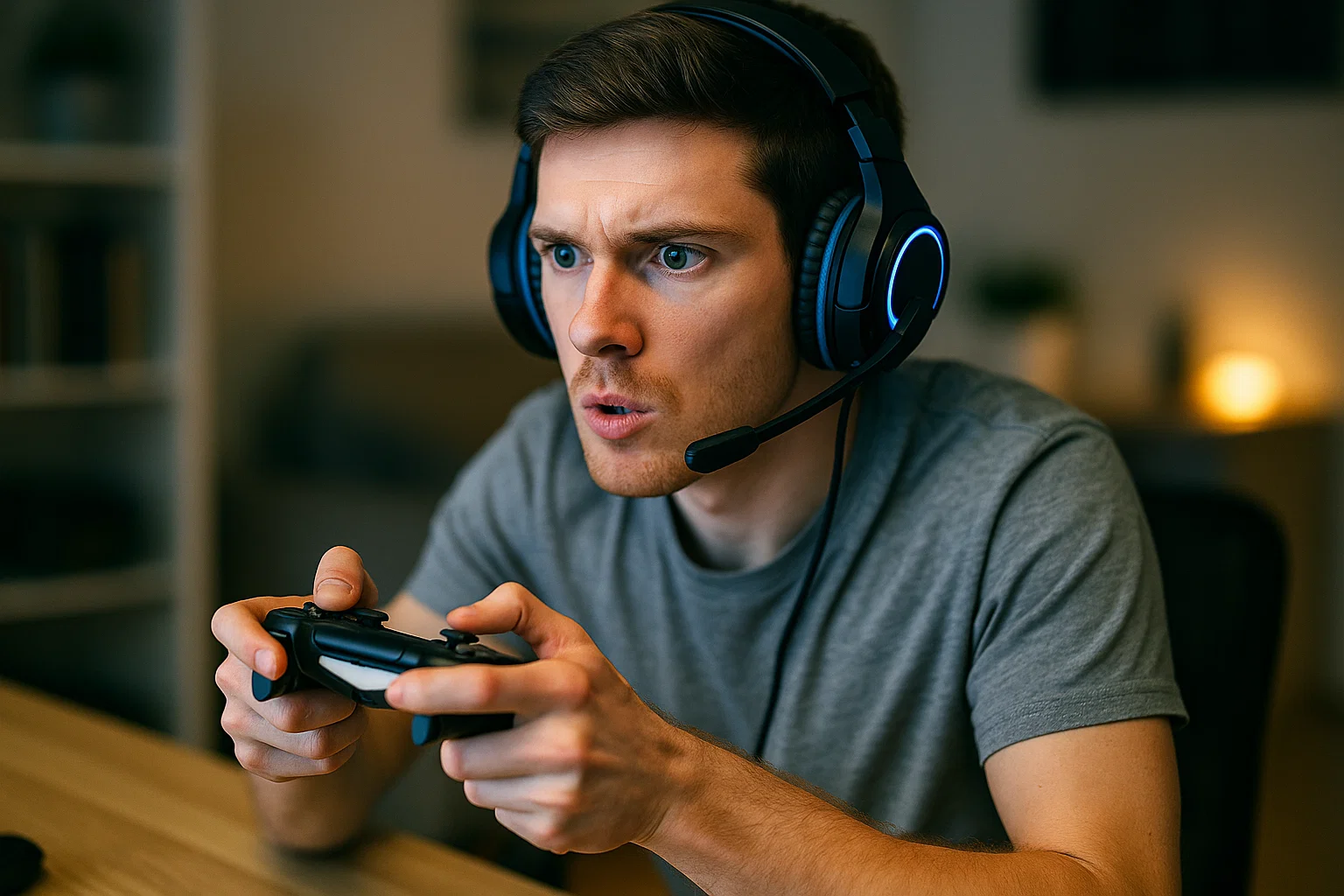
Action video games are excellent for reflex conditioning, demanding rapid responses and precise movements. The fast-paced nature of playing action video games requires quick decision-making, improving hand-eye coordination and reaction time. This cognitive enhancement through action video game training can translate into better cognitive performance in real-world scenarios.
Evidence From Cognitive and Neurological Studies
Cognitive and neurological studies provide evidence supporting the positive effects of video game play on reaction time and hand-eye coordination. These studies show that video game players often exhibit faster reaction times and improved motor skills compared to non-video game players, highlighting the cognitive benefits of video gaming and action video games.
5. Emotional Regulation and Stress Management
Building Patience, Resilience, and Self-Control Through Gaming Challenges
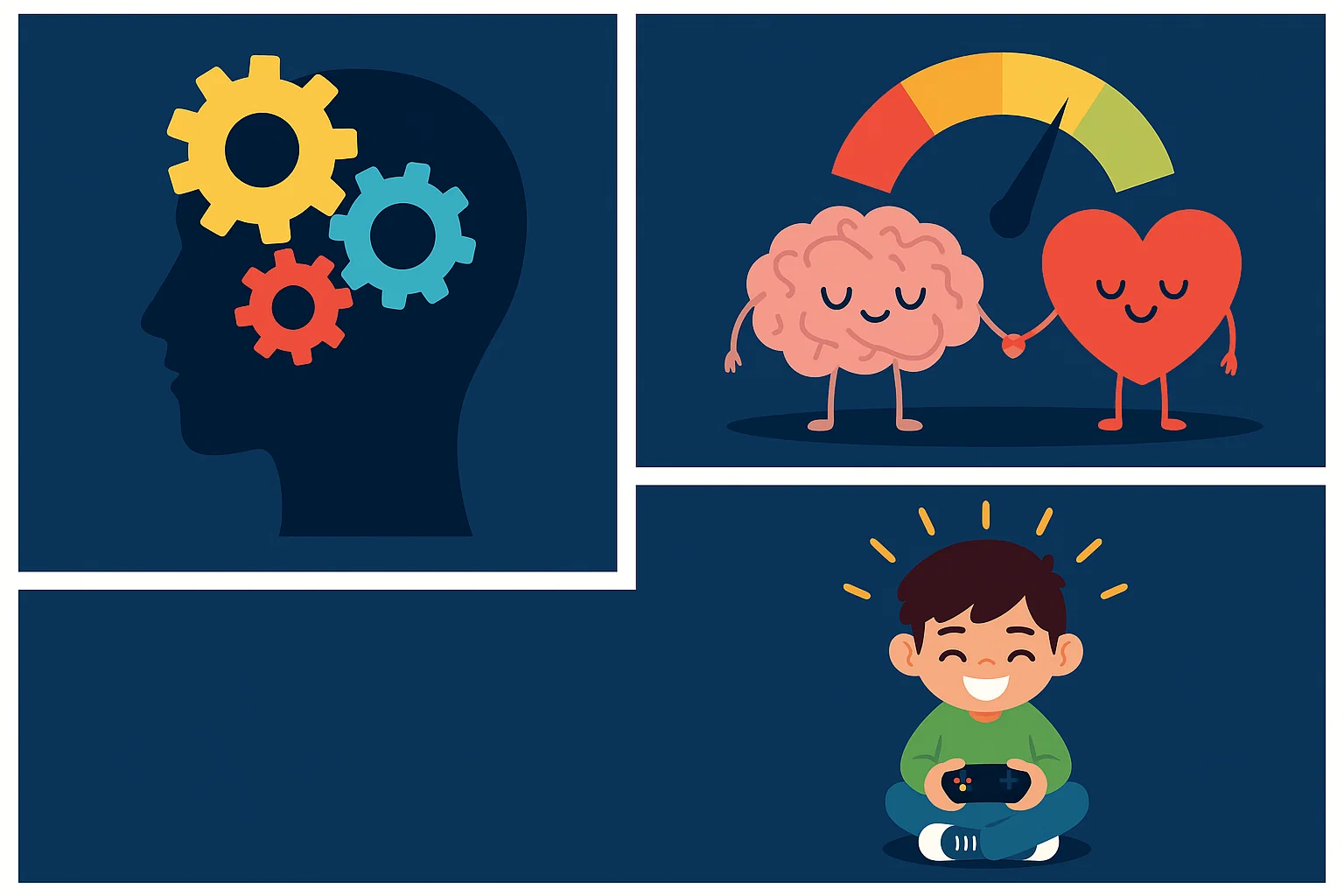
Gaming challenges can build patience, resilience, and self-control, as players learn to manage frustration and persevere through difficult levels. Mastering a video game requires persistence and emotional regulation, leading to improved cognitive skills in handling stress and setbacks that improve cognitive performance.
Can Gaming Help Manage Anxiety or ADHD?
Some research suggests that specific types of video games might help manage symptoms of anxiety or ADHD by improving focus and emotional regulation. However, the effect of action video games depends on the person, and it’s important to choose appropriate games and moderate gaming time for mental health benefits and overall mental well-being.
6. Social Skills and Team-Based Communication

Multiplayer Games as Tools for Cooperation and Leadership
Multiplayer video games serve as tools for cooperation and leadership development, requiring players to communicate effectively and work together to achieve common goals. Playing action video games with others fosters teamwork and negotiation skills, leading to better cognitive abilities in social settings.
Social Interaction Benefits for Shy or Neurodivergent Players
For shy or neurodivergent players, video game play can provide valuable opportunities for social interaction and connection in a controlled environment. Online video gaming allows these individuals to practice social skills and build relationships, enhancing their overall social well-being and cognitive abilities. Playing action video games with friends helps build their cognitive performance.
7. Brain Structure and Neuroplasticity: What Science Says

Studies Showing Increased Gray Matter in Gamers
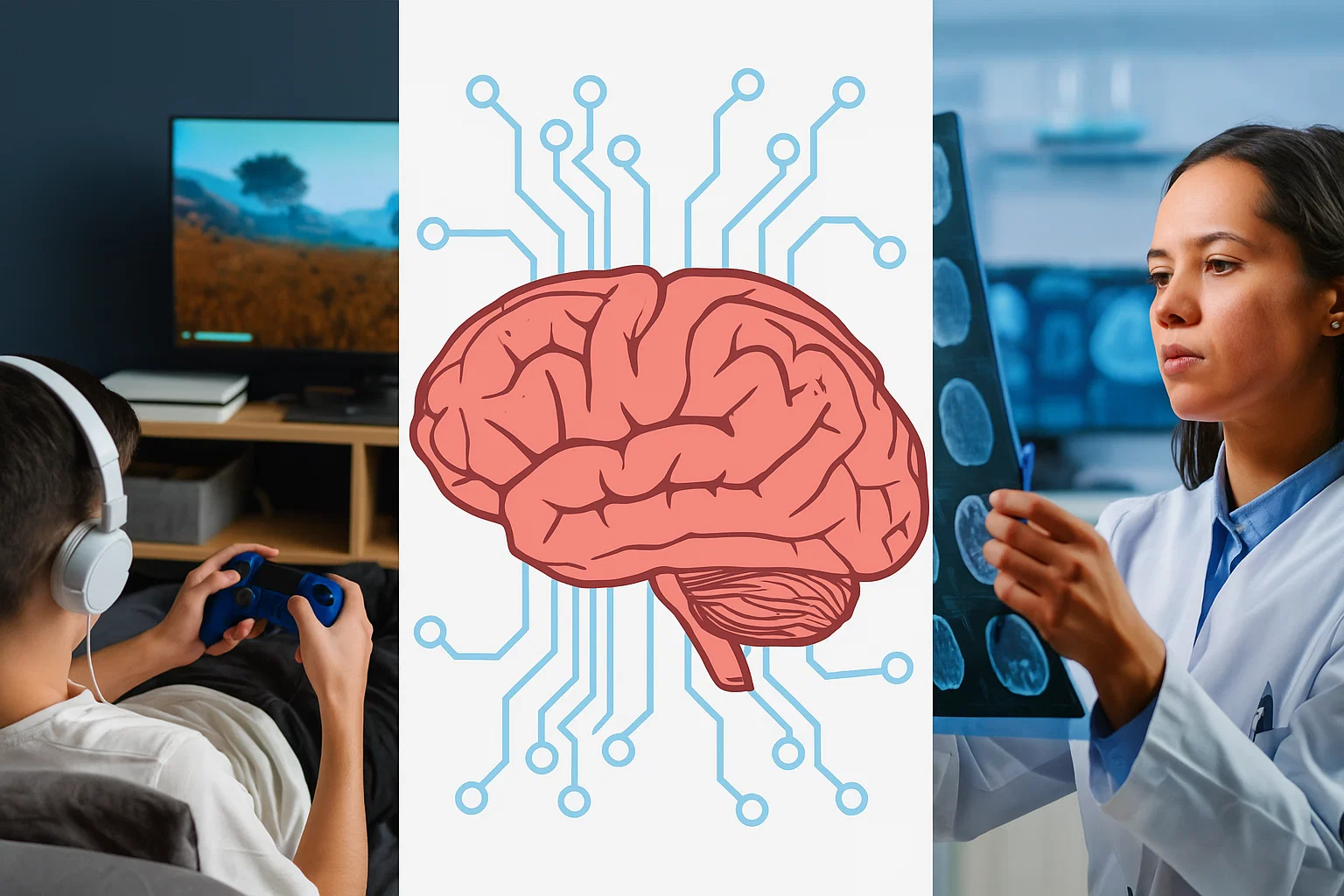
Studies using cognitive neuroscience techniques have shown that experienced video game players often exhibit increased gray matter in brain regions associated with cognitive control and spatial navigation. This demonstrates that video game training can lead to structural changes in the brain, highlighting the cognitive benefits of video gaming.
Brain Training Games vs. Traditional Action Games
While brain training games are designed to target specific cognitive skills, traditional action video games can also offer cognitive benefits by challenging players in dynamic and unpredictable environments. Both types of games can improve cognitive function, but they engage different cognitive processes and can change cognitive skills in different ways.
8. The Right Way to Game for Brain Benefits
Choosing the Right Games: Genres That Boost Cognitive Function
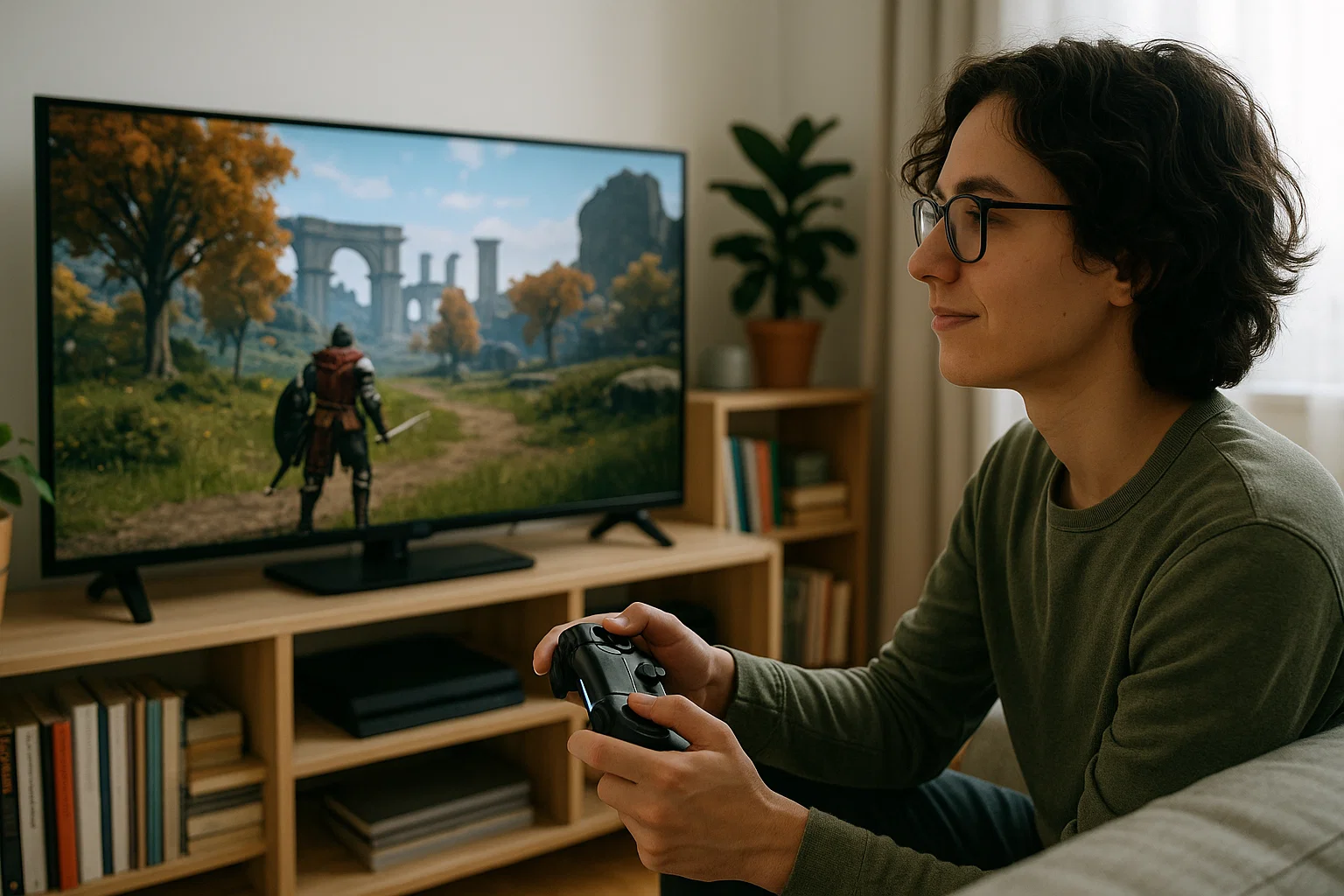
To maximize the cognitive benefits of video gaming, it’s crucial to choose the right types of video games. Strategy games, puzzle games, and certain action video games can significantly improve cognitive skills. These titles require critical thinking, problem-solving, and planning, leading to improved cognitive abilities and cognitive enhancement.
How Much Is Too Much? Healthy Gaming Limits and Balance
While video gaming offers cognitive benefits, moderation is key to optimize cognitive performance. Excessive video game play can lead to fatigue and decreased focus, diminishing the potential for cognitive enhancement. Balancing video game play with other activities promotes overall mental well-being and ensures sustainable gains in cognitive function.
9. Common Myths Debunked by Neuroscience
“Video Games Cause Violence” — A Scientific Rebuttal
The claim that “video games cause violence” is widely debated and largely unsupported by scientific evidence. Most studies suggest that while action video games may increase aggression in the short term, there is no conclusive link to long-term violent behavior. Complex factors contribute to violence, and cognitive neuroscience challenges simplistic causal relationships.
Understanding the Difference Between Passive and Active Screen Time
It’s important to differentiate between passive and active screen time to understand the cognitive effects of video gaming. Passive screen time, such as watching television, tends to have fewer cognitive benefits compared to active screen time, like playing action video games, which actively engages the brain and promotes cognitive skill development. Active video game play often leads to better cognitive performance.
10. Real-World Examples: People Who Gained Mental Strength Through Gaming
Stories From Pro Gamers, Educators, and Therapists
Numerous examples illustrate how individuals have gained mental strength through video gaming. Pro video game players demonstrate exceptional cognitive skills in strategy and reaction time. Educators use video games to enhance learning and engagement. Therapists incorporate video games into treatment for cognitive and emotional disorders and to improve cognitive skills.
Clinical Uses of Games in Cognitive Therapy and Education
Video games are increasingly used in clinical settings for cognitive therapy and education. They provide engaging tools for improving attention, memory, and problem-solving skills. This effect of video games allows therapists to tailor interventions to individual needs, promoting cognitive benefits and enhancing treatment outcomes. Video game play is very useful for cognitive enhancement.
Conclusion: Play Smart, Think Sharper
In conclusion, video gaming can be a powerful tool for cognitive enhancement, provided it is approached thoughtfully and balanced with other activities. By choosing the right video games, setting healthy limits, and understanding the cognitive benefits, individuals can harness the power of video game play to improve cognitive abilities and “think sharper” in all aspects of life. This effect of action video games has tremendous benefits to enhance cognitive function.