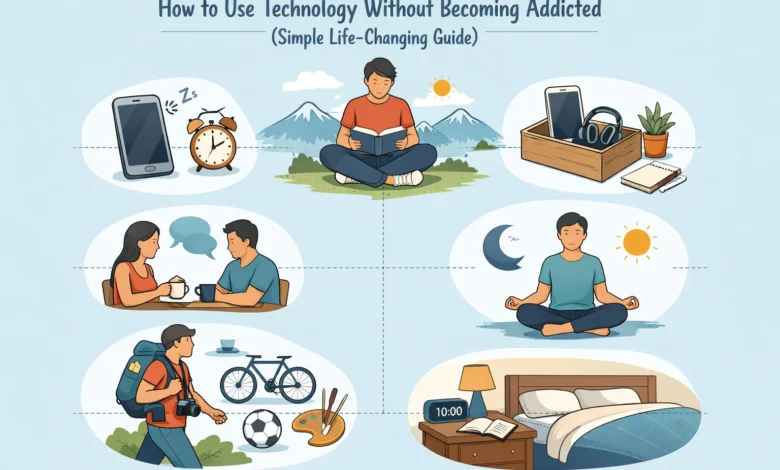
In today’s hyper-connected world, technology is ubiquitous, shaping our lives in profound ways. While offering immense benefits, the pervasive nature of smartphones, social media, and digital devices has also given rise to a growing concern: technology addiction. This guide provides evidence-based strategies to help you regain control and foster a healthy relationship with technology.
Why Technology Addiction Is a Modern-Day Problem
Technology addiction represents a modern challenge, where compulsive use of digital media overshadows real-life interactions. The allure of constant connectivity and the fear of missing out fuel this growing epidemic, blurring the lines between necessary tech use and addictive behaviors. Recognizing this problem is the first step toward a healthier digital lifestyle.

How Smartphones and Apps Are Designed to Capture Attention
Smartphones and apps are engineered to be inherently addictive, employing psychological techniques to hijack our attention spans. Through the use of notifications, personalized content, and endless scrolling, developers create an environment that encourages excessive phone use and constant checking of your phone, leading to a form of digital addiction.
The Hidden Cost of Excessive Screen Time on Mental Health
Excessive screen time takes a significant toll on mental health, contributing to increased anxiety, depression, and sleep disturbances. The constant stimulation and social comparison fostered by social media use and digital distractions can exacerbate existing mental health conditions, making it crucial to address this issue head-on and seek mindfulness in our digital habits.
Why Most People Don’t Realize They Are Addicted
Many individuals fail to recognize their technology addiction due to the normalization of constant connectivity and the subtle way overuse creeps into their daily routines. The addictive nature of smartphones and the gradual increase in screen time often mask the severity of the problem, making self-awareness a critical component of breaking free.
Understanding Technology Addiction: How It Works in the Brain
Technology addiction, whether it manifests as internet addiction or mobile phone overuse, operates through complex neurological pathways, similar to substance-based addictions. Understanding these mechanisms is crucial for developing effective strategies to manage digital use and prevent relapse. This involves an awareness of the dopamine pathways affected.

The Dopamine Loop Explained in Simple Terms
The dopamine loop is a key player in technology addiction, as engaging with smartphones and social media triggers the release of dopamine, a neurotransmitter associated with pleasure and reward. This creates a cycle of seeking out digital stimulation to experience the dopamine rush, reinforcing addictive behaviors related to tech use.
How Notifications and Algorithms Hijack Focus
Notifications and algorithms are designed to hijack our focus, constantly vying for our attention and disrupting our ability to concentrate. These digital distractions exploit our natural tendencies to seek novel information, leading to fragmented attention spans and decreased productivity, contributing to an unhealthy relationship with technology.
Difference Between Healthy Use and Addiction
The key difference between healthy use and addiction lies in the level of control and the impact on daily life. Healthy digital use is intentional and balanced, while technology addiction is characterized by compulsive use, negative consequences, and an inability to resist the urge to engage with digital devices, reflecting a phone addiction.
Signs You Might Be Addicted to Technology
Recognizing the signs of technology addiction is a crucial first step toward reclaiming control over your digital life. These signs can manifest in various ways, impacting your productivity, mental health, and overall well-being. Identifying these indicators will pave the way for implementing strategies to manage tech use and promote a healthier lifestyle.

Constant Phone Checking Without Awareness
One telltale sign of phone addiction is constant phone checking without awareness, a subconscious habit driven by the fear of missing out on notifications or updates. This compulsive behavior often occurs even when there’s nothing new to see, highlighting the powerful grip of digital devices on our attention.
Loss of Productivity and Focus
A significant consequence of technology addiction is the loss of productivity and focus, as digital distractions and constant interruptions hinder our ability to concentrate on tasks. The constant stream of notifications and the allure of social media use pull us away from our work, leading to decreased efficiency and a sense of being overwhelmed.
Anxiety When Away from Devices
Experiencing anxiety when away from devices is a clear indication of potential smartphone addiction. This anxiety stems from the fear of missing out, the perceived need to stay connected, and the discomfort of being disconnected from the digital world. This dependency highlights the need for a digital detox.
Sleep Disruption and Night Scrolling Habits
Sleep disruption and night scrolling habits are common symptoms of digital addiction, as the blue light emitted from screens interferes with melatonin production and disrupts our natural sleep-wake cycle. This leads to poor sleep quality, which can exacerbate mental health issues and further fuel addictive behaviors regarding digital media.
Step 1: Build Awareness and Set Digital Intentions

How to Use Technology With Purpose Instead of Habit
To combat technology addiction, shift from passive consumption to purposeful engagement. Instead of mindlessly scrolling, define specific reasons for using smartphones or digital devices. Embracing mindfulness helps to avoid overuse, promoting intentional technology use rather than compulsive checking of your phone and social media use.
Setting Daily Screen-Time Goals
Establish daily screen time goals to manage technology addiction effectively. By setting limits for internet use, you can regain control over your time and attention. This conscious effort helps to curb addictive behaviors, promoting a healthier balance between device use and real-life activities. This is a step for digital detox.
Tracking Your Digital Behavior Honestly
Honest tracking of your digital behavior is crucial in addressing smartphone addiction. Monitoring how much time you spend on smartphones and specific apps offers insights into potential triggers and patterns of overuse. This awareness is the first step toward curbing addiction and fostering a healthier relationship with technology.
Step 2: Create Healthy Digital Boundaries

No-Phone Zones (Bedroom, Dining Table, Work Space)
Designate no-phone zones in areas like the bedroom, dining table, and workspace to foster healthier habits. These boundaries help reduce the temptation of constant checking your phone, promoting better sleep, focused meals, and increased productivity. Enforcing these zones aids in preventing technology addiction and overuse of digital devices.
Time-Based Usage Rules for Apps and Social Media
Implement time-based usage rules for apps and social media to curb compulsive behaviors. Set daily limits for specific platforms to prevent excessive screen time and addiction. By managing your digital use with boundaries, you can reclaim your focus and foster a healthier relationship with technology and digital distractions.
Using “Do Not Disturb” Strategically
Strategically use the “Do Not Disturb” feature to minimize digital distractions and reclaim your focus. By silencing notifications during specific times, you reduce the urge for constant phone use. This aids in preventing technology addiction, allowing for more mindfulness and intentional engagement with your devices, and promoting mental health.
Step 3: Reduce Digital Triggers and Notifications

Turning Off Non-Essential Alerts
Turn off non-essential alerts to significantly reduce digital distractions and reclaim your attention. By minimizing notifications, you lessen the urge for constant checking your phone and prevent addictive behaviors. This simple step fosters mindfulness and reduces the potential for overuse, paving the way for a healthier relationship with technology.
Removing Addiction-Causing Apps from Home Screen
Removing addiction-causing apps from your home screen reduces the temptation for compulsive use. By making these apps less accessible, you decrease the likelihood of mindless scrolling and promote more intentional device use. This simple change can help curb overuse and foster a healthier balance with technology and social media use.
Why Less Notifications = More Peace of Mind
Fewer notifications translate to more peace of mind, as they reduce the constant barrage of digital distractions that fuel smartphone addiction. By minimizing alerts, you create space for focused work, relaxation, and real-life interactions. This promotes mindfulness and a healthier relationship with technology and digital devices.
Step 4: Replace Passive Screen Time with Active Use

Step 4: Replace Passive Screen Time with Active Use
Transitioning from passive screen time to active digital engagement is key to overcoming technology addiction. Instead of mindlessly scrolling through social media use or watching videos, seek out opportunities to use digital devices for learning, creating, and connecting in meaningful ways. Embrace a mindful approach to technology to prevent overuse.
Passive Scrolling vs Purposeful Digital Activities
Passive scrolling often leads to mindless consumption, while purposeful digital activities involve active engagement and learning. Identify ways to replace the former with the latter, such as online courses, educational apps, or creative projects. This shift promotes a healthier relationship with technology and reduces the likelihood of addiction and digital distractions.
Learning Skills Online Instead of Consuming Content
Instead of merely consuming content, harness the internet to learn new skills and expand your knowledge. Online courses, tutorials, and educational platforms offer opportunities for personal and professional growth. By focusing on skill acquisition, you transform your relationship with technology and combat internet addiction and smartphone addiction.
Creating Instead of Consuming (Writing, Design, Coding)
Engage in creative activities like writing, design, or coding to transform passive screen time into active productivity. These pursuits offer a sense of accomplishment and purpose, providing a healthy alternative to addictive digital media use. Creating content instead of simply consuming it can reduce compulsive checking of your phone and dependence on digital devices, and promote mindfulness.
Step 5: Build Offline Habits That Reduce Screen Dependency
Cultivating offline habits is essential for reducing screen dependency and preventing technology addiction. Engaging in activities that don’t involve digital devices can provide balance, reduce anxiety, and improve overall well-being. These habits can help you regain control and foster a healthier relationship with technology and social media use.

Physical Exercise and Outdoor Activities
Regular physical exercise and outdoor activities can significantly reduce screen dependency. Engaging in sports, hiking, or even a simple walk in nature helps to disconnect from digital devices, reducing smartphone addiction and promoting mental health. Physical activity releases endorphins, which can counteract the dopamine rush associated with addictive behaviors regarding digital media.
Reading Books and Focused Learning
Rediscovering the joy of reading books and engaging in focused learning can offer a refreshing escape from the digital world. Immersing yourself in literature or educational material provides a deeper sense of fulfillment and reduces the temptation for mindless scrolling. This reduces phone use and dependence on smartphones, promoting a healthier lifestyle and less internet addiction.
Social Interaction and Real-Life Connections
Prioritizing social interaction and real-life connections strengthens relationships and reduces the allure of digital validation. Spending quality time with loved ones, engaging in community activities, and fostering face-to-face conversations can help combat technology addiction.
Real-world connections offer a sense of belonging and reduce the anxiety often associated with the fear of missing out online and the obsessive checking of your phone and the addiction and mental health issues this contributes to.
Step 6: Use Technology Control Techniques (Practical Hacks)
Implementing technology control techniques can empower you to manage your screen time effectively and reduce the risk of technology addiction. These practical hacks offer tangible ways to regain control over your digital habits and foster a healthier relationship with technology. There are many ways to break free from this phone addiction.

App Timers and Screen Time Tools
Utilize app timers and screen time tools to monitor and limit your smartphone use on specific apps. These tools provide valuable insights into your digital habits, helping you identify areas where you might be overusing digital devices. Set daily limits and track your progress to prevent addiction and ensure a balanced lifestyle with healthy internet use and social media use.
Grayscale Mode to Reduce Dopamine Stimulation
Switching your device to grayscale mode can significantly reduce the dopamine stimulation associated with colorful app icons and interfaces. This simple change makes your smartphone less visually appealing, diminishing the urge for constant checking your phone and digital media use. Grayscale mode helps curb addictive behaviors and reduces the allure of phone addiction.
App Deletion and Digital Minimalism Strategy
Consider deleting unnecessary apps and embracing a digital minimalism strategy to declutter your digital life. By removing apps that trigger addictive behaviors, you reduce the temptation for compulsive use and free up mental space. This promotes mindfulness and fosters a healthier relationship with technology by reducing digital distractions and promoting intentional tech use.
Step 7: Fix Your Sleep and Nighttime Digital Habits
Addressing nighttime digital habits is crucial for improving sleep quality and combating technology addiction. The blue light emitted from screens and the stimulating content can disrupt your natural sleep-wake cycle, exacerbating digital addiction. Establishing a screen-free bedtime routine can significantly improve sleep and reduce dependence on smartphones.

Why Night Scrolling Is the Most Dangerous Habit
Night scrolling is particularly dangerous because it disrupts sleep patterns, impairs cognitive function, and fuels technology addiction. The blue light emitted from screens interferes with melatonin production, making it harder to fall asleep and stay asleep. This lack of sleep can exacerbate mental health issues and further reinforce addictive behaviors of checking your phone and the compulsive social media use.
Creating a No-Screen Before Bed Routine
Establish a no-screen before bed routine to improve sleep quality and reduce technology addiction. Engage in relaxing activities such as reading a physical book, taking a warm bath, or practicing mindfulness meditation. Creating a buffer between screen time and sleep promotes better rest and reduces the temptation for night scrolling and compulsive behaviors.
Charging Phone Outside the Bedroom Strategy
Adopting the strategy of charging your phone outside the bedroom can significantly reduce nighttime phone use and improve sleep. This simple step removes the temptation to check your phone during the night and eliminates the disruptive presence of notifications. Charging your phone elsewhere promotes a healthier sleep environment and reduces the risk of technology addiction and dependence on digital devices.
Step 8: Build a Long-Term Balanced Relationship with Technology

How to Avoid Relapsing Into Old Habits
Avoiding relapse into old habits requires continuous self-awareness and proactive strategies. Stay mindful of your technology use, and revisit your digital boundaries regularly. Implement strategies to manage technology addiction. Recognize triggers that lead to overuse and reinforce healthy coping mechanisms. This proactive approach helps in preventing technology addiction and maintain long-term balance and healthy internet use.
Weekly Digital Detox Routine
A weekly digital detox routine is essential for maintaining a healthy relationship with technology and preventing technology addiction. Set aside specific times each week to disconnect from devices and engage in offline activities. This practice allows you to recharge, refocus, and reduce your dependence on digital distractions and the need of compulsive checking your phone.
Creating a Sustainable Tech Lifestyle
Creating a sustainable tech lifestyle involves integrating technology thoughtfully into your daily routine, rather than allowing it to dominate. Prioritize mindfulness and digital wellbeing, use smartphones intentionally and set boundaries to prevent overuse. This approach ensures that technology enhances your life without leading to compulsive use, addiction and dependence on digital devices, reflecting the right relationship with technology.
Common Mistakes That Keep People Addicted to Technology
Trying to Quit Instead of Managing Usage
Trying to quit technology cold turkey often backfires, as it’s an unsustainable approach for most. Instead, focus on managing usage and setting healthy boundaries. Gradual adjustments and mindful habits are more effective than abrupt attempts to eliminate technology altogether, which can lead to relapse and increased phone use and potential addiction and mental health issues.
Relying Only on Willpower
Relying solely on willpower to combat technology addiction is often insufficient. Willpower can be depleted, making it difficult to resist the constant allure of digital devices. Implement practical strategies, such as app timers and no-phone zones, to support your efforts and reduce the reliance on willpower alone, and prevent the constant checking your phone.
Ignoring Emotional Triggers Behind Phone Use
Ignoring emotional triggers behind phone use perpetuates addictive behaviors and the need for compulsive checking your phone. Often, technology and social media use is a coping mechanism for stress, boredom, or loneliness. Addressing these underlying emotions through healthier outlets can help break the cycle of smartphone addiction and foster a more balanced relationship with technology and digital distractions.
Benefits of Controlling Technology Instead of Being Controlled
Improved Focus and Productivity
Controlling technology leads to improved focus and productivity. By minimizing digital distractions and setting clear boundaries, you can concentrate more effectively on tasks, leading to increased efficiency and better time management. This freedom allows you to accomplish more and reduces the stress associated with constant interruptions, helping your relationship with technology.
Better Mental Health and Reduced Anxiety
Taking control of your relationship with technology results in better mental health and reduced anxiety. By limiting excessive screen time and practicing mindfulness, you can decrease feelings of stress, social comparison, and the fear of missing out. Healthier digital habits contribute to a more balanced and positive emotional state and less internet addiction.
Stronger Real-Life Relationships
Regaining control over technology enhances real-life relationships. By reducing phone use and prioritizing face-to-face interactions, you strengthen bonds with loved ones and foster deeper connections. This shift from digital to real-world engagement promotes more meaningful social experiences and improves overall well-being by stopping compulsive behaviors.
More Time for Personal Growth
Controlling technology frees up valuable time for personal growth. By reducing excessive screen time and mindless scrolling, you can pursue hobbies, learn new skills, and engage in activities that enrich your life. This reclaimed time can be invested in self-improvement, leading to increased fulfillment and a more well-rounded lifestyle without the fear of missing out.
Conclusion: Take Control of Technology Before It Takes Control of You
In conclusion, technology offers immense potential, but unchecked use can lead to addiction and negatively impact your life. By understanding the addictive nature of smartphones, implementing mindful strategies, and setting healthy boundaries, you can regain control. Take proactive steps to manage your digital habits and foster a balanced relationship with technology and phone use, ensuring it enhances rather than detracts from your well-being.