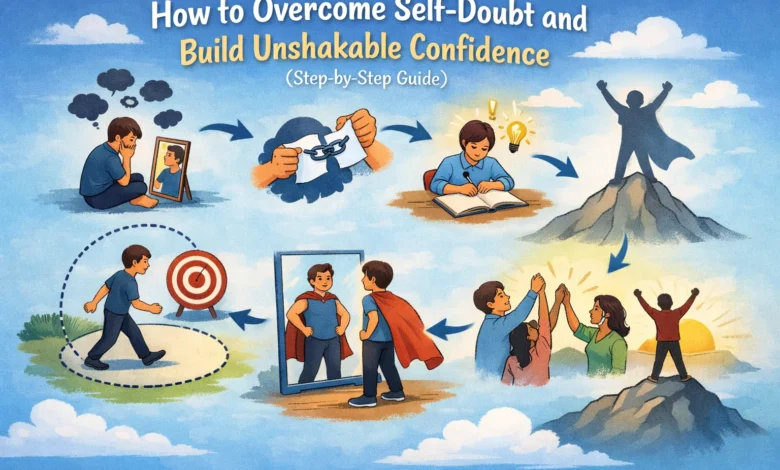
Do you ever find yourself hesitating, held back by a nagging voice that whispers, “You can’t do it”? You’re not alone. This guide provides actionable steps to overcome self-doubt and unlock your full potential, guiding you towards unshakable confidence.
Why Self-Doubt Is More Common Than You Think

Self-doubt is a pervasive feeling, a common thread woven through the human experience. Many people struggle with self-doubt. It whispers insecurities, making us doubt whether we’re good enough. These negative thoughts hold you back from reaching your full potential.
How Self-Doubt Quietly Affects Your Decisions and Life Choices
The insidious nature of self-doubt is that it often operates beneath the surface, subtly influencing our decisions and limiting our life choices. This manifests as avoiding challenges or opportunities due to the fear of failure, ultimately impacting our personal and professional growth.
The Difference Between Healthy Doubt and Limiting Self-Doubt
It’s important to distinguish between healthy doubt and limiting self-doubt. Healthy doubt encourages careful consideration, while self-doubt can have negative consequences, such as:
- Triggering overthinking and self-sabotage.
- Hindering progress and diminishing confidence.
Why Building Confidence Is a Skill, Not a Personality Trait
Confidence isn’t an innate quality; it’s a skill that can be cultivated and strengthened through consistent effort. Just as one learns any other skill, building confidence involves practice, persistence, and a willingness to learn from mistakes, gradually overcoming feelings of self-doubt.
Understanding Self-Doubt at a Psychological Level
To effectively overcome your self-doubt, it’s essential to understand the psychological mechanisms at play. Exploring how our brains process fear, how past experiences shape our beliefs, and how social comparison influences our self-perception are key to breaking free.

How the Brain Creates Fear-Based Thoughts
Our brains are wired to protect us from perceived threats, often generating fear-based thoughts as a survival mechanism. These thoughts, while intended to keep us safe, can become exaggerated and irrational, fueling self-doubt and preventing us from taking action.
The Role of Past Experiences and Conditioning
Past experiences, particularly negative ones, play a significant role in shaping our beliefs about ourselves and our abilities. Conditioning from childhood, societal expectations, and previous failures can create limiting beliefs that fuel self-doubt and hold us back.
How Comparison Culture Increases Self-Doubt (Social Media Effect)
In today’s hyper-connected world, social media often exacerbates self-doubt by presenting curated and often unrealistic portrayals of others’ lives. This constant comparison can lead to feelings of inadequacy, fueling insecurity and undermining our self-esteem.
Signs That Self-Doubt Is Controlling Your Life
Recognizing the signs that self-doubt is taking control is the first step towards regaining your power. These signs often manifest in different ways, such as:
- Overthinking and seeking constant validation, which can be exhausting.
- Avoiding challenges and succumbing to procrastination due to fear.

Overthinking Every Decision
One prominent sign that self-doubt is in control is the tendency to overthink every decision, big or small. This involves endlessly analyzing potential outcomes, weighing pros and cons, and struggling to make a choice due to fear of making the wrong one.
Avoiding Opportunities Due to Fear of Failure
Another telltale sign is consistently avoiding opportunities due to the fear of failure. This stems from a deep-seated belief that you’re not good enough, leading to missed chances and a diminished sense of self-worth as you avoid attempting them.
Seeking Constant Validation from Others
A strong need for constant validation from others is another indicator of underlying self-doubt. This involves seeking reassurance and approval from external sources, rather than trusting your own judgment and inner compass.
Procrastination and Fear of Starting
Procrastination, or delaying tasks and responsibilities, is often rooted in fear and self-doubt. The fear of not being able to meet expectations or produce perfect results can lead to avoidance, creating a cycle of self-sabotage, causing you to get stuck.
Step 1: Identify and Challenge Your Inner Critic
To effectively overcome your self-doubt, you must first learn to recognize and challenge your inner critic. This involves identifying negative self-talk patterns, questioning limiting beliefs, and replacing those unhelpful phrases with more empowering ones. These actions are essential steps in order to overcome self doubt.

Recognizing Negative Self-Talk Patterns
The first step in overcoming your self-doubt is to become aware of the negative self-talk patterns that run through your mind. Pay attention to the thoughts that arise when you’re faced with a challenge or setback, noticing the recurring themes of inadequacy or self-doubt.
How to Question Your Limiting Beliefs
Once you’ve identified your negative self-talk patterns, it’s time to question the limiting beliefs that underpin them. Ask yourself if there’s any evidence to support these beliefs, or if they’re simply based on past experiences or ingrained fears.
Replacing “I Can’t” With “I’m Learning”
One powerful way to overcome negative thoughts is to reframe your self-talk. Instead of saying “I can’t,” try replacing it with “I’m learning.” This subtle shift in language acknowledges your current limitations, while also emphasizing your potential for growth and improvement.
Step 2: Rewire Your Mindset for Confidence
After you identify and challenge your inner critic, the next crucial step is to rewire your mindset for confidence. Cultivating a growth mindset, celebrating small wins, and practicing daily affirmations are key to building unwavering self-belief and working towards the act to overcome self doubt.

Growth Mindset vs Fixed Mindset Explained
A growth mindset embraces challenges and views failures as opportunities for learning, while a fixed mindset believes abilities are innate and unchangeable. Adopting a growth mindset is essential for building confidence, as it allows you to persevere through setbacks and embrace continuous improvement.
How Small Wins Rebuild Self-Belief
Small wins, often overlooked, are powerful tools for rebuilding self-belief. Acknowledging and celebrating these achievements, no matter how minor, reinforces your capabilities and builds momentum towards larger goals, helping you overcome feelings of self-doubt.
Daily Affirmations That Actually Work (Not Toxic Positivity)
Daily affirmations, when used correctly, can be effective tools for rewiring your mindset. Focus on realistic and empowering statements that align with your values and goals, rather than simply reciting generic positive phrases, which may feel inauthentic and cause you to get stuck.
Step 3: Take Action Before You Feel Ready
Many people wait for the “perfect” moment to take action, but true confidence often comes from stepping outside your comfort zone. Taking action before you feel fully ready is a powerful way to overcome your fear of failure and build momentum.

Why Confidence Comes After Action, Not Before It
It’s a common misconception that confidence must precede action, but in reality, the opposite is often true. Confidence is built through experience and overcoming challenges, meaning that taking action, even when you feel doubtful, is essential for building self-belief.
The Power of Imperfect Action
Perfectionism can be a major obstacle to taking action. Embracing the power of imperfect action means allowing yourself to make mistakes and learn from them. This releases you from the pressure of having to get things right, as that is a great way to overcome self-doubt.
Breaking the Fear of Failure Through Exposure
The best way to overcome the fear of failure is to gradually expose yourself to situations that trigger that fear. By repeatedly facing your fears, you’ll desensitize yourself to them and build resilience, diminishing the power of self-doubt and giving you a better mindset.
Step 4: Build Evidence of Competence
Building evidence of your competence is a crucial step in overcoming self-doubt and insecurity. By tracking your progress, celebrating small achievements, and actively developing your skills, you create a tangible foundation for self-belief.

Keeping a “Wins Journal” to Track Progress
One effective way to build evidence of competence is to keep a “wins journal.” Regularly recording your accomplishments, no matter how small, allows you to track your progress and recognize your capabilities, reinforcing positive self-perception and helping to overcome feeling doubtful.
Turning Small Achievements into Confidence Fuel
Don’t underestimate the power of small achievements to fuel your confidence. Acknowledge and celebrate these wins, using them as motivation to tackle bigger challenges. Each success, no matter how small, contributes to a growing sense of self-efficacy as you try to overcome self-doubt and unlock your full potential.
Skill-Building as a Confidence Builder
Actively developing your skills is a direct way to build competence and boost confidence. As you acquire new knowledge and abilities, you gain a sense of mastery and self-assurance, reducing the impact of self-doubt and enhancing your overall self-belief.
Step 5: Stop Comparing Yourself to Others
One of the most pervasive causes of self-doubt is the tendency to compare ourselves to others. Comparing yourself to others and their achievements can fuel negative thoughts and insecurity, but learning to focus on your own journey is essential to overcome self-doubt.

How Social Media Distorts Reality
Social media often presents a distorted view of reality, showcasing curated highlights rather than the full picture. This constant exposure to idealized versions of others can fuel feelings of inadequacy and insecurity, causing you to struggle with self-doubt and feel that you’re not good enough.
Focus on Your Personal Growth Timeline
Instead of comparing yourself to others, shift your focus to your own personal growth timeline. Acknowledge the progress you’ve made, celebrate your achievements, and recognize that everyone’s journey is unique. Remember that everyone will experience self-doubt at some point, and it is part of being human.
Turning Comparison into Inspiration Instead of Pressure
Instead of letting comparison trigger self-doubt, try to transform it into inspiration. Use others’ successes as motivation to pursue your own goals, while still remembering that their path isn’t yours. Acknowledge that feelings of self-doubt are normal and you can learn to manage those feelings.
Step 6: Strengthen Your Self-Image
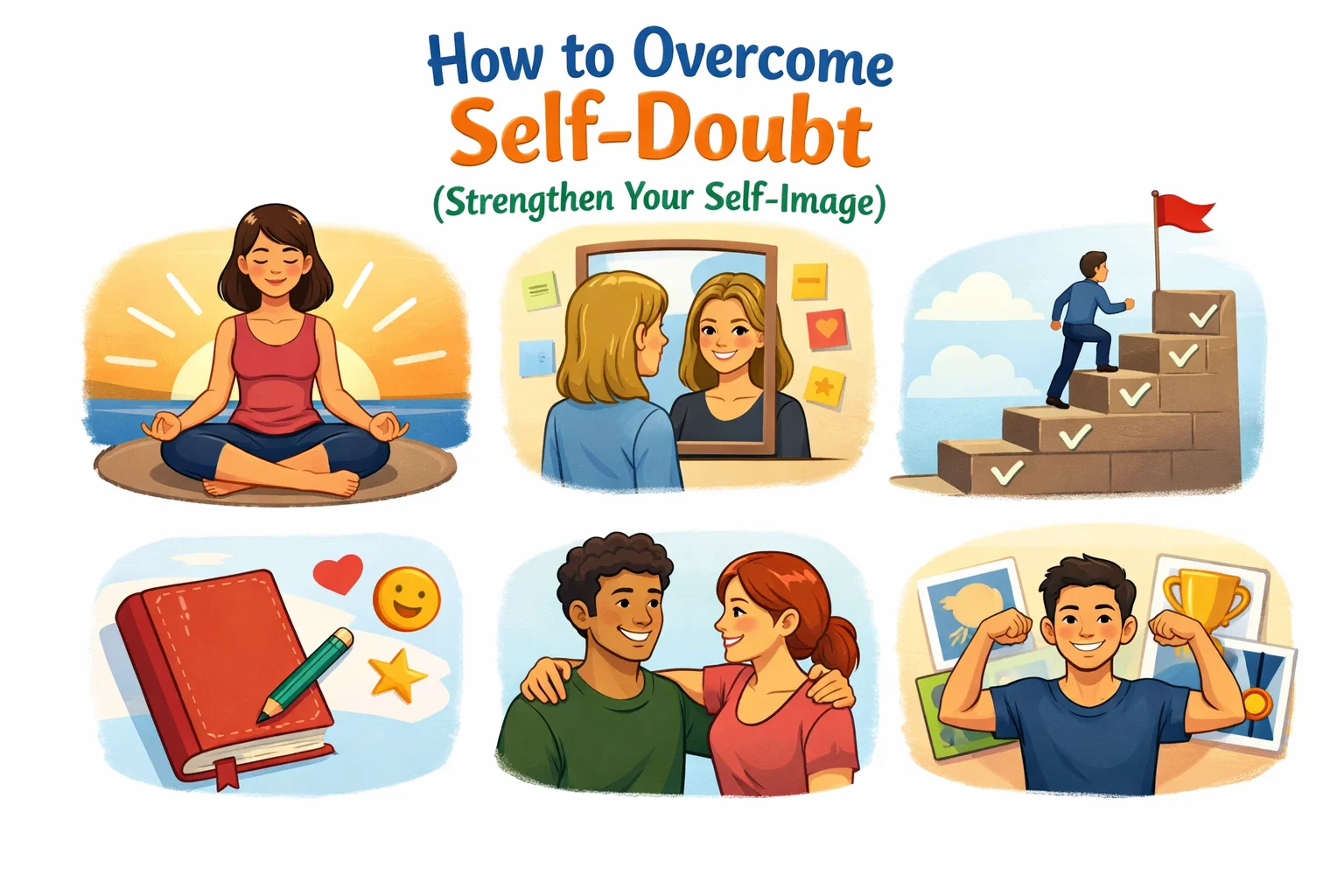
Strengthening your self-image is essential for building lasting confidence and learning ways to overcome self-doubt. By cultivating a positive self-perception, visualizing your ideal self, and acting with self-respect, you can transform your internal narrative. When you take action towards feeling better, you’re on the right track.
How Identity Shapes Confidence
Your sense of identity plays a significant role in shaping your confidence. When you have a clear and positive understanding of who you are, what you value, and what you’re capable of, you’re less likely to be swayed by self-doubt and more able to embrace your full potential.
Visualizing the Version of Yourself You Want to Become
Visualization is a powerful tool for strengthening your self-image. Regularly visualize yourself as the confident, capable person you aspire to be, focusing on your strengths, your abilities, and the positive impact you want to make, and you will be on your way to overcome self doubt.
Dressing, Speaking, and Acting with Self-Respect
Your external behavior can also influence your internal self-perception. Dress in a way that makes you feel confident, speak clearly and assertively, and act with self-respect in all your interactions. These actions reinforce a positive self-image and diminish the power of feelings of self-doubt.
Step 7: Build Emotional Resilience
Emotional resilience is the ability to bounce back from setbacks and challenges without losing confidence. Developing this skill involves learning to handle failure constructively, reframe mistakes as feedback, and cultivate mental toughness through consistent effort and positive affirmations.

How to Handle Failure Without Losing Confidence
Failure is an inevitable part of life, but it doesn’t have to derail your confidence. When faced with failure, resist the urge to self-blame or get stuck in negative thoughts. Instead, view it as a learning opportunity, identifying what went wrong and how you can improve in the future.
Reframing Mistakes as Feedback, Not Defeat
Reframing your perspective on mistakes is crucial for building emotional resilience. Instead of viewing mistakes as evidence of inadequacy, see them as valuable feedback that provides insights for growth and improvement. You can use it to overcome self doubt.
Developing Mental Toughness Through Consistency
Mental toughness is like a muscle that strengthens with consistent exercise. By consistently pushing yourself outside your comfort zone, facing challenges head-on, and persevering through setbacks, you build the resilience needed to overcome self-doubt and maintain unwavering confidence.
Step 8: Reduce External Negative Influences
Here’s how you can overcome self-doubt and thrive. Start by focusing on your environment:
- Reduce exposure to toxic influences.
- Cultivate a supportive environment.
- Take digital detoxes.
It is also good to practice self-compassion.

Toxic People and Their Impact on Self-Belief
Toxic people, characterized by negativity, criticism, and a lack of support, can erode your self-belief and fuel feelings of self-doubt. It’s essential to distance yourself from these individuals, setting boundaries and prioritizing relationships with those who uplift and encourage you. These are great ways to overcome self-doubt.
Digital Detox from Negative Social Media Content
The constant barrage of negative news, unrealistic portrayals, and toxic comments on social media can significantly contribute to feelings of insecurity and self-doubt. Taking regular digital detoxes, unfollowing accounts that trigger negative emotions, and curating a more positive online experience can protect your mental well-being.
Creating a Supportive Environment for Growth
Surrounding yourself with supportive and encouraging individuals who believe in you is essential for building confidence. Seek out mentors, join supportive communities, and cultivate relationships that foster growth, positivity, and self-belief, diminishing those causes of self-doubt.
Step 9: Use Body Language and Behavior to Boost Confidence

How Posture Affects Self-Perception
Your posture significantly influences how you perceive yourself. Standing tall with your shoulders back can instantly boost your feelings of confidence. Slouching, on the other hand, can reinforce feelings of insecurity and self-doubt. Pay attention to your body language as you learn ways to overcome self-doubt.
Speaking Clearly and Slowing Down Your Thoughts
When you speak clearly and deliberately, you project an image of confidence and authority. Slowing down your thoughts can help you articulate your ideas more effectively, reducing the likelihood of stumbling over your words or appearing unsure of yourself. If you overcome self doubt, you become more clear in speaking.
The “Act As If” Confidence Technique
The “act as if” technique involves behaving as if you already possess the confidence you desire. This can involve adopting confident body language, speaking assertively, and taking action despite your fears. This can influence feelings of self-doubt and help you overcome those feelings.
Step 10: Build Long-Term Confidence Habits
Daily Discipline Over Motivation
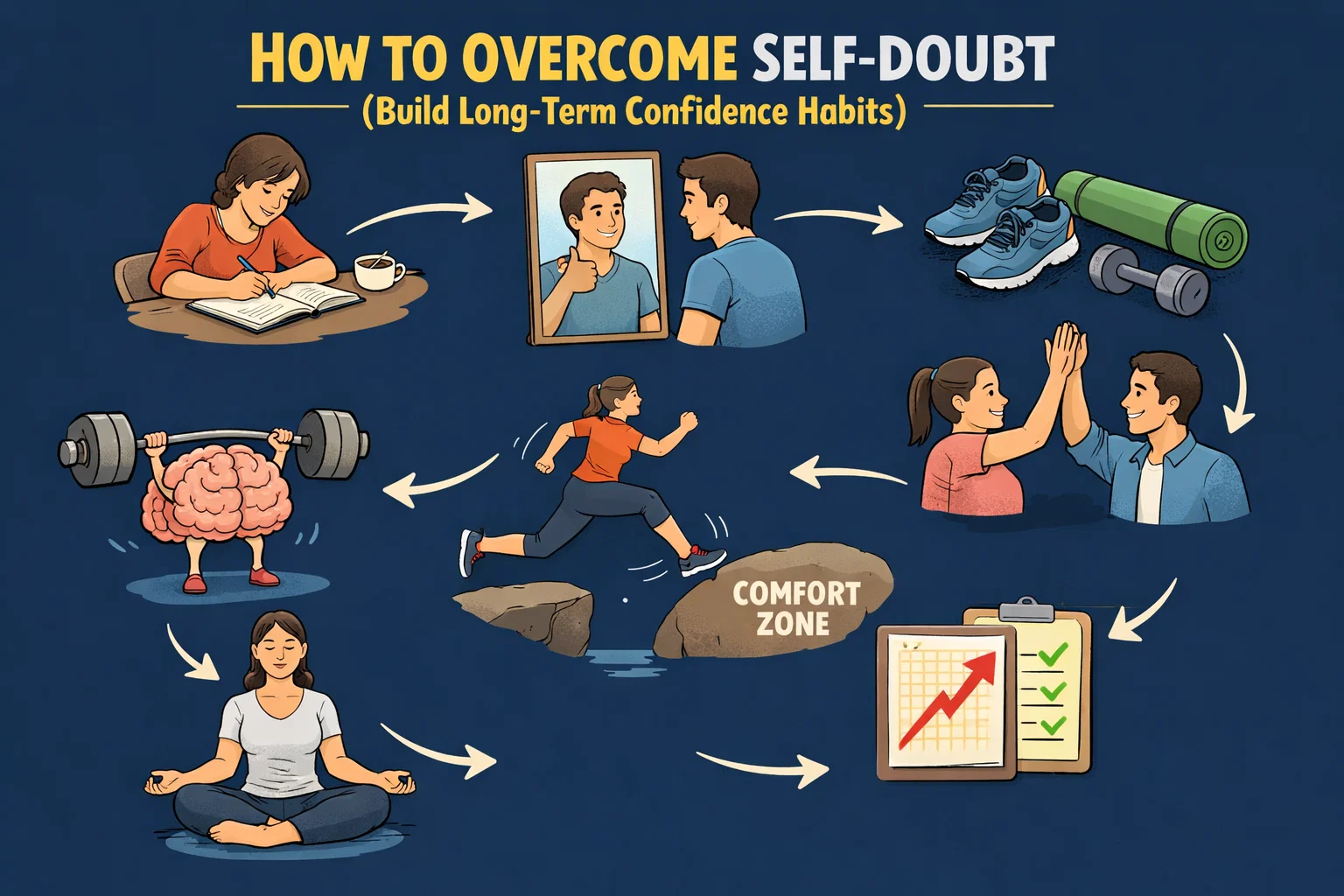
While motivation can be fleeting, daily discipline is the key to building long-term confidence habits. This involves consistently taking small steps towards your goals, even when you don’t feel like it, reinforcing your self-belief and diminishing the power of feelings of self-doubt. Consistent actions are great ways to overcome self-doubt.
Consistent Learning and Skill Improvement
Commit to consistent learning and skill improvement to build confidence. Continuously expanding your knowledge and abilities increases your sense of competence. Each new skill you learn acts as evidence that you are able to overcome self-doubt.
Morning and Evening Confidence Rituals
Establishing morning and evening confidence rituals can help you start and end your day with a positive mindset. These rituals might include affirmations, visualization exercises, gratitude journaling, or simply taking a few moments to reflect on your accomplishments and strengths. As you overcome self doubt, you will experience more peace.
Common Mistakes That Keep People Stuck in Self-Doubt
Many people inadvertently sabotage their efforts to overcome self doubt by falling into common traps. These include seeking external validation, comparing themselves to others, and dwelling on past failures. Recognizing and avoiding these mistakes is essential for making lasting progress.
Benefits of Overcoming Self-Doubt
Overcoming self-doubt unlocks a wealth of benefits, both personally and professionally. It allows you to pursue your goals with greater courage and conviction, leading to increased success and fulfillment. Feelings of self-doubt no longer take control.
Conclusion: Turning Self-Doubt Into Self-Belief
Self-doubt is a common human experience, but it doesn’t have to define you. You can unlock your full potential, overcome your self-doubt, and build unshakable confidence by learning to manage negative thoughts, build your self-compassion, and take action. As you overcome self doubt, you will become unstoppable.