


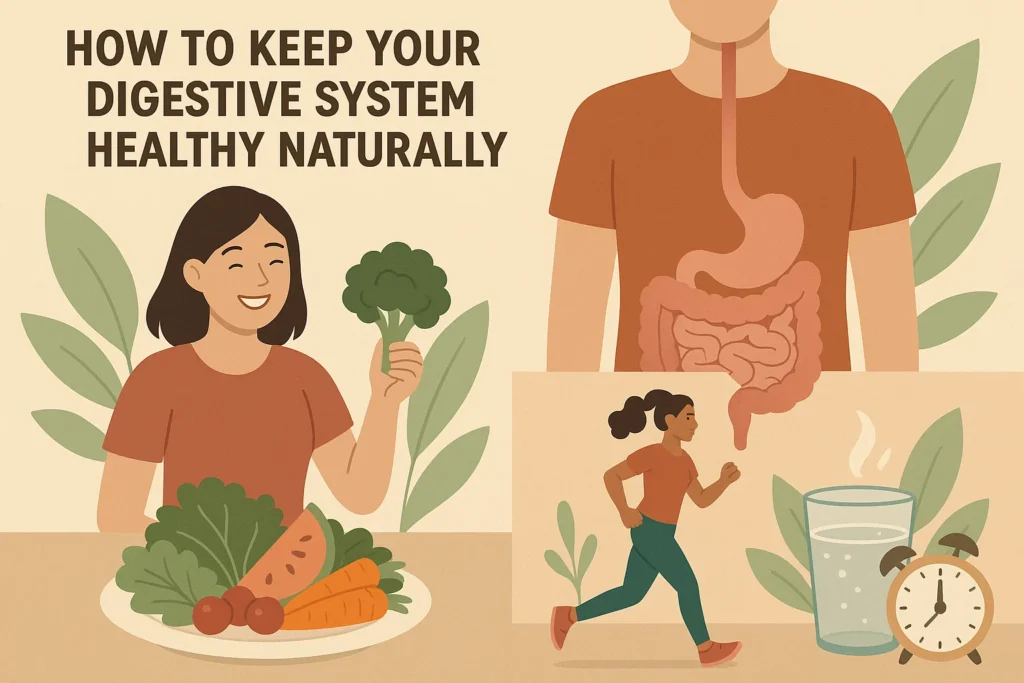
Your digestive system isn’t just about breaking down food. It’s the foundation of your body’s wellness, responsible for nutrient absorption, immune support, mood balance, and toxin elimination. When your digestion suffers, so does your energy, immunity, skin, and even mental health.
Thankfully, there are powerful yet natural strategies you can implement to strengthen your digestive system. In this comprehensive guide, we’ll explore 10 proven, all-natural tips to help you support and heal your gut for life-long health.
What Is the Digestive System and Why It Matters

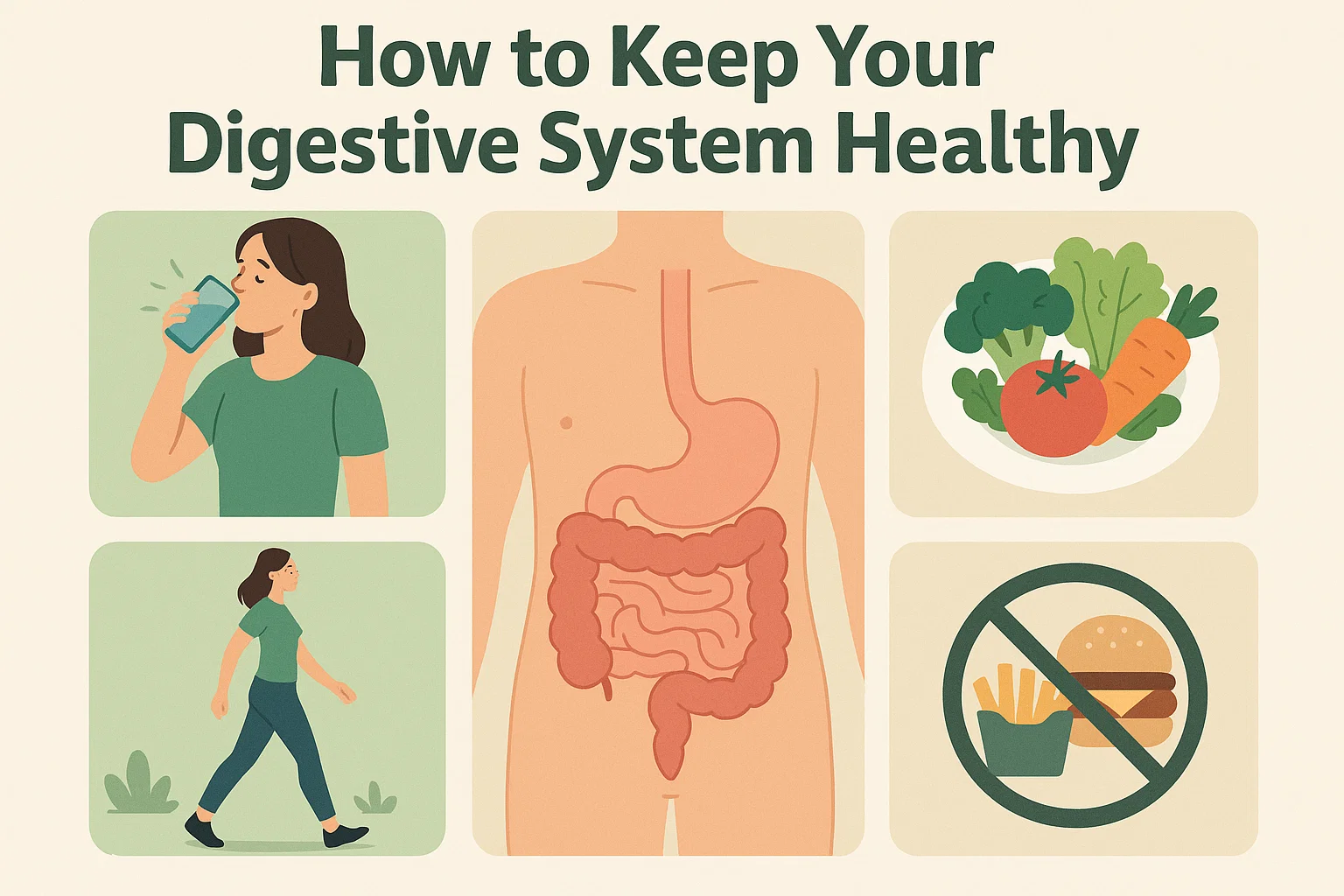
The digestive system includes your mouth, esophagus, stomach, intestines, liver, and pancreas. This network turns food into nutrients your body can use, and efficiently gets rid of waste. When working properly, your digestive system helps you:
- Maintain energy levels
- Absorb essential vitamins and minerals
- Eliminate toxins and waste
- Prevent illness and infection
- Keep your hormones balanced
Early Signs of Poor Digestion You Shouldn’t Ignore
If your digestion is out of balance, your body will send signals. Watch for:
- Bloating or excess gas
- Irregular bowel movements
- Heartburn or acid reflux
- Fatigue after meals
- Skin breakouts or dull complexion
- Brain fog
- Food sensitivities
Benefits of a Strong Digestive System
When your digestion is healthy, your whole body benefits:
- Stronger immunity
- Stable mood and mental clarity
- Healthy weight management
- Clearer skin
- Better sleep
- Fewer cravings
Now, let’s explore the top 10 natural ways to improve your digestion.
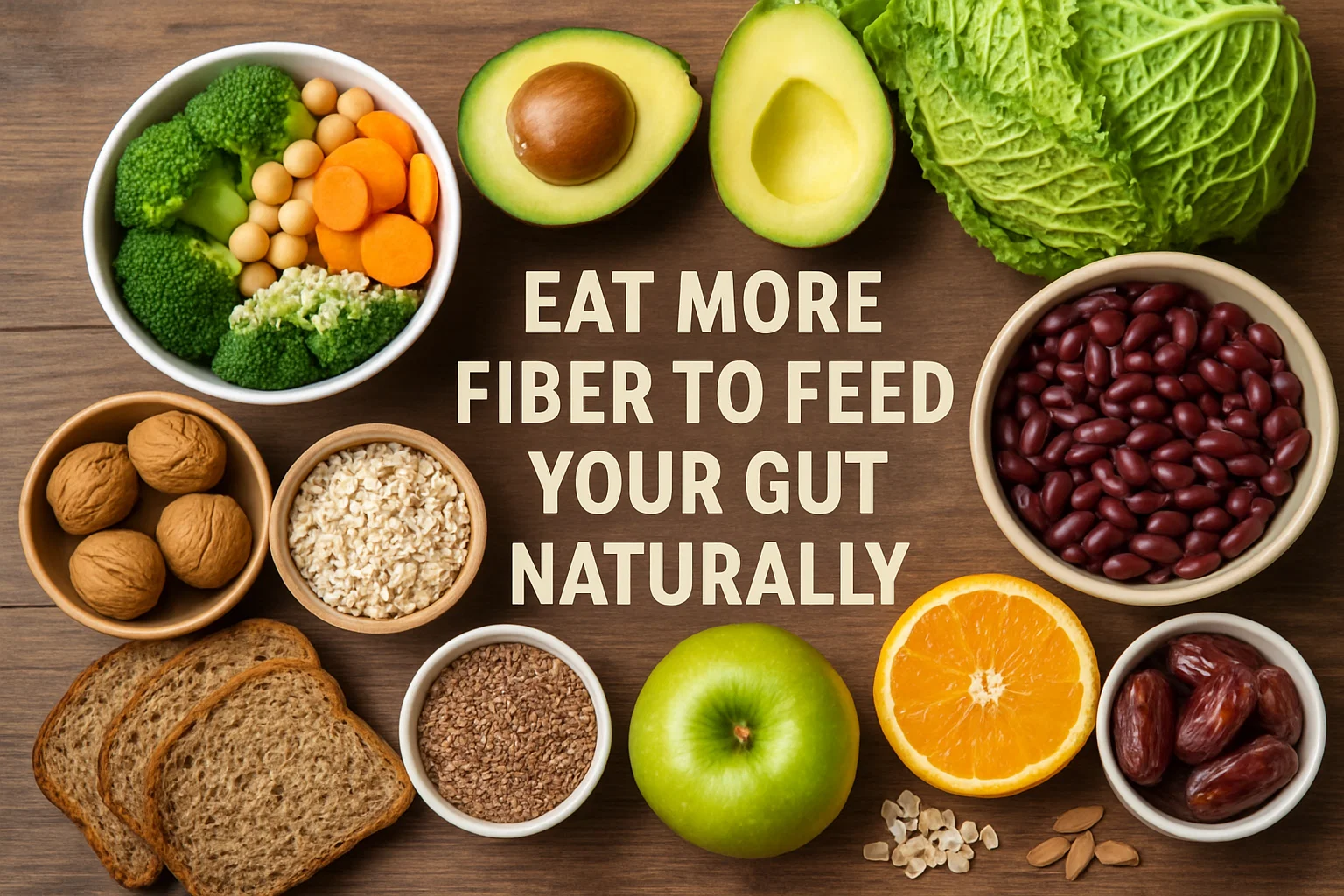
1. Eat More Fiber to Feed Your Gut Naturally
Soluble vs. Insoluble Fiber: What’s the Difference?
Fiber keeps your digestive system clean and moving. There are two types:
- Soluble fiber dissolves in water and slows digestion. Found in oats, apples, and beans.
- Insoluble fiber adds bulk to stool and helps prevent constipation. Found in vegetables and whole grains.
Best Natural High-Fiber Foods for Daily Gut Health
- Berries, pears, and bananas
- Leafy greens like spinach and kale
- Broccoli, carrots, and sweet potatoes
- Oats, flaxseed, lentils, and chia seeds
Tip: Start slow and drink more water as you increase fiber to avoid bloating.
2. Stay Hydrated to Keep Things Moving
How Water Helps Digestive Functions
Water softens stool, prevents constipation, and helps break down food more efficiently. It also supports saliva production and nutrient absorption.
Herbal Teas and Gut-Healing Beverages to Add
- Ginger tea: Aids digestion and relieves nausea
- Peppermint tea: Calms the gut and reduces gas
- Fennel tea: Relieves bloating and cramps
- Bone broth: Repairs the intestinal lining with collagen and minerals
Aim for 8–10 glasses of fluid daily, including herbal teas and water-rich foods.
3. Manage Stress to Avoid Digestive Shutdown

The Gut-Brain Connection Explained Simply
Your gut and brain are linked through the vagus nerve. Stress disrupts digestion by reducing blood flow to your stomach and intestines.
Natural Stress-Relief Habits That Benefit Your Gut
- Deep breathing exercises
- Daily meditation or mindfulness
- Walking in nature
- Journaling or gratitude practice
- Yoga and light stretching
Chronic stress may lead to conditions like IBS, ulcers, and leaky gut.
4. Add Probiotics and Prebiotics to Balance Your Gut Flora
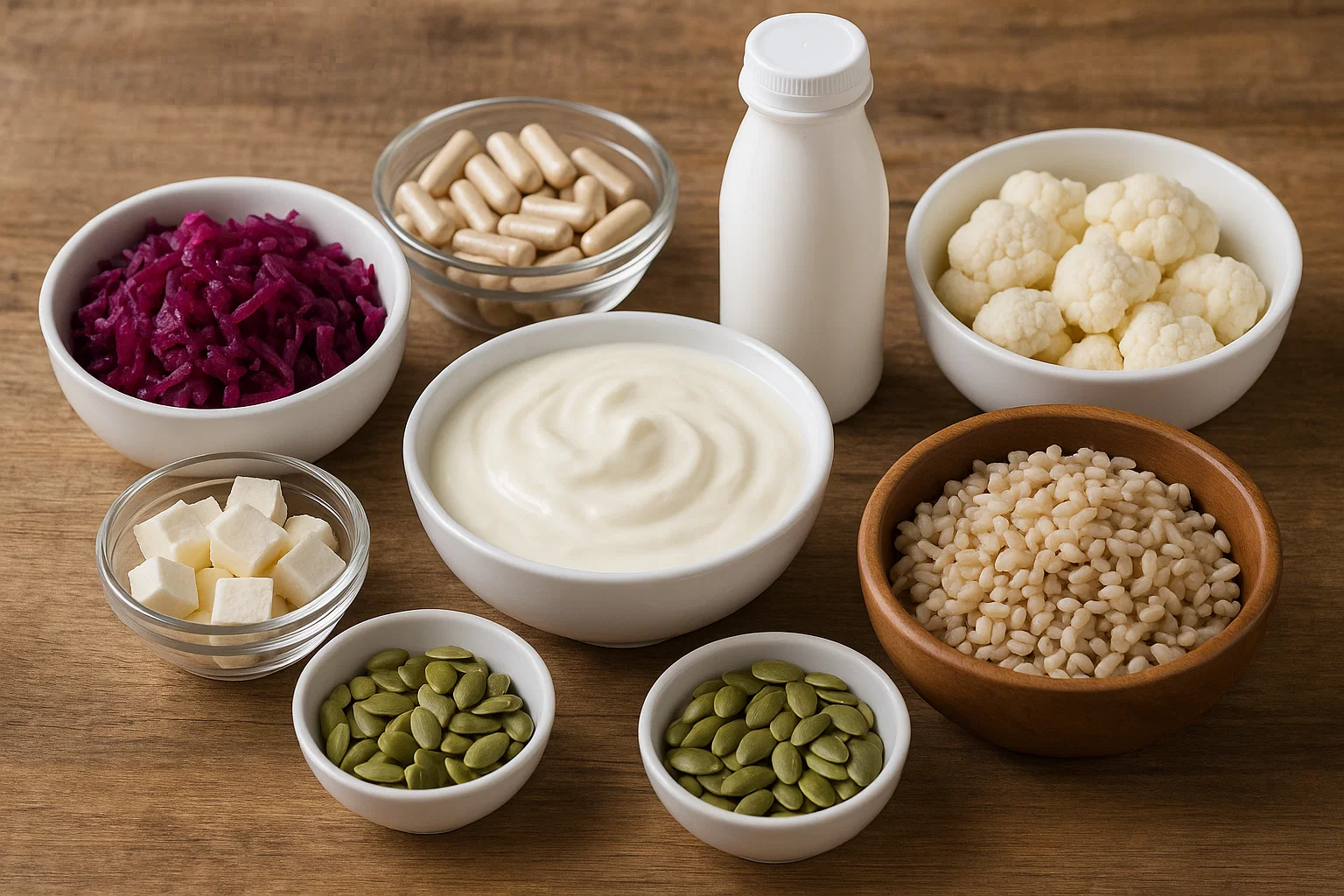
Best Probiotic Foods to Eat Daily
Probiotics are live bacteria that support a healthy gut environment:
- Yogurt with live cultures
- Kefir (fermented milk)
- Sauerkraut and kimchi
- Miso and tempeh
- Kombucha
Prebiotic Foods That Help Good Bacteria Thrive
Prebiotics feed your good gut bacteria:
- Garlic, onions, and leeks
- Asparagus and artichokes
- Oats and barley
- Bananas and apples (with skin)
Include both daily for a synergistic gut-health effect.
5. Exercise Regularly to Boost Digestive Function

How Movement Supports Healthy Gut Motility
Exercise stimulates the natural contractions of your intestines (peristalsis), which helps move food smoothly through the system.
Gentle Exercises That Help with Bloating and Constipation
- 20-minute brisk walks, especially after meals
- Yoga poses like twists and forward bends
- Pilates or light cardio
- Rebounding (mini-trampoline)
Consistency is key—aim for 30 minutes of movement per day.
6. Eat Mindfully and Chew Thoroughly
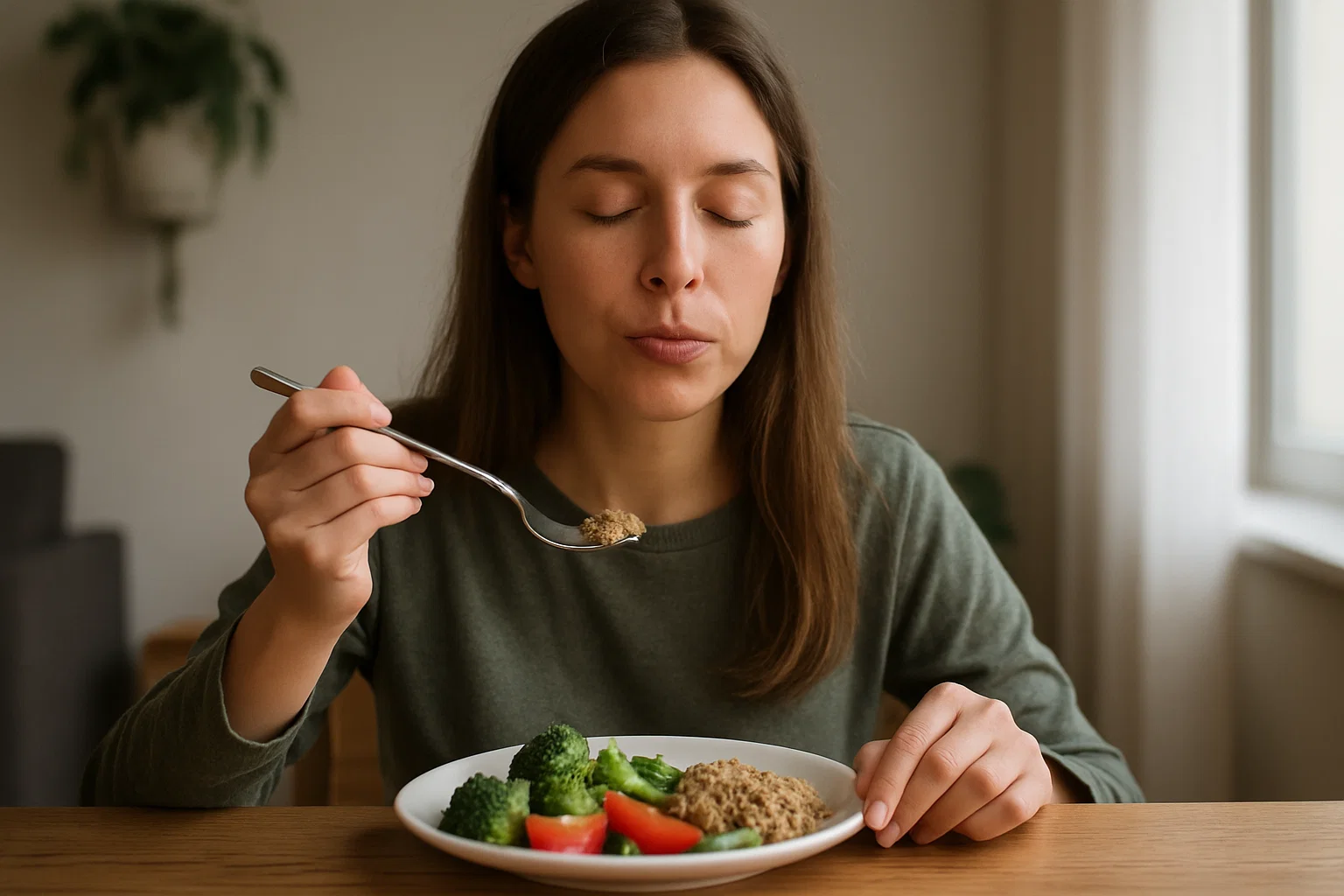
Why Fast Eating Damages Digestion
Eating quickly can cause you to swallow air, leading to bloating. It also prevents your stomach from getting the signal to stop, leading to overeating.
Practical Tips for Slower, More Conscious Meals
- Put down your fork between bites
- Chew food 20–30 times before swallowing
- Avoid screens while eating
- Express gratitude for your meal
- Take deep breaths before your first bite
Mindful eating enhances nutrient absorption and reduces digestive discomfort.
7. Avoid Overuse of Gut-Harming Medications

Common Drugs That Damage Digestive Health
- Antibiotics: Disrupt good gut bacteria
- NSAIDs (ibuprofen, aspirin): Damage the stomach lining
- Antacids: Lower stomach acid, impairing digestion
- Laxatives: Create dependency and weaken natural bowel function
Natural Alternatives to Support Your Gut
- Use turmeric, ginger, or boswellia for inflammation
- Try licorice root for acid reflux
- Take a probiotic after antibiotic use
- Heal with bone broth and fermented foods
Always consult a healthcare provider before making changes to medication.
8. Use Natural Digestive Aids When Needed
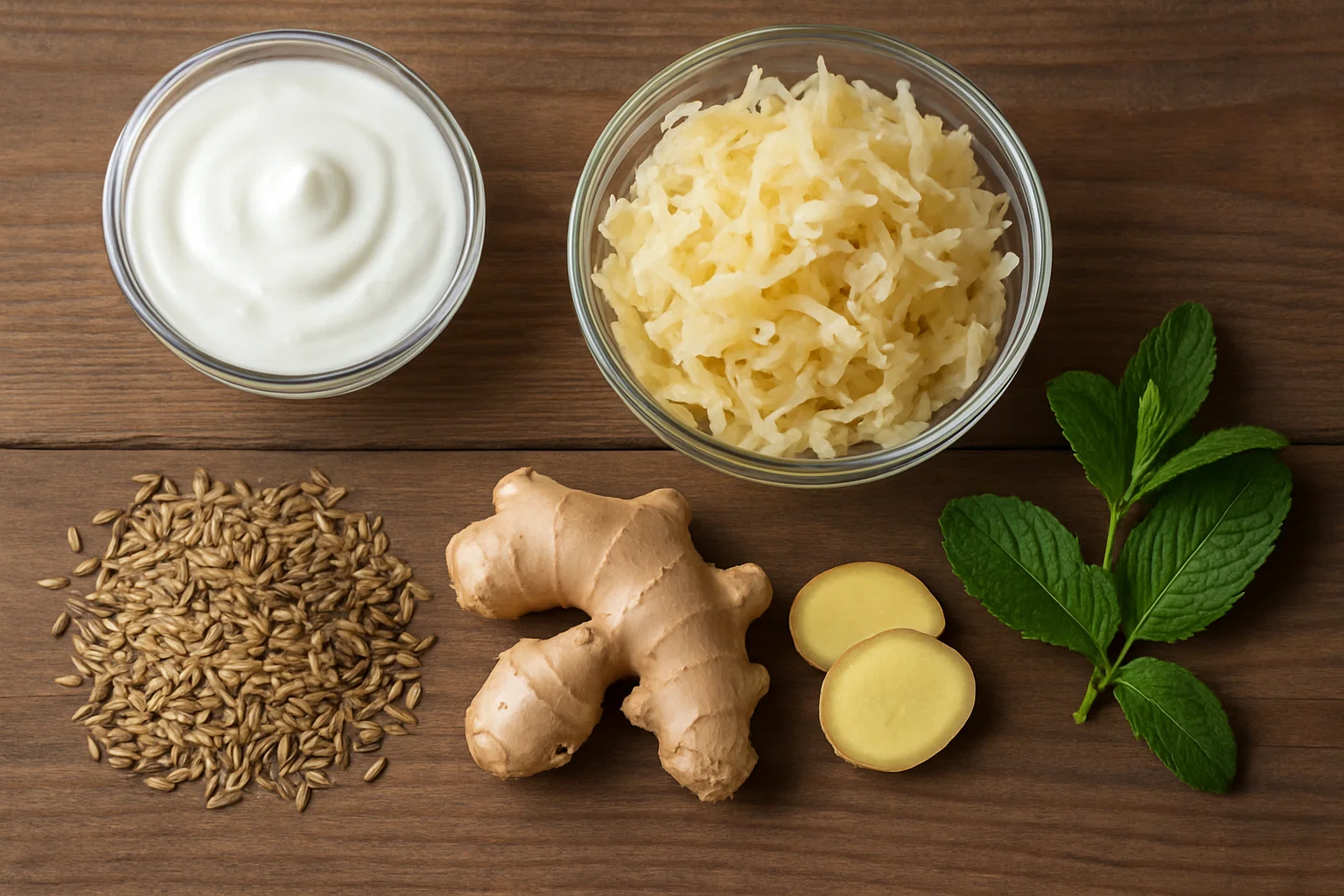
Herbs, Spices & Enzymes That Help Break Down Food
- Ginger: Boosts enzyme production and reduces nausea
- Peppermint oil: Relieves IBS and gas
- Fennel seeds: Calm the digestive tract
- Digestive bitters: Stimulate bile and stomach acid
- Papaya enzymes (papain) and pineapple enzymes (bromelain): Aid protein digestion
How to Safely Incorporate Natural Aids into Your Diet
- Drink ginger tea before meals
- Chew fennel seeds after eating
- Use peppermint oil capsules (enteric-coated)
- Try a digestive enzyme supplement when eating heavy meals
9. Prioritize Sleep for Overnight Digestive Repair

The Sleep-Gut Healing Connection
Your body repairs itself while you sleep. Poor sleep disrupts circadian rhythms, which control digestion and gut bacteria balance.
Bedtime Habits That Promote Digestive Recovery
- Finish meals at least 2–3 hours before bed
- Create a calming nighttime routine
- Avoid screens and caffeine late in the day
- Try magnesium or valerian root (with doctor approval)
Aim for 7–9 hours of restful sleep per night.
10. Cut Back on Processed Foods and Added Sugars
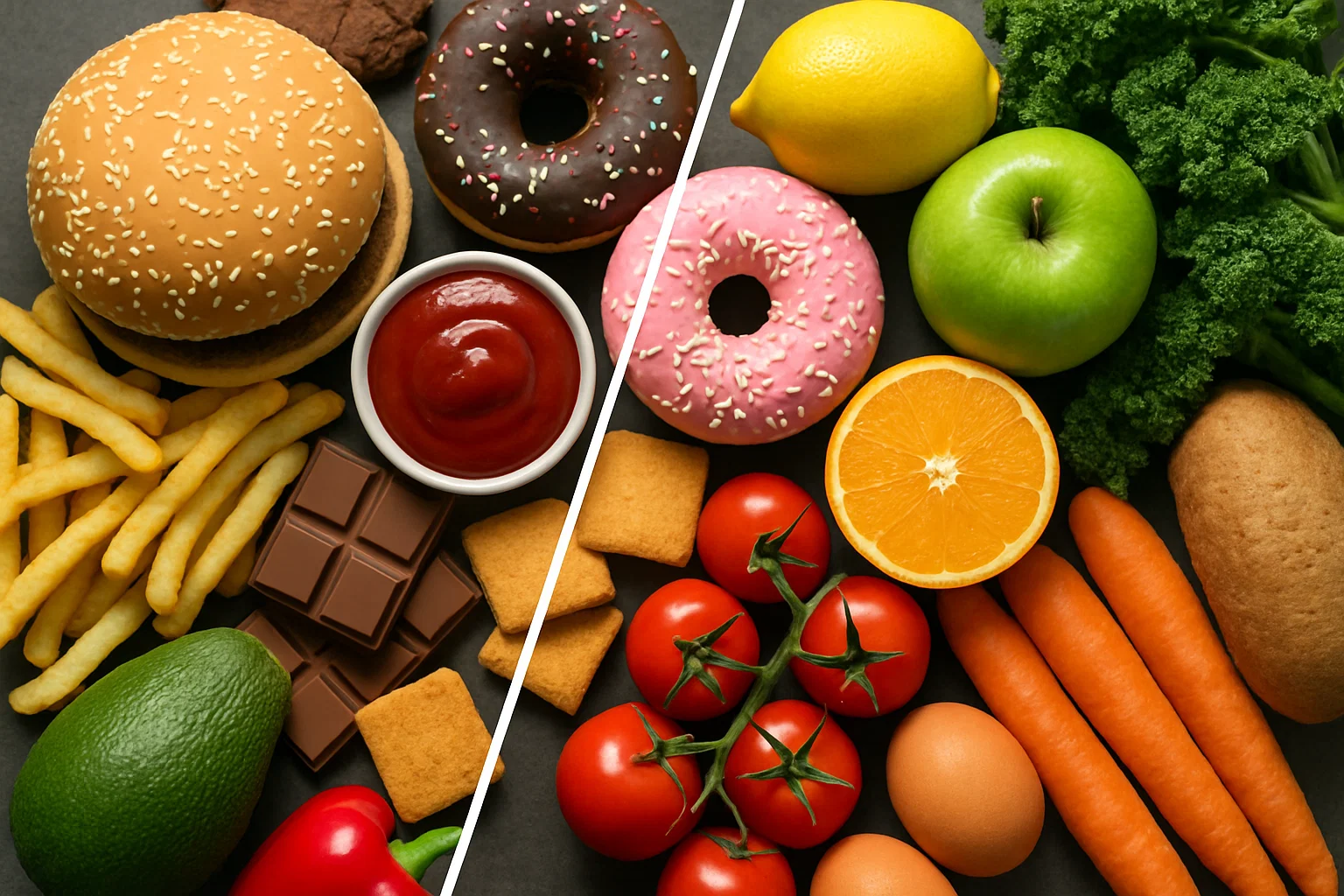
How Junk Food Wrecks Gut Flora and Inflammation
Processed foods contain preservatives, artificial sweeteners, and low-quality fats that disrupt your microbiome and create inflammation.
Whole Food Swaps for a Clean Digestive Diet
| Processed Food | Healthy Swap |
|---|---|
| White bread | Sprouted grain bread |
| Soda | Sparkling water with lemon |
| Candy | Dark chocolate or dried fruit |
| Chips | Air-popped popcorn or nuts |
| Packaged meals | Home-cooked leftovers |
Focus on whole, nutrient-dense, colorful foods that come from nature.
Bonus Tip: Listen to Your Gut’s Signals and Adjust Accordingly
Your body is constantly communicating with you. Pay attention to how you feel after certain meals. Track triggers like gluten, dairy, caffeine, or sugar. Keep a food journal if needed.
Being in tune with your gut can help you personalize your digestion-support strategy.
Conclusion: Start Small, Stay Consistent, Heal Naturally
A healthy gut doesn’t require extreme diets or expensive treatments. Small daily habits—like drinking herbal tea, walking after meals, chewing mindfully, and eating more fiber—add up to powerful change over time.
Remember: digestive healing is a journey. Be patient, be gentle, and give your body the care it deserves.
Start today with one small shift, and soon, your gut will thank you with energy, clarity, and radiant health.