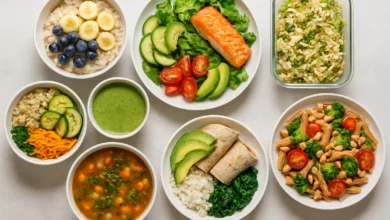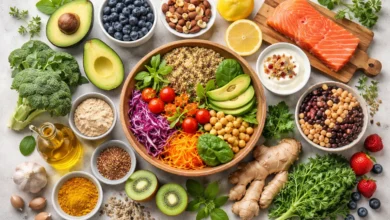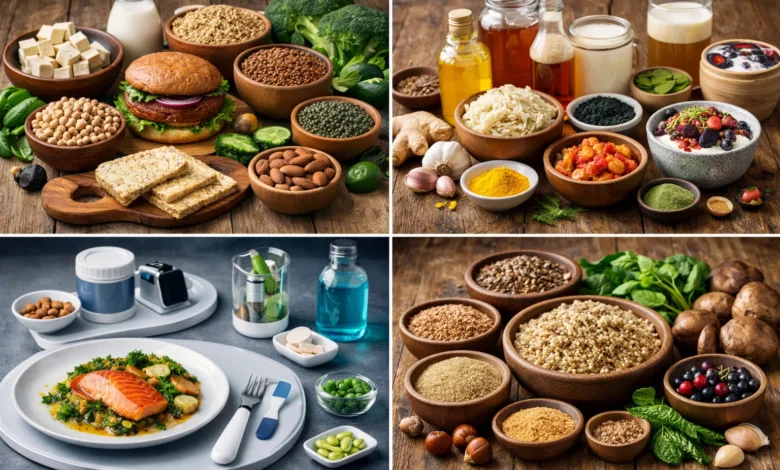
Here’s why diet trends are important as we move into 2025 and 2026. The field of health and nutrition is constantly changing due to several factors, including:
- Scientific advancements
- Innovations within the food industry
- Shifting consumer preferences
Staying informed about these trends allows individuals to make conscious choices that align with their personal health goals.
Why Diet Trends Matter in 2025–2026
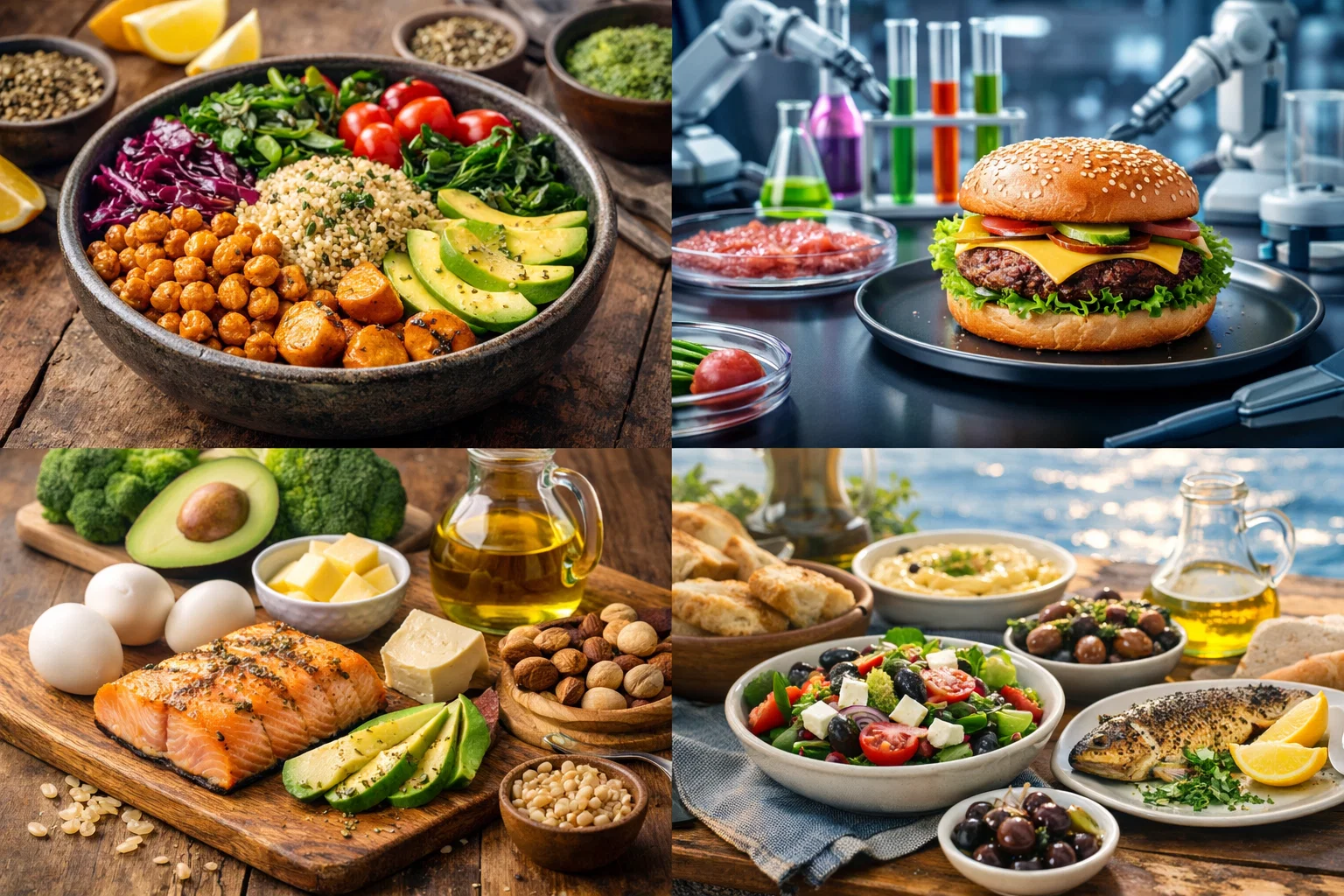
Understanding diet trends is crucial because they reflect the cutting-edge of nutrition science and health recommendations. Nutrition trends for 2025 and trends for 2026 showcase the latest thinking in several key areas:
- Weight management
- Gut health
- Heart health
- Cognitive health
They provide insights into how we can optimize our overall health through dietary choices. Being aware of these trends empowers individuals to make informed decisions.
The Rise of Personalized Nutrition and AI-Driven Diets
Personalized nutrition is poised to revolutionize how we approach diet and wellness. With the aid of AI, individuals can now receive tailored nutrition plans based on their unique genetic makeup, lifestyle, and health goals.
This marks a shift from one-size-fits-all diet approaches to customized plans. These plans maximize health benefits and support gut health. The advancement promises more effective and sustainable health and nutrition trends.
Plant-Based Evolution: Beyond Vegan and Vegetarian
The plant-based movement continues to evolve, extending beyond traditional vegan and vegetarian diets. Innovations in plant-based protein sources are creating new culinary experiences, ensuring people no longer have to compromise on taste or nutrition.
This evolution is about incorporating more whole food, plant-based options into our diet. Consumers seeking sustainable and health-conscious choices will find this approach increasingly appealing.
Fiber-Forward Eating: The “Fibremaxxing” Phenomenon
Focusing on fiber-rich whole grains is gaining traction. This strategy aims to maximize digestion and support gut health. The increasing awareness of fiber’s role in weight management and heart health drives this health trend.
Incorporating fiber-rich foods, such as legumes, vegetables, and whole food, becomes central to enhancing overall health. This dietary approach will support gut health and promote a healthy microbiome.
Gut Health and Functional Foods: Eating for Wellness
Gut health remains a focal point in diet trends, with functional foods taking center stage. The emphasis is on consuming foods rich in prebiotic and probiotic properties to foster a balanced gut microbiome.
These foods not only aid in digestion but also impact brain health, cognitive health, and immune function. The incorporation of such foods into one’s diet underlines a holistic approach to health and wellness. This approach may enhance long-term health.
Top Popular Diets Dominating 2025–2026
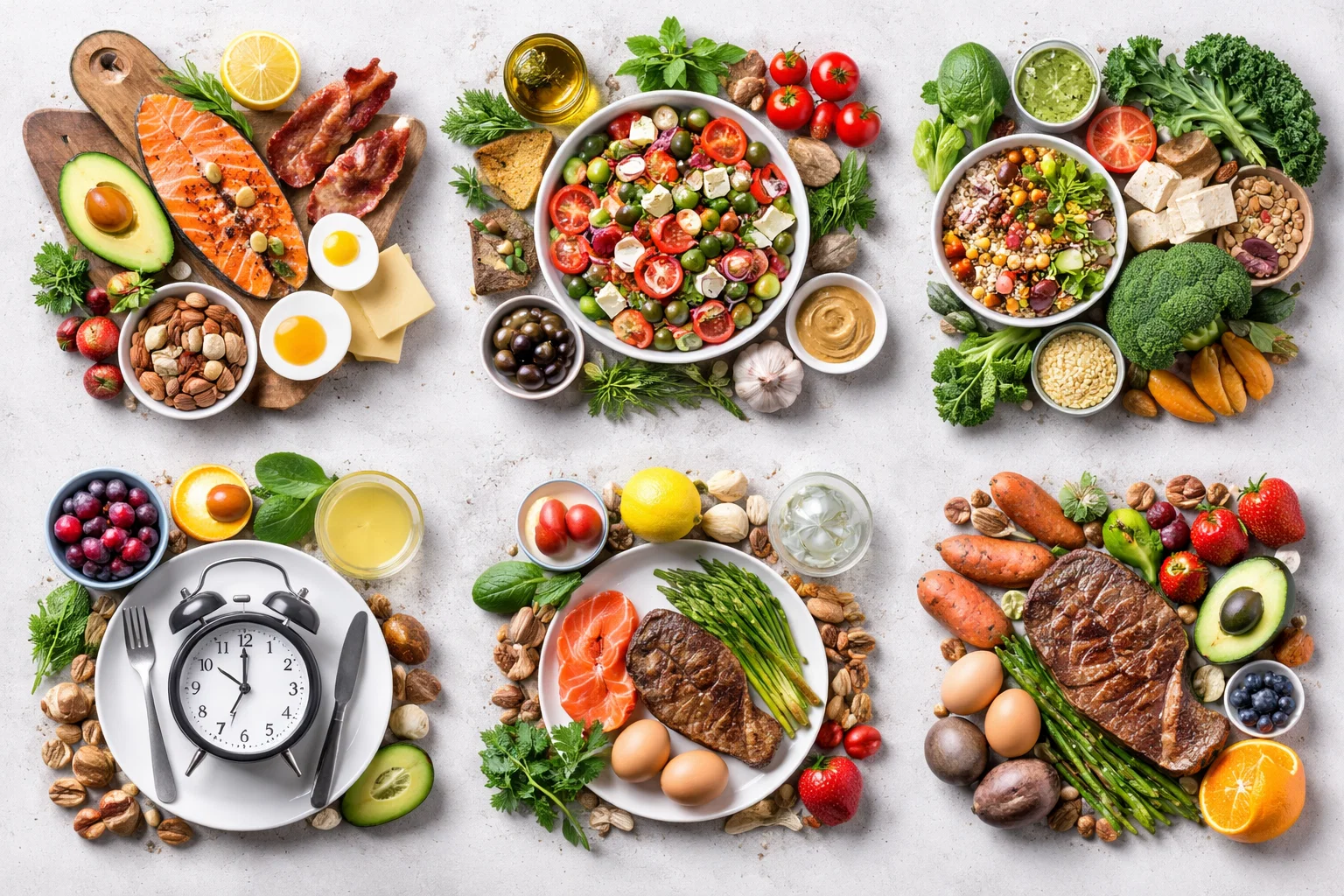
Flexitarian Diets: Balance Between Plants and Protein
Flexitarian diets, which emphasize a balance between plant-based foods and protein, are expected to gain even more traction in 2025 and 2026. This approach caters to consumers seeking the health benefits of vegetarianism without completely eliminating meat.
This diet typically focuses on whole food, incorporating plant-based protein sources, whole grains, and limited amounts of animal protein. Flexitarian diets offer a sustainable and adaptable way to improve overall health. They are a popular diet trend because they’re easy to follow and offer flexibility and variety.
Intermittent Fasting and Smart Fasting Approaches
Intermittent fasting, along with its more refined versions like “smart fasting,” will continue to be a prominent trend. These dietary approaches cycle between periods of eating and voluntary fasting, often to achieve weight management goals.
Moreover, research increasingly suggests health benefits related to brain health, cognitive health, and improved digestion. “Smart fasting” involves strategic meal timing and careful selection of whole food to maximize nutrition during eating windows, which may support gut health.
Anti-Inflammatory Diets: Foods That Fight Chronic Disease
Anti-inflammatory diets are designed to reduce chronic inflammation, a key factor in many diseases. These diets emphasize foods rich in antioxidants and omega-3 fatty acids, such as fruits, vegetables, and fatty fish.
The focus is on avoiding processed food, refined sugars, and unhealthy fats, which can exacerbate inflammation. This diet not only supports heart health but also promotes overall health and wellness. Nutrition trends for 2025 and trends for 2026 will continue to highlight this approach, making it a mainstream recommendation.
Longevity and Blue Zone-Inspired Eating
Inspired by the eating habits of “Blue Zones,” regions where people live exceptionally long and healthy lives, this diet focuses on whole food, plant-based eating with an emphasis on community and lifestyle factors.
This approach incorporates plenty of legumes, vegetables, fruits, and whole grains. This diet limits processed food and emphasizes moderate consumption of animal products. The “Blue Zone” diet may promote long-term health and healthy aging. It’s an example of nutrition trends centered around overall health.
Emerging Diet Trends to Watch
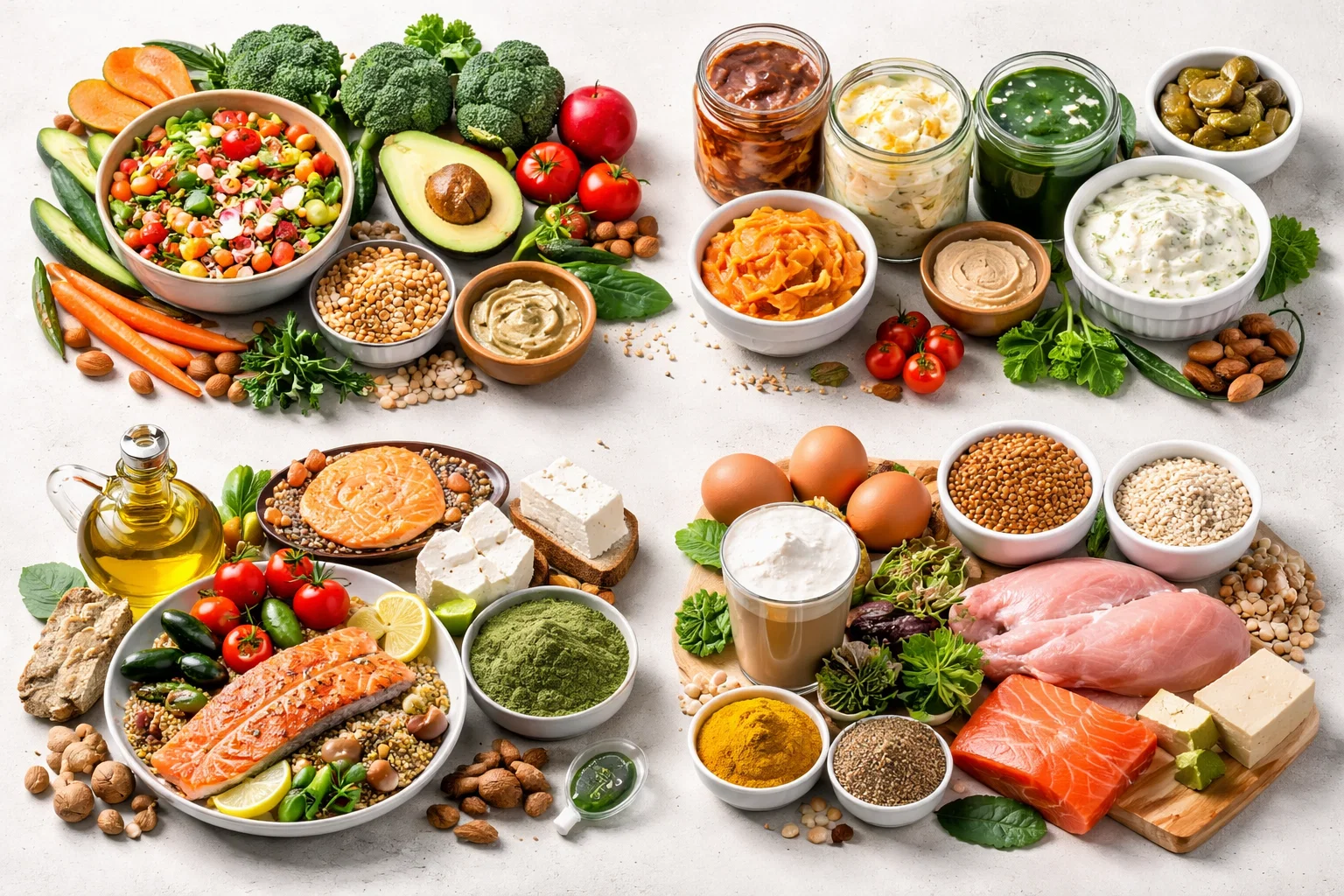
Adaptive Diets Based on Genetics and Microbiome Insights
Adaptive diets, informed by personalized nutrition, are set to redefine health. These diets utilize genetic and microbiome data to tailor nutritional recommendations. The aim is to optimize gut health and overall health.
By analyzing an individual’s unique biological makeup, nutrition trends for 2025 and trends for 2026 are focused on addressing specific nutritional needs and maximizing health benefits. This approach promises more effective and targeted weight management. This data driven approach may also promote cognitive health and brain health.
GLP-1 Influenced Weight Management Eating Plans
The increasing popularity of GLP-1 receptor agonists for weight management is influencing dietary recommendations. Nutrition plans designed to complement these medications emphasize whole food, high-protein intake, and portion control.
Consumers seeking to manage their weight effectively are combining these medications with a strategic dietary approach. The idea is to maximize health benefits while mitigating potential side effects. Trends of 2025 and trends for 2026 are seeing an increased emphasis on this holistic approach.
Mindful Eating and Intuitive Nutrition
Mindful eating and intuitive nutrition are gaining traction as key components of overall health and wellness. These approaches emphasize the importance of listening to the body’s natural hunger and satiety cues. By practicing mindful eating, individuals can develop a healthier relationship with food.
They can also avoid overeating and promote better digestion. This health trend supports weight management and enhances gut health through conscious food choices. This leads to better brain health and cognitive health.
Sustainable Eating: Clean Label and Eco-Friendly Choices
Sustainable eating is becoming increasingly important as consumers seek environmentally friendly options. Clean label products with minimal processed food and eco-friendly packaging are in high demand. This dietary approach emphasizes local, seasonal whole food to reduce carbon footprint.
Nutrition trends in 2025 and trends for 2026 highlight the importance of making dietary choices that support gut health, healthy aging, and the planet. This is an important component of health and wellness.
Functional Beverages and Alcohol Alternatives
The food and beverage industry is experiencing a surge in functional beverage options. These beverage choices provide health benefits that extend beyond simple hydration. Many of these beverage options include specific ingredients to achieve these benefits, such as:
- Adaptogens
- Prebiotics and Vitamins
These beverage options also support gut health and boost brain health, and alcohol alternatives are becoming increasingly popular. Consumers seeking healthier choices are driving this health trend, which promotes overall health and wellness within the food and beverage industry.
How Technology is Shaping Modern Diets
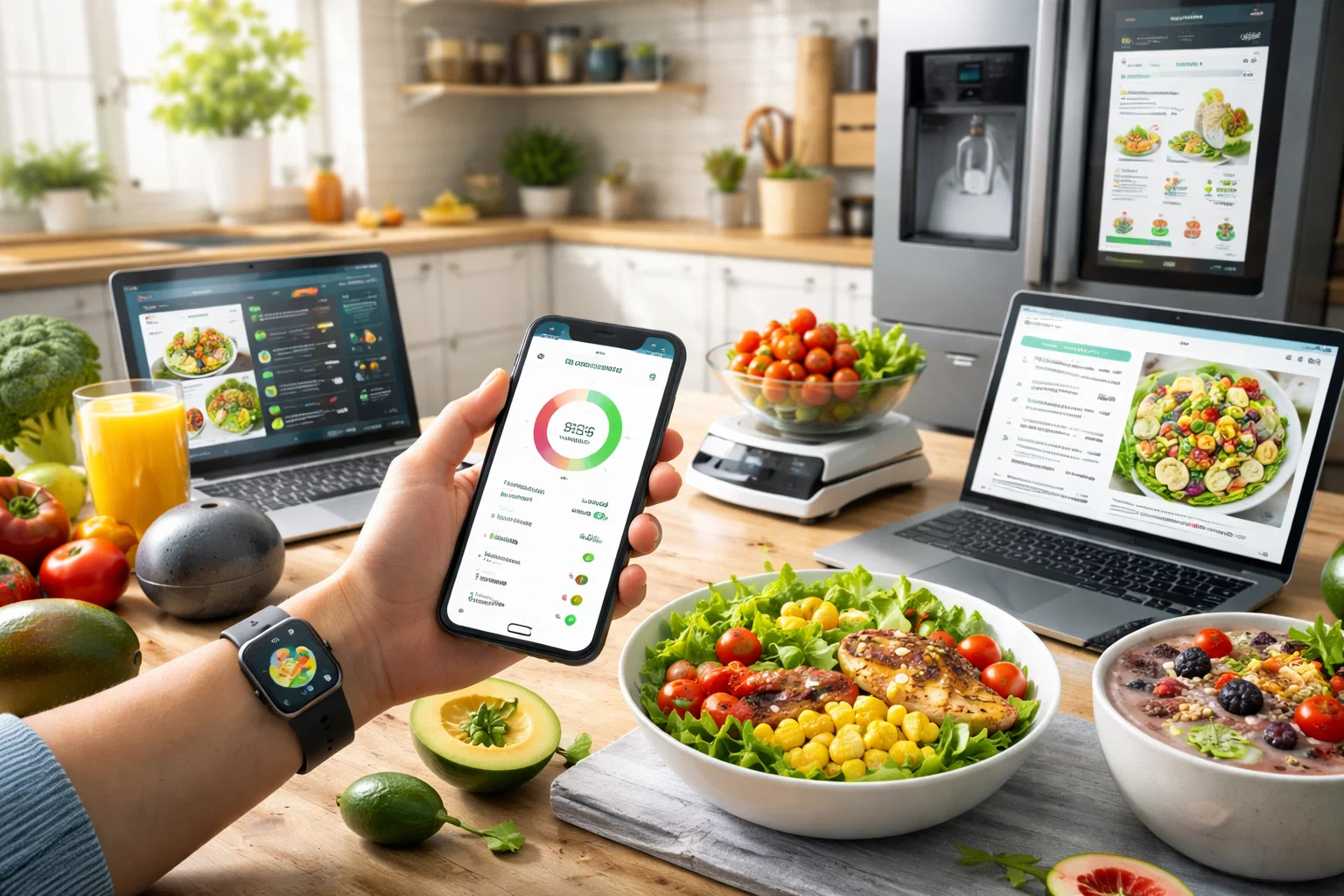
AI Meal Planning Apps and Metabolic Tracking
AI-powered meal planning apps are transforming how individuals approach their diet. These apps analyze dietary preferences and health goals to create personalized meal plans. By integrating metabolic tracking, they provide real-time feedback on how food choices impact weight management and overall health.
Trends of 2025 and trends for 2026 showcase the growing reliance on technology. It helps optimize nutritional intake and achieve long-term health. These apps may also optimize gut health.
Wearables, Continuous Glucose Monitors, and Feedback Loops
Wearable devices and continuous glucose monitors (CGMs) are enhancing dietary awareness. CGMs provide real-time data on blood sugar levels, allowing individuals to see how different foods affect their glucose response.
This feedback loop empowers users to make informed dietary adjustments. Wearable devices may promote weight management and improve overall health. This technological integration is a significant health trend in 2025 and 2026. They are also helpful for those focused on brain health.
Expert Tips for Adopting Diet Trends Safely
Avoiding Extreme or Fad Diet Risks
Navigating the world of diet trends requires a cautious approach to ensure overall health. It is critical to avoid extreme or fad diet plans that promise rapid weight management with unsustainable methods. Such dietary approaches often lead to nutritional deficiencies.
A balanced diet focusing on whole food and a variety of nutritional sources is essential. Consumers seeking to improve their health should be wary of any diet that eliminates entire food groups. Prioritize long-term health over quick fixes when considering the top health and nutrition trends.
Combining Diet Trends for Holistic Health
Combining various nutrition trends can offer a holistic approach to health and wellness, but it should be done thoughtfully. For instance, integrating elements of personalized nutrition with plant-based eating can enhance gut health.
By incorporating whole grains and plant-based protein, consumers seeking to improve digestion can customize their meal plans. As nutrition trends for 2025 and trends for 2026 evolve, understanding how different approaches complement each other becomes crucial. Always prioritize a well-rounded diet over blindly following single dietary restrictions, while taking into account overall health.
Consulting Professionals for Personalized Plans
Seeking guidance from health professionals is crucial for creating personalized nutrition plans that address individual needs. Registered dietitians and nutritional therapists can provide evidence-based recommendations. Such experts are helpful in weight management.
They will create a diet that incorporates whole food, considers factors like gut health, and aligns with your specific health goals. Consumers seeking sustainable changes should avoid self-diagnosing or adopting dietary practices without consulting experts. Consider the benefits of personalized recommendations.
Conclusion: Choosing the Right Trend for You
Balancing Popularity with Individual Needs
When exploring diet trends, striking a balance between popularity and individual needs is essential. What works for one person may not work for another, due to differences in genetics, lifestyle, and health conditions. The latest nutrition trends in 2025 and trends for 2026 may promise incredible health benefits, but tailoring these approaches is paramount. Whether it’s incorporating plant-based protein or focusing on gut health, ensure the choices align with personal requirements. Consumers seeking a healthier lifestyle should prioritize customization. They also prioritize overall wellness.
Staying Ahead in 2026: Flexible and Informed Choices
To stay ahead in 2026 regarding health and nutrition trends, flexibility and informed choices are vital. The food industry is constantly evolving. New research and innovative dietary approaches continue to emerge. Staying updated on nutrition trends, such as those related to gut health, plant-based protein, and personalized nutrition, enables informed decision-making. Embracing adaptability, whether it involves exploring new whole food options or incorporating prebiotic-rich foods, ensures a sustainable and health-conscious lifestyle. By making the right dietary choices, you can ensure overall health.