In 2026, the beauty industry recognizes the profound connection between hormones and our external appearance. Understanding how hormones affect our skin and hair is crucial for achieving optimal skin health and vibrant hair health.
As we delve into this intricate relationship, we uncover the secrets to addressing various skin concerns and promoting overall well-being.
Why Hormones Are Key to Beauty
The Link Between Hormones, Skin, and Hair Health
Hormones play a pivotal role in regulating various bodily functions, and their influence extends to the health and appearance of our skin and hair. The effects of hormones impact everything from skin elasticity to the hair growth cycle. Recognizing how hormones regulate these processes is fundamental to understanding beauty from the inside out and maintaining skin.
How 2026 Trends Highlight Hormonal Awareness in Beauty
In 2026, beauty trends are increasingly focused on addressing the root causes of skin conditions and hair changes. This involves a greater emphasis on understanding how hormonal changes impact the skin barrier, scalp hair and hair follicle health. Products and treatments are now designed to support hormone balance, recognizing that true beauty stems from inner equilibrium.
Understanding the Major Hormones That Affect Skin and Hair
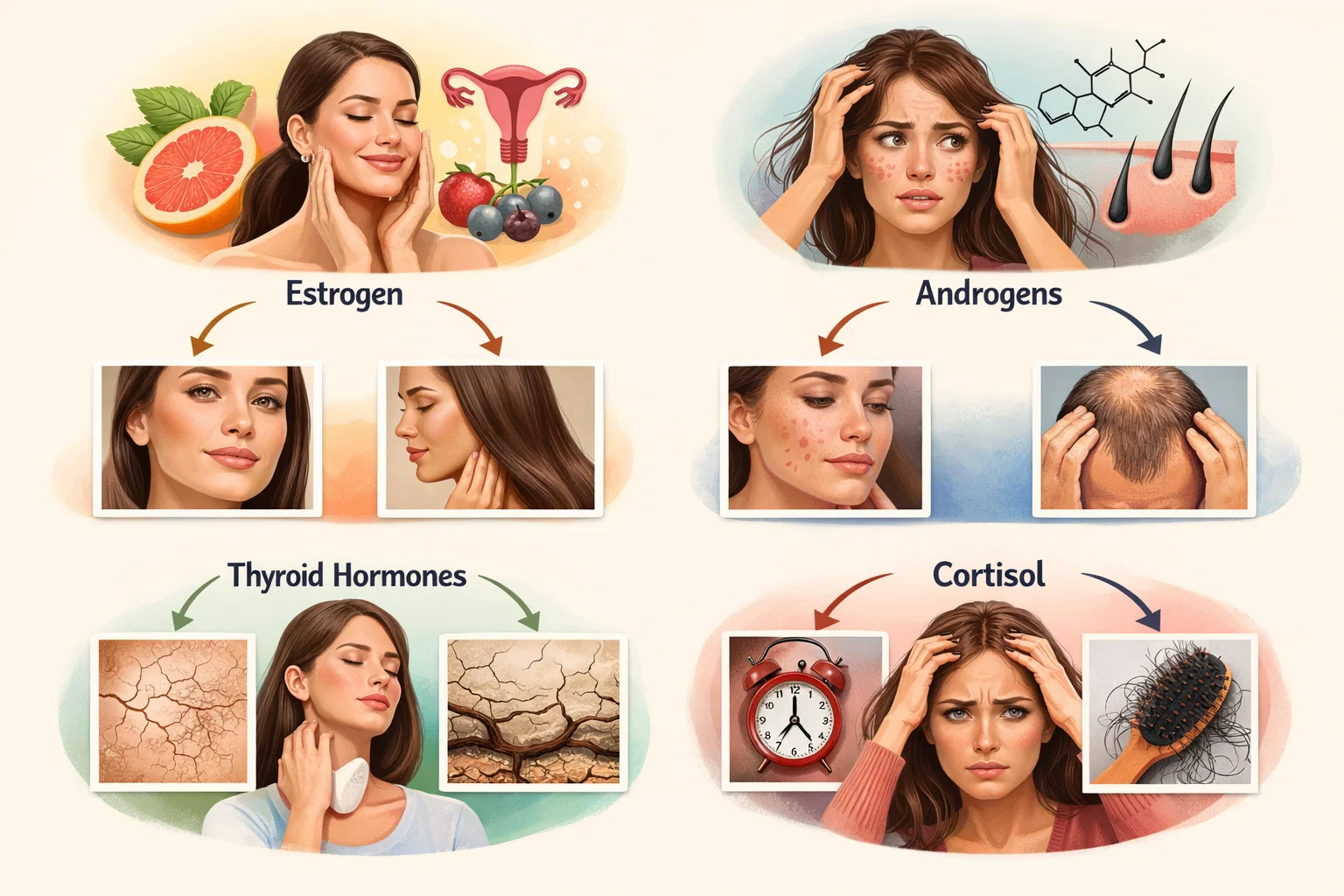
Androgens: Testosterone & DHT and Their Effects on Oil and Hair Growth
Androgens such as testosterone and DHT are powerful sex hormones with significant effects on skin and hair. The effects of these hormones are summarized below:
| Area Affected | Effects |
|---|---|
| Skin | Increased oil production, potentially leading to acne and oily skin. |
| Hair | Role in hair growth and potential contribution to hair loss, including female pattern hair loss. |
Estrogen: Hydration, Elasticity, and Hair Thickness
Estrogen is a key hormone that promotes hydration and skin elasticity, helping to maintain a youthful appearance. Adequate estrogen levels can lead to changes in the skin and hair as summarized below:
| Feature | Effect of Adequate Estrogen Levels |
|---|---|
| Skin | Thinning skin and reduced ability to maintain healthy plumpness. |
| Hair | Reduced shine, and influence on the hair cycle, affecting hair growth patterns. |
Progesterone: Balancing Oil and Supporting Hair Health
Progesterone plays a crucial role in counterbalancing the effects of estrogen. This hormone contributes to both skin and hair health, as detailed below:
| Area | Benefits of Progesterone |
|---|---|
| Skin | Regulates oil production, preventing excessive oily skin. |
| Hair | Supports a healthy hair growth cycle and ensures follicles receive necessary nutrients for robust hair growth. |
Cortisol: How Stress Hormones Trigger Acne and Hair Shedding
Cortisol, a primary stress hormone, has significant implications for skin and hair health. Elevated cortisol levels can lead to increased oil production, exacerbating acne and oily skin, which are common skin problems. Moreover, cortisol can disrupt the hair growth cycle, leading to hair thinning and shedding, directly impacting the hair follicle.
Thyroid Hormones: Their Role in Skin Texture and Hair Strength
Thyroid hormones are essential for skin and hair health, influencing everything from texture to strength. Proper thyroid hormone levels can lead to dry, rough skin and brittle scalp hair. Maintaining optimal thyroid function is crucial for maintaining healthy skin and hair changes, ensuring both the skin’s smoothness and the hair’s resilience.
Insulin & Blood Sugar Hormones: Impact on Acne and Hair Growth
Insulin and blood sugar hormones affect skin and hair through their influence on inflammation and nutrient availability. High insulin levels can lead to increased androgen production, which can exacerbate acne and oily skin. Additionally, imbalances in these hormones can affect the hair follicle, potentially leading to hair thinning and disrupted hair growth.
Growth Hormone: Collagen, Elastin, and Healthy Hair
Growth hormone supports the production of collagen and elastin, vital proteins that maintain skin elasticity and firmness. Adequate levels can lead to thinning skin and increased wrinkles. Additionally, growth hormone plays a role in promoting healthy hair growth by supporting the structural integrity of the hair follicle, and the overall strength of the scalp hair.
How Hormonal Imbalances Manifest in Skin and Hair

Acne, Oiliness, and Inflammation Caused by Hormonal Fluctuations
Hormonal imbalances can significantly affect your skin, leading to various skin conditions. Fluctuations in hormone levels, particularly sex hormones, can trigger increased oil production, resulting in acne and oily skin. Inflammation often accompanies these hormonal changes, exacerbating common skin issues. Addressing these imbalances is crucial for maintaining skin health.
Hair Thinning, Shedding, and Unwanted Hair Growth
Hormonal imbalances can also manifest as hair changes, including hair thinning, excessive shedding, and even unwanted hair growth in certain areas. These hair changes are often linked to fluctuations in hormones like androgens and thyroid hormones. Understanding the underlying hormonal causes is essential for managing hair loss and promoting healthy hair growth, and scalp hair.
Dryness, Sensitivity, and Premature Aging from Hormonal Changes
Hormonal changes can lead to dryness, increased sensitivity, and premature aging of the skin. Reduced estrogen levels can lead to thinning skin and decreased skin elasticity. The skin barrier becomes compromised, making it more susceptible to external irritants. Addressing these hormonal factors is vital for preserving youthful skin health and preventing accelerated skin and hair changes.
Life Stages and Hormonal Beauty Changes
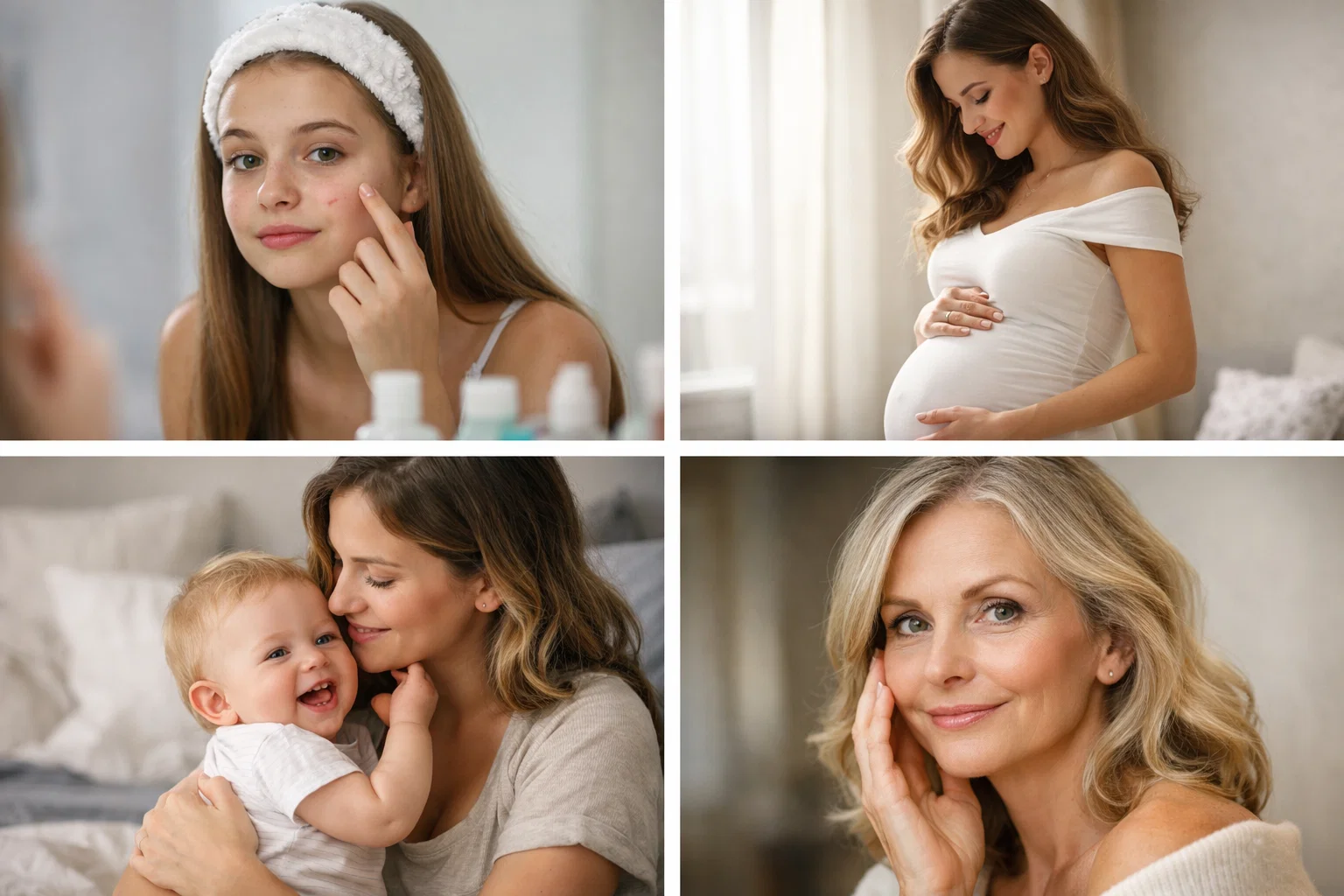
Puberty: Androgen Surges and Teen Skin Challenges
During puberty, significant androgen surges affect your skin, leading to increased oil production and acne and oily skin. These hormonal changes present unique skin concerns for teenagers. Managing these fluctuations through proper skincare and lifestyle adjustments can help mitigate the effects of hormones and promote clearer skin health during this critical time.
Pregnancy & Postpartum: Hormonal Shifts and Their Effects
Pregnancy and the postpartum period involve substantial hormonal changes that significantly affect your skin and scalp hair. Fluctuations in estrogen and progesterone can lead to various skin changes, including melasma and dryness. Additionally, many women experience hair loss due to the shifting hormone levels, impacting both skin and hair health.
Menopause: Estrogen Drop, Dry Skin, and Hair Thinning
Menopause is characterized by a significant drop in estrogen, leading to dryness, thinning skin, and hair thinning. These hormonal changes affect your skin and compromise the skin barrier, making it more susceptible to irritation. Addressing these skin concerns through targeted skincare and lifestyle adjustments is essential for maintaining skin health during and after menopause.
Lifestyle Factors That Influence Hormones and Beauty
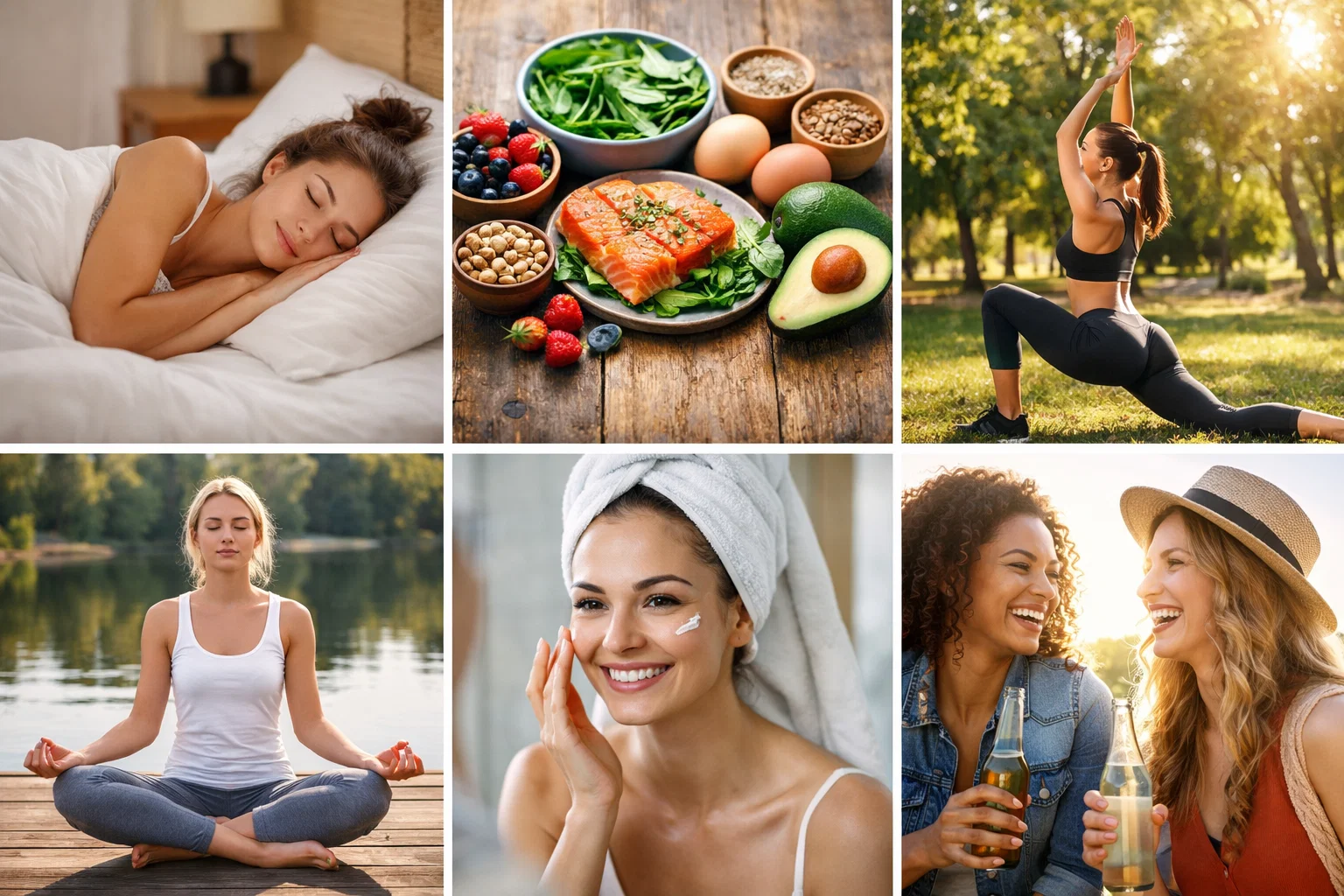
Nutrition: Foods That Support Hormonal Balance
Nutrition plays a crucial role in supporting hormone balance and, consequently, skin and hair health. Consuming foods rich in essential nutrients can help hormones regulate properly and maintain skin vibrancy. Incorporating a balanced diet with plenty of vitamins, minerals, and healthy fats can positively affect your skin and promote optimal hair growth.
Stress Management: Reducing Cortisol for Clear Skin and Hair Growth
Effective stress management is vital for reducing cortisol levels to lead to clearer skin health and promoting healthy hair growth. Elevated cortisol, a stress hormone, can disrupt hormone balance and exacerbate skin conditions. Practices such as mindfulness, yoga, and meditation can help lower cortisol levels to lead to improved overall skin and hair health.
Sleep and Exercise: Hormone Regulation for Youthful Skin
Adequate sleep and regular exercise are essential for hormone regulation and maintaining youthful skin health. Both activities contribute to hormone balance. Sufficient sleep allows the body to repair and rejuvenate, positively affect your skin, while exercise promotes healthy circulation and reduces stress hormones, both beneficial for skin and hair.
Skincare and Haircare Strategies for Hormonal Balance

Ingredients That Support Hormonal Skin Health
To achieve skin health and combat skin conditions stemming from hormonal imbalance, specific ingredients can be beneficial. Retinoids help manage acne and oily skin, while antioxidants protect against hormonal changes that can cause premature aging. Incorporating products with these ingredients can significantly affect your skin, promoting a balanced and radiant complexion, by addressing skin concerns.
Haircare Approaches to Strengthen and Protect Follicles
To address hair changes related to hormonal imbalance, targeted haircare approaches can strengthen and protect hair follicles. Using gentle, sulfate-free shampoos helps maintain scalp hair health and prevent hair loss. Additionally, incorporating products with biotin and other nutrients can support healthy hair growth and improve the overall hair health, and hormones affect the results.
The Role of Supplements and Professional Guidance
Supplements can play a role in supporting hormone balance, indirectly benefiting skin and hair health. However, it’s crucial to seek professional guidance before starting any supplement regimen. Consulting with a healthcare provider ensures that you address specific hormonal changes safely and effectively, optimizing your skin and hair health and appearance by addressing hormone levels.
Monitoring and Managing Hormonal Health in 2026
Regular Check-Ups, Blood Tests, and Professional Consultations
Regular check-ups, blood tests, and consultations with healthcare professionals are essential for monitoring and managing hormonal health in 2026. These measures help identify hormonal imbalances early, allowing for timely interventions. Monitoring hormone levels ensures that any skin changes or hair changes are addressed promptly, maintaining overall skin and hair health, despite hormone levels.
Digital Tools and Apps for Tracking Hormonal Patterns
Digital tools and apps are increasingly valuable for tracking hormonal patterns and cycles. These tools can help individuals monitor symptoms related to hormonal changes, such as skin conditions or hair loss. By tracking these patterns, users can gain insights into how hormones affect their skin and hair and make informed decisions about their health and hair growth.
When to Seek Medical Intervention
Knowing when to seek medical intervention for hormonal issues is crucial for preventing long-term complications. If you experience severe skin conditions, rapid hair loss, or other concerning symptoms, consulting a healthcare professional is essential. Early intervention can help address hormonal imbalances, promote skin health, and prevent further hair changes for scalp hair.
Conclusion: Harnessing the Hormone-Beauty Connection
In conclusion, understanding the hormone-beauty connection empowers individuals to take proactive steps towards achieving optimal skin and hair health. By recognizing how hormones affect our external appearance and addressing hormonal imbalances through lifestyle adjustments and targeted treatments, we can unlock our inner radiance and maintain a youthful, vibrant look, and hormones play a vital part.