



Have you ever wondered why, despite your best efforts, you’re still struggling with weight gain or mood swings? The culprit might be a hidden hormonal imbalance.
Hormones, those tiny but mighty messengers, play a crucial role in regulating everything from metabolism to mood, and when they’re out of sync, the effects can ripple through your entire well-being.
Understanding Hormonal Imbalance


What Hormones Are and How They Regulate Your Body
Hormones are chemical messengers produced by glands in the endocrine system that travel through the bloodstream to tissues and organs. These powerful chemicals regulate many bodily functions, including metabolism, growth, reproduction, and mood, acting as the body’s intricate communication network.
Common Causes of Hormonal Imbalance
Hormonal imbalance can stem from various factors. Several elements can disrupt delicate hormone levels, leading to a cascade of symptoms, including:
- Age-related hormonal changes like menopause.
- Medical conditions such as polycystic ovary syndrome and thyroid disorders.
- Stress affecting adrenal glands, poor diet, and lifestyle choices.
Signs of a Hormonal Imbalance
Recognizing the signs of a hormonal imbalance is crucial. Common symptoms often manifest in various ways, including:
- Unexplained weight changes
- Persistent fatigue
- Mood swings
- Irregular periods
These symptoms can significantly impact your quality of life, signaling that one or more hormones may be out of range.
The Hormones That Control Weight
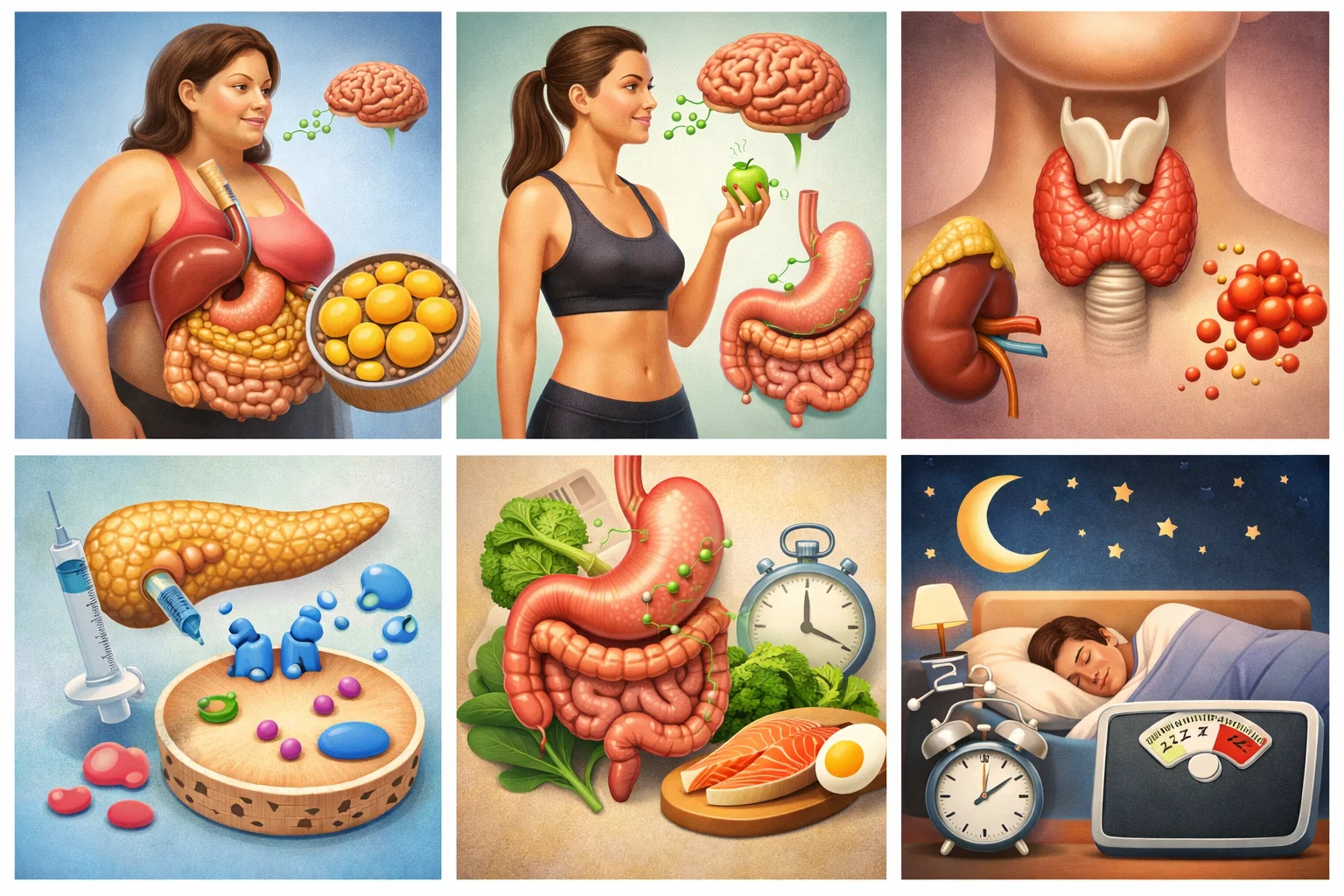
Insulin: Blood Sugar Regulation and Fat Storage
Insulin, a key hormone, regulates blood sugar levels. When insulin function is disrupted, it can lead to insulin resistance, causing the body to store excess glucose as fat, which can contribute to weight gain. Maintaining proper insulin sensitivity is vital for effective weight management.
Cortisol: The Stress Hormone and Weight Gain
Cortisol, often called the stress hormone, is released by the adrenal glands in response to stress. Elevated cortisol levels can lead to increased appetite, cravings for unhealthy foods, and the accumulation of belly fat. Managing stress is essential to keep cortisol in check and promote weight control.
Thyroid Hormones: Metabolism and Energy Levels
Thyroid hormones, specifically T3 and T4, regulate metabolism. An underactive thyroid (hypothyroidism) can slow metabolism, leading to fatigue, weight gain, and difficulty losing weight. Proper thyroid function is essential for maintaining energy levels and a healthy weight.
Leptin and Ghrelin: Appetite Control and Cravings
Leptin and ghrelin are appetite hormones. Leptin signals fullness to the brain, while ghrelin stimulates hunger. When these hormones are imbalanced, they can lead to increased cravings and difficulty controlling appetite, resulting in weight gain. Maintaining hormonal balance is key for effective appetite control.
Estrogen and Progesterone: Fat Distribution and Water Retention
Estrogen and progesterone, the primary sex hormones in women, influence fat distribution and water retention. Fluctuations in estrogen levels, especially during the menstrual cycle or menopause, can cause bloating, water retention, and changes in body composition. Balancing these hormones is vital for maintaining a healthy body.
Testosterone: Muscle Mass and Fat Metabolism
Testosterone, an androgen predominantly in men but also present in women, plays a key role in muscle mass and fat metabolism. Low testosterone can lead to decreased muscle mass, increased body fat, and reduced energy levels. Maintaining healthy testosterone levels supports muscle growth and efficient fat burning.
How Hormonal Imbalance Affects Mood
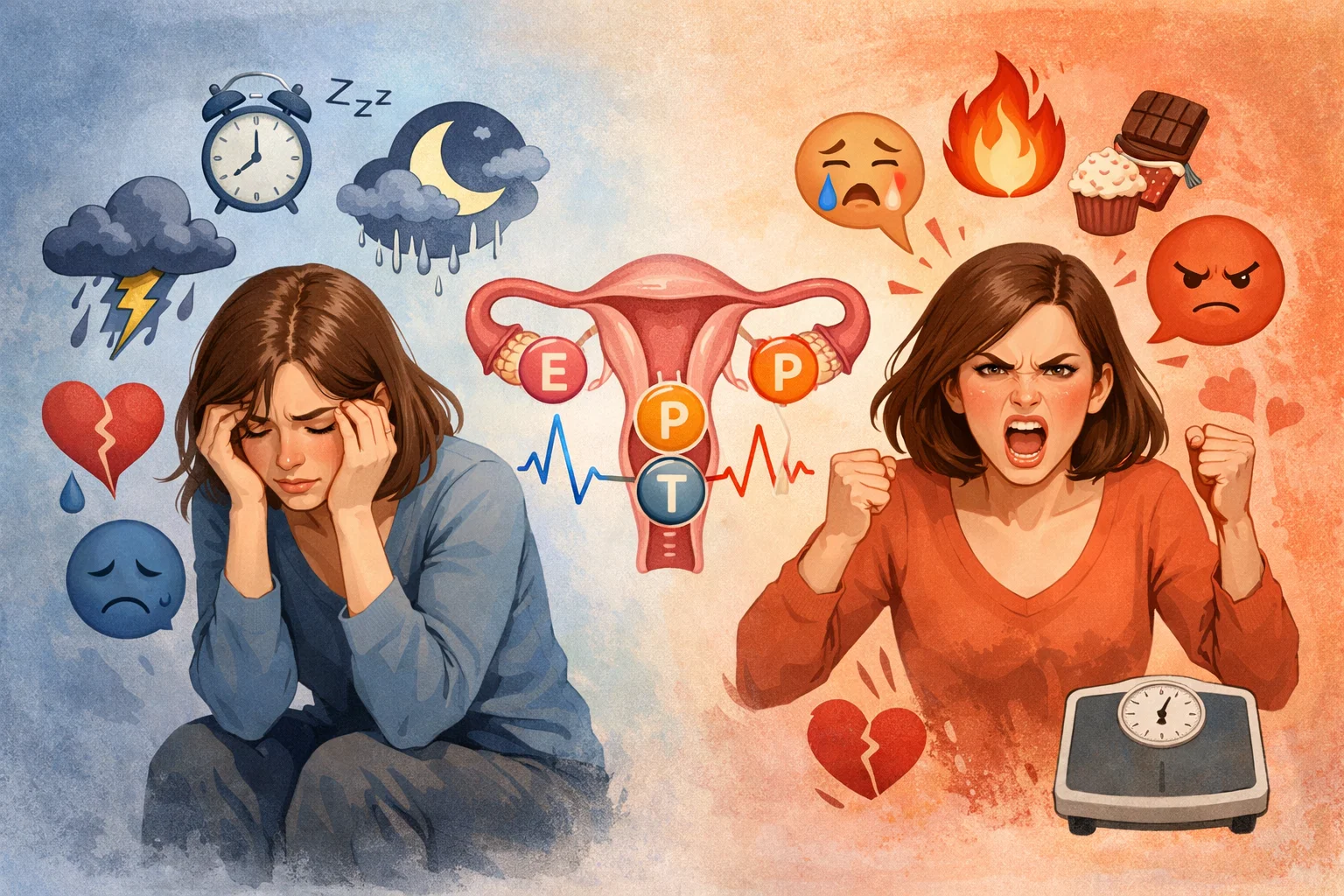
Cortisol and Mood Swings
Cortisol, often dubbed the stress hormone, can significantly affect mood. When cortisol levels are consistently high due to chronic stress, it can lead to anxiety, irritability, and even depression. Managing a hormonal imbalance in cortisol is essential for emotional well-being and can alleviate related mood swings.
Serotonin: Mood Regulation and Hormonal Influence
Serotonin, a key neurotransmitter, plays a crucial role in mood regulation. Hormone imbalance affects serotonin levels, especially estrogen levels and thyroid hormones. Fluctuations in estrogen and thyroid hormones can impact serotonin production, leading to mood disorders like depression and anxiety. Maintaining balanced hormone levels is crucial for stabilizing mood.
Dopamine: The Role in Motivation and Mood
Dopamine is a neurotransmitter associated with motivation, reward, and pleasure. Hormone fluctuations, particularly those involving testosterone and thyroid hormones, can influence dopamine levels. Low testosterone and thyroid disorders can lead to decreased dopamine, resulting in fatigue, low motivation, and symptoms of depression. Addressing hormone imbalance is important for boosting dopamine and improving mood.
Progesterone and Its Calming Effects
Progesterone, a sex hormone, has calming effects on the brain. In women, progesterone levels fluctuate throughout the menstrual cycle and during menopause. Low progesterone can lead to anxiety, irritability, and sleep disturbances. Balancing progesterone levels can promote relaxation and improve mood. Hormone health, especially related to sex hormones, is important.
Thyroid Hormones and Emotional Wellbeing
Thyroid hormones, specifically T3 and T4, regulate metabolism and energy levels, but also have a profound impact on emotional wellbeing. Thyroid disorders, such as hypothyroidism or hyperthyroidism, can cause anxiety, depression, and irritability. Maintaining optimal thyroid hormone levels is essential for emotional stability and overall mental health, helping one manage a hormonal imbalance.
The Vicious Cycle: Weight, Mood, and Hormonal Imbalance
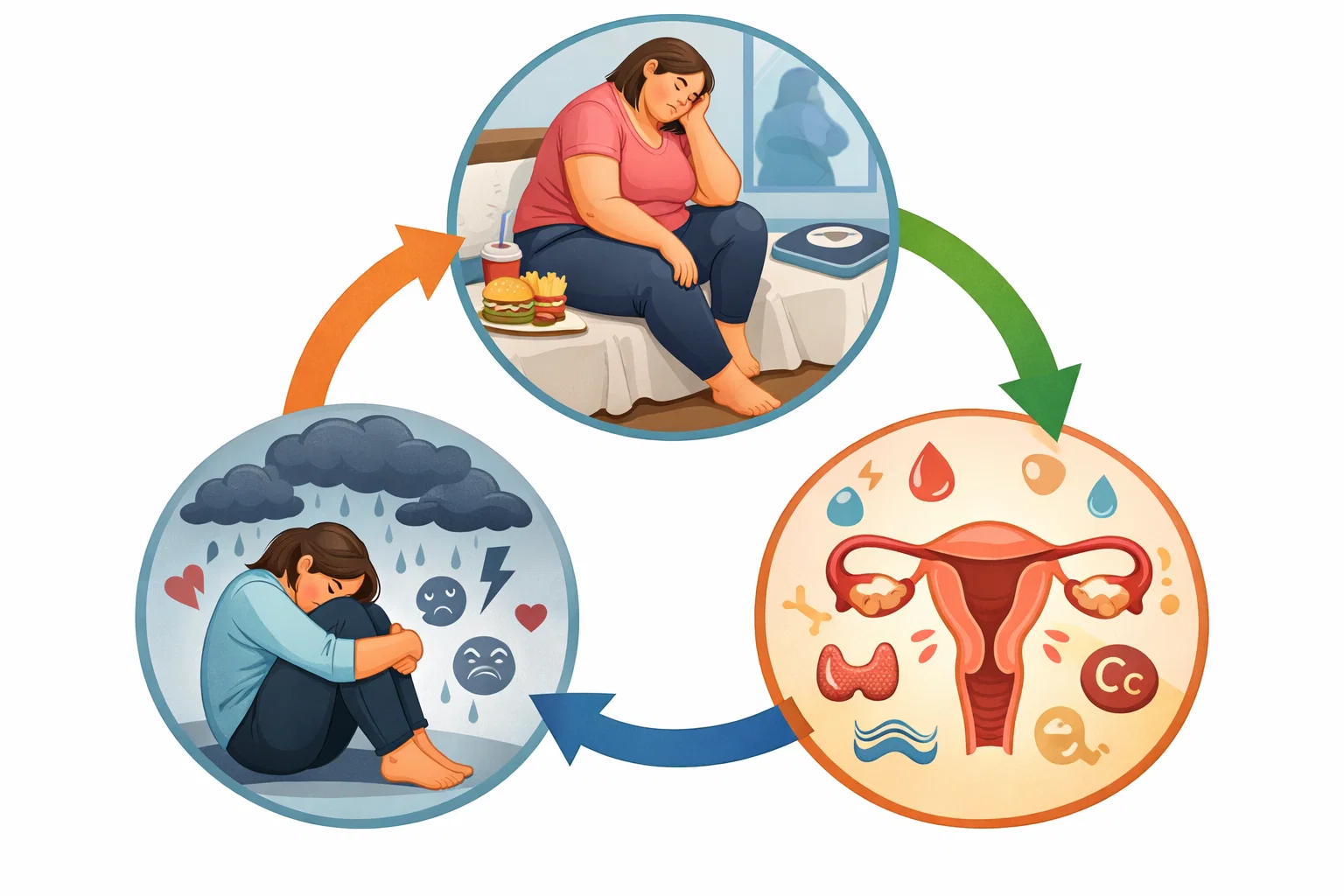
How Weight Gain Can Worsen Hormonal Imbalance
Weight gain can exacerbate hormonal imbalance, creating a vicious cycle. Excess weight, particularly abdominal fat, can disrupt hormone levels, leading to insulin resistance, increased estrogen production, and inflammation. These hormonal changes can further contribute to weight gain, making it even harder to manage a hormonal imbalance and contribute to weight gain. Lifestyle changes can improve health.
Stress, Poor Sleep, and Their Effects on Hormones
Stress and poor sleep patterns significantly impact hormone levels. Chronic stress elevates cortisol levels, while lack of sleep disrupts the production of hormones like leptin and ghrelin, affecting appetite and metabolism. These hormonal changes can lead to weight gain, mood swings, and fatigue. Optimizing sleep and managing stress are essential for hormonal balance and overall well-being.
Understanding Why Diet and Exercise Alone May Not Work
Sometimes, diet and exercise alone may not be enough to address weight and mood issues if a hormone imbalance is present. Underlying hormonal issues, such as thyroid disorders or polycystic ovary syndrome, can interfere with metabolism and mood regulation, making it difficult to lose weight or improve mood. Personalized hormone plans may be needed.
Signs Your Weight and Mood Issues Are Hormone-Related

Unexplained Weight Changes Despite Efforts
Unexplained weight changes, despite consistent diet and exercise, can indicate a hormone-related issue. Fluctuations in thyroid hormones, cortisol, or sex hormones can affect metabolism, appetite, and fat storage, leading to weight gain or loss even with a healthy lifestyle. Consider consulting an endocrinologist to determine if a hormone imbalance is the reason.
Persistent Fatigue and Low Motivation Levels
Persistent fatigue and low motivation are common symptoms of hormonal imbalance. Thyroid disorders, adrenal fatigue (related to cortisol imbalance), and low testosterone can all lead to decreased energy levels and a lack of motivation. Addressing the underlying hormonal imbalance is essential for restoring energy and improving overall vitality, and may be one of the signs of a hormonal imbalance.
Mood Swings and Other Emotional Symptoms
Mood swings, anxiety, irritability, and depression-like symptoms can often be attributed to hormonal imbalances. Fluctuations in estrogen levels, progesterone, cortisol, and thyroid hormones can all affect mood regulation, leading to emotional instability. Recognizing these symptoms as hormone-related is the first step toward seeking appropriate help and personalized treatment.
Cravings and Appetite Control Issues
Cravings and difficulty controlling appetite can be signs of hormonal imbalances, especially involving insulin, leptin, and ghrelin. Insulin resistance can lead to intense sugar cravings, while imbalances in leptin and ghrelin disrupt appetite regulation. Addressing these imbalances can help regain control over appetite and support healthy eating habits, but consider getting a personalized hormone plan.
Science-Backed Ways to Support Hormonal Balance Naturally

Balanced Diet to Support Hormone Function
Adopting a balanced diet is fundamental in supporting hormone function and overall health. Incorporating nutrient-dense foods helps regulate hormone levels and ensures that the endocrine system functions optimally. A diet rich in whole grains, lean proteins, healthy fats, and plenty of fruits and vegetables can help stabilize hormone production.
Regular Exercise: Benefits for Hormonal Health
Regular exercise is a powerful tool for achieving hormone balance and overall well-being. Physical activity helps regulate hormone levels, improve insulin sensitivity, and reduce stress, all of which are essential for maintaining a healthy endocrine system. Both cardio and strength training can have a positive impact on hormonal health, particularly the sex hormones.
Stress Management Techniques
Stress management techniques are crucial for hormonal balance, especially since chronic stress can disrupt hormone levels. High cortisol levels, resulting from prolonged stress, can negatively impact other hormones and bodily functions. Practices such as meditation, deep breathing exercises, and yoga can lower cortisol and promote a more balanced hormonal state, including the important sex hormones.
Optimizing Sleep for Hormonal Balance
Optimizing sleep is essential for hormonal balance, as sleep deprivation can significantly disrupt hormone levels. During sleep, the body regulates hormones like cortisol, growth hormone, and melatonin. Aiming for 7-9 hours of quality sleep each night can help maintain hormonal health and reduce the risk of imbalance symptoms, leading to improved weight management and overall well-being.
Supplements That May Support Hormonal Health
Certain supplements may support hormonal health when combined with a balanced diet and lifestyle. Omega-3 fatty acids can reduce inflammation and support hormone production, while vitamin D plays a role in hormone regulation. Magnesium is also beneficial for stress management and hormone balance, helping to ensure that all hormones are working efficiently as hormone messengers in the body.
When to Seek Professional Help
Blood Tests and Hormonal Assessments
Blood tests and hormonal assessments are essential tools for identifying imbalances and understanding their impact on your health. These tests can measure hormone levels, such as thyroid hormones, cortisol, sex hormones, and more, providing valuable insights into hormone fluctuations and imbalances. These assessments help healthcare professionals develop personalized treatment plans.
Working With Healthcare Professionals
Working with healthcare professionals is crucial for developing personalized plans to address specific hormonal imbalances. An endocrinologist or other qualified healthcare provider can conduct thorough evaluations, interpret test results, and recommend appropriate interventions tailored to individual needs. They will also take into account the possible causes of hormone imbalance and irregular periods.
Understanding Hormone Replacement Therapy
Understanding hormone replacement therapy (HRT) is important for those experiencing significant hormonal imbalances, particularly during menopause. HRT involves supplementing hormones like estrogen and progesterone to alleviate symptoms and improve quality of life. However, it is essential to discuss the potential risks and benefits with a healthcare professional to determine if HRT is the right choice.
Conclusion: Regain Control of Your Weight and Mood Through Hormonal Balance
Regaining control of your weight and mood is possible through hormonal balance. By understanding the signs of a hormonal imbalance, adopting a healthy lifestyle, and seeking professional help when needed, you can take proactive steps to optimize hormone levels. Lifestyle changes, like exercise, can often help regulate the stress hormone cortisol and improve symptoms of a hormonal imbalance.