


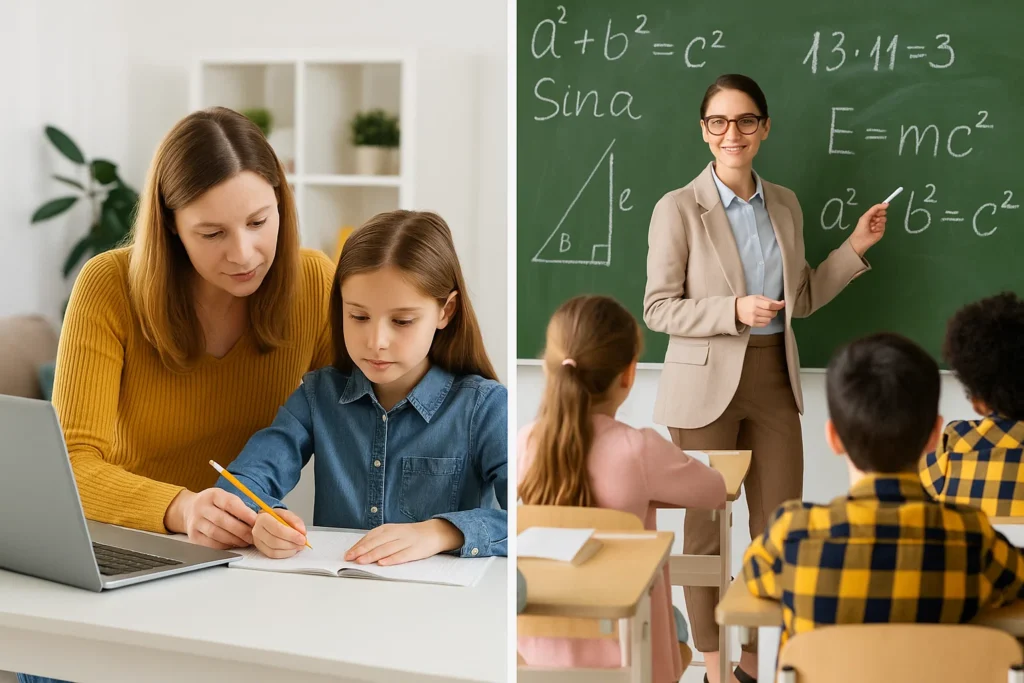
In today’s world, parents are faced with numerous options when it comes to educating their children. The debate between homeschooling and public schooling is more prevalent than ever. This article aims to explore the key differences, advantages, and disadvantages of both systems to help parents make informed decisions.
The Growing Debate on Education Choices
Why Parents Are Reconsidering Traditional Schooling
Many parents are reconsidering traditional school due to concerns about large class sizes and safety, seeking a more personalized learning experience. Dissatisfaction with standardized testing and a desire to tailor education to their child’s unique learning style also contribute to the rise in homeschooling. This has pushed more parents to consider homeschooling.

Importance of Understanding Both Systems Before Deciding
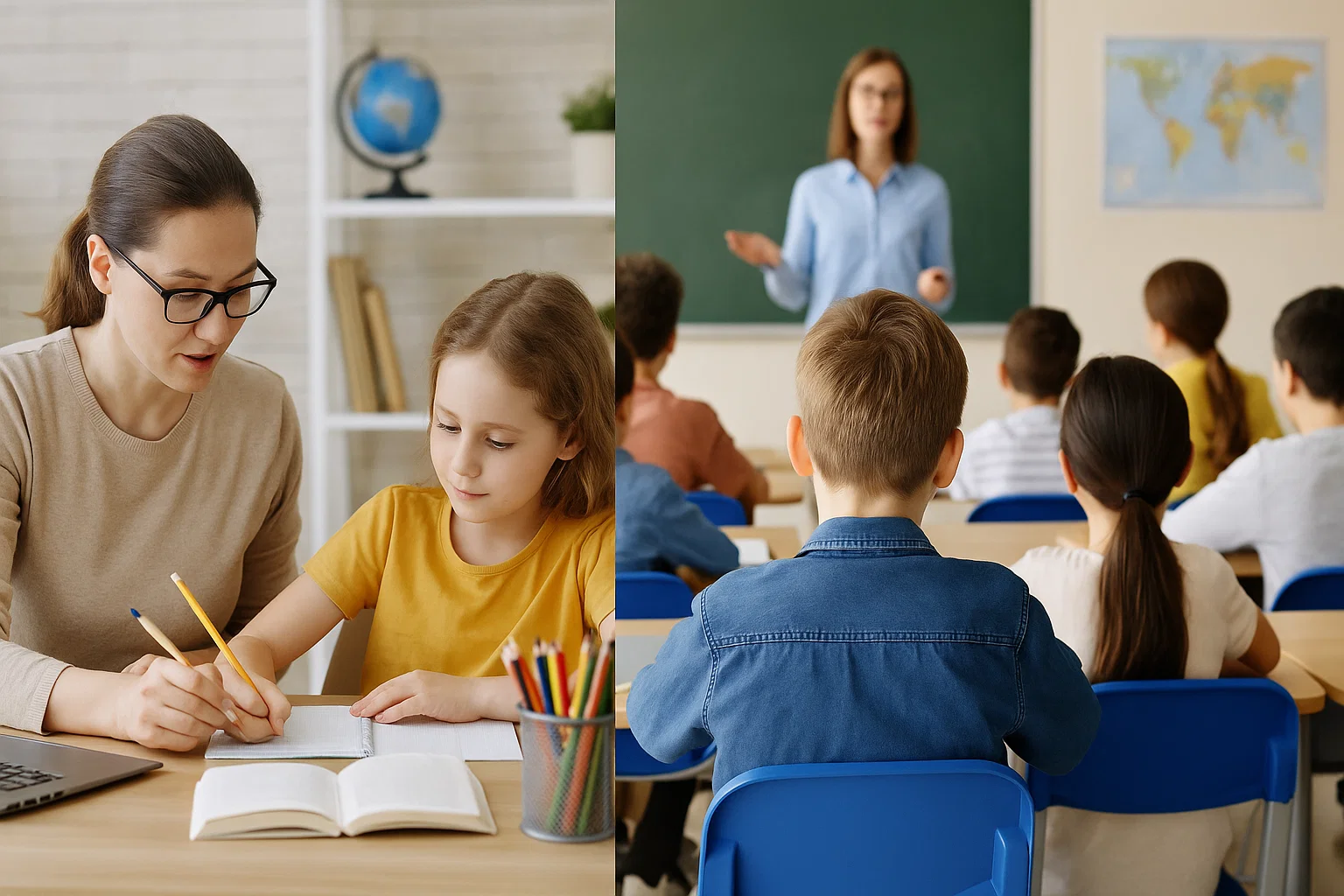
Before deciding between homeschooling and traditional schooling, it’s crucial to understand the nuances of both systems. This includes evaluating curriculum options, social interaction opportunities, and the level of parental involvement required. Knowing the advantages and challenges of each will lead to a more informed choice for your child’s education.
What is Homeschooling?
Definition and Core Principles
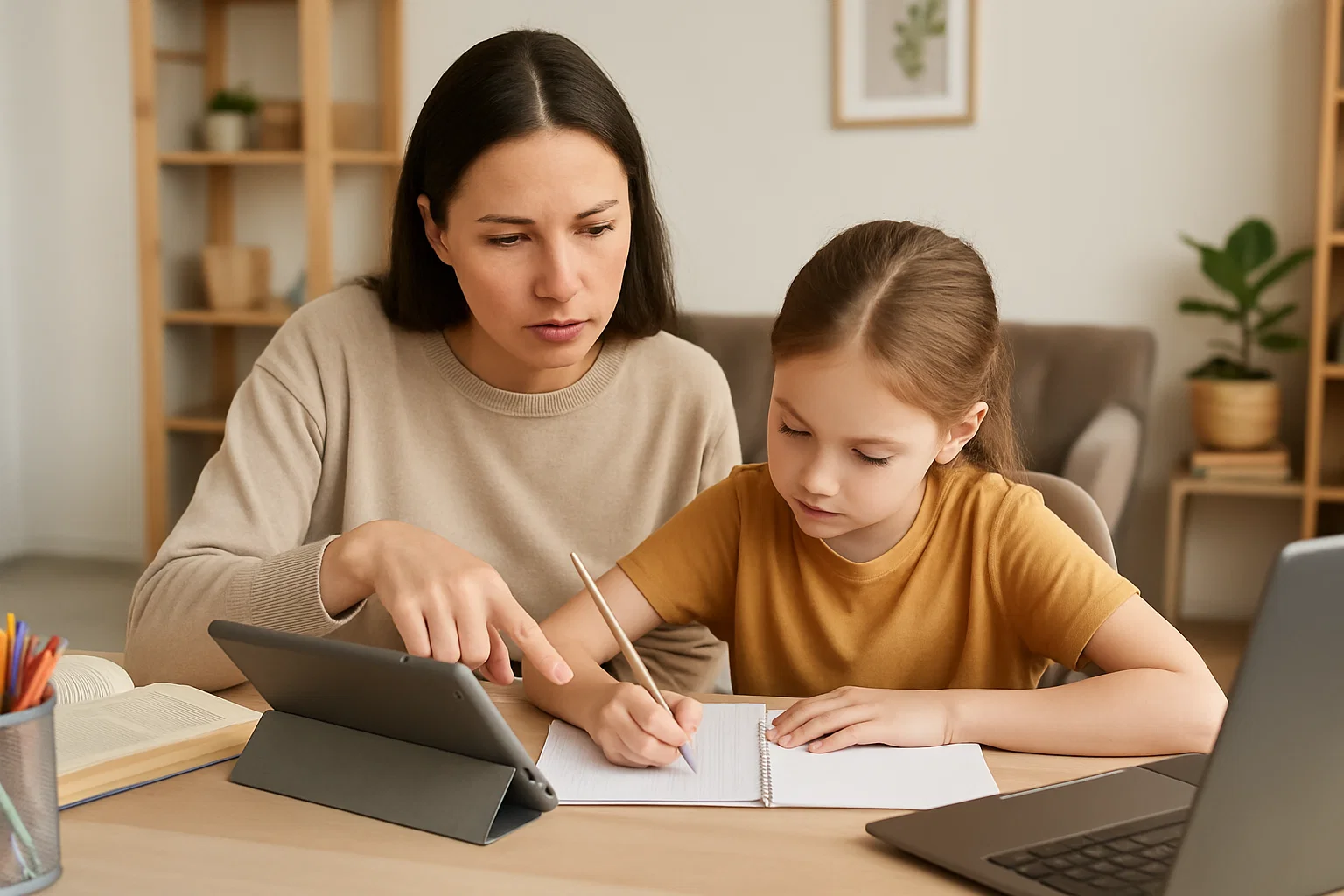
Homeschooling is an educational approach where parents choose to homeschool their children at home rather than enrolling them in a public or private school. The core principle of homeschooling allows for flexibility and personalized learning, enabling parents to tailor the curriculum to their child’s pace and interests. This method emphasizes individualized attention.
Different Styles of Homeschooling (Classical, Montessori, Unschooling, Online-based)
Homeschooling offers various styles, each with its own methodology. There are several approaches one can take, including:
- Classical education, which focuses on a traditional, structured curriculum.
- Montessori, emphasizing hands-on learning and independence.
Unschooling takes a more child-led approach, and online school provides structured lessons through virtual platforms. Each method caters to different learning style preferences.
Legal Requirements and Parental Role
Legal requirements for homeschooling vary by state, often involving notification to the local school district and adherence to certain curriculum guidelines.
The homeschooling parent takes on the role of educator, responsible for planning lessons, providing instruction, and assessing progress. This role demands significant time and commitment from the homeschooling parent.
What is Public Schooling?
Definition and Structure of Public Education
Public schooling refers to the government-funded system of education available to all children, typically organized by local school districts.
It provides a structured learning environment with set grade levels, from elementary to high school. Public school systems aim to offer a standardized education level and equal opportunities for all school students, irrespective of socioeconomic background.
Curriculum and Teacher Qualifications
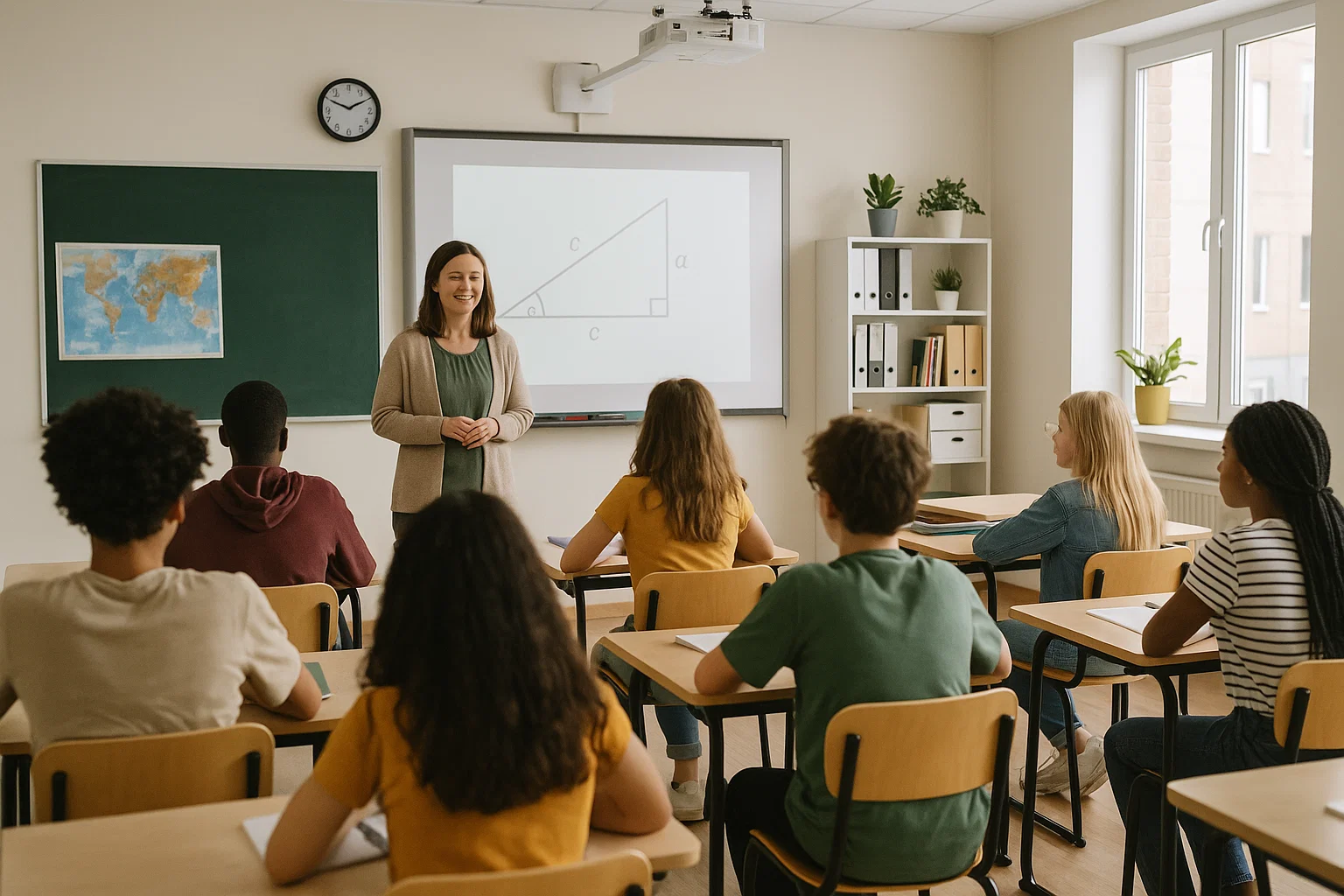
The curriculum in public schooling is usually standardized at the state or national level, ensuring a consistent base of knowledge for all school students.
Teachers are required to hold specific qualifications, including degrees and certifications, ensuring they are prepared to teach the curriculum effectively. These qualifications contribute to the education level.
Accessibility and Government Support
Public schooling is designed to be accessible to all children, regardless of their financial status, as it is funded by taxpayer dollars. The government provides resources, infrastructure, and personnel to ensure that public schools can offer a comprehensive education. This commitment ensures equal opportunity in the learning environment for school students.
Key Differences Between Homeschooling and Public Schooling
Curriculum Flexibility and Personalization
Homeschooling offers unparalleled curriculum flexibility, allowing parents to tailor the learning experience to their child’s specific needs and interests.
In contrast, public schooling follows a standardized curriculum that may not always cater to individual unique learning style or pace. Personalized learning is a key advantage of homeschooling vs public schooling.
Socialization and Peer Interaction
Public schooling provides a structured environment for social interaction with a diverse group of peers, fostering social skills and teamwork.
Homeschooling parents must actively seek out opportunities for socialization through co-ops, sports, and community activities to ensure their homeschooled children have ample interaction. This is a crucial aspect for well-rounded development for both public school students and homeschooled students.
Cost: Free Public School vs. Potential Homeschooling Expenses
Public schooling is generally free, funded by taxes, making it accessible to all families. Homeschooling can involve significant costs, including curriculum materials, resources, and potential extracurricular activities. While public schooling has the upper hand here, homeschooling families may view their investment as worthwhile for the personalized learning experience it offers.
Learning Environment: Home vs. Classroom
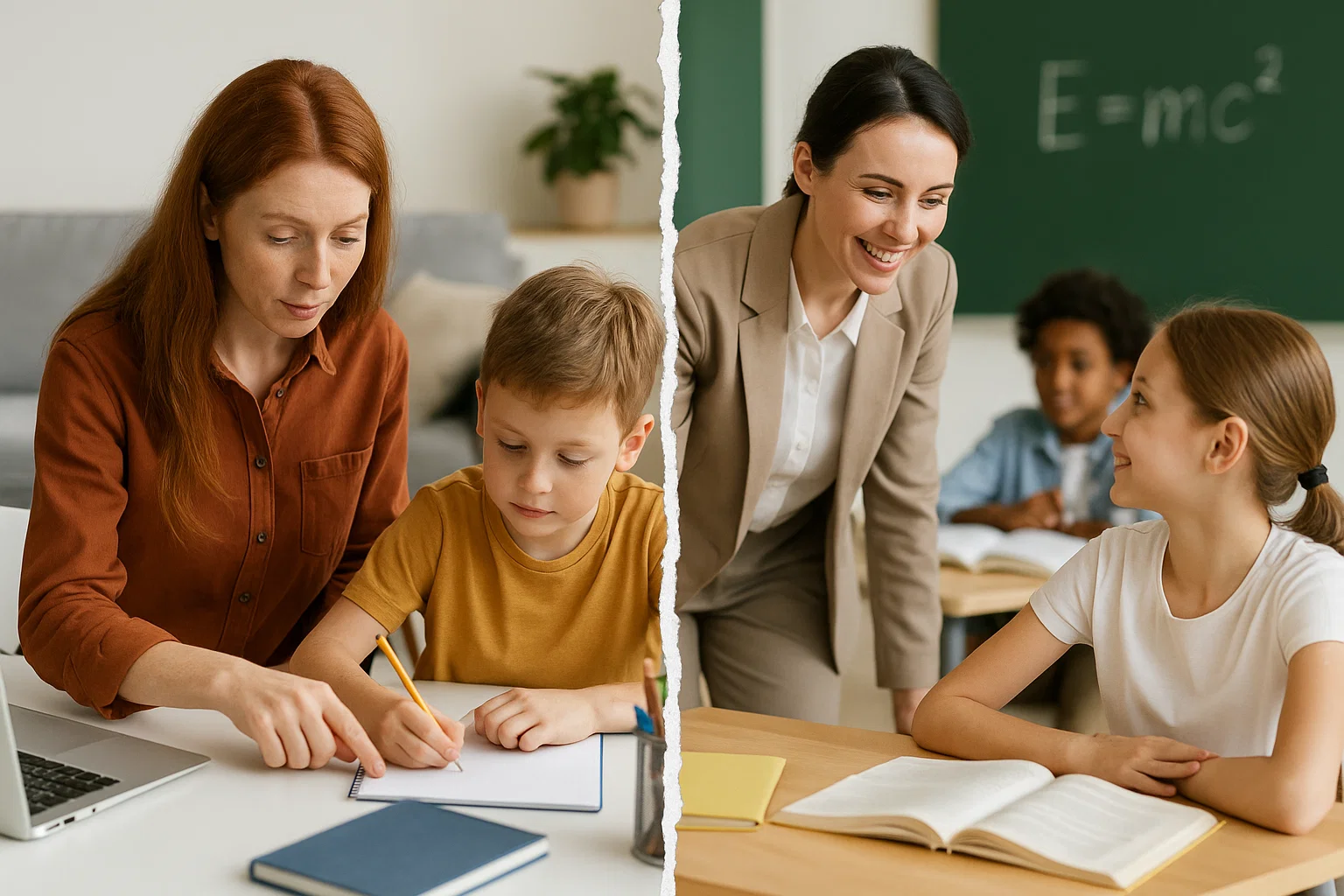
The learning environment differs significantly between homeschooling and public schooling. Homeschooling takes place in the home, offering a familiar and controlled setting. Public schooling occurs in a classroom, providing structured routines and access to resources like libraries and labs, both of which impact the learning style.
Testing, Assessment, and Academic Performance
Public schooling utilizes standardized testing to assess student progress and compare performance across different schools and districts. Homeschooling allows for varied assessment methods, often focusing on individual growth and mastery of concepts.
Homeschool students might have higher test scores than public school students on standardized tests, according to the national home education research institute.
Extracurricular Opportunities (Sports, Arts, Clubs)
Public schooling typically offers a wide array of extracurricular activities like sports, arts, and clubs, providing opportunities for students to explore their interests and develop new skills.
While homeschooling families can access these activities through community organizations, it requires more effort and resources to organize them independently. The availability of extracurricular activities is a key draw for many parents considering traditional school.
Pros and Cons of Homeschooling
Advantages (Personalized learning, family bonding, flexibility)
Homeschooling boasts several advantages, including personalized learning experiences that cater to each child’s unique learning style. The flexibility allows families to tailor the curriculum to specific interests and needs.
This approach can foster stronger family bonds through shared learning experiences, and the benefits of homeschooling may surpass those offered in traditional school settings.
Challenges (Time commitment, limited peer exposure, cost)
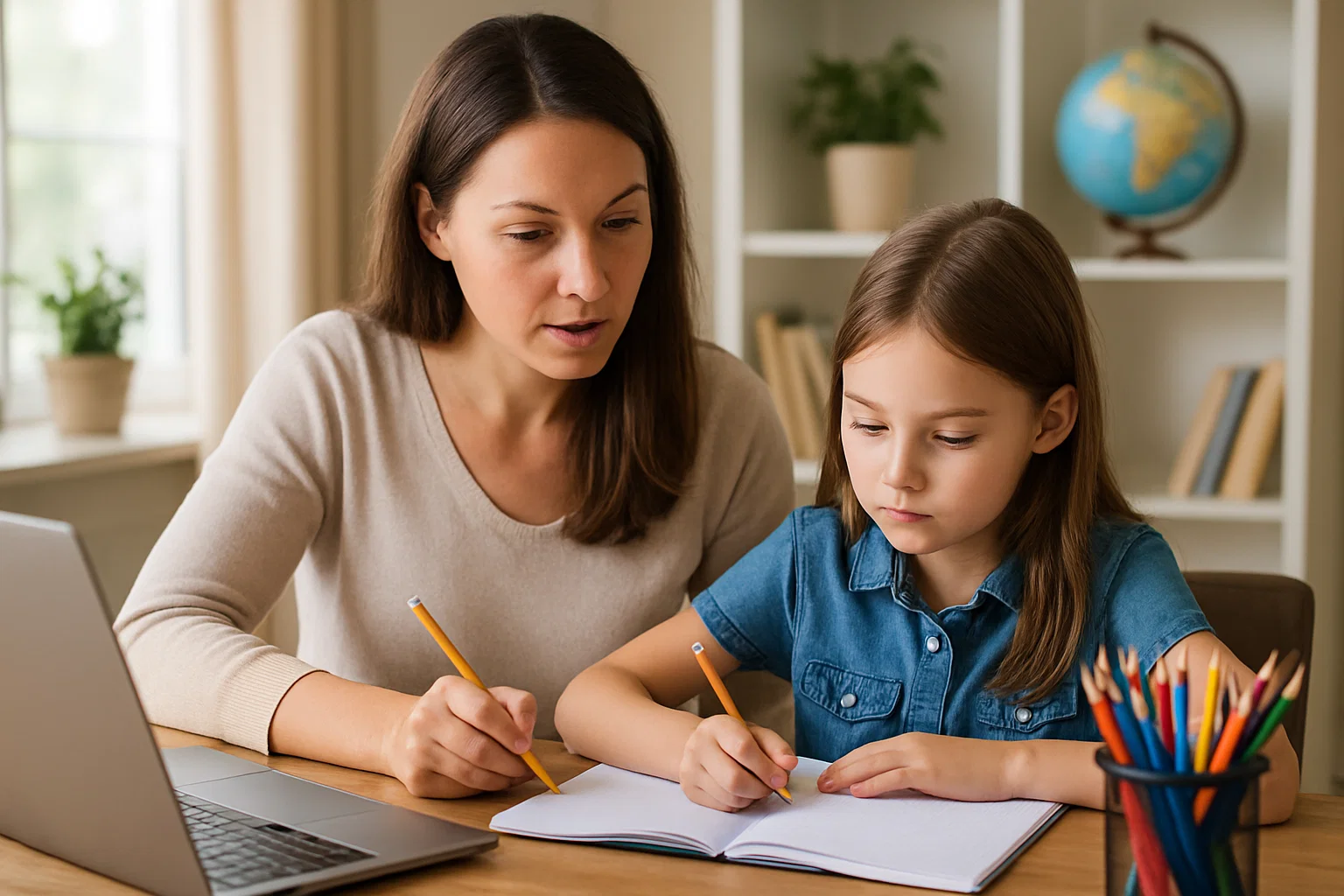
Despite the advantages, homeschooling presents challenges. It demands a significant time commitment from the homeschooling parent, who must dedicate hours to teaching and planning.
Limited social interaction with peers can also be a concern, requiring proactive efforts to create social interaction. Additionally, the cost of curriculum materials and resources can be higher than public schooling.
Pros and Cons of Public Schooling
Advantages (Structured learning, social skills, extracurriculars)
Public schooling offers a structured learning environment with a standardized curriculum, ensuring all school students receive a baseline education level. It provides ample opportunities for social interaction, fostering social skills and teamwork among peers.
A wide range of extracurricular activities, such as sports and clubs, enriches the overall educational experience for public school students.
Challenges (Large class sizes, less flexibility, safety concerns)
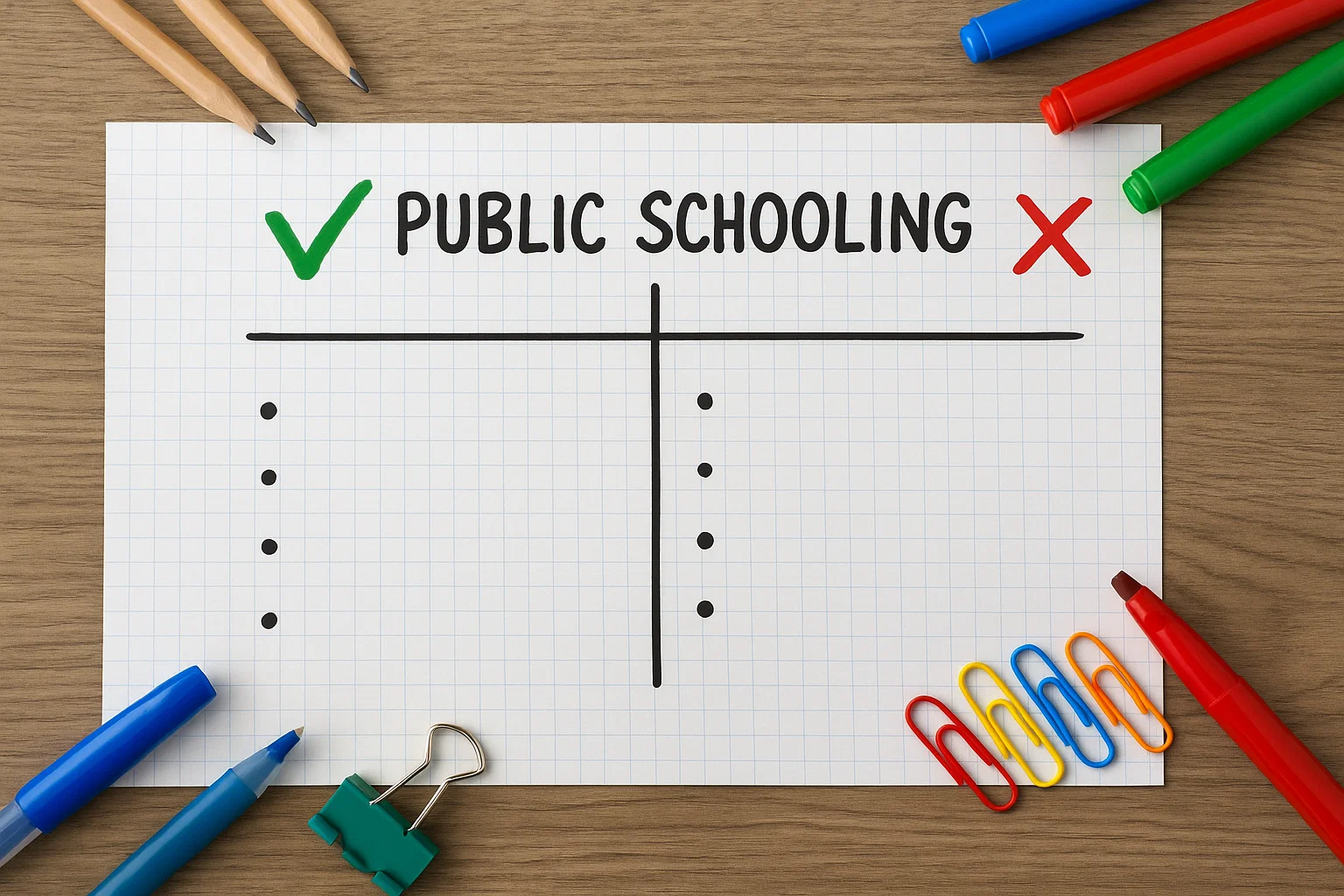
However, public schooling isn’t without its drawbacks. Large class sizes can hinder individualized attention, and the rigid curriculum may not cater to every child’s unique learning style.
Safety concerns and potential bullying issues are also prevalent, prompting some parents to explore alternative educational options, potentially including homeschooling. Less flexibility in the learning environment can also be a challenge.
Which is Better: Homeschooling or Public Schooling?
Factors to Consider: Child’s Personality, Family Lifestyle, Academic Goals
Determining whether homeschooling versus public schooling is better depends on various factors. A child’s personality, unique learning style, and social needs should be considered.
Family lifestyle, including parental availability and financial resources, also plays a crucial role. Academic goals, such as pursuing higher education or specific career paths, can influence the school choice decision.
Best Fit for Different Family Situations
Homeschooling might be the best fit for families seeking personalized learning, flexibility, and control over their child’s education. It can also be beneficial for children with special needs or those who thrive in a less structured environment.
Public schooling may be more suitable for families seeking social interaction, extracurricular activities, and a structured educational setting, the benefits may be different for homeschooling families.
Case Studies: Success Stories from Both Systems
Success stories abound in both homeschooling and public schooling. Homeschooled students have excelled in higher education and various careers, demonstrating the effectiveness of personalized learning.
Similarly, public school graduates have achieved great success, highlighting the benefits of structured education and social interaction. Ultimately, the “better” choice depends on individual circumstances.
Hybrid Options: Blending Homeschooling and Public Education
Charter Schools and Online Learning Programs
Charter schools and online school programs represent hybrid options that blend elements of both homeschooling and public schooling. Charter schools, while publicly funded, often offer more flexibility in curriculum and teaching methods compared to traditional school.
Online school provides structured lessons and resources accessible from home, catering to diverse learning style preferences. These programs allow parents to choose homeschooling with added structure.
Part-Time Homeschool with Community Classes
Some families opt for a part-time homeschool approach, combining home-based instruction with community classes or co-ops. This allows homeschooled children to benefit from personalized learning at home while also engaging in social interaction and specialized instruction in areas like art, music, or science through external classes. This blend can offer a balanced approach to education for homeschooling families, and to choose homeschooling with access to amenities.
Expert Tips for Parents Making the Choice
How to Evaluate Your Child’s Needs
Before making a decision, parents should thoroughly evaluate their child’s individual needs. Consider their unique learning style, social-emotional development, and academic strengths and weaknesses. Observe how your child responds to different learning environment and identify what motivates them to learn. This self-evaluation is critical to making a well-informed decision when you choose homeschooling or public schooling.
Questions to Ask Before Choosing a School System
Ask critical questions about both homeschooling and public schooling options. Inquire about curriculum standards, teacher qualifications, available resources, and the level of parental involvement required. Consider the school’s approach to discipline, safety, and social interaction. Seek input from other parents, educators, and homeschooling support groups to gain a comprehensive understanding before committing to traditional school.
Resources and Support Networks for Both Options
Explore available resources and support networks for both homeschooling and public schooling. Homeschooling families can benefit from co-ops, online communities, and local support groups. Public schooling parents can connect with parent-teacher associations, school counselors, and community organizations. Having access to these resources can provide guidance, encouragement, and valuable support throughout the educational journey when homeschooling allows.
Conclusion: Finding the Right Path for Your Child
The decision between homeschooling and public schooling is deeply personal, with no one-size-fits-all answer. By understanding the nuances of each system, evaluating your child’s needs, and considering your family’s circumstances, you can make an informed choice that sets your child on the right path for academic success and personal growth. Always remember that the goal is to provide the best possible learning environment for your child to thrive, whether that’s within the structure of traditional school or the flexibility of personalized learning through homeschooling. The benefits of homeschooling or public schooling are for the child’s future.