


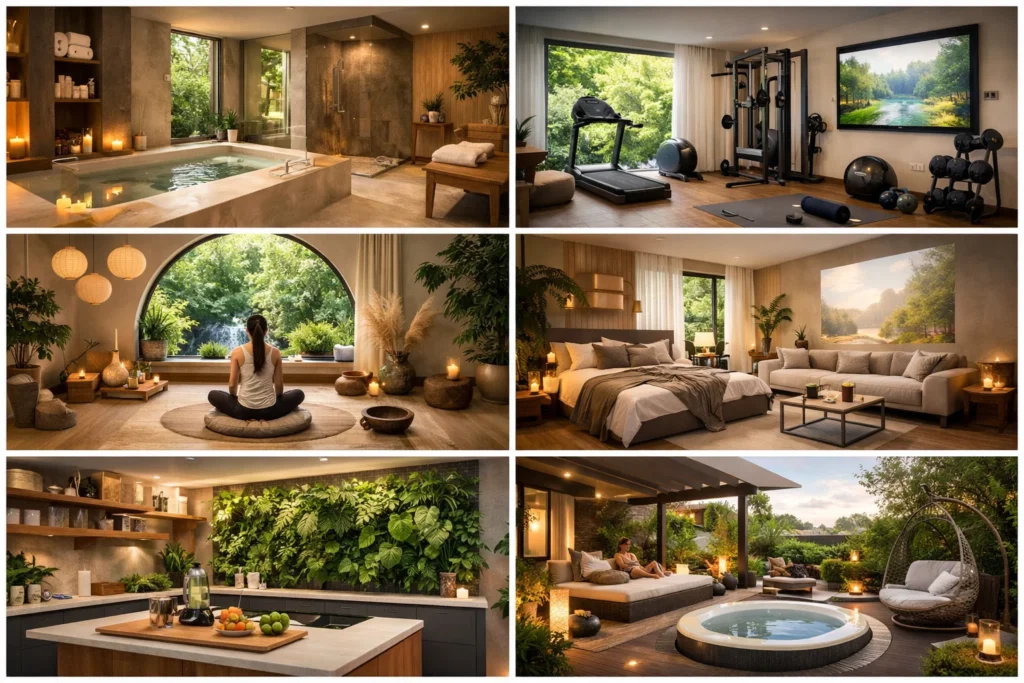
Explore how homes are being redefined as all-in-one living spaces. Learn about the shift towards wellness-focused homes and the integration of wellness features in home design for 2026.
Understanding the Concept of a Wellness-Focused Home

What “Home as a Wellness Hub” Really Means
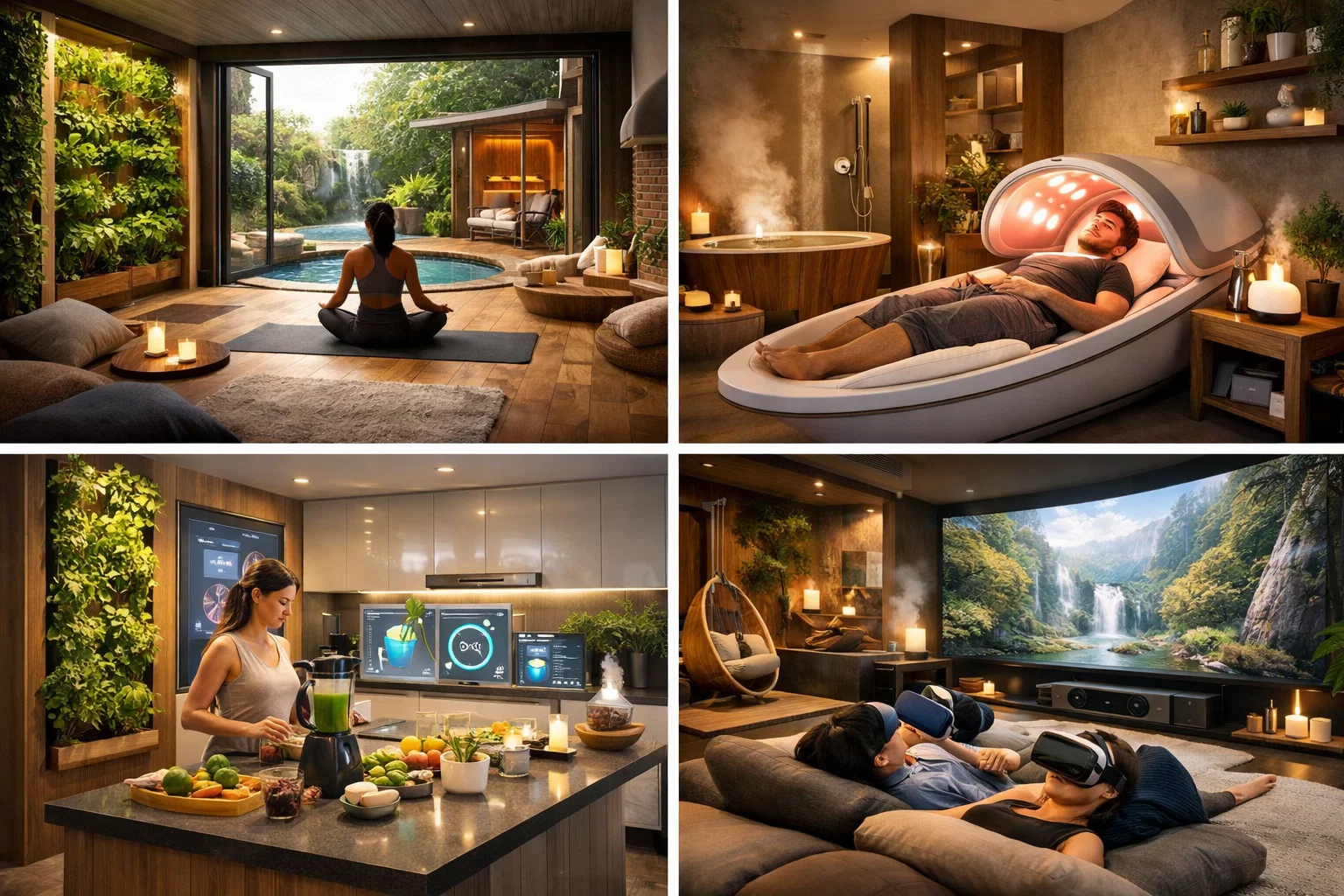
The rise of the wellness home indicates more than just a place to reside; it’s about crafting living spaces that actively promote physical and mental health. These homes integrate wellness elements like natural light, clean air, and spaces that nurture well-being.
How It Differs from Traditional Home Design
Traditional home design often focuses on aesthetics and functionality, whereas a wellness-focused home prioritizes elements that enhance homeowner health. This includes better indoor air quality, smart lighting systems, and spaces designed for relaxation and mindfulness, promoting physical health.
Why 2026 Is the Year Homes Are Evolving for Holistic Wellness
In 2026, the demand for healthier living environments has grown exponentially, with homeowners seeking to integrate wellness technology and biophilic design into their living areas. This shift reflects a broader understanding of how home design impacts physical and mental well-being.
Why the Trend Is Growing in 2026
Post-Pandemic Lifestyle Changes and Remote Living
Post-pandemic, remote living has surged, increasing the demand for wellness spaces within the home. People want to create spaces that nurture their well-being, integrate mindfulness, and support healthier living while spending more time indoors, enhancing mental wellness.
Rising Awareness of Mental Health and Mindfulness
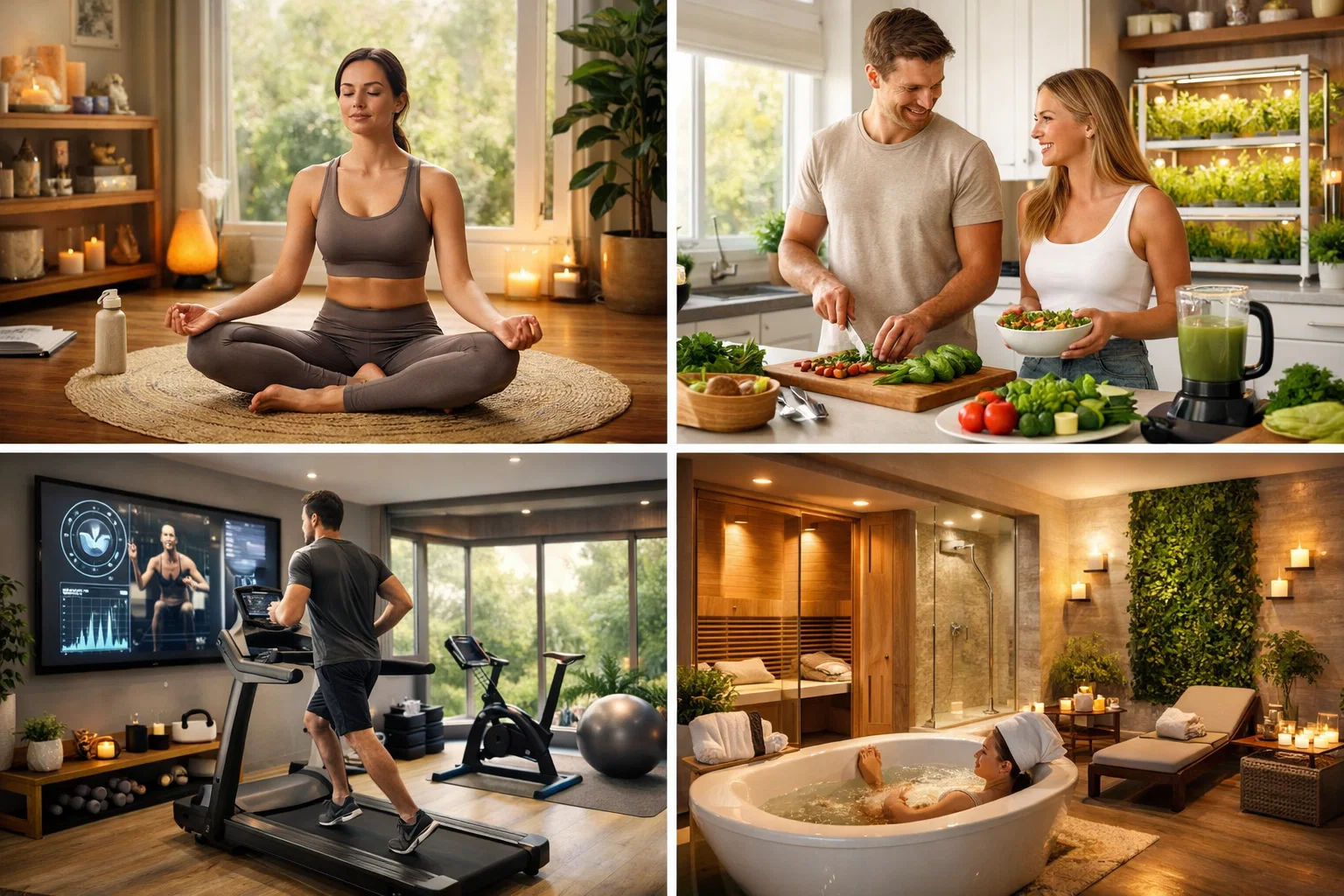
There’s a heightened awareness of mental health, driving the need for wellness sanctuaries at home. Homeowners seek relaxation zones and meditation spaces to integrate calm into daily living, supporting overall well-being and reducing stress in their physical and mental health.
Demand for Integrated Fitness and Nutrition at Home
The demand to integrate fitness and nutrition at home influences the rise of home wellness. From home gyms to smart kitchens, homeowners want living spaces that support their physical health, with many incorporating sustainable materials into these areas.
Technology-Driven Personalization of Health and Wellness
Wellness technology enables the personalization of health routines, integrating smart home features like sleep trackers and air purifiers. This technology helps homeowners create spaces that nurture their physical and mental health, aligning with individual wellness goals.
Sustainability and Health-Conscious Living Practices
Sustainability is at the forefront, with homeowners opting for non-toxic materials and biophilic design to ensure indoor air quality and create spaces that nurture health. This move towards health-conscious living enhances overall wellness and healthier living.
Key Features of a Wellness-Focused Home
Fitness Spaces: Home Gyms, Yoga Studios, and Smart Equipment
A key feature of a wellness-focused home is dedicated fitness spaces, such as home gyms or yoga studios. Integrating smart equipment into these areas allows homeowners to track their physical health and personalize their workouts. The rise of home wellness is evident in the increasing demand for these spaces.
Relaxation Zones: Meditation Rooms, Spa Bathrooms, and Quiet Nooks
Relaxation zones are essential in a wellness home. These spaces, which can include meditation rooms, spa bathrooms, or quiet nooks, provide a sanctuary for mental wellness. The design often incorporates natural light and soundproof elements to create an atmosphere of calm and relaxation.
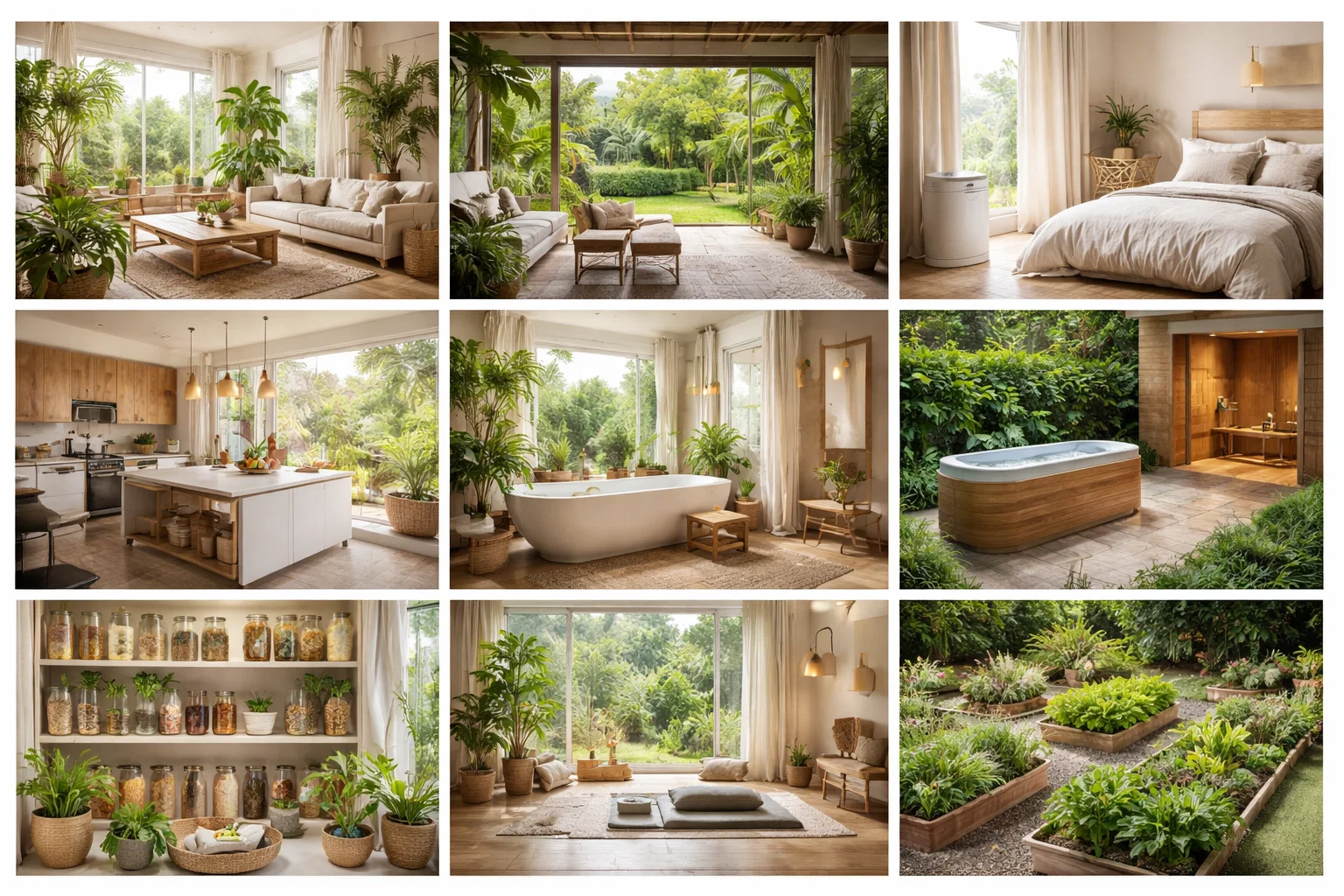
Nutrition Hubs: Smart Kitchens, Meal Prep Stations, and Indoor Gardens
Nutrition hubs are another critical feature, with smart kitchens, meal prep stations, and indoor gardens that promote healthier living. These wellness elements encourage homeowners to integrate mindful eating habits into their daily routines, with spaces that nurture their physical health. The wellness-focused design emphasizes functionality and accessibility.
Smart Wellness Technology: Sleep Trackers, AI Health Assistants, and Circadian Lighting
Smart wellness technology plays a significant role in creating a wellness-focused home. Sleep trackers, AI health assistants, and circadian lighting systems are integrated to personalize the living environment. These innovations help homeowners monitor and improve their physical and mental health, ensuring spaces that nurture their well-being.
Biophilic and Sustainable Design Elements for Health and Calm
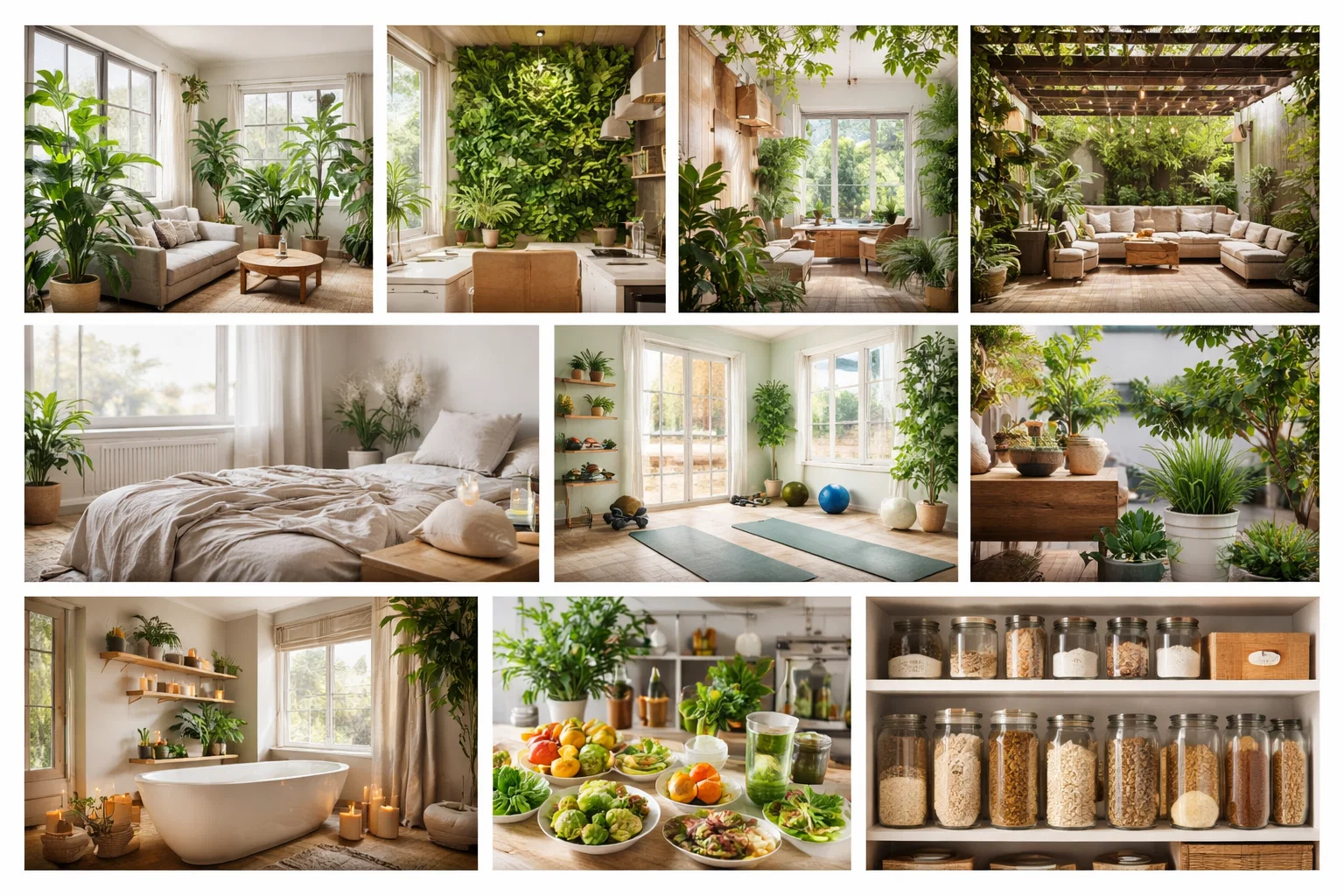
Biophilic and sustainable design elements are crucial for a wellness home. Integrating natural materials, non-toxic materials, indoor air quality solutions, and ample natural light enhances the living environment. This wellness design promotes a sense of calm and connection with nature, improving overall mental wellness and healthier living.
Benefits of Transforming Your Home Into a Wellness Hub
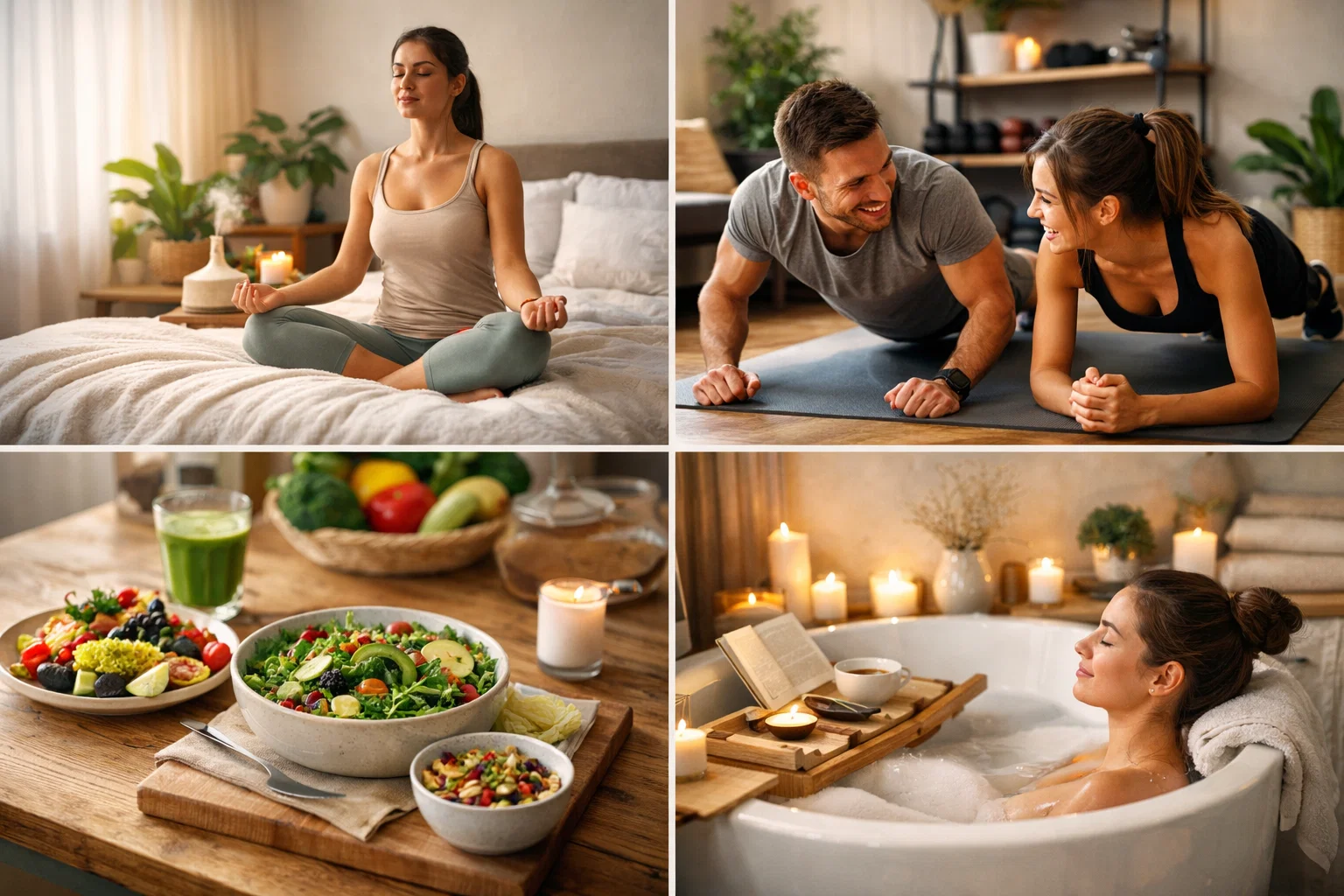
Convenience: Maintaining Health and Fitness Routines at Home
Transforming your home into a wellness hub offers the convenience of maintaining health and fitness routines without leaving the house. Homeowners can easily access home gyms and wellness spaces, integrating physical health activities into their daily schedules, promoting a healthier lifestyle.
Improved Mental Clarity, Mindfulness, and Stress Reduction
Creating wellness sanctuaries at home leads to improved mental clarity, mindfulness, and stress reduction. Dedicated meditation rooms and relaxation zones provide a space to disconnect and recharge, enhancing mental wellness and overall well-being in the healthy living spaces. The rise of the wellness mindset encourages these practices.
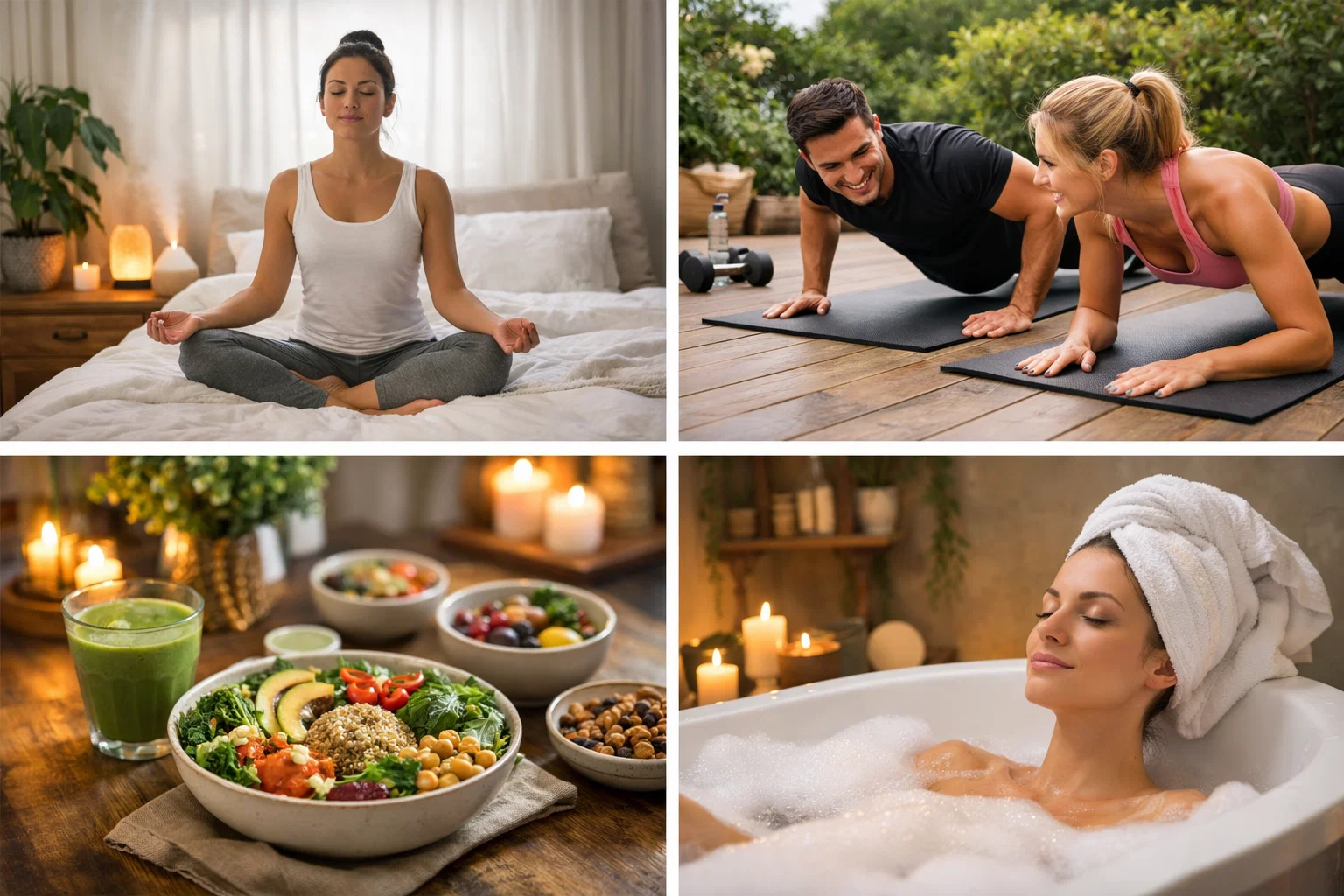
Physical Health and Motivation Through Home Fitness Options
Having home fitness options promotes physical health and motivation. Easy access to a home gym or yoga studio makes it more convenient to engage in regular physical activity, leading to improved physical health. Integrating wellness features supports a healthier and more active lifestyle in the wellness home.
Personalization: Tailored Wellness Spaces and Routines
Personalization is a key benefit, allowing homeowners to create tailored wellness spaces and routines. Smart wellness technology and flexible design enable customization to individual needs and preferences, ensuring spaces that nurture specific health goals and improve overall well-being in healthy living spaces. The rise of personalized wellness is transforming home design.
Long-Term Holistic Wellbeing: Sleep, Nutrition, and Emotional Balance
Transforming your home fosters long-term holistic well-being by addressing sleep, nutrition, and emotional balance. Smart lighting systems, air purifiers, and personalized wellness spaces contribute to a healthier living environment. This promotes sustained physical and mental health. The wellness-focused approach integrates multiple facets of well-being.
Practical Tips for Creating Your Wellness-Focused Home
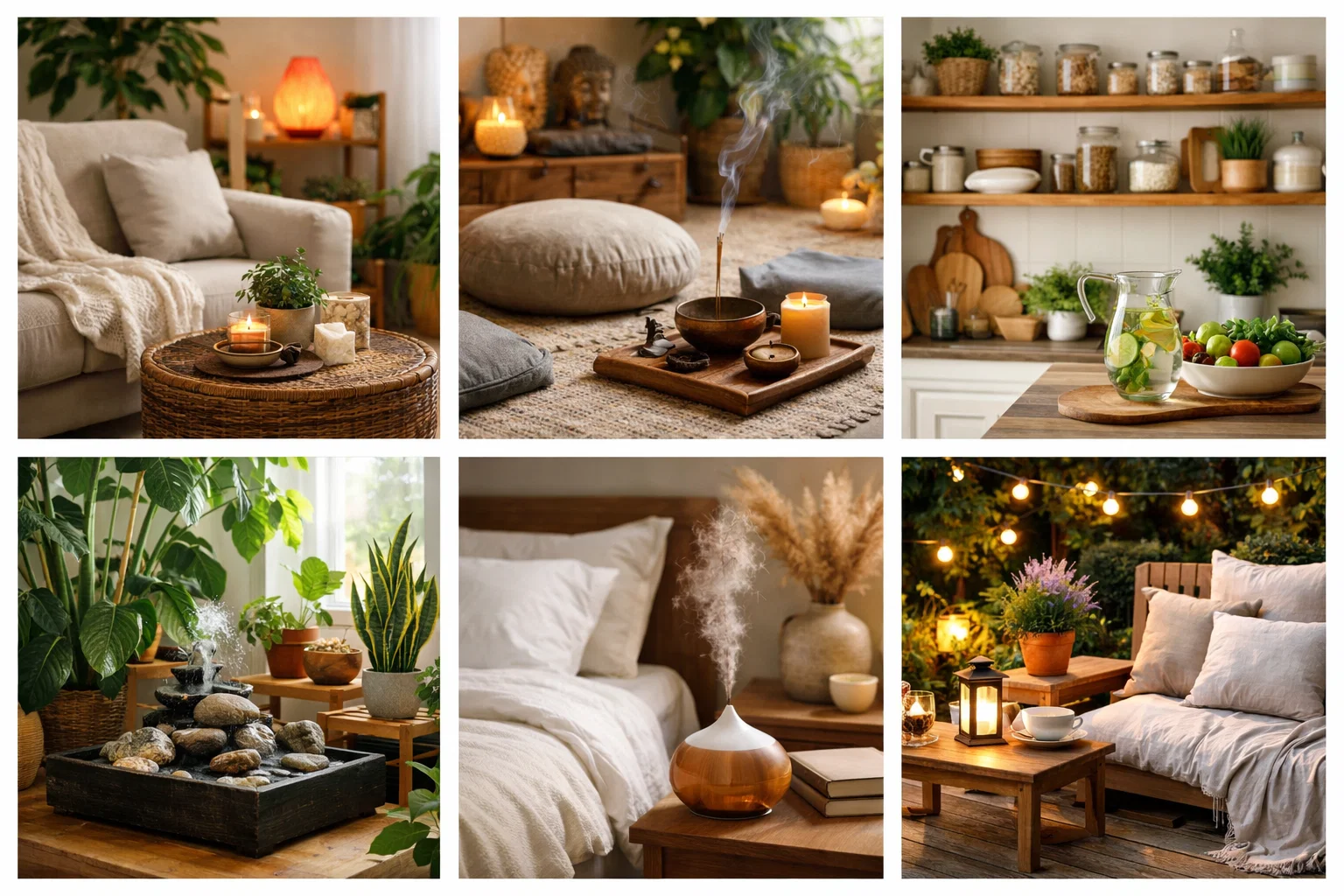
Planning Your Space: Identifying Wellness Priorities
When planning a wellness-focused home, identify your wellness priorities. Consider which aspects of health are most important to you, such as physical fitness, mental wellness, or nutrition. Prioritize these areas when designing your living spaces to ensure they meet your specific needs, to create spaces that nurture your well-being.
Budgeting for Fitness Equipment, Tech, and Design Upgrades
Budgeting is crucial when upgrading your home. Allocate funds for essential fitness equipment, smart wellness technology, and design upgrades that enhance the living environment. Prioritize investments that offer long-term benefits for your physical and mental health, in the creation of wellness sanctuaries. Consider the rise of home wellness when planning your budget.
Integrating Mindfulness and Relaxation Areas Into Daily Life
Integrating mindfulness and relaxation areas into your daily life involves creating spaces that promote calm and reduce stress. Designate a quiet nook for meditation or a spa-like bathroom for relaxation, ensuring easy access to these wellness spaces, and integrate mindful practices into your daily routine in these healthier living spaces.
Using Smart Technology Without Over-Reliance
While smart technology can enhance wellness, avoid over-reliance. Balance technology with human-centered practices, ensuring technology supports rather than dominates your wellness routines. Use technology to personalize your environment, optimize indoor air quality, and enhance your physical and mental health, without sacrificing a connection to natural light and non-toxic materials.
Examples of Wellness-Integrated Homes Around the World
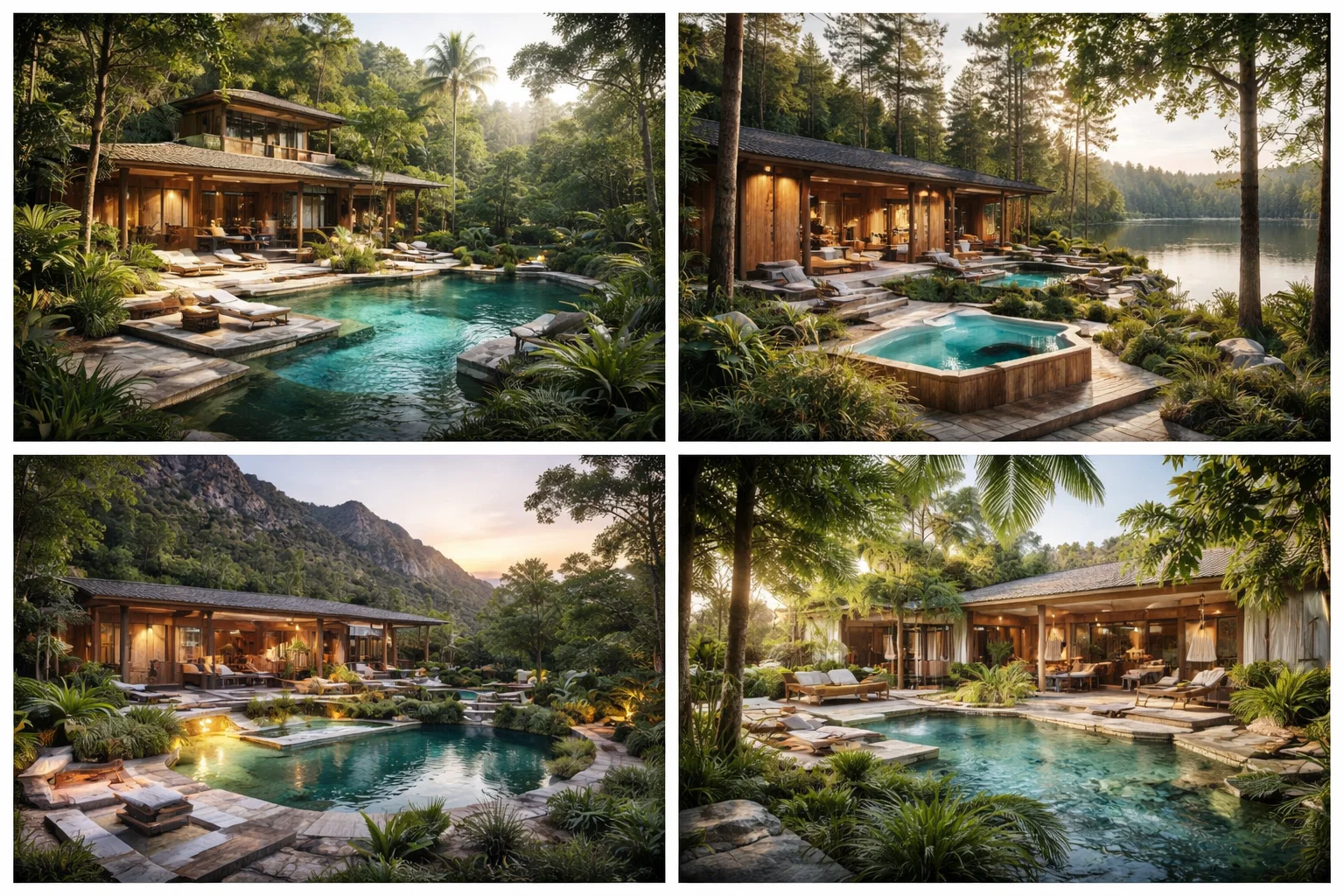
Innovative Residential Designs in the U.S., Europe, and Asia
Across the globe, innovative residential designs are integrating wellness features to create spaces that nurture the homeowner. Different regions are prioritizing different elements, as outlined below, exemplifying the rise of the wellness home.
| Region | Wellness Focus |
|---|---|
| U.S. | Open-plan living spaces incorporate natural light and non-toxic materials to enhance indoor air quality. |
| European homes | Wellness rooms designed for meditation and relaxation, promoting physical and mental health. |
| Asian designs | Biophilic design, bringing the outdoors in to create calm environments that promote well-being. |
Case Studies of Smart Homes Prioritizing Health and Comfort
Smart homes are redefining wellness by prioritizing health and comfort through wellness technology. These wellness-focused homes demonstrate the potential of technology to create healthier living environments, and wellness real estate.
| Location | Wellness Technology |
|---|---|
| California | Smart lighting systems mimicking natural light to regulate circadian rhythms. |
| Sweden | Air purifiers and sensors to maintain optimal indoor air quality. |
Inspiring Stories of Everyday Wellness Hubs at Home
Inspiring stories from around the world show how everyday homes are transforming into wellness hubs. These examples showcase that anyone can create spaces that nurture their well-being, regardless of budget or location, supporting mental wellness and physical health.
| Location | Wellness Feature |
|---|---|
| Japan | Meditation space in living room |
| Brazil | Indoor garden |
Challenges and Considerations
Cost and Accessibility of High-Tech and Wellness Equipment
The cost and accessibility of high-tech and wellness equipment pose challenges for many homeowners. Smart lighting systems, air purifiers, and advanced fitness equipment can be expensive, potentially limiting access to these wellness features.
However, more affordable options are emerging, making wellness technology accessible to a broader audience, supporting the rise of home wellness and healthier living spaces. Prioritizing essential features and exploring budget-friendly alternatives can help overcome these hurdles in creating a wellness-focused home.
Ensuring Spaces Are Used Effectively Without Over-Structuring
Ensuring wellness spaces are used effectively without over-structuring is a key consideration. While it’s beneficial to designate areas for fitness and relaxation, avoid making them feel restrictive.
Create spaces that nurture flexibility and encourage spontaneous use, fostering a sense of calm and well-being. The goal is to integrate wellness seamlessly into daily life, rather than imposing rigid routines in your wellness home. Maintaining a balance between structure and freedom is crucial for the rise of the wellness mindset.
Balancing Technology With Mindful Human-Centered Practices
Balancing technology with mindful, human-centered practices is essential for a wellness home. While smart home features and wellness technology can enhance the living environment, it’s important not to over-rely on them.
Integrate technology thoughtfully to support, rather than replace, traditional wellness practices. Use technology to personalize your environment and improve indoor air quality, but also prioritize activities like meditation and spending time in natural light, promoting overall physical and mental health.
The Future of Home Living: Wellness as a Standard
Predictions for 2026 and Beyond in Home Design
Predictions for 2026 and beyond indicate that wellness will become a standard in home design. New homes will increasingly integrate wellness features like air purifiers, smart lighting systems, and spaces designed for fitness and relaxation. This shift reflects a growing recognition of the importance of creating living environments that support physical and mental health, redefining the purpose of a home and influencing interior design trends.
How Wellness Hubs Will Influence Real Estate and Interior Trends
Wellness hubs are poised to significantly influence real estate and interior design trends. As demand for wellness-focused homes grows, the wellness real estate market will expand, with properties incorporating wellness elements commanding higher values. Interior design will prioritize biophilic design, non-toxic materials, and spaces that promote calm and well-being, reflecting the rise of the wellness and personalized wellness.
Redefining the Home as a Space for Health, Comfort, and Productivity
The concept of home is being redefined as a space for health, comfort, and productivity. A wellness-focused home integrates elements that support physical and mental health, providing a sanctuary for relaxation and rejuvenation. By creating living spaces that prioritize well-being, homeowners can enhance their overall quality of life and foster healthier living environments that nurture their potential, in the luxury home or small apartment.
Conclusion: Embracing Your Home as a Wellness Hub
Embracing your home as a wellness hub is a transformative step towards healthier and more fulfilling living. By integrating wellness features and prioritizing your physical and mental health, you can create a living environment that supports your well-being. As we move towards 2026 and beyond, the rise of home wellness is set to redefine how we think about and interact with our homes, making wellness a central focus of modern living and wellness real estate.