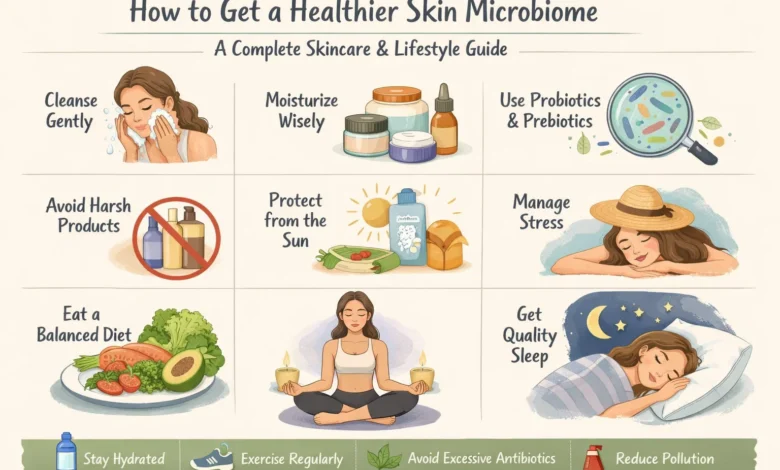
Welcome to your ultimate guide to understanding and improving your skin microbiome! This comprehensive article dives deep into the world of skin microorganisms, offering practical advice and actionable steps to achieve a balanced microbiome and radiant, healthy skin.
What Is the Skin Microbiome? (And Why It Matters More Than You Think)
Definition: The Living Ecosystem on Your Skin
The skin microbiome is the community of microorganisms, including bacteria, fungi, and viruses, that live on your skin. These skin flora create a delicate balance that is crucial for maintaining a healthy skin barrier and overall skin health.
How the Skin Microbiome Protects Your Skin Barrier
A balanced microbiome acts as a shield, protecting your skin from harmful bacteria and external aggressors. Good bacteria on your skin reinforce the skin barrier, preventing moisture loss and reducing the risk of inflammatory skin conditions.
Skin Microbiome vs Skin Barrier: Key Differences
The skin barrier is the physical layer that protects your skin, while the skin microbiome is the ecosystem of microorganisms residing on it. A healthy microbiome supports the skin barrier’s function, while the skin barrier provides a habitat for the microbiome.
Signs Your Skin Microbiome Is Unhealthy
Common Symptoms: Acne, Redness, Sensitivity & Dryness
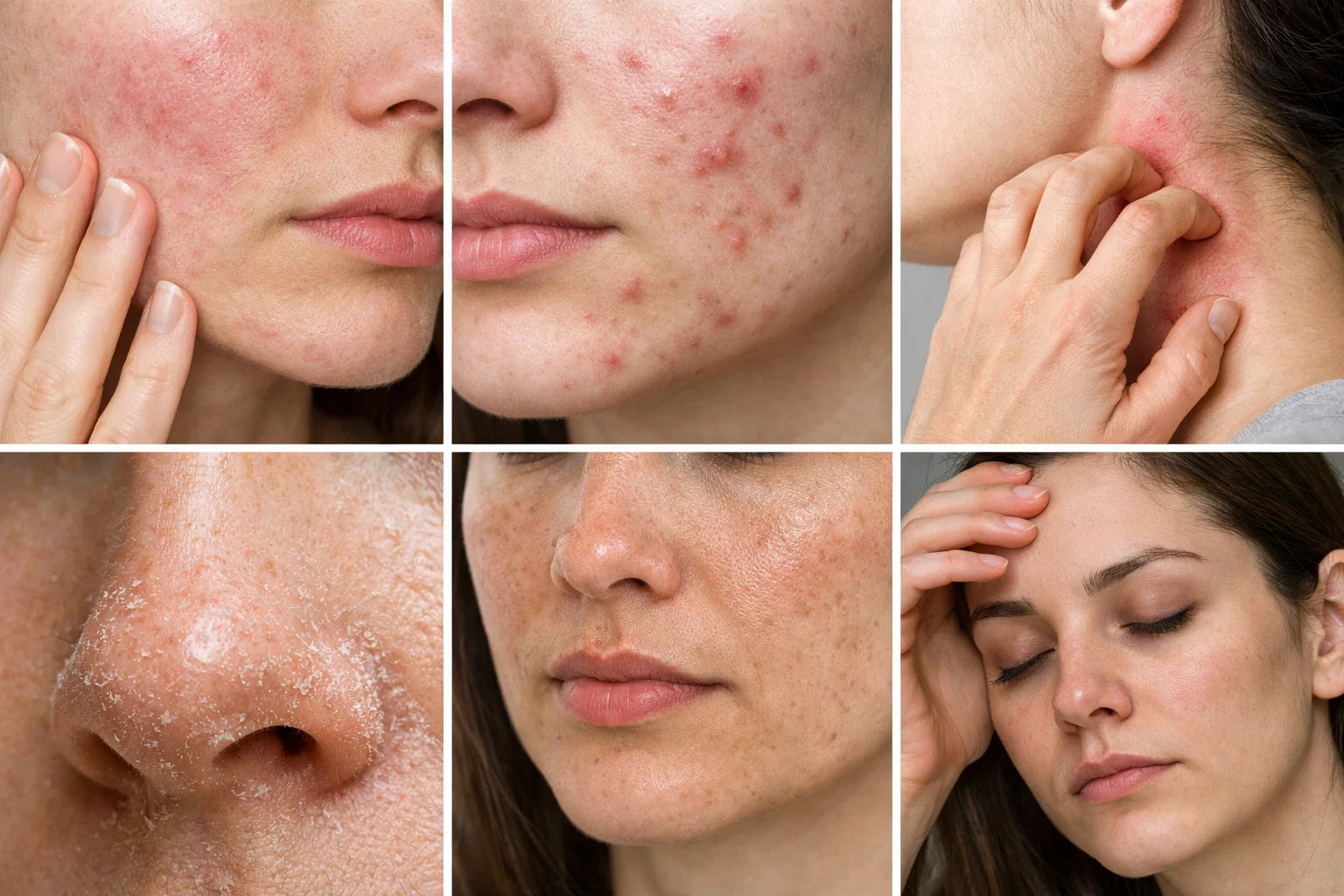
An unhealthy skin microbiome can manifest in various skin issues, such as acne, redness, sensitivity, and dryness. These issues often indicate an imbalance in the skin microbiota, affecting your overall skin health.
How to Tell the Difference Between Product Irritation and Microbiome Damage
Product irritation usually causes immediate reactions like burning or stinging, while microbiome damage develops over time, leading to chronic skin problems. Understanding this distinction helps in choosing the right skincare products and maintaining healthy skin.
What Damages the Skin Microbiome Most (Hidden Everyday Mistakes)

Over-Cleansing and Harsh Soaps
Over-cleansing strips the skin of its natural oils, disrupting the microbiome balance and weakening the skin barrier. Harsh soaps can kill beneficial bacteria, leading to an imbalance and increasing the risk of skin conditions.
Over-Exfoliation and Acid Overuse
Excessive exfoliation damages the skin’s protective layer, affecting the skin microorganisms and hindering their ability to protect your skin. Acid overuse can disrupt the skin microbiome balance, leading to inflammatory skin.
Antibacterial Products & Unnecessary Antibiotics
Antibacterial products kill both bad bacteria and good bacteria on your skin, disrupting the skin microbiome. Unnecessary antibiotics can also affect the gut microbiome, which has a direct impact on overall skin health.
Environmental Stressors: Pollution, UV & Climate
Exposure to pollution, UV radiation, and extreme climates can negatively impact the skin microbiome, causing inflammation and damage. These environmental stressors disrupt the delicate balance of the skin flora.
Stress, Poor Sleep & Hormonal Imbalance
Stress, lack of sleep, and hormonal imbalances can all affect the skin microbiome, leading to inflammatory skin conditions and other skin issues. Managing these factors is crucial for maintaining a healthy microbiome.
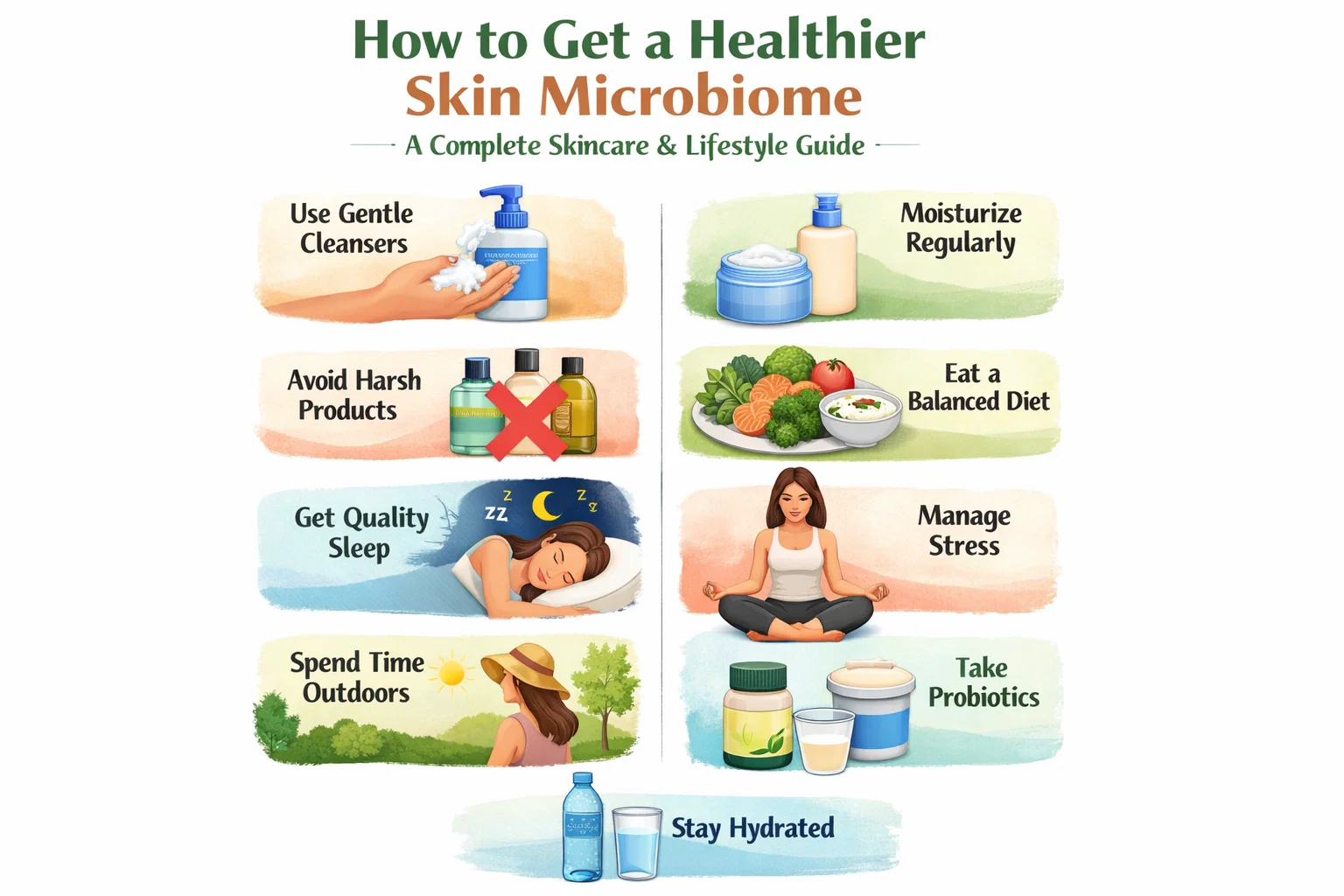
How to Get a Healthier Skin Microbiome Naturally

Cleanse Gently: Choosing the Right pH-Balanced Cleanser
Opt for a pH-balanced cleanser to gently remove impurities without stripping the skin of its natural oils. This helps maintain a healthy skin microbiome and prevent skin irritation from harsh skincare products.
Moisturize Daily to Support Microbial Balance
Daily moisturizing supports microbial balance by keeping your skin hydrated and strengthening the skin barrier. Using ingredients like prebiotics can also nourish the beneficial bacteria and improve skin health.
Why Doing Less Skincare Often Heals Skin Faster
Overloading your skin with too many skincare products can disrupt the skin microbiome and lead to irritation. Simplifying your routine allows the skin to heal naturally and maintain a healthy microbiome balance.
Best Ingredients for a Healthy Skin Microbiome
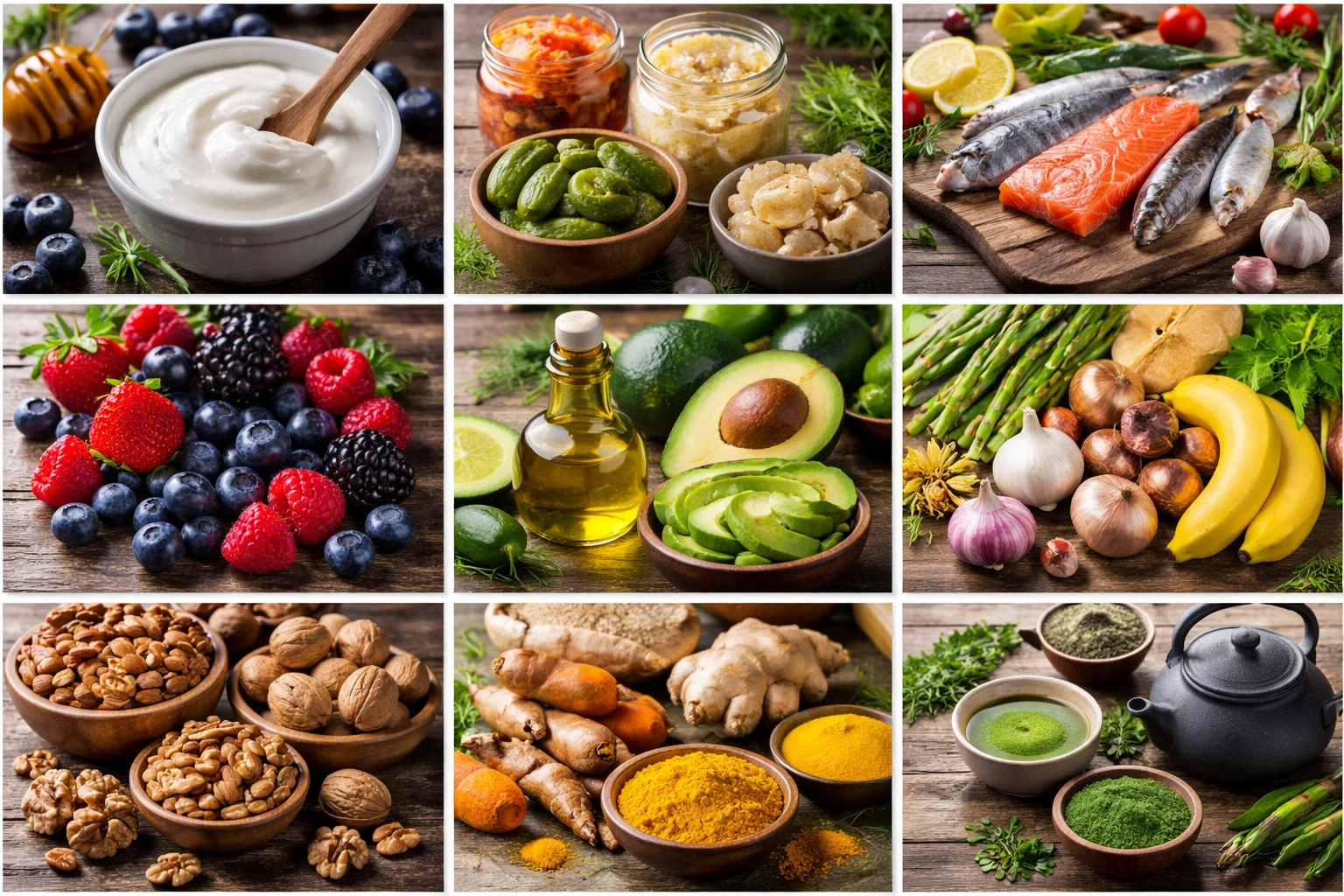
Prebiotics: Feeding Good Skin Bacteria
Prebiotics are essential ingredients for a healthy skin microbiome because they act as food for the beneficial bacteria residing on the skin. By feeding good bacteria on your skin, prebiotics help them thrive and maintain a balanced microbiome, ultimately supporting overall skin health. Including prebiotics in your skincare routine can lead to significant improvements in skin conditions.
Probiotics: Supporting Beneficial Microorganisms
Probiotics introduce live beneficial bacteria to the skin, aiding in the restoration and maintenance of a healthy microbiome. These good bacteria on your skin can help crowd out harmful bacteria, reduce inflammation, and improve the skin barrier function. Using skincare products with probiotics can enhance overall skin health and address various skin issues.
Postbiotics: Strengthening the Skin Barrier
Postbiotics are the byproducts of bacterial fermentation and offer numerous benefits for skin health. They help to strengthen the skin barrier, reduce inflammation, and improve overall skin condition. Incorporating postbiotics into your skincare routine can lead to a more balanced microbiome and enhance the skin’s natural defenses, maintaining healthy skin.
Barrier-Repair Ingredients That Protect Microbes
Ingredients that repair and strengthen the skin barrier are vital for protecting the skin microbiome. These ingredients help maintain the skin’s integrity, providing a stable environment for beneficial bacteria to thrive. By fortifying the skin barrier, these components improve overall skin health, reduce inflammation, and promote a balanced microbiome. Choosing skincare products that include these ingredients is crucial.
Ingredients & Products That Harm Your Skin Microbiome
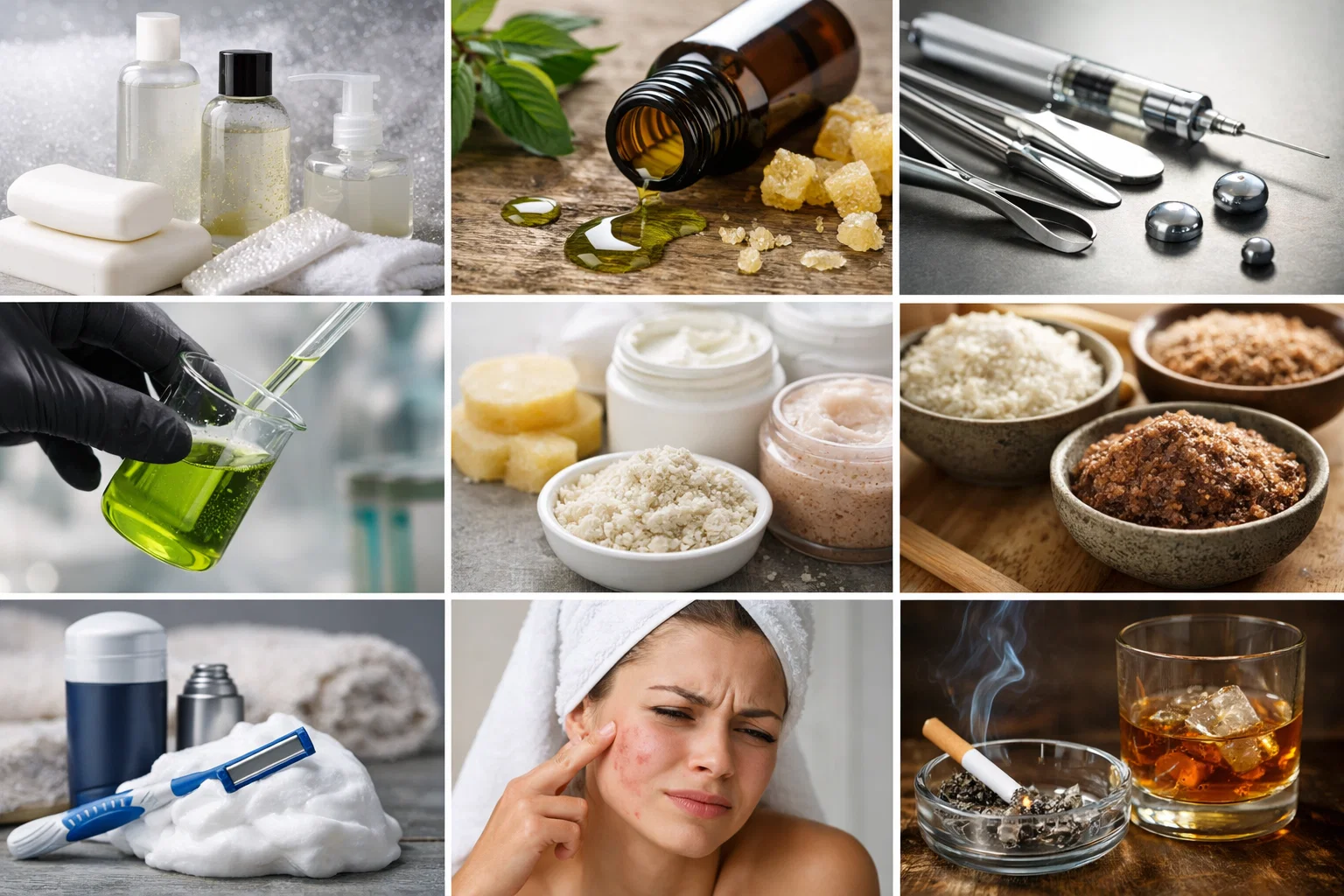
Alcohol-Heavy Toners & Antiseptic Soaps
Alcohol-heavy toners and antiseptic soaps can strip the skin of its natural oils, disrupting the delicate balance of the skin microbiome. These products kill both good bacteria and bad bacteria, leading to an unhealthy skin microbiota and compromising the skin barrier, which affects overall skin health.
High-pH Cleansers and Fragranced Products
High-pH cleansers can disrupt the skin’s natural pH balance, harming the beneficial bacteria that make up the skin microbiome. Fragranced products often contain chemicals that irritate the skin and disrupt microbial balance, leading to inflammatory skin conditions and hindering overall skin health.
When Active Ingredients Do More Harm Than Good
While active ingredients can target specific skin concerns, overuse or misuse can damage the skin microbiome. Over-exfoliation or using strong actives too frequently can disrupt the skin barrier and reduce the diversity of good bacteria, leading to inflammatory skin and other skin issues.
Skin Microbiome & Diet: What You Eat Shows on Your Skin

Gut-Skin Axis Explained
The gut-skin axis highlights the direct link between the gut microbiome and skin health. An imbalance in the gut can manifest as inflammatory skin conditions, affecting the overall skin microbiome. Maintaining a healthy gut through diet can improve skin health and lead to a balanced microbiome.
Best Foods for a Balanced Skin Microbiome
Consuming a diet rich in fiber, fermented foods, and probiotics supports a healthy gut microbiome, which in turn benefits the skin microbiome. Foods like yogurt, kimchi, and sauerkraut introduce good bacteria to the gut, promoting overall skin health and maintaining a healthy skin barrier.
Foods That Disrupt Skin & Gut Bacteria
Processed foods, sugary drinks, and excessive alcohol can disrupt the balance of bacteria in the gut and skin. These foods can lead to inflammation and an overgrowth of harmful bacteria, negatively impacting skin health and the skin microbiome balance, causing various skin disorders.
Lifestyle Habits That Improve Skin Microbiome Health

Sleep, Circadian Rhythm & Skin Repair
Adequate sleep and a consistent circadian rhythm are crucial for skin repair and maintaining a healthy microbiome. During sleep, the skin regenerates and repairs itself, promoting the growth of beneficial bacteria and supporting overall skin health, which improves inflammatory skin conditions.
Stress Management and Cortisol Control
Chronic stress elevates cortisol levels, which can disrupt the skin microbiome and lead to inflammatory skin conditions. Stress management techniques like meditation and yoga can help lower cortisol, promoting a balanced microbiome and improving overall skin health and the skin barrier.
Exercise, Sweat & Microbial Diversity
Regular exercise promotes circulation and can enhance microbial diversity on the skin. Sweat contains natural antimicrobials that can help balance the skin microbiome, leading to improved overall skin health. Maintaining healthy skin through exercise contributes to a balanced skin and body.
Skin Microbiome Care by Skin Type
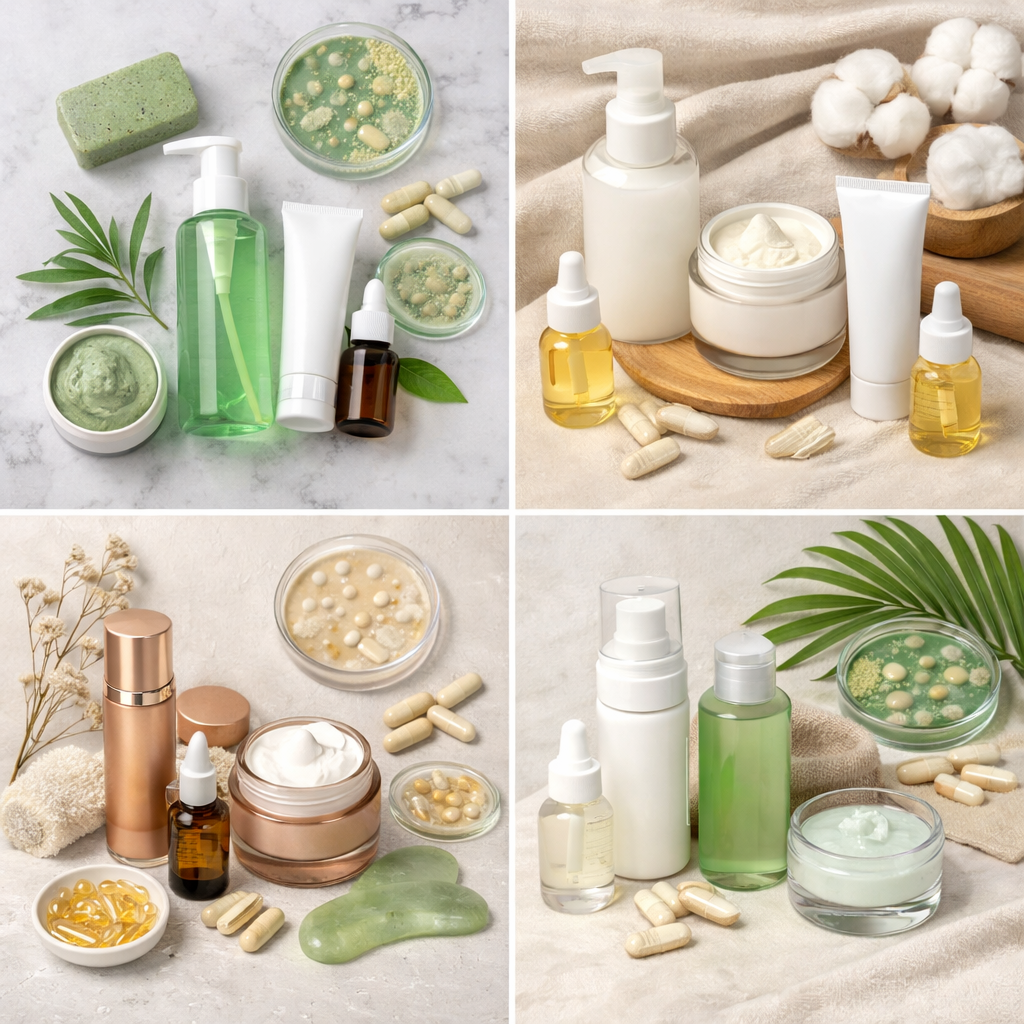
Acne-Prone Skin: Balancing Bacteria Without Stripping
For acne-prone skin, balancing the skin microbiome is crucial without stripping away natural oils. Use gentle skincare products that support beneficial bacteria on your skin and help maintain a healthy microbiome. Look for non-comedogenic options to avoid clogging pores and worsening skin conditions, which impacts overall skin health.
Dry & Sensitive Skin: Rebuilding the Barrier First
Dry and sensitive skin needs a focus on rebuilding the skin barrier to support a healthy skin microbiome. Incorporate hydrating ingredients like ceramides and hyaluronic acid to keep your skin moisturized. A strong skin barrier helps protect against harmful bacteria and maintain a balanced microbiome, improving overall skin health.
Aging Skin: Supporting Microbiome for Youthful Skin
Aging skin benefits from skincare products that support a healthy skin microbiome. Prebiotics and probiotics can help maintain a balanced microbiome, promoting collagen production and improving skin elasticity. A healthy microbiome contributes to a youthful appearance by reducing inflammatory skin and supporting overall skin health.
Simple Daily Skincare Routine for a Healthy Skin Microbiome

Morning Microbiome-Friendly Routine
Start your day with a microbiome-friendly routine that includes a gentle, pH-balanced cleanser to remove impurities without disrupting the natural oils. Follow with a prebiotic serum to feed good bacteria on your skin and a moisturizer to support the skin barrier. Sunscreen is essential for maintaining healthy skin and protecting from UV rays, which will improve overall skin health.
Night Routine for Repair & Balance
Your night skincare routine should focus on repair and balance to support a healthy skin microbiome. Use a gentle cleanser to remove makeup and dirt, followed by a probiotic-rich serum to replenish beneficial bacteria. Finish with a nourishing moisturizer to strengthen the skin barrier and help restore balance overnight for overall skin health.
How Long Does It Take to Repair the Skin Microbiome?
Short-Term vs Long-Term Skin Improvements
Short-term improvements in skin health can be seen within a few weeks of adopting a microbiome-friendly skincare routine. However, long-term repair of the skin microbiome requires consistent effort and lifestyle adjustments. Patience is key for achieving a balanced microbiome and maintaining healthy skin overall.
Signs Your Skin Microbiome Is Healing
Signs of a healing skin microbiome include reduced redness, less frequent breakouts, and improved skin hydration. You may also notice a stronger skin barrier that is less sensitive to environmental stressors. These positive changes indicate that your efforts are supporting beneficial bacteria and improving overall skin health.
Myths About Skin Microbiome You Should Stop Believing
“Clean Skin Means Bacteria-Free Skin”
It’s a myth that clean skin means bacteria-free skin; a healthy skin microbiome requires a balance of good bacteria on your skin. Over-cleansing can strip away natural oils and disrupt this balance, leading to skin issues. Focus on gentle cleansing to maintain a healthy skin microbiome overall.
“More Products Mean Better Skin”
Using more skincare products does not necessarily mean better skin. Overloading your skin with too many actives can disrupt the skin microbiome and lead to irritation. A simplified skincare routine that supports beneficial bacteria is often more effective for improving overall skin health.
Skin Microbiome Trends & Research (2026 and Beyond)
Microbiome-Focused Skincare Innovation
Expect to see more microbiome-focused skincare innovation, with products specifically designed to support a healthy skin microbiome. These innovations will include advanced prebiotic and probiotic formulations, as well as ingredients that target specific skin conditions and improve overall skin health.
Personalized & AI-Driven Skin Microbiome Care
Personalized skincare approaches driven by AI will become more common, tailoring treatments to individual skin microbiome profiles. These technologies will analyze skin microbiota to recommend specific skincare products and lifestyle adjustments for maintaining healthy skin and addressing unique skin issues.
Final Thoughts: Healthy Skin Starts with Balance, Not Perfection
Achieving healthy skin starts with balance, not perfection. Focus on supporting your skin microbiome through gentle skincare practices, a healthy diet, and stress management. Consistency is key to maintaining a balanced microbiome and enjoying the benefits of overall skin health and well-being.