


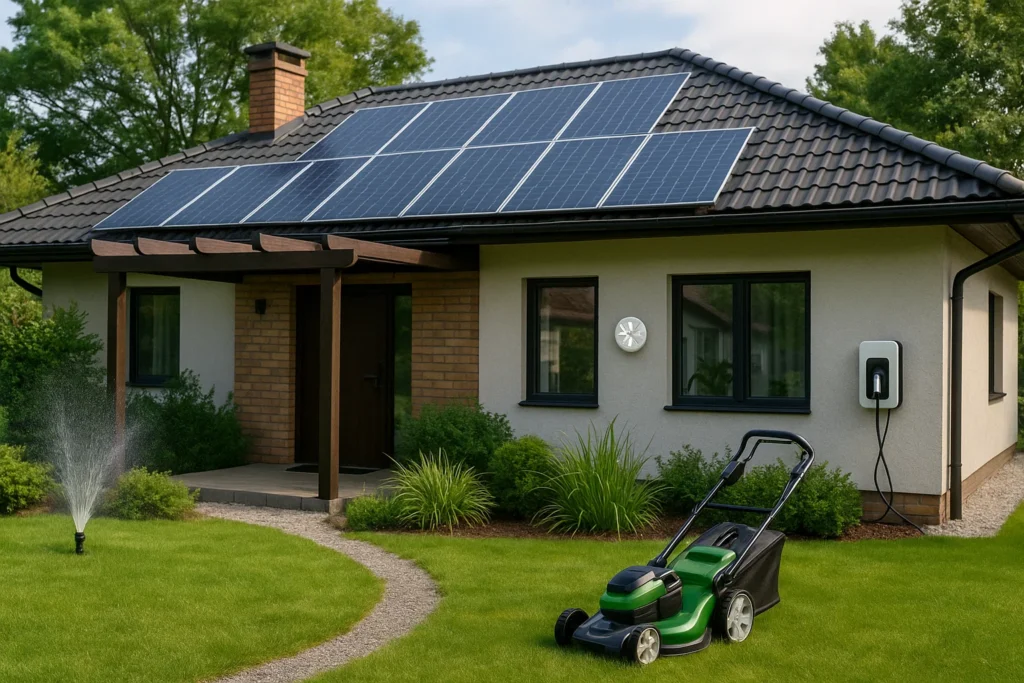
Welcome! Embark on a journey to transform your residence into an eco-friendly haven using the latest smart technology. Discover how integrating smart home solutions can dramatically reduce energy consumption, slash energy bills, and significantly shrink your carbon footprint, all while enhancing your comfort and lifestyle.
Why Smart Tech Is Key to Sustainable Living in 2025
The rise of eco-conscious homes and green technology trends
More and more homeowners are prioritizing sustainable living, driving the demand for green technology and eco-friendly home upgrades. This shift reflects a growing awareness of the environmental impact of our energy usage and a desire to make your home greener.

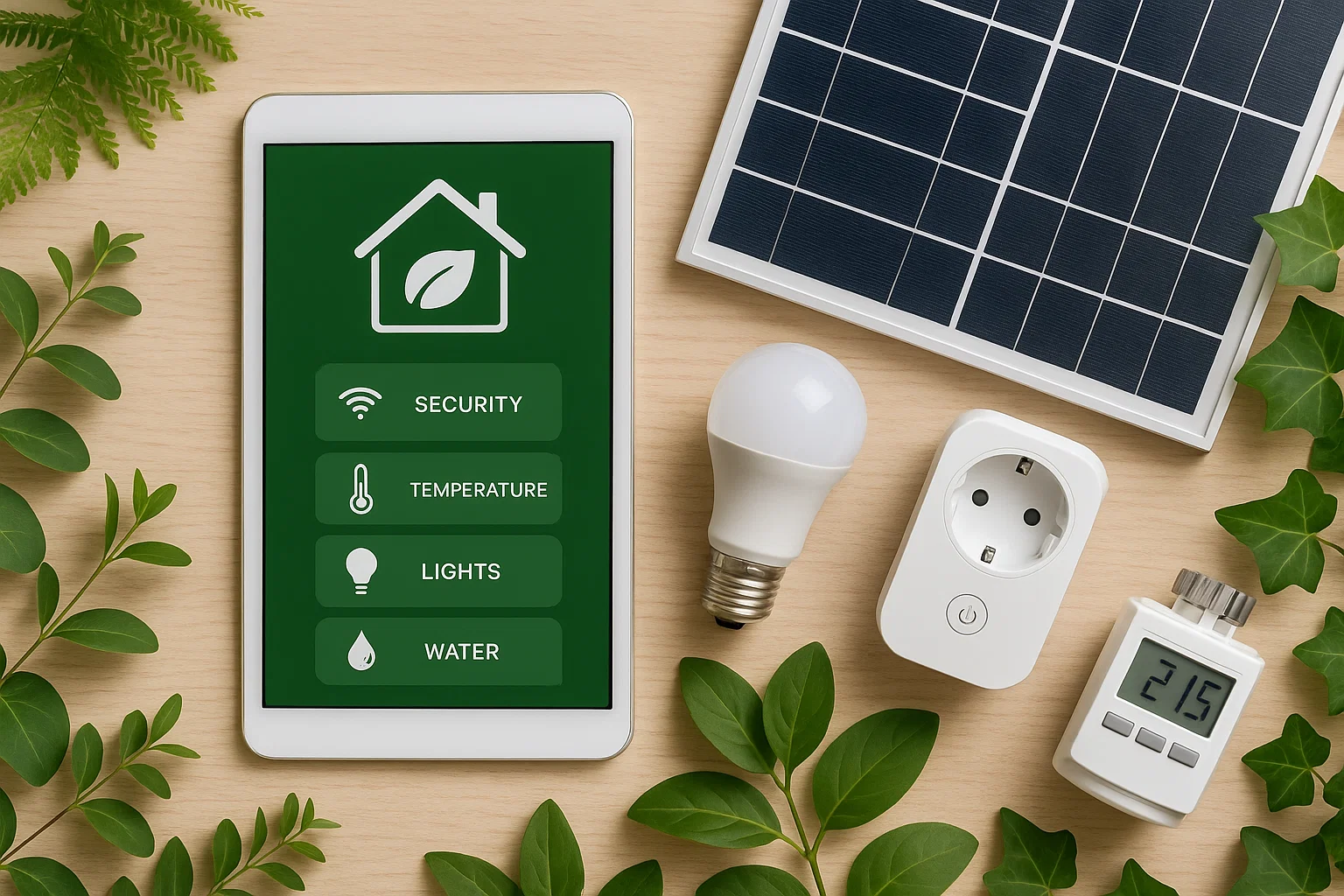
How technology helps reduce your home’s carbon footprint
Smart home technology offers innovative ways to reduce energy use, optimize energy efficiency, and minimize waste, directly contributing to a smaller carbon footprint. From smart appliances to automated systems, devices like these play a pivotal role in sustainability.
What readers will learn: practical, money-saving, and planet-friendly upgrades
This guide provides actionable strategies for implementing eco-friendly practices in your living spaces. You’ll learn how to save energy, cut energy costs, and embrace green living through practical home improvements, benefiting both your wallet and the planet.
1. Smart Energy Management: Take Control of Your Power Usage
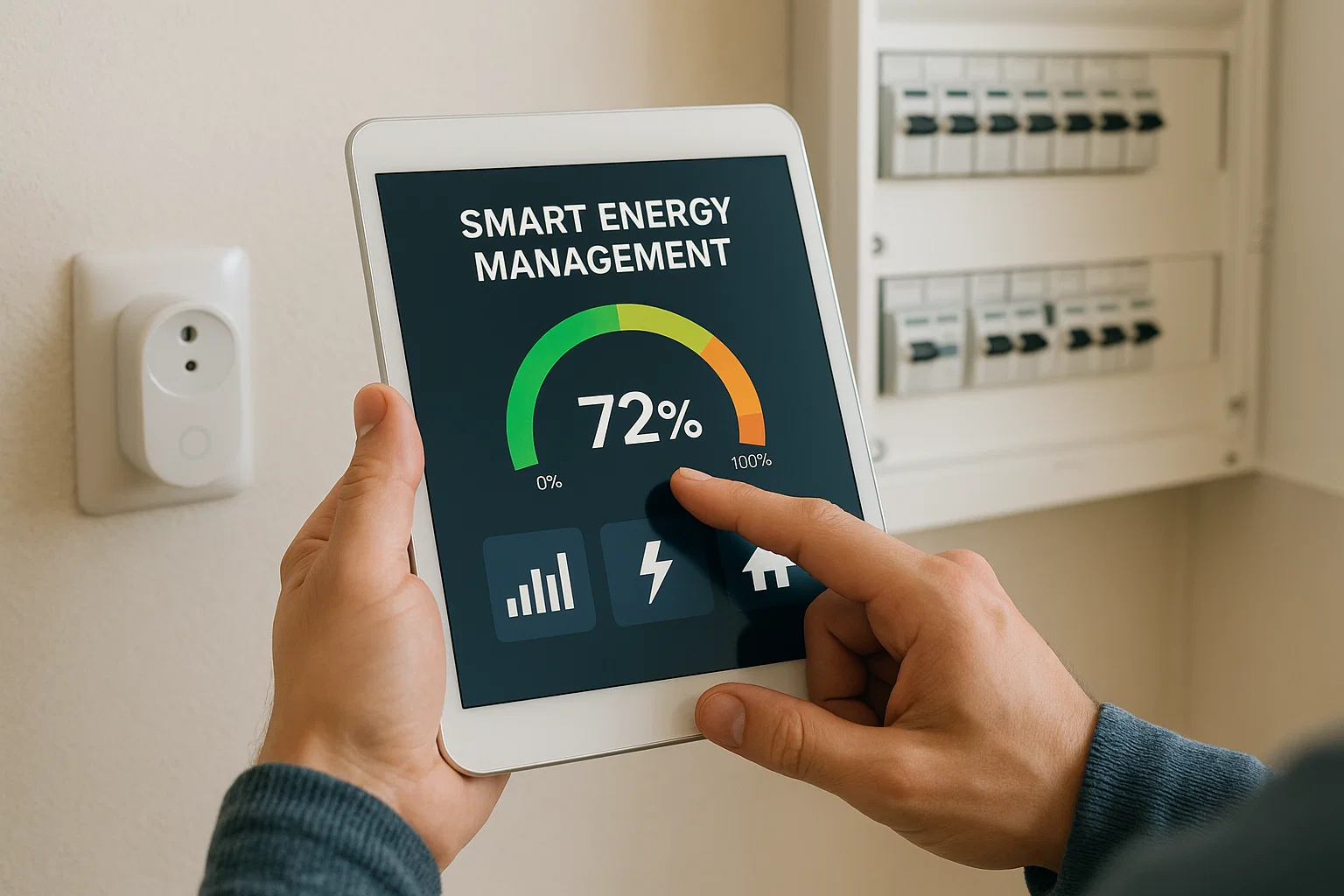
Why energy waste is the biggest household problem today
Unnecessary energy consumption is a major drain on resources and contributes significantly to environmental impact. Addressing energy waste is crucial for achieving sustainability and reducing reliance on fossil fuels with green technology.
Smart thermostats that learn your habits (Nest, Ecobee, Tado°)
A smart thermostat, such as Nest, Ecobee, or Tado°, learns your heating and cooling preferences and automatically adjusts the temperature, optimizing energy usage and reducing energy consumption. This contributes to more sustainable building materials.
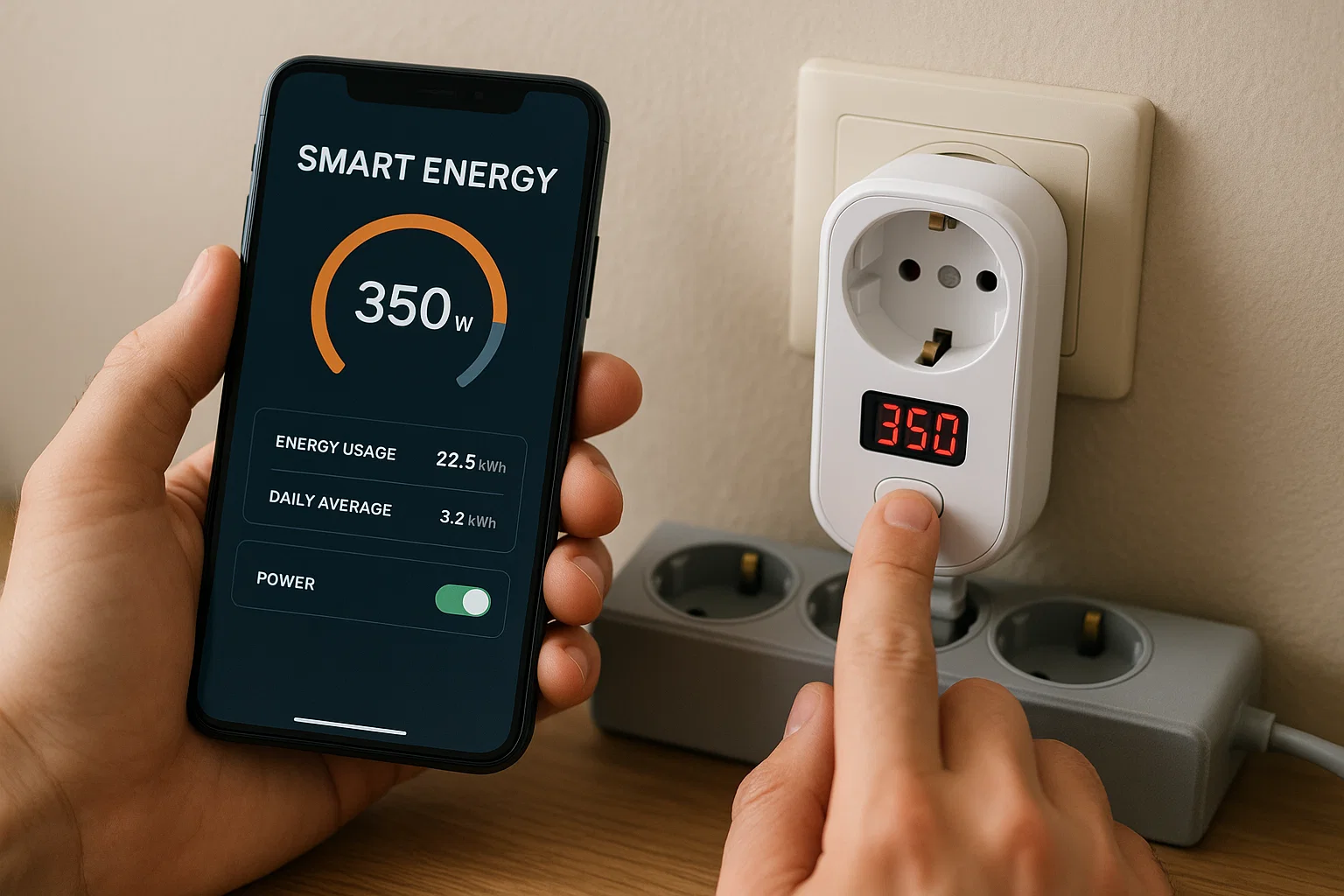
Smart plugs and energy monitors that track real-time usage
Smart plugs and energy monitors provide detailed insights into your energy usage, allowing you to identify and eliminate phantom loads and optimize energy efficiency. They are a great way to reduce energy use with smart home automation.
How automation cuts bills without sacrificing comfort
Smart home automation ensures that energy-efficient appliances and systems operate only when needed, minimizing energy waste without compromising your comfort. This approach to sustainable living can significantly lower energy bills.
2. Go Solar: Harness the Power of Clean Energy

Benefits of installing solar panels and solar roofs
Installing solar energy panels or a solar energy roof provides a renewable clean energy source, reducing your dependence on the grid and lowering your energy costs. This is a key upgrade for a truly eco-friendly green home.
Home battery systems (Tesla Powerwall, Enphase) for energy storage
Home battery systems, like Tesla Powerwall or Enphase, store excess solar energy, allowing you to use clean energy even when the sun isn’t shining. This maximizes the benefits of solar energy and promotes sustainability in your home more eco-friendly.
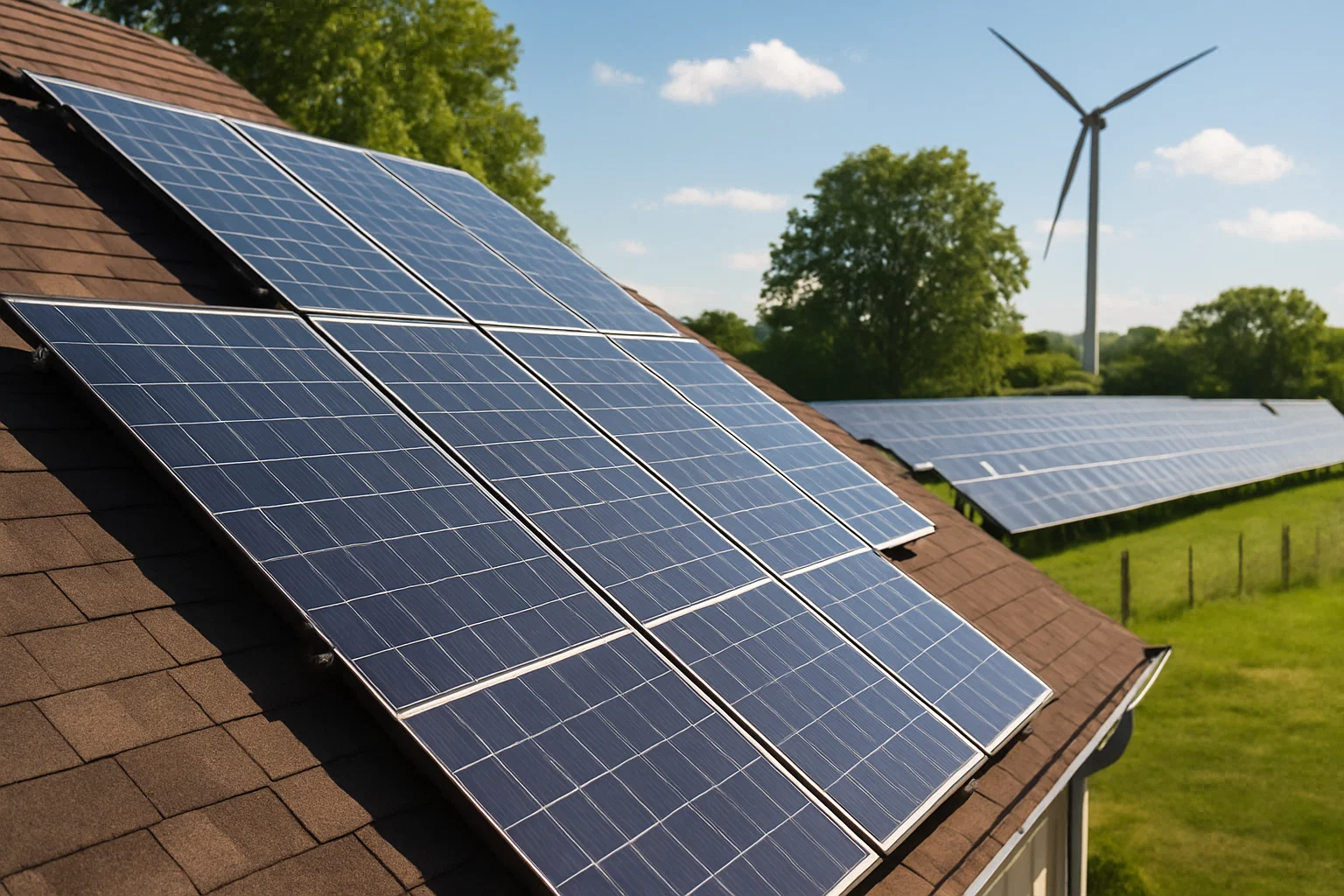
Solar water heaters and solar-powered outdoor lighting
Solar energy water heaters and solar energy-powered outdoor lighting further reduce energy consumption and reliance on conventional electricity. These are simple, yet effective upgrades for a greener lifestyle with sustainable living.
Cost vs. savings: when does solar pay off?
While the initial investment in solar energy systems can be significant, the long-term energy savings and eco-friendly benefits often outweigh the costs. Factors like location, energy usage, and government incentives affect the payback period of this upgrade.
3. Efficient Lighting for a Brighter, Greener Home
Why LEDs are the simplest eco-upgrade with big impact
Switching to LED light bulbs is a straightforward and impactful eco-friendly upgrade, drastically reducing energy consumption compared to traditional lighting options. These energy-efficient choices have energy efficiency that will benefit any green home.
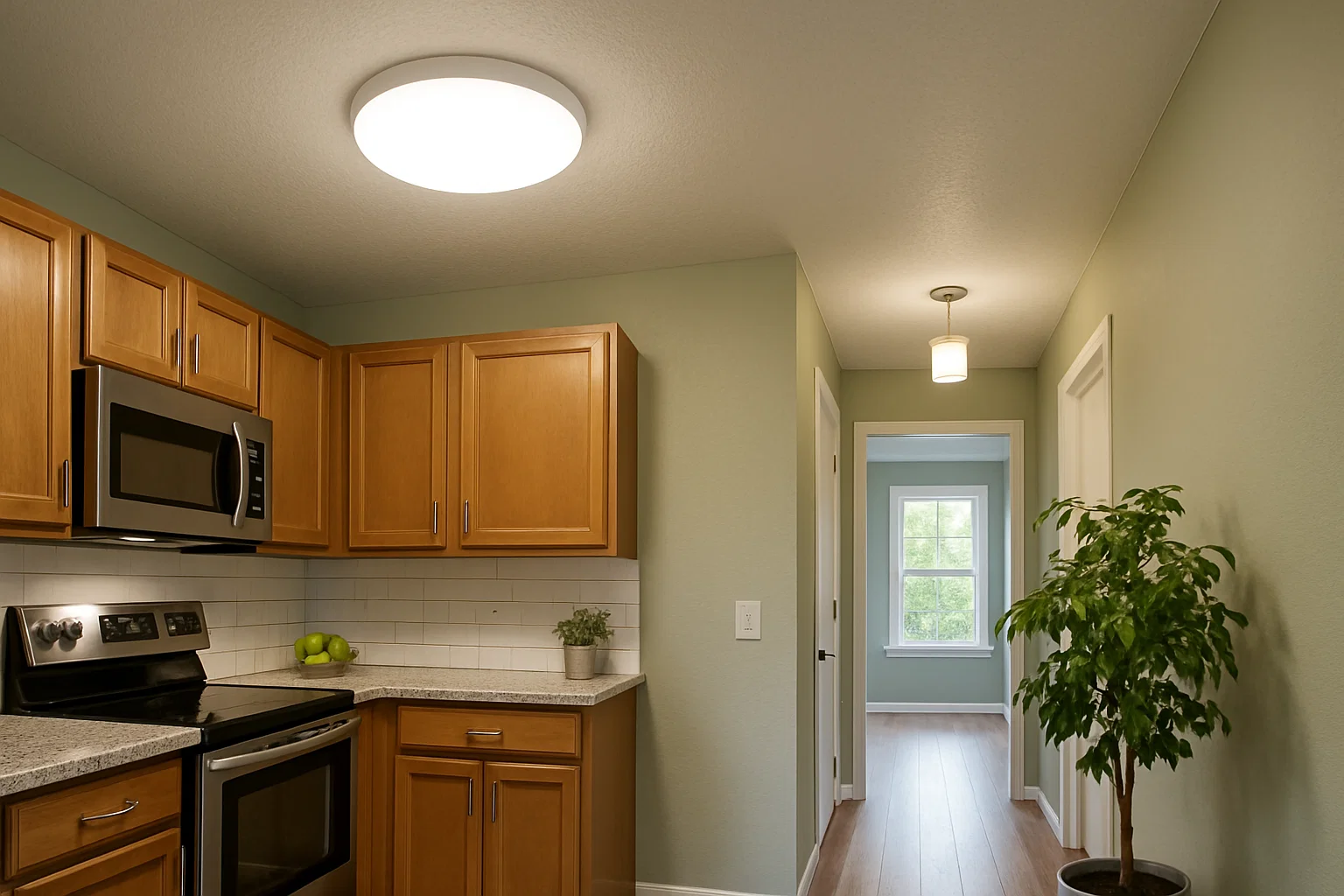
Smart lighting systems (Philips Hue, LIFX) that adjust with natural light
Smart lighting systems, like Philips Hue or LIFX, can adjust lighting levels based on natural light, optimizing energy efficiency and creating a more comfortable ambiance with smart home devices. They are a great way to reduce energy use.
Using motion sensors and daylight integration for maximum efficiency
Integrating motion sensors and daylight harvesting with smart lighting systems ensures that lighting is only used when and where it’s needed, maximizing energy efficiency and energy savings. This contributes to a greener and more sustainable living.
4. Energy-Efficient Appliances: Upgrade for Savings and Sustainability
What ENERGY STAR certification really means
The ENERGY STAR certification signifies that an appliance meets strict energy efficiency guidelines set by the Department of Energy. Choosing ENERGY STAR certified appliances is a simple upgrade for reducing energy consumption and promoting sustainable building materials.
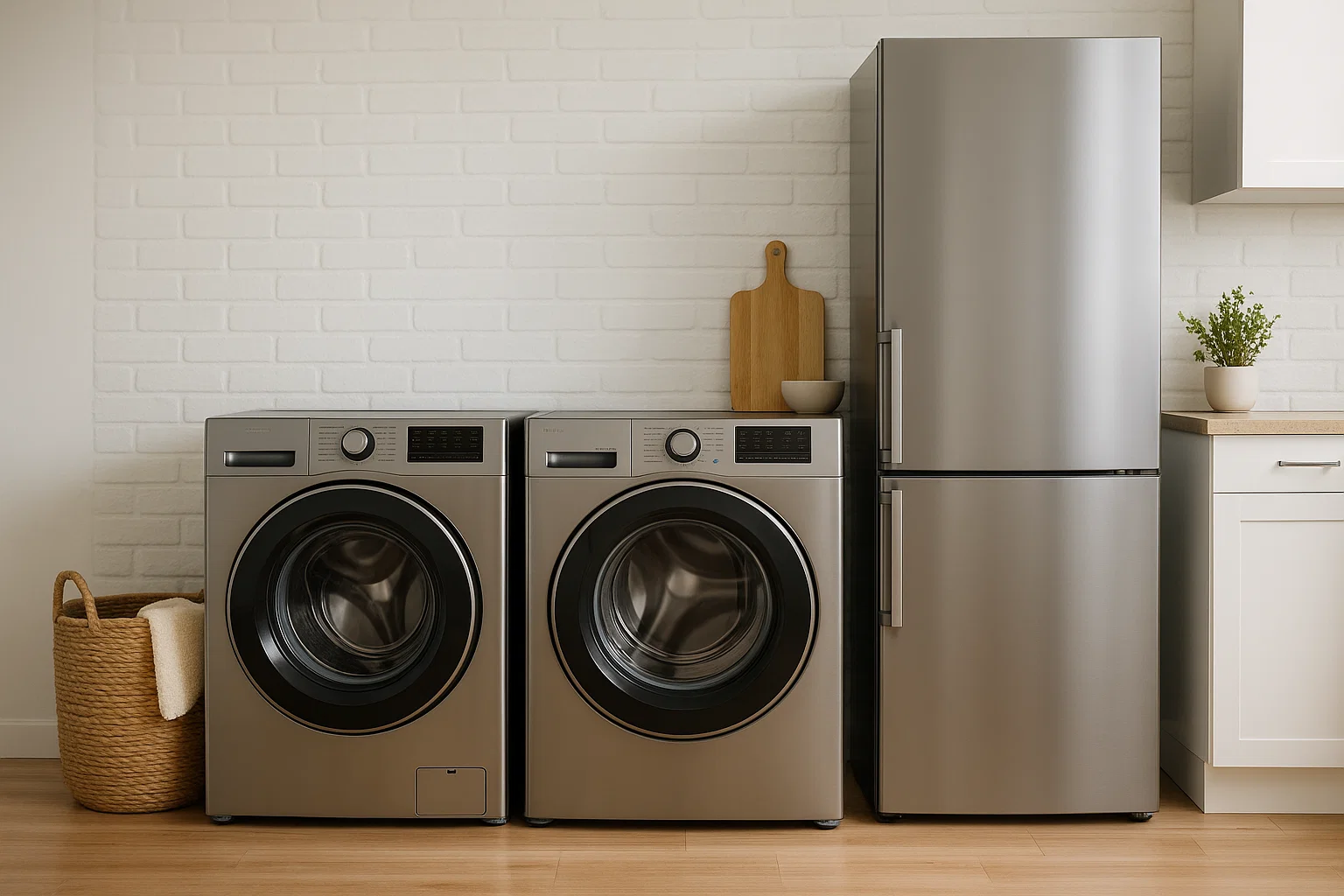
Best eco-friendly home appliances of 2025 (refrigerators, washers, dryers)
In 2025, the best green appliances, including refrigerators, washers, and dryers, will boast advanced energy-efficient features, reducing energy consumption and water usage. These eco-friendly options will make your home more eco-friendly.
Smart usage habits to extend lifespan and reduce waste
Adopting smart usage habits, such as regular maintenance and avoiding overfilling, can extend the lifespan of your appliances and reduce energy consumption. This approach supports sustainable living and minimizes waste of both electricity and resources.
5. Water Conservation Tech: Every Drop Counts
The growing need for water-smart homes
With increasing water scarcity, there’s a growing need for water-smart homes equipped with home technology that conserves water and promotes sustainable living. Integrating water conservation tech can significantly reduce energy consumption and carbon footprint.

Smart irrigation systems (Rachio, Orbit B-hyve) that adapt to weather patterns
Smart irrigation systems, such as Rachio and Orbit B-hyve, use weather data to optimize watering schedules, preventing overwatering and conserving water. These systems exemplify smart home technology for sustainable living and less energy impact.
Leak detection sensors and low-flow smart fixtures
Leak detection sensors and low-flow smart fixtures, such as faucets and showerheads, help identify and minimize water waste, promoting energy efficiency and sustainable living with eco-friendly benefits. These technologies are great ways to reduce water usage.
Innovative graywater recycling systems for sustainable living
Graywater recycling systems collect and treat wastewater from showers and sinks, repurposing it for irrigation and toilet flushing, reducing energy consumption and water demand. This contributes significantly to greener and more sustainable building materials and eco-friendly practices.
6. Smarter Windows, Insulation & HVAC Systems
How temperature control impacts your energy bill
Effective heating and heating and cooling temperature control significantly impacts your energy bills by minimizing energy consumption. Upgrading your windows, insulation, and HVAC systems can lead to substantial energy savings and promote green living.
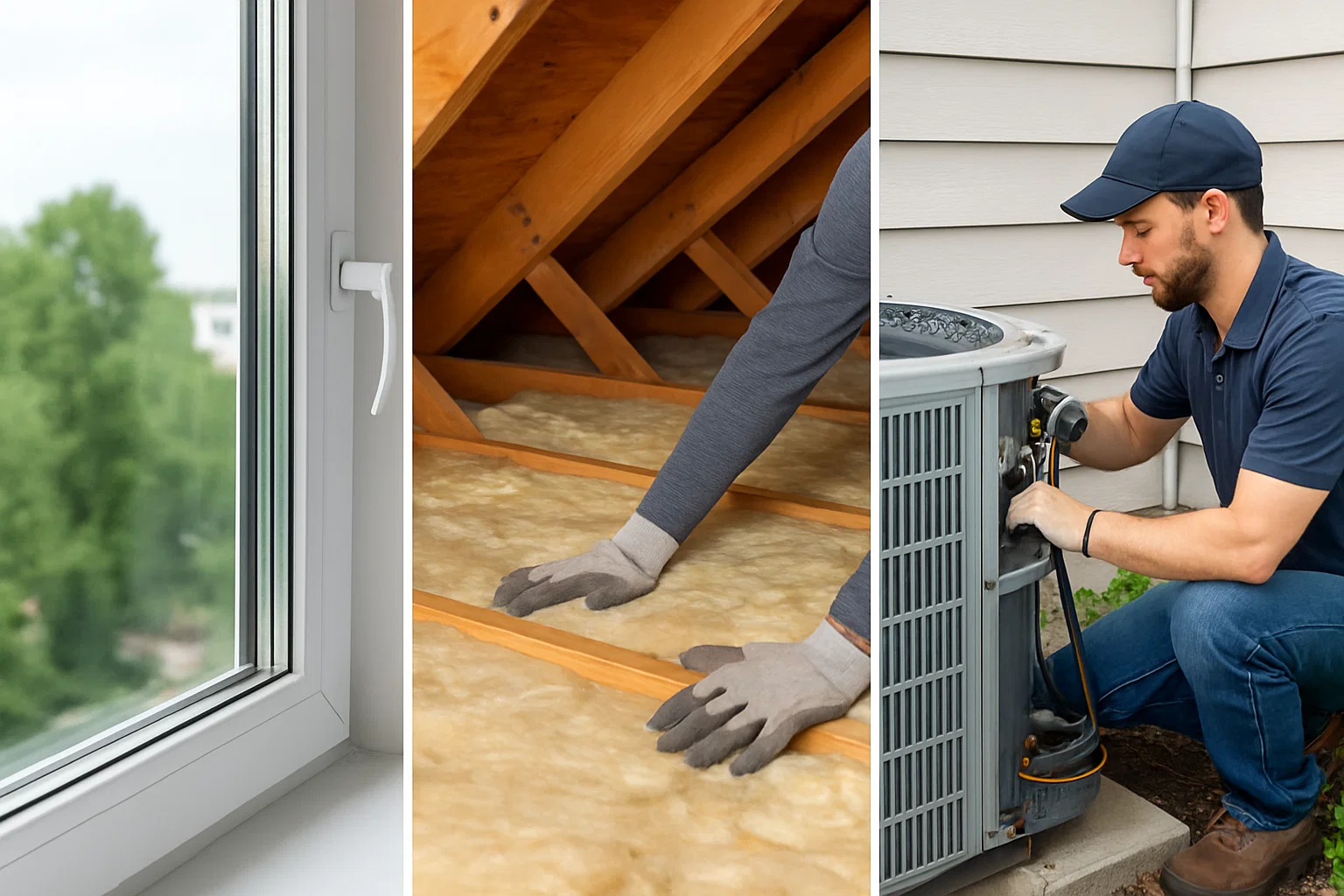
Smart windows that tint automatically and reduce heat gain
Smart windows that automatically tint in response to sunlight reduce heating and cooling costs by minimizing heat gain, leading to significant energy savings. This upgrade also enhances comfort and contributes to a greener home more eco-friendly.
Eco insulation materials: recycled cellulose, wool, and bamboo fiber
Eco insulation materials like recycled cellulose, wool, and bamboo fiber offer excellent thermal performance while minimizing environmental impact and carbon footprint. Choosing these sustainable building materials supports sustainable living and eco-friendly home upgrades.
7. Eco-Friendly Tech for the Outdoors
Solar garden lights and motion sensors for your yard
Solar energy garden lighting and motion sensors enhance outdoor spaces while reducing energy consumption and energy costs. These eco-friendly additions contribute to a greener landscape and promote sustainable living.

Smart composting systems (Lomi) that turn waste into soil
Smart composting systems, such as Lomi, accelerate the decomposition of food waste, turning it into nutrient-rich soil for your garden. This eco-friendly solution reduces landfill waste and promotes sustainable living with smart home devices.
8. Electric Vehicle (EV) Integration: The Future of Clean Transport at Home
Installing a home EV charger connected to solar energy
Installing a home EV charger and connecting it to your solar energy system enables you to charge your electric vehicle with clean energy, further reducing energy consumption and your carbon footprint. This upgrade is an excellent step toward sustainable living, making your home more eco-friendly.
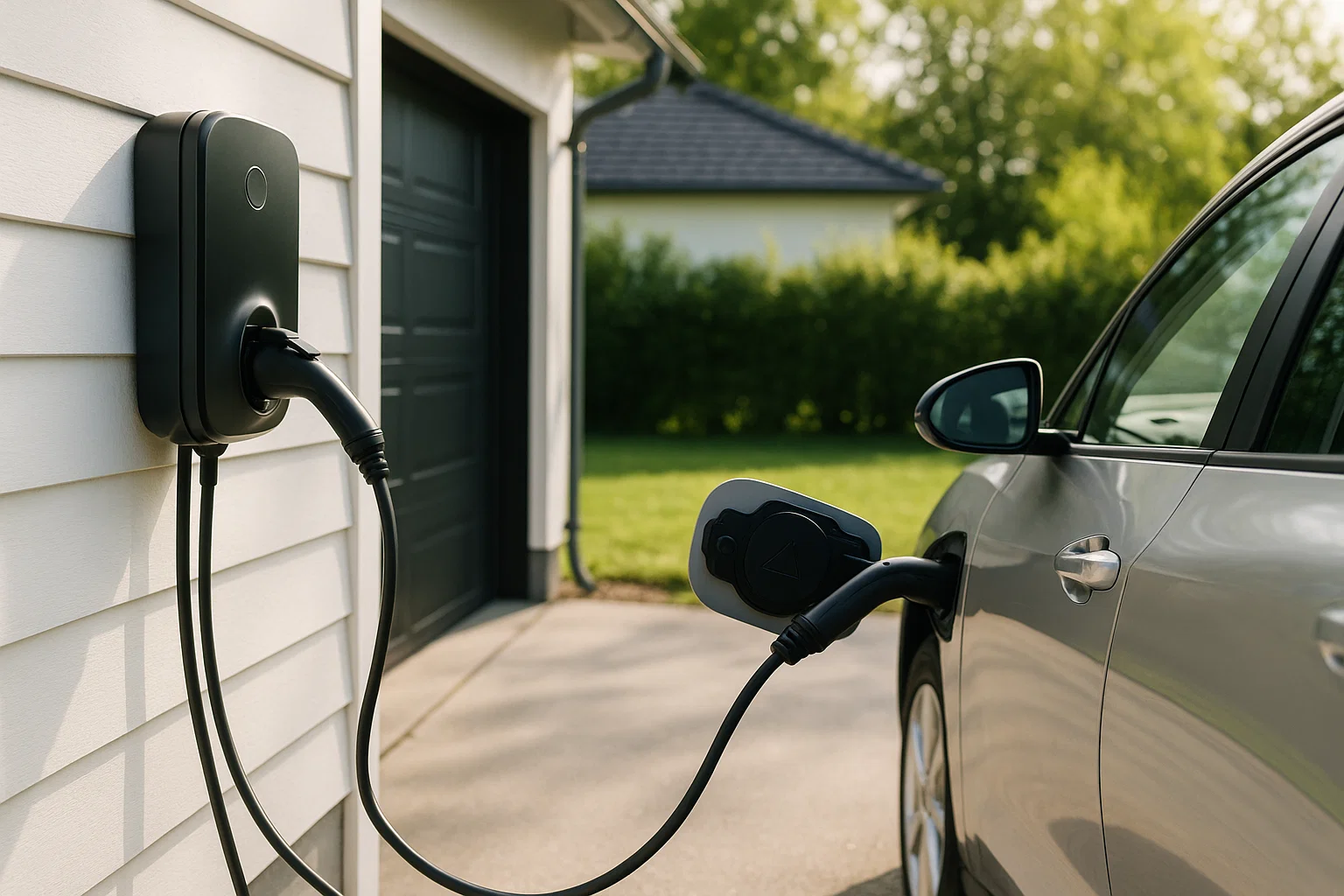
How EV-to-home (V2H) charging can power your house
EV-to-home (V2H) charging technology allows your electric vehicle to supply electricity back to your home more eco-friendly, acting as a backup power source during outages or helping to offset energy usage during peak demand. This technology supports sustainability and less energy consumption.
The synergy between electric vehicles and sustainable homes
The integration of electric vehicles with sustainable homes creates a synergistic relationship, reducing energy consumption, promoting clean energy, and contributing to a greener future. This upgrade aligns with the principles of sustainable living, using smart technology and energy-efficient appliances.
9. Smart Air and Health Systems for a Cleaner Environment
Air purifiers with eco filters and low energy consumption
Air purifiers equipped with eco-friendly filters and designed for low-flow energy consumption help remove pollutants and allergens from your indoor air, promoting a healthier living environment. They are an excellent way to reduce energy use in your home more eco-friendly and enhance sustainability.
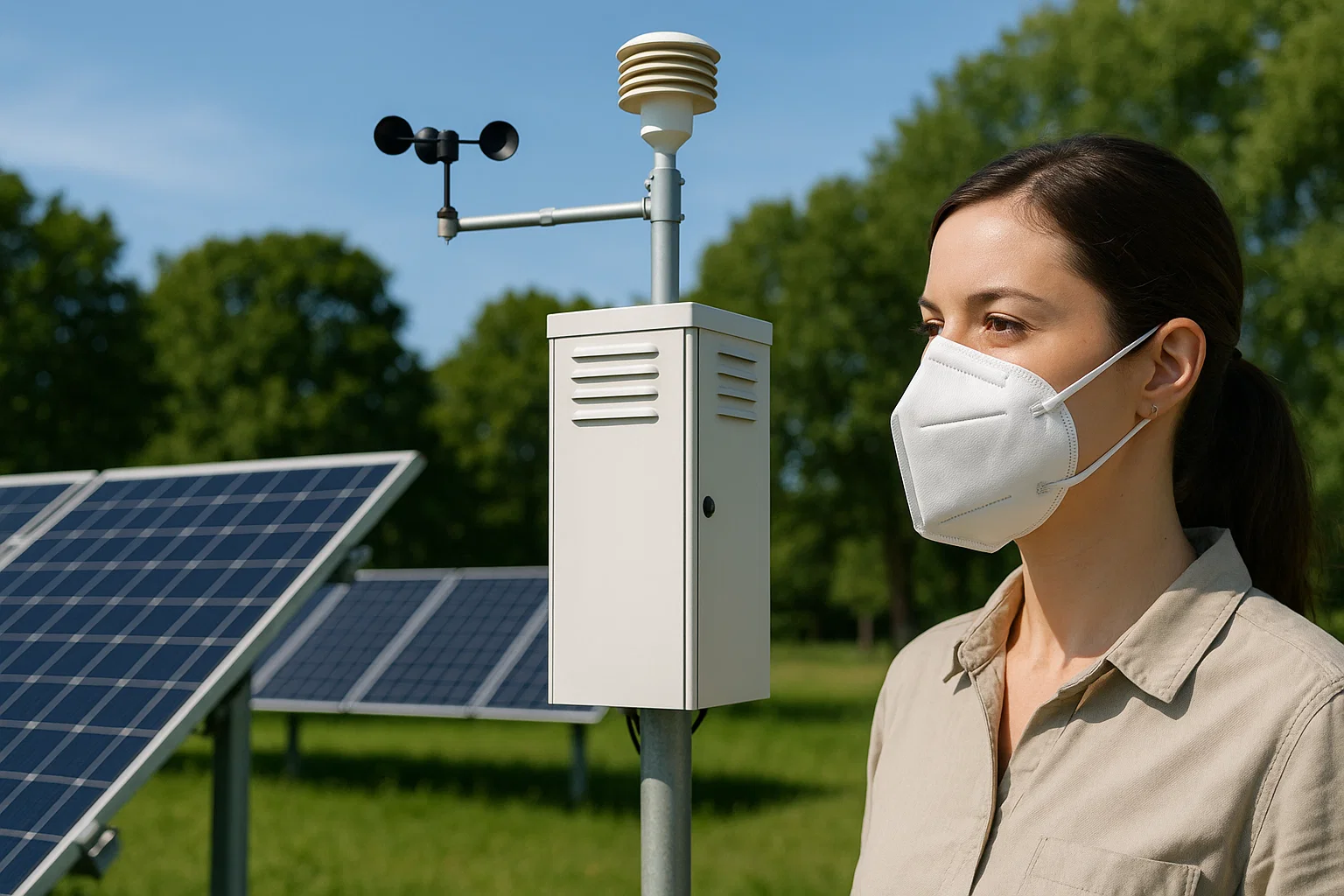
Smart humidifiers and ventilation systems for healthy air
Smart humidifiers and ventilation systems maintain optimal humidity levels and ensure proper air circulation, preventing mold growth and improving indoor air quality. These smart home devices contribute to a healthier living space and promote sustainable living, reducing energy consumption.
How indoor air quality tech reduces pollutants and boosts well-being
Indoor air quality technology helps mitigate the effects of indoor pollutants, improving overall well-being and creating a healthier living environment. By using smart technology, you can contribute to sustainable living and reduce energy needs, using energy-efficient appliances and seeking eco-friendly home upgrades.
10. The Future of Eco Tech: What’s Next for Green Homes
AI-powered home energy optimization (predictive efficiency)
Artificial intelligence (AI)-powered home energy optimization systems can predict energy usage patterns and automatically adjust settings to maximize energy efficiency. This technology represents the future of sustainable living, promoting less energy consumption and green living through smart technology.
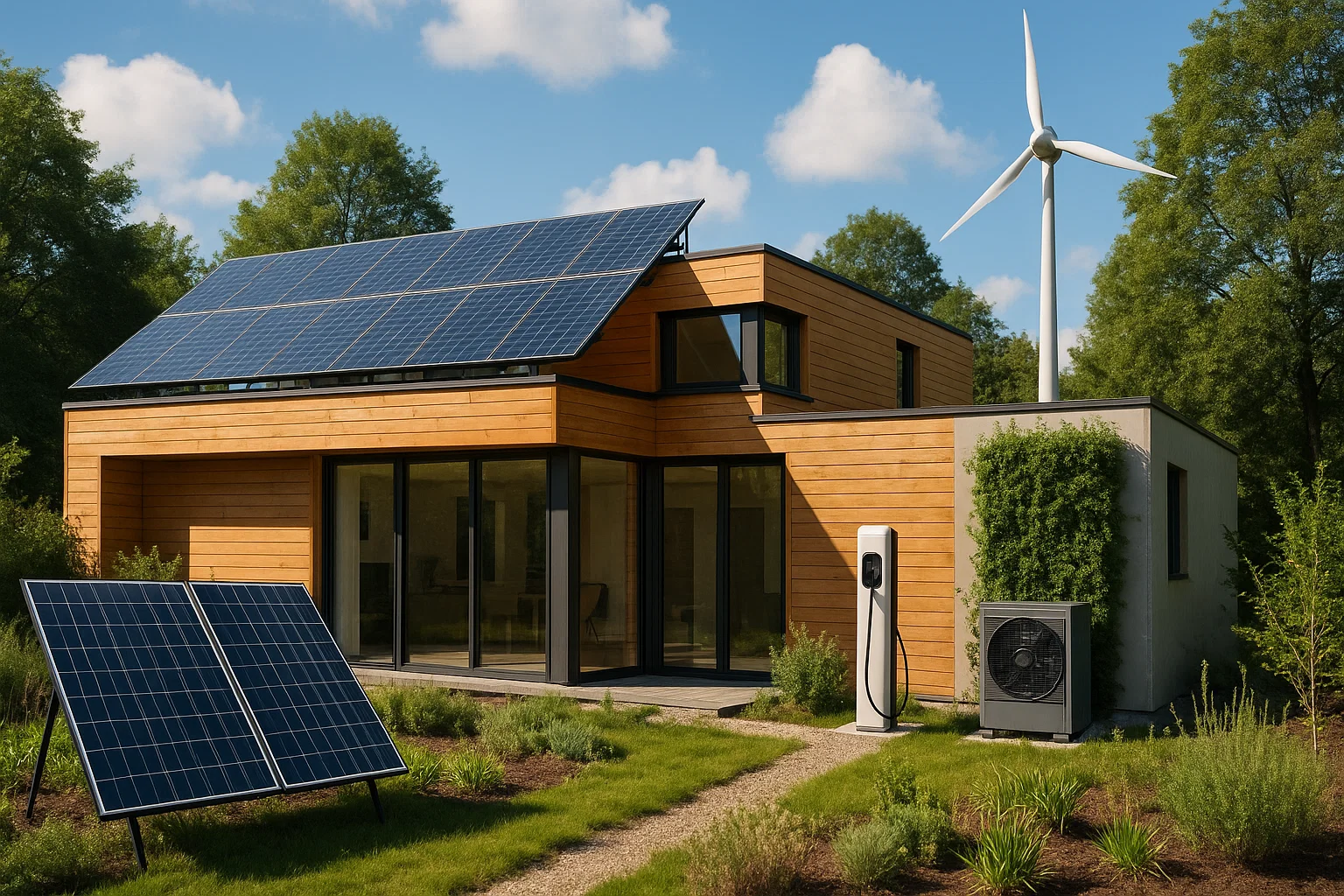
Recycled and biodegradable materials in home tech
The increasing use of recycled and biodegradable materials in home technology reduces the environmental impact of electronic devices and promotes a circular economy. This approach aligns with the principles of sustainability, reducing energy consumption and seeking eco-friendly practices throughout the home.
Hydrogen-ready appliances and microgrid-ready neighborhoods
Hydrogen-ready appliances and microgrid-ready neighborhoods are emerging as potential solutions for a greener energy future, offering alternative ways to reduce dependence on fossil fuels. These innovations will contribute to sustainable building materials and create home improvements.
11. Easy Starter Upgrades: Go Green Without Breaking the Bank
Top 5 affordable green gadgets for beginners
For beginners looking to embrace green living without spending a fortune, top affordable green gadgets include several options. Consider these for a start:
- Smart power strips
- LED light bulbs
- Low-flow showerheads
- Programmable smart thermostat
- Energy monitors
These eco-friendly options offer a simple way to reduce energy use and make your home more eco-friendly.
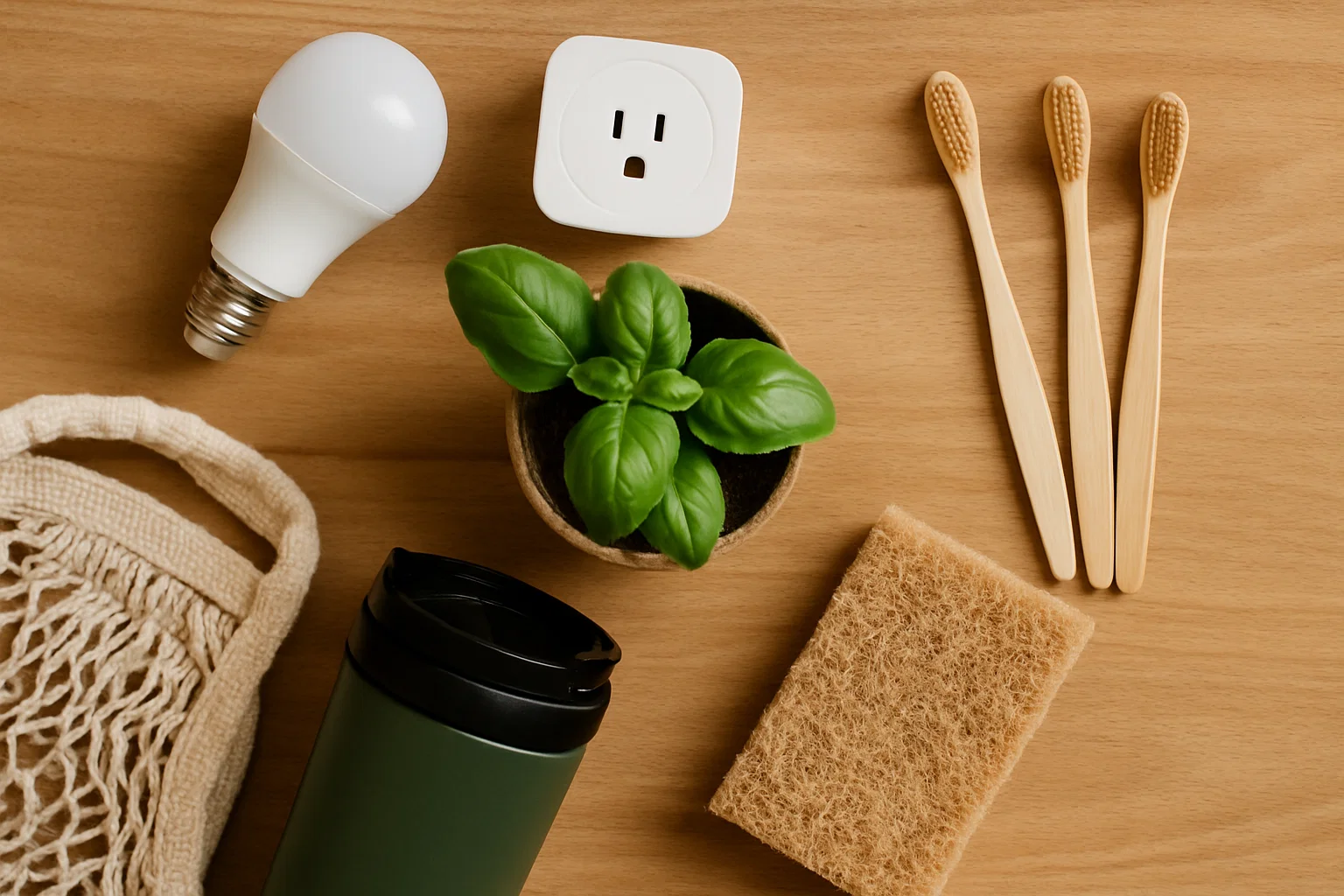
How to create an eco-upgrade plan step by step
Creating an eco-friendly upgrade plan involves assessing your current energy usage, identifying areas for improvement, prioritizing upgrades based on cost and impact, and implementing changes gradually. This approach makes sustainable living more accessible and helps you save energy, all while using smart home technology and seeking eco-friendly appliances.
Conclusion: Small Tech Changes, Big Planet Impact
Even small smart technology changes can have a significant impact on the planet, reducing energy consumption, conserving resources, and promoting sustainable living. By embracing eco-friendly home upgrades, you can contribute to a greener future and create a home more eco-friendly and with energy-efficient appliances that also make your home a better, more comfortable, and sustainable place for generations to come, using smart home devices for sustainable building materials.