


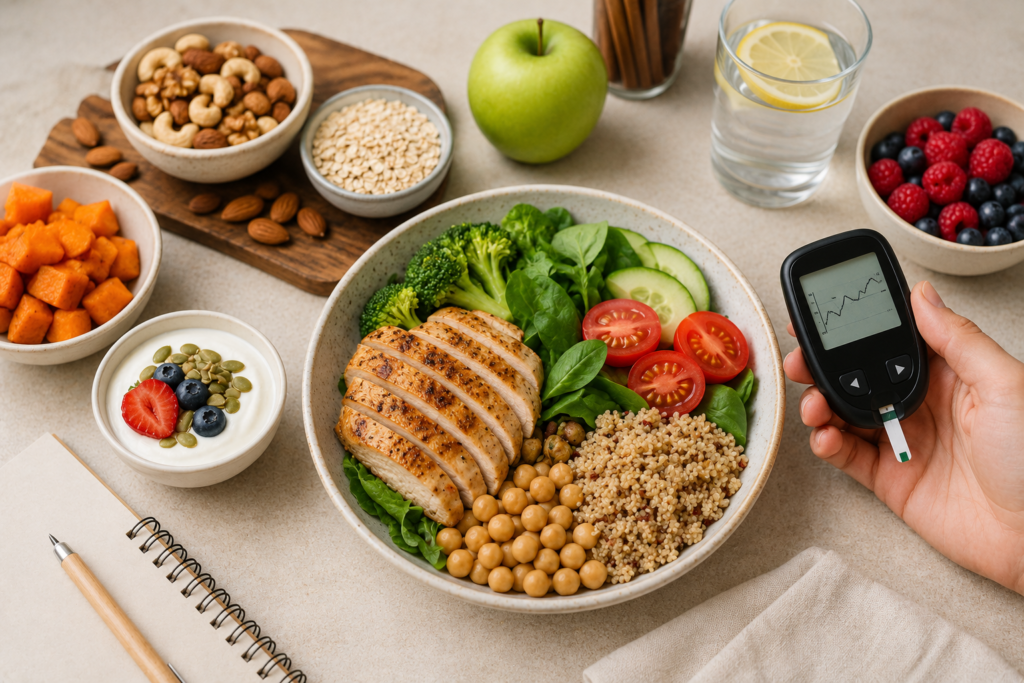
In a world constantly seeking peak performance and sustained well-being, understanding how our bodies process energy has become paramount. This article explores glucose balance eating, a revolutionary approach to nutrition focusing on maintaining stable blood sugar levels for optimal health and vitality.
Why Blood Sugar Stability Became a 2026 Wellness Focus
The pursuit of stable energy is at the forefront of modern wellness, reflecting a growing awareness of how nutrition impacts daily performance and long-term health, as evidenced by a heightened focus in 2026.

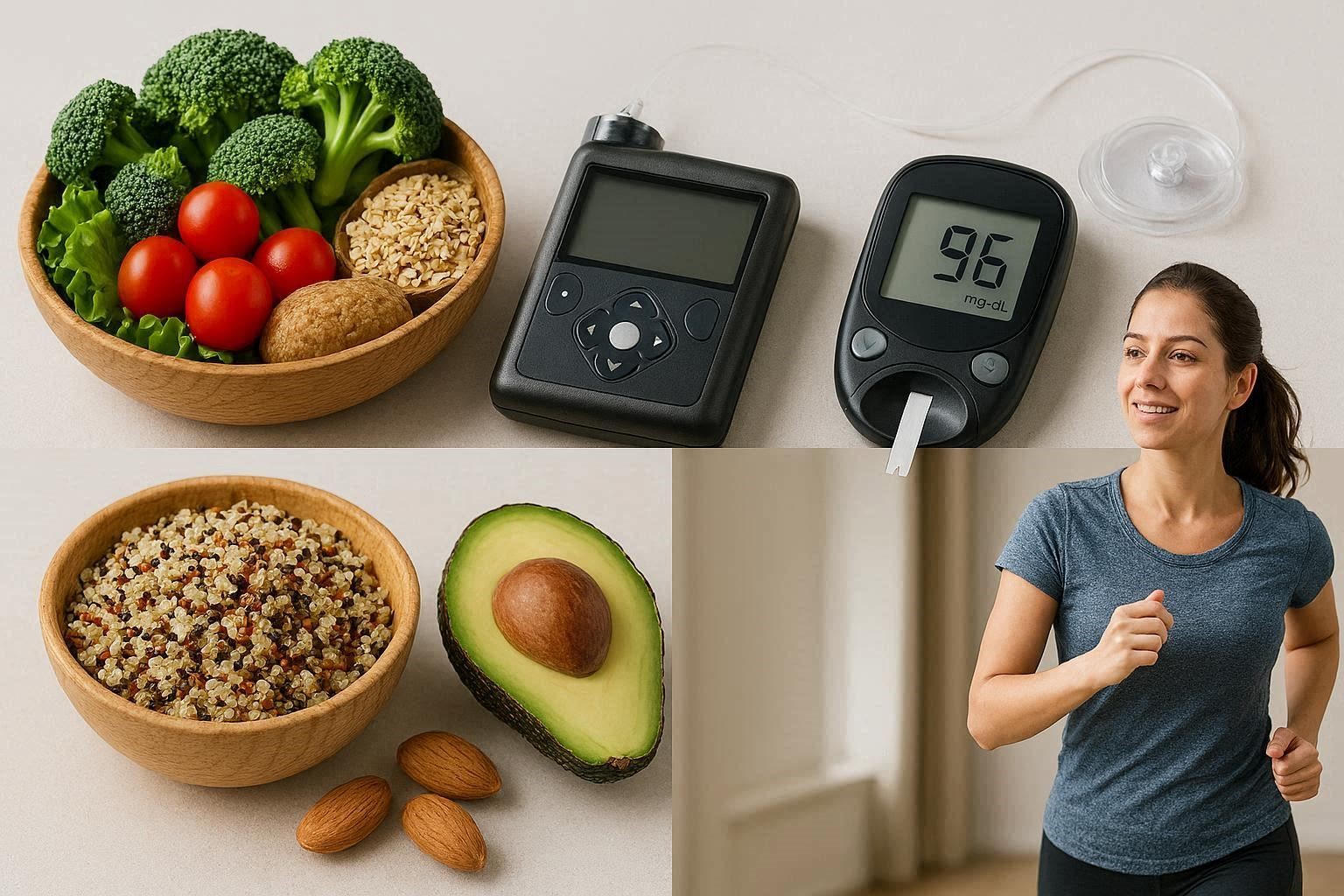
The Rise of Energy Crashes, Burnout, and Focus Fatigue
Many individuals frequently experience frustrating energy crashes, leading to burnout and significant focus fatigue throughout their day. These fluctuations often stem from unstable blood sugar levels, impacting productivity and overall well-being.
Why Nutrition Science Is Shifting Toward Blood Sugar Awareness
Nutrition science is increasingly prioritizing blood sugar awareness, recognizing its critical role in energy balance and preventing conditions like insulin resistance. This shift emphasizes proactive glucose management over reactive treatments for a healthier population.
What “Stable Energy” Actually Means in Daily Life
In daily life, “stable energy” translates to consistent vitality without dramatic peaks or valleys, allowing for sustained focus and productivity. It signifies optimal glucose homeostasis, preventing the dips that often lead to low energy and irritability.
What Is Glucose Balance Eating?
Glucose balance eating represents a significant shift in how we approach nutrition, moving beyond restrictive dieting to a more holistic understanding of our body’s energy needs.

Simple Definition of Glucose Balance Eating
Glucose balance eating is an approach to nutrition that focuses on stabilizing blood glucose levels throughout the day to achieve consistent energy and optimal metabolic health.
How It Differs From Traditional Dieting Approaches
Unlike traditional dieting approaches that often prioritize calorie restriction or macronutrient ratios, glucose balance eating emphasizes meal composition and food order to mitigate blood sugar spikes, rather than just reducing energy intake.
Why It Is Not a Restrictive Diet but a Food-Combining Strategy
This approach is not a restrictive diet but rather a sophisticated food-combining strategy designed to optimize glucose metabolism and promote stable glucose levels. It offers flexibility while promoting insulin sensitivity and overall well-being.
The Science Behind Blood Sugar and Energy
Understanding the intricate relationship between blood sugar and energy is crucial for appreciating the benefits of glucose balance eating and its impact on overall health.
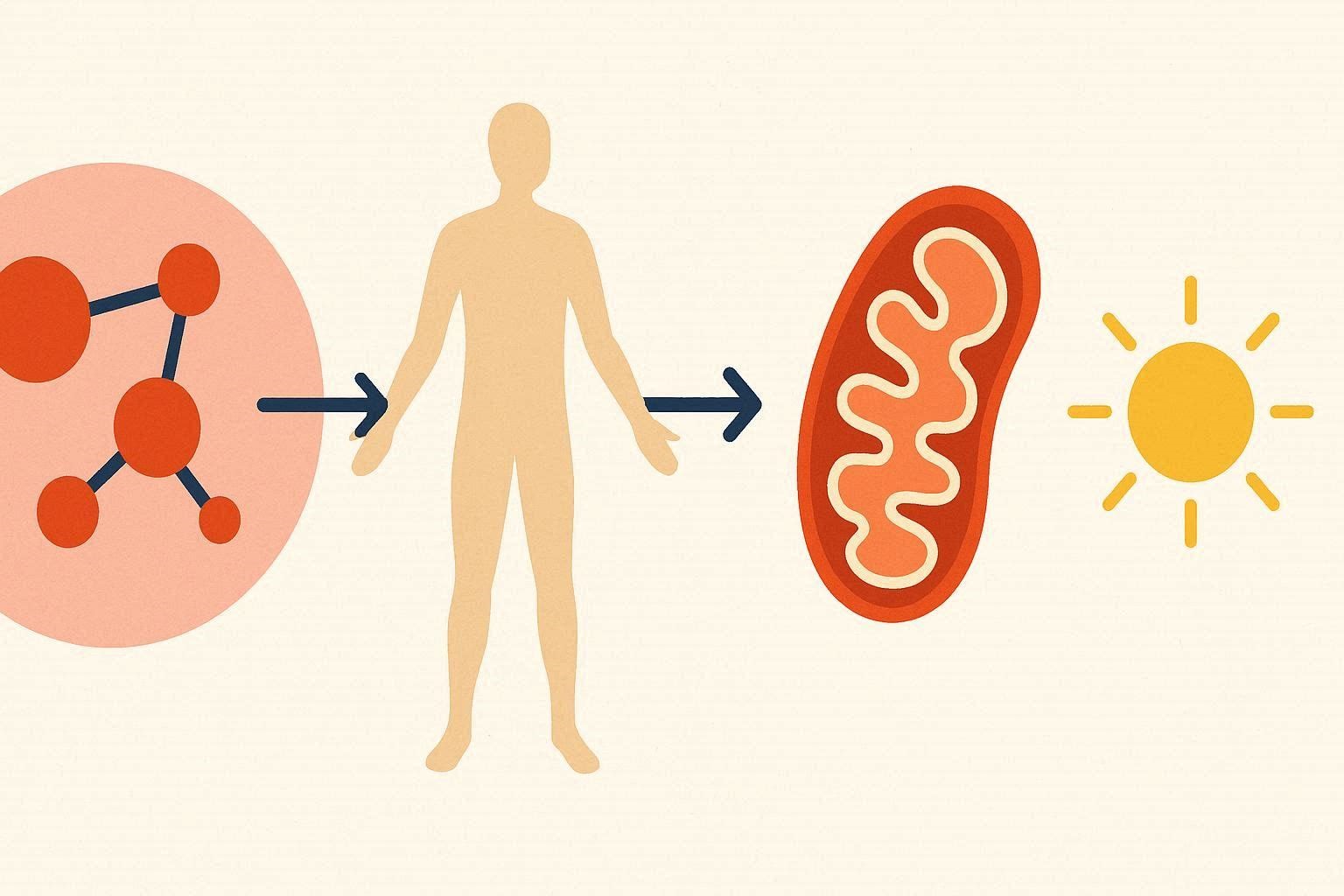
How Glucose Enters and Fuels the Body
Glucose, primarily from carbohydrate intake, enters the bloodstream and serves as the body’s main source of energy, fueling everything from cellular functions to brain activity. This continuous supply is essential for sustained physiological processes.
What Causes Blood Sugar Spikes and Crashes
Blood sugar spikes and subsequent crashes are often triggered by consuming refined carbohydrates or sugary foods on an empty stomach, leading to a rapid influx of glucose molecules into the bloodstream and disrupting energy balance.
The Role of Insulin in Energy Regulation
Insulin, a hormone produced by the pancreas, plays a pivotal role in energy regulation by facilitating glucose uptake from the blood into cells for immediate energy or storage. Its proper function is vital for stable glucose levels.
Why Brain Function Depends on Stable Glucose Levels
Brain function is critically dependent on stable glucose levels, as the brain relies almost exclusively on glucose for its energy needs. Fluctuations can impair cognitive abilities, leading to brain fog and reduced mental clarity.
What Happens When Blood Sugar Is Unstable
Unstable blood sugar can significantly impact daily life, manifesting in various physiological and psychological symptoms that disrupt overall well-being and productivity.

Energy Spikes Followed by Crashes Explained
When blood sugar spikes after a meal, the body releases a surge of insulin to lower it, often resulting in an overcorrection that leads to a subsequent energy crash and feelings of fatigue and sluggishness.
Cravings, Hunger, and Emotional Eating Cycles
Unstable blood glucose levels often trigger intense cravings and persistent hunger, contributing to emotional eating cycles as the body seeks quick energy fixes, further perpetuating the cycle of glucose variability and disrupting effective glucose management.
Brain Fog, Irritability, and Focus Problems
When glucose levels fluctuate wildly, the brain’s energy supply becomes inconsistent, leading to symptoms like brain fog, increased irritability, and significant problems with focus and concentration, impeding daily tasks and cognitive performance.
Core Principles of Glucose Balance Eating
Pairing Carbs With Protein, Fat, and Fiber

One of the core principles of glucose balance eating involves strategically pairing carbohydrates with protein, healthy fats, and fiber to mitigate the impact on blood sugar levels. This combination helps to slow down glucose absorption, ensuring a more gradual rise in blood glucose and preventing sharp glucose spikes, thus promoting stable glucose and overall energy balance.
The Importance of Meal Composition Over Calorie Counting
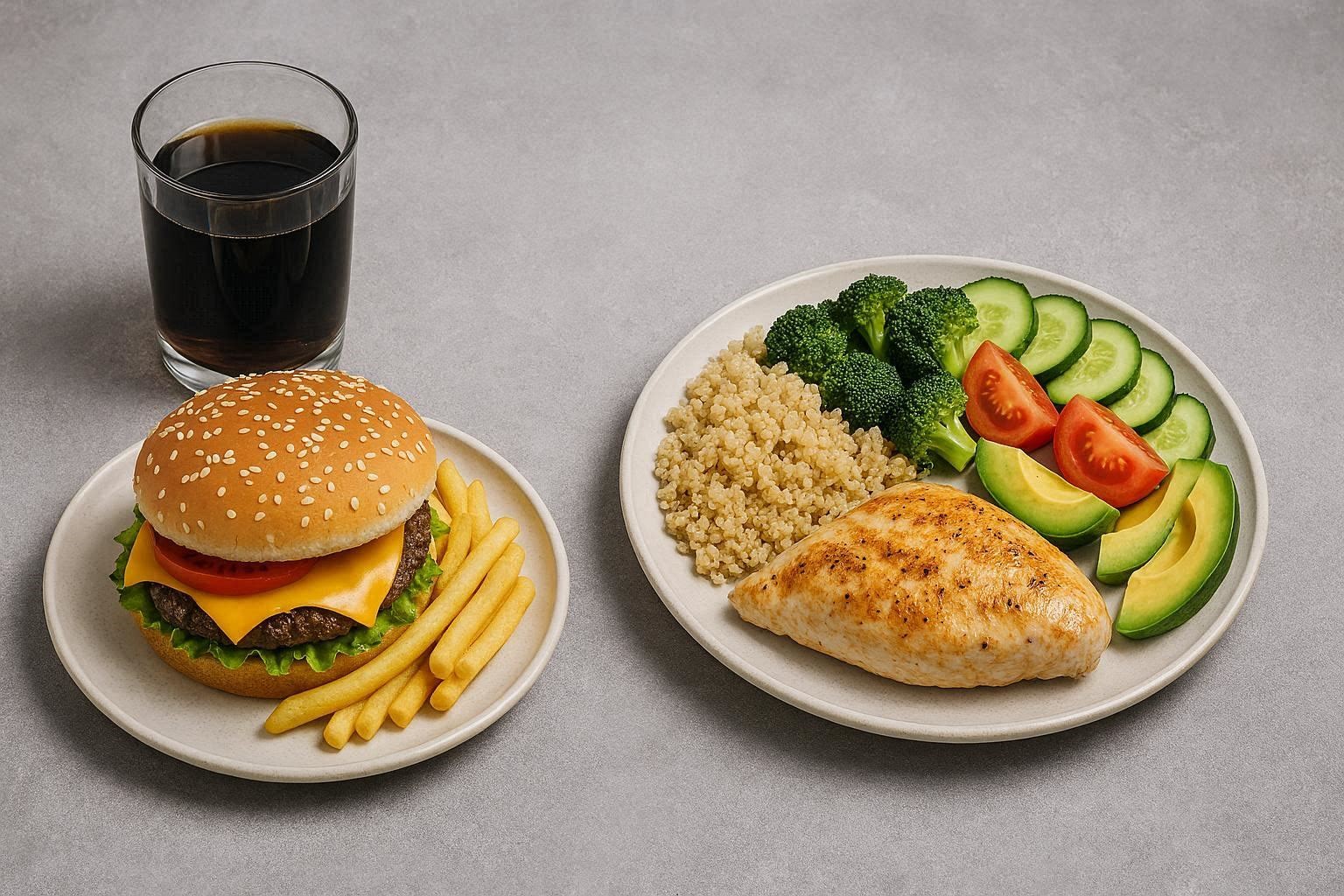
Glucose balance eating emphasizes the critical importance of meal composition over stringent calorie counting, as the type and combination of macronutrients significantly influence glucose metabolism. Focusing on how foods are paired helps regulate blood glucose levels more effectively than simply restricting energy intake, leading to better glucose management and improved insulin sensitivity.
Eating Fiber First to Slow Glucose Absorption

A key strategy in glucose balance eating is consuming fiber-rich foods at the beginning of a meal, which helps to create a viscous gel in the digestive tract. This physical barrier slows the absorption of glucose molecules from subsequent carbohydrates, preventing rapid blood sugar spikes and promoting a more stable blood sugar level throughout the digestive process.
Avoiding Refined Carbs on an Empty Stomach

To maintain optimal glucose homeostasis, it is crucial to avoid consuming refined carbohydrates on an empty stomach, as this can lead to a rapid and significant increase in blood glucose levels. Starting with foods that prevent glucose spikes helps to manage insulin secretion and ensures a more controlled release of glucose into the bloodstream, minimizing the risk of insulin resistance over time.
The “Glucose Stability Formula” in Everyday Meals
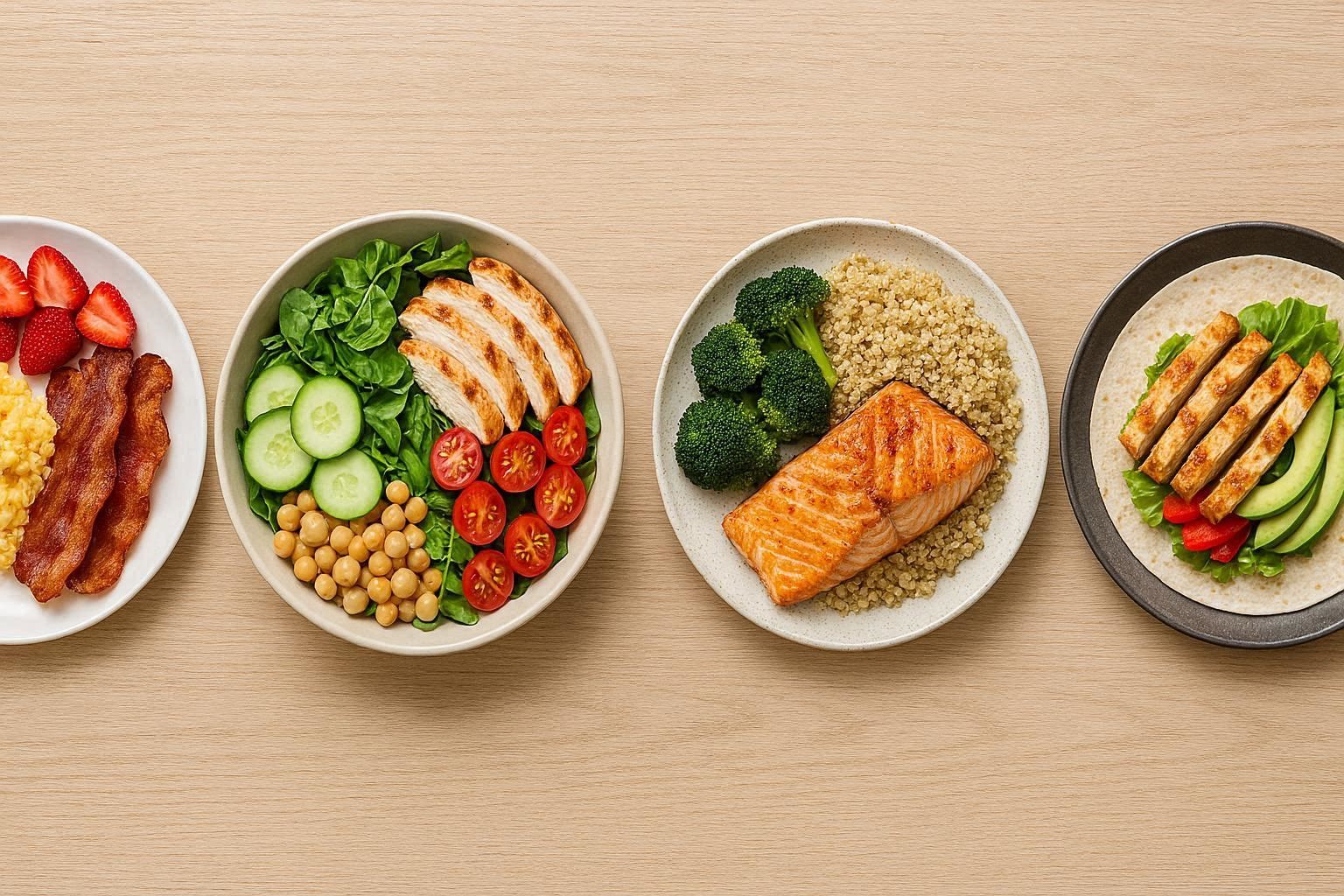
Balanced Plate Structure (Protein + Fiber + Healthy Fats + Smart Carbs)
The “Glucose Stability Formula” advocates for a balanced plate structure, integrating protein, fiber, healthy fats, and smart carbohydrates to optimize glucose management. This combination ensures that the energy intake is sustained, preventing the rapid digestion of carbohydrates that often leads to unstable blood sugar levels and promoting long-term energy balance.
Food Order Strategy: What to Eat First for Better Stability
Implementing a specific food order strategy is vital for achieving better glucose stability, typically suggesting that protein, fats, and fiber-rich foods be consumed before carbohydrates. This approach effectively buffers the glucose response, reducing the glycemic impact of the meal and fostering more consistent blood glucose levels, which contributes to overall energy levels and glucose homeostasis.
Portion Balance Without Restrictive Rules
Achieving portion balance within glucose balance eating focuses on intuitive eating and listening to the body’s hunger cues, rather than adhering to restrictive rules. This method allows for adequate energy intake while preventing excess glucose consumption, thereby supporting healthy body composition and promoting steady energy metabolism without the rigid limitations of traditional diets.
Best Foods for Stable Energy and Glucose Balance

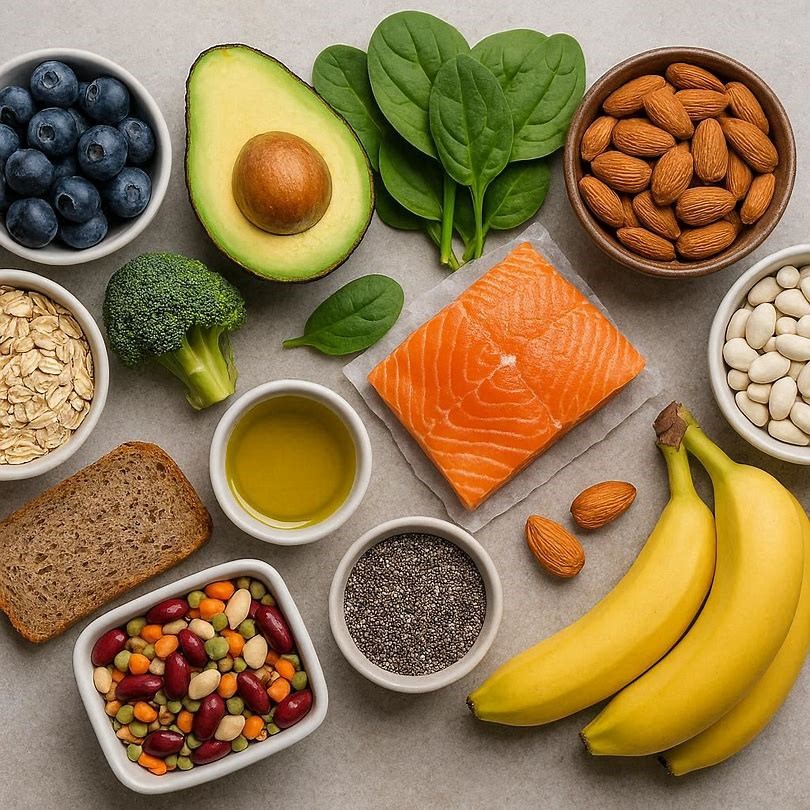
High-Fiber Foods That Slow Sugar Absorption
High-fiber foods, such as leafy greens, legumes, and whole grains, are excellent for promoting stable energy because they significantly slow sugar absorption into the bloodstream. This helps to prevent abrupt blood sugar spikes, maintaining consistent blood glucose levels, supporting optimal glucose management, and reducing the risk of developing insulin resistance over time.
Protein Sources That Stabilize Energy Levels
Incorporating adequate protein sources like lean meats, fish, eggs, and plant-based options is crucial for stabilizing energy levels and supporting glucose balance. Protein helps to increase satiety and slow gastric emptying, which in turn moderates the rise in blood glucose after meals, thereby contributing to better glucose homeostasis and sustained vitality.
Healthy Fats That Support Long-Lasting Satiety
Healthy fats, found in avocados, nuts, seeds, and olive oil, are essential for glucose balance as they support long-lasting satiety and further slow the absorption of glucose. This contributes to stable glucose levels and helps prevent the rapid drop in blood sugar that often triggers hunger and cravings, ensuring a more consistent energy balance.
Smart Carbohydrates That Prevent Energy Crashes
Smart carbohydrates, which are typically complex and high in fiber, are integral to preventing energy crashes by providing a steady release of glucose. Unlike refined carbs, these intelligent choices ensure a more gradual increase in blood glucose, maintaining stable energy levels and supporting effective glucose metabolism without overwhelming the body’s insulin response.
Foods That Disrupt Glucose Balance

Refined Sugars and Ultra-Processed Foods
Refined sugars and ultra-processed foods are primary culprits in disrupting glucose balance, as they lead to rapid and drastic blood sugar spikes. These items often lack fiber and essential nutrients, causing a sudden influx of glucose molecules that challenge the body’s insulin response, contributing significantly to insulin resistance and an increased risk of type 2 diabetes.
Liquid Sugars and Sweetened Beverages
Liquid sugars and sweetened beverages are particularly detrimental to glucose balance because their glucose molecules are absorbed almost instantly, causing immediate and severe blood sugar spikes. This rapid influx demands a significant insulin secretion, leading to potential insulin resistance over time and hindering effective glucose management, ultimately impacting overall energy balance.
Refined White Carbs Without Nutritional Balance
Refined white carbohydrates, such as white bread and pasta, without adequate nutritional balance, are notorious for causing significant blood glucose fluctuations. Lacking fiber, protein, or healthy fats, they rapidly convert to glucose, prompting sharp glucose spikes and subsequent crashes, which can lead to low energy and disrupt stable glucose homeostasis, negatively affecting energy metabolism.
Practical Glucose Balance Eating Strategies
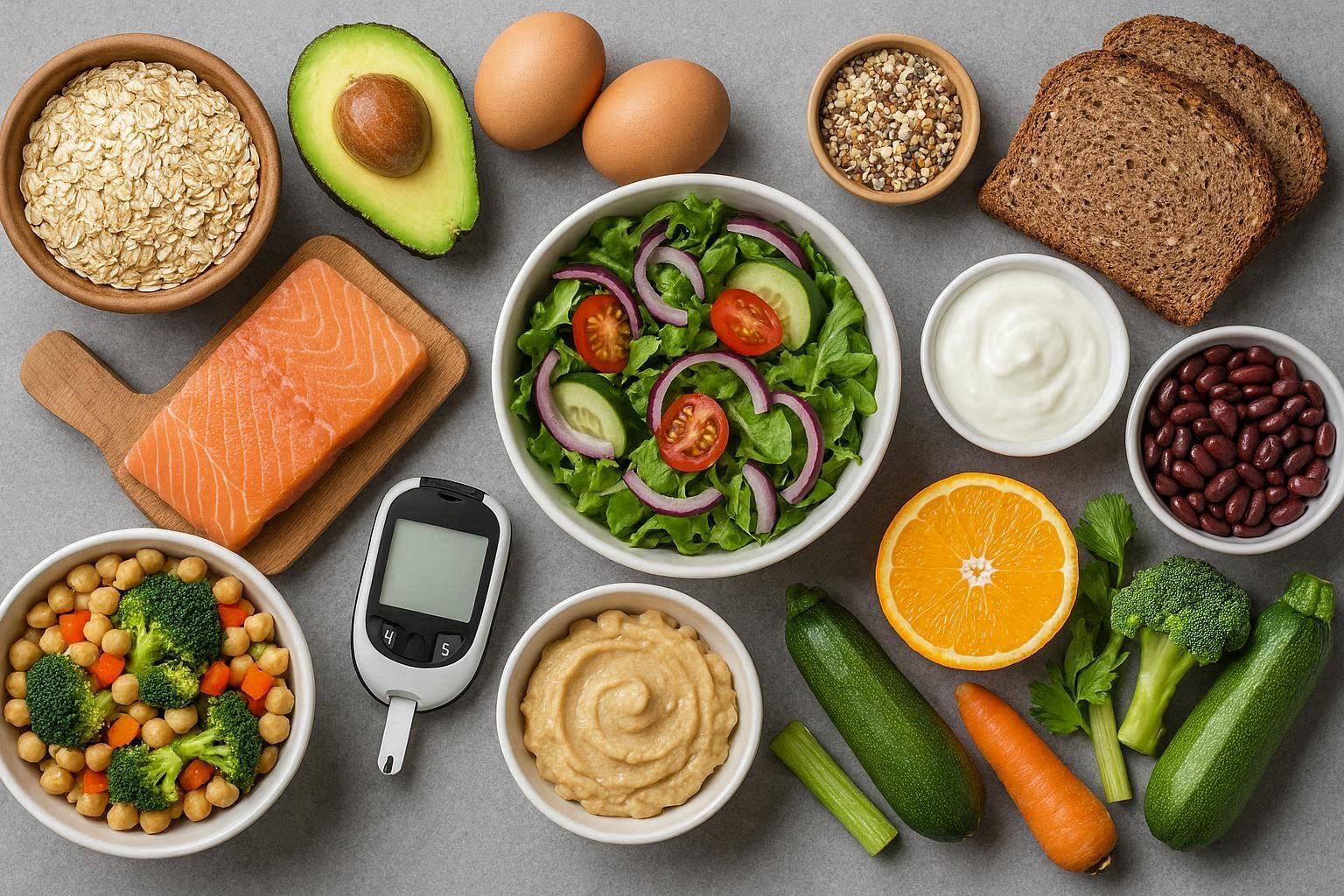
Breakfast Habits That Prevent Morning Energy Crashes
Adopting strategic breakfast habits is crucial to prevent morning energy crashes and maintain stable glucose levels throughout the day. Prioritizing protein, healthy fats, and fiber-rich foods over refined carbohydrates ensures a gradual release of glucose, thereby supporting sustained energy levels and optimizing glucose management right from the start of the day.
Smart Snacking for Stable Afternoon Focus
Smart snacking is a powerful strategy for maintaining stable afternoon focus and preventing the dreaded midday slump caused by fluctuating blood sugar. Choosing snacks that combine protein, fat, and fiber helps regulate blood glucose, providing a continuous supply of energy and supporting cognitive function without triggering glucose spikes or subsequent low energy.
Balanced Lunch and Dinner Formulas
Implementing balanced lunch and dinner formulas, which consistently include protein, fiber, healthy fats, and smart carbohydrates, is essential for sustained glucose balance. This approach ensures that each meal contributes to stable glucose levels, preventing drastic blood sugar fluctuations and supporting optimal energy metabolism throughout the day and into the evening.
Restaurant and Fast Food Adaptation Techniques
Navigating restaurant and fast food environments requires specific adaptation techniques to maintain glucose balance. Opting for meals with added vegetables, lean proteins, and healthy fats, while being mindful of hidden sugars and refined carbohydrates, can significantly help manage blood glucose levels and reduce the impact of less-than-ideal energy intake on overall energy balance.
Benefits of Glucose Balance Eating
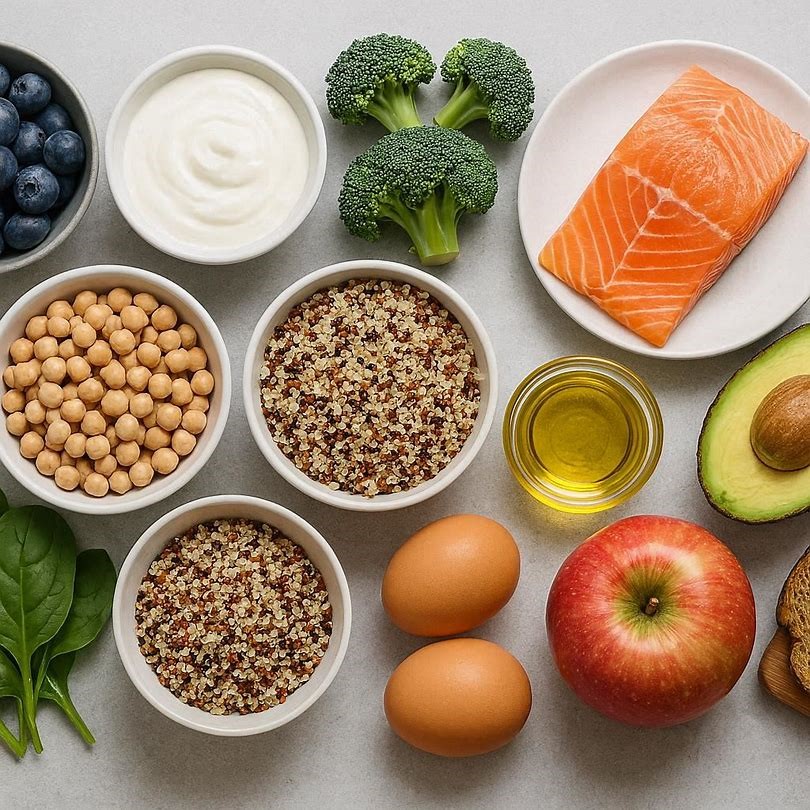
Improved Energy Stability Throughout the Day
One of the most immediate and appreciated benefits of adopting glucose balance eating is a marked improvement in energy stability throughout the entire day. By maintaining steady blood glucose levels, individuals avoid the characteristic highs and lows that lead to fatigue and sluggishness, experiencing consistent energy levels and enhanced glucose homeostasis for sustained performance.
Better Focus, Memory, and Mental Clarity
Stable glucose levels are directly linked to optimal brain function, leading to better focus, improved memory, and enhanced mental clarity. When the brain receives a consistent supply of glucose without drastic fluctuations, cognitive processes are optimized, preventing brain fog and supporting sustained concentration throughout the day, which significantly boosts energy metabolism.
Reduced Sugar Cravings and Emotional Eating
Glucose balance eating effectively curtails persistent sugar cravings and breaks cycles of emotional eating. By preventing sharp blood sugar spikes and subsequent crashes, the body avoids the intense desire for quick energy fixes, leading to better glucose management and fostering a more stable emotional and physical relationship with food, improving overall energy balance.
Support for Weight Management and Metabolic Health
This approach offers substantial support for weight management and overall metabolic health by improving insulin sensitivity and reducing insulin resistance. Consistent regulation of glucose helps prevent the storage of excess glucose as fat, thereby contributing to a healthier body composition and reducing the risk of developing conditions such as type 2 diabetes, enhancing long-term energy balance.
Common Myths About Blood Sugar and Eating Habits
Myth: Only Diabetics Need to Care About Blood Sugar
A prevalent myth is that only individuals with type 2 diabetes need to be concerned about their blood sugar levels. In reality, everyone benefits from understanding glucose metabolism, as stable glucose contributes to optimal energy levels, better cognitive function, and metabolic health, preventing insulin resistance and future health complications, regardless of current health status.
Myth: Carbs Should Be Completely Avoided
Another common misconception is that carbohydrates should be completely avoided for glucose management. While refined carbohydrates can cause blood sugar spikes, smart carbohydrates, rich in fiber and nutrients, are crucial for sustained energy and healthy glucose homeostasis. The key lies in strategic pairing and portion control, rather than outright elimination, to maintain glucose balance.
Myth: Sugar-Free Foods Are Always Healthy
Many believe that “sugar-free” foods are inherently healthy, especially for managing blood glucose levels. However, these products often contain artificial sweeteners that can still impact glucose metabolism and gut health or may be highly processed, lacking vital nutrients. It’s important to read labels carefully and prioritize whole, unprocessed foods for true glucose balance and energy stability.
Who Should Follow Glucose Balance Eating?
Busy Professionals and Students With Focus Demands
Busy professionals and students, who often face demanding schedules requiring sustained focus and mental clarity, are ideal candidates for glucose balance eating. This approach provides stable energy levels, preventing the brain fog and low energy that can impede productivity, thus supporting cognitive performance and effective glucose management during long working or study hours.
People Experiencing Energy Crashes or Fatigue
Individuals frequently experiencing unexplained energy crashes or chronic fatigue can significantly benefit from adopting glucose balance eating. By stabilizing blood glucose levels, this approach helps alleviate the dramatic fluctuations that lead to persistent tiredness, promoting consistent energy levels and enhancing overall vitality, which improves their quality of life.
Fitness and Wellness-Oriented Individuals
Fitness and wellness-oriented individuals can greatly benefit from glucose balance eating as it optimizes energy metabolism and body composition. Stable glucose provides consistent fuel for workouts and recovery, improves insulin sensitivity, and supports efficient energy expenditure, helping them achieve their fitness goals and maintain peak physical performance without experiencing low energy.
How to Start Glucose Balance Eating in Daily Life
Beginning glucose balance eating in daily life involves simple, actionable steps such as prioritizing protein, healthy fats, and fiber at each meal. Focus on the order of eating, starting with non-starchy vegetables, then protein and fats, before consuming smart carbohydrates. Gradually incorporating these changes will help stabilize blood glucose levels and improve overall energy balance.
The Future of Glucose Balance Nutrition in 2026 and Beyond
The future of glucose balance nutrition in 2026 and beyond will likely see further integration of personalized data from continuous glucose monitors and AI-driven dietary recommendations. This will enable even more precise glucose management strategies, tailoring eating habits to individual metabolic responses, optimizing energy levels, and profoundly impacting public health by preventing insulin resistance and type 2 diabetes.
Final Thoughts: Why Stable Energy Is the Real Health Goal
In conclusion, achieving stable energy through glucose balance eating emerges as the true health goal, moving beyond mere weight loss or calorie restriction. This approach prioritizes consistent blood glucose levels, optimizing energy metabolism, enhancing cognitive function, and preventing chronic diseases. Embracing stable glucose management ensures a foundation for vibrant health and sustained well-being, transforming daily life.