



The food industry is undergoing a profound transformation, and at the heart of it lies the rise of functional foods. Consumers want more than just basic nutrition from their diets; they seek foods that offer specific health benefits, propelling the functional food market into a new era.
What Are Functional Foods?

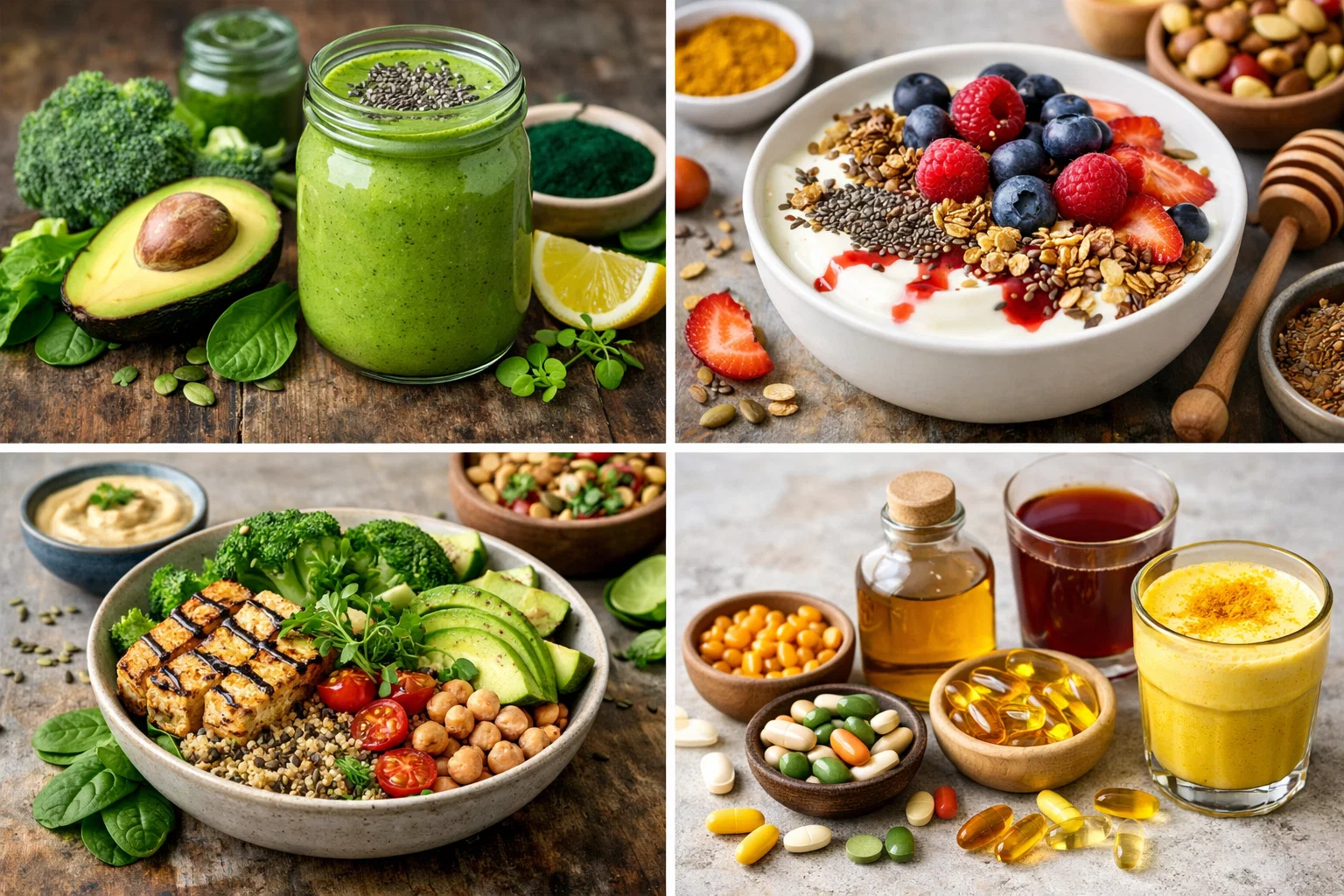
Defining Functional Foods: Beyond Basic Nutrition
Functional foods go beyond basic nutrition, offering health benefits beyond basic sustenance. These food products are intentionally enriched with functional ingredients or bioactive compounds, offering enhanced nutritional value and targeting specific aspects of health and wellness. These foods are becoming a daily staple.
How Functional Foods Differ from Supplements
Unlike supplements, which are concentrated sources of nutrients, functional foods are consumed as part of a regular diet. These foods that support overall health through their natural composition or strategic enhancement with prebiotics, probiotics, or other functional ingredients, are the new norm. Consumers are looking for food and beverage products that deliver enhanced wellness.
Examples of Popular Functional Foods in Everyday Life
Here are some examples of foods and drinks now considered “functional foods.” These readily accessible products contribute to our overall well-being, and include items such as:
- Yogurt with probiotics for gut health
- Omega-3-enriched eggs for heart health
- High-protein plant-based beverages
Why Functional Foods Are Trending Now

The Shift Towards Preventive Health and Wellness
There’s a growing emphasis on preventive health and wellness. People are proactively seeking ways to maintain and improve their health through diet, fueling the demand for “functional foods and beverages”. The shift towards incorporating foods that support immunity and cognitive function is palpable.
Scientific Research Driving Consumer Awareness
Scientific studies highlighting the health benefits of specific nutrients, such as omega-3 fatty acids and plant-based peptides, are driving consumer awareness. This evidence-based knowledge empowers individuals to make informed choices, further boosting the appeal of foods that support specific health goals. Studies showing the health benefits beyond basic are a game changer.
The Role of Lifestyle, Convenience, and Busy Schedules
Modern lifestyles often involve busy schedules, making convenient yet healthy eating a priority. Functional beverages and fortified food products offer a quick and efficient way to obtain essential nutrients and functional ingredients, fitting seamlessly into fast-paced daily routines, which will continue through 2024 and 2025.
Social Media, Influencers, and the Viral Hype
Social media platforms amplify the trend of “functional” foods, with influencers showcasing adaptogens like ashwagandha and the advantages of maintaining a healthy gut microbiome through prebiotics and probiotics. Viral trends quickly popularize certain functional products, accelerating their adoption by consumers. The U.S food institute has seen this happening.
Categories of Functional Foods and Their Benefits
Probiotics and Prebiotics: Gut Health and Immunity
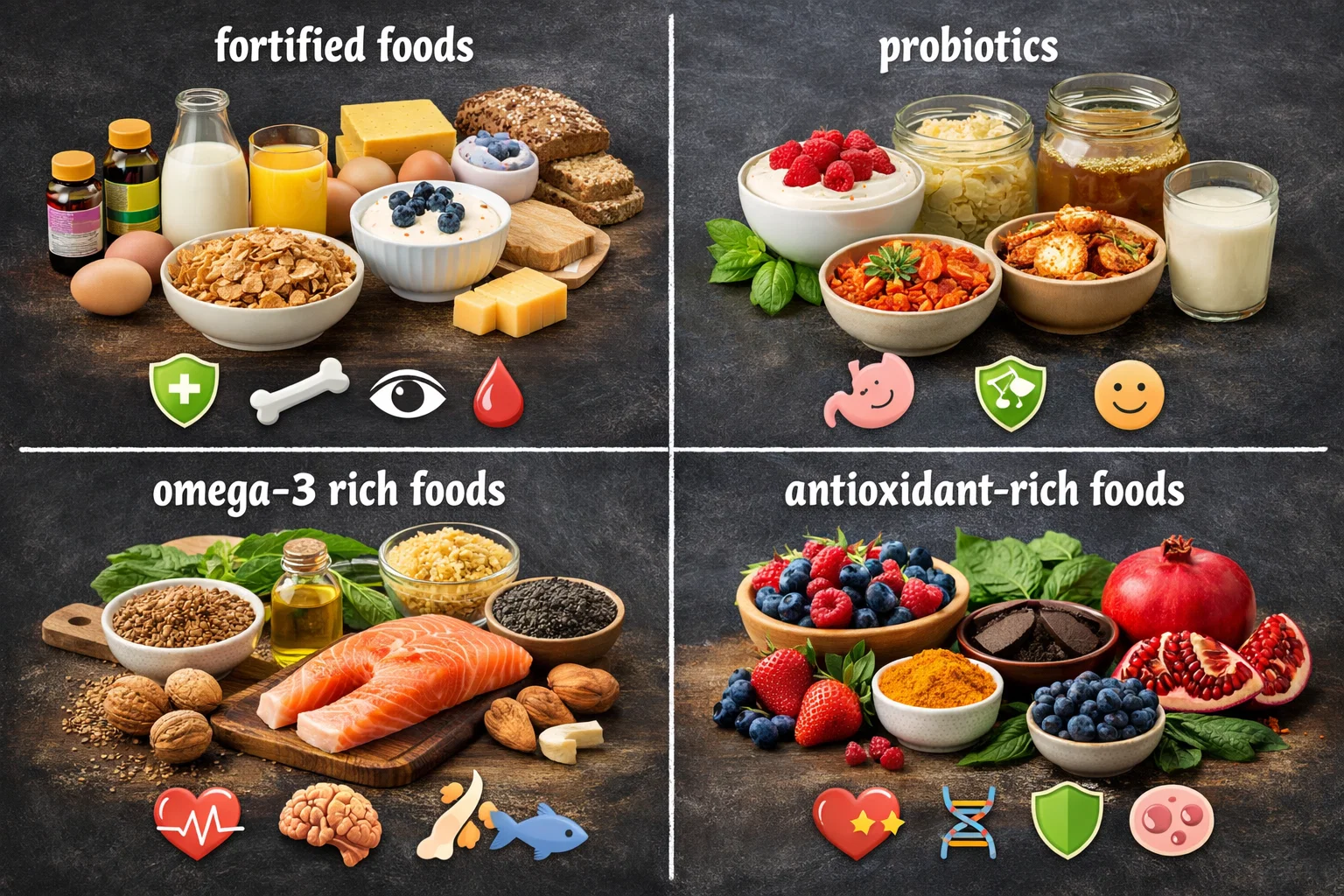
Probiotics and prebiotics are pivotal in promoting gut health and immunity. Probiotics, beneficial bacteria, and prebiotics, which feed these bacteria, are often added to yogurts and other foods, leading to a better gut microbiome. These foods are essential for digestive wellness.
Fortified Foods: Vitamins, Minerals, and Bone Health
Fortified foods are enriched with vitamins and minerals to address nutritional gaps and support bone health. Milk fortified with vitamin D and cereals with added iron are common examples, providing crucial nutrients that promote overall health and well-being and provide specific health benefits.
Omega-3 and Healthy Fats: Brain and Heart Support
Omega-3 fatty acids are renowned for their role in supporting brain and heart health. Foods like salmon, flaxseeds, and walnuts are rich in omega-3s, offering a natural way to incorporate these essential nutrients into your diet and improving heart health.
Antioxidant-Rich Foods: Anti-Aging and Inflammation Control
Antioxidant-rich foods combat oxidative stress and inflammation, contributing to anti-aging effects and overall health. Berries, leafy greens, and dark chocolate are packed with antioxidants, providing cellular protection and helping reduce the risk of chronic diseases and providing a health benefit.
Plant-Based Proteins and Fibers: Satiety and Metabolic Health
Plant-based proteins and fibers contribute to satiety and metabolic health. Legumes, quinoa, and chia seeds offer high protein and fiber content, aiding in weight management and supporting stable blood sugar levels, providing a wide range of specific health benefits.
Functional Beverages: Energy, Stress Relief, and Hydration
Functional beverages are designed to provide energy, stress relief, and hydration beyond what basic drinks offer. Enhanced waters, adaptogen-infused teas, and protein-packed smoothies cater to specific needs, making them popular choices for consumers seeking convenient health solutions. Functional beverages can have several benefits.
How Functional Foods Impact Your Body
Enhancing Digestion and Gut Microbiome
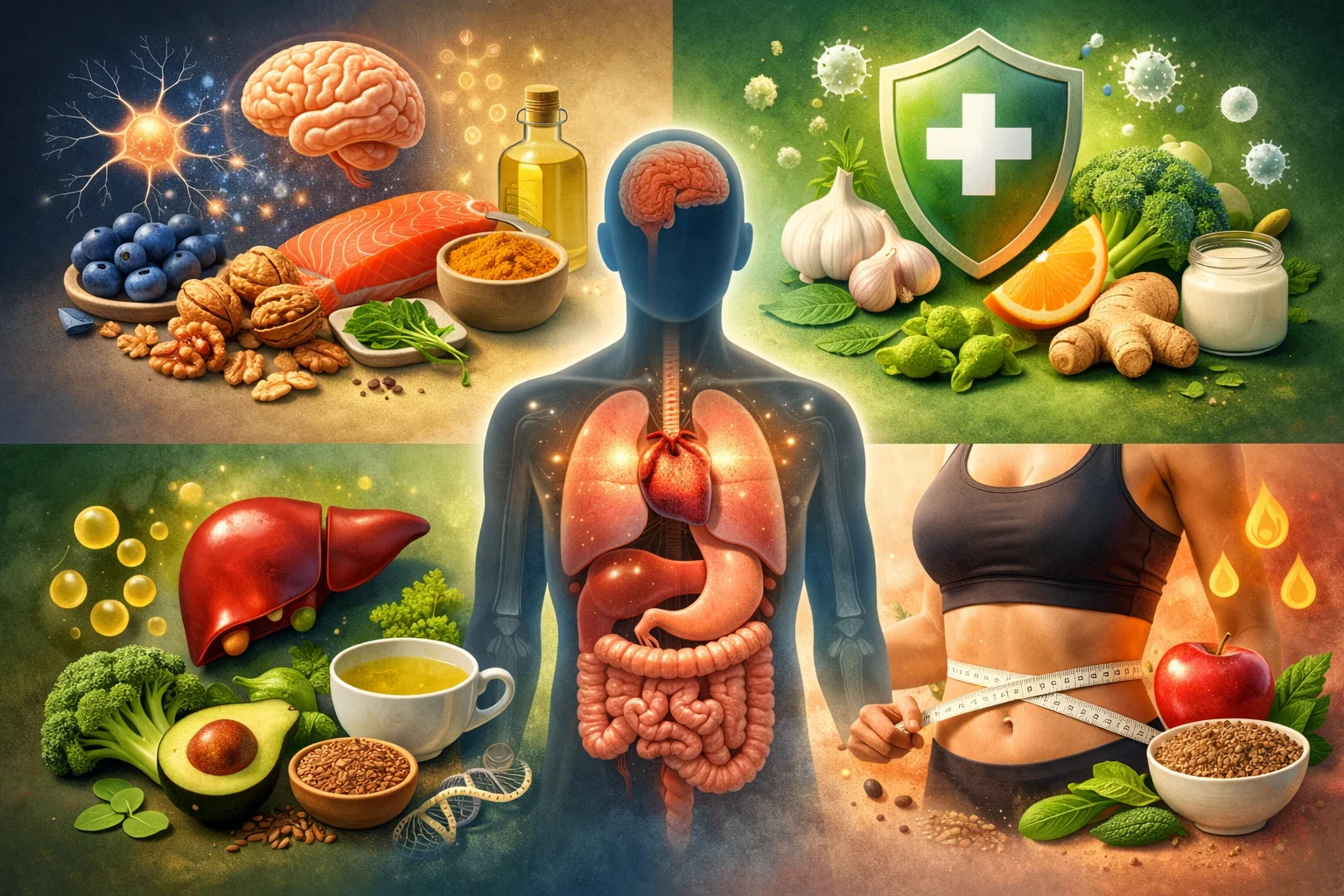
Functional food plays a pivotal role in enhancing digestion and nurturing a healthy gut microbiome. Many food and beverage options now include probiotic cultures, which can lead to improved gut health. These functional ingredients support a balanced digestive system and boost overall wellness.
Supporting Heart Health and Reducing Chronic Disease Risk
Many functional food options actively support heart health and reduce the risk of chronic diseases. Enriched with omega-3 fatty acids and other beneficial nutrients, these food products help maintain cardiovascular function. Incorporating these foods that support healthy cholesterol levels can make a difference.
Boosting Mental Clarity, Mood, and Cognitive Function
Certain functional food items have a significant impact on boosting mental clarity, mood, and cognitive function. Food and beverage options containing omega-3s and certain adaptogens like ashwagandha may enhance focus and emotional balance. These food products can be beneficial for overall mental wellness.
Strengthening Bones, Joints, and Muscles Naturally
To strengthen bones, joints, and muscles naturally, consider functional food choices fortified with essential nutrients. Food and beverage items rich in calcium, vitamin D, and plant-based protein and fiber support musculoskeletal health. Choosing the right food products contributes to long-term physical well-being.
The Science Behind Functional Foods

Key Nutrients and Their Mechanisms in the Body
The science behind functional food lies in understanding key nutrients and their mechanisms in the body. Omega-3 fatty acids, for instance, reduce inflammation. Probiotics enhance gut health, and certain bioactive compounds support various bodily functions. The U.S food institute has a lot of studies on it.
Evidence-Based Studies and Research Insights
Evidence-based studies and research insights provide the foundation for understanding the health benefits beyond basic nutrients of functional food. Scientific analysis validates specific health claims associated with these food products, confirming their impact on aspects like gut health, cognitive function and heart health.
Functional Foods vs. Placebo: What Science Shows
When comparing functional food against placebos, science aims to discern tangible health benefits. Controlled studies reveal whether the functional ingredients genuinely contribute to improved wellness. Evidence can separate the effect of the food from the psychological impact of believing in its benefits.
How to Incorporate Functional Foods Into Your Diet

Daily Functional Food Habits for Beginners
For beginners, incorporating functional food into daily habits can be simple and effective. Start by including a probiotic yogurt at breakfast to promote gut health, or adding omega-3-rich flaxseeds to your morning smoothie. Small changes can significantly improve your overall wellness.
Meal Planning and Smart Substitutions
Strategic meal planning and smart substitutions are key to maximizing the benefits of functional food. Swap regular snacks for high-protein options and opt for plant-based alternatives to increase fiber intake. Thoughtful planning ensures you consistently receive essential nutrients from your meals.
Choosing the Right Products: Labels, Quality, and Efficacy
Choosing the right functional food products involves carefully assessing labels, quality, and efficacy. Look for food products that clearly list functional ingredients and their concentrations, and check for certifications that validate product quality. Understanding the nutritional value supports informed choices.
Debunking Myths About Functional Foods
“Functional Foods Are Expensive” – Truth vs. Reality
One common myth is that functional food is always more expensive. While some specialized food products may have a higher price point, many affordable options offer significant health benefits. By comparing the nutritional value per serving, you can often find cost-effective choices within the functional food market.
“Only Supplements Can Deliver Health Benefits” – Clarifying Misconceptions
Another misconception is that only supplements can provide health benefits. Functional food, enriched with functional ingredients and essential nutrients, naturally integrates into your diet. These food products offer a holistic approach to wellness, and support overall health without the need for additional pills or powders.
“Functional Foods Can Cure Diseases” – Understanding Limits
It’s crucial to understand that functional food is not a cure-all for diseases. While they can support overall health and well-being, functional food should not replace medical treatments or medications. These foods that support specific bodily functions are part of a healthy lifestyle and diet but can’t provide health benefits beyond basic.
The Future of Functional Foods
Emerging Trends: Personalized Nutrition and Biohacking Foods
The future of functional food is trending towards personalized nutrition and biohacking foods, tailoring food products to individual needs based on genetics, lifestyle, and health goals. This approach maximizes the health benefits from foods enriched with bioactive compounds and custom nutrient profiles. Consumers want personalization.
The Role of Technology, AI, and Smart Packaging
Technology, AI, and smart packaging will play a crucial role in shaping the future of the food industry. AI-driven insights can help optimize nutrient content in food and beverage offerings, while smart packaging can track freshness and provide information to the consumer. This can improve functional food market.
Predictions: How Functional Foods Will Shape Global Diets
Predictions suggest that functional food will significantly shape global diets, with an increasing focus on preventive healthcare. Enriched with probiotic cultures, omega-3 fatty acids, and plant-based protein and fiber, these food and beverage options will become integral to promoting health and wellness worldwide.
Conclusion: Why You Should Embrace the Functional Food Revolution
Embracing the functional food revolution can transform your approach to health and well-being. By incorporating these foods and drinks, with their health benefits, into your daily life, you can proactively enhance your overall health and reduce the risk of chronic diseases. The rise of functional foods is upon us.