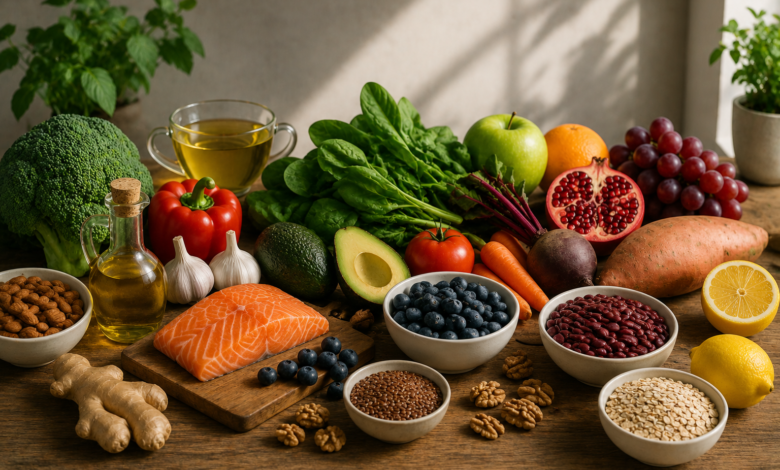
Our bodies are complex systems, with each organ playing a vital role in maintaining overall health. Understanding how specific foods can support and heal these internal organs is key to unlocking a more vibrant you.
What “Eat for Your Organs” Really Means
This section delves into the fundamental principles of eating for your organs, explaining the direct link between the foods we consume and the optimal functioning of our internal systems. It is about making informed choices to fuel every organ in the body.
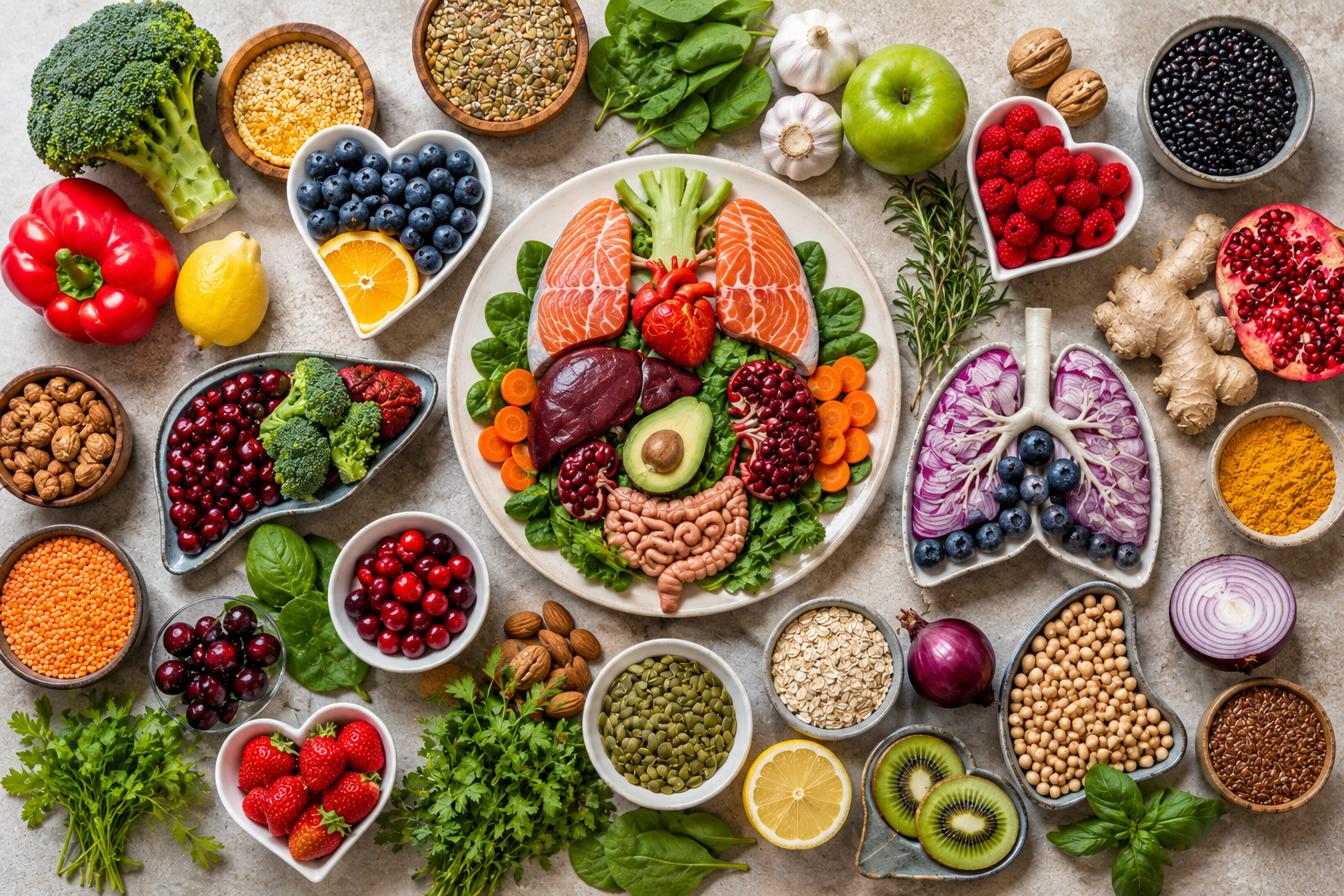
The connection between food and organ function explained simply
The connection between the foods we consume and the intricate functions of our organs is profound, shaping everything from cellular repair to metabolic processes. Each nutrient-dense food provides essential nutrients, vitamins, and minerals that act as building blocks and catalysts for healthy body function, directly impacting the vitality and longevity of our vital organs.
For instance, the right foods can significantly help protect organs from damage, reduce the risk of inflammation, and bolster their natural capabilities. This simple understanding highlights that eating foods is not just about satisfying hunger but about providing targeted nutritional support to ensure every organ, from the heart to the kidney, operates at its peak, contributing to overall health and well-being.
Why targeted nutrition is becoming a modern health trend
Targeted nutrition is rapidly emerging as a prominent modern health trend because it moves beyond general healthy eating to focus on the specific needs of individual internal organs. As our understanding of nutrient function concepts deepens, people are increasingly seeking tailored dietary approaches that offer precise health benefits of organ support.
This approach recognizes that different organs require distinct arrays of essential nutrients; for example, what is beneficial for brain health might differ from what supports liver health or gut health. The desire to optimize body function, prevent chronic diseases, and enhance metabolic health drives this trend, moving away from processed foods toward nutrient-rich foods that truly heal and sustain our bodies.
Overview: How Food Supports Different Organs in the Body
This section provides a comprehensive overview of how various foods serve as fundamental support systems for the diverse organs within the human body. It highlights the scientific underpinnings of organ-specific nutrition.
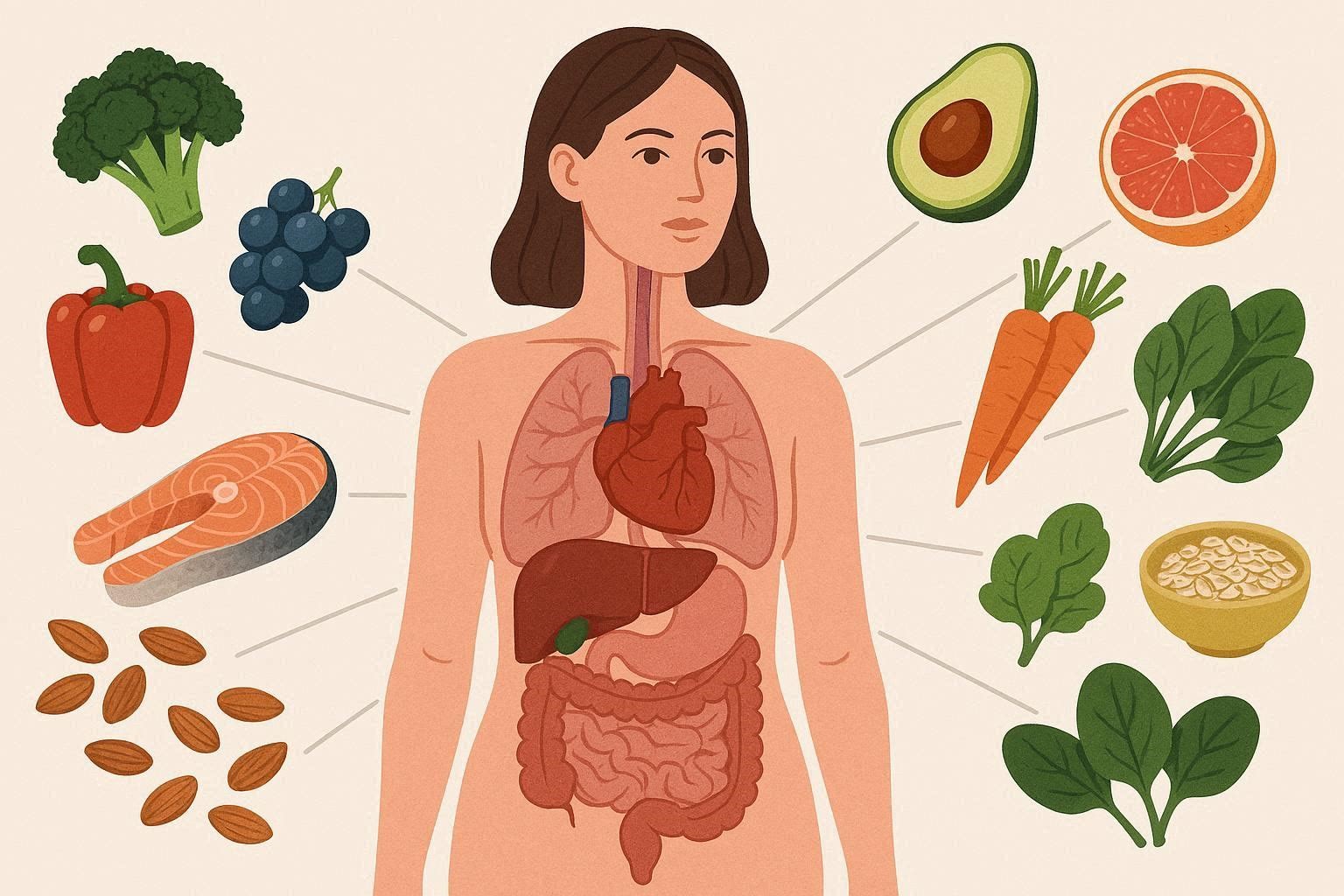
The science behind organ-specific nutrition (nutrient function concept)
The science behind organ-specific nutrition, deeply rooted in the nutrient function concept, illuminates how particular vitamins, minerals, and other compounds exert their beneficial effects on individual organs. Understanding these mechanisms allows us to select the best foods to eat to optimize the function and resilience of our vital organs.
For example, certain foods are rich in omega-3 fatty acids, which are critical for brain health, while others provide antioxidants that help protect various internal organs from oxidative stress.
This targeted approach ensures that the body receives precisely what it needs to maintain metabolic health, promote efficient nutrient absorption, and support the intricate biochemical pathways within each organ in the body, moving beyond generic healthy eating to a truly informed nutritional strategy.
Whole-body vs. targeted nutrition approaches
The debate between whole-body and targeted nutrition approaches highlights different philosophies in dietary health, each with its merits for promoting overall health. A whole-body approach emphasizes a balanced diet filled with a diverse array of nutrient-dense foods, aiming to provide a broad spectrum of essential nutrients that benefit every organ simultaneously.
In contrast, targeted nutrition delves deeper, focusing on specific foods that support particular organs, such as foods for your liver, or those known to improve brain health, addressing unique physiological demands or existing health concerns.
While a balanced diet is foundational, a targeted approach can be particularly effective for individuals seeking to optimize specific organ function, help reduce inflammation in certain areas, or mitigate risk factors for diseases like heart disease by carefully selecting foods that support their kidneys and liver, for example.
Brain Health Foods: Improve Memory, Focus & Cognitive Function
This section explores the crucial role of nutrition in enhancing brain health, memory, and cognitive function. It highlights specific foods that act as powerful allies.
Omega-3 rich foods (fish, walnuts, chia seeds)
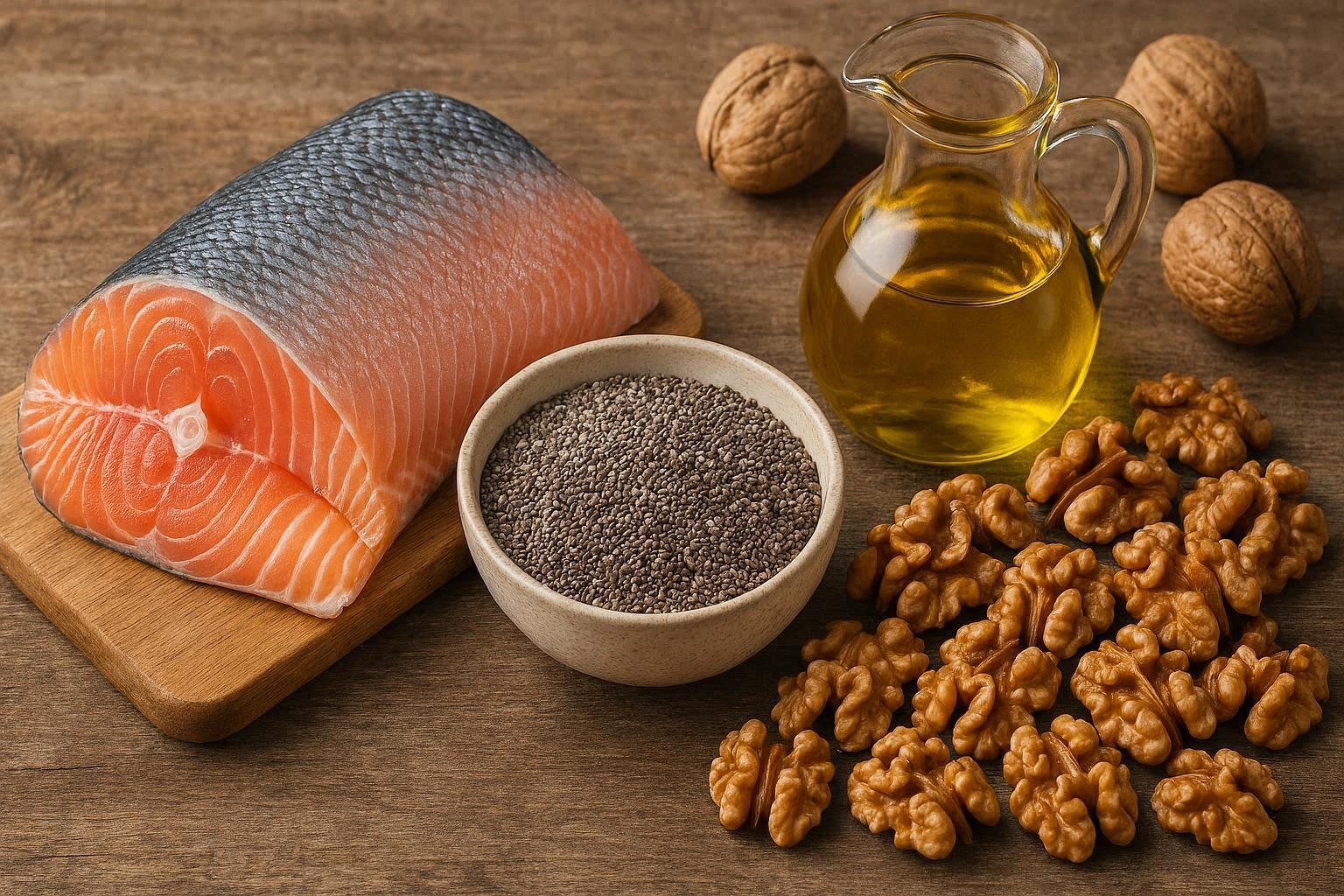
Omega-3 rich foods are paramount for optimal brain health, providing essential fatty acids that are vital components of brain cell membranes and play a crucial role in cognitive function. Foods like salmon, a prime source of protein, are particularly celebrated for their high content of omega-3 fatty acids, which help maintain the structural integrity of the brain and support neural communication.
Walnuts and chia seeds also offer significant amounts of these healthy fats, alongside other nutrient-dense compounds that help protect the brain from cellular damage and inflammation. Incorporating these right foods into your diet can significantly improve memory, focus, and overall mental clarity, helping to prevent age-related cognitive decline and bolstering overall brain function.
Antioxidant foods (berries, dark chocolate)
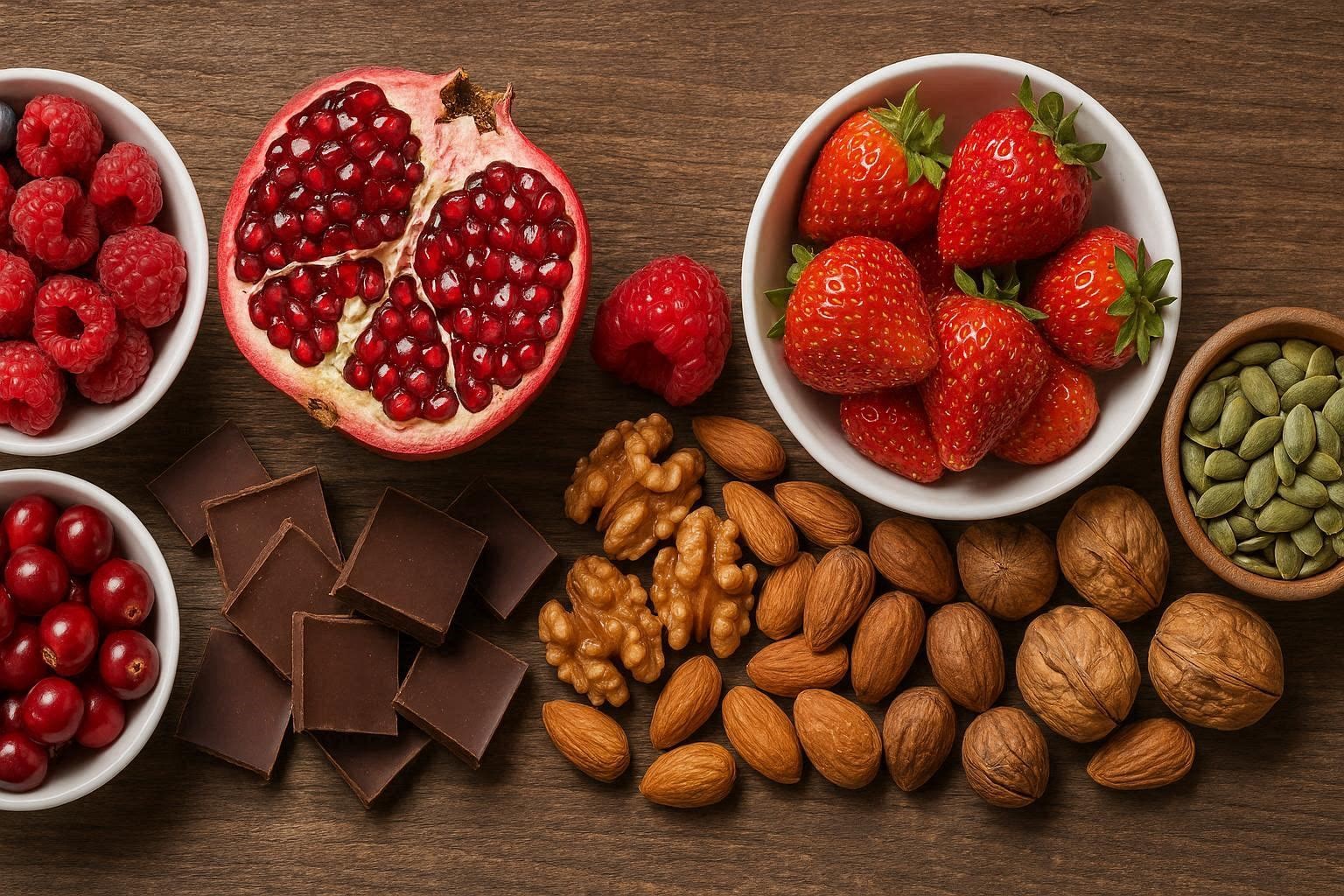
Antioxidant foods are indispensable for safeguarding brain health, as they actively combat oxidative stress and inflammation, two primary contributors to cognitive decline and neurological diseases. Berries, such as blueberries and strawberries, are packed with powerful antioxidants that help protect brain cells from damage and enhance communication between neurons.
Similarly, dark chocolate, when consumed in moderation, is a rich source of flavonoids, another potent antioxidant that can improve blood flow to the brain and boost cognitive function. These healthy foods not only support mental clarity and focus but also play a critical role in preventing brain aging, making them essential components of a diet aimed at maintaining robust brain health.
How nutrition supports mental clarity and brain aging prevention
Nutrition is a cornerstone for supporting mental clarity and actively preventing brain aging, providing the essential nutrients that fuel cognitive processes and protect neural structures. A diet rich in nutrient-dense foods, particularly those abundant in omega-3 fatty acids and antioxidants, helps reduce the risk of inflammation and oxidative stress, which are detrimental to brain health.
Foods like salmon, leafy greens, and various berries supply vitamins, minerals, and healthy fats that enhance memory, improve focus, and strengthen overall cognitive function. By consistently choosing these right foods, individuals can bolster their brain’s resilience, support efficient nutrient absorption, and significantly help maintain sharp mental faculties well into old age, thereby embracing a proactive approach to lifelong brain health.
Heart Health Foods: Strengthen Cardiovascular Function
This section focuses on foods that are instrumental in strengthening cardiovascular function, emphasizing dietary choices that promote a healthy heart. It explores how specific nutrients can enhance heart health.
Healthy fats (olive oil, avocado, nuts)
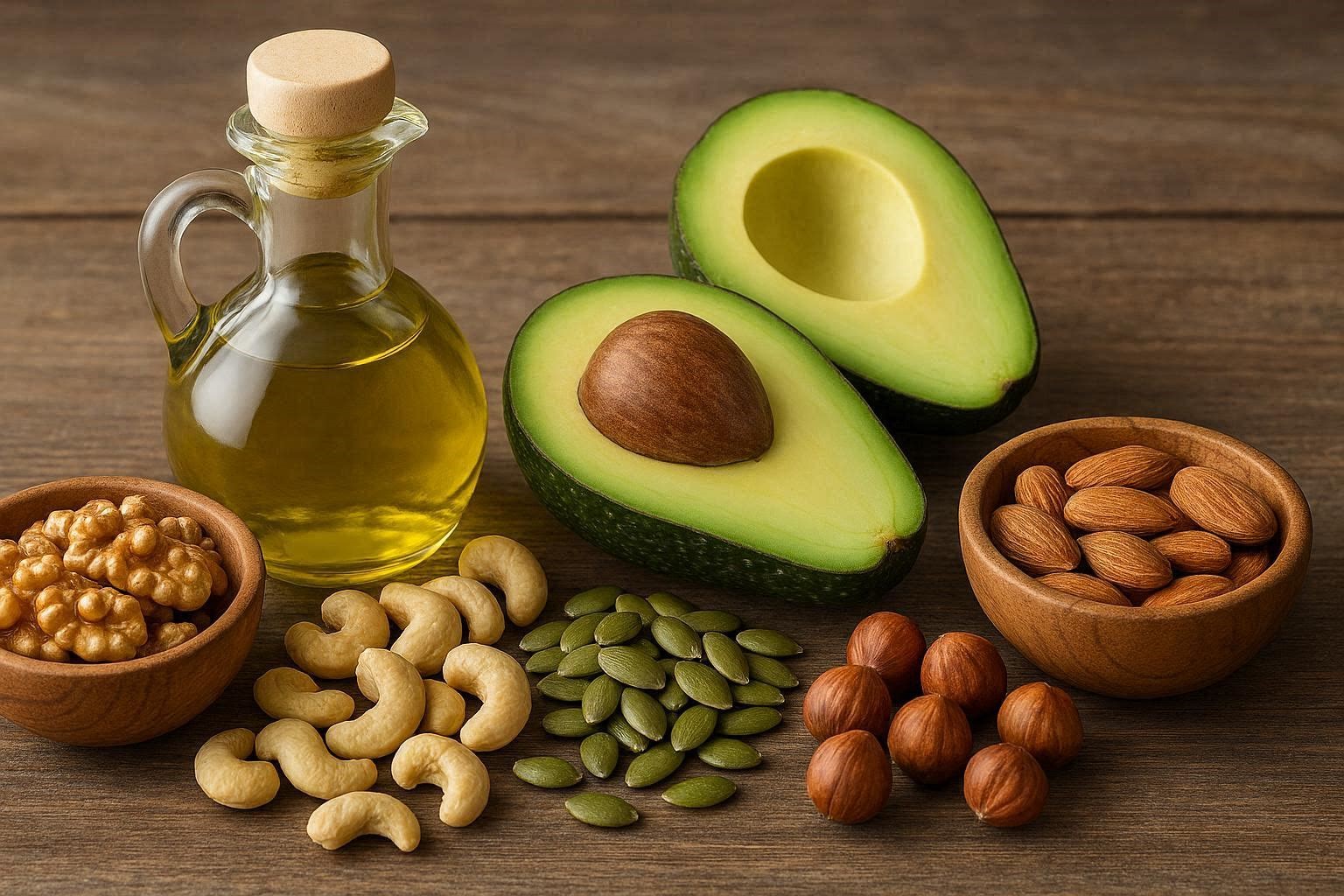
Incorporating healthy fats into your diet is a cornerstone for strengthening cardiovascular function and promoting excellent heart health. Olive oil, a staple of the Mediterranean diet, is rich in monounsaturated fats that help reduce the risk of heart disease by lowering bad cholesterol levels and inflammation.
Avocado, another excellent source of healthy fats, also provides essential vitamins and minerals that support the integrity of blood vessels and help regulate blood pressure. Nuts, such as almonds and walnuts, are packed with omega-3 fatty acids, fiber, and antioxidants, all of which contribute significantly to a healthy heart. These nutrient-dense foods are vital for maintaining optimal heart function and reducing risk factors associated with heart disease, making them crucial components of a heart-friendly eating plan.
Fiber-rich foods (oats, legumes, whole grains)
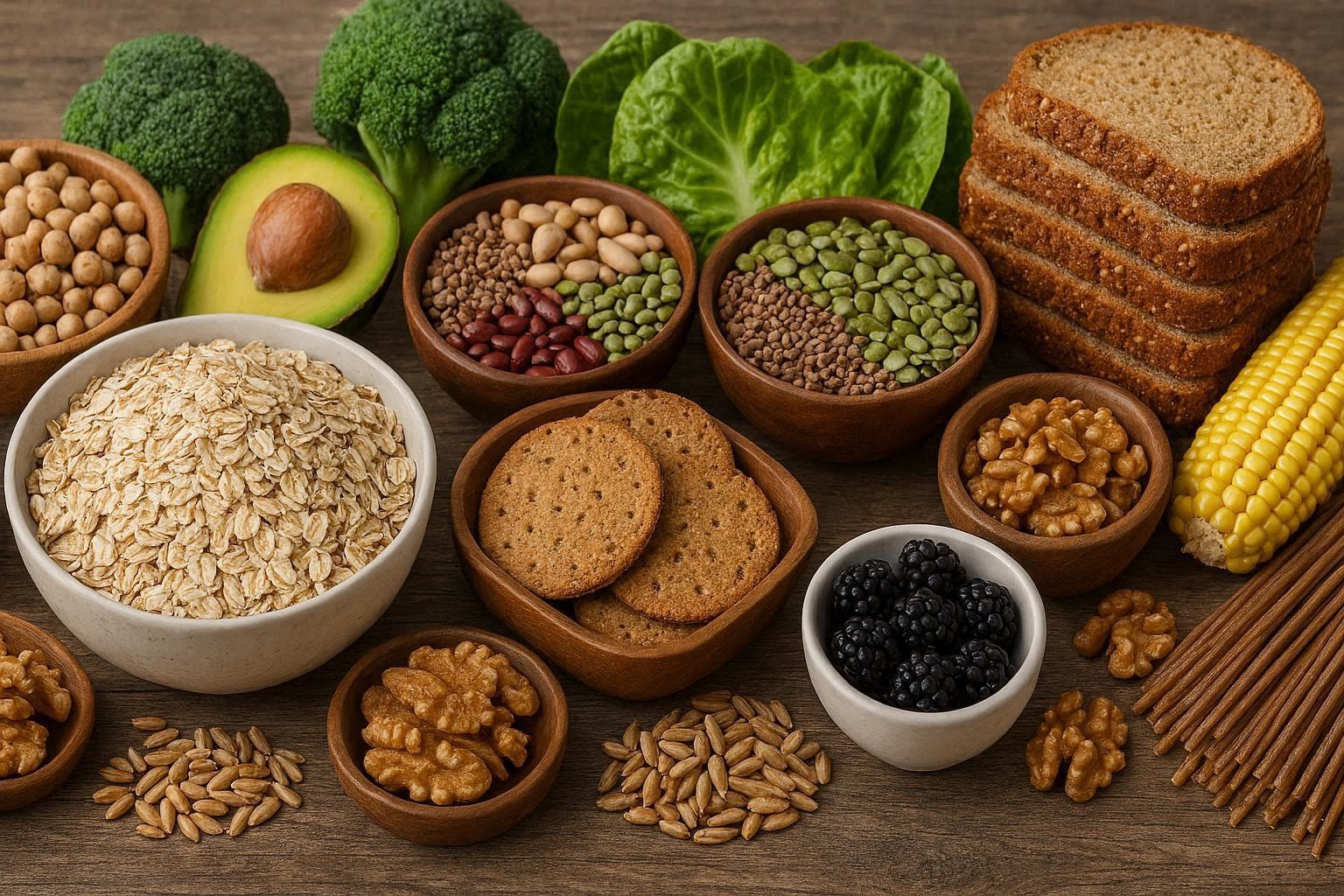
Fiber-rich foods are indispensable for strengthening cardiovascular function and are key to maintaining robust heart health. Oats, for instance, are celebrated for their soluble fiber content, which effectively helps reduce the risk of heart disease by lowering levels of LDL (bad) cholesterol and helping to regulate blood pressure.
Legumes, including lentils and beans, are not only a great source of protein but also provide ample fiber, contributing to stable blood sugar levels and improved digestion, both of which indirectly support a healthy heart.
Whole grains, such as brown rice and quinoa, offer a complex array of nutrients that promote overall cardiovascular well-being, helping to protect against the buildup of plaque in arteries. These healthy foods are fundamental in a diet aimed at nurturing a strong and resilient heart.
Foods that help regulate blood pressure and cholesterol
A strategic selection of foods can significantly help regulate blood pressure and cholesterol levels, thereby bolstering heart health and mitigating the risk of heart disease. Leafy greens, such as spinach and kale, are rich in magnesium and potassium, minerals that are vital for maintaining healthy blood pressure.
Foods like salmon, abundant in omega-3 fatty acids, effectively help reduce inflammation and improve cholesterol profiles, contributing to stronger cardiovascular function.
Additionally, incorporating whole grains, such as oats and barley, can lower LDL cholesterol due to their soluble fiber content, while healthy fats found in avocado and olive oil further support arterial health.
These nutrient-rich foods are essential components of a balanced diet designed to optimize cardiovascular well-being and protect the heart.
Liver Support Foods: Natural Detox & Metabolism Boost
This section focuses on foods that provide natural support for the liver, enhancing its detoxification capabilities and boosting metabolism. It highlights dietary choices that are crucial for optimal liver health.
Cruciferous vegetables (broccoli, cauliflower, cabbage)
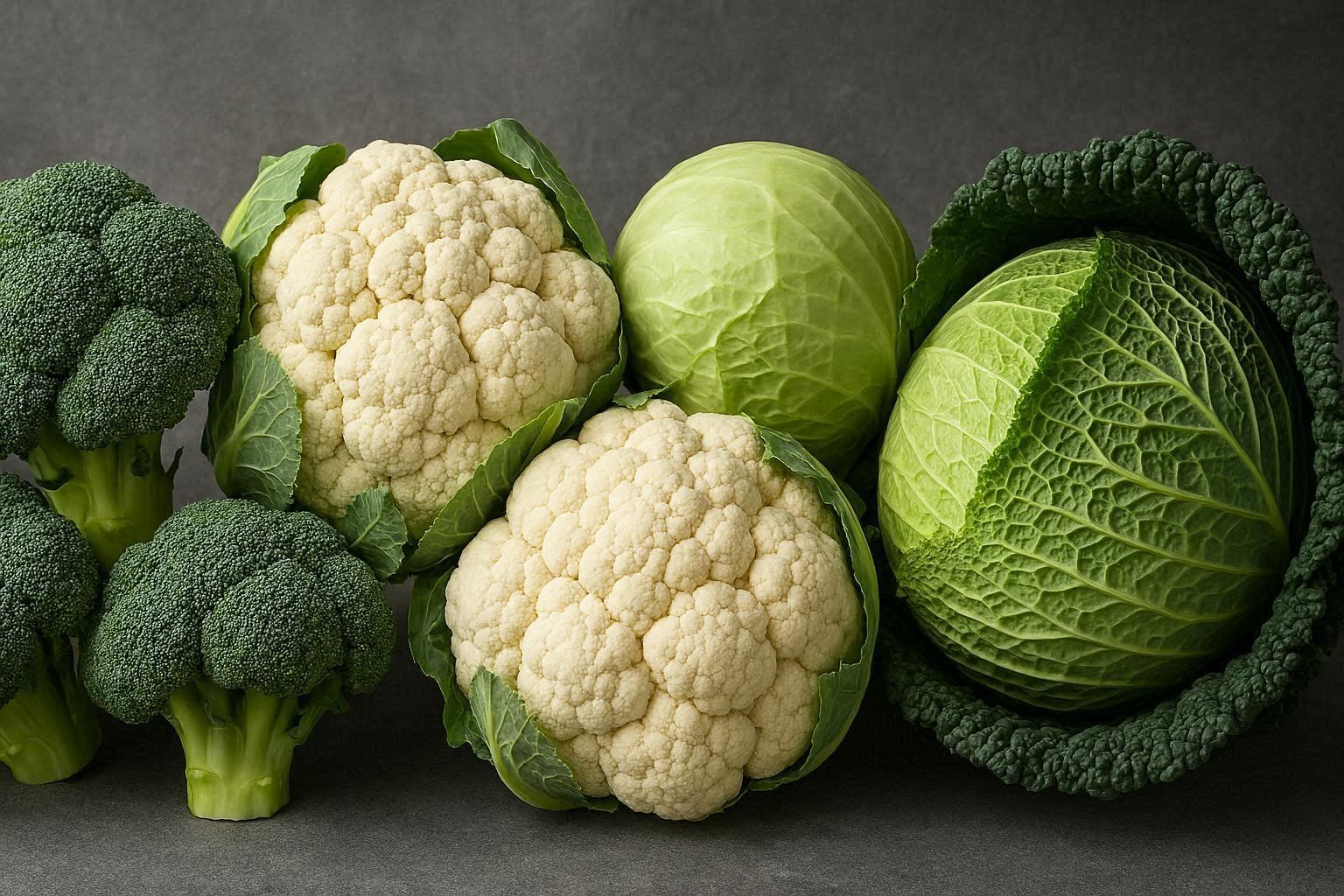
Cruciferous vegetables, including broccoli, cauliflower, and cabbage, are incredibly beneficial as liver support foods, playing a crucial role in the body’s natural detox and metabolism boost. These nutrient-dense foods contain potent compounds such as glucosinolates, which help activate liver enzymes involved in detoxification pathways.
By supporting these enzymatic processes, cruciferous vegetables help the liver efficiently process nutrients and toxins naturally, converting harmful substances into less toxic forms that can be easily eliminated. Regular consumption of these healthy foods contributes significantly to liver health, helping to protect it from damage and ensuring it can perform its many metabolic functions optimally, making them essential for anyone focused on comprehensive organ support.
Garlic, turmeric, and beetroot for detox support
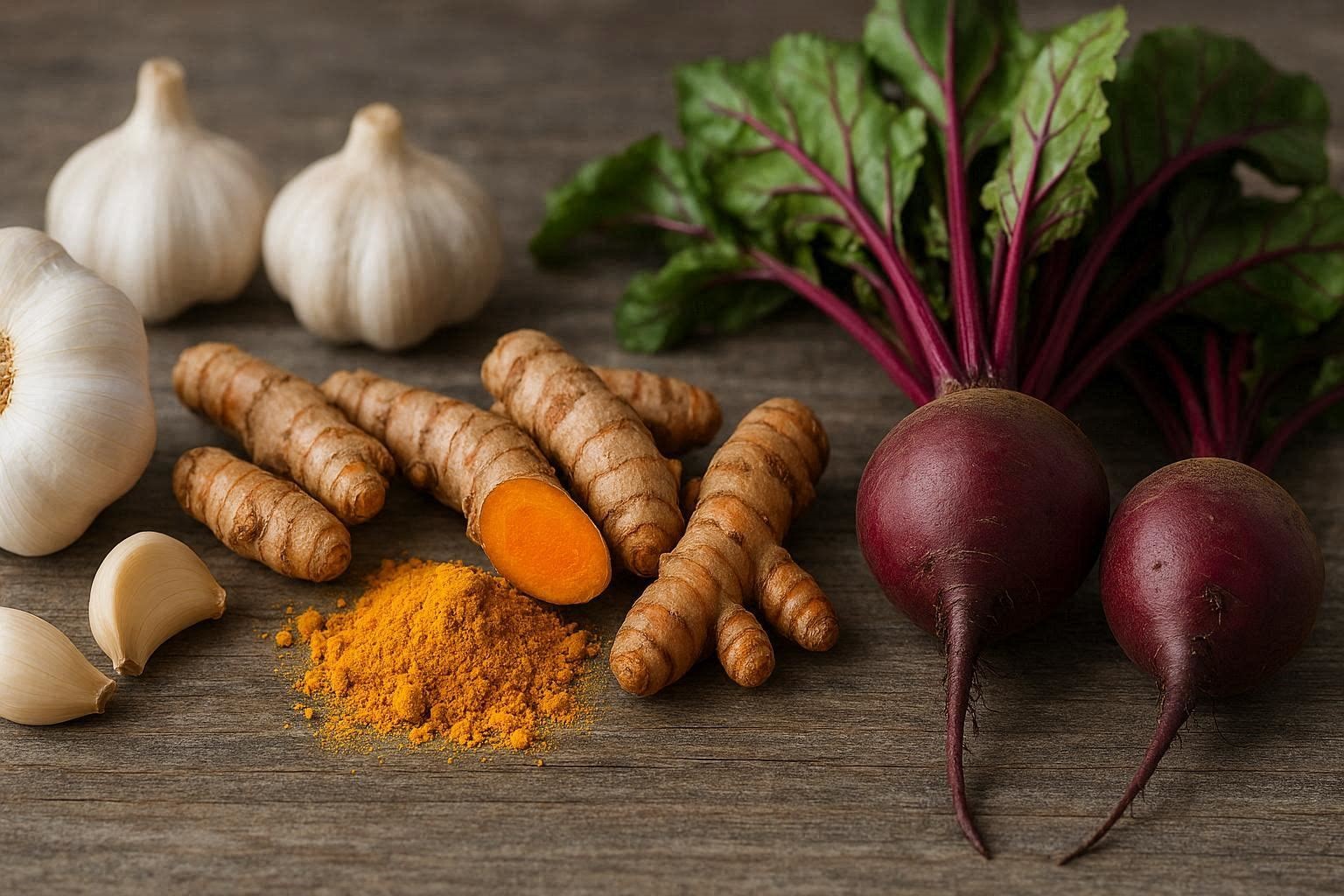
Garlic, turmeric, and beetroot are powerful liver support foods renowned for their exceptional detox support capabilities, making them invaluable additions to any diet focused on enhancing liver health. Garlic contains sulfur compounds that activate liver enzymes responsible for flushing out toxins, thus aiding in the liver’s natural detoxification processes.
Turmeric, with its active compound curcumin, is a potent antioxidant and anti-inflammatory agent that helps protect liver cells from damage and promotes regeneration. Beetroot, rich in betalains, stimulates the production of enzymes that help break down toxins, further boosting the liver’s metabolic health and its ability to process nutrients efficiently.
These healthy foods collectively provide comprehensive support, helping the liver to cleanse and rejuvenate itself, thereby improving overall body function.
How the liver processes nutrients and toxins naturally
The liver is a powerhouse organ in the body, meticulously processing nutrients and toxins naturally to maintain metabolic health and ensure overall well-being. As a central hub for metabolism, the liver converts nutrients from food into forms the body can use, such as glucose for energy or various proteins for cellular repair.
Simultaneously, it acts as the body’s primary detoxification system, filtering harmful substances, medications, and environmental pollutants from the bloodstream. Through a complex series of enzymatic reactions, the liver transforms these toxins into less harmful compounds that can then be safely excreted, helping to protect other vital organs.
Liver support foods, particularly those rich in antioxidants and specific vitamins, are crucial for enhancing these natural processes, ensuring efficient nutrient absorption and robust detoxification.
Gut Health Foods: Improve Digestion & Microbiome Balance
This section delves into the critical role of gut health foods in improving digestion and maintaining a balanced microbiome. It highlights how specific dietary choices can support gut health.
Probiotic foods (yogurt, kefir, kimchi)
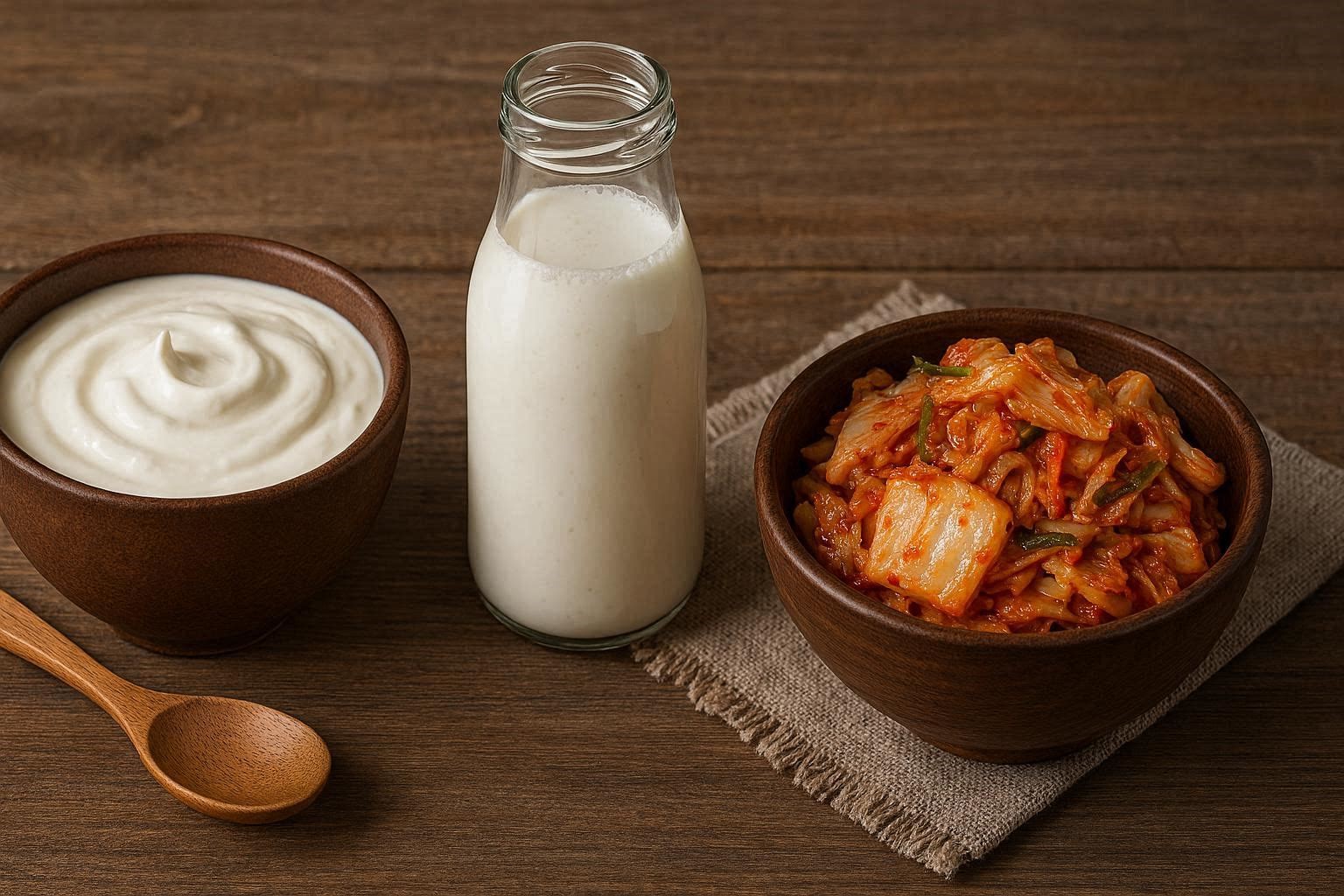
Probiotic foods are paramount for cultivating a healthy gut microbiome, playing a direct role in improving digestion and overall gut health. Foods like yogurt, kefir, and kimchi are excellent sources of live beneficial bacteria that colonize the gut, helping to balance the intestinal flora.
These nutrient-dense foods facilitate better nutrient absorption, ensuring that the body effectively utilizes essential nutrients from the diet. The regular consumption of such fermented food also helps reduce the risk of inflammation in the gut, thereby supporting not just digestion but also having broader health benefits of organ systems, as a healthy gut is intimately connected to immunity, mood, and energy levels.
Prebiotic foods (bananas, oats, garlic, onions)
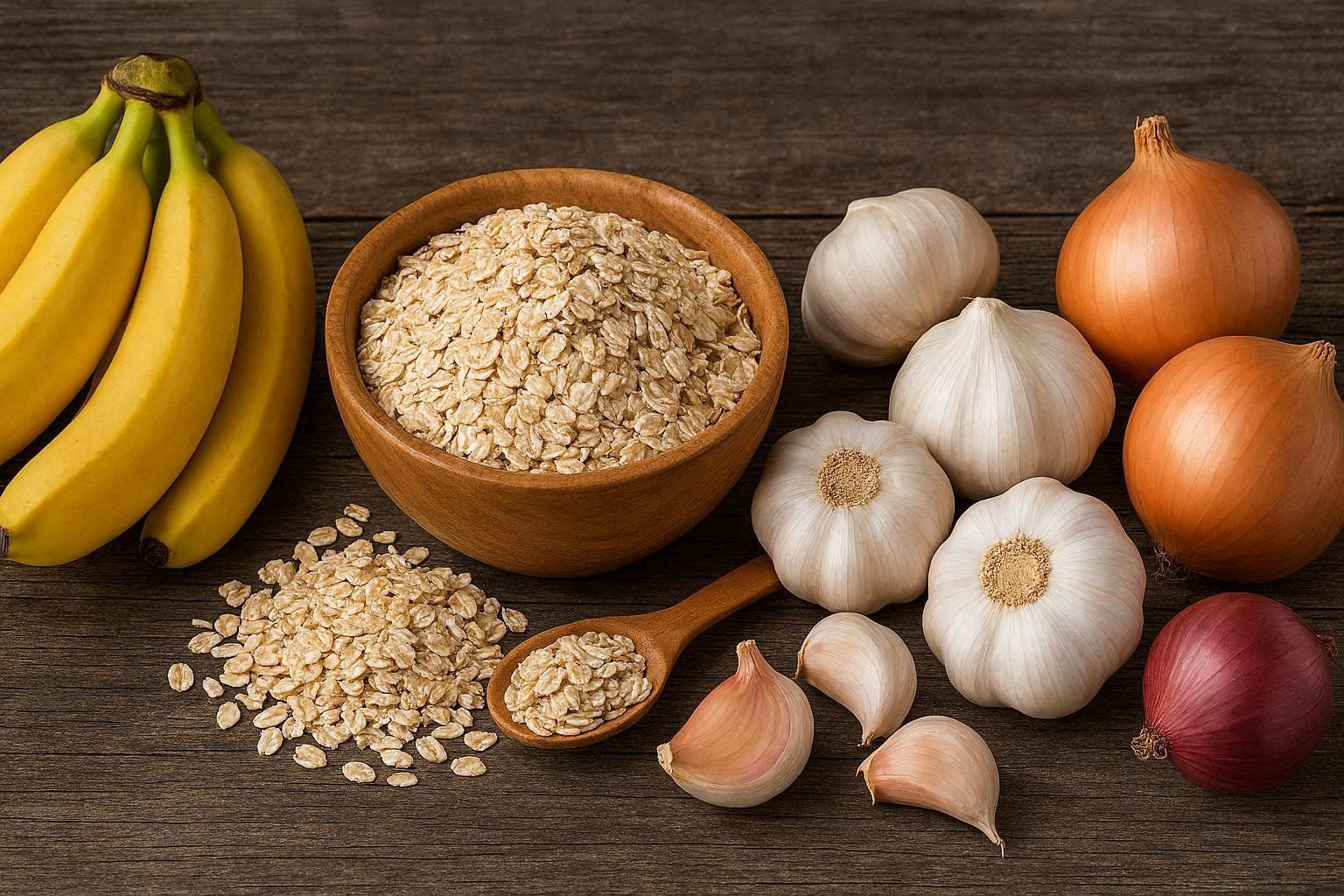
Prebiotic foods are essential for nourishing the beneficial bacteria in our gut, which in turn significantly improves digestion and promotes a balanced microbiome. Bananas, oats, garlic, and onions are prime examples of nutrient-dense foods rich in prebiotics that act as fuel for probiotics, fostering their growth and activity.
This symbiotic relationship between prebiotics and probiotics is crucial for maintaining optimal gut health, leading to more efficient nutrient absorption and better overall body function. By incorporating these healthy foods, one can help maintain a robust digestive system, reduce the risk of common digestive issues, and support the intricate connection between gut health and the body’s various vital organs.
Why gut health affects immunity, mood, and energy
Gut health profoundly affects immunity, mood, and energy levels, underscoring its pivotal role in overall health and well-being, far beyond just digestion. The gut microbiome, a complex community of microorganisms, communicates extensively with the immune system, influencing its responsiveness and helping protect the body from pathogens.
Furthermore, the gut produces a significant portion of the body’s neurotransmitters, such as serotonin, directly impacting mood and contributing to mental clarity. A balanced gut microbiome, supported by nutrient-dense foods, also plays a key role in efficient nutrient absorption and metabolic health, providing the sustained energy needed for daily activities and the optimal function of every organ in the body.
Lung Health Foods: Support Breathing & Oxygen Flow
This section focuses on lung health foods that are instrumental in supporting breathing and optimizing oxygen flow throughout the body. It highlights dietary choices that enhance respiratory function.
Anti-inflammatory foods (ginger, garlic, citrus fruits)
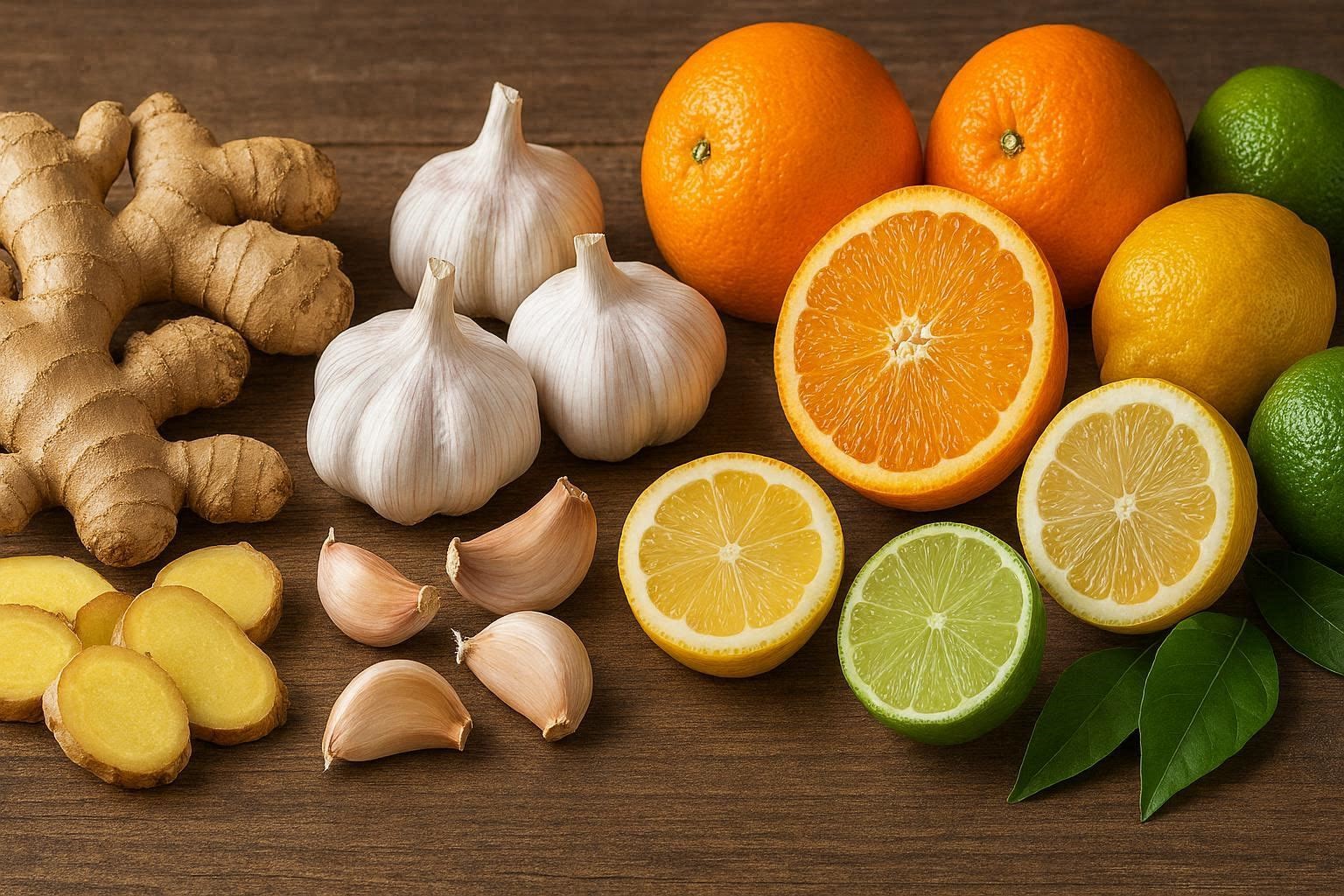
Anti-inflammatory foods are crucial for supporting lung health, as chronic inflammation can impair respiratory function and oxygen flow. Ginger and garlic, both potent anti-inflammatory agents, help reduce inflammation in the airways, making breathing easier and more efficient.
Citrus fruits, rich in vitamin C, act as powerful antioxidants, protecting lung tissues from oxidative damage and enhancing overall respiratory immunity. These nutrient-dense foods not only help protect organs like the lungs from environmental stressors but also contribute to the overall resilience of the respiratory system.
Incorporating these healthy foods can significantly help maintain optimal lung function, ensuring efficient oxygen delivery to every organ in the body.
Hydrating foods (cucumber, watermelon)

Hydrating foods are vital for supporting lung health and optimizing oxygen flow, as proper hydration keeps the mucosal linings in the respiratory system moist and functional.
Cucumber and watermelon are excellent examples of nutrient-dense foods with high water content, which helps thin mucus secretions in the lungs, making them easier to expel and facilitating clearer airways.
This enhanced hydration supports the delicate tissues of the lungs, reducing the risk of irritation and inflammation, and ensures that the vital organs receive adequate oxygen. By regularly consuming these healthy foods, individuals can help maintain robust respiratory function, contributing to better overall body function and protecting the lungs from potential harm.
Nutrients that support respiratory function and immunity
Specific nutrients play a critical role in supporting robust respiratory function and bolstering immunity, making them essential for comprehensive lung health. Vitamin C, found abundantly in bell peppers and citrus fruits, acts as a powerful antioxidant, helping to protect lung tissues from damage and enhancing the body’s defense mechanisms.
Magnesium, present in leafy greens and nuts, helps relax the bronchial muscles, facilitating easier breathing and improved oxygen flow. Omega-3 fatty acids, from sources like salmon, help reduce inflammation in the airways.
These nutrient-dense foods collectively provide the essential nutrients and vitamins needed to strengthen the respiratory system, improve immunity, and help protect the lungs, ensuring they perform optimally and contribute to overall health.
Skin Health Foods: Glow, Hydration & Anti-Aging Support
This section explores skin health foods that contribute to a radiant glow, deep hydration, and significant anti-aging support. It highlights dietary choices that nourish the skin from within.
Collagen-boosting foods (berries, tomatoes, bone broth)
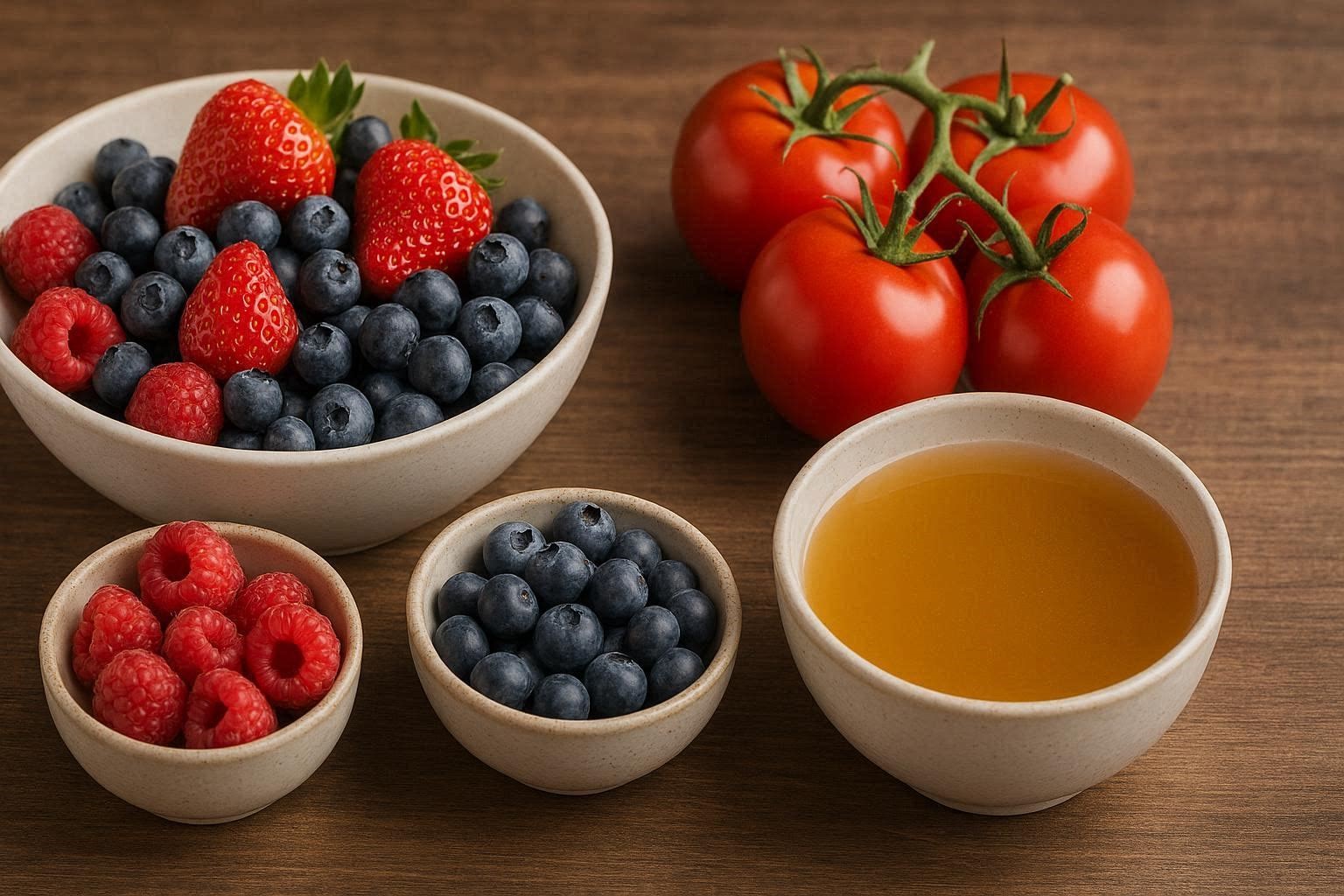
Collagen-boosting foods are fundamental for maintaining youthful, glowing skin, providing essential nutrients for elasticity and anti-aging support. Berries, rich in vitamin C, are crucial as vitamin C is a key cofactor in collagen synthesis, helping the body produce this vital protein that gives skin its structure and firmness.
Tomatoes, abundant in antioxidants like lycopene, also help protect existing collagen from degradation and promote new collagen formation. Bone broth, a source of amino acids and collagen itself, directly contributes to the skin’s structural integrity. These nutrient-dense foods are vital for supporting skin elasticity, fighting skin damage, and ensuring robust skin health from within.
Hydration-rich foods for skin elasticity
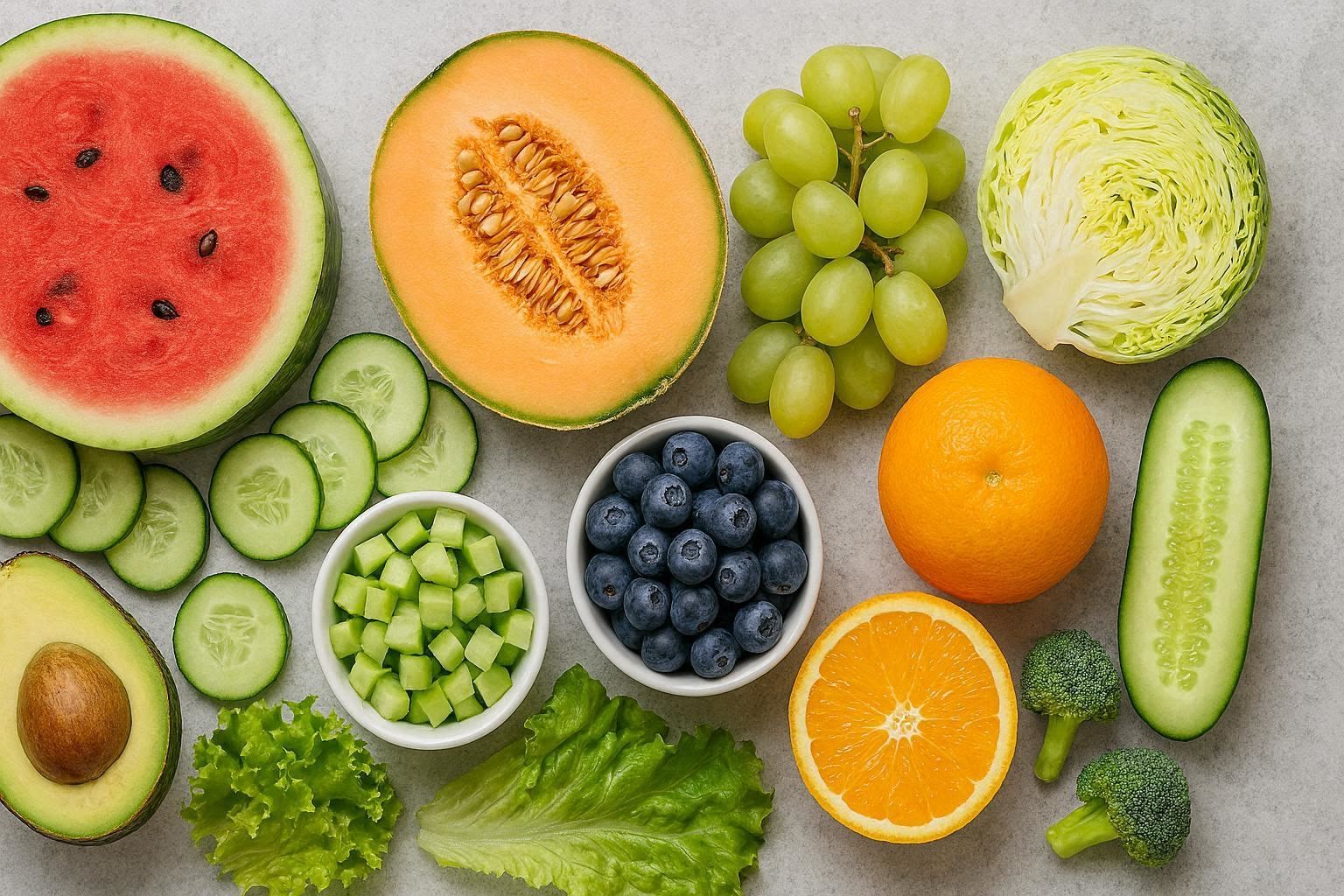
Hydration-rich foods are indispensable for promoting skin elasticity, contributing to a plump, youthful appearance and robust anti-aging support. Foods like cucumber and watermelon, with their high water content, help maintain optimal cellular hydration, which is crucial for the skin’s turgor and resilience.
Beyond just water, these nutrient-dense foods often contain essential vitamins and minerals that aid in fluid balance and support overall skin health. Adequate hydration ensures that skin cells are nourished, flexible, and better able to resist the formation of fine lines and wrinkles.
By regularly incorporating these healthy foods, one can significantly improve skin texture, enhance its natural glow, and provide long-term protection against environmental damage.
Antioxidants that fight aging and skin damage
Antioxidants are powerful allies in the fight against aging and skin damage, playing a crucial role in maintaining youthful, radiant skin. Foods rich in antioxidants, such as berries, dark chocolate, and green tea, help neutralize free radicals, which are unstable molecules that cause oxidative stress and accelerate skin aging.
Vitamin C, abundant in citrus fruits and bell peppers, is a particularly potent antioxidant that not only protects skin cells but also aids in collagen production, enhancing skin elasticity. These nutrient-dense foods help protect organs like the skin from environmental pollutants and UV radiation, reducing inflammation and supporting cellular repair.
Incorporating these healthy foods into your diet is a proactive step towards achieving a natural glow and comprehensive anti-aging support.
Bone & Joint Health Foods: Strength & Mobility Support
This section highlights bone and joint health foods, emphasizing dietary choices that provide strength and mobility support for the skeletal system. It explores how specific nutrients can enhance bone density.
Calcium-rich foods (dairy, leafy greens, sesame seeds)
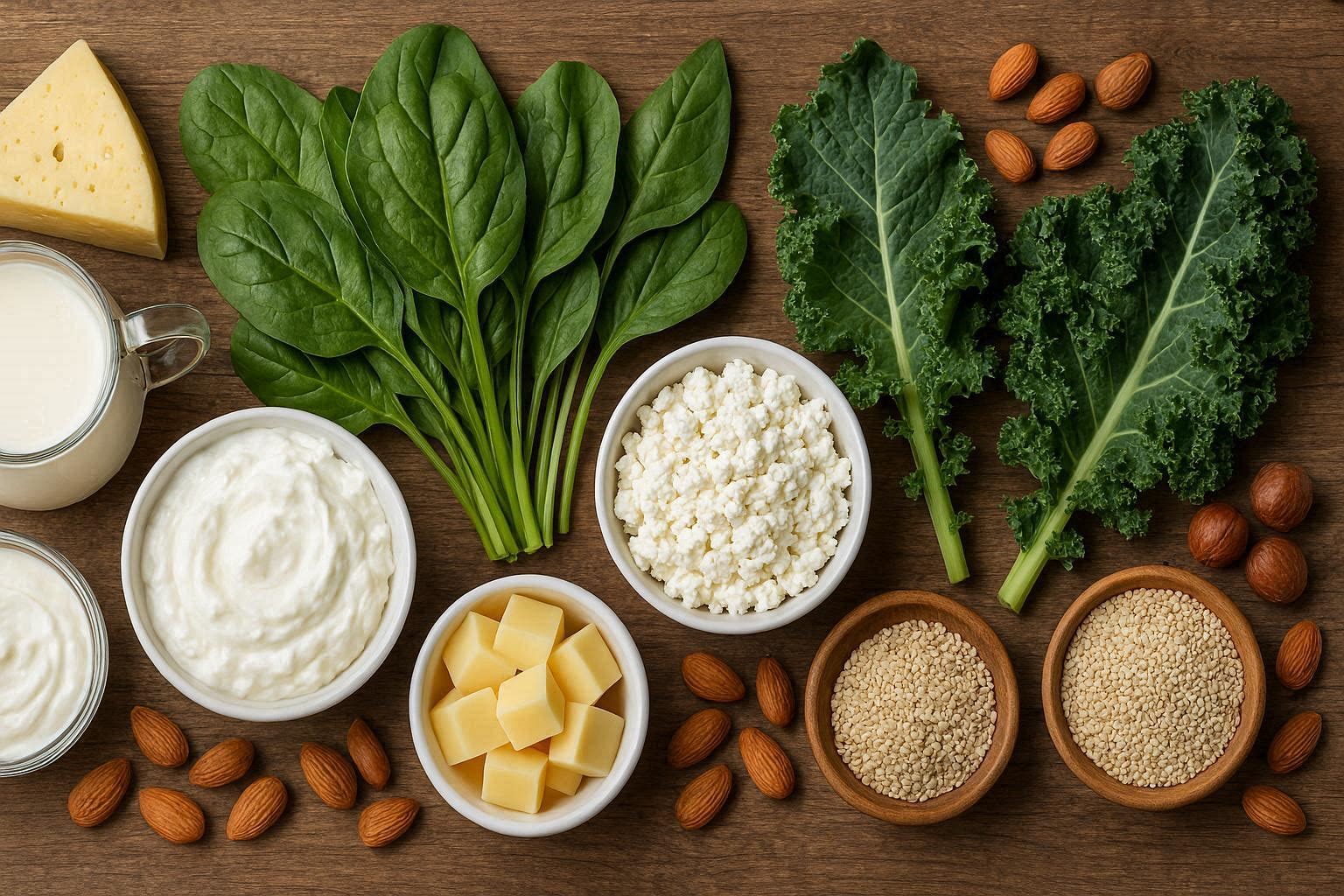
Calcium-rich foods are fundamental for establishing and maintaining strong bone and joint health, providing essential building blocks for bone density and strength. Dairy products, such as milk and yogurt, are renowned sources of calcium, vital for every organ in the body, especially bones.
Leafy greens like spinach and kale also offer significant amounts of calcium, along with other essential nutrients that support skeletal integrity. Sesame seeds, though small, are nutrient-dense powerhouses providing not only calcium but also magnesium, which further aids in calcium absorption.
Incorporating these healthy foods ensures a consistent supply of calcium, helping to prevent bone loss, reduce the risk of osteoporosis, and support overall mobility and strength.
Vitamin D and magnesium sources
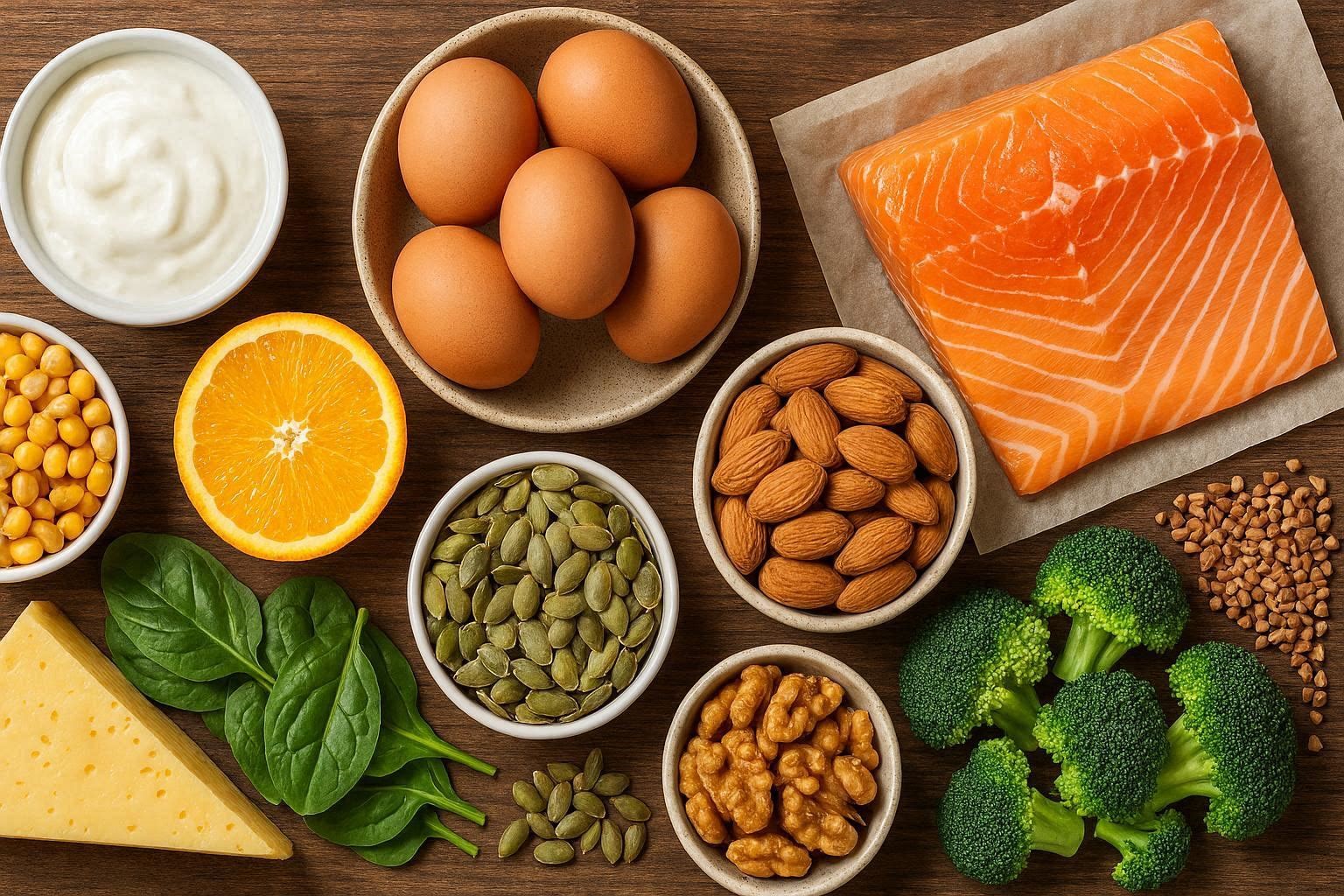
Vitamin D and magnesium are indispensable nutrients for robust bone and joint health, working synergistically with calcium to ensure strength and mobility support. Vitamin D, often synthesized through sun exposure, is also found in foods like fatty fish (e.g., salmon) and fortified dairy products, playing a critical role in calcium absorption and bone mineralization.
Magnesium, abundant in leafy greens, nuts, and whole grains, is vital for activating vitamin D and regulating calcium levels in the body, further strengthening bones and supporting healthy joint function. These essential nutrients, supplied by nutrient-dense foods, help protect organs, particularly the skeletal system, from degradation and inflammation, ensuring healthy body function and reducing the risk of conditions like osteoporosis.
Anti-inflammatory foods for joint pain reduction
Anti-inflammatory foods are incredibly beneficial for reducing joint pain and supporting overall bone and joint health, enhancing mobility and comfort. Omega-3 fatty acids, richly found in salmon and chia seeds, are potent anti-inflammatory agents that help reduce inflammation in the joints, alleviating stiffness and discomfort.
Turmeric, a powerful spice, contains curcumin, which has significant anti-inflammatory properties that can mitigate joint pain and swelling. Leafy greens and other antioxidant-rich foods help protect joint tissues from oxidative stress and and damage.
By incorporating these healthy foods, individuals can actively work to help reduce the risk of chronic joint issues, improve flexibility, and provide comprehensive strength and mobility support for their vital organs related to movement.
Immune System Foods: Strengthen Body Defense System
This section focuses on immune system foods, highlighting dietary choices that actively strengthen the body’s defense mechanisms. It explores how specific nutrients can bolster immunity.
Citrus fruits, garlic, ginger, turmeric
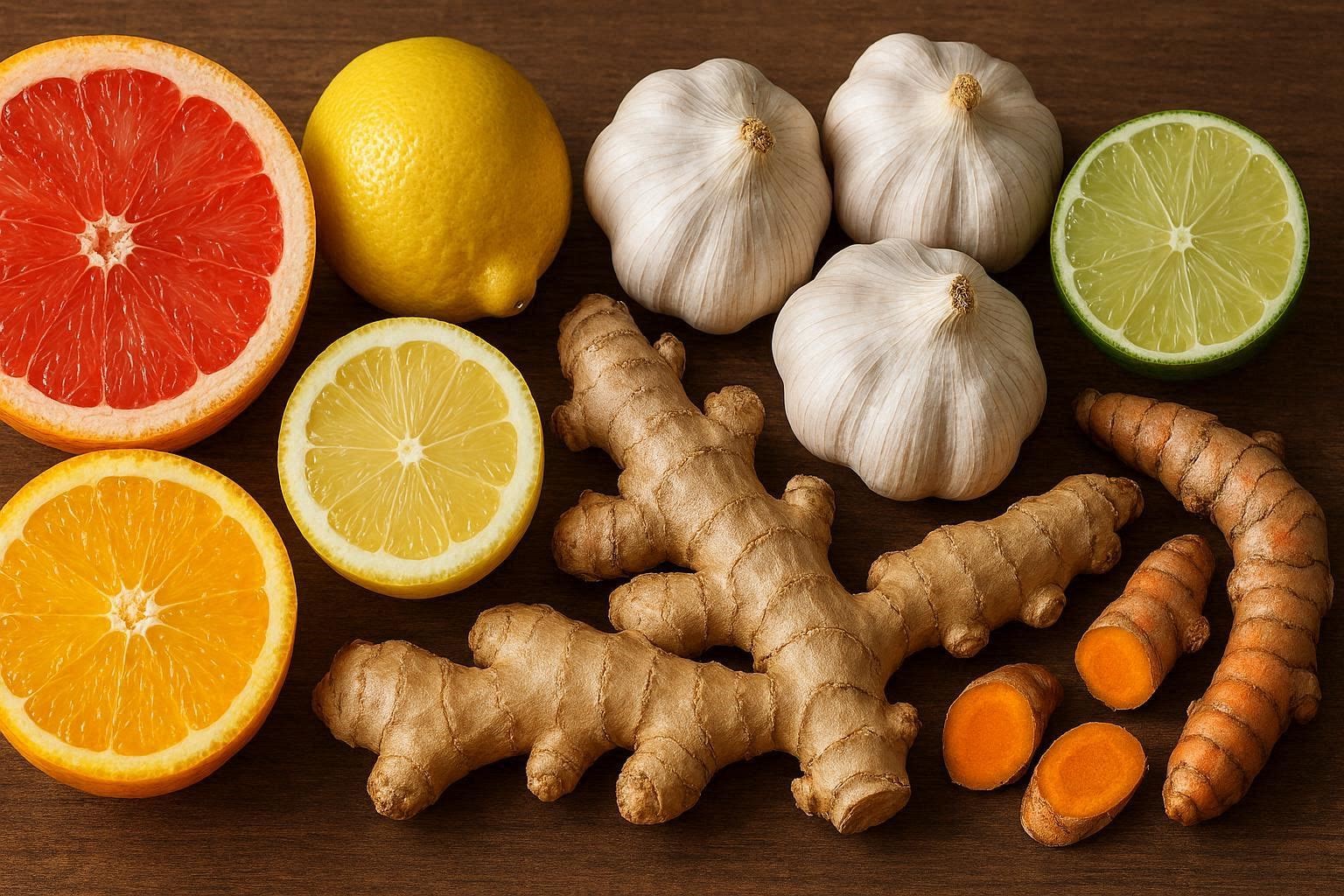
Citrus fruits, garlic, ginger, and turmeric are powerful immune system foods, each contributing significantly to strengthening the body’s defense system against infections and illnesses. Citrus fruits, rich in vitamin C, are vital for stimulating white blood cell production, which helps protect organs by fighting off pathogens.
Garlic contains sulfur-containing compounds that have potent antimicrobial and immune-boosting properties. Ginger and turmeric are renowned for their anti-inflammatory and antioxidant qualities, helping to reduce inflammation and oxidative stress, thereby supporting overall immune function.
These nutrient-dense foods are essential for maintaining robust health benefits of organ systems and ensuring every organ, particularly those involved in immunity, functions optimally.
Role of antioxidants and micronutrients in immunity
Antioxidants and micronutrients play an indispensable role in strengthening immunity, acting as critical components of the body’s defense system. Antioxidants, found abundantly in leafy greens, berries, and green tea, help protect organs by neutralizing harmful free radicals that can damage immune cells and impair their function.
Essential micronutrients, including vitamin C, vitamin D, zinc, and selenium, are vital for the proper development and function of immune cells, directly influencing the body’s ability to resist infection. By ensuring adequate nutrient absorption of these essential nutrients through nutrient-dense foods, individuals can significantly help maintain a robust immune response, bolstering the body’s overall health and resilience.
How nutrition supports infection resistance and recovery
Nutrition is a cornerstone in supporting infection resistance and accelerating recovery, providing the vital organs with the necessary resources to combat illness effectively. A diet rich in nutrient-dense foods, packed with essential nutrients like vitamin C, zinc, and omega-3 fatty acids, strengthens the immune system, making the body more resilient against pathogens.
Healthy foods such as salmon, bell peppers, and leafy greens supply antioxidants that help reduce inflammation, a key factor in both preventing and recovering from infections.
This targeted approach ensures that every organ receives optimal support, enhancing metabolic health and enabling the body to efficiently fight off invaders and repair damaged tissues, ultimately improving overall health.
Full-Day “Eat for Your Organs” Sample Meal Plan
This section provides a practical full-day sample meal plan designed to illustrate how to “Eat for Your Organs” effectively. It outlines balanced meals for comprehensive organ support.
Breakfast for brain and energy support
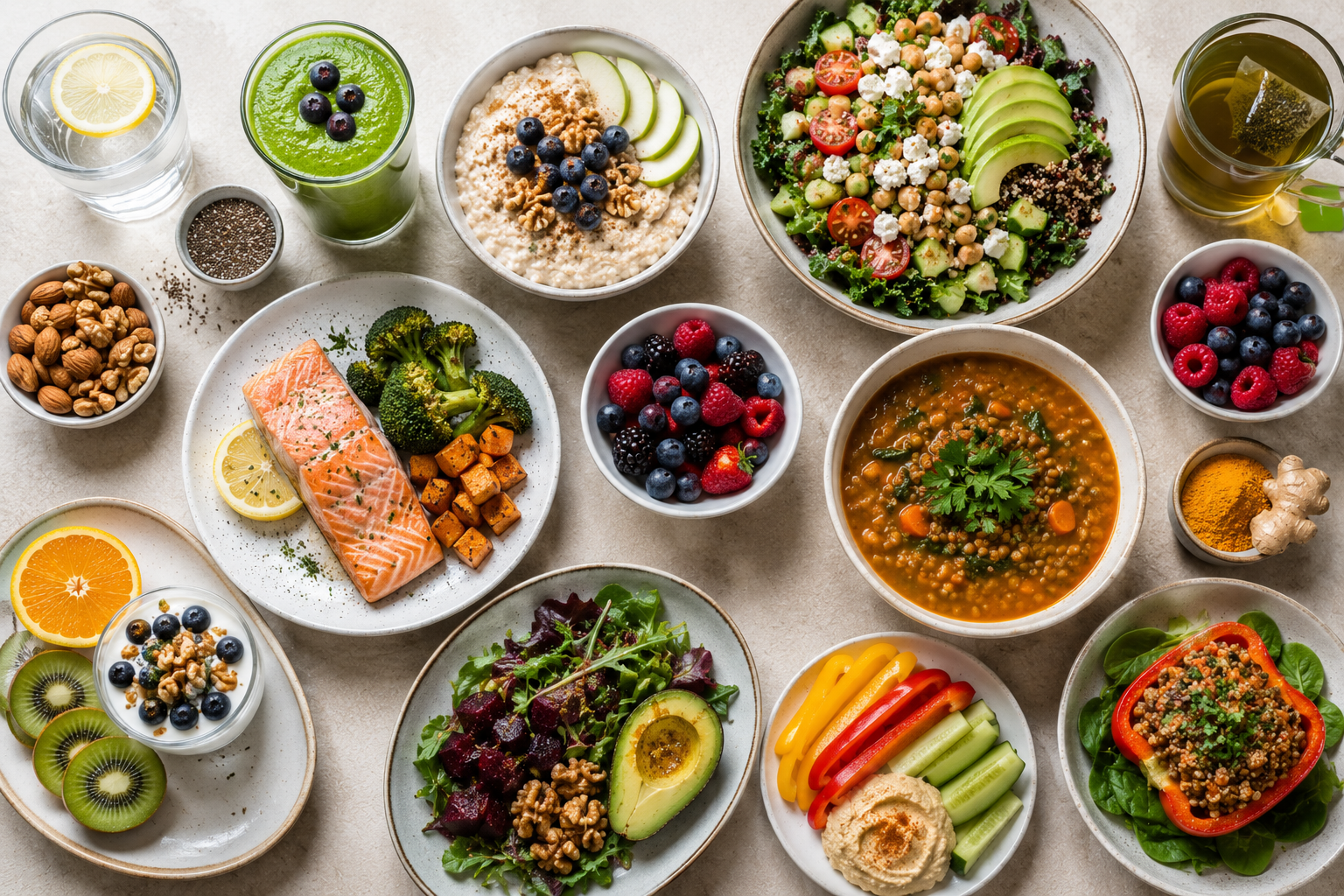
A breakfast optimized for brain and energy support typically includes nutrient-dense foods that provide sustained fuel and enhance cognitive function. Consider a bowl of oatmeal, a whole grain rich in fiber, topped with chia seeds for omega-3 fatty acids and a handful of berries for antioxidants.
This combination ensures stable blood sugar levels, preventing energy crashes, and delivers essential nutrients crucial for brain health and mental clarity. Such a meal not only invigorates the body but also helps protect organs like the brain, setting a positive tone for overall body function throughout the day.
Lunch for heart and gut health balance
For lunch, focusing on heart and gut health balance involves selecting foods that nurture cardiovascular function and promote a healthy microbiome. A large salad with leafy greens, a source of protein like salmon (rich in omega-3 fatty acids), avocado for healthy fats, and a variety of colorful vegetables ensures a comprehensive intake of essential nutrients.
Adding a dressing made with olive oil and a side of fermented food like kimchi or sauerkraut further aids digestion and bolsters gut health. This meal helps reduce the risk of heart disease and supports efficient nutrient absorption, benefiting multiple vital organs simultaneously.
Dinner for liver detox and recovery
A dinner designed for liver detox and recovery should prioritize foods that support liver function and aid in natural detoxification processes. A lean source of protein such as baked chicken or lentils, accompanied by a generous portion of cruciferous vegetables like broccoli or cauliflower, provides crucial compounds that help the liver process nutrients and toxins naturally.
Adding garlic and turmeric to the meal further enhances its detoxifying properties and reduces inflammation. This nutrient-rich meal helps protect organs like the liver, ensuring it can efficiently manage metabolic health and contribute to overall health benefits of organ systems.
Healthy snacks for skin, immunity, and hydration
Healthy snacks are essential for continuous support for skin, immunity, and hydration throughout the day, ensuring that every organ receives a steady supply of vital nutrients.
A handful of walnuts or almonds provides healthy fats and antioxidants beneficial for skin health and combating oxidative stress. Citrus fruits or bell peppers, rich in vitamin C, boost immunity and support collagen production for radiant skin.
Cucumber slices or watermelon offer excellent hydration, which is crucial for skin elasticity and overall body function. These nutrient-dense foods contribute to a natural glow, strengthen the body’s defense, and help maintain optimal hydration levels, protecting all internal organs.
Common Mistakes in Organ-Based Nutrition
This section addresses common mistakes individuals make when attempting organ-based nutrition, providing insights on how to avoid pitfalls. It emphasizes balanced approaches to dietary health.
Over-focusing on one organ instead of whole-body balance
One common mistake in organ-based nutrition is over-focusing on one organ, neglecting the interconnectedness and whole-body balance essential for optimal health. While targeted nutrition for specific vital organs like the liver or heart is beneficial, it’s crucial to remember that every organ in the body relies on a balanced intake of essential nutrients.
Prioritizing only foods for your liver, for example, without considering brain health or gut health, can lead to nutrient deficiencies elsewhere. A true nutritionist emphasizes a balanced diet that provides diverse nutrient-dense foods to help protect organs comprehensively, ensuring harmonious body function and metabolic health across all internal organs.
Relying on supplements instead of whole foods
Relying predominantly on supplements instead of whole foods is another significant mistake in organ-based nutrition, as it often overlooks the holistic health benefits of organ systems provided by nutrient-rich foods. While supplements can fill specific nutritional gaps, they rarely replicate the complex synergy of vitamins, minerals, antioxidants, and fiber found in whole foods.
Foods like salmon, leafy greens, and whole grains offer a complete package of essential nutrients that work together to support every organ, improve nutrient absorption, and maintain metabolic health. A balanced diet of healthy foods is paramount, ensuring that the body receives the broad spectrum of beneficial compounds needed to help protect organs and promote overall health.
Scientific Perspective: Does Organ-Specific Eating Really Work?
This section critically examines the scientific validity of organ-specific eating, exploring what research says about its effectiveness. It addresses both the potential benefits and limitations.
What research says about nutrient targeting and function foods
Research on nutrient targeting and function foods largely supports the concept that specific nutrients can positively influence the function of particular vital organs, making organ-specific eating a credible approach to enhancing health. Studies indicate that foods rich in omega-3 fatty acids, for instance, are crucial for brain health, while antioxidants found in leafy greens help protect organs from oxidative stress.
The science demonstrates that these essential nutrients and vitamins work to improve metabolic health, strengthen body function, and help reduce the risk of heart disease and other chronic conditions. While not a magic bullet, the evidence suggests that carefully chosen nutrient-dense foods can significantly contribute to the health benefits of organ systems.
Limitations of “healing foods” claims
Despite the promising research on nutrient targeting, it is crucial to acknowledge the limitations of broad “healing foods” claims, as no single food can cure a disease or universally heal every organ.
While nutrient-dense foods undeniably offer health benefits of organ support and help protect organs from damage, these claims often lack robust scientific backing or oversimplify complex physiological processes.
A nutritionist would emphasize that while certain foods can help reduce inflammation, improve nutrient absorption, or boost metabolic health, they work best as part of a balanced diet and healthy lifestyle, rather than as standalone remedies. Over-reliance on exaggerated claims can divert attention from proven medical treatments and holistic health practices.
How to Start Eating for Your Organs (Beginner Guide)
This beginner guide outlines practical steps for starting an “Eat for Your Organs” nutrition plan, focusing on simple, actionable advice. It aims to make organ-specific eating accessible.
Embarking on an “Eat for Your Organs” journey begins with small, consistent changes rather than drastic overhauls. Start by identifying one or two vital organs you wish to support, perhaps your gut health or heart health, and then gradually incorporate nutrient-dense foods known to benefit them.
For instance, if focusing on gut health, introduce more fermented food like yogurt or kefir, and prebiotic-rich foods like bananas and oats.
A balanced diet should still be your foundation, ensuring all internal organs receive essential nutrients and vitamins. Gradually replace processed foods with whole grains, leafy greens, and lean sources of protein to help protect organs and improve overall body function.
Conclusion: Building a Body-Friendly Nutrition Lifestyle
In conclusion, building a body-friendly nutrition lifestyle rooted in the “Eat for Your Organs” philosophy is a powerful approach to achieving lasting health and vitality. By understanding how specific nutrient-dense foods support individual vital organs—from boosting brain health with omega-3 fatty acids to aiding liver function with cruciferous vegetables—you can make informed dietary choices.
This approach goes beyond merely eating foods; it’s about providing essential nutrients and vitamins that help protect organs, enhance metabolic health, and improve nutrient absorption across every organ in the body. Embracing such a balanced diet of healthy foods reduces the risk of chronic diseases and fosters a profound connection to your body’s intricate needs, cultivating a life of sustained well-being.