



The world of finance is undergoing a seismic shift, driven by technological advancements and changing consumer behaviors. As we look ahead to 2026, it’s crucial to understand the key financial trends that will shape how individuals manage their money.
This article explores these trends, offering insights into how people are adapting to the digital age and leveraging new tools to achieve their financial goals.
The Evolution of Money Management


How digital transformation is reshaping personal finance
Digital transformation is revolutionizing personal finance, making it more accessible and efficient. Automation streamlines processes like budgeting and investing, while online platforms provide real-time insights into financial health. This shift enables individuals to make decisions and actively manage their money. This changes the financial landscape.
The rise of fintech, mobile banking, and AI-driven solutions
Fintech companies are at the forefront of innovation, offering mobile banking solutions and AI-driven tools that enhance financial planning. These technologies empower users to track cash flow, automate savings, and optimize investment decisions. AI in financial services is going to help you in managing your finance.
Why 2026 is a pivotal year for money management trends
2026 may prove to be a pivotal year as several trends converge. Increased adoption of AI, the rise of decentralized finance, and evolving consumer expectations are creating a dynamic financial environment. Understanding these key financial trends is essential for navigating the year ahead and achieving long-term financial goals.
Digital-First Money Management
Mobile banking and digital wallets as the default choice
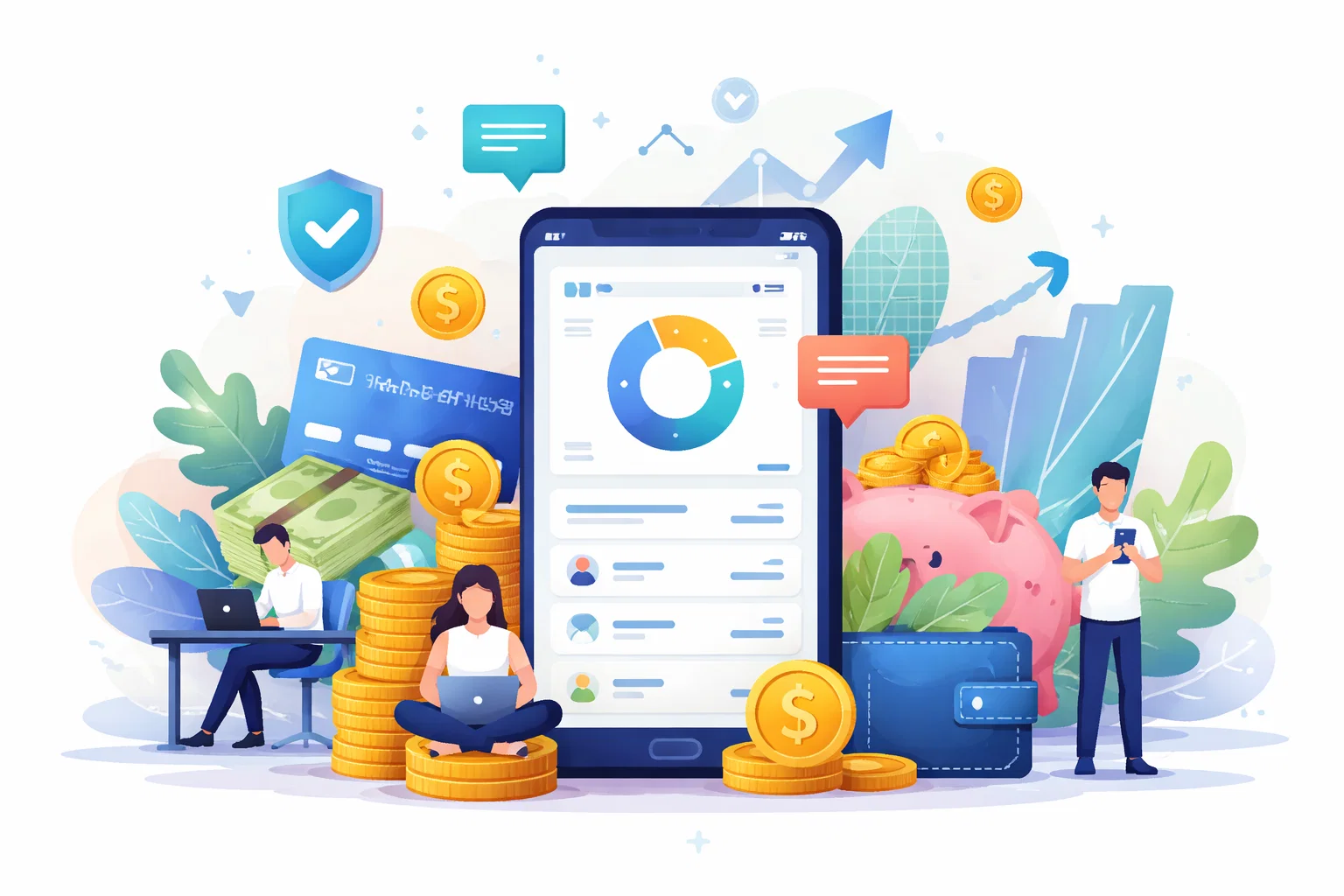
Mobile banking and digital wallets are becoming the default choice for managing money, offering convenience and accessibility. These platforms allow users to easily track transactions, pay bills, and transfer funds. This shift towards digital solutions is reshaping traditional banking and empowering consumers to take control of their financial lives.
Peer-to-peer payments and instant transactions
Peer-to-peer (P2P) payment systems are transforming how people send and receive money. Instant transactions eliminate the need for traditional banking methods, making it easier to split bills, send gifts, and conduct business. This trend is particularly popular among younger generations who prioritize speed and convenience.
Super-apps: integrating banking, payments, and investing in one platform
Super-apps are emerging as all-in-one platforms that integrate banking, payments, and investing. These apps provide a seamless user experience, allowing individuals to manage their entire financial lives in one place. This consolidation simplifies financial planning and encourages users to actively engage with their money.
Micro-Investing and Automated Wealth Building
Cashless micro-investing: turning spare change into investments
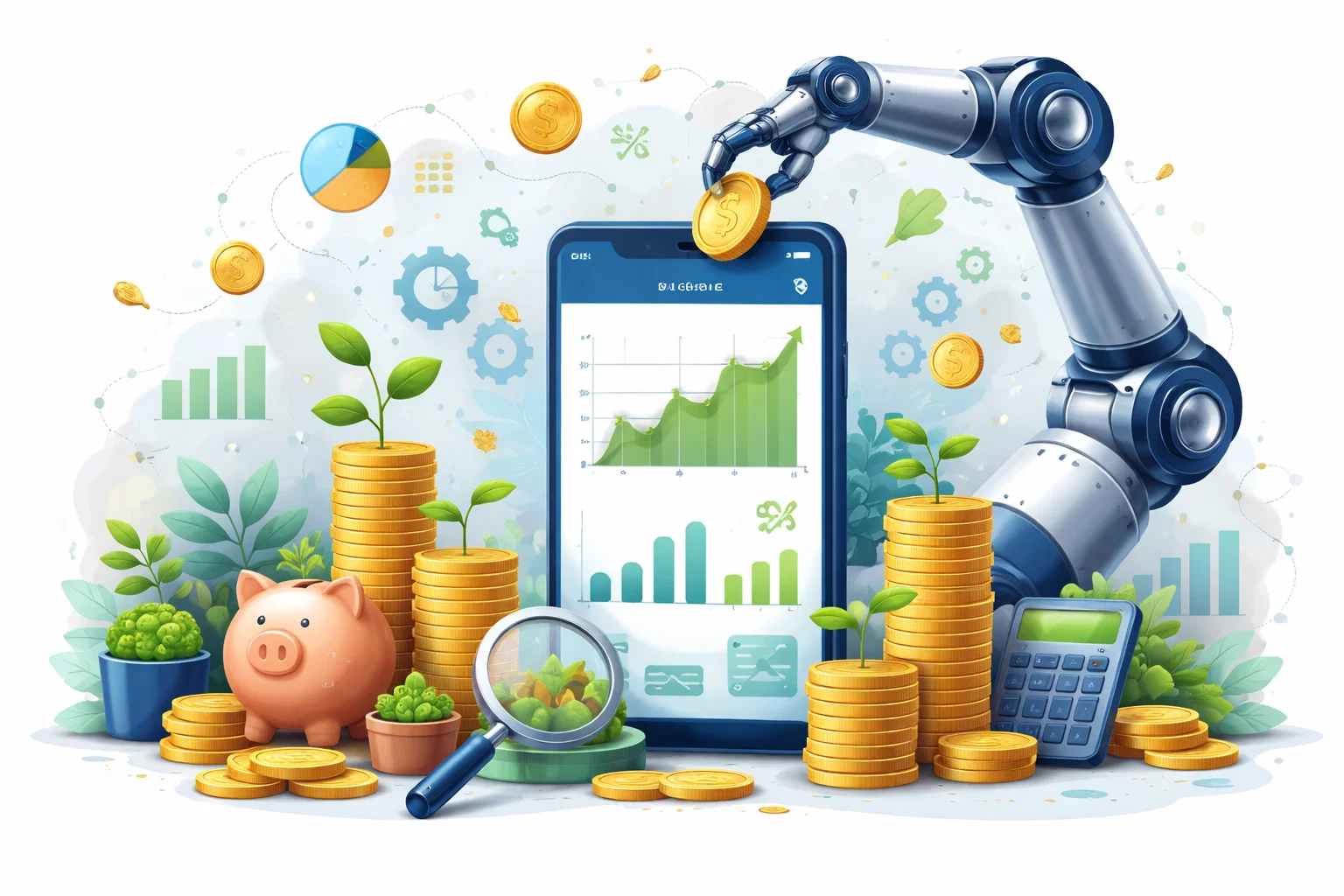
Cashless micro-investing allows individuals to invest spare change from everyday purchases. These platforms round up transactions and invest the difference, making it easy to start building a nest egg. This approach democratizes investing and encourages even those with limited funds to participate in the market.
Robo-advisors and AI-powered investment platforms
Robo-advisors use AI to provide automated investment advice and portfolio management. These platforms offer personalized recommendations based on risk tolerance and financial goals, making investing more accessible and affordable. AI-powered solutions are democratizing wealth building and empowering individuals to achieve their financial aspirations.
Fractional shares and ETFs for small-budget investors
Fractional shares and Exchange-Traded Funds (ETFs) enable small-budget investors to diversify their portfolios. Fractional shares allow individuals to purchase a portion of a single share, while ETFs offer exposure to a basket of assets. These tools empower investors to build a diversified portfolio without needing a large amount of capital.
Generational Shifts in Financial Behavior

How Gen Z and Millennials approach money differently than older generations
Gen Z and Millennials approach money management with distinct priorities compared to older generations. They prioritize digital solutions, expect personalized experiences, and are more open to alternative investments. This group tends to embrace technology. 2026 may see an increased focus on using AI for financial planning.
Values-driven spending and socially conscious investing
Values-driven spending and socially conscious investing are gaining traction, particularly among younger demographics. People are making financial decisions, and carefully aligning their spending with their beliefs. This trend influences investment decisions and also charitable giving, shaping the financial landscape. 2026 and beyond will see more of it.
The rise of side hustles and multiple income streams
The rise of side hustles and multiple income streams reflects a shift in how people approach earning money. This is a sign that the current financial landscape is changing. Many are diversifying their income to achieve financial goals, using automation to manage their financial lives. Finance professionals help ensure their success in managing money.
AI-Powered Personal Finance Tools
AI budgeting assistants and predictive spending analysis
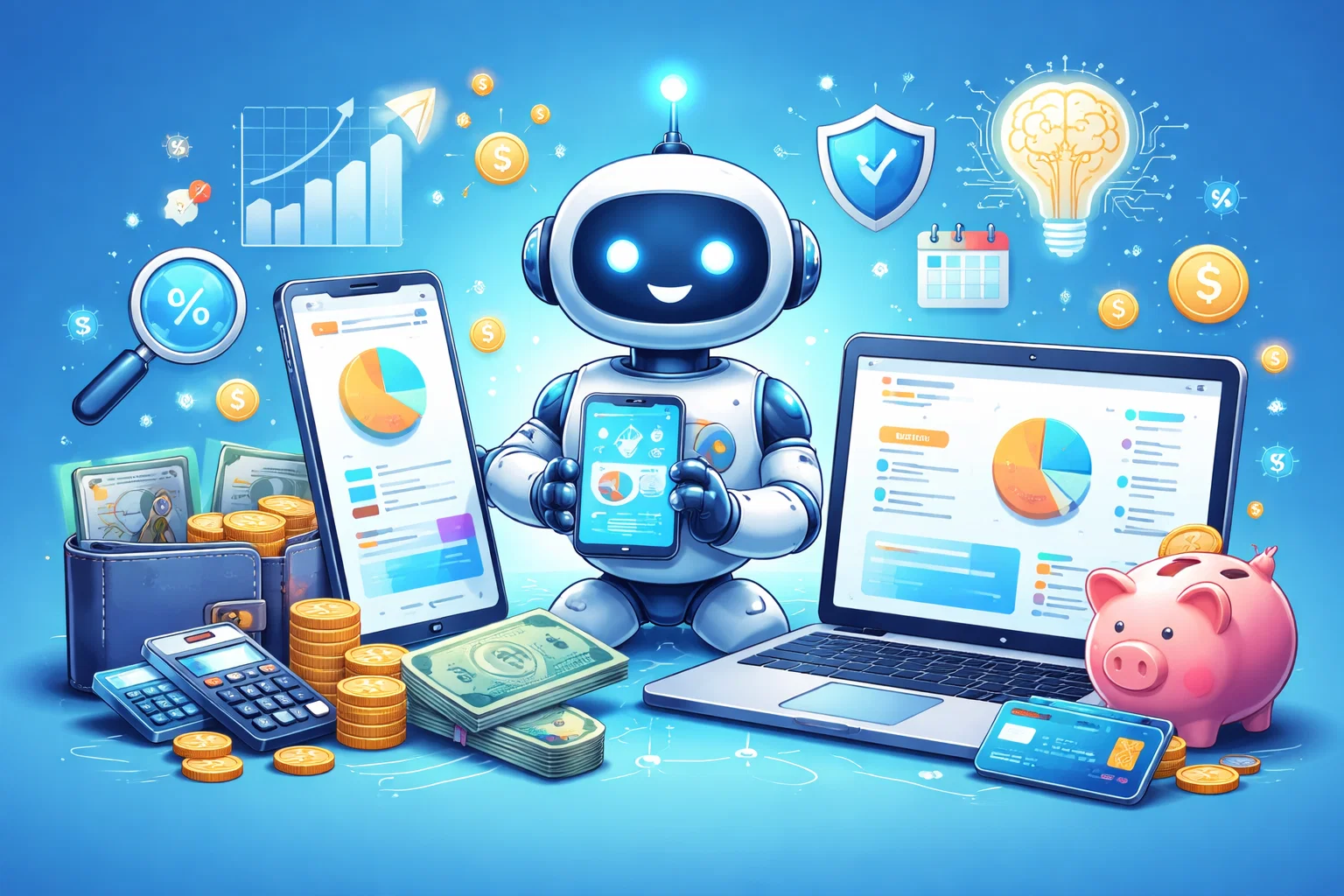
AI budgeting assistants and predictive spending analysis tools are transforming how individuals manage their cash flow. These tools use AI to analyze spending patterns and provide personalized insights, helping users make informed financial decisions. These trends to watch in 2026 can help to make a big difference.
Smart alerts and personalized financial recommendations
Smart alerts and personalized financial recommendations are becoming integral parts of financial planning. These alerts notify users of potential overspending or unusual transactions. Also, AI-driven recommendations offer tailored advice on saving, investing, and debt management. People can lose money, but these alerts help.
How AI is enabling proactive wealth management
AI is enabling proactive wealth management by automating tasks and providing real-time insights into investment performance. Robo-advisors use AI algorithms to optimize portfolios based on individual risk tolerance and financial goals. This empowers individuals to achieve long-term financial success. 2026 may see even more of it.
Outcome-Based and Subscription Financial Services
Paying for results: outcome-based pricing in finance products
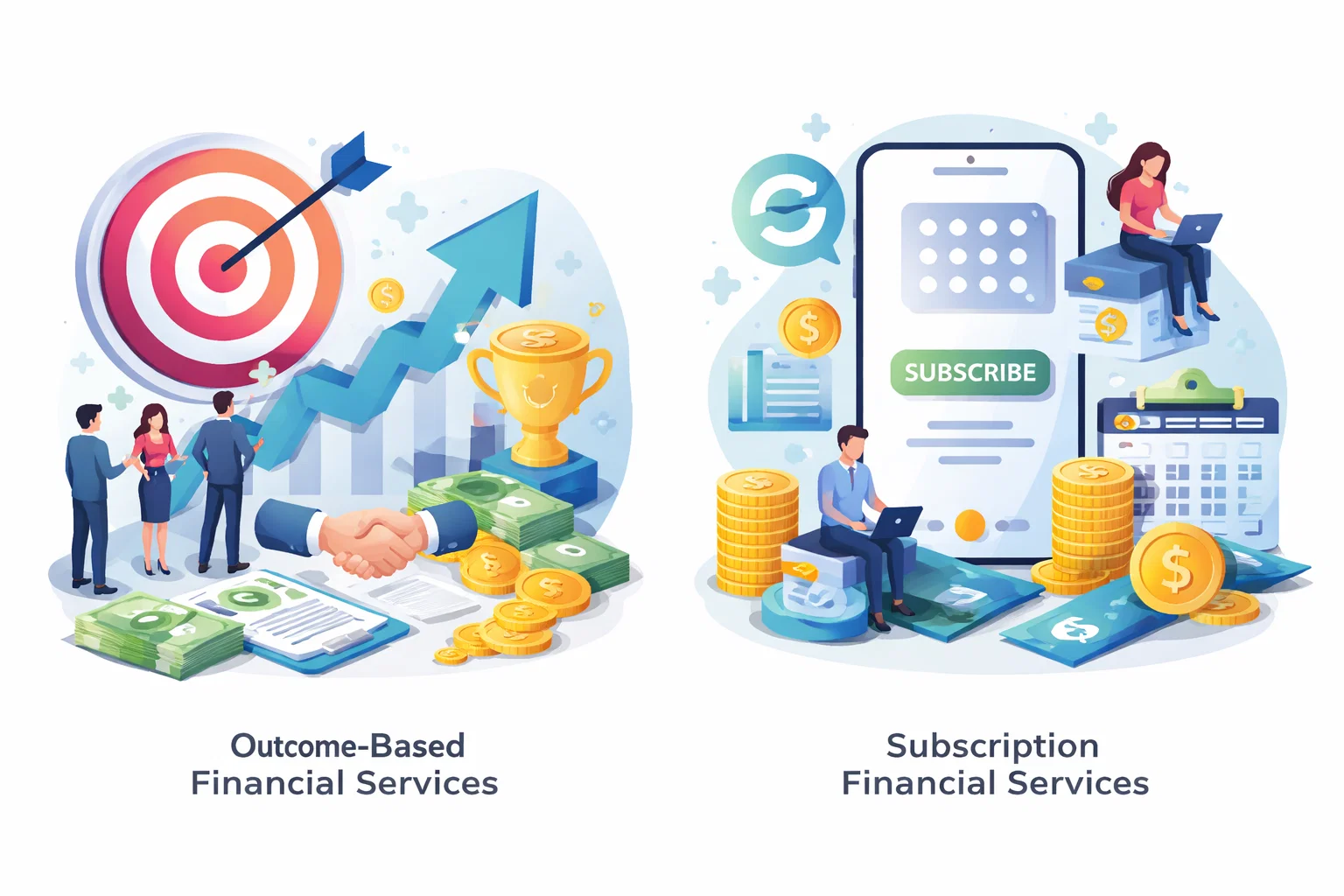
Outcome-based pricing in financial products is an emerging trend, aligning costs with tangible results. Consumers pay for services based on their ability to help them reach financial goals. This model incentivizes financial services providers to deliver value. People make decisions considering this pricing model.
Subscription-based money management tools and services
Subscription-based money management tools and services offer a convenient and affordable way to access financial expertise. For a recurring fee, users gain access to budgeting tools, investment advice, and financial planning resources. Finance teams can use these tools to help ensure everything is in order.
Risk reduction and ROI alignment through results-focused models
Results-focused models help in risk reduction and ROI alignment in finance. By prioritizing measurable outcomes, these models help in making informed decisions and help ensure that financial products deliver value. As these finance trends continue in 2026 and beyond, these may affect your borrowing.
Crypto, Digital Assets, and Alternative Investments

Mainstream adoption of cryptocurrency and stablecoins
Mainstream adoption of cryptocurrency and stablecoins is expected to continue through 2026, offering new avenues for investment and transactions. As more individuals become comfortable with digital assets, they begin to incorporate them into their financial planning. The year ahead will likely see regulations adapt to accommodate this evolving financial landscape.
Tokenized assets, NFTs, and decentralized finance (DeFi) platforms
Tokenized assets, NFTs, and decentralized finance (DeFi) platforms are gaining traction as alternative investments. These digital assets offer new opportunities for wealth creation and financial inclusion. However, volatility and regulatory uncertainty remain key challenges. This can directly impact financial health, especially for inexperienced investors.
Integration of digital and traditional financial systems
The integration of digital and traditional financial systems is critical for the long-term success of cryptocurrencies and other digital assets. Bridging the gap between these two worlds requires collaboration between fintech companies, regulators, and traditional financial institutions. 2026 may be the year ahead that sees significant strides.
Sustainability and ESG Investing Trends

Green bonds, ESG funds, and socially responsible investments
Green bonds, ESG funds, and socially responsible investments are becoming increasingly popular as investors prioritize environmental and social impact. These investment vehicles allow individuals to align their financial goals with their values. Also, these financial trends are expected to grow in the next few years.
How younger generations prioritize ethical financial decisions
Younger generations increasingly prioritize ethical financial decisions, driving demand for sustainable and socially responsible investments. They seek to align their spending and investing with their values, choosing companies and funds that demonstrate a commitment to environmental and social responsibility. This will be key in 2026.
The long-term impact of ESG-focused investing on markets
The long-term impact of ESG-focused investing on markets is expected to be significant, as it drives capital towards companies that prioritize sustainability and social responsibility. This financial trend encourages companies to improve their environmental and social performance, creating a positive feedback loop that benefits both investors and society.
Practical Financial Education in the Digital Era

Micro-learning apps and gamified financial lessons
Micro-learning apps and gamified financial lessons are emerging as effective tools for improving financial literacy. These platforms offer bite-sized content and interactive exercises that make learning about money more engaging and accessible. 2026 and beyond will see the number of these apps increase.
Peer-to-peer communities for sharing tips and strategies
Peer-to-peer communities provide platforms for sharing tips and strategies for managing money effectively. These communities foster collaboration and knowledge sharing, empowering individuals to learn from each other’s experiences. This collaborative aspect can lead to better financial choices.
How interactive and experiential learning is improving financial literacy
Interactive and experiential learning methods are transforming financial education, making it more engaging and effective. Simulations, games, and real-world scenarios provide opportunities for individuals to apply their knowledge and develop practical skills. This will ultimately enhance financial health as time passes by.
Key Challenges in Modern Money Management
Information overload and discerning credible sources
In today’s digital age, information overload presents a significant challenge for managing money. Discerning credible sources from misinformation requires careful evaluation and critical thinking.
Individuals need to prioritize reliable sources and seek advice from qualified finance professionals to help ensure sound financial decisions and avoid being misled by false information. In the year ahead, 2026 and beyond, it’s important to be careful with who you trust.
Cybersecurity, data privacy, and digital fraud risks
Cybersecurity, data privacy, and digital fraud risks are growing concerns in the realm of personal finance. As more financial transactions occur online, the risk of data breaches and identity theft increases. Individuals must take proactive steps to protect their financial health by using strong passwords, enabling two-factor authentication, and staying vigilant against phishing scams. With AI advancements, so do scams.
Balancing automation with human decision-making
While automation offers numerous benefits for managing money, striking a balance with human decision-making is crucial. AI-powered tools can streamline financial planning and investment processes, but human oversight is necessary to address complex situations and ethical considerations. Correct financial decisions require human judgement. 2026 may require you to make choices in complex situations that will require human analysis.
Future Outlook: What’s Next in Finance for 2026 and Beyond
Emerging technologies shaping money management (AI, blockchain, DeFi)
Emerging technologies such as AI, blockchain, and decentralized finance (DeFi) are poised to reshape money trends in 2026. AI can enhance financial planning through personalized recommendations and predictive analytics, while blockchain offers secure and transparent transaction processing. These advancements present both opportunities and challenges for individuals and finance teams.
The evolving expectations of consumers for speed, personalization, and transparency
Consumers are looking for speed, transparency, and personalization in their financial services. They expect instant access to information, customized financial planning, and clear explanations of fees and risks. Companies that prioritize customer experience and embrace these evolving expectations will be well-positioned to succeed in the year ahead. Watch for these financial trends to be key.
Preparing for the next wave of financial innovation and digital adoption
Preparing for the next wave of financial innovation and digital adoption requires a proactive and adaptable mindset. Individuals should stay informed about emerging trends to watch in 2026, embrace new technologies, and seek advice from finance professionals to navigate the changing financial landscape. In order to diversify and align with your financial goals, new solutions must be explored. This may even involve charitable giving.
Conclusion: Navigating Money in the Digital Age
In conclusion, navigating money in the digital age requires a blend of technological savvy, financial literacy, and ethical awareness. By understanding the key financial trends, embracing new tools, and making informed decisions, individuals can achieve their financial goals and thrive in an increasingly complex world. With the year ahead promising further changes, keep a look at the trends 2026.