


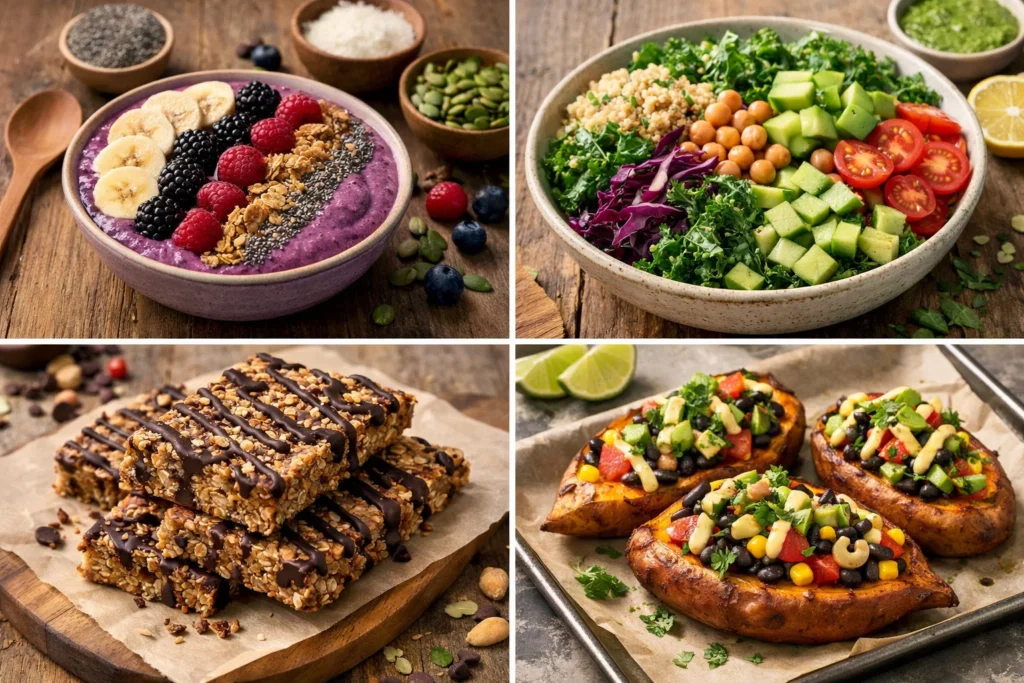
Embark on a journey to revolutionize your gut health beyond traditional smoothies. This guide dives deep into fibermaxxing, offering innovative recipes that amplify dietary fiber intake. Discover how to nourish your gut microbiome and enhance your overall wellness with fiber-rich foods, moving beyond the limitations of typical smoothie recipes.
Why Gut Health Matters in 2026

The Role of the Microbiome in Digestion, Immunity, and Mood
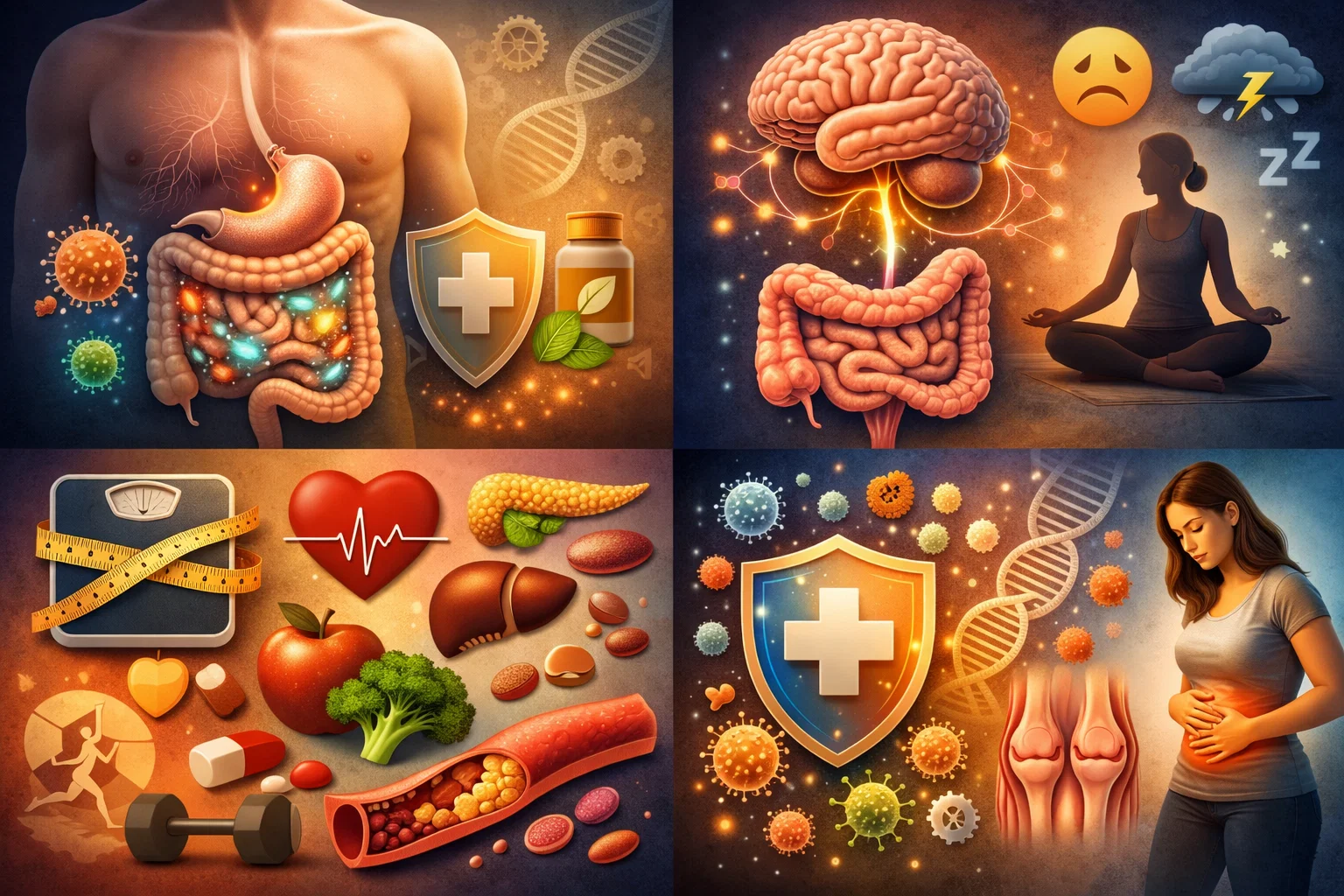
The gut microbiome plays a pivotal role in digestion, immunity, and even mood regulation. Emerging research highlights how the bacteria in your gut influence nutrient absorption and the production of essential compounds. Nurturing a balanced gut microbiome supports digestion, bolsters immunity, and stabilizes mood, underlining the connection between gut health and overall wellness.
How Fiber Supports a Healthy Gut and Overall Wellness
Fiber helps maintain a healthy gut by promoting beneficial bacteria growth. Dietary fiber intake is linked to improved digestion, reduced inflammation, and better blood sugar control. High-fiber diets support gut barrier integrity, fostering a healthy gut and enhancing overall wellness by encouraging the production of beneficial short-chain fatty acids.
Why Traditional Smoothies Aren’t Enough for Optimal Fiber Intake
While smoothies can be a convenient way to consume fruits and vegetables, traditional smoothie recipes often lack sufficient fiber. This is because they may not include enough fiber-rich foods to meet daily fiber recommendations. To optimize gut health, it’s important to supplement smoothies with additional sources of fiber like chia seeds or whole grains to increase your fiber intake.
Understanding Fiber: Types and Benefits
Soluble Fiber: Sources and Digestive Benefits
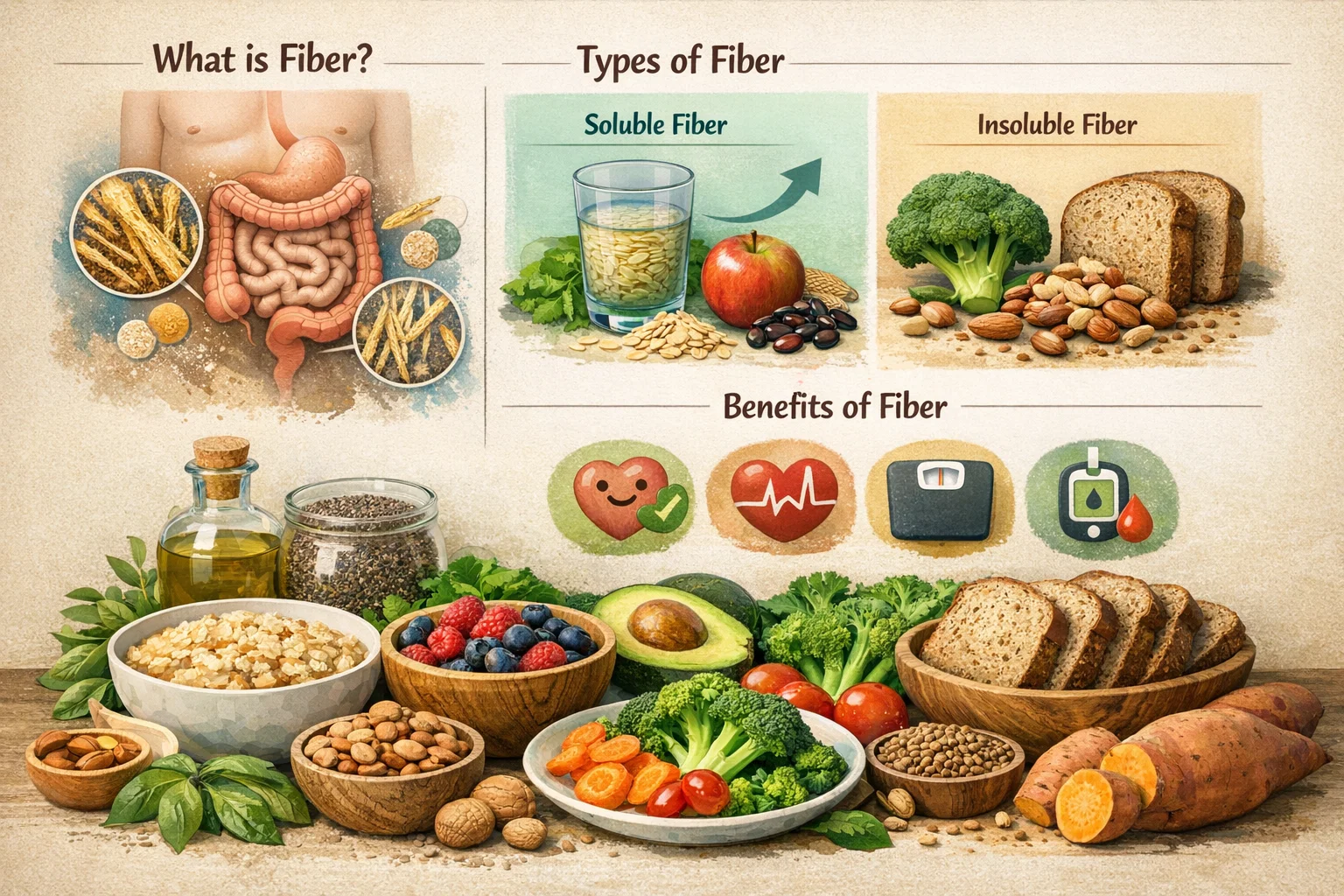
Soluble fiber dissolves in water, forming a gel-like substance that slows digestion and promotes digestive health. Sources of soluble fiber include oats, nuts, seeds, and some fruits. This type of fiber helps regulate blood sugar levels, lowers cholesterol, and nourishes beneficial gut bacteria, supporting overall gut wellness.
Insoluble Fiber: How It Supports Regularity
Insoluble fiber, unlike soluble fiber, doesn’t dissolve in water; instead, it adds bulk to stool, promoting regularity and preventing constipation. High-fiber foods like whole grains, leafy greens, and certain vegetables are excellent sources. Ensuring adequate insoluble fiber intake supports digestion and maintains a healthy digestive system.
Prebiotic Fibers: Feeding Beneficial Gut Bacteria
Prebiotic fibers nourish beneficial bacteria in your gut, fostering a healthy gut microbiome. These fibers, found in foods like legumes, some fruits, and vegetables, support the growth of gut-friendly bacteria, which produce short-chain fatty acids that benefit gut health. Incorporating prebiotic fibers is essential for maintaining a balanced and thriving gut.
How Combining Fiber Types Maximizes Gut Health
Combining soluble and insoluble fiber optimizes gut health by supporting diverse digestive functions. Soluble fiber regulates blood sugar and lowers cholesterol, while insoluble fiber promotes regularity. High-fiber foods, when consumed together, create a synergistic effect that supports digestion, fosters a healthy gut microbiome, and enhances overall wellness.
Key Ingredients for Fiber-Maxing Recipes

Whole Grains, Legumes, Nuts, and Seeds
Here’s how you can effectively incorporate fibermaxxing recipes into your diet by focusing on fundamental ingredients. These recipes often rely on whole food sources like:
- Whole grains like quinoa
- Legumes such as lentils
- Nuts and seeds, including chia seeds
These ingredients provide a substantial amount of dietary fiber, promoting digestion and supporting gut health. Incorporating these into your diet ensures you receive a diverse range of nutrients and fiber.
Leafy Greens and Fiber-Rich Vegetables
Here are some foods that are great for boosting your fiber intake. They offer significant amounts of dietary fiber, and incorporating them into recipes can significantly enhance digestion and support a healthy gut. Specifically, consider including:
- Leafy greens like spinach and kale
- Fiber-rich vegetables like broccoli
Fruits Beyond the Usual: Berries, Kiwi, and Apples
Here are some excellent choices for enhancing fiber intake, moving beyond the fruits typically found in smoothies:
- Berries
- Kiwi
- Apples
These fruits are not only delicious but also packed with dietary fiber that supports gut health. Incorporating a variety of these fruits can significantly boost the fiber content of your meals and snacks.
Fermented Foods: Yogurt, Kefir, Kimchi, and Miso
Fermented foods like yogurt, kefir, kimchi, and miso are beneficial additions to fibermaxxing recipes due to their probiotic content. These foods support gut health by introducing beneficial bacteria to your digestive system. Pairing them with fiber-rich ingredients enhances digestion and promotes a balanced gut microbiome.
Herbs, Spices, and Flavor Boosters That Aid Digestion
Incorporating herbs, spices, and natural flavor boosters can significantly aid digestion and enhance gut health. Ingredients like ginger, turmeric, and peppermint have properties that reduce inflammation and soothe the digestive system. Including these in your recipes not only enhances flavor but also supports optimal digestion.
Creative Fiber-Maxing Recipe Ideas Beyond Smoothies
Fiber-Packed Breakfast Bowls and Overnight Oats
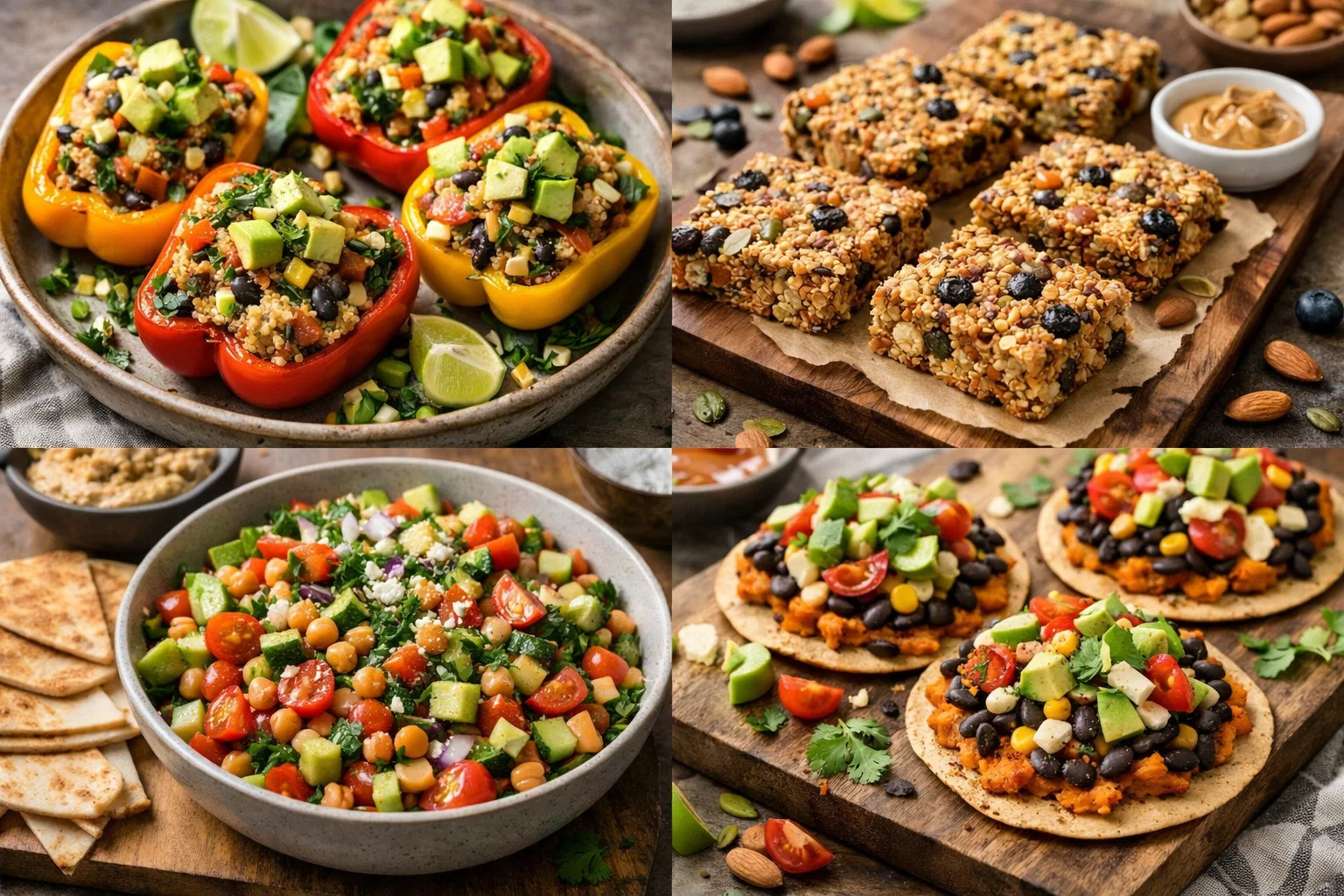
Start your day with fiber-packed breakfast bowls or overnight oats to boost fiber intake. Incorporate high-fiber foods like oats, chia seeds, and berries. These options not only provide sustained energy but also support digestion and gut health. Add nuts and seeds for extra crunch and a nutrient boost, making it a perfect start.
Gut-Friendly Lunch Bowls: Grains, Veggies, and Proteins
Create gut-friendly lunch bowls with a base of whole grains like quinoa, fiber-rich vegetables such as broccoli, and a source of lean protein. This combination supports digestion and helps balance blood sugar levels. Incorporate legumes like lentils for an added fiber boost and to nourish gut bacteria.
High-Fiber Snacks and Energy Bites
Snack smart with high-fiber snacks and energy bites that keep you feeling full and satisfied. Combine nuts and seeds with dried fruits and oats for a quick and easy fiber boost. These snacks not only curb cravings but also support digestion and gut health. They are perfect for on-the-go lifestyles, supporting daily fiber needs.
Dinner Ideas: Fiber-Rich Soups, Stews, and Veggie Dishes
Elevate your dinner with fiber-rich soups, stews, and veggie dishes. Incorporate legumes, leafy greens, and a variety of vegetables for a substantial fiber intake. These meals support digestion, reduce inflammation, and nourish gut bacteria. They make for hearty and healthy options, promoting overall gut health.
Smoothie Upgrades: Adding Fiber, Prebiotics, and Texture
Transform your smoothie into a fiber powerhouse by adding extra fiber, prebiotics, and texture. Mix in chia seeds, flaxseeds, or oat bran to increase the fiber content. Include prebiotic-rich foods like bananas or a scoop of prebiotic powder to nourish gut bacteria, promoting digestion and improving overall smoothie benefits.
Combining Fiber with Protein and Healthy Fats
How Balanced Meals Support Satiety and Blood Sugar
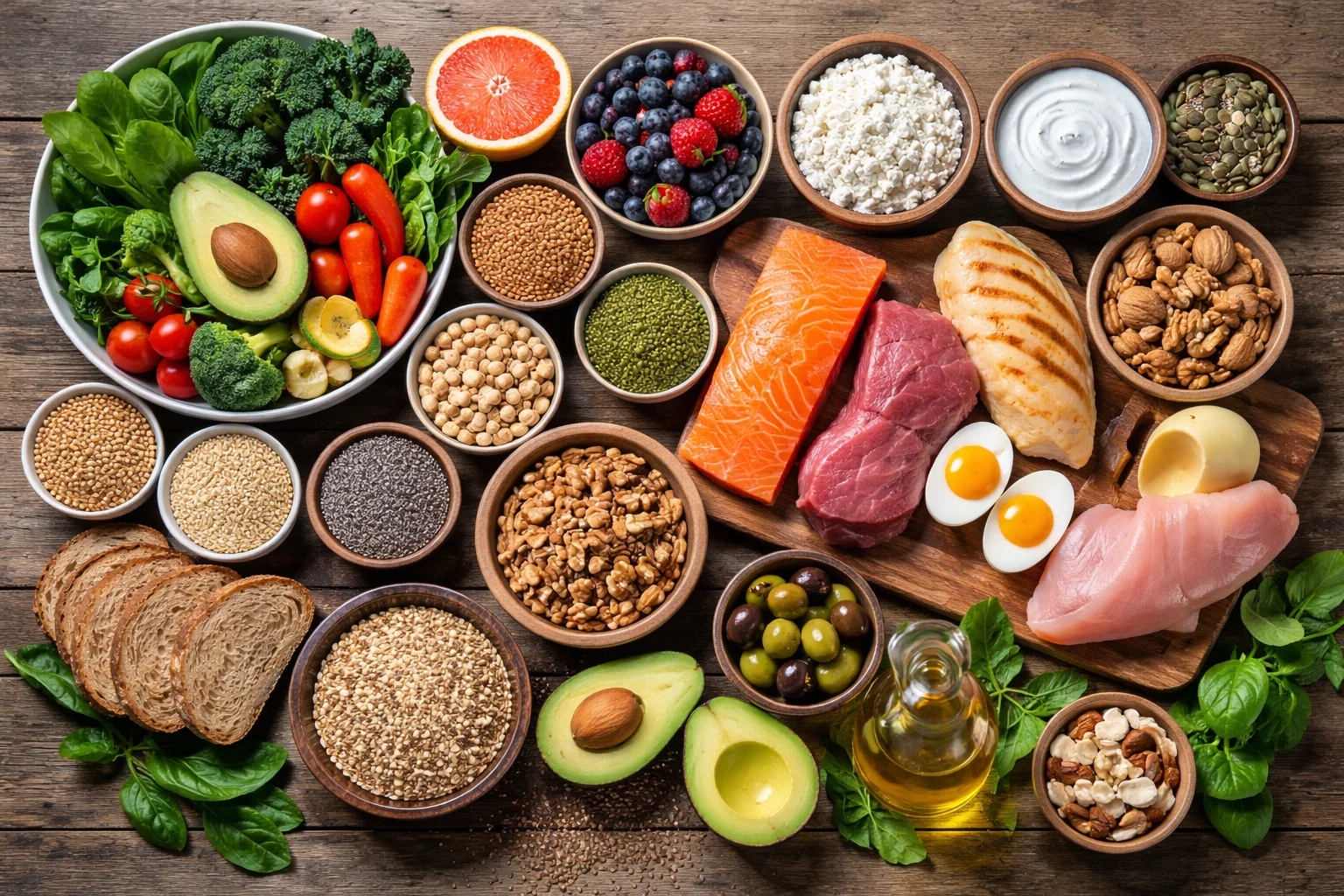
Balanced meals combining fiber with protein and healthy fats support satiety and stabilize blood sugar levels. Dietary fiber intake slows digestion, preventing rapid spikes in blood sugar, while protein and fats enhance feelings of fullness. This combination is crucial for maintaining consistent energy and supporting long-term gut health and wellness.
Pairing Ingredients for Maximum Gut Benefits
Maximize gut benefits by pairing ingredients strategically. Combine soluble fiber like oats with insoluble fiber from leafy greens to support diverse digestive functions. Add fermented foods like yogurt to introduce beneficial bacteria and enhance gut health. Pairing these types of fiber optimizes nutrient absorption and promotes a balanced gut microbiome.
Simple Rules for Nutritionally Complete Fiber-Maxed Meals
Follow simple rules to create nutritionally complete fibermaxxing meals. Ensure each meal includes a source of high-fiber carbohydrates, lean protein, and healthy fats. Focus on whole food sources like whole grains, legumes, nuts, and seeds. This approach supports digestion, stabilizes blood sugar, and nourishes gut bacteria for optimal gut health.
Daily and Weekly Tips for Gut-Friendly Meal Planning
Incorporating Variety for a Diverse Microbiome
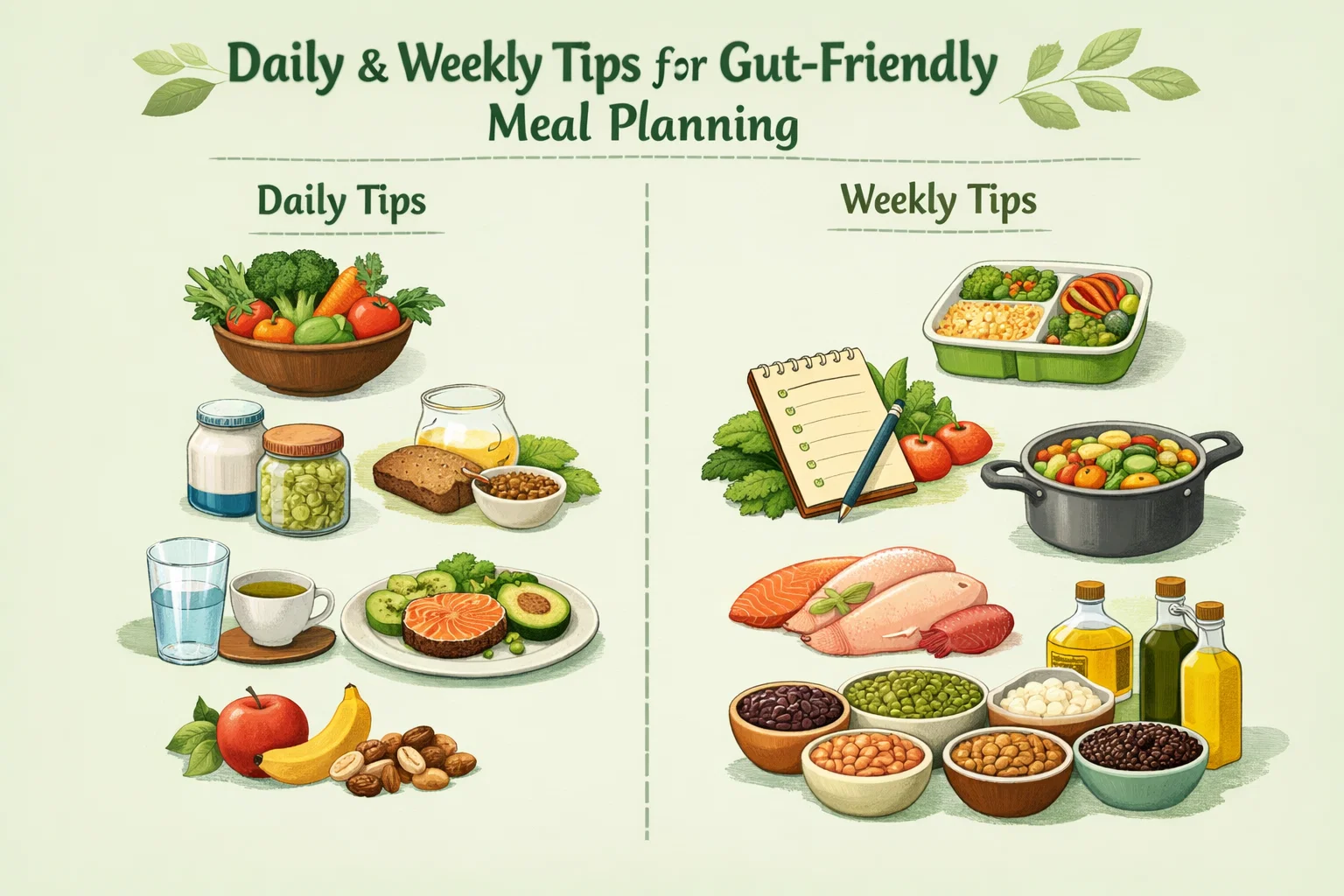
Incorporate a wide variety of fiber-rich foods to promote a diverse gut microbiome. Different types of fiber feed different gut bacteria, enhancing gut health. Include various fruits, vegetables, whole grains, and legumes. This dietary diversity supports a balanced and thriving gut ecosystem, supporting digestion and overall wellness.
Prep and Storage Tips for Busy Lifestyles
Make gut-friendly eating easier with effective prep and storage tips for busy lifestyles. Prepare high-fiber ingredients like quinoa or lentils in advance and store them for quick meal assembly. Portion snacks like nuts and seeds into individual containers for on-the-go convenience, ensuring consistent dietary fiber intake.
Mindful Eating Practices That Improve Digestion
Improve digestion and gut health through mindful eating practices. Eat slowly, chew thoroughly, and pay attention to your body’s hunger and fullness cues. Avoid distractions like screens during meals to enhance digestion and promote better gut health. Mindful eating also reduces bloating and supports a balanced digestive system.
Common Mistakes to Avoid in Fiber-Maxing Recipes
Overloading Fiber Without Gradual Increase
One common mistake in fibermaxxing is overloading on fiber without a gradual increase. Suddenly increasing dietary fiber intake can lead to digestive discomfort, bloating, and gas. It’s important to slowly increase your fiber intake to allow your gut bacteria and digestive system to adjust. Start with small additions of high-fiber foods and gradually increase your fiber per day.
Ignoring Hydration and Its Role in Digestive Health
Ignoring hydration is a critical oversight when increasing dietary fiber. Fiber absorbs water, and without adequate hydration, it can lead to constipation and digestive issues. Drink plenty of water throughout the day to support digestion and ensure that fiber moves smoothly through your digestive system. This is especially important when consuming high-fiber foods or using fiber supplements.
Neglecting Food Pairings and Digestive Balance
Neglecting food pairings and digestive balance can hinder the benefits of a high-fiber diet. Combining fiber-rich foods with balanced portions of protein and healthy fats is crucial for optimal digestion. In addition, pairing soluble and insoluble fiber sources together can maximize gut health benefits. Consider the overall balance of your meals to support your digestive health.
The Long-Term Benefits of Fiber-Maxing Beyond Smoothies
Improved Digestion and Regularity
The long-term benefits of fibermaxxing extend to improved digestion and regularity. High-fiber diets promote regular bowel movements and prevent constipation. Fiber helps maintain a healthy digestive system by adding bulk to stool and supporting beneficial gut bacteria. Enjoying fiber-rich foods regularly can enhance your digestive wellness for years to come.
Stronger Immunity and Reduced Inflammation
Fibermaxxing contributes to stronger immunity and reduced inflammation. The gut microbiome, nourished by dietary fiber, plays a key role in immune function. Short-chain fatty acids produced by gut bacteria help reduce inflammation and support gut barrier integrity. Consuming fiber-rich foods supports a healthy gut and a robust immune system.
Better Weight Management and Energy Levels
Better weight management and sustained energy levels are notable benefits of fibermaxxing. Fiber-rich foods promote satiety, helping to control appetite and reduce overall calorie intake. Stabilized blood sugar levels, achieved through fiber intake, prevent energy crashes and maintain consistent energy throughout the day. This makes high-fiber foods a key component of a balanced diet.
Supporting Mental Clarity and Mood Through Gut Health
Supporting mental clarity and mood through gut health is another long-term advantage of fibermaxxing. Emerging research highlights the gut-brain connection, showing how gut health influences mental well-being. A healthy gut microbiome supports the production of neurotransmitters that affect mood and cognitive function. Nourishing your gut with fiber-rich foods can positively impact your mental health.
Final Thoughts: Transform Your Gut Health in 2026
In conclusion, embracing fibermaxxing beyond smoothies offers a transformative approach to gut health in 2026. By incorporating a variety of high-fiber foods, understanding different fiber types, and practicing mindful eating, you can significantly enhance your digestion, immunity, and overall wellness. Start today to nourish your gut and reap the numerous benefits of a fiber-rich lifestyle.