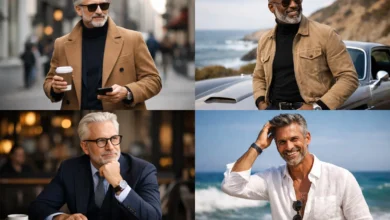
The world of fashion is a constantly evolving landscape, reflecting societal changes, technological advancements, and cultural shifts. From the elaborate garments of the Renaissance to the minimalist streetwear of today, the history of fashion tells a captivating story of human expression and innovation. Understanding the evolution of fashion allows us to appreciate its profound impact on society and anticipate the exciting directions it may take in the future.
Why Fashion Changes Matter More Than You Think
Fashion as a Mirror of Society
Fashion serves as a powerful reflection of the society that creates and embraces it. Throughout history, clothing styles have mirrored the political, economic, and social climate of the time. For instance, the restrictive corsets of the Victorian era symbolized the era’s emphasis on female modesty and social constraints.
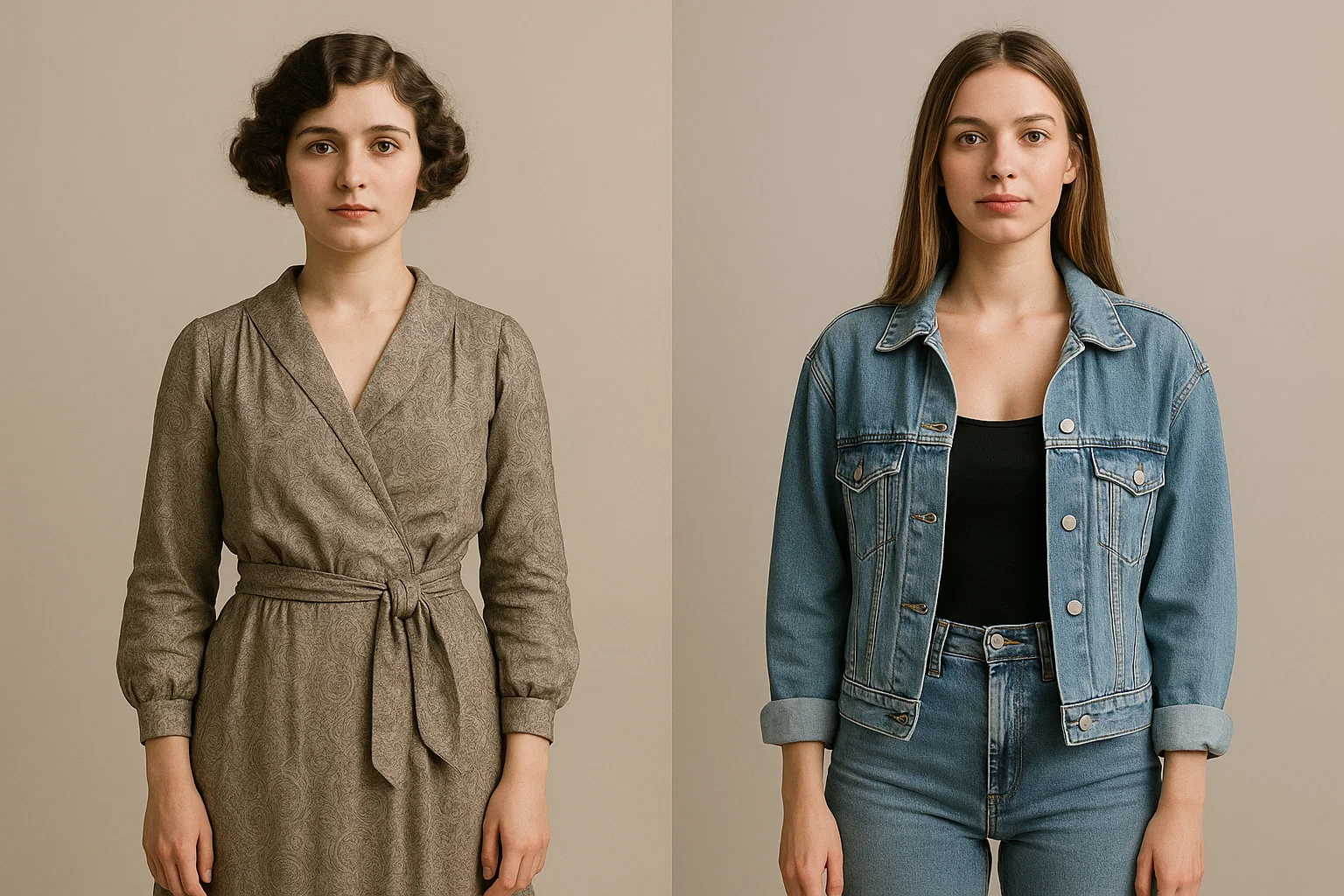
In contrast, the flapper style of the 1920s, with its shorter hemlines and looser silhouettes, reflected the newfound freedom and independence women began to experience after World War I. Fashion became a way for individuals to express their identities, challenge norms, and align themselves with certain values.
How Trends Reflect Cultural Shifts
Fashion trends throughout history are rarely arbitrary; they often reflect significant cultural shifts. Music and fashion have long been intertwined, with new fashion trends emerging from subcultures and becoming popular through musicians and artists.
Grunge fashion, for example, arose in the 1990s as a reaction against the excessive consumerism of the previous decade, embracing a more anti-establishment and individualistic aesthetic.
The rapid evolution of the fashion industry also means trends are amplified and disseminated quickly, further solidifying their influence on the cultural landscape. Therefore, analyzing fashion trends provides valuable insight into the evolving values, attitudes, and aspirations of a society.
Fashion in the Past: A Look Back Through History
Ancient to Medieval Fashion: Drapes, Tunics & Function
The history of fashion begins with practical, basic garments. Early civilizations’ clothing styles relied heavily on draped materials like linen and wool. Functionality, climate, available resources, and social standing all influenced clothing choices. We can summarize some of these early trends as follows:
| Civilization | Common Garments |
|---|---|
| Egyptians | Simple sheaths and loincloths |
| Greeks and Romans | Tunics and togas |
As societies developed, the construction and detailing of clothes also evolved. Fashion history highlights how clothes mirrored essential needs and obtainable resources, a significant difference from modern fashion’s intricate landscape.
The Renaissance & Baroque Eras: Luxury, Lace, and Class Identity
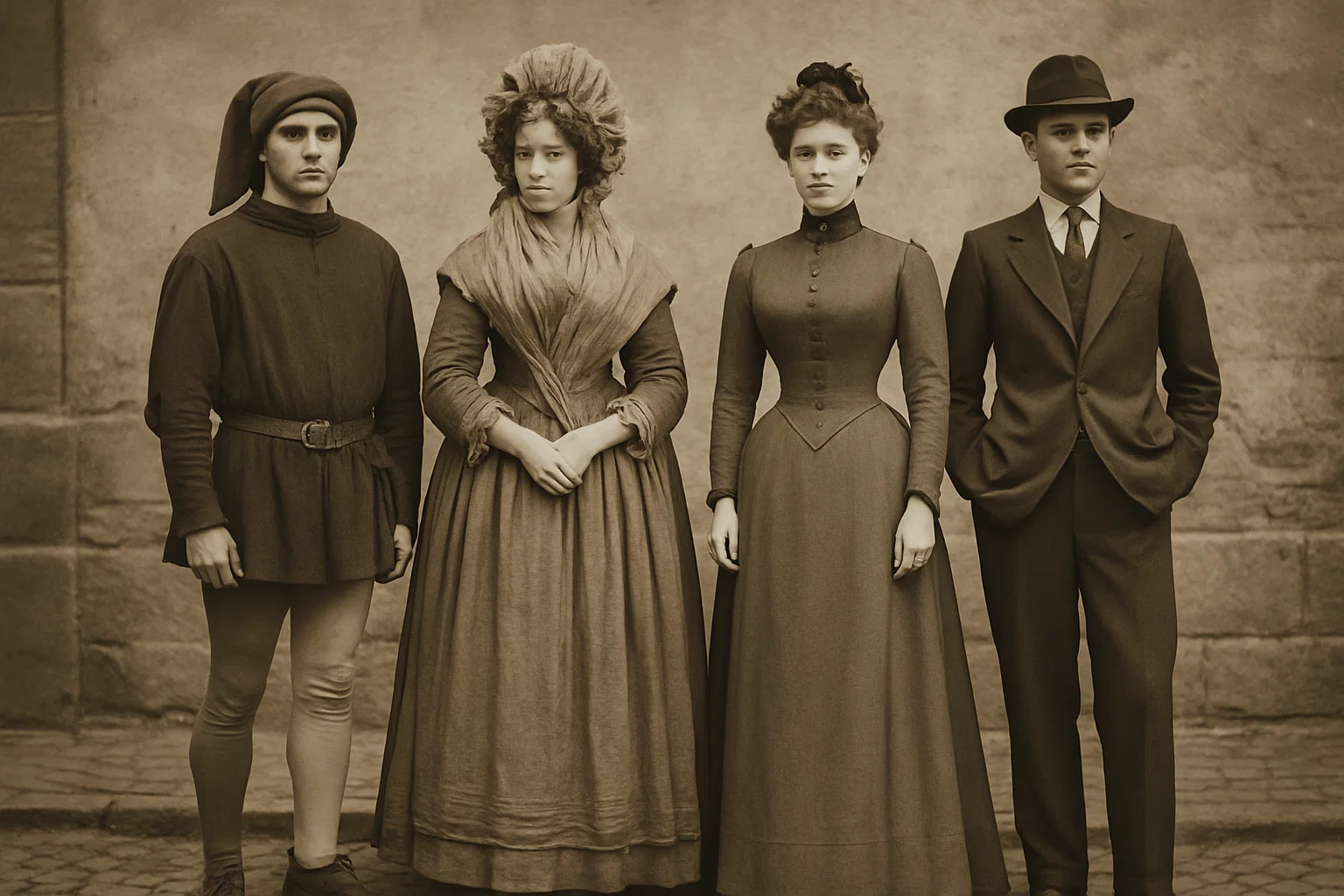
The Renaissance ushered in an era of opulence, reflected in elaborate garments adorned with rich fabrics, embroidery, and jewels. Fashion became a powerful symbol of status, with the elite showcasing their wealth through extravagant attire.
The Baroque period further emphasized luxury, with voluminous silhouettes, intricate lace, and ornate details dominating fashion design. These periods saw the rise of skilled artisans and the beginnings of the fashion industry as we know it.
This history of fashion design shows how fashion served as a visual marker of social hierarchy. The impact of the Renaissance on fashion still resonates in modern high fashion.
The 18th & 19th Century: Corsets, Crinolines, and Modesty
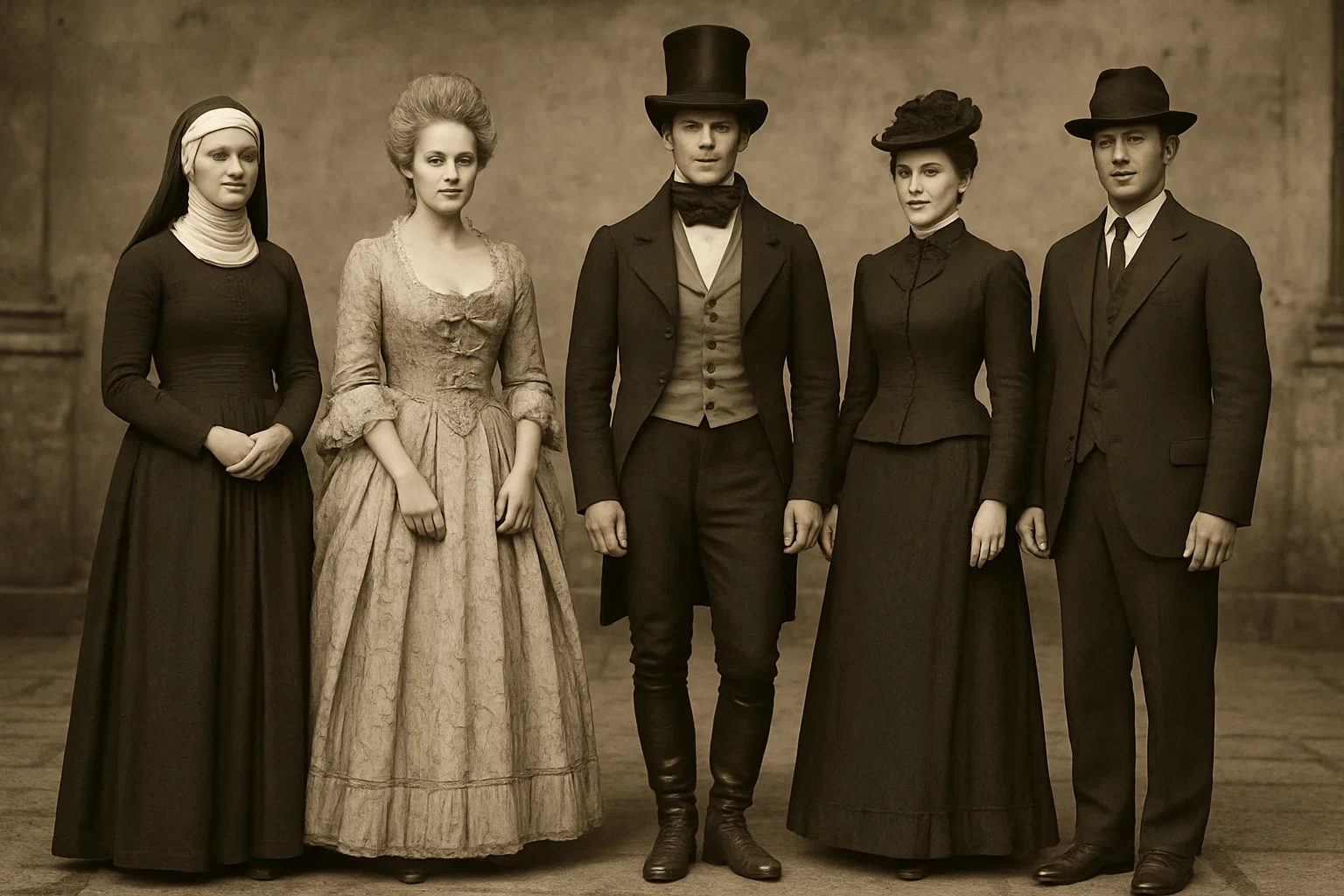
The 18th and 19th centuries were defined by structured silhouettes and strict codes of dress, particularly for women. Corsets, crinolines, and bustles shaped the female form into exaggerated hourglass figures, while modesty was paramount.
Fashion plates and magazines began to disseminate fashion trends, influencing clothing styles across social classes. While men’s attire became more streamlined, women’s fashion remained restrictive, reflecting societal expectations and gender roles.
The history of fashion is heavily influenced by fashion as we know it today. The evolution of fashion continued, though constricted by social expectations.
Early 20th Century: Revolution in Women’s Wear and Workwear
The early 20th century witnessed a radical transformation in women’s fashion. The restrictive corsets and cumbersome skirts of the previous era gave way to looser, more practical garments. World War I necessitated functional workwear for women entering the workforce, leading to simpler designs and shorter hemlines.
Designers like Coco Chanel further revolutionized women’s fashion with comfortable, elegant pieces that challenged traditional norms. The influence of these developments on fashion is undeniable, as women gained greater freedom of movement and self-expression throughout history. The rapid evolution of the fashion world had begun. This popular fashion continues to evolve.
Modern Fashion: Breaking Boundaries & Creating Identity
Post-2000s: Fast Fashion, Minimalism & Streetwear
The post-2000s era has seen the rise of several distinct fashion trends, influenced by technology and evolving consumer tastes. These trends include fast fashion, minimalism, and streetwear. Here’s a summary of some key characteristics:
| Trend | Characteristics |
|---|---|
| Fast Fashion | Inexpensive, quickly produced clothing reflecting the latest trends. |
| Minimalism | Simple designs and neutral color palettes. |
Streetwear, initially rooted in urban subcultures, has also gained mainstream popularity, impacting high fashion and blurring the boundaries between casual and luxury apparel.

Rise of Gender-Neutral and Inclusive Fashion
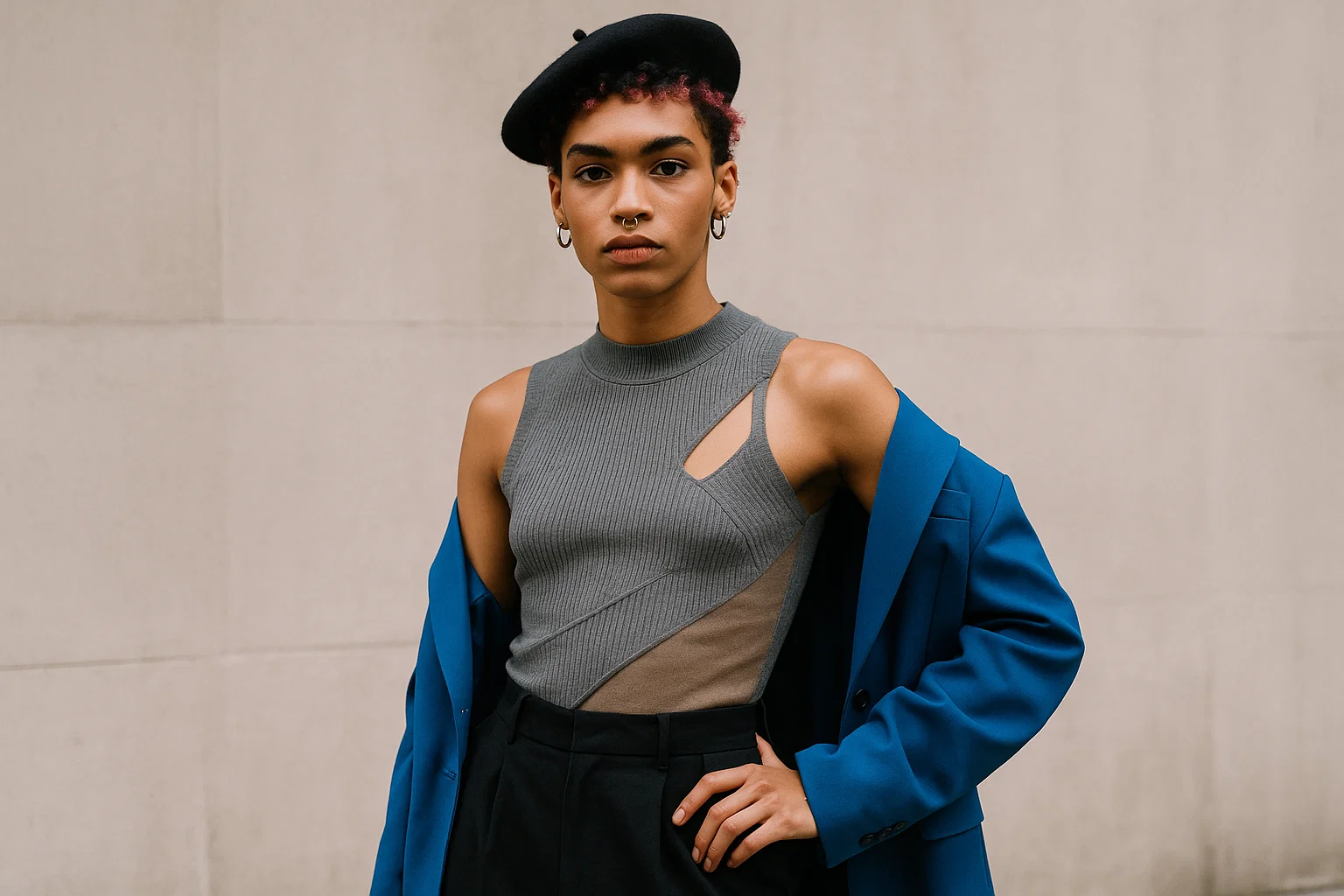
One of the most significant shifts is the increasing emphasis on gender-neutral and inclusive designs. Traditional gender norms are being challenged, with fashion designers creating clothing that transcends binary categories.
This evolution of fashion reflects a broader societal movement towards inclusivity and acceptance, with fashion brands embracing diverse body types, ethnicities, and identities in their campaigns and product offerings.
The impact of fashion can be seen on runways and in retail spaces, as androgynous silhouettes, fluid fabrics, and versatile styling options become popular. This shift promotes self-expression and individuality, encouraging individuals to embrace their unique identities through clothing styles.
Tech-Infused Style: Smart Fabrics & Digital Design
Technology is profoundly shaping fashion, giving rise to innovative materials, interactive designs, and personalized experiences. Smart fabrics embedded with sensors can monitor vital signs, regulate temperature, or even change color in response to external stimuli.
Digital fashion design tools enable designers to create intricate patterns and simulate garment behavior with unprecedented precision. The rise of virtual fashion shows and digital avatars allows brands to reach wider audiences and showcase their collections in immersive, interactive environments.
The convergence of fashion and technology opens up exciting possibilities for customization, sustainability, and enhanced functionality, pushing the boundaries of what clothing can be and do. The rapid evolution of tech-infused style in fashion will continue throughout history.
Then vs. Now: How Fashion Has Changed Over Time
Trend Cycles: Decades vs. Weeks
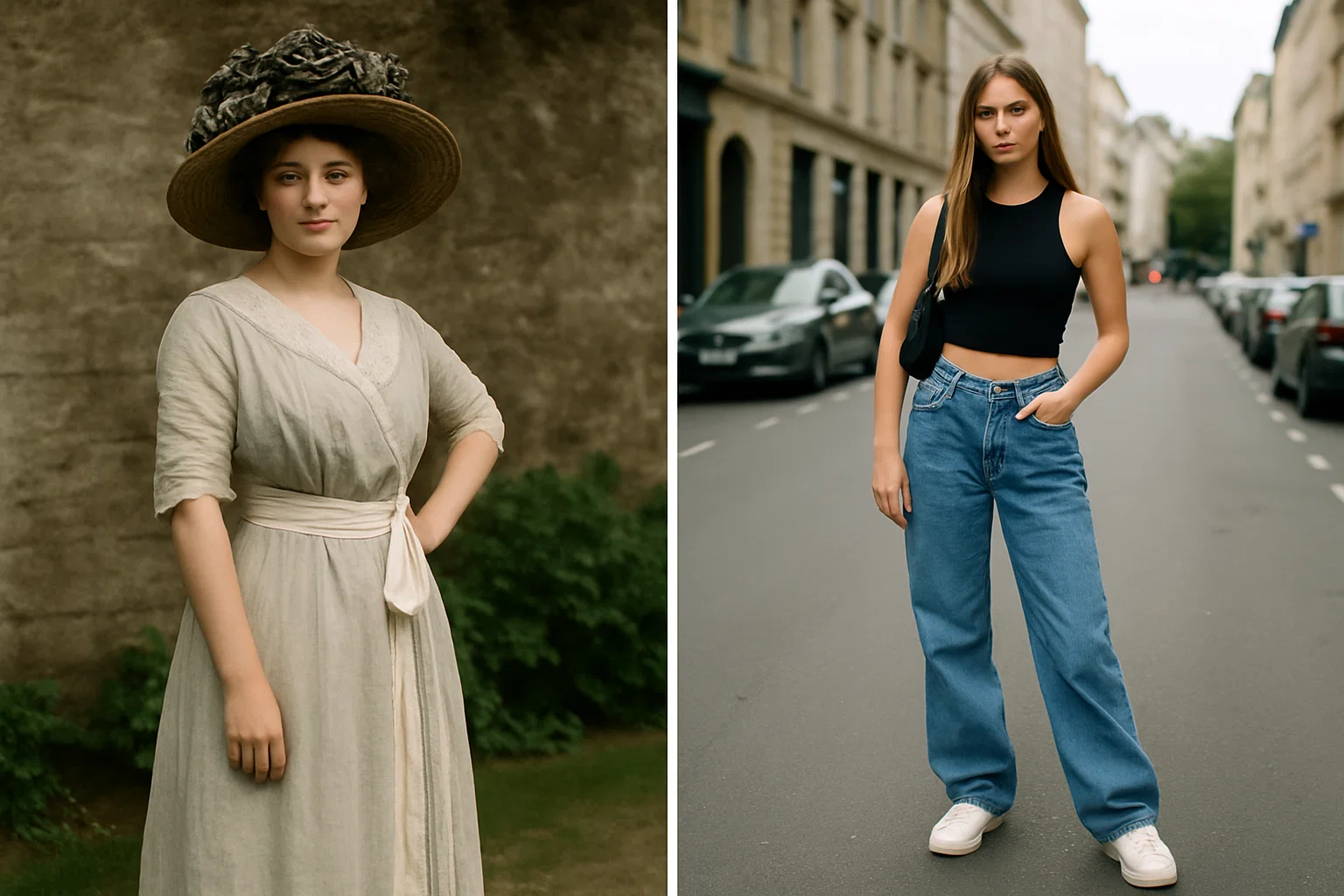
One of the most noticeable differences between fashion then and now is the accelerated pace of fashion trend cycles. In the past, trends typically lasted for several years of the decade, if not longer, allowing consumers ample time to adopt and integrate them into their wardrobes.
However, the advent of fast fashion and social media has dramatically shortened trend cycles, with new styles emerging and disappearing within weeks or even days.
This constant influx of newness can be overwhelming for consumers, contributing to a sense of disposability and fueling unsustainable consumption patterns. The impact of fashion shows how quickly trends can change.
From Tailored Pieces to Mass Production
Historically, clothing was predominantly made-to-measure or tailored to individual specifications, ensuring a perfect fit and high-quality craftsmanship. The Industrial Revolution and the rise of mass production transformed the fashion industry, making clothing more accessible and affordable but sacrificing quality and personalization.
Today, the majority of clothing is mass-produced in factories, often in developing countries, where labor costs are lower. While mass production has democratized fashion, it has also raised concerns about ethical labor practices, environmental sustainability, and the homogenization of clothing styles. The evolution of fashion has shown how clothing styles have changed throughout history.
Body Image & Beauty Standards: Then vs. Now
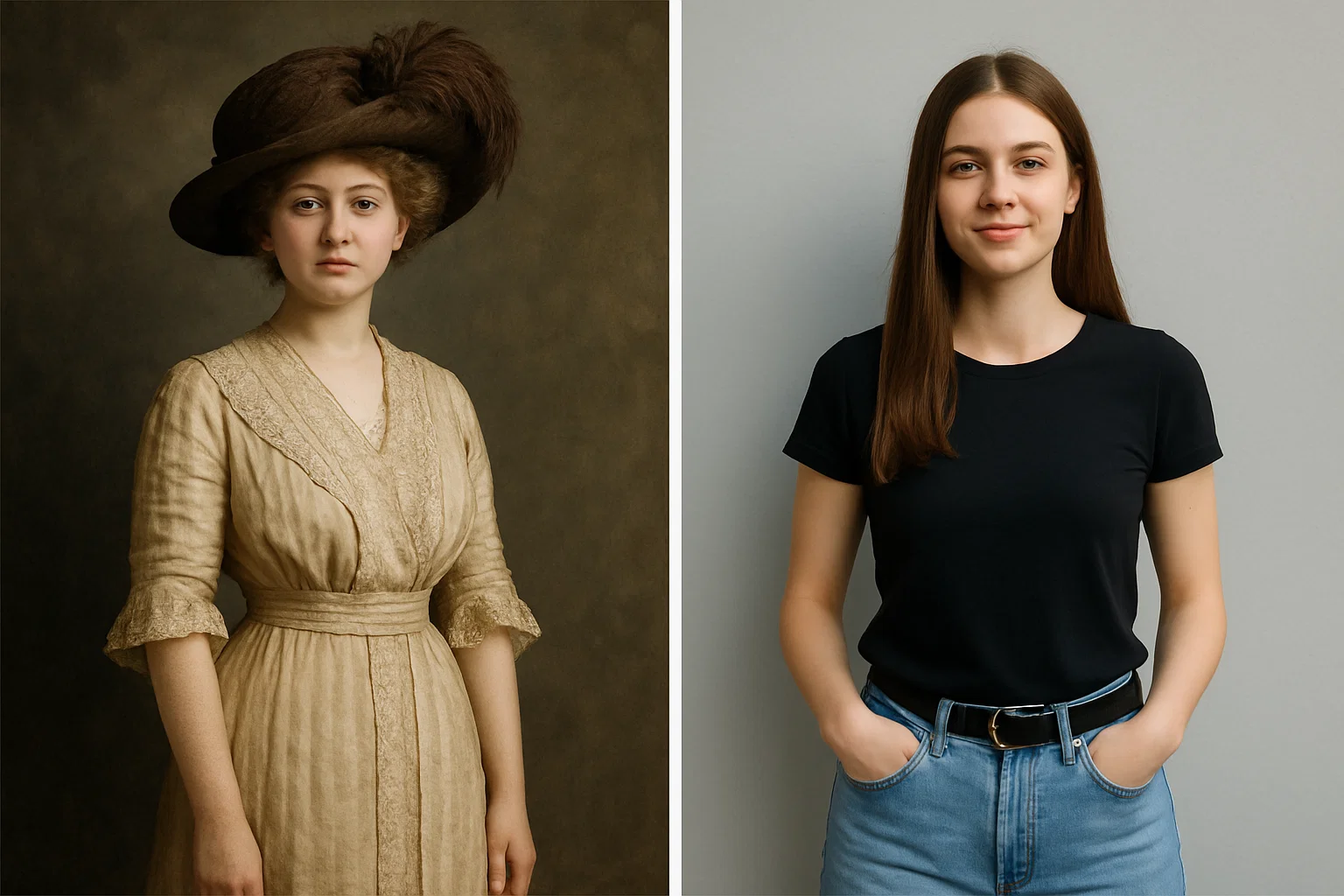
Throughout the history of fashion, the fashion industry has significantly influenced fashion, with its portrayal of idealized body types. In the past, these standards often emphasized unattainable silhouettes achieved through restrictive garments like corsets.
Today, while some progress has been made towards greater inclusivity, unrealistic beauty standards persist, perpetuated by social media and heavily filtered imagery. The pressure to conform to these standards can have detrimental effects on self-esteem and body image, particularly among young people. The impact of fashion shows how much these standards have changed.
Fashion Icons: Royalty to Influencers
Fashion icons have always played a crucial role in shaping fashion trends throughout history. In previous eras, royalty and celebrities set the standard for style, with their wardrobe choices closely followed and emulated by the public.
Today, social media influencers have emerged as a powerful force in the fashion industry, leveraging their online presence to promote brands, showcase new fashion, and inspire their followers.
While traditional fashion houses still hold considerable influence, the rise of influencers has democratized the landscape, allowing individuals with diverse backgrounds and styles to gain recognition and impact the world of fashion. Fashion has become more accessible to all.
Sustainability & Ethics: Past Assumptions vs. Present Awareness
In the past, the environmental and social impact of fashion was largely overlooked. Mass production prioritized profits over ethical labor practices and environmental responsibility. However, growing awareness has led to a surge in demand for sustainable fashion.
Consumers are increasingly seeking out brands that prioritize fair labor, eco-friendly materials, and transparent supply chains. While the fashion industry still has a long way to go, the shift towards greater sustainability and ethical consciousness represents a fundamental change in values and priorities, shaping fashion for a better future.
What’s Making Today’s Fashion More Powerful Than Ever
Social Media Influence on Style
Social media has revolutionized the fashion industry, giving individuals unprecedented access to fashion trends and influencing clothing styles on a global scale. Platforms like Instagram, TikTok, and Pinterest have become virtual runways, showcasing new fashion and allowing fashion brands to connect directly with consumers.
Fashion icons and influencers leverage their online presence to promote brands, inspire style choices, and shape the future of fashion. This democratization of fashion allows anyone with a smartphone and an internet connection to participate in the world of fashion, fostering creativity and self-expression.
DIY & Personal Branding Through Fashion
The rise of social media has also empowered individuals to embrace do-it-yourself (DIY) fashion and cultivate their personal brands through unique clothing styles. Online tutorials, platforms like Etsy, and a growing maker movement have made it easier than ever to customize clothing, create original designs, and express individuality.
Fashion has become a canvas for self-expression. Individuals use fashion to communicate their values, interests, and aspirations, curating a distinct online presence that resonates with like-minded individuals. This trend celebrates creativity and empowers individuals to challenge traditional fashion norms.
Cultural Exchange & Global Fusion Trends
Globalization and increased connectivity have fostered greater cultural exchange, leading to exciting global fusion fashion trends. Designers are drawing inspiration from diverse cultures, incorporating traditional textiles, motifs, and silhouettes into contemporary fashion design.
This cross-cultural pollination enriches the world of fashion, creating innovative and visually striking styles that celebrate diversity.
However, it’s crucial for designers to approach cultural appropriation with sensitivity and respect, ensuring that they are honoring and giving credit to the cultures that inspire them. The evolution of fashion is constantly being shaped by these influences.
Key Lessons We Can Learn From Fashion History
Timeless Trends That Always Come Back
Throughout the history of fashion, certain trends have demonstrated remarkable staying power, reappearing in various forms across decades. Classic silhouettes and iconic patterns transcend fleeting trends.
By studying the cyclical nature of fashion, designers and consumers can gain a deeper appreciation for timeless styles and make informed choices that stand the test of time. The impact of fashion can be seen when these trends reemerge.
Mistakes Fashion Keeps Repeating
Despite its ever-evolving nature, the fashion industry tends to repeat unrealistic beauty standards, unsustainable practices, and cultural appropriation. By acknowledging these past missteps, designers, brands, and consumers can work together to promote positive change.
This includes prioritizing inclusivity, embracing ethical and sustainable practices, and approaching cultural influences with respect and sensitivity. The future of fashion depends on our ability to learn from our mistakes and create a more equitable and responsible industry. The rapid evolution of fashion allows for more opportunities to improve.
Conclusion: Where Is Fashion Headed Next?
The future of fashion will be shaped by technology, consumer awareness, and sustainability/inclusivity. We can expect to see further integration of technology into clothing, with smart fabrics, personalized designs, and virtual experiences becoming popular. Consumers will demand greater transparency from fashion brands, prioritizing ethical labor practices and eco-friendly materials.
Fashion will continue to evolve as a form of self-expression, with individuals embracing unique styles and challenging traditional norms. By embracing innovation, responsibility, and inclusivity, the fashion industry can create a more positive and impactful future. Fashion has become something more than just clothing styles.