


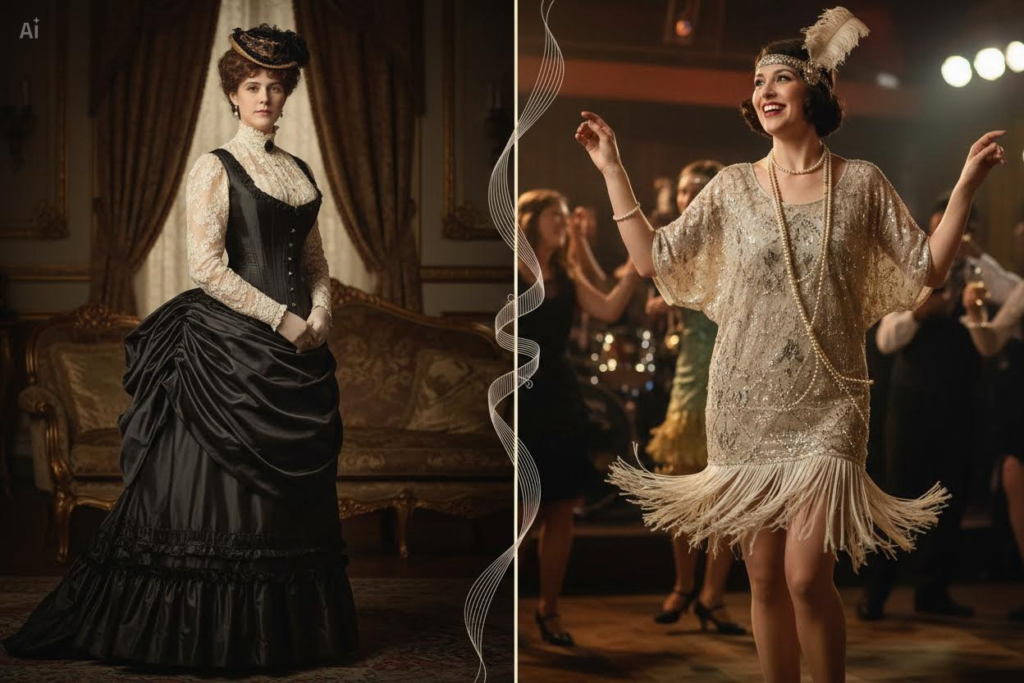
Clothing is much more than mere fabric; it’s a powerful form of cultural expression, revealing deep insights into our identities and the societal values we hold. This article delves into how fashion reflects the intricate tapestry of human culture.
Why Fashion Is More Than Just Clothing
Fashion is often dismissed as superficial, yet its profound role in shaping and mirroring society is undeniable. It’s a dynamic visual language that communicates far more than just personal taste, offering a compelling lens through which to understand cultural shifts and individual and collective identities.

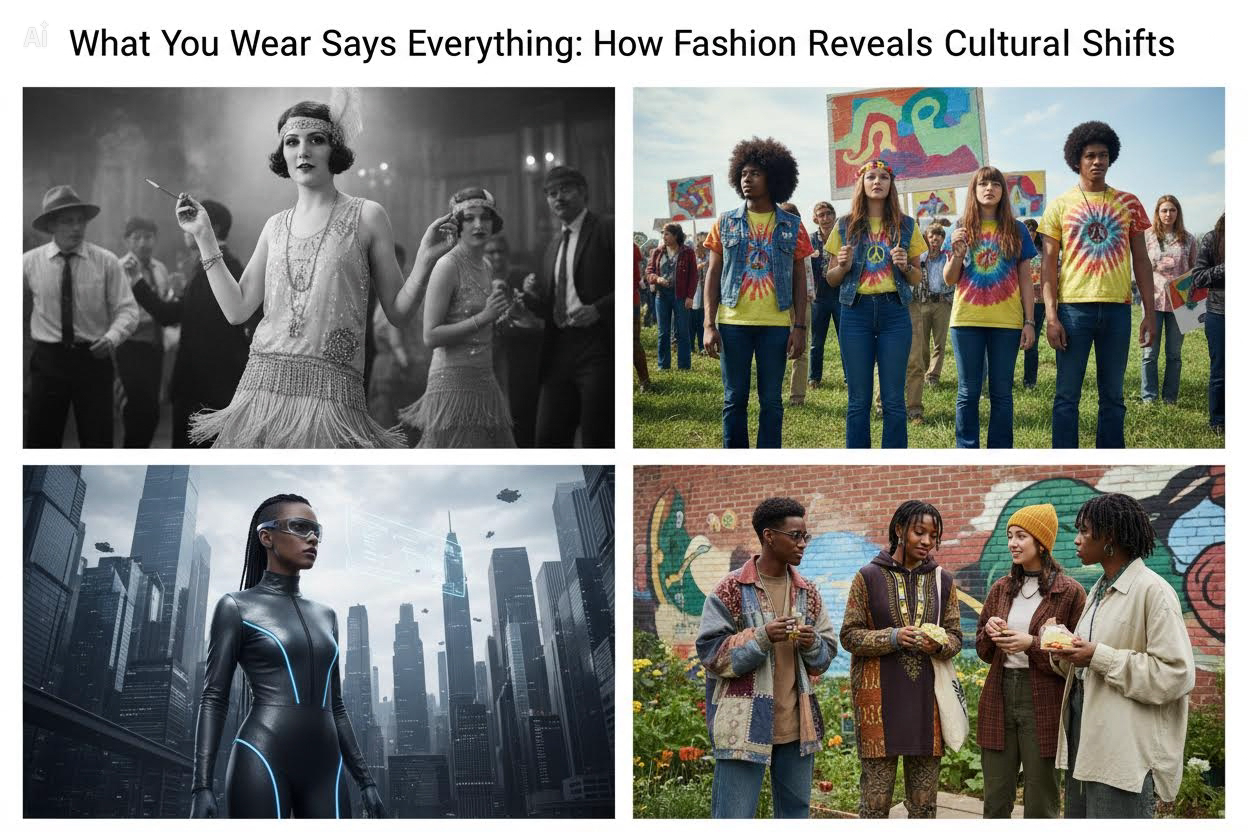
The Connection Between Style, Identity, and Society
The relationship between fashion, identity, and society is deeply intertwined; our clothing choices are rarely random. They actively contribute to our cultural identities and signal our allegiance to various groups, reflecting prevailing societal values and aspirations in a continuous dialogue.
How Fashion Becomes a Visual Language of Culture
Fashion serves as a powerful visual language, a form of cultural communication that transcends spoken words. Every garment, accessory, and style choice contributes to cultural narratives, expressing deeply embedded cultural beliefs and influencing fashion trends that define an era.
Understanding Fashion as a Cultural Mirror
Fashion is a dynamic cultural mirror, reflecting the nuances of human experience and the constant evolution of societies. It captures the spirit of the times, providing tangible evidence of ongoing social and political transformations that continually reshape the fashion landscape.
How Clothing Reflects Social Values and Beliefs
Clothing reflects social values and beliefs with remarkable precision, acting as a barometer of public sentiment and moral codes. From modesty to rebellion, fashion often signals shifts in societal norms, illustrating how deeply cultural influences impact individual and collective expression.
The Role of Fashion in Recording Historical Change
The role of fashion in recording historical change is significant, as fashion changes often correlate with major historical events and innovations. Each era’s clothing choices offer a tangible record of its unique circumstances, demonstrating how fashion is influenced by broader societal shifts.
Fashion Through Time: A Look at Cultural Evolution
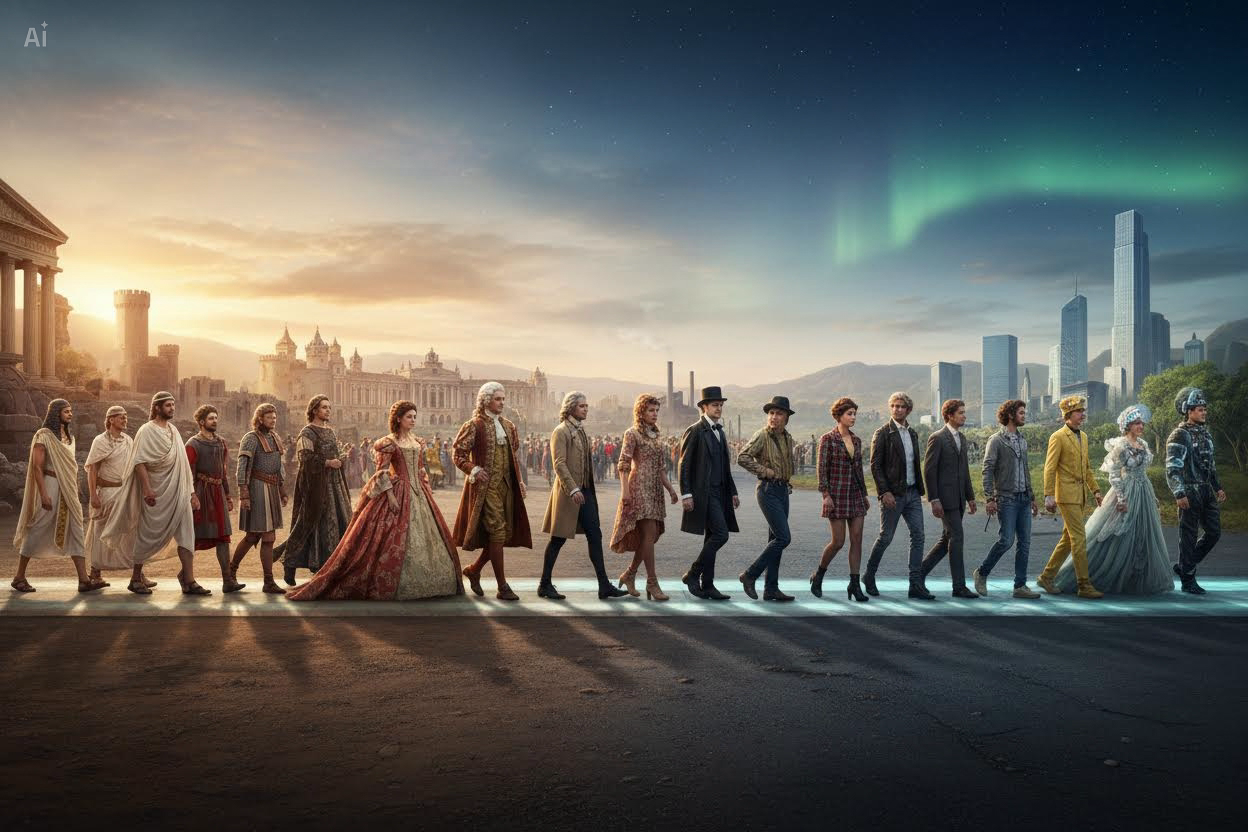
Examining fashion through time reveals a fascinating journey of cultural evolution, illustrating how styles adapt and transform across generations. This historical perspective highlights how fashion and culture are inextricably linked, with clothing choices continually evolving.
Traditional Clothing and Cultural Identity
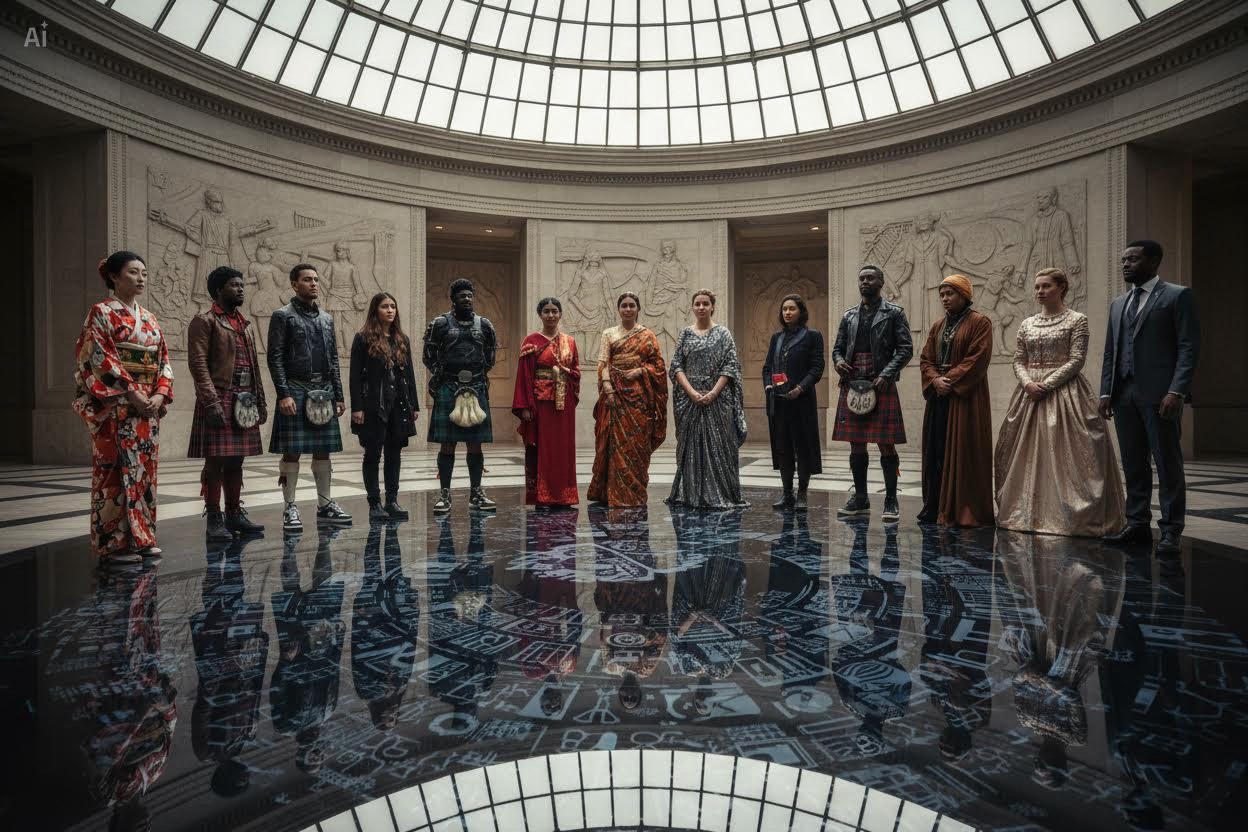
Traditional clothing plays a vital role in cultural identity, serving as a powerful symbol of heritage and belonging. These enduring garments carry deep cultural significance, preserving unique cultural heritage and often resisting the pervasive influence of global fashion trends.
Industrialization and the Birth of Modern Fashion
Industrialization profoundly influenced fashion, marking the birth of modern fashion with its mass production capabilities and new distribution methods. This period introduced unprecedented accessibility to diverse clothing, drastically altering the fashion industry and paving the way for rapid fashion changes.
Postmodern Fashion and Individual Expression
Postmodern fashion embraces individual expression, challenging conventional norms and celebrating stylistic diversity. This era encourages bold fashion choices and the mixing of genres, reflecting a complex cultural shift towards personal freedom and varied cultural identities.
How Social Media Accelerated Fashion Change
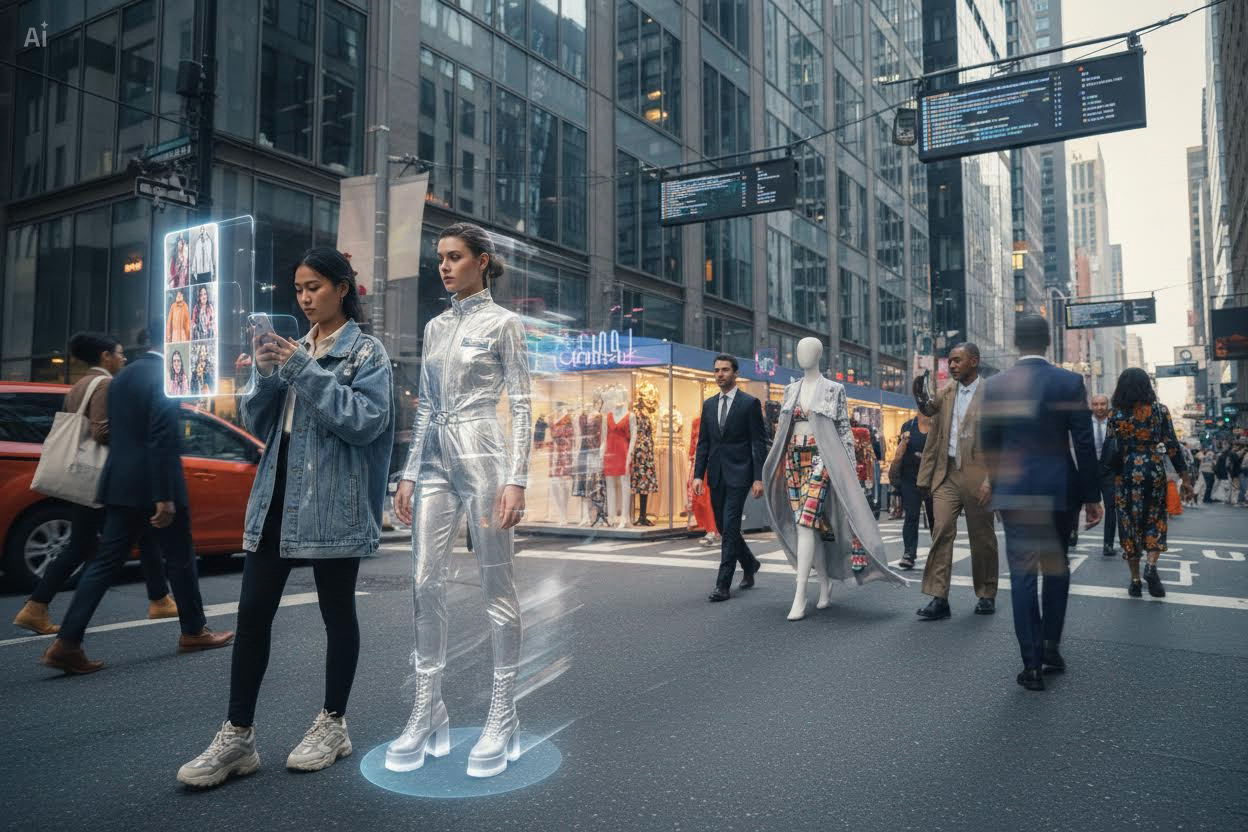
Social media has drastically accelerated fashion change, transforming how trends emerge, spread, and fade. Its instantaneous global reach has fundamentally reshaped the fashion world, creating new avenues for cultural exchange and influencing fashion at an unprecedented pace.
Viral Trends and Fast Fashion Culture
The rise of viral trends, fueled by social media, has intensified fast fashion culture, leading to rapid consumption and disposal of garments. This phenomenon highlights how quickly fashion reflects contemporary desires, often at the expense of sustainable fashion practices.
Influencers and the Rise of Digital Style Identity
Influencers have become central to the rise of digital style identity, shaping consumer preferences and driving countless fashion trends. Their curated online personas have a tremendous influence on fashion choices, showcasing how digital platforms have revolutionized the fashion landscape.
Fashion and Identity: What Your Outfit Communicates
Gender Expression and Breaking Fashion Norms
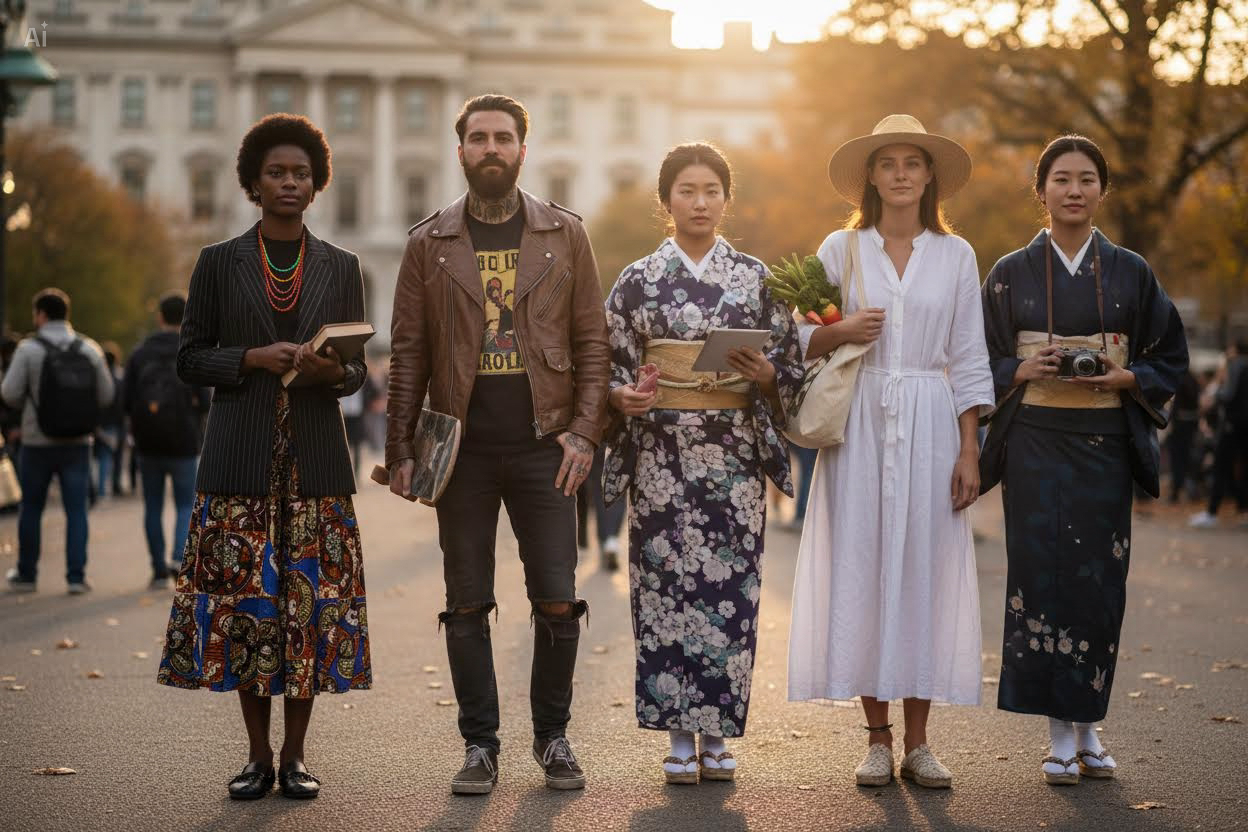
Fashion plays a crucial role in gender expression, often challenging and breaking traditional fashion norms, thus reflecting significant social change. Our fashion choices are a powerful form of cultural expression, allowing individuals to explore and communicate their fluid cultural identities beyond rigid societal expectations, influencing the broader fashion landscape towards greater inclusivity.
Fashion as a Tool for Personal Branding
Fashion serves as an essential tool for personal branding, with clothing choices meticulously crafted to convey specific messages about one’s individuality and professional persona. This deliberate form of cultural expression allows individuals to shape perceptions, significantly influencing their social interactions and demonstrating how deeply intertwined fashion and culture are within personal narratives.
Cultural Shifts Reflected in Modern Fashion Trends
Minimalism vs. Maximalism in Lifestyle Choices
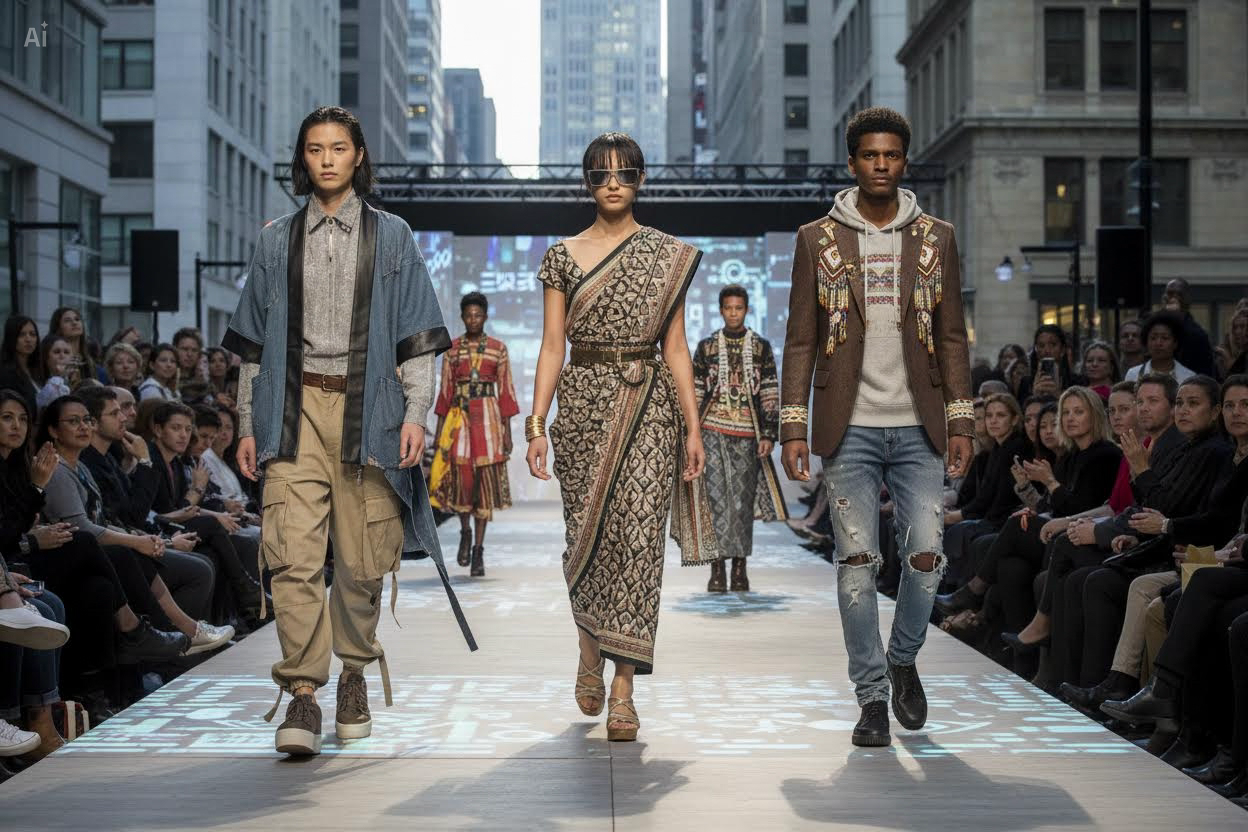
The ongoing dialogue between minimalism and maximalism in lifestyle choices is profoundly reflected in contemporary fashion trends, showcasing a significant cultural shift. While minimalism champions understated elegance and practicality, maximalism embraces bold patterns and lavish adornments, with both styles demonstrating varied cultural identities and the diverse influences on fashion.
Streetwear, Athleisure, and Comfort-Driven Culture
The pervasive rise of streetwear and athleisure illustrates a major cultural shift towards a comfort-driven culture, deeply influencing modern fashion trends. These styles emphasize practicality and ease, reflecting how clothing choices are increasingly dictated by lifestyle and convenience, demonstrating a fundamental change in societal values and the role of fashion.
The Rise of Gender-Neutral Fashion
The rise of gender-neutral fashion signifies an important cultural shift towards inclusivity and breaking traditional boundaries in the fashion world. This movement challenges conventional clothing norms, promoting the idea that fashion serves as a universal form of cultural expression, influencing how fashion brands design and market their collections to diverse cultural identities.
Fashion as a Response to Global Events
Economic Shifts and Practical Style Changes
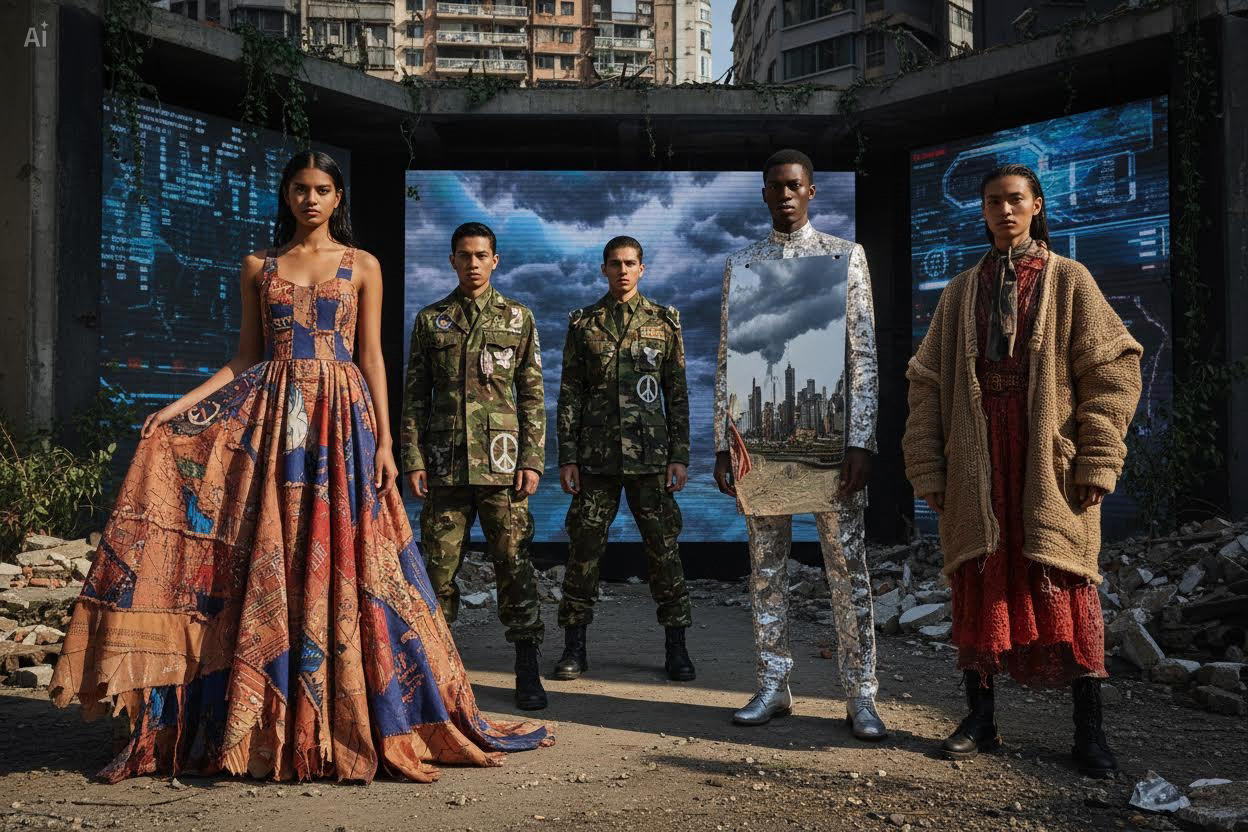
Economic shifts frequently lead to practical style changes in the fashion industry, with consumers often opting for more durable and versatile clothing choices during times of uncertainty. This dynamic demonstrates how fashion reflects broader societal values and economic realities, highlighting the profound influences on fashion from global events.
Post-Pandemic Comfort and Homewear Revolution
The post-pandemic era has spurred a homewear revolution, emphasizing comfort and relaxed silhouettes, marking a significant cultural shift in how we approach daily dressing. This profound influence on fashion illustrates how collective experiences shape clothing choices, revealing evolving cultural identities and a renewed focus on personal well-being.
Sustainability and the Ethical Fashion Movement
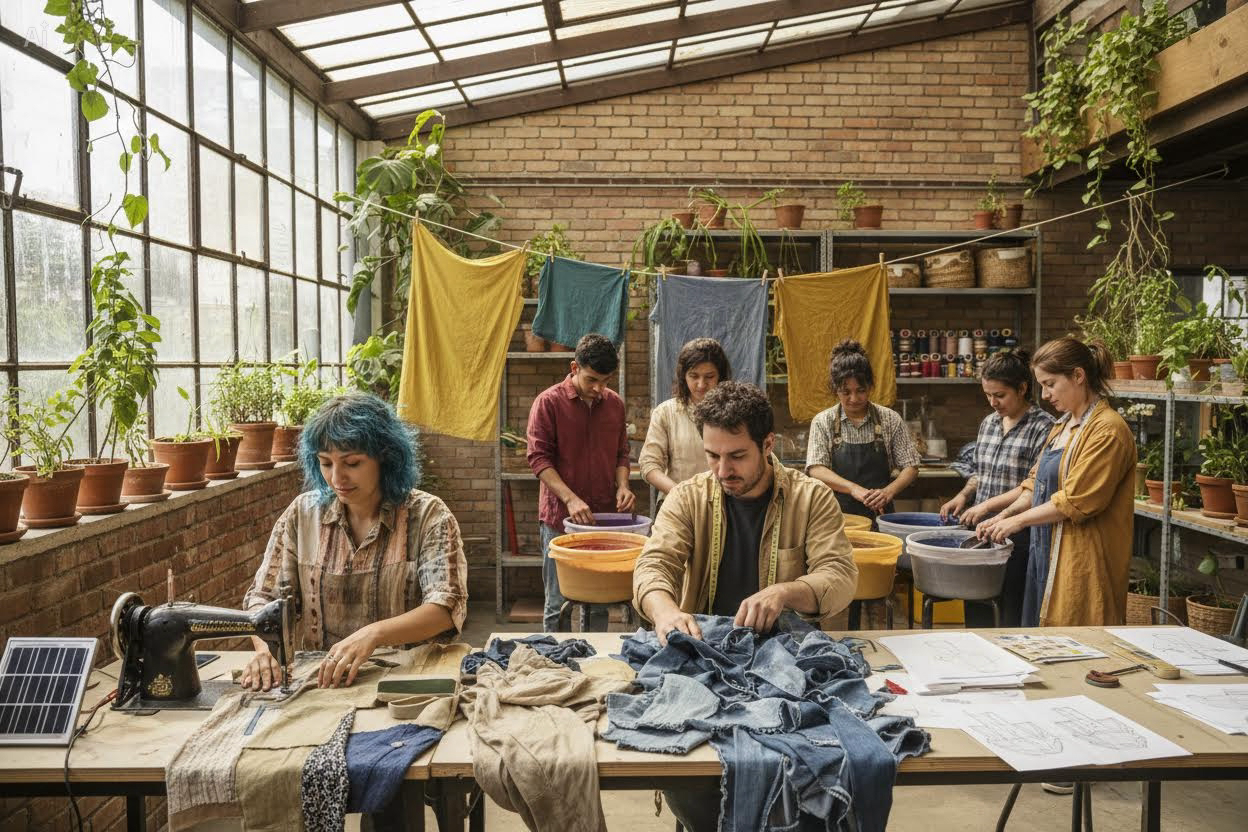
Slow Fashion vs. Fast Fashion Culture Shift
The growing tension between slow fashion and fast fashion represents a pivotal culture shift within the fashion industry, driven by increasing awareness of environmental and ethical concerns. This debate highlights how consumer clothing choices are increasingly influenced by a desire for sustainable fashion, profoundly altering the fashion landscape.
Eco-Conscious Consumer Behavior and Its Impact
Eco-conscious consumer behavior is having a transformative impact on the fashion world, compelling fashion brands to adopt more sustainable practices. This reflects a significant cultural shift towards greater environmental responsibility, demonstrating how societal values are reshaping the entire fashion industry and influencing fashion production.
Pop Culture’s Influence on Fashion Evolution
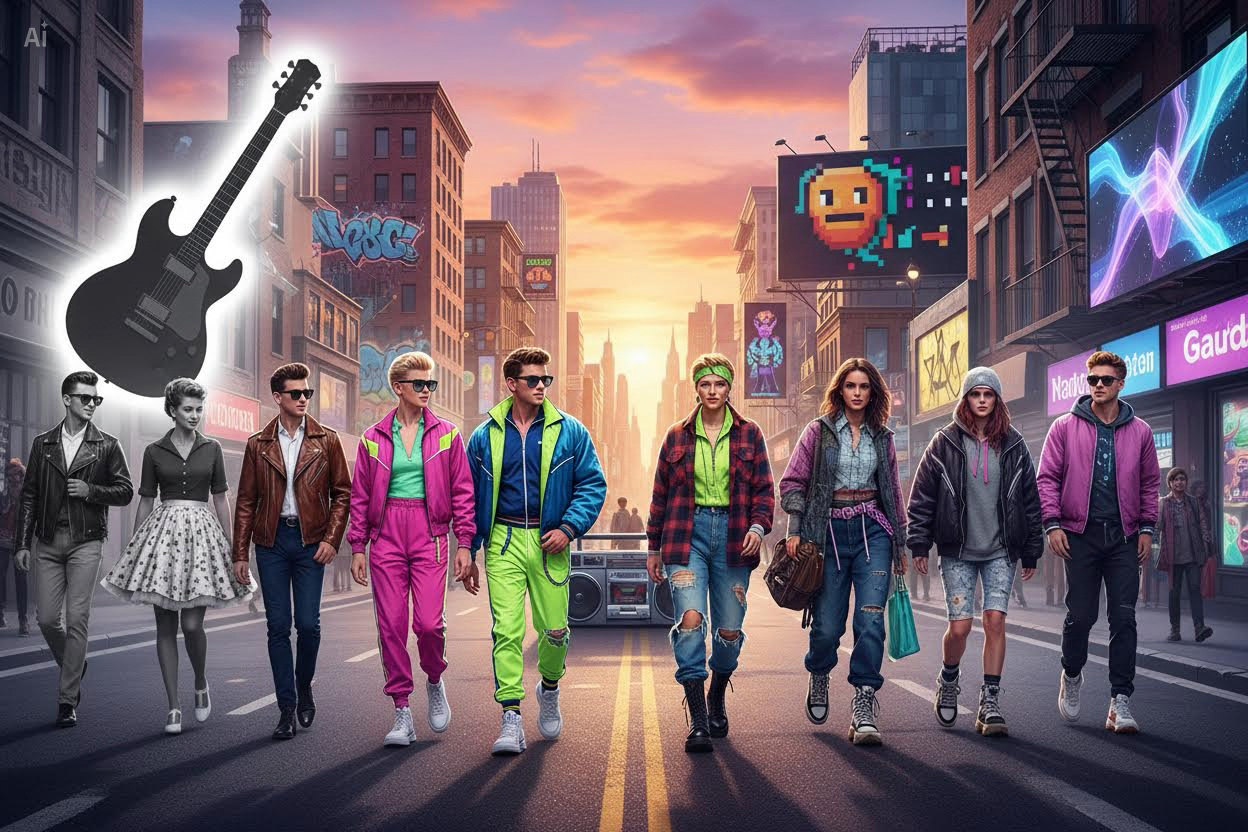
Music, Film, and Celebrity Style Trends
Music, film, and celebrity style trends wield immense influence on fashion evolution, often dictating popular clothing choices and shaping cultural identities. These powerful forms of cultural expression continuously inspire new fashion movements, demonstrating how closely tied the fashion industry is to mainstream entertainment and broader cultural narratives.
How Subcultures Become Mainstream Fashion
The fascinating trajectory of how subcultures become mainstream fashion showcases a constant process of cultural exchange and adaptation. What once defined niche cultural identities often permeates the broader fashion landscape, demonstrating the dynamic influences on fashion from diverse social groups and their unique forms of cultural expression.
Technology and the Future of Fashion Identity
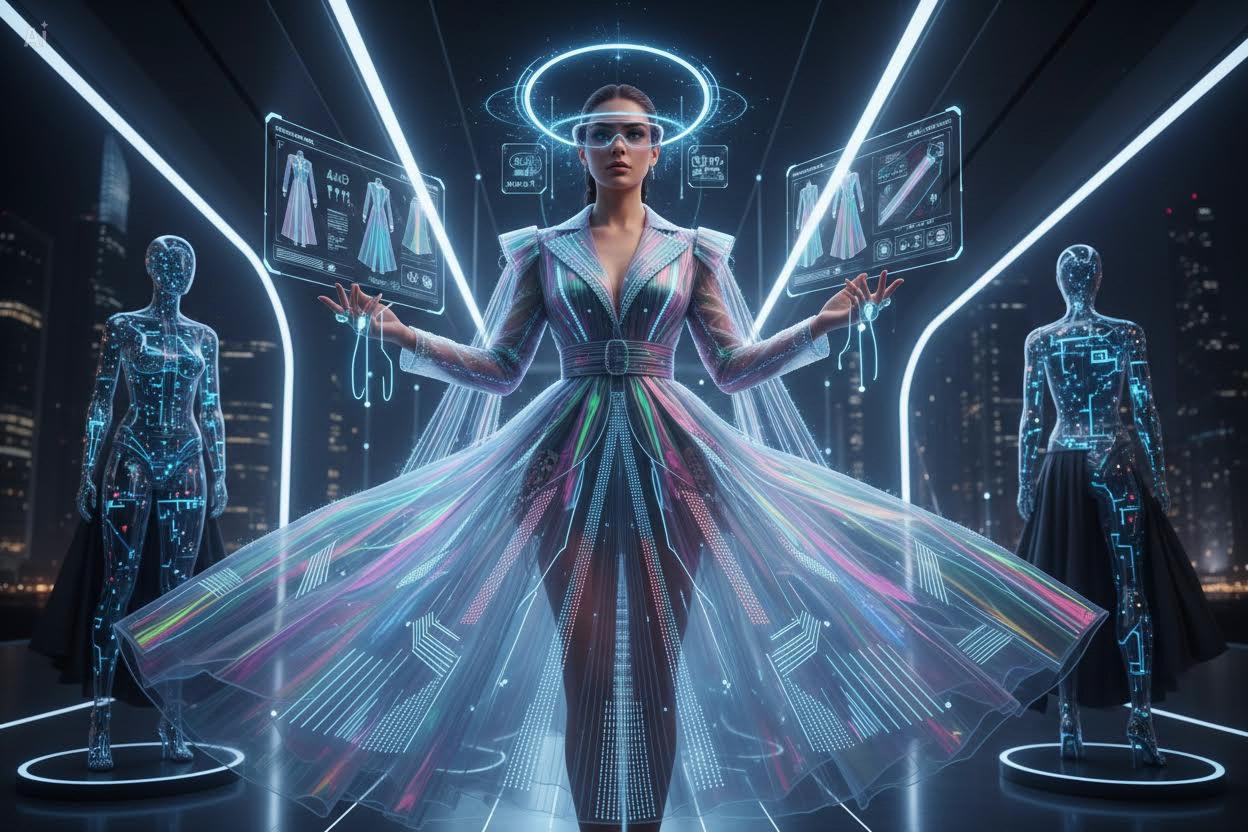
Digital Fashion, Virtual Clothing, and AI Design
The advent of digital fashion, virtual clothing, and AI design signifies a profound cultural shift in the fashion world, pushing the boundaries of what fashion represents. These innovations are reshaping how individuals interact with clothing, offering new avenues for cultural expression and allowing for the exploration of diverse cultural identities in virtual spaces, fundamentally influencing the fashion industry’s future.
Social Media Filters and Digital Self-Image
Social media filters and digital self-image are increasingly influential in shaping contemporary fashion trends and perceptions of beauty, reflecting a significant cultural shift towards digital aesthetics. These virtual enhancements allow for new forms of cultural expression, influencing how individuals present their cultural identities online and demonstrating the evolving relationship between fashion and digital technology.
The Psychology Behind Fashion Choices
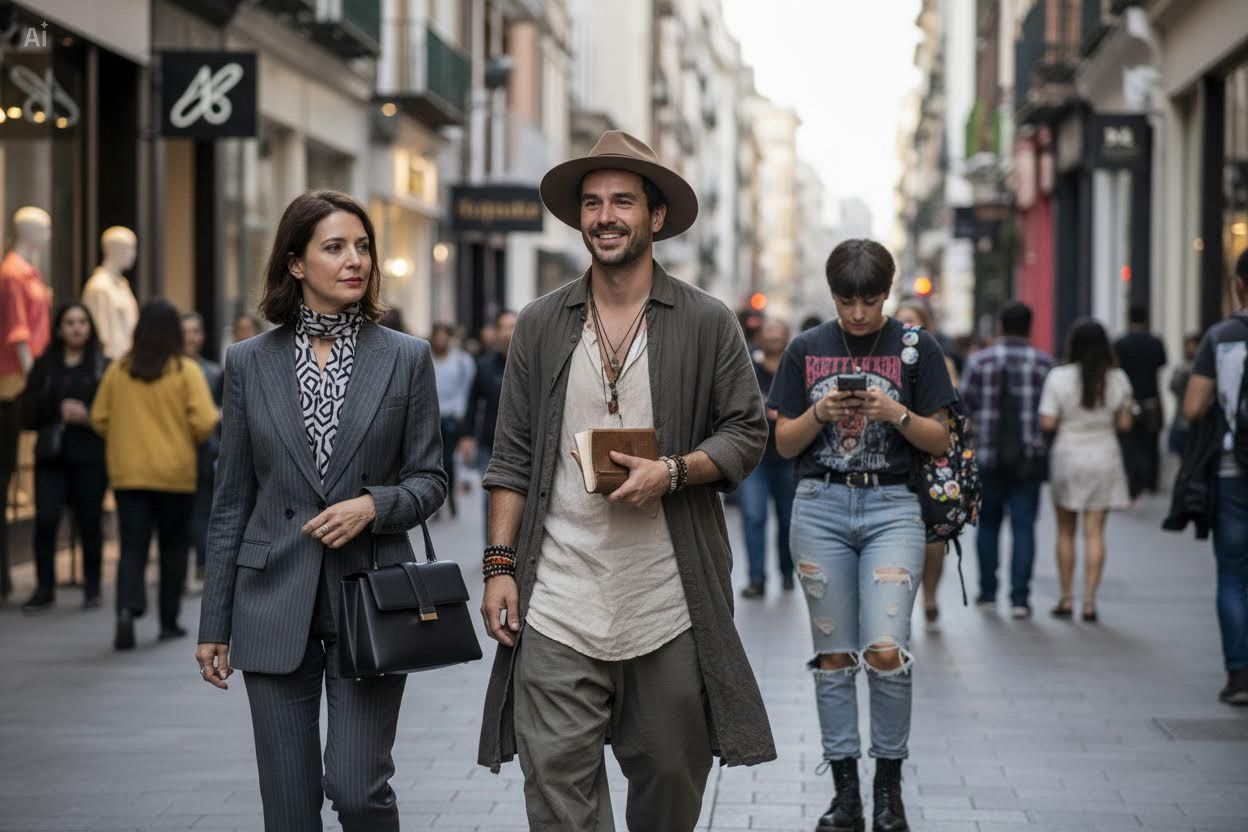
How Clothing Affects Confidence and Behavior
The psychology behind fashion choices reveals how clothing affects confidence and behavior, underscoring the deep connection between our attire and psychological well-being. Our fashion choices are not merely about aesthetics; they are a powerful form of cultural expression that can alter self-perception, significantly influencing social interactions and demonstrating the profound role of fashion in shaping personal and cultural identities.
The Role of Social Validation in Style Decisions
The role of social validation in style decisions is a critical aspect of fashion psychology, highlighting how much our clothing choices are influenced by external acceptance. This pursuit of validation often drives fashion trends and reflects societal values, showcasing how the relationship between fashion and culture is intertwined with the human desire for belonging and acceptance within various cultural identities.
Cultural Fusion: The Globalization of Fashion
How Traditional Styles Influence Modern Trends
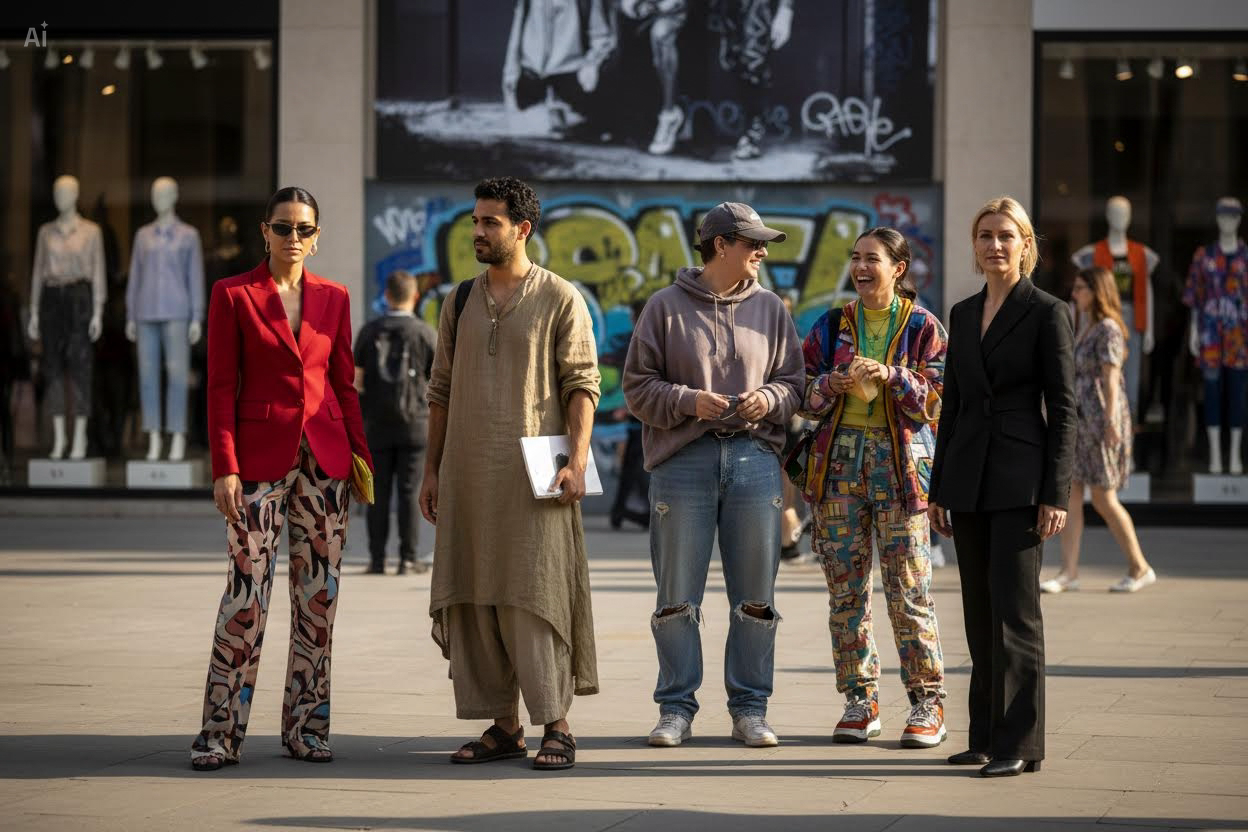
Traditional styles profoundly influence modern trends, illustrating a continuous cultural exchange that enriches the global fashion landscape. This fusion of historical cultural heritage with contemporary fashion demonstrates how diverse cultural identities contribute to the evolution of fashion, showcasing the enduring power of cultural influences on current clothing choices.
Cross-Cultural Exchange in Contemporary Fashion
Cross-cultural exchange in contemporary fashion is a vibrant testament to globalization, as designers and consumers alike embrace cultural diversity through their clothing choices. This dynamic interaction leads to innovative fashion trends, reflecting a powerful cultural shift towards interconnectedness and showcasing how fashion serves as a universal form of cultural expression that transcends geographical boundaries.
Common Misconceptions About Fashion and Culture
Fashion Is Not Just Vanity or Surface-Level Expression
A common misconception is that fashion is just vanity or surface-level expression; however, this overlooks its profound role in shaping cultural narratives and reflecting societal values. Fashion serves as a critical form of cultural expression, deeply intertwined with cultural identities and beliefs, demonstrating how clothing choices offer insights into complex social change and human experience.
Trends vs. Cultural Identity: Understanding the Difference
Understanding the difference between trends and cultural identity is crucial to appreciating the depth of fashion and culture. While fashion trends are often fleeting and externally driven, cultural identity is rooted in enduring cultural heritage and values, highlighting how clothing choices can represent both temporary influences on fashion and profound, lasting cultural significance.
Conclusion: What Your Clothing Really Says About the World Today
In conclusion, what your clothing really says about the world today is far more complex than simple aesthetics; it’s a rich tapestry of cultural expression, reflecting profound cultural shifts and societal values. The relationship between fashion and culture is undeniable, as our fashion choices continually reveal our evolving cultural identities, global interconnectedness, and the ongoing influences on fashion from every facet of human experience.