



Explore the profound relationship between emotional wellness and physical healing. Discover how your mental state significantly influences your body’s ability to recover, impacting everything from surgery outcomes to chronic pain management.
Learn practical strategies to harness the power of your emotions for better health and long-term recovery.
Why Emotions Matter in Healing


Beyond the Physical: How Mind and Body Are Connected
The mind-body connection is not just a concept; it’s a physiological reality. Our mental and emotional states profoundly affect physical recovery.
When we experience emotional well-being, our bodies are better equipped to heal. Conversely, mental health challenges can make it harder for the body to repair itself, underscoring the importance of integrating mental health into physical rehabilitation.
Common Misconceptions About Healing and Emotional Health
Many people underestimate the profound impact of mental health on physical recovery. One common misconception is that physical healing is solely a physical process.
In reality, neglecting mental health issues can hinder health outcomes, demonstrating that overlooking the connection between mental health and physical and emotional well-being can significantly impede the recovery process.
How Stress Impacts Physical Recovery
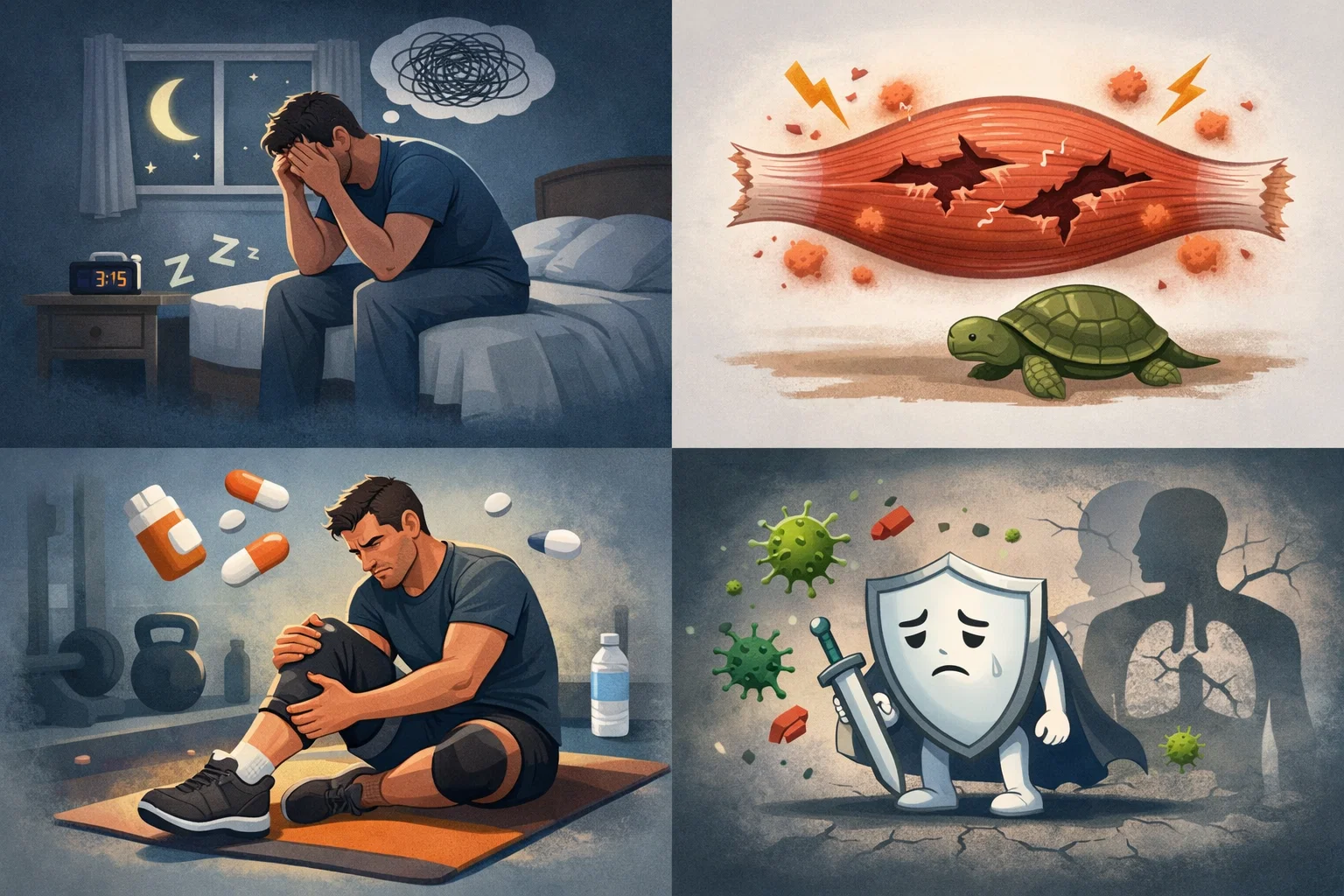
The Role of Cortisol and Adrenaline in Healing
Chronic stress triggers the release of cortisol and adrenaline, hormones designed for short-term emergencies. However, prolonged elevation of these hormones can suppress the immune system and impede tissue repair, ultimately slowing down physical recovery. Managing stress levels is crucial for optimizing the body’s natural healing processes and promoting overall well-being.
Immune Suppression Caused by Chronic Stress
Chronic stress significantly weakens the immune system, making the body more susceptible to infections and delaying wound healing. The persistent presence of cortisol impairs the function of immune cells, reducing their ability to fight off pathogens and repair damaged tissues. This immune suppression underscores the need to address mental health effects on the immune system during physical recovery.
Real-Life Examples: Stress and Surgery Recovery
Studies have shown that patients experiencing high levels of stress before surgery often experience slower wound healing and increased complications post-operatively. These real-life examples highlight the critical importance of managing stress and promoting emotional well-being to enhance physical recovery after surgical procedures, ensuring better health outcomes and improved quality of life.
Anxiety and Depression: Hidden Barriers to Healing

Slower Wound Healing and Increased Complications
Depression and anxiety are not just emotional burdens; they can act as significant barriers to physical recovery. Research indicates that individuals grappling with these mental health challenges often experience slower wound healing, increased risk of infections, and a higher incidence of post-operative complications, highlighting the critical interplay between mental health and physical health.
Disruption of Sleep, Appetite, and Medication Adherence
Depression and anxiety often disrupt crucial elements of physical recovery, such as sleep, appetite, and medication adherence. Sleep disturbances impair the body’s natural healing processes, while changes in appetite can lead to nutritional deficiencies.
Furthermore, emotional distress can reduce a patient’s ability to properly take medications, highlighting how mental health is related to physical and mental health recovery.
Emotional Distress and Pain Sensitivity
Emotional distress, particularly depression and anxiety, can amplify pain sensitivity. When individuals are experiencing high levels of emotional turmoil, their perception of pain intensifies, making chronic pain more difficult to manage. This underscores the importance of addressing mental and emotional factors when treating chronic pain to improve overall well-being.
The Power of Positive Emotions in Recovery

Optimism, Hope, and Their Effect on Immune Function
Optimism and hope are powerful allies in physical recovery. These positive emotions can significantly boost immune function, enhancing the body’s ability to heal. By fostering a sense of hope and maintaining an optimistic outlook, individuals can improve their mental and physical health, accelerating the recovery process and promoting overall well-being.
Reducing Inflammation Through Emotional Well-Being
Emotional well-being plays a crucial role in reducing inflammation, a key factor in physical healing. Positive emotions help regulate the body’s stress response, lowering levels of cortisol and other inflammatory hormones. By cultivating mental health effects on physical recovery, individuals can minimize inflammation and support faster, more effective healing.
Enhancing Recovery Through Mindfulness and Gratitude Practices
Practicing mindfulness and gratitude can significantly enhance physical recovery. Mindfulness helps individuals stay present and manage stress, while gratitude fosters a positive emotional state. These practices help reduce anxiety and depression, promoting mental health and physical well-being, ultimately improving the recovery process and quality of life.
Mind-Body Communication and Nervous System Influence
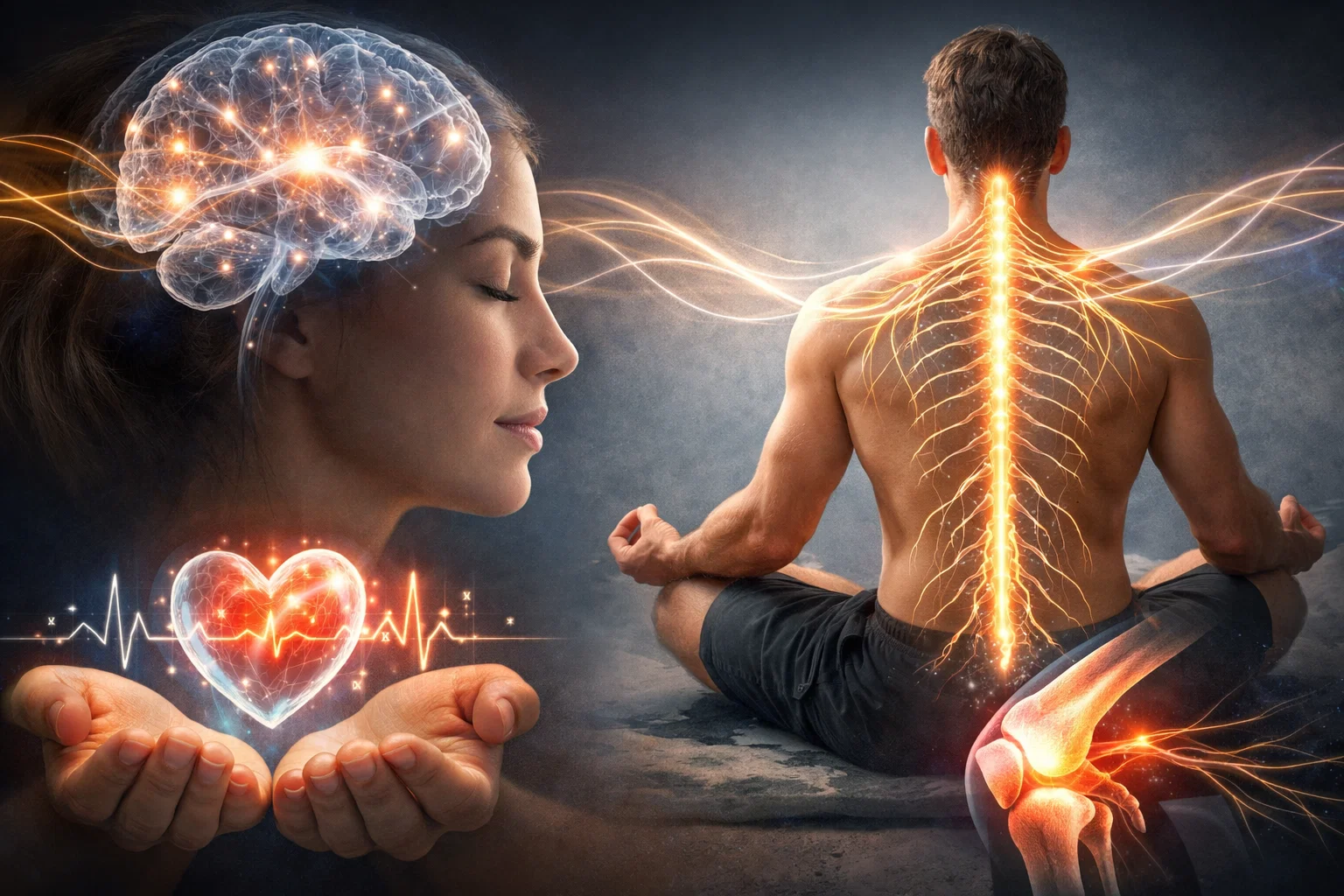
Sympathetic vs. Parasympathetic Nervous System in Healing
The balance between the sympathetic (fight or flight) and parasympathetic (rest and digest) nervous systems is critical for physical recovery. Activating the parasympathetic nervous system through relaxation techniques promotes healing by reducing cortisol levels and enhancing immune function. This balance supports mental and physical health, fostering a state conducive to physical healing.
How Calm and Positive States Improve Circulation and Tissue Repair
Calm and positive emotional states improve circulation and tissue repair, essential components of physical recovery. When relaxed, blood vessels dilate, allowing for better nutrient delivery and waste removal from tissues. This enhanced circulation supports the body’s natural healing mechanisms, contributing to faster and more complete rehabilitation and improved overall well-being.
Neurotransmitters and Hormones That Bridge Mind and Body
Neurotransmitters and hormones, such as endorphins and serotonin, act as messengers between the mind and body, influencing physical recovery. Positive emotions trigger the release of these chemicals, which reduce pain, enhance immune function, and promote tissue repair. By harnessing the power of the mind-body connection, individuals can optimize their mental and physical health and accelerate healing.
Behavioral Pathways: How Emotions Affect Healing Actions

Medication Adherence and Treatment Compliance
Emotions significantly influence medication adherence and treatment compliance, both vital for physical recovery. Positive emotions and a sense of hope can motivate individuals to follow their treatment plans diligently. Conversely, depression and anxiety can make it harder for patients to adhere to medications, underscoring the importance of addressing mental health for successful rehabilitation.
Nutrition, Exercise, and Physiotherapy Engagement
Emotions also impact engagement in nutrition, exercise, and physiotherapy, all essential for physical recovery. Positive emotions can increase motivation to adopt healthy habits and actively participate in rehabilitation programs.
Addressing mental health challenges can improve engagement, leading to better health outcomes and a higher quality of life during the recovery process.
Avoiding Negative Coping Mechanisms That Delay Recovery
Negative emotions can lead to unhealthy coping mechanisms, such as substance abuse or social isolation, which can delay physical recovery. Recognizing and addressing these negative patterns is crucial for promoting healing. By fostering emotional well-being and providing support, individuals can avoid these pitfalls and stay on the path to better health and long-term recovery.
Social Support: Emotional Health’s Healing Ally

The Role of Family, Friends, and Community in Recovery
Family, friends, and the community play a crucial role in physical recovery by providing essential emotional support. Social connections can enhance mental health effects on physical recovery by offering encouragement, reducing feelings of isolation, and fostering a sense of belonging, all of which contribute to improved mental health and overall well-being.
Counseling, Therapy, and Group Support Benefits
Counseling, therapy, and group support offer significant benefits for individuals undergoing physical recovery. These resources provide a safe space to process emotions, manage stress, and develop coping strategies. By addressing mental health challenges, these interventions can promote emotional well-being and enhance the recovery process and improve mental and physical health.
How Feeling Connected Boosts Immune Function and Mood
Feeling connected to others boosts immune function and improves mood, both essential for physical recovery. Social support can lower cortisol levels, reducing chronic stress and enhancing immune response. Positive social interactions foster emotional well-being, leading to a more positive outlook and improved mental and physical health, improving quality of life.
Pain Perception and Emotional State
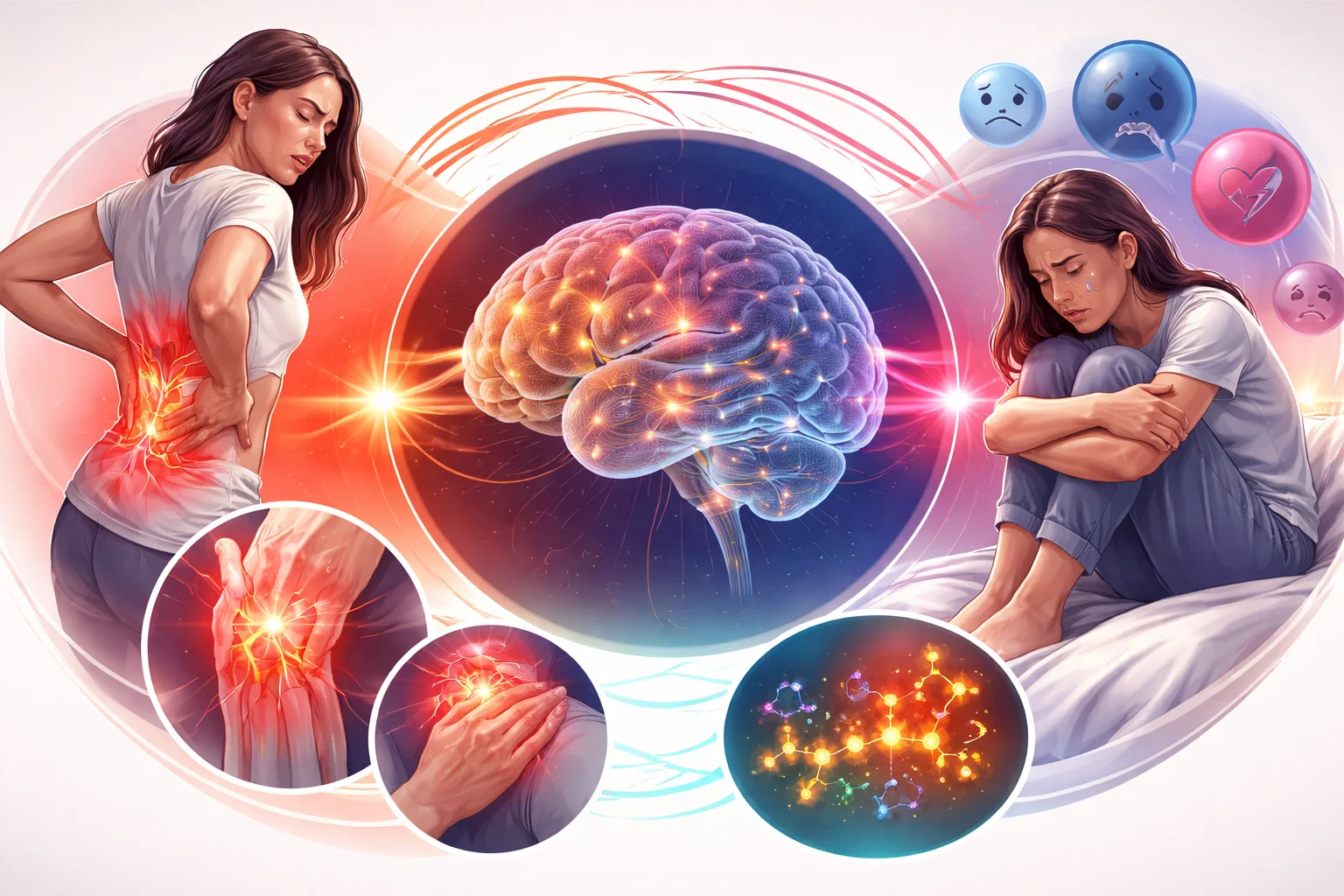
How Stress and Anxiety Amplify Pain Sensitivity
Stress and anxiety significantly amplify pain sensitivity. When individuals are under chronic stress or experiencing heightened anxiety, their perception of pain intensifies, making chronic pain more difficult to manage. Addressing these mental health challenges is crucial for effective pain management and overall well-being and long-term recovery.
Techniques to Reduce Pain Through Emotional Regulation
Various techniques can reduce pain through emotional regulation. Mindfulness, deep breathing exercises, and cognitive behavioral therapy (CBT) can help individuals manage stress and anxiety, thereby reducing pain perception. Improving emotional well-being not only helps reduce physical discomfort but also promotes better mental health effects on physical recovery and holistic healing.
Enhancing Physical Therapy Outcomes Through Mindfulness
Mindfulness practices can significantly enhance physical therapy outcomes. By focusing on the present moment and reducing stress, individuals can improve their engagement in therapy sessions and enhance their body awareness. This increased awareness can lead to better movement patterns and a more effective rehabilitation process and improved mental and physical health.
Practical Strategies to Support Emotional Well-Being for Faster Healing
Daily Stress-Reduction Techniques (Meditation, Deep Breathing)
Incorporating daily stress-reduction techniques, such as meditation and deep breathing exercises, can greatly enhance emotional well-being. These practices activate the parasympathetic nervous system, promoting relaxation and reducing cortisol levels. Regular practice of these techniques can significantly improve mental health and accelerate the physical healing process.
Journaling, Gratitude, and Positive Visualization Practices
Journaling, gratitude exercises, and positive visualization practices can significantly enhance emotional well-being. Journaling allows individuals to process their emotions, while gratitude fosters a positive mindset. Positive visualization can create a sense of hope and motivation, all contributing to faster physical recovery and improved mental health.
Incorporating Social Support Into Recovery Plans
Incorporating social support into recovery plans is essential for promoting emotional well-being. Engaging with family, friends, or support groups provides individuals with a sense of connection and reduces feelings of isolation.
This social interaction can boost mood and enhance immune function, supporting faster physical recovery and improved quality of life.
Conclusion: Integrating Emotional Care Into Physical Healing
Integrating emotional care into physical healing is crucial for achieving better health outcomes and enhancing long-term recovery. By recognizing the profound connection between mental health and physical health, individuals can adopt holistic approaches that address both the mind and body. Prioritizing emotional well-being can lead to more effective and sustainable healing, improving overall well-being and quality of life.