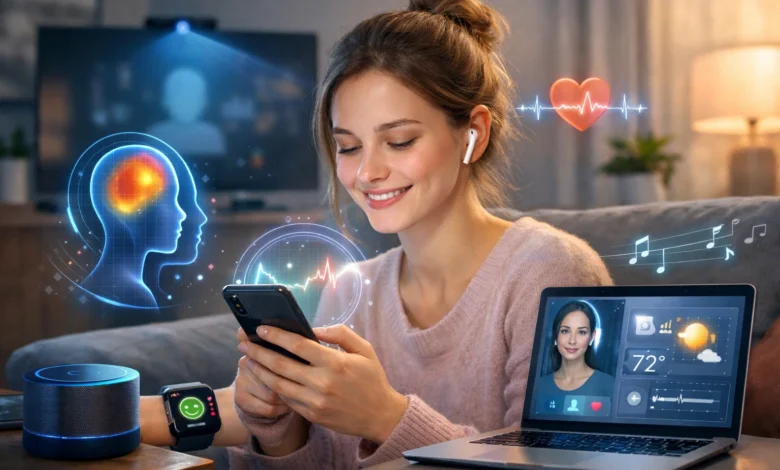
Imagine a world where your devices understand how you feel. By 2026, this is set to become a reality. Emotion-aware technology, powered by emotion AI, is poised to revolutionize how we interact with the digital world. This technology uses artificial intelligence to recognize and respond to human emotions, opening new possibilities across various industries.
What Is Emotion-Aware Technology and Why It Matters
Understanding Affective Computing: The Science Behind Mood Detection
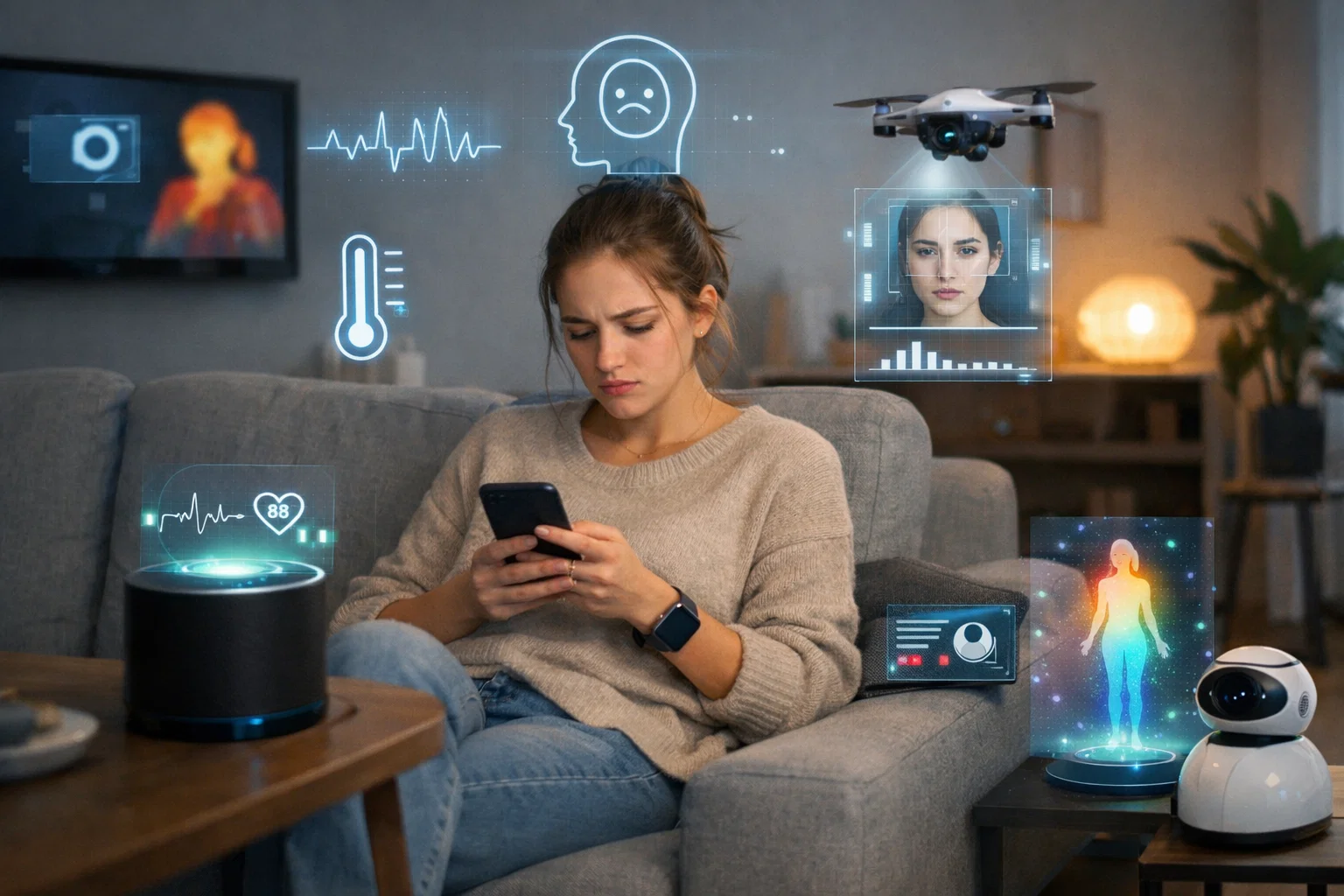
Emotion-aware technology, also known as affective computing, is a multidisciplinary field that combines computer science, psychology, and cognitive science. It focuses on designing AI systems and devices that can recognize human emotions. By analyzing facial expressions, voice patterns, and physiological signals, affective computing seeks to understand and respond to human emotions in real-time.
Why 2026 Is the Turning Point for Emotion-Sensing Devices
2026 marks a pivotal moment due to advancements in machine learning and the proliferation of wearable devices. These technologies are converging to create more accurate and accessible emotion detection systems. The ability to analyze vast datasets of emotional data enables emotion AI models to better understand and respond to human emotions.
How Devices Detect Human Emotions
Facial Recognition and Micro-Expression Analysis
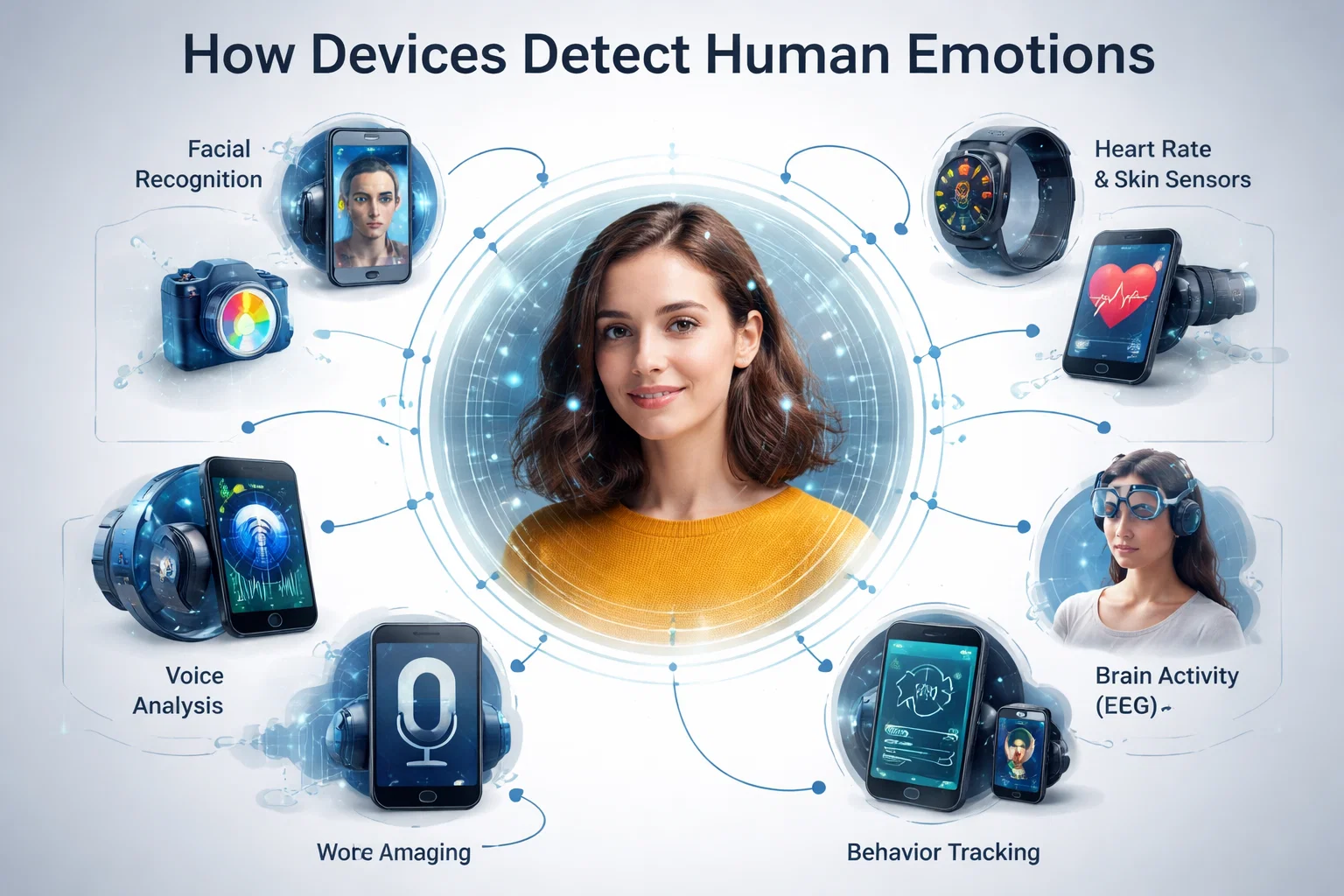
Computer vision plays a crucial role in detecting emotions through facial expressions. Advanced emotion AI algorithms analyze facial movements and micro-expressions, often imperceptible to the human eye, to infer a person’s emotional state. This technology enables devices to recognize human emotions with increasing accuracy.
Voice Tone, Speech Patterns, and Emotional AI
Emotion AI can also detect emotions through voice analysis. By examining voice tone, speech patterns, and even subtle cues in language, AI systems can understand how we feel. This technology is particularly useful in applications such as chatbots and virtual assistants, allowing them to respond to human emotions more empathetically.
Physiological Sensors: Heart Rate, Skin Conductivity, and More
Wearable devices equipped with physiological sensors can provide valuable emotional data. Heart rate, skin conductivity, and other physiological signals can indicate a person’s emotional state. These sensors enable emotion-aware technology to recognize and respond to human emotions based on real-time physiological data.
Behavioral Analysis: Typing, App Usage, and Posture Insights
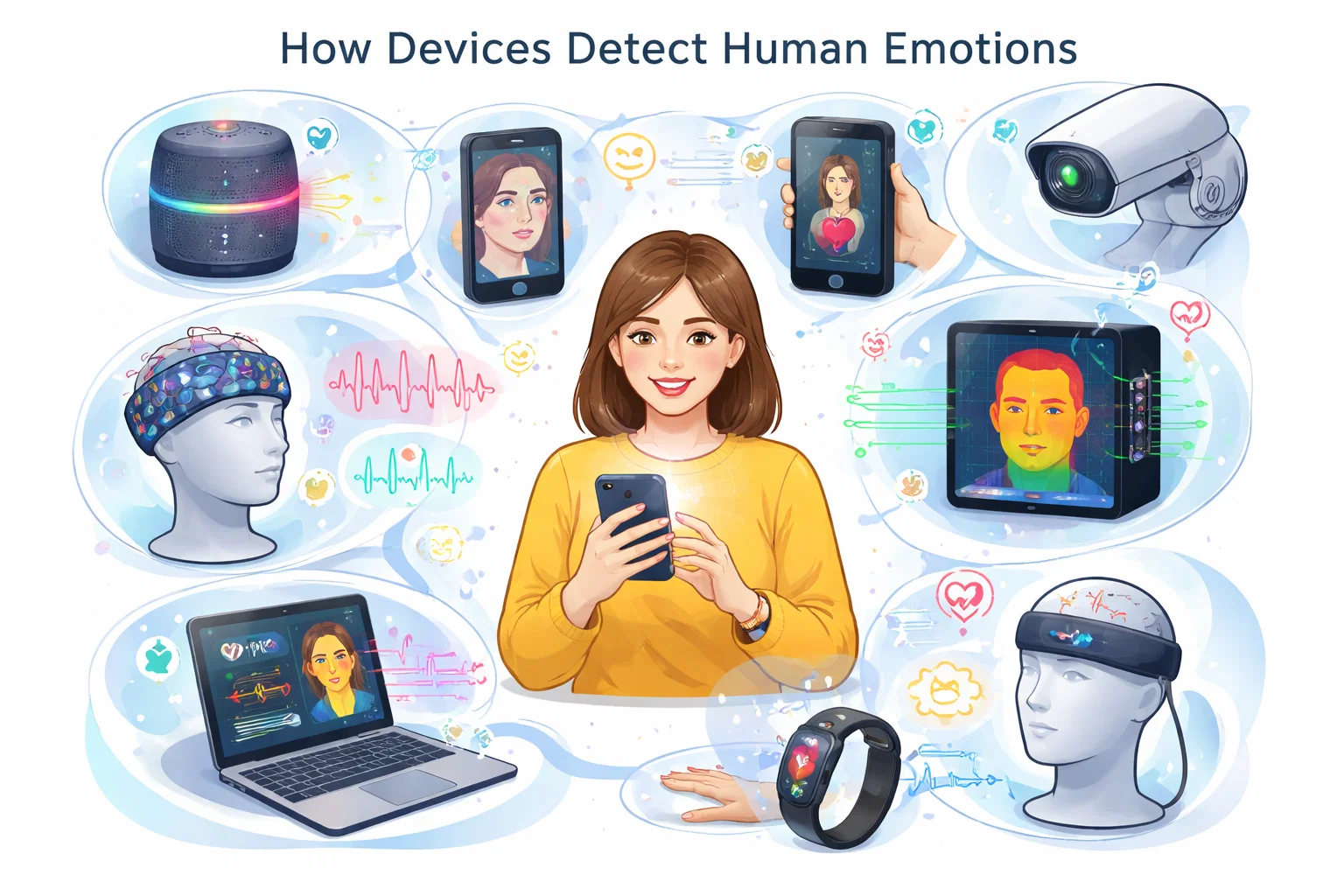
Analyzing behavioral patterns, such as typing speed, app usage, and posture, provides additional insights into a person’s emotional state. AI models can learn to detect emotions by recognizing correlations between these behaviors and specific emotions. This technology enhances the ability of devices to recognize human emotions in various contexts.
Text and Sentiment Analysis in Messaging and Social Media
Text-based emotion detection, also known as sentiment analysis, uses natural language processing to analyze text in messaging and social media. AI models can detect emotions expressed in written language, providing valuable information about a person’s emotional state. This technology is essential for understanding public sentiment and responding to human emotions in online environments.
Real-World Applications of Emotion-Aware Technology

Smart Wearables for Stress, Focus, and Mood Tracking
Smart wearables are becoming increasingly sophisticated in their ability to detect emotions and monitor physiological signals. These devices, equipped with advanced emotion AI, can track heart rate variability, skin conductance, and other indicators to provide real-time feedback on stress levels, focus, and overall emotional state, offering proactive mental health support.
Emotion-Sensing Smart Homes: Lighting, Music, and Environment Control
Imagine a home that adapts to your emotional state. Emotion-sensing smart homes can adjust lighting, music, and temperature based on detected emotions. If the system detects feelings through facial expressions or voice patterns indicating stress, it might dim the lights and play calming music, creating a personalized and emotionally aware environment.
Healthcare and Mental Health: Early Detection of Anxiety or Depression
Emotion-aware technology holds immense potential for healthcare and mental health. AI systems can analyze speech patterns and facial expressions to detect early signs of anxiety, depression, or other mental health conditions. This early detection can lead to timely interventions and improved patient outcomes, offering crucial mental health support.
Automotive Industry: Safer and Emotion-Adaptive Driving
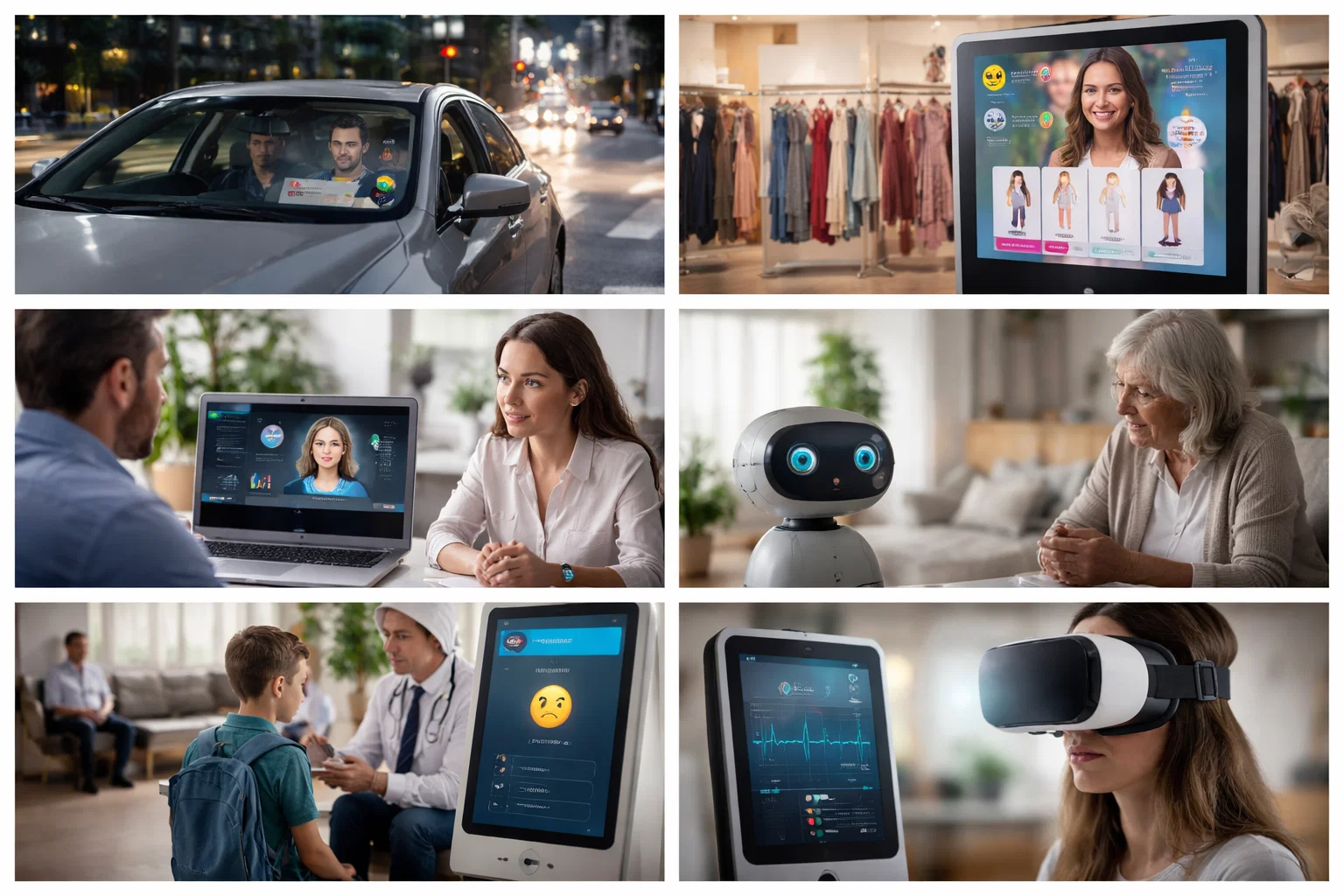
In the automotive industry, emotion AI is being used to enhance driver safety. By analyzing facial expressions and physiological signals, the system can detect driver fatigue, distraction, or emotional distress. The car can then provide alerts or even adjust driving parameters to prevent accidents, creating emotion-adaptive driving experiences.
Gaming and Virtual Reality: Personalized Immersive Experiences
Emotion-aware technology is revolutionizing gaming and virtual reality by creating personalized and immersive experiences. By monitoring a player’s emotional state, the game can dynamically adjust the difficulty level, narrative, and visual elements. This ensures that the gaming experience aligns with the player’s emotional state and preferences, making it more engaging.
The Benefits of Emotion-Aware Technology
Enhanced Personalization and User Experience
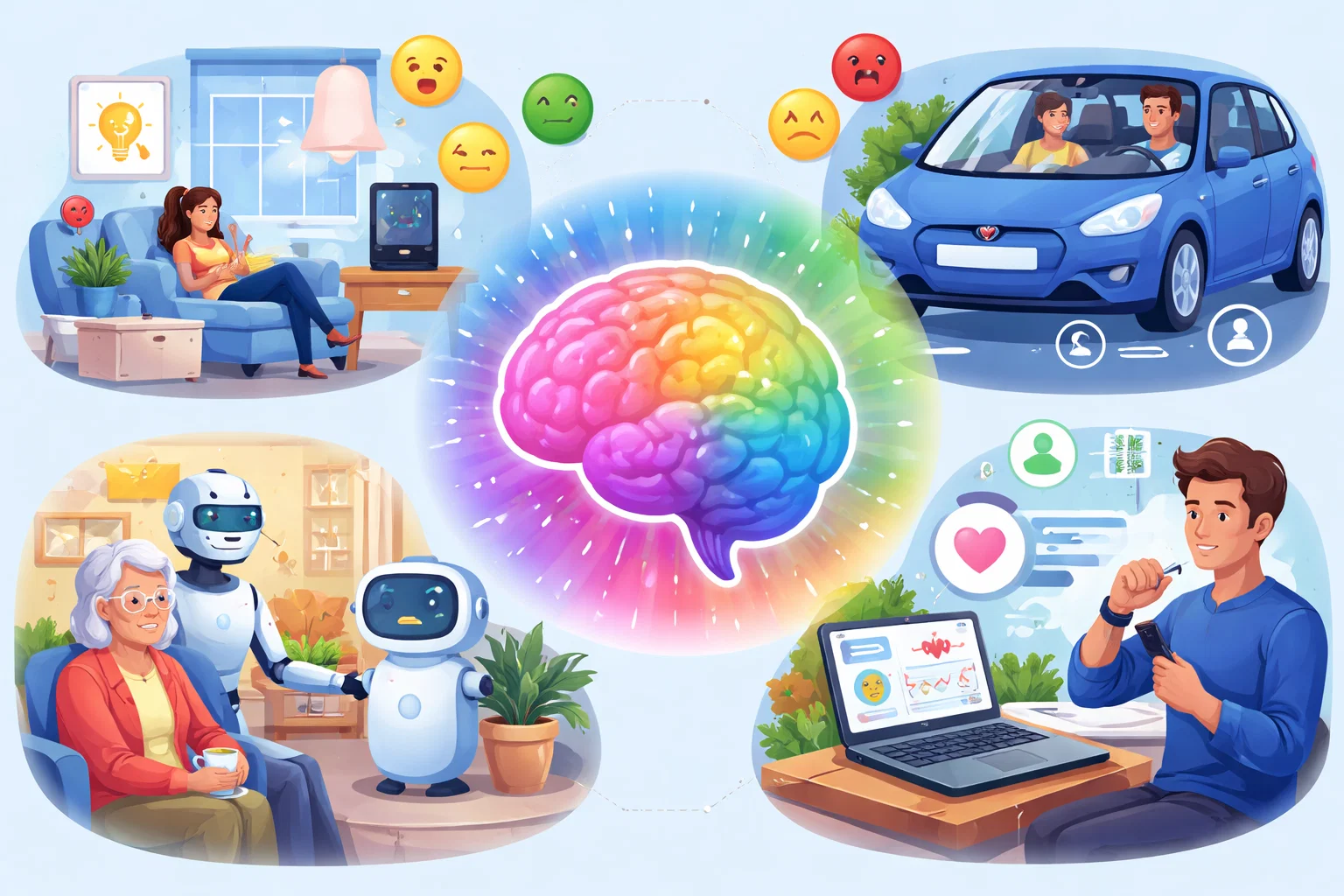
One of the key benefits of emotion-aware technology is enhanced personalization. By understanding user emotions, devices and applications can adapt to individual needs and preferences, delivering a more relevant and engaging experience. From personalized content recommendations to adaptive interfaces, emotion AI is transforming how we interact with technology.
Boosting Mental Health and Emotional Wellbeing
Emotion-aware technology can significantly boost mental health and emotional wellbeing. By providing real-time feedback on emotional states and offering personalized interventions, these systems empower individuals to better manage their emotions and stress levels.
Wearable devices and AI-powered apps can guide users through relaxation techniques, mindfulness exercises, and other therapeutic interventions, promoting emotional resilience.
Increased Productivity and Workplace Adaptation
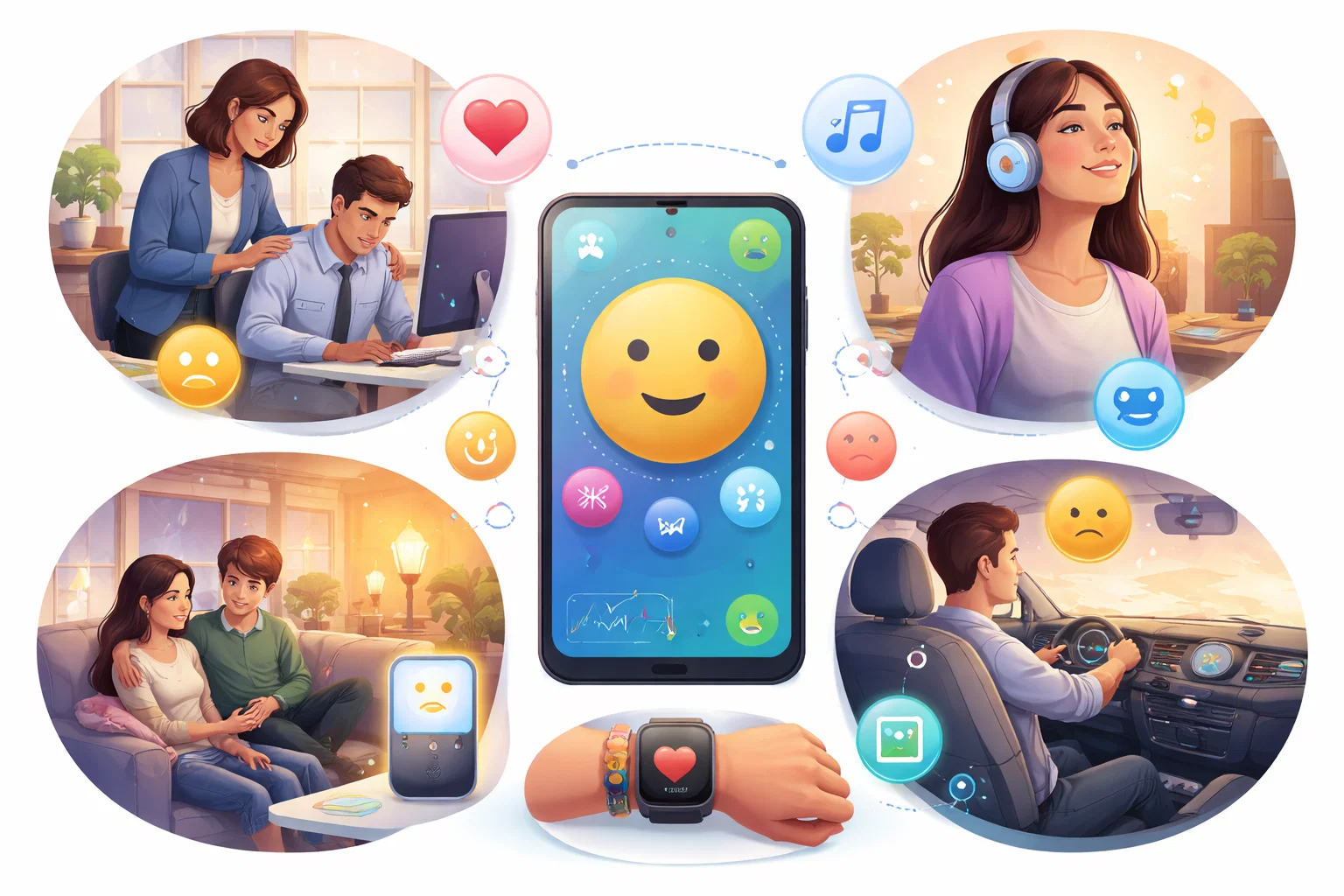
In the workplace, emotion-aware technology can increase productivity and improve workplace adaptation. By detecting employee stress levels and emotional states, employers can create more supportive and adaptive work environments. Emotion AI can also be used to personalize training programs and provide employees with tailored feedback, enhancing their skills and performance.
Smarter Marketing Without Being Creepy (Ethical Use Cases)
Emotion-aware technology enables smarter marketing strategies while respecting ethical boundaries. By understanding consumer emotions, businesses can create more relevant and engaging advertising campaigns.
However, it’s crucial to use this technology responsibly, ensuring transparency and avoiding manipulative practices. Ethical use cases focus on providing value to consumers while respecting their privacy and emotional wellbeing, not detecting emotional states to manipulate potential customers.
Challenges and Ethical Considerations
Privacy Concerns: Protecting Sensitive Emotional Data
One of the most pressing challenges of emotion-aware technology is protecting sensitive emotional data. As devices become increasingly adept at detecting emotional cues and understanding how we feel, there’s a growing risk of privacy breaches.
Ensuring that this emotional data is securely stored and used ethically is crucial to maintain user trust. We must have robust regulations and safeguards surrounding this data, especially as AI models become more powerful.
Accuracy Issues: Avoiding Misinterpretation of Mood
Accuracy in emotion detection is another significant challenge. While AI systems are improving, they are not always perfect. Factors like cultural differences, individual variations in facial expressions, and the context of the situation can lead to misinterpretations of mood.
Avoiding these inaccuracies is critical to prevent unintended consequences, like providing incorrect mental health support. Constant refinements of algorithms, aided by machine learning, are essential.
Ethical Risks: Preventing Manipulation and Misuse
The potential for manipulation and misuse poses a significant ethical risk. Emotion-aware technology could be used to exploit vulnerabilities by detecting emotional states and tailoring manipulative tactics.
For instance, emotionally intelligent AI could be employed in marketing to trigger impulse purchases or in political campaigns to sway public opinion. Preventing these abuses requires stringent ethical guidelines and oversight to ensure responsible use of these detection systems.
The Future of Emotion-Aware Devices in 2026 and Beyond
AI and Machine Learning Advancements Driving Accuracy
The future of emotion-aware technology hinges on advancements in AI and machine learning. As these technologies continue to evolve, emotion AI models will become more accurate in recognizing and responding to human emotions.
Improved algorithms will be able to analyze more nuanced facial expressions, voice patterns, and physiological signals, leading to more reliable and context-aware emotion detection. These systems will learn from vast datasets to become more adept at recognizing human emotions.
Integration Across Devices: Phones, Wearables, Cars, and Homes
In 2026 and beyond, we can expect seamless integration of emotion-aware technology across various devices. From phones and wearables to cars and smart homes, AI systems will work together to create a holistic understanding of our emotional state.
This interconnectedness will enable devices to respond proactively and provide personalized experiences that cater to our emotional needs in real-time, offering enhanced mental health support through wearable devices.
Predictive Emotional Assistance: What Comes Next
The next frontier of emotion-aware technology is predictive emotional assistance. By analyzing patterns in emotional data, AI systems will be able to anticipate emotional needs before they arise.
For example, if a wearable device detects signs of increasing stress, it might proactively suggest a meditation exercise or offer a calming playlist. This predictive capability has the potential to revolutionize mental health support and enhance overall emotional wellbeing, aided by machine learning.
Conclusion: Why Understanding Emotion-Aware Technology Is Key for 2026
Understanding emotion-aware technology is crucial for 2026 because it’s poised to transform numerous aspects of our lives. From enhancing personalization and boosting mental health to improving safety and productivity, the potential benefits are vast. However, we must also be mindful of the ethical challenges and privacy concerns. By gaining a comprehensive understanding of emotion AI, we can harness its power responsibly and shape a future where technology enhances our emotional wellbeing, not detecting emotional states to manipulate us.