In a world grappling with environmental concerns, the fashion industry is under scrutiny. This article explores how to embrace sustainable fashion without compromising your personal style. Discover practical tips for building a sustainable wardrobe, making informed shopping decisions, and supporting brands that prioritize sustainability. Let’s redefine style with a conscience.
Why Sustainable Fashion Is the Future of Style
The environmental cost of fast fashion in 2025
The fashion industry’s rapid growth has led to significant environmental challenges. Fast fashion, with its emphasis on cheaper alternatives and rapidly changing trends, contributes heavily to pollution and resource depletion. By 2025, the environmental impact of fast fashion is projected to worsen if consumption habits remain unchanged, adding to the already alarming carbon footprint.
How conscious shopping benefits both planet and personal style
Conscious shopping is a powerful way to minimize your environmental impact while enhancing your personal style. By prioritizing sustainable materials and ethical fashion, shoppers can support brands that value sustainability. This approach reduces waste, promotes fair labor practices, and allows individuals to curate a wardrobe that reflects their values and lasts longer.
Understanding Sustainable Fashion
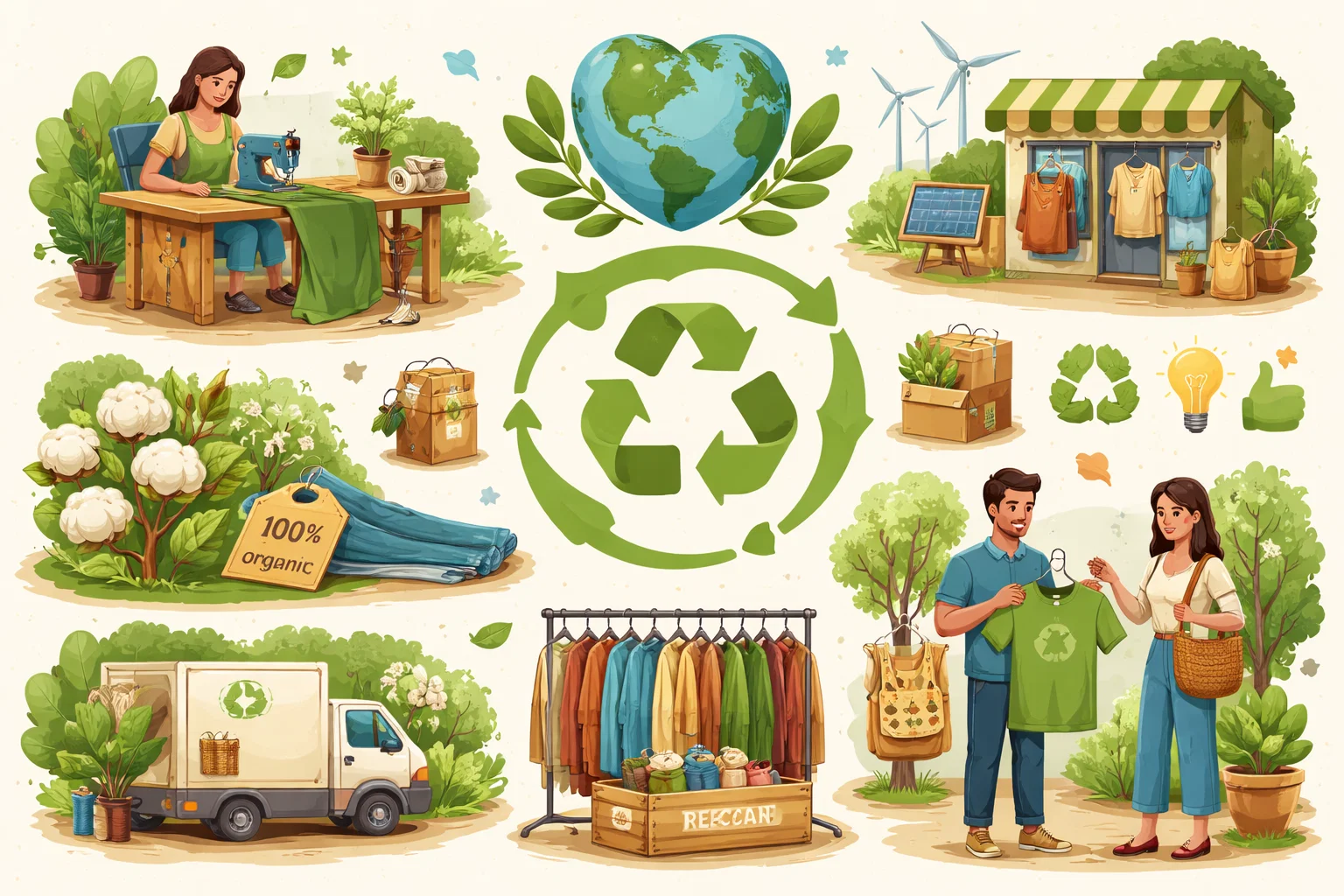
Key principles: ethical production, eco-friendly materials, and circular fashion
Sustainable fashion revolves around ethical production, eco-friendly materials, and circular fashion. Sustainable fashion revolves around ethical production, ensuring fair treatment of workers throughout supply chains.
It also focuses on eco-friendly materials like organic materials and biodegradable textiles, which reduce the reliance on harmful synthetic fabrics such as polyester. Circular fashion principles aim to extend the life cycle of each piece of clothing, minimizing waste and promoting resource efficiency.
Certifications & labels to trust (GOTS, Fair Trade, OEKO-TEX, etc.)
Navigating the world of sustainable fashion requires understanding credible certifications and labels. Here’s a summary of some key certifications:
| Certification | What it Ensures |
|---|---|
| GOTS (Global Organic Textile Standard) | Organic textile production |
| Fair Trade | Fair wages and safe working conditions |
| OEKO-TEX | Garments are free from harmful substances |
These certifications help shoppers make informed decisions and support brands committed to sustainability in fashion.
Building a Stylish yet Eco-Friendly Wardrobe
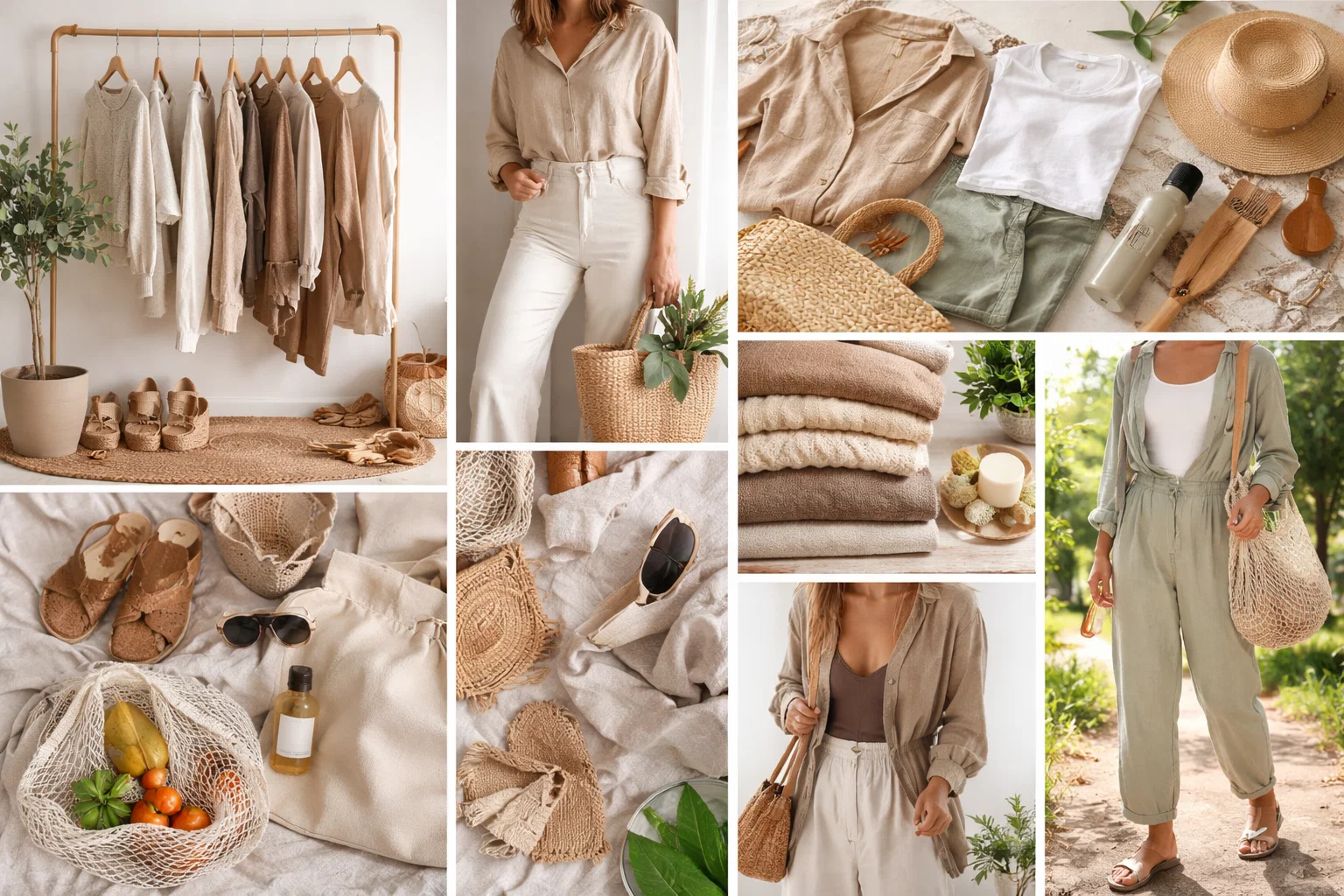
Start with a closet audit: assessing what you already own
The first step towards building a sustainable wardrobe is a thorough closet audit. Assess what you already own to avoid unnecessary purchases. Assess what you already own, identifying pieces that can be repurposed or styled in new ways. This process reduces the need for buying new items and helps you appreciate the value of what you have. Consider donating or selling items you no longer wear.
Creating a versatile capsule wardrobe with timeless pieces
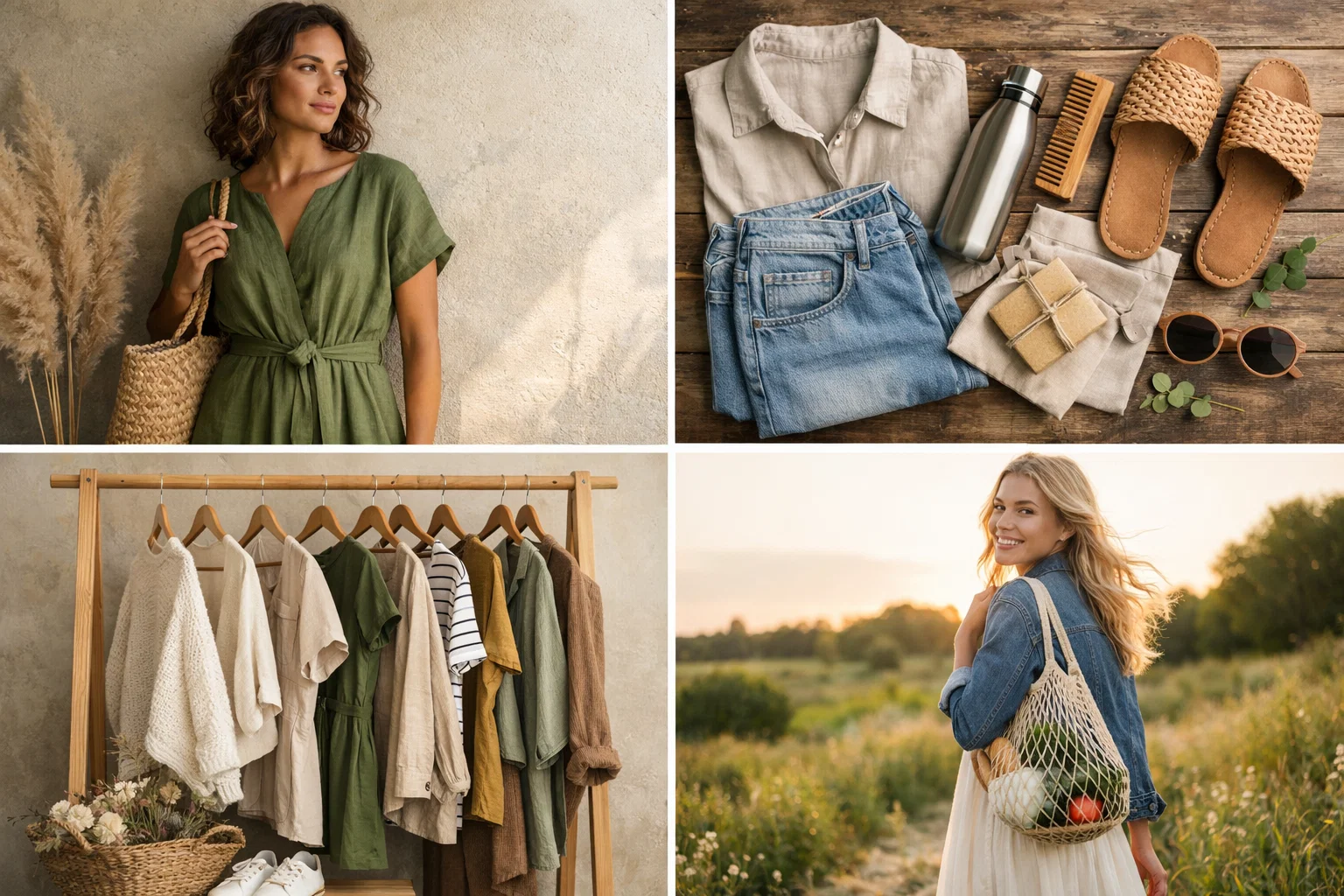
A capsule wardrobe consists of versatile, high-quality pieces of clothing that can be mixed and matched to create numerous outfits. Build a capsule wardrobe with timeless pieces for a versatile and sustainable style.
Investing in timeless items like classic denim jeans, neutral-colored tops, and well-made outerwear ensures your wardrobe remains stylish and functional for years. A capsule wardrobe reduces the need for frequent purchases and supports a more sustainable lifestyle.
Choosing quality over quantity: fabrics that last and age beautifully
Opting for quality over quantity is a cornerstone of sustainable fashion. Prioritize quality over quantity and choose durable, sustainable fabrics.
Choose garments made from durable, sustainable materials that are designed to last longer and age beautifully. High-quality fabrics not only withstand wear and tear but also maintain their appearance, reducing the need to replace them frequently. This approach aligns with the principles of reducing waste.
Smart Shopping Strategies for the Modern Consumer

How to research brand transparency and sustainability reports
In today’s fashion industry, shoppers are increasingly interested in the sustainability of the garments they buy. Research brand transparency and sustainability reports before making a purchase.
To make informed decisions, research brand transparency and sustainability reports, paying attention to ethical fashion practices and eco-friendly materials used. Check for certifications and specific details on how sustainable the brands are and the environmental impact of their clothes.
Best practices for buying secondhand, vintage, and thrifted fashion
Buying second-hand, vintage, or thrifted fashion is a fantastic way to reduce your environmental impact and embrace sustainable fashion. Embrace secondhand, vintage, and thrifted fashion to reduce environmental impact.
Explore local thrift stores and online platforms like The RealReal to discover unique pieces of clothing while extending their life cycle. This helps reduce the need for buying new and keeps garments out of landfills, giving the clothes life.
Renting outfits for events instead of buying
Consider renting outfits for special events instead of buying something new to reduce your carbon footprint. Rent outfits for events to minimize consumption and waste. Renting is a sustainable solution that minimizes the need to purchase garments you may only wear once, and it helps keep clothes lasting longer. Embrace this trend to support sustainability in fashion and maintain a sustainable wardrobe.
Supporting local and slow-fashion designers
Support local and slow fashion designers who prioritize ethical practices and sustainable materials in their pieces of clothing. Support local and slow-fashion designers for ethical and sustainable choices. By choosing slow fashion over fast fashion brands, you support fair labor practices and eco-friendly production methods. These designers focus on high-quality items designed to last longer, aligning with sustainability in fashion and reducing waste.
Trendy Yet Sustainable: Styling Tips for Every Season
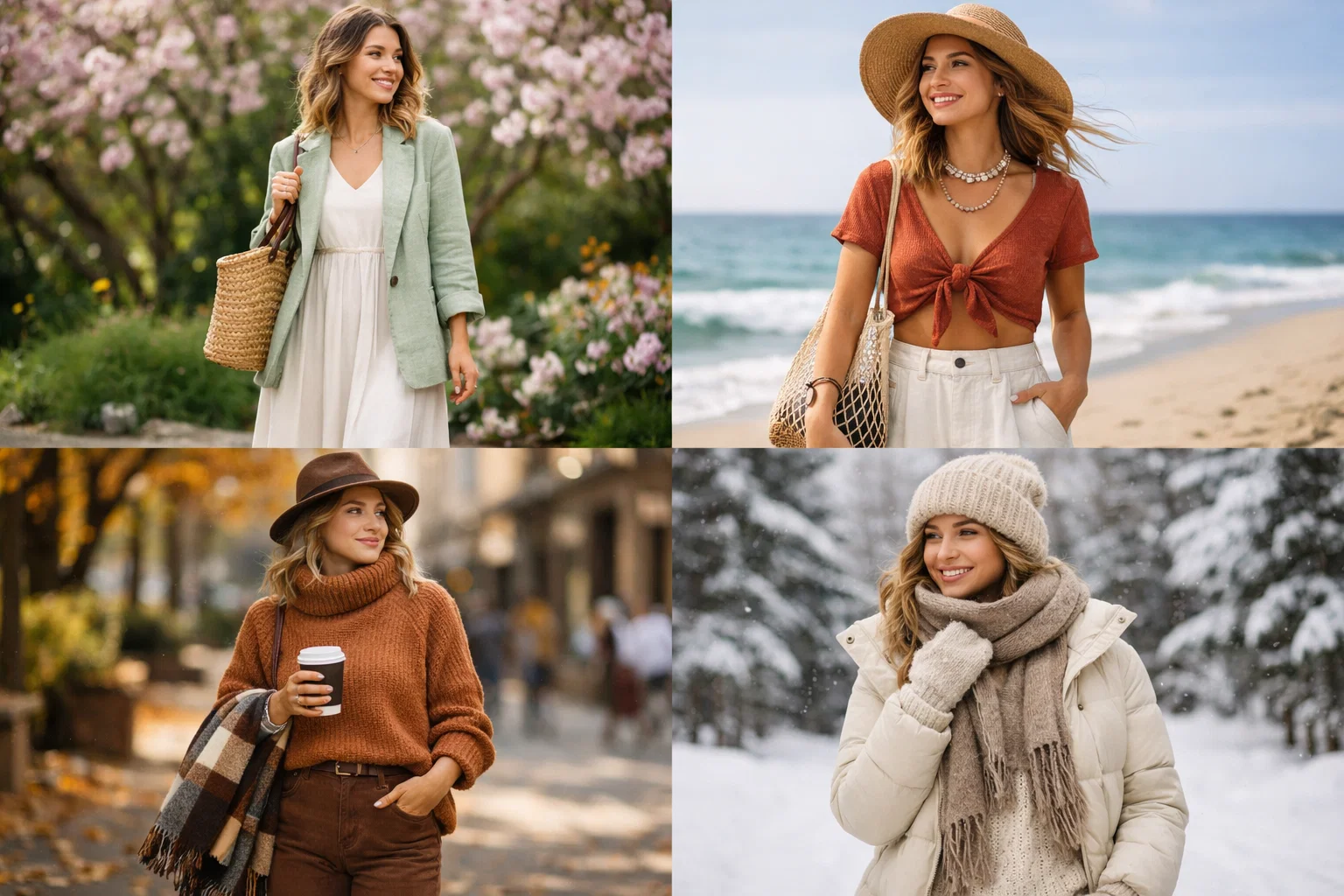
Mixing classic neutrals with seasonal statement pieces
Create a trendy yet sustainable wardrobe by mixing classic neutrals with seasonal statement pieces. Combine classic neutrals with seasonal pieces for a trendy and sustainable wardrobe. Investing in timeless, versatile items ensures your clothing lasts and remains stylish, reducing the need to purchase something new. Pair these core pieces with trendy, seasonal items to keep your personal style fresh and eco-friendly.
Layering techniques for year-round wear
Master layering techniques to maximize your wardrobe’s versatility for year-round wear. Use layering techniques to maximize versatility and reduce seasonal purchases.
Layering allows you to adapt your clothes to different temperatures, extending the life cycle of your garments and reducing the need for seasonal fast fashion brands. This approach enhances sustainability and offers creative options for expressing your personal style sustainably.
Upcycling and DIY ideas to refresh old favorites
Revitalize your sustainable wardrobe with upcycling and DIY projects, giving new life to old pieces of clothing. Upcycle and DIY to refresh old clothes and reduce textile waste.
Transform outdated garments into trendy new items, reducing textile waste and promoting sustainability in fashion. Upcycling is a creative way to express your personal style while reducing the environmental impact of the fashion industry and keeping the clothes lasting.
Sustainable Fabrics & Materials to Look For
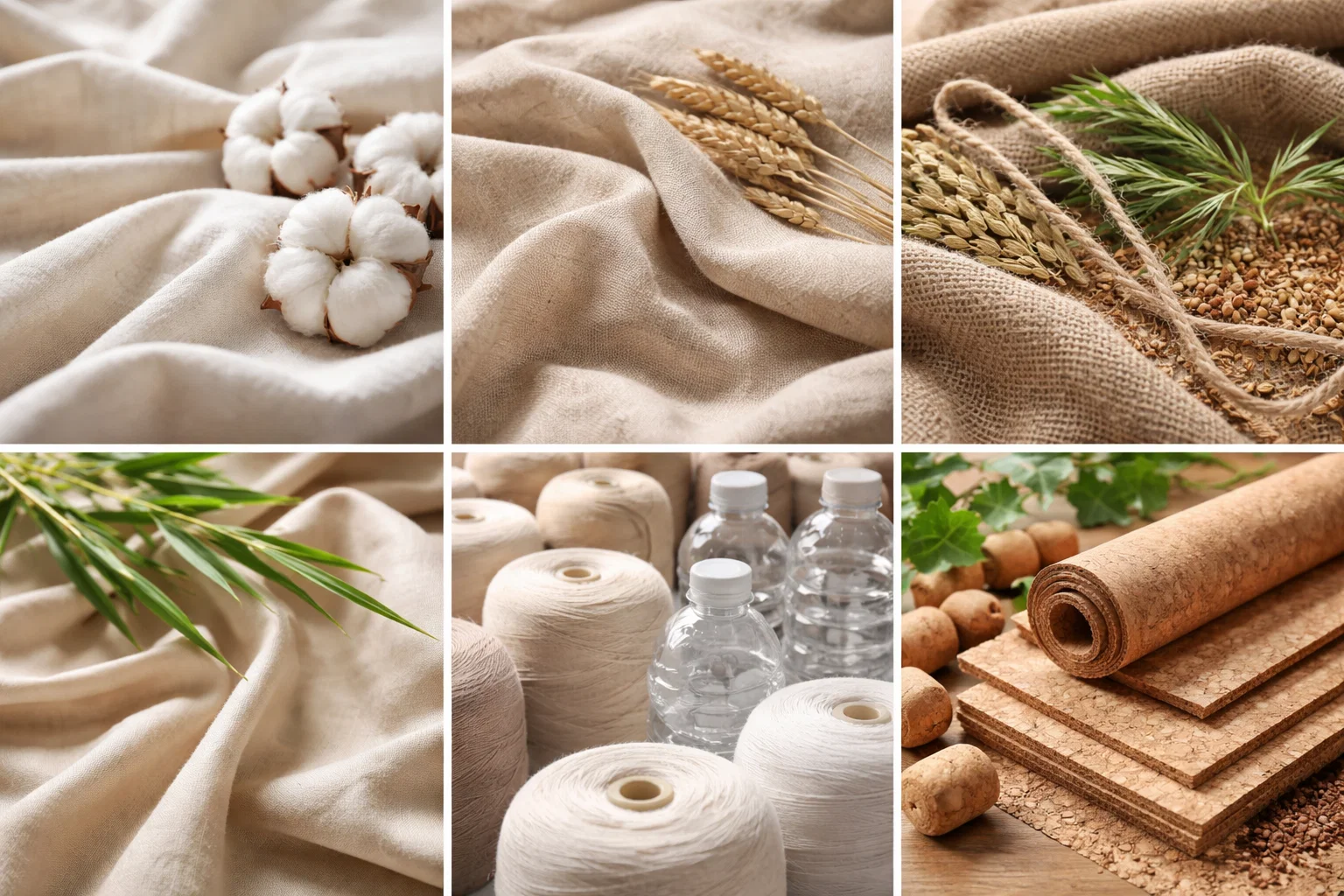
Organic cotton, hemp, linen, Tencel, and recycled textiles explained
When building a sustainable wardrobe, prioritize garments made from materials that are kind to the environment. Consider options such as:
- Organic cotton, which reduces pesticide use.
- Hemp and linen, which require less water and fewer chemicals to grow.
- Tencel, produced from sustainably sourced wood pulp.
- Recycled textiles, which reduce waste and promote sustainability.
These choices support eco-friendly practices.
Innovative future fabrics: mushroom leather, pineapple fiber, and lab-grown materials
Explore innovative future fabrics like mushroom leather, pineapple fiber (Piñatex), and lab-grown materials for sustainable fashion and alternative materials. Explore innovative fabrics like mushroom leather and pineapple fiber. These materials offer eco-friendly alternatives to traditional textiles, reducing the fashion industry’s environmental impact. Support designers and brands that incorporate these textiles into their clothing to advance sustainability and keep clothes lasting.
Care & Maintenance to Extend Your Clothes’ Life
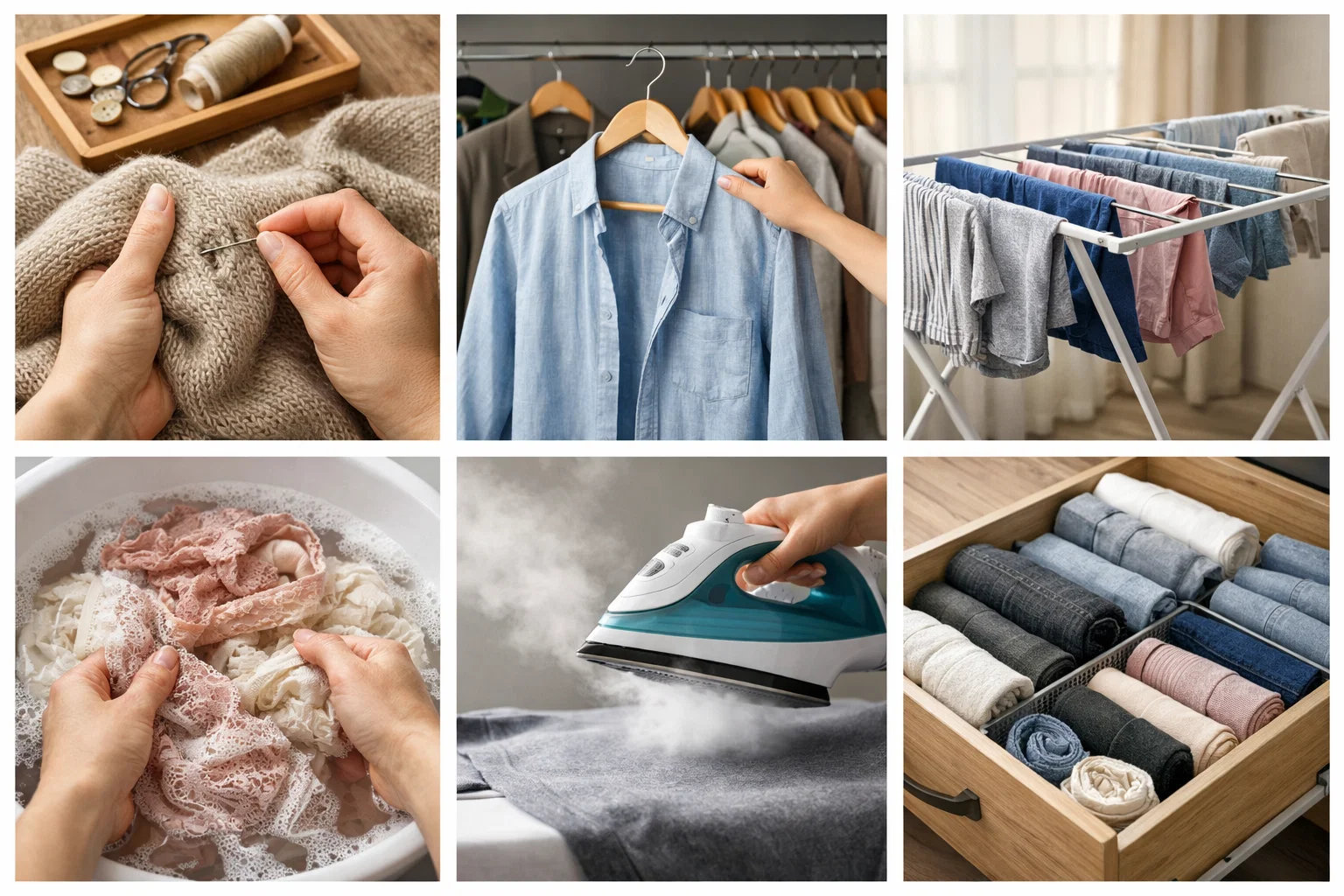
Eco-friendly laundry habits (cold wash, air dry, eco-detergents)
Adopting eco-friendly laundry habits is essential for extending the life cycle of your garments and reducing the environmental impact of your sustainable wardrobe. Consider these key practices to achieve this:
- Cold wash: Saving energy.
- Air dry: Preventing wear and tear.
- Eco-detergents: Avoiding harmful chemicals.
Washing clothes in cold water saves energy, and air drying prevents wear and tear, extending the garment’s life. Using eco-detergents avoids harmful chemicals, supporting sustainability in fashion and keeping clothes lasting longer.
Simple repairs and tailoring to keep garments in rotation
Mastering simple repairs and tailoring techniques helps keep your sustainable clothing in rotation, reducing the need for buying new items. Repair and tailor clothes to extend their life and reduce waste.
Sewing on buttons, mending seams, and altering ill-fitting garments extends their life, supporting the principles of ethical fashion. This practice minimizes the amount of textiles going to landfill, which can have a large environmental impact.
Accessorizing the Green Way
Jewelry made from recycled metals and ethically sourced gems
Accessorize responsibly by choosing jewelry made from recycled metals and ethically sourced gems, aligning with the principles of ethical fashion. Choose jewelry made from recycled metals and ethically sourced gems.
These materials reduce the environmental impact associated with mining and extraction, promoting sustainability in fashion. Choosing sustainably sourced jewelry supports fair labor practices and reduces the need for purchasing something new.
Sustainable shoes and bags: materials and brands to know
Opt for sustainable shoes and bags made from eco-friendly materials to complement your ethical fashion choices. Opt for sustainable shoes and bags made from eco-friendly materials. Look for brands that use recycled materials or innovative textiles, reducing the environmental impact of the fashion industry and supporting sustainability in fashion. Consider vegan leather and natural textiles instead of cheaper alternatives to promote sustainability.
Budget-Friendly Sustainable Fashion Tips
How to invest in key pieces without overspending
Invest wisely in key pieces for your sustainable wardrobe without overspending by prioritizing quality over quantity, ensuring that clothes last and your wardrobe is more sustainable. Invest wisely in key pieces, prioritizing quality and versatility. Focus on versatile, timeless items made from durable materials, such as denim, that can be mixed and matched to create multiple outfits, such as denim jeans. Choose pieces to add to your sustainable clothing.
Seasonal sales and swapping communities
Take advantage of seasonal sales and join swapping communities to expand your sustainable wardrobe without spending a fortune. Utilize seasonal sales and clothing swaps for budget-friendly sustainability. Sales offer opportunities to find ethical fashion and sustainable materials. Swapping allows you to exchange clothing with others, reducing the need for buying new items and promoting sustainability in fashion, keeping clothes lasting.
Inspiring Brands Leading the Change
Affordable sustainable labels (e.g., Pact, Everlane, Girlfriend Collective)
Discover affordable sustainable labels like Pact, Everlane, and Girlfriend Collective, which prioritize ethical fashion and eco-friendly practices. Support affordable sustainable labels like Pact, Everlane, and Girlfriend Collective. These sustainable brands demonstrate that sustainability in fashion can be accessible without compromising on personal style and that the garments they sell will last, reducing waste. Look for alternatives instead of cheaper alternatives.
Luxury eco-fashion houses redefining high-end style
Explore luxury eco-fashion houses that are redefining high-end style with sustainable materials and ethical production methods. Explore luxury eco-fashion houses for high-end sustainable style. These brands showcase that sustainability in fashion can coexist with luxury and innovation, offering sophisticated, sustainable clothing options. By using organic materials, they are helping to reduce the fashion industry‘s environmental impact.
Final Thoughts: Making Sustainability a Personal Style Statement
Make sustainability a personal style statement by embracing ethical fashion and conscious consumerism in your daily life, reducing the need to purchase something new. Make sustainability a personal style statement through conscious choices. By choosing sustainable materials and supporting sustainable brands, shoppers can minimize their environmental impact and promote positive change in the fashion industry. A sustainable wardrobe should reflect your values.