



In 2026, digital privacy is once again at the forefront of public discourse. As technology advances and data breaches become more frequent, individuals are increasingly aware of the importance of safeguarding their personal information.
This article explores the reasons behind the renewed focus on digital privacy and what steps can be taken to protect our digital lives.
Why Digital Privacy Is Back in the Spotlight


The Growing Awareness of Personal Data Risks
In the digital age, there is a growing awareness of personal data risks. People now understand that their personal information is constantly collected and analyzed by tech companies. This awareness drives the demand for stronger privacy protection and comprehensive data privacy law to protect their data from misuse and harm.
How 2026 Is Different From Previous Privacy Discussions
In 2026, the conversation around digital privacy has evolved significantly. Unlike previous discussions, there is a greater understanding of the interconnectedness of data collection, cybersecurity threats, and the erosion of the right to privacy. People are more informed about the implications of government surveillance and the need for robust data protection laws.
Major Data Breaches Driving Concern

Recent High-Profile Hacks and Their Impact on Public Awareness
Recent high-profile data breaches have significantly impacted public awareness regarding online privacy. These breaches expose the vulnerabilities in data security and highlight how easily personal information can be compromised. This reinforces the importance of strong cybersecurity measures and comprehensive privacy policies to mitigate the risk of breaches.
Lessons Learned From Past Data Leaks
Past data leaks have provided invaluable lessons on the importance of robust data protection. These incidents underscore the need for organizations to prioritize data security and implement effective encryption methods. Consumers are now more vigilant about protecting their data and demand greater accountability from companies handling their personal information.
The Role of AI and Advanced Technology

How AI Collects and Uses Personal Data
AI and advanced technology play a significant role in data collection. AI systems gather vast amounts of personal data to improve their algorithms and provide personalized services. This data collection raises serious privacy concerns, as individuals often lack control over how their information is used and shared by these technologies.
Ethical Concerns About Data Used in AI Training
Ethical concerns surrounding the use of data in AI training are growing. Many worry that personal information is being used without proper consent, potentially leading to biased outcomes and discrimination. There is a pressing need for transparency and ethical guidelines to ensure that AI development respects privacy rights and avoids perpetuating harm.
Why AI Amplifies the Need for Digital Privacy in 2026
AI amplifies the need for digital privacy due to its capacity to process and analyze personal data on an unprecedented scale. As AI becomes more integrated into daily life, the potential for surveillance and misuse of information increases. This makes robust data protection and stronger privacy laws essential to safeguarding individual rights.
Social Media and Privacy Awareness

Tracking, Ads, and the Rise of Personal Data Monetization
Social media platforms utilize sophisticated tracking mechanisms to gather personal information for targeted advertising. This data collection, often without explicit consent, leads to the monetization of personal data, raising significant digital privacy concerns. Consumers are becoming increasingly aware of how their online activities are being monitored and used to generate revenue for tech companies.
Scandals, Policy Changes, and Public Reactions
Numerous scandals involving social media platforms have triggered policy changes and strong public reactions. Data breaches and privacy violations have led to increased scrutiny of data protection laws and digital privacy practices. These incidents highlight the urgent need for greater accountability and transparency from tech companies regarding consumer data handling.
How Users Are Taking Control of Their Digital Footprint
Users are actively taking control of their digital footprint by utilizing privacy tools such as Privacy Badger, adjusting privacy settings, and being more selective about the information they share online. They are also demanding better data protection and holding companies accountable for breaches. This proactive approach reflects a growing desire to reclaim the right to privacy in the digital space.
Legislative and Regulatory Updates
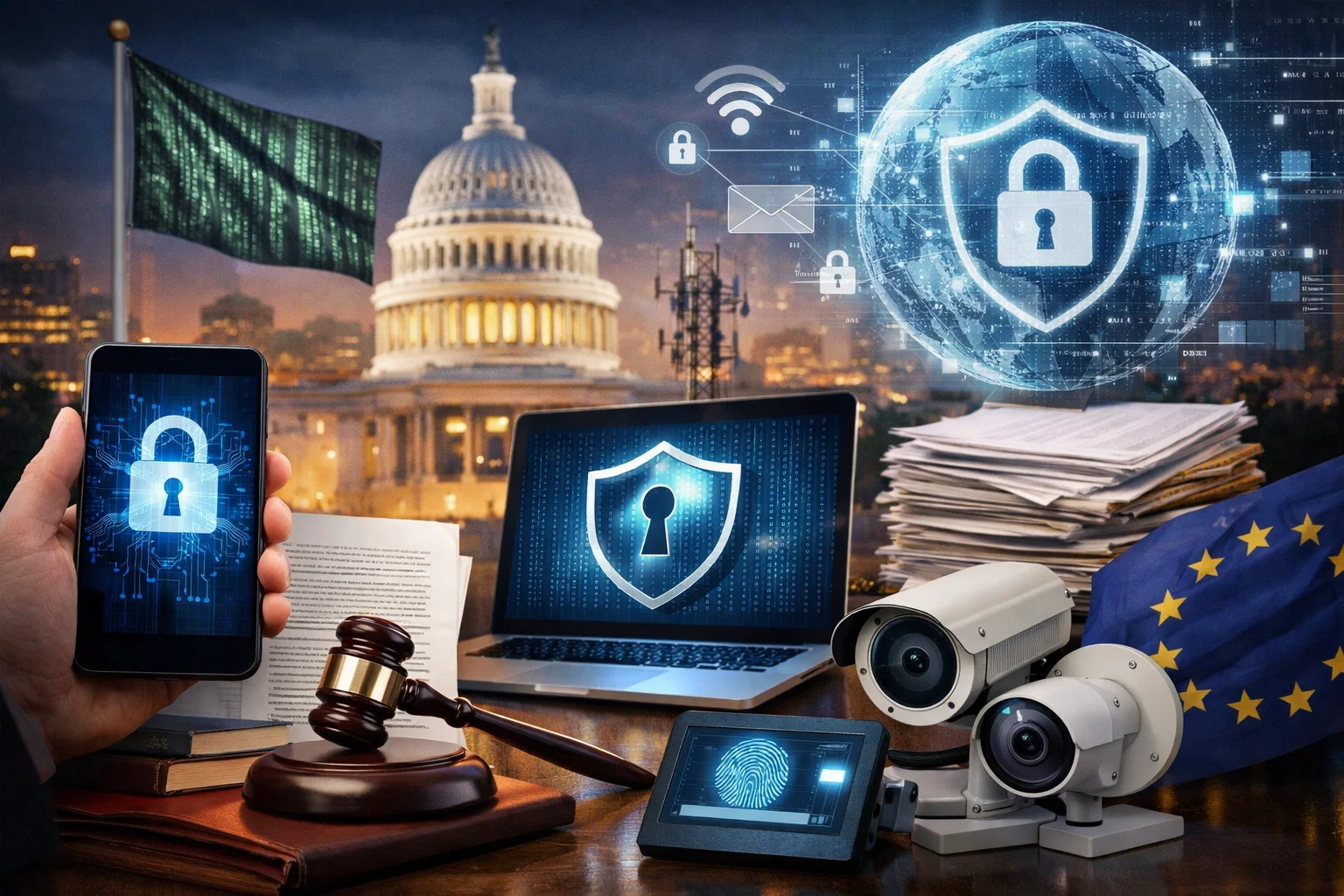
GDPR, CCPA, and Emerging 2026 Privacy Laws
GDPR and CCPA have set precedents for data privacy regulation, influencing the development of emerging privacy laws in 2026. These laws aim to protect personal data and grant individuals more control over their personal information. The goal is to enforce stronger data protection and hold organizations accountable for adhering to digital privacy standards.
How Regulation Shapes User Rights and Corporate Responsibilities
Regulation plays a crucial role in shaping user rights and corporate responsibilities regarding digital data. Strong data protection laws empower individuals with the right to access, correct, and delete their personal information. Companies must adhere to these regulations, implementing robust privacy policies and data security measures to protect consumer data and avoid penalties.
Cybercrime, Identity Theft, and Financial Risks

Increasing Threats in a Hyperconnected World
In a hyperconnected world, threats from cybercrime, identity theft, and financial fraud are on the rise. Data breaches expose sensitive personal information, making individuals vulnerable to various online scams and digital attacks. This alarming trend underscores the urgent need for enhanced cybersecurity measures and heightened awareness of online privacy risks.
How Consumers Are Protecting Themselves
Consumers are increasingly proactive in protecting themselves against cyber threats by adopting various cybersecurity measures. This includes using strong passwords, enabling two-factor authentication, and being cautious about phishing attempts. Many also utilize encryption tools and VPNs to safeguard their data and protect their digital privacy while browsing online.
The Psychology Behind Privacy Awareness

Why People Care More About Data Security Today
People care more about data security today because they understand the real-world implications of data breaches and privacy violations. Increased awareness of surveillance practices and the potential for harm stemming from compromised personal data has heightened concerns. This growing sense of vulnerability drives the demand for better digital privacy and data protection.
How Fear, Awareness, and Social Pressure Drive Behavior
Fear, awareness, and social pressure collectively drive behavior related to information privacy. High-profile data breaches instill fear, while greater awareness of surveillance and data collection practices prompts caution. Social pressure to adopt privacy-enhancing behaviors further encourages individuals to protect their data and demand stronger privacy protection.
Privacy Tools and Practices for 2026

Encryption, VPNs, and Secure Browsers
Encryption, VPNs, and secure browsers are essential tools for enhancing digital privacy. To achieve this, these tools offer various functionalities, for example:
- Encryption scrambles data, making it unreadable to unauthorized users.
- VPNs mask IP addresses and encrypt internet traffic.
Secure browsers offer built-in privacy features to protect against tracking and surveillance, ensuring safer online experiences.
Password Management, Two-Factor Authentication, and App Permissions
Here’s how you can bolster your digital defenses: Password management tools are invaluable, and they primarily help with:
- Generating and storing strong, unique passwords, which reduces the risk of data breaches.
- Adding an extra layer of security with two-factor authentication, as it requires a second verification method in addition to a password.
Furthermore, managing app permissions ensures that applications only access necessary personal information, safeguarding data privacy.
Mindful Digital Habits to Protect Your Data
Cultivating mindful digital habits is crucial for protecting your data. To achieve this, consider the following practices:
- Being cautious about sharing personal information online
- Regularly reviewing privacy settings
Avoiding suspicious links is also very important. By adopting these practices, individuals can minimize their digital footprint and enhance their overall digital privacy in an increasingly interconnected world.
The Future of Digital Privacy
Trends Shaping Privacy in the Next 5–10 Years
Several trends will shape digital privacy in the next 5–10 years, including increased regulation, advancements in encryption technology, and growing consumer awareness. There will likely be more stringent data protection laws and a greater emphasis on privacy-enhancing technologies. This will require constant monitoring of data privacy law changes.
How Consumers, Businesses, and Regulators Can Collaborate
Collaboration between consumers, businesses, and regulators is essential for fostering a robust data privacy ecosystem. Consumers need to be informed and empowered, businesses must prioritize data protection, and regulators need to enforce effective data protection laws. This collaborative approach will ensure that digital privacy is respected and protected in the digital age.
Balancing Convenience, AI Innovation, and Privacy Protection
Balancing convenience, AI innovation, and privacy protection is a significant challenge. Striking the right balance involves developing privacy-preserving technologies and establishing ethical guidelines for data collection and use. This balance will allow us to harness the benefits of AI while safeguarding individual privacy rights and preventing harm from misuse.
Conclusion: Why Staying Informed About Digital Privacy Matters
Staying informed about digital privacy matters because it empowers individuals to protect their personal data and assert their privacy rights. As technology evolves and threats become more sophisticated, understanding data protection laws and best practices is crucial. Only through continuous education and vigilance can we safeguard our digital lives and maintain our expectation of privacy.