


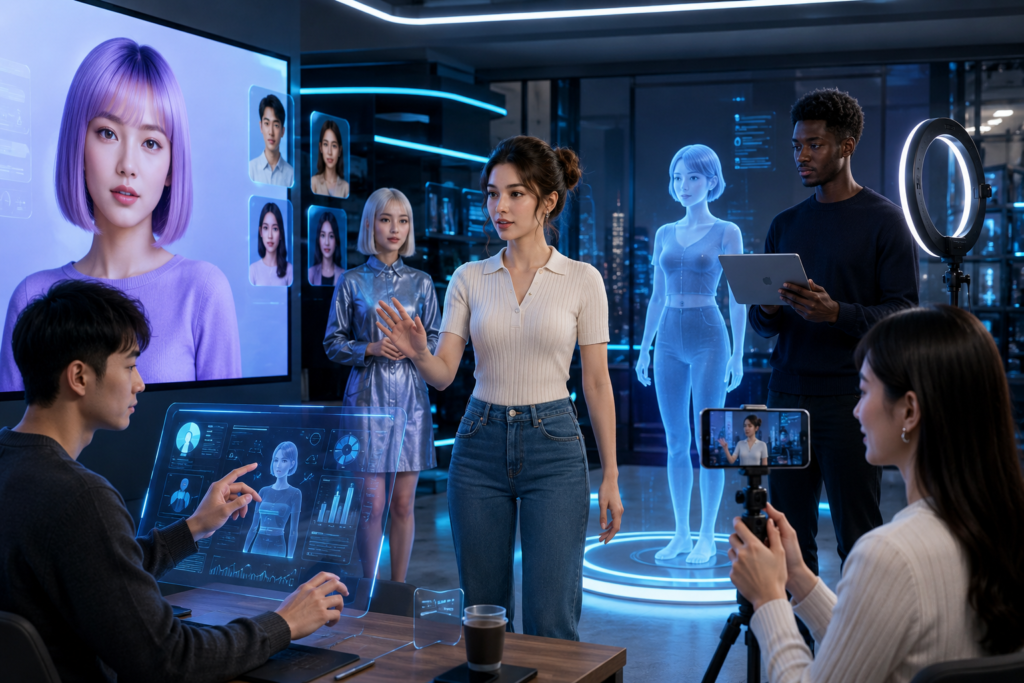
The year 2026 marks a pivotal moment where digital humans and AI avatars transcend novelty to become integral parts of our daily digital communication and interaction, transforming various industries with their lifelike capabilities.
What Are Digital Humans and AI Avatars?
Understanding the fundamental nature of these advanced AI entities is crucial for grasping their mainstream emergence and the profound impact they are set to have across various sectors. These sophisticated virtual beings are redefining how we interact with technology.

The Difference Between AI Avatars, Virtual Influencers, and Digital Humans
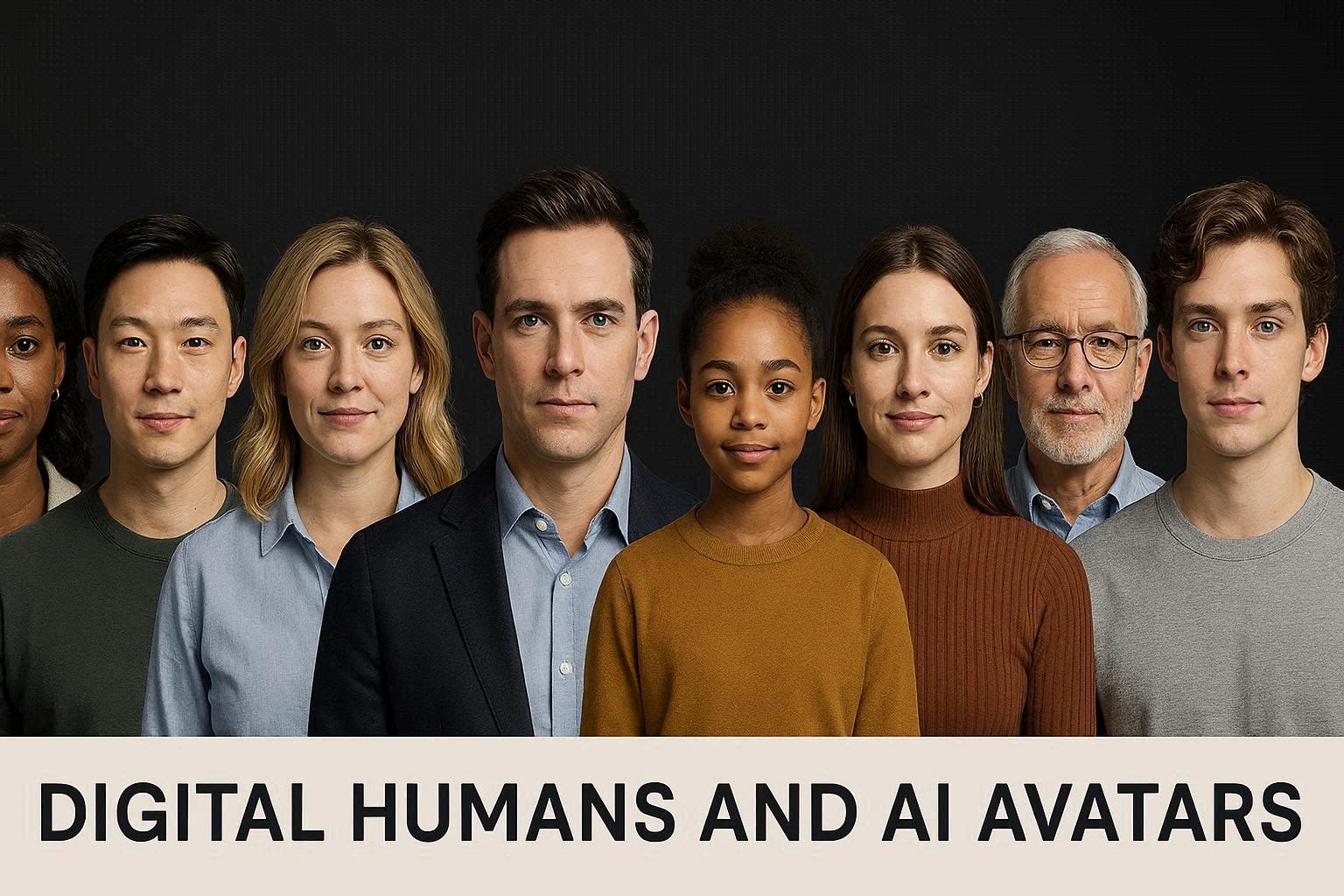
While often used interchangeably, distinguishing between AI avatars, virtual influencers, and digital humans is essential. An AI avatar is a broad term for any digital representation powered by artificial intelligence, often used in gaming or as a chatbot interface. Virtual influencers, however, are a specific type of AI avatar designed to embody a distinct personality and engage with audiences on social media, influencing trends and purchasing decisions.
| Type | Key Characteristics |
|---|---|
| Digital Humans | Most advanced form, employing sophisticated 3D modeling, real-time rendering, and advanced AI. |
| Digital Humans | Highly realistic, interactive, and emotionally responsive virtual beings that can interpret human language and mimic human-like facial expressions and gestures, offering a true sense of a human touch. |
How Generative AI Is Powering Human-Like Virtual Identities
Generative AI is the driving force behind the unprecedented realism and interactivity of modern digital humans and AI avatars, enabling them to thrive in complex environments. This cutting-edge technology, fueled by sophisticated machine learning algorithms, allows for the creation of incredibly detailed visual representations, from lifelike facial expressions to natural body language. Beyond mere graphic fidelity, generative AI also powers key capabilities:
- The ability of these virtual beings to generate human language in real-time through advanced natural language processing (NLP) and speech synthesis, allowing for seamless conversational AI.
- Meaningful, personalized interactions, making them invaluable assets in customer service, healthcare, and beyond.
Why 2026 Is a Turning Point for AI-Powered Human Interaction
The year 2026 stands out as a critical juncture for AI-powered human interaction, ushering in a new era of digital engagement. This turning point is characterized by significant advancements in AI and machine learning, coupled with increasing public comfort and accessibility to such technology.
The integration of advanced real-time rendering, improved natural language processing, and sophisticated emotion simulation has elevated the quality of interaction with digital humans to an unprecedented level.
Businesses are now widely recognizing the potential for personalized customer experience and efficiency across industries like retail, healthcare, and education, signaling a true mainstream adoption of these interactive virtual assistants and transforming how we perceive and utilize artificial intelligence in our daily lives.
Why AI Avatars Are Exploding in Popularity in 2026
The surge in popularity of AI avatars in 2026 is not merely coincidental; it’s a convergence of technological maturity, evolving communication preferences, and the pervasive influence of digital culture. This phenomenon is reshaping industries and personal interactions alike.
The Rise of Digital-First Communication and Online Identity
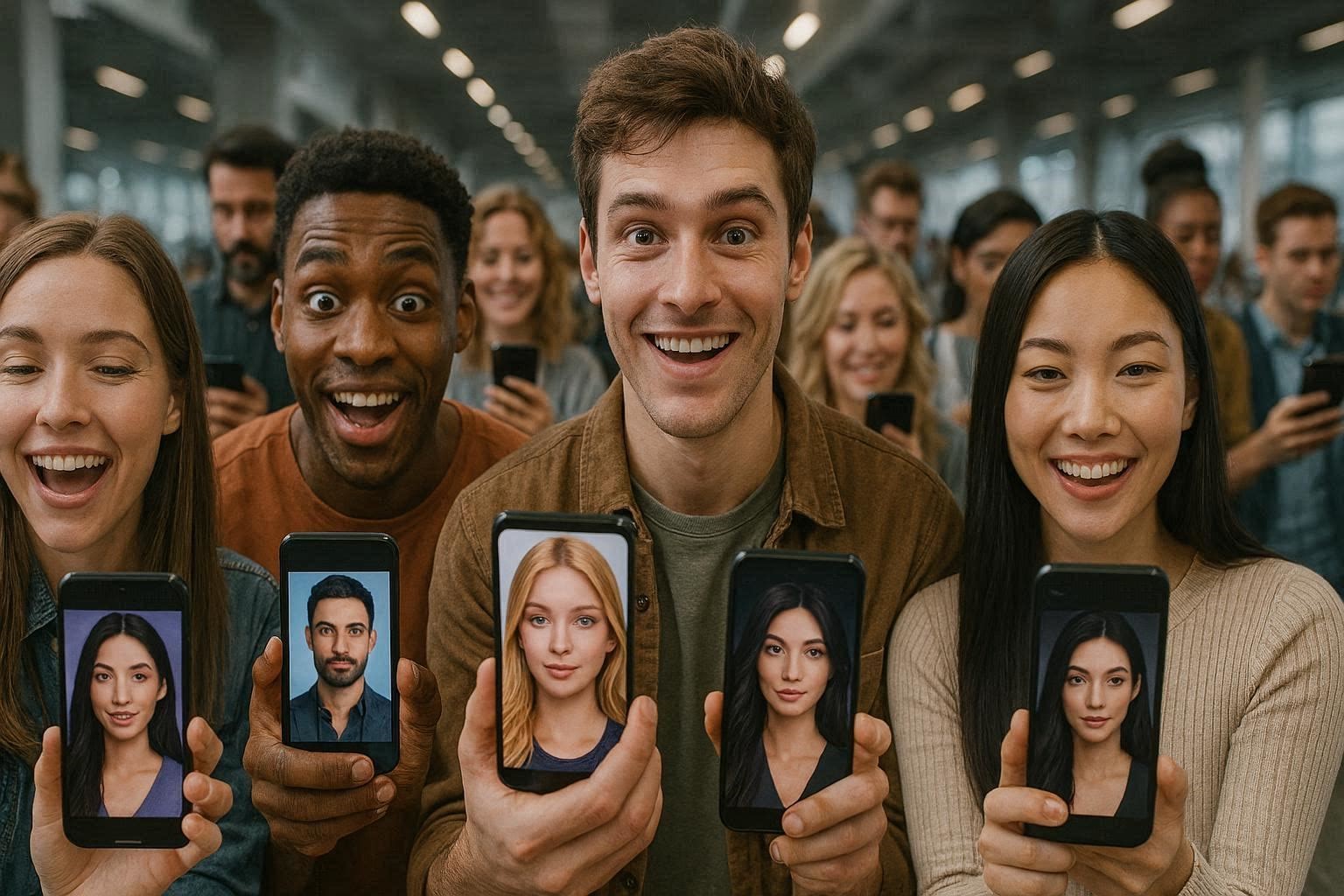
The shift towards digital-first communication has profoundly influenced the explosion of AI avatars, making online identity more central than ever. In a world increasingly interconnected through screens, individuals and businesses are seeking innovative ways to personalize their virtual presence and enhance user experiences.
AI avatars offer a compelling solution, enabling dynamic and interactive representation that transcends static images or basic chatbots. This rise of digital communication has fostered an environment where a virtual assistant or a digital human can effectively serve in various roles, including:
- A brand ambassador
- A personalized shopping assistant
- A virtual companion
Thereby creating a new dimension of engagement in the digital environment.
Social Media’s Influence on Virtual Personality Culture
Social media platforms have been instrumental in cultivating a virtual personality culture, significantly accelerating the mainstream adoption of AI avatars. These platforms provide the perfect environment for virtual influencers and AI content creators to thrive, blurring the lines between real and digitally generated personalities.
Users are increasingly accustomed to interacting with curated online personas, making the leap to engaging with AI-driven virtual beings a natural progression. The ability of AI avatars to generate unique content, simulate emotions, and maintain constant interaction has made them powerful tools for influencer marketing and building distinct online identities, thereby personalizing the social media experience for millions and driving their widespread acceptance.
How AI Became More Natural, Emotional, and Human-Like
A key factor in the exploding popularity of AI avatars in 2026 is the remarkable progress in making AI more natural, emotional, and genuinely human-like. Through advancements in machine learning, natural language processing (NLP), and sophisticated animation techniques, AI avatars can now interpret subtle nuances in human language, exhibit realistic facial expressions, and even simulate complex emotions.
Technologies like Nvidia’s ACE (Avatar Cloud Engine) for conversational AI and facial animation, alongside real-time rendering engines, have enabled developers to create virtual beings with incredible fidelity and responsiveness.
This leap in technology allows for user experiences that feel genuinely interactive and empathetic, overcoming the uncanny valley and fostering a level of comfort and engagement that was previously unimaginable with static images or rudimentary chatbots, truly transforming human-like interaction.
The Technologies Behind Modern Digital Humans
The sophisticated realism and interactivity of today’s digital humans are built upon a complex foundation of advanced technological innovations. These technologies converge to create virtual beings that are not only visually stunning but also intellectually and emotionally responsive.
Generative AI, Machine Learning, and Real-Time Rendering
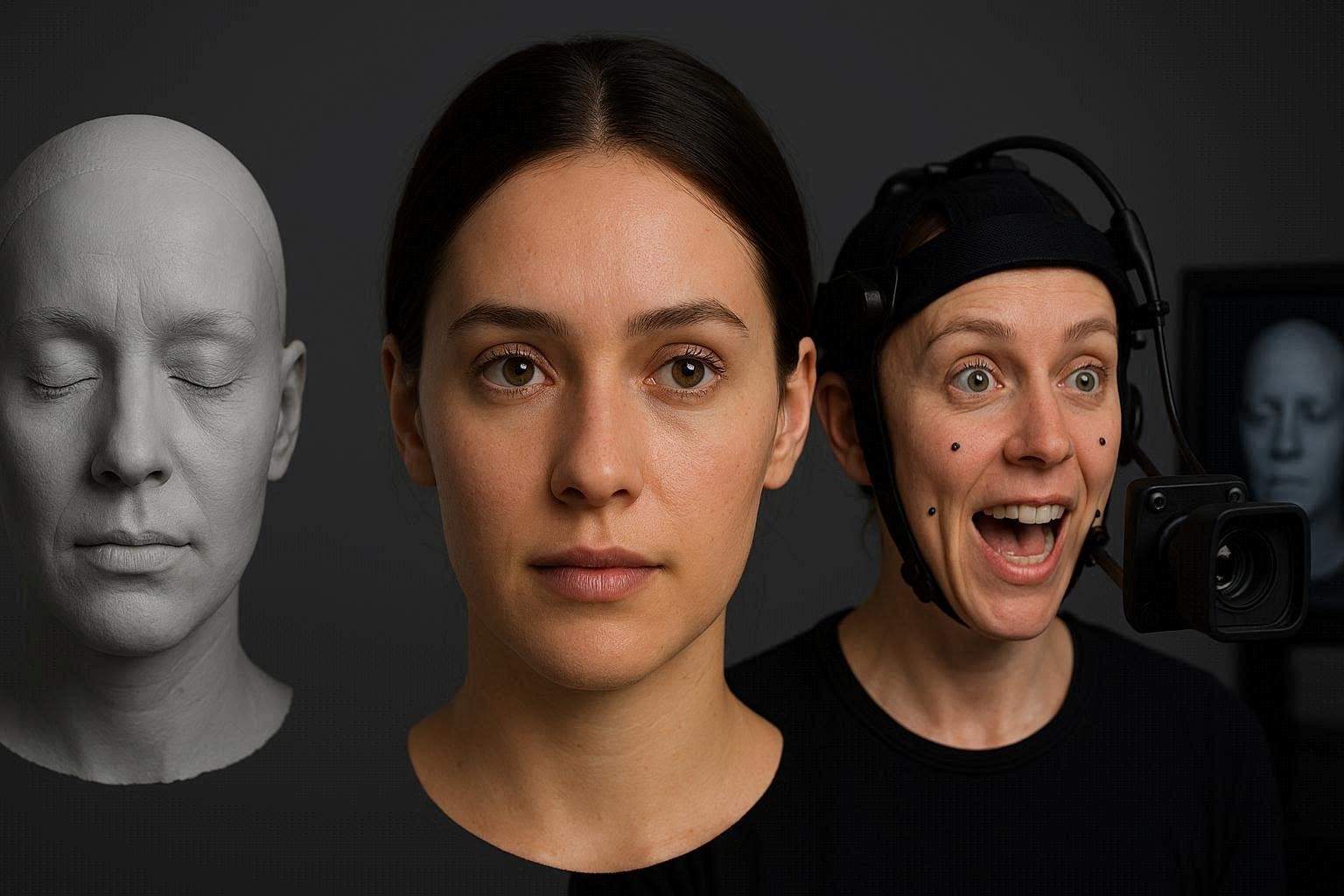
At the core of modern digital humans are powerful technologies like generative AI, machine learning, and real-time rendering, which together create immersive and interactive experiences. Generative AI, as a subset of artificial intelligence, is responsible for creating realistic visual content, from detailed 3D modeling of faces and bodies to dynamic environments.
Machine learning algorithms enable these digital humans to learn from vast datasets, improving their ability to understand and respond to human language and behavior, making each interaction more personalized.
Real-time rendering, a critical component, allows these complex visual and interactive elements to be processed and displayed instantaneously, ensuring seamless and lifelike animation and gesture in any virtual environment, whether for a gaming video game or a corporate keynote. This powerful combination of technologies, often leveraging platforms like Nvidia’s Omniverse, is essential for delivering high-fidelity user experiences and making digital twins truly come to life.
Voice Cloning, Facial Animation, and Emotion Simulation
The human-like quality of digital humans is significantly enhanced by cutting-edge voice cloning, facial animation, and emotion simulation technologies, making their interactions more believable. Voice cloning utilizes advanced AI and deep learning to synthesize speech that precisely matches a specific human voice, capturing intonation, accent, and emotional tone, vital for natural language processing and conversational AI.
Facial animation technology leverages sophisticated 3D modeling and rigging to accurately animate subtle facial expressions, allowing digital humans to convey a wide range of emotions and interpret human input visually. Emotion simulation further refines this by enabling AI avatars to respond contextually with appropriate emotional displays, ensuring that the interactive experience feels genuinely empathetic and personalized.
These components are crucial for bridging the gap between artificial intelligence and genuine human interaction, allowing virtual assistants to offer a more profound customer experience and enabling a digital human to truly connect with users.
AR, VR, and Mixed Reality Integration
The integration of Augmented Reality (AR), Virtual Reality (VR), and Mixed Reality (MR) technologies is pushing the boundaries of how we experience and interact with digital humans, creating truly immersive environments. These technologies allow AI avatars to seamlessly exist and interact within real-world settings (AR), fully simulated virtual worlds (VR), or hybrid environments where digital and physical elements coexist (MR).
For instance, an AI avatar could appear as a virtual assistant on your desk via AR, guide you through a virtual store in VR, or participate in a mixed reality corporate meeting as a CEO. This integration significantly enhances user experiences, offering more natural and intuitive ways to engage with digital humans across various sectors, from gaming and retail to healthcare and education.
The ability to place these interactive virtual beings directly into a user’s visual and auditory space fundamentally transforms the potential for personalized interaction and deepens the sense of presence.
Top Ways Digital Humans and AI Avatars Are Being Used in 2026
By 2026, digital humans and AI avatars are no longer experimental concepts but established tools, profoundly impacting diverse industries with a multitude of innovative use cases. Their versatility is unlocking new avenues for interaction and efficiency.
Virtual Influencers and AI Content Creators
Virtual influencers and AI content creators represent a significant use case for digital humans and AI avatars, rapidly transforming the landscape of marketing and digital media. These AI-powered personalities, meticulously designed with distinct aesthetics and personalities, engage with audiences on social media platforms, promoting brands, fashion trends, and lifestyles.
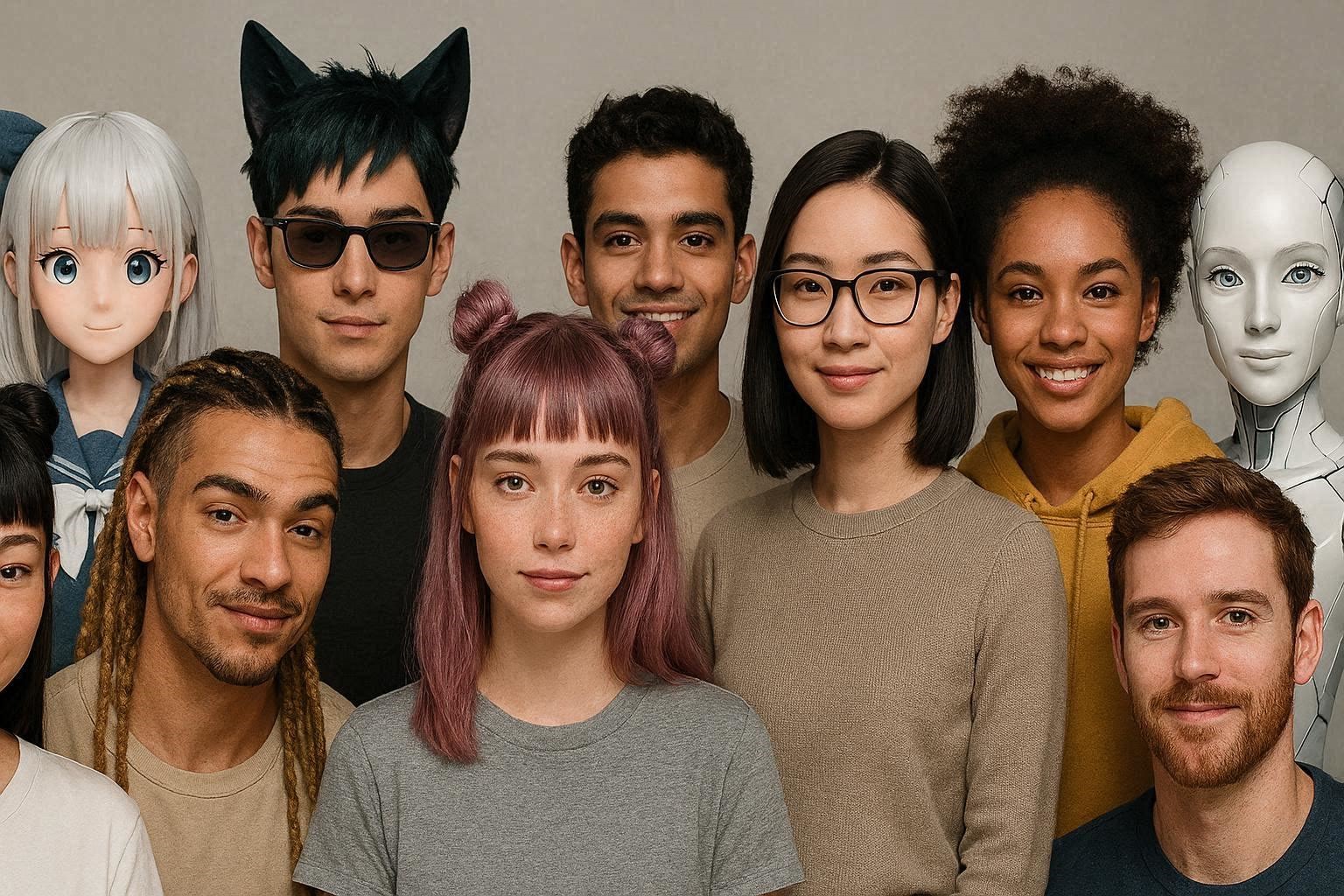
Unlike human influencers, they offer unparalleled control, consistency, and the ability to operate 24/7 across multiple campaigns simultaneously. Their ability to generate unique content, often leveraging generative AI for stunning visuals and engaging narratives, allows them to curate powerful online presences.
From launching new products to driving social awareness, these virtual beings are reshaping how industries connect with consumers and are becoming integral to the marketing strategies of leading brands, offering a highly scalable and personalized approach to digital communication.
AI Customer Service and Digital Brand Ambassadors
AI customer service and digital brand ambassadors are rapidly becoming a cornerstone use case for digital humans and AI avatars, revolutionizing customer experience across industries. These AI-powered virtual assistants provide round-the-clock support, answering queries, resolving issues, and guiding customers through complex processes with human-like empathy and efficiency.

Unlike traditional chatbots, digital human ambassadors can offer a more engaging and personalized interaction, leveraging facial expressions, gestures, and natural language processing to interpret customer emotions and respond appropriately.
This technology enables businesses in sectors like retail, banking, and hospitality to scale their customer service operations, reduce wait times, and provide a consistent, high-quality customer experience. By serving as the digital face of a brand, these AI avatars build trust and foster loyalty, significantly enhancing brand image and operational effectiveness.
AI Tutors, Coaches, and Healthcare Assistants
The application of AI tutors, coaches, and healthcare assistants highlights another transformative use case for digital humans, bringing personalized support to education and wellness sectors. In education, AI tutors can adapt to individual learning styles, provide tailored explanations, and offer real-time feedback, making learning more engaging and accessible.
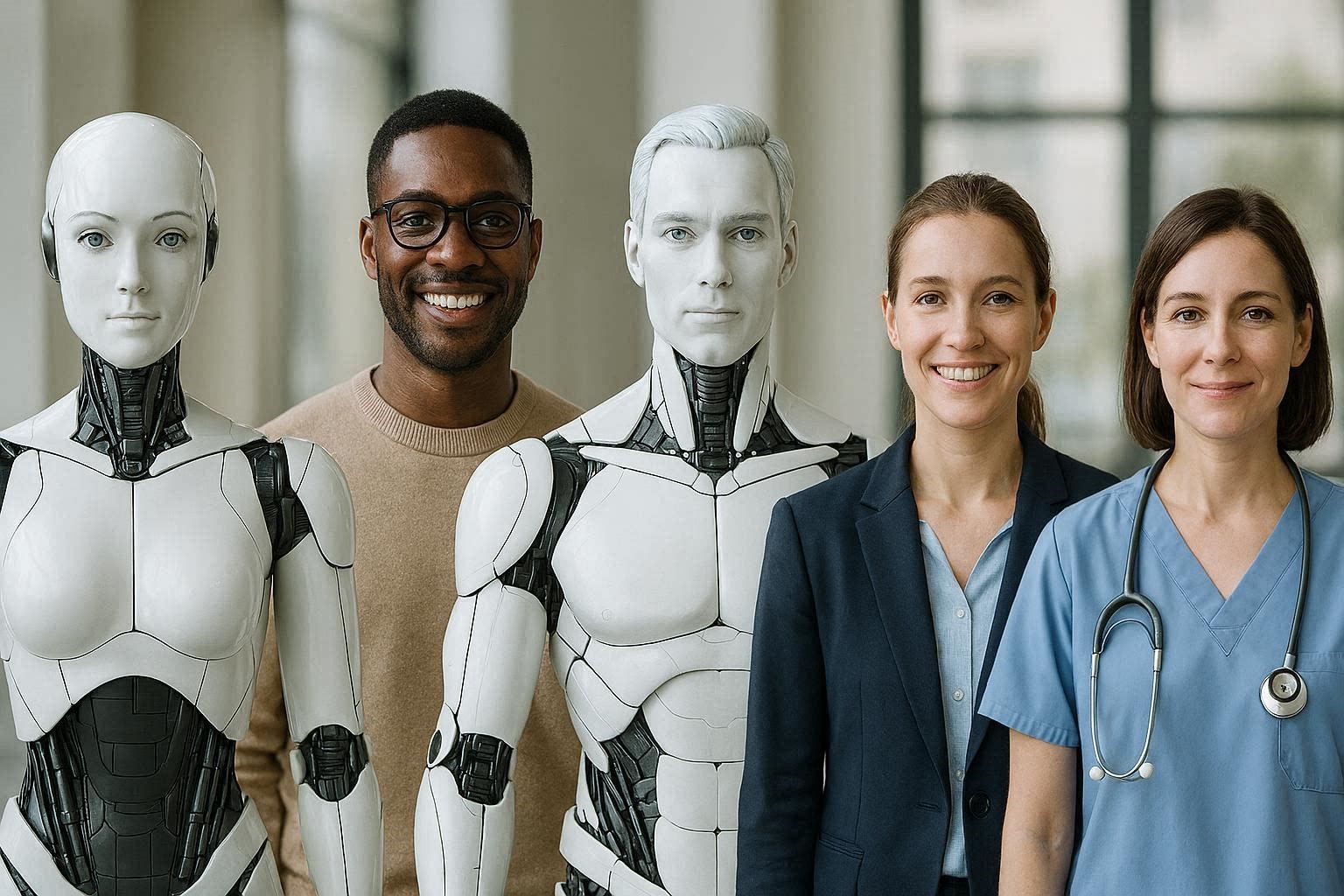
As coaches, these virtual beings can assist with personal development, fitness routines, or even mental wellness, providing guidance and motivation with a consistent, non-judgmental approach. In healthcare, AI assistants can help patients manage chronic conditions, answer health-related queries, provide appointment reminders, and even offer initial symptom assessment, all while maintaining privacy and a comforting demeanor.
The ability of these digital humans to provide personalized, empathetic, and always-available assistance is revolutionizing how individuals receive support and information in these critical aspects of life, ensuring a consistent human touch, even through an AI.
Gaming, Metaverse, and Interactive Entertainment Characters
Digital humans and AI avatars are profoundly reshaping gaming, the metaverse, and interactive entertainment by bringing unprecedented levels of realism and dynamic interaction to virtual worlds. In video games, these AI characters can act as incredibly lifelike NPCs (non-playable characters), offering more complex narratives, emotional depth, and realistic responses to player actions, enhancing the overall user experience.
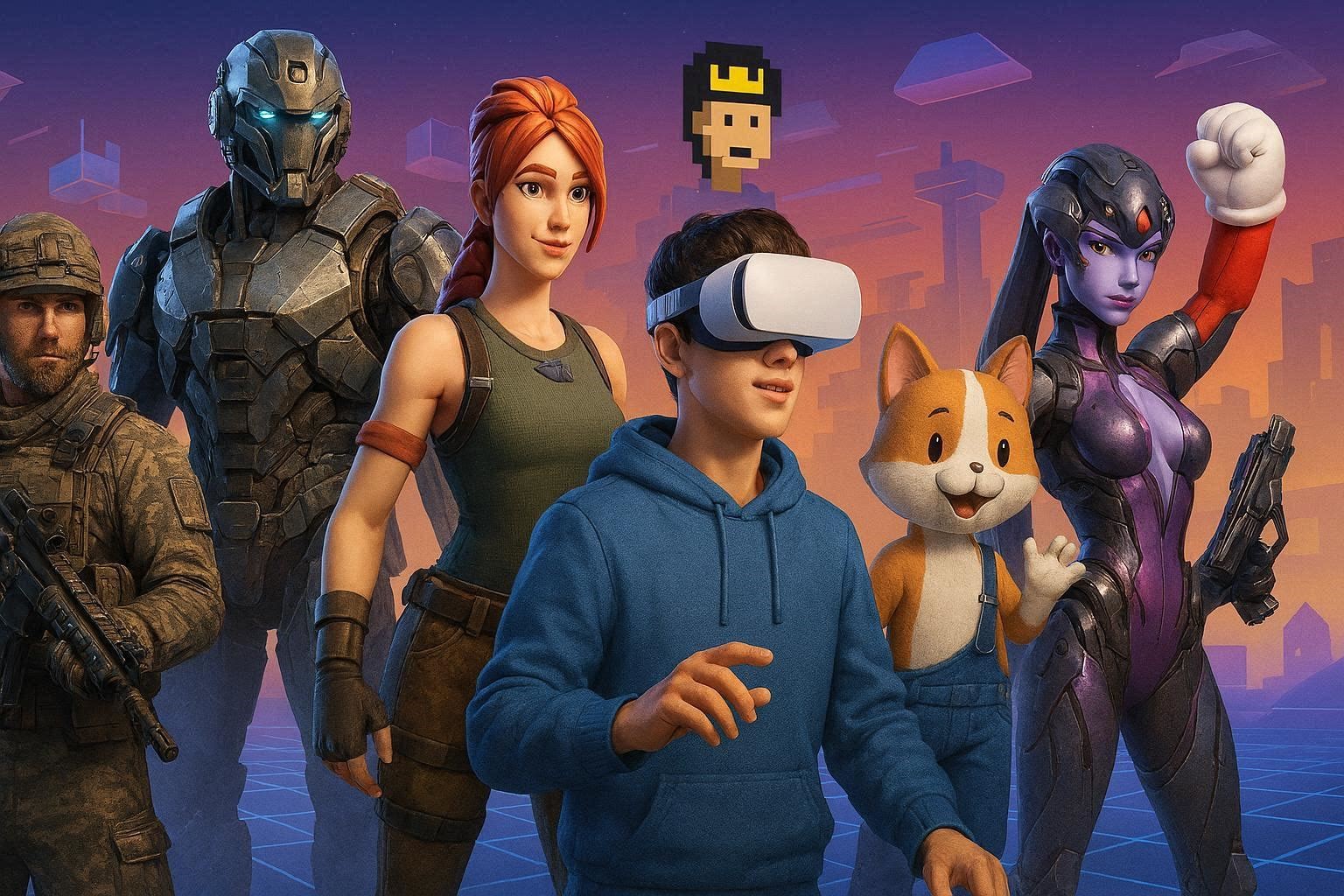
Within the burgeoning metaverse, AI avatars serve as personalized representations for users, allowing for richer social interactions and immersive experiences in shared virtual environments. Furthermore, they are becoming integral to interactive entertainment, from virtual concerts featuring AI performers to personalized storytelling experiences where AI characters adapt to viewer choices.
Technologies like Nvidia’s ACE (Avatar Cloud Engine) for conversational AI and facial animation are enabling developers to create virtual beings with incredible fidelity and responsiveness, making these digital environments more engaging and believable than ever before, truly revolutionizing how we interact with and within virtual spaces.
AI Business Presenters and Corporate Communication Avatars
AI business presenters and corporate communication avatars represent a cutting-edge use case for digital humans, transforming how organizations convey information and engage with stakeholders. These advanced AI avatars can deliver keynote speeches, present quarterly reports, host virtual conferences, or provide training sessions with unparalleled consistency and professionalism.

Equipped with sophisticated voice cloning, natural language processing, and realistic facial animation, they can articulate complex information clearly, maintain eye contact, and even mimic human gestures, making presentations more engaging than static slides or generic voiceovers.
For global corporations, AI presenters offer a scalable solution for localized communication, capable of delivering content in multiple languages with native fluency. This technology ensures brand consistency, reduces the logistical complexities of human presenters, and provides a forward-thinking approach to corporate communication, allowing a CEO to extend their presence globally through a digital twin.
Personalized Shopping and Retail Assistants
Digital humans and AI avatars are revolutionizing the retail sector by serving as personalized shopping and retail assistants, significantly enhancing the customer experience. These virtual assistants can greet customers, answer product-related queries, offer tailored recommendations based on individual preferences and past purchases, and even guide them through virtual stores.

Leveraging advanced natural language processing and machine learning, these AI avatars can understand customer needs in real-time, providing immediate and relevant information, much like a human sales associate. This personalized interaction extends beyond mere chatbots, as digital humans can display products visually, demonstrate features with realistic animation, and even assist with checkout processes.
For retailers, this means improved customer engagement, higher conversion rates, and a consistent, high-quality service across all digital touchpoints, allowing for a more immersive and personalized retail experience.
How Social Media Accelerated the AI Avatar Boom
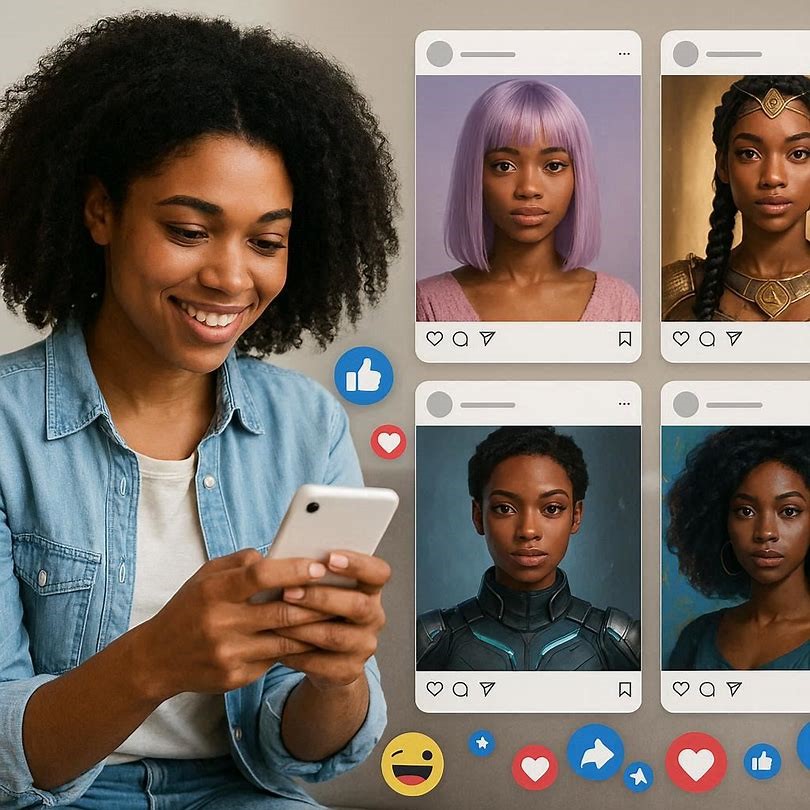
Social media platforms have played an instrumental role in rapidly propelling AI avatars into the mainstream, creating an environment where digital identities and virtual personalities can thrive. The pervasive nature of these platforms has accustomed users to engaging with non-human entities, making the transition to interactive AI avatars a seamless one.

TikTok AI Personality Trends and Virtual Livestreamers
TikTok, with its dynamic and trend-driven environment, has been a significant accelerator for AI personality trends and the rise of virtual livestreamers, normalizing digital interaction. This platform’s short-form video format and emphasis on creative expression provide a perfect breeding ground for AI avatars to showcase distinct personas, engage with user queries, and even host live interactive sessions.
Through advanced animation, speech synthesis, and natural language processing, these virtual beings can participate in challenges, create trending content, and build substantial followings, blurring the lines between artificial intelligence and genuine online influence.
The ease with which users consume and share content on TikTok has made it a fertile ground for the rapid adoption of these AI-powered digital humans, offering fresh and innovative forms of entertainment and digital communication.
Instagram AI Models and Influencer Marketing Campaigns
Instagram has become a powerful platform for AI models and influencer marketing campaigns, transforming how brands connect with their audiences and personalize their messaging.
These highly realistic digital humans, crafted with sophisticated 3D modeling and real-time rendering, curate aesthetically pleasing feeds, showcase fashion, and promote products with an almost uncanny human touch. Leveraging generative AI, these virtual influencers can create unique visual content and engage with followers through comments and direct messages, often utilizing advanced language processing to interpret and respond to user queries empathetically.
For brands, AI models offer consistent brand representation, global reach, and the ability to operate 24/7 without the logistical challenges associated with human influencers, thereby making them invaluable assets in modern digital marketing strategies and enhancing the customer experience through their interactive presence.
YouTube AI Hosts and Faceless Content Creation
YouTube has seen a significant acceleration in the adoption of AI hosts and faceless content creation, showcasing the versatility of digital humans in diverse media formats. AI avatars can serve as engaging presenters for educational channels, news summaries, or even entertainment reviews, providing consistent and professional delivery without the need for human on-screen talent.
This technology, powered by advanced artificial intelligence, enables creators to produce high-quality video content efficiently, utilizing sophisticated voice cloning and facial animation to ensure a lifelike and captivating visual experience.
The rise of AI-driven content democratizes video production, allowing individuals and businesses to leverage digital humans for scalable content strategies, from explainer videos to in-depth analyses. This shift not only streamlines the content creation process but also opens up new avenues for innovative storytelling and digital communication, ensuring a broad range of user experiences.
Why People Are Becoming Comfortable With Digital Humans
The increasing comfort level people exhibit toward digital humans is a fascinating sociological and technological phenomenon, driven by a blend of psychological factors and evolving digital literacy. This acceptance signals a profound shift in human-computer interaction.

The Psychology of Human-Like Technology Interaction
The psychology behind human comfort with human-like technology interaction lies in our innate tendency to anthropomorphize, attributing human qualities to non-human entities, making digital humans more relatable. When AI avatars exhibit realistic facial expressions, natural gesture, and empathetic language processing, they trigger a sense of familiarity and trust, easing initial apprehension.
Advanced artificial intelligence and machine learning algorithms are meticulously engineered to interpret human language and emotional cues, allowing these virtual beings to respond in a manner that feels genuinely interactive and personalized.
This psychological conditioning, further reinforced by exposure to virtual characters in gaming and media, has gradually desensitized us to the presence of non-biological intelligences, paving the way for a more comfortable and widespread adoption of digital humans across various sectors, ensuring a smoother user experience.
Personalization and Emotional Engagement in AI Communication
Personalization and emotional engagement are critical drivers in fostering comfort with AI communication, allowing digital humans to build rapport and trust with users effectively. Modern AI avatars are designed with sophisticated algorithms that enable them to interpret user input, understand context, and tailor responses, making each interaction feel uniquely individual.
This advanced natural language processing, combined with realistic facial expressions and voice synthesis, allows the AI to convey empathy and understanding, creating a deeper emotional connection.
Whether providing customer service or acting as a healthcare assistant, the ability of these virtual beings to personalize advice and engage emotionally transforms what could be a sterile interaction into a meaningful dialogue, enhancing user experiences significantly and ensuring that the human touch remains, even with advanced technology.
The Influence of Gaming and Online Avatar Culture
The profound influence of gaming and online avatar culture has significantly prepared individuals to embrace digital humans, normalizing interaction with virtual identities. Generations have grown up creating and interacting with personalized avatars in video games and virtual worlds, where these digital representations often serve as extensions of their own identities or as integral characters in immersive narratives.
This continuous exposure has fostered a subconscious acceptance of virtual beings, blurring the lines between real and simulated interaction. The familiarity with customizing and controlling digital avatars in a gaming environment has translated into a greater comfort with engaging with advanced AI avatars in professional and personal contexts, making the transition to the future of digital humans a natural progression for many, paving the way for more immersive and interactive user experiences across all sectors.
Industries Being Transformed by AI Avatars
AI avatars are no longer confined to the realm of science fiction; by 2026, they are actively transforming a multitude of industries, optimizing processes, and revolutionizing how businesses interact with their clientele. Their versatility is unmatched.

Retail and E-Commerce Experiences
In retail and e-commerce, AI avatars are revolutionizing customer experiences by providing personalized shopping assistants and engaging brand ambassadors. These digital humans, leveraging advanced natural language processing and real-time 3D rendering, can greet customers, answer product queries, offer tailored recommendations based on individual preferences and past purchases, and even guide them through virtual stores.
The interactive and visual nature of these virtual assistants creates a more immersive and satisfying shopping environment than traditional chatbots or static images. For businesses, this means increased customer engagement, higher conversion rates, and a consistent, high-quality customer service experience around the clock, allowing them to personalize the shopping journey and extend their brand’s human touch into the digital environment, ultimately transforming the entire sector.
Healthcare, Therapy, and Mental Wellness Support
AI avatars are making profound impacts in healthcare, therapy, and mental wellness support, offering scalable and personalized assistance with a compassionate digital touch. These digital humans can act as virtual assistants, providing patients with health information, appointment reminders, and even initial symptom assessments.
In therapy, AI avatars can offer consistent, non-judgemental support, guiding users through mindfulness exercises or cognitive behavioral techniques, which is especially valuable for those seeking accessible mental wellness resources. Leveraging advanced natural language processing and emotion simulation, these virtual beings can interpret subtle cues in human language, fostering a sense of empathy and trust.
This technology significantly enhances patient engagement and access to care, offering a supplementary layer of support without replacing human professionals, ensuring personalized user experiences across the healthcare sector.
Education and Personalized Learning Systems
AI avatars are revolutionizing education by powering personalized learning systems and acting as highly effective AI tutors and coaches, adapting to individual student needs. These digital humans can deliver interactive lessons, provide real-time feedback, answer complex queries, and even simulate conversational practice, making learning more engaging and accessible.
Leveraging machine learning algorithms and natural language processing, AI avatars can interpret a student’s learning style and progress, tailoring content and pace to optimize comprehension and retention. This ensures that each student receives a highly personalized learning experience, filling gaps that traditional classroom settings often cannot address.
From language instruction to complex scientific concepts, these virtual beings offer a scalable solution to educational challenges, enhancing user experiences and preparing students for a future where interactive AI is commonplace, ensuring the future of digital humans in education.
Hospitality, Banking, and Customer Support Automation
In hospitality, banking, and customer support, AI avatars are transforming operations through advanced automation, delivering efficient and personalized customer experience. In hospitality, digital humans can act as virtual concierges, providing guests with information about services, local attractions, and managing bookings, often with multilingual capabilities and a friendly gesture.
For the banking sector, AI avatars handle routine queries, guide customers through transactions, and provide personalized financial advice, ensuring secure and accessible services. Across all customer support roles, these virtual assistants offer 24/7 availability, consistent service quality, and the ability to interpret complex requests through natural language processing, significantly reducing wait times and improving resolution rates. This integration of artificial intelligence enhances operational efficiency and provides a seamless, human-like interaction, allowing businesses to thrive by focusing human staff on more complex tasks.
The Rise of the AI Identity Economy
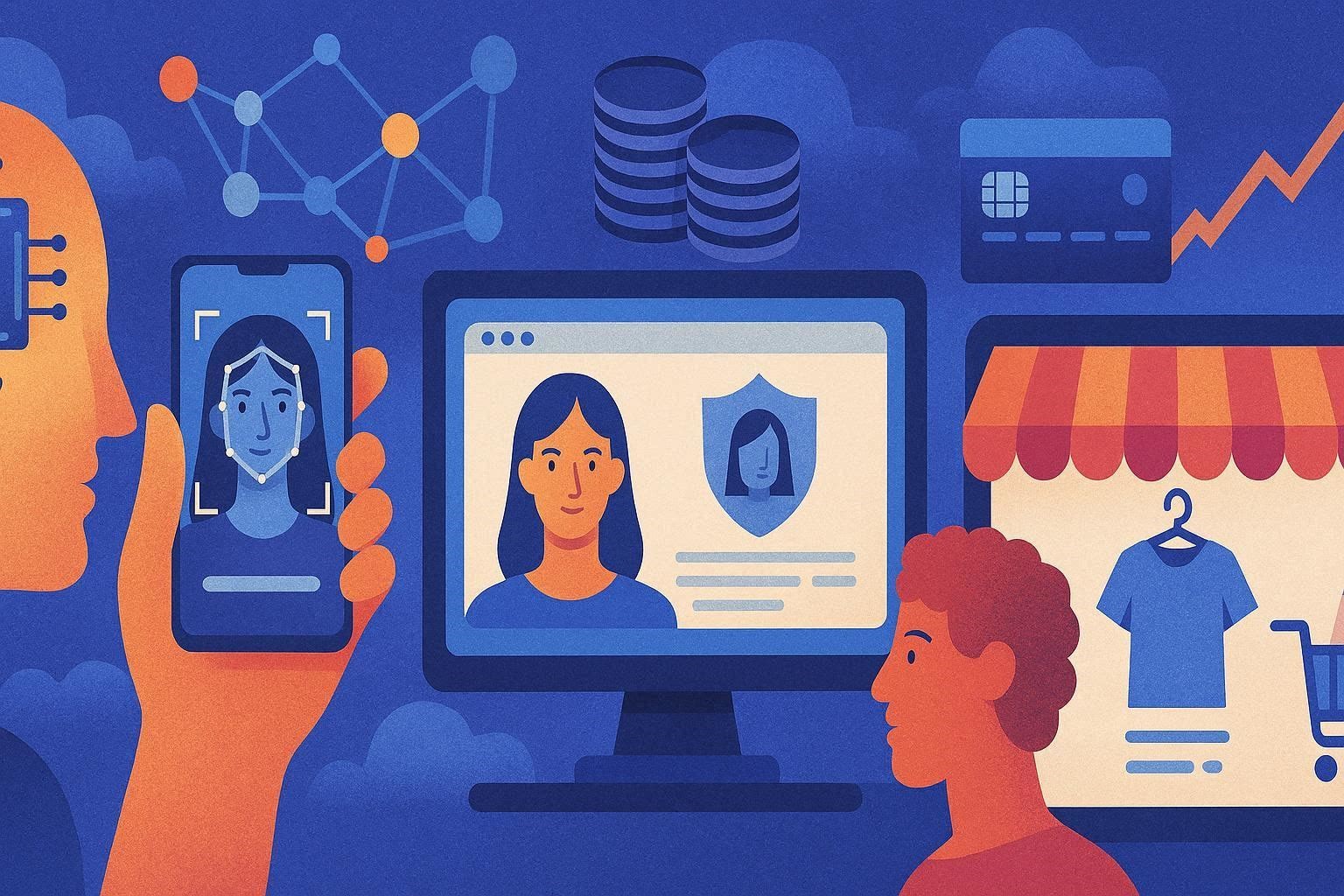
The emergence of the AI Identity Economy marks a significant paradigm shift, where virtual personas and AI-driven representations become valuable assets, fueling new business models and personal branding opportunities. This economy is poised for rapid expansion.
Virtual Personal Brands and AI Influencer Businesses
The AI Identity Economy is witnessing the rapid rise of virtual personal brands and AI influencer businesses, redefining the concept of celebrity and market influence. These digital humans, powered by advanced artificial intelligence and sophisticated 3D modeling, cultivate distinct personalities, engage with large audiences on social media, and endorse products.
Unlike human influencers, AI avatars offer unparalleled control over messaging, appearance, and availability, making them highly attractive to brands seeking consistent and predictable marketing campaigns. Their ability to generate unique content, often leveraging generative AI for stunning visuals and engaging narratives, allows them to curate powerful online presences and personalize digital communication.
This burgeoning sector demonstrates the significant economic potential of virtual identities, proving that a compelling AI avatar can command substantial financial value in the digital landscape, truly making a digital human a valuable asset.
AI Clones and Digital Twins for Productivity
The AI Identity Economy is further propelled by the increasing adoption of AI clones and digital twins, offering unprecedented levels of productivity and scalability for individuals and businesses. These digital human replicas, meticulously crafted with advanced 3D rendering, voice cloning, and natural language processing, can perform routine tasks, attend virtual meetings, or even deliver presentations in their human counterpart’s stead.
Imagine a CEO having a digital twin deliver a keynote address in multiple languages simultaneously, or an engineer leveraging an AI clone to manage customer service queries while they focus on critical tasks. This technology significantly enhances efficiency, allowing human professionals to delegate repetitive or time-consuming activities to their virtual counterparts, thereby maximizing their impact.
The ability to create a consistent and always-available digital presence is transforming how we approach work and personal branding, paving the way for the future of digital humans in productivity.
Monetizing Virtual Identities and Digital Presence
Monetizing virtual identities and digital presence is a burgeoning aspect of the AI Identity Economy, creating new revenue streams for creators and businesses alike. As AI avatars and digital humans become more sophisticated and widely accepted, opportunities arise to leverage these virtual entities for direct income generation.
This can range from virtual influencers securing lucrative brand deals, to personalized AI assistants offering subscription-based services in healthcare or education, to digital twins performing tasks that free up their human counterparts for higher-value work.
The demand for unique digital assets, interactive virtual experiences, and scalable customer service solutions is driving this economic shift. Through licensing fees, advertising partnerships, and direct consumer engagement, virtual identities are proving to be powerful tools for financial growth, ensuring that the technology to personalize and animate these digital beings will continue to thrive in every sector.
Ethical Concerns and Risks of AI Human Technology
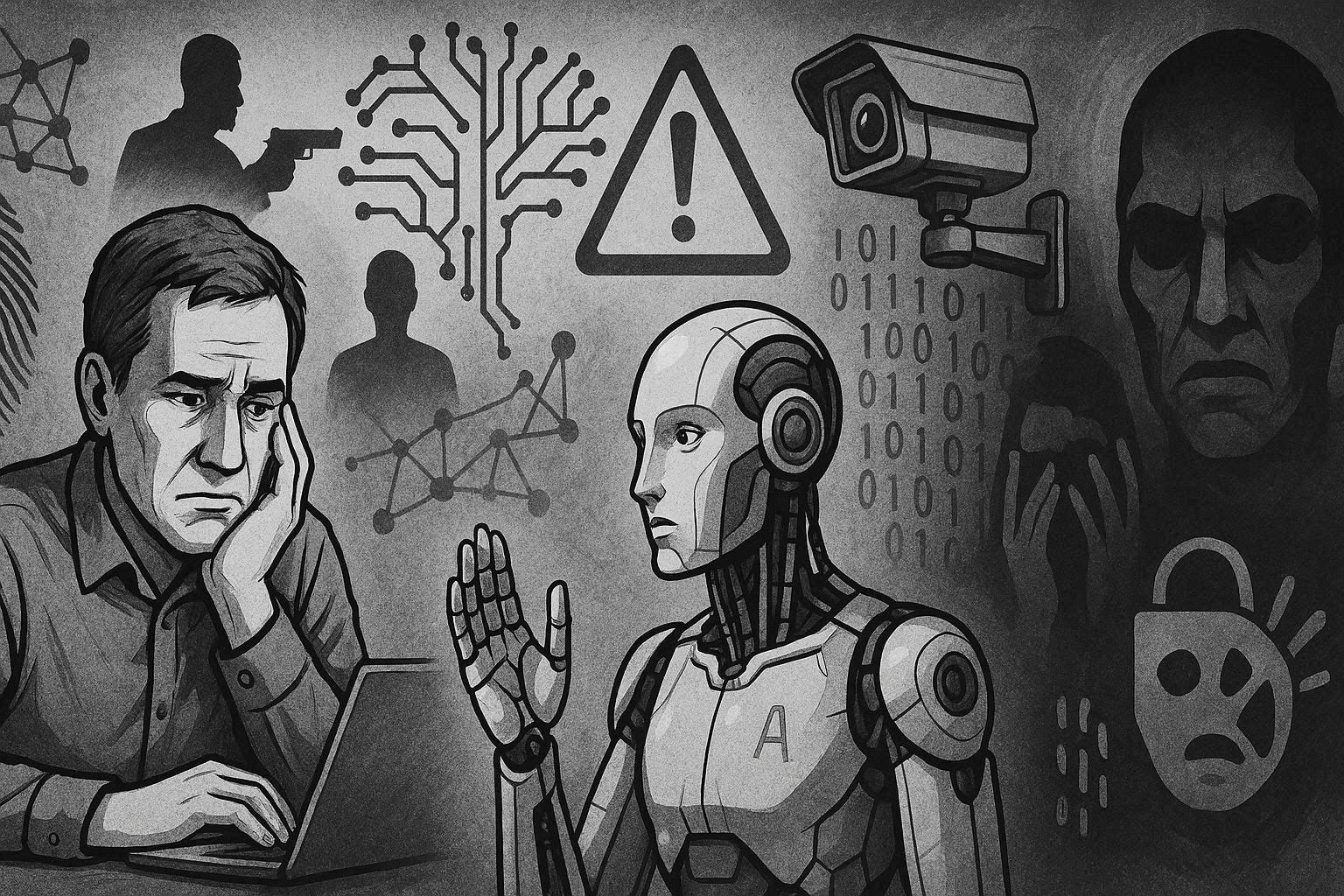
While the advancements in digital human and AI avatar technology promise revolutionary benefits, they also introduce a complex array of ethical concerns and inherent risks that demand careful consideration and robust mitigation strategies. Addressing these challenges is paramount for ensuring responsible development and deployment.
Deepfakes, Misinformation, and Trust Issues
The proliferation of highly realistic digital humans and AI avatars, particularly those powered by advanced generative AI, raises significant ethical concerns regarding deepfakes, the spread of misinformation, and the erosion of public trust. With sophisticated 3D rendering, voice cloning, and facial animation, it becomes increasingly difficult to distinguish between genuine human-generated content and artificial intelligence creations.
This technology can be maliciously exploited to create convincing deepfake videos or audio, spreading false narratives or impersonating individuals, leading to widespread misinformation. Such misuse can profoundly impact public perception, undermine journalistic integrity, and destabilize social and political discourse, creating a pervasive environment where trust in digital communication is severely compromised.
The challenge lies in developing effective authentication technology and increasing media literacy to help users interpret visual and audio information critically, safeguarding against nefarious use cases and ensuring responsible digital communication.
Privacy, Data Collection, and Emotional Manipulation
Ethical considerations surrounding privacy, extensive data collection, and potential emotional manipulation are paramount with the widespread adoption of digital humans and AI avatars. To personalize interactions and ensure a human touch, these AI systems, particularly those with advanced natural language processing and emotion simulation, often collect vast amounts of sensitive user data, including conversational patterns, emotional responses, and personal preferences.
This raises significant privacy concerns about how this data is stored, protected, and potentially used. Furthermore, the ability of AI avatars to interpret human language and mimic facial expressions and gestures could be leveraged for emotional manipulation, leading users to form attachments or make decisions influenced by an artificial entity.
Ensuring transparency in data practices, implementing robust security measures, and establishing clear ethical guidelines for emotional interaction are crucial to protect user well-being and maintain trust in this evolving technology and ensure user experiences remain positive.
Job Displacement and the Future of Human Roles
The rapid integration of digital humans and AI avatars across various industries presents a significant ethical concern regarding job displacement and the future of human roles in the workforce. As AI assistants and virtual beings become increasingly capable in customer service, retail, healthcare, and corporate communication, they can automate tasks traditionally performed by human employees.
While this can lead to increased efficiency and new use cases, it also raises questions about the economic impact on human workers, particularly those in routine or customer-facing roles. The challenge lies in strategically integrating this artificial intelligence technology to augment human capabilities rather than simply replace them.
Policymakers, businesses, and educators must collaborate to reskill and upskill the workforce, preparing individuals for new roles that leverage human creativity, critical thinking, and complex problem-solving skills, which digital humans cannot yet fully replicate, ensuring a balanced future for digital communication.
Common Misconceptions About Digital Humans
Despite their growing presence, digital humans and AI avatars are often misunderstood, leading to several common misconceptions that can hinder a comprehensive understanding of their capabilities and limitations. Clarifying these points is essential for informed discourse.
Why AI Avatars Are Not Fully Replacing Real Humans
A common misconception is that AI avatars are poised to fully replace real humans, yet this perspective overlooks the inherent limitations of artificial intelligence and the irreplaceable value of human connection. While digital humans excel in automating routine tasks, providing consistent customer service, and scaling personalized interactions, they currently lack genuine consciousness, complex emotional intelligence, and the capacity for truly novel, creative thought that defines human ingenuity.
AI avatars are sophisticated tools designed to augment human capabilities, not to eradicate them. They can enhance efficiency, offer 24/7 support, and handle large volumes of queries, but the nuanced empathy, spontaneous innovation, and deep interpersonal understanding inherent in human interaction remain beyond their current grasp.
The future of digital humans is one of collaboration, where the technology assists and supports, rather than completely supplants, human roles, ensuring a balanced future for digital communication.
The Difference Between Automation and Genuine Intelligence
Many conflate the impressive automation capabilities of digital humans with genuine intelligence, which is a key misconception that needs to be clarified for a deeper understanding of AI. While AI avatars powered by advanced natural language processing, machine learning, and sophisticated algorithms can interpret human language, simulate facial expressions, and respond contextually, their “intelligence” is largely a function of programmed logic and pattern recognition from vast datasets.
They can perform complex tasks, provide personalized recommendations, and engage in conversational AI, but this is fundamentally different from genuine human consciousness, self-awareness, and the ability to truly understand abstract concepts or experience subjective emotions.
The technology allows them to mimic human-like interaction and provide a human touch, but it does not equate to the comprehensive cognitive and emotional intelligence that defines humanity. Recognizing this distinction is crucial for setting realistic expectations for the future of digital humans.
Human Creativity vs AI-Generated Personalities
Another prevalent misconception revolves around human creativity versus AI-generated personalities, often underestimating the unique spark that human ingenuity brings to content creation and identity. While generative AI can produce remarkably convincing digital humans, create unique visuals, and even draft engaging narratives, these AI-generated personalities are ultimately derived from existing data and algorithms.
They can interpret human language patterns and synthesize compelling content, but they lack the intrinsic drive, lived experiences, and spontaneous originality that fuel truly innovative human creativity. Human creativity stems from a complex interplay of personal history, emotions, culture, and individual consciousness, allowing for breakthroughs and artistic expressions that transcend mere pattern recognition.
AI avatars serve as powerful tools to enhance and augment human creative processes, not to replace the fundamental wellspring of original thought and emotional depth that only humans possess, ensuring the future of digital humans respects human ingenuity.
How Businesses and Creators Can Adapt to the AI Avatar Era
The rapidly unfolding AI avatar era presents both challenges and unparalleled opportunities for businesses and creators. Adapting successfully requires a strategic approach that embraces innovation while upholding ethical standards and preserving authenticity.
Building Ethical and Transparent AI Experiences
In the burgeoning AI avatar era, businesses and creators must prioritize building ethical and transparent AI experiences to foster trust and ensure sustainable adoption. This involves clearly communicating when users are interacting with a digital human or AI avatar rather than a human, thereby preventing any potential deception or trust issues.
Implementing robust data privacy protocols and ensuring transparency in how personal information is collected, used, and protected is paramount, especially when AI avatars personalize interactions using sensitive data. Furthermore, businesses should establish ethical guidelines for the design and behavior of their AI avatars, ensuring they promote positive social interactions, avoid bias, and are not used for emotional manipulation.
By integrating these ethical considerations from the outset, companies can build consumer confidence, enhance their brand reputation, and ensure that the future of digital humans is responsible and beneficial for all user experiences and digital communication.
Combining Human Creativity With AI Efficiency
To thrive in the AI avatar era, businesses and creators must master the art of combining human creativity with AI efficiency, leveraging the best of both worlds. Digital humans and AI avatars, powered by machine learning and natural language processing, excel at automating repetitive tasks, generating content quickly, and providing scalable customer service, thereby boosting efficiency. However, true innovation, profound emotional connection, and unique storytelling still emanate from human creativity.
By integrating AI tools to handle the logistical and technical heavy lifting—such as rapid 3D modeling, speech synthesis, and real-time animation—human creators can focus on strategic vision, conceptual development, and infusing authentic emotional depth into their projects.
This synergistic approach allows for the creation of compelling virtual influencers, personalized customer experience solutions, and immersive gaming environments that are both innovative and efficient, truly harnessing the power of digital communication and the human touch.
Using AI Avatars Without Losing Brand Authenticity
A critical challenge for businesses and creators in the AI avatar era is using these advanced virtual beings without losing brand authenticity, which is vital for consumer trust and loyalty. While AI avatars offer incredible benefits for scaling digital communication, personalizing customer experience, and generating efficient content, they must align seamlessly with a brand’s core values and voice.
This means carefully curating the personality, visual style, and interactive capabilities of the digital human to reflect genuine brand attributes, rather than simply adopting a generic AI. Businesses should focus on using AI avatars to enhance existing customer relationships and extend their brand’s human touch, rather than replacing it entirely.
By maintaining a clear brand identity and leveraging AI avatars as extensions of their authentic presence, companies can innovate while ensuring their digital humans resonate genuinely with their target audience, ensuring the future of digital humans is authentic.
Future Trends for Digital Humans Beyond 2026
As we look beyond 2026, the trajectory for digital humans and AI avatars points toward increasingly sophisticated and integrated roles in our lives. The evolution of this technology promises even more immersive and emotionally resonant interactions.
Hyper-Realistic AI Companions and Emotional AI
Looking beyond 2026, future trends for digital humans point towards the development of hyper-realistic AI companions and advanced emotional AI, pushing the boundaries of human-computer interaction. These next-generation AI avatars will move beyond simply interpreting human language and mimicking facial expressions; they will possess a more profound ability to understand, respond to, and even anticipate human emotions with unprecedented nuance.
Leveraging even more advanced machine learning algorithms and natural language processing, these virtual beings will offer genuine companionship, empathy, and personalized support across various use cases, from mental wellness to education.
The goal is to create interactive AI that can form deeper, more meaningful connections, making the digital human experience indistinguishable from human interaction in many contexts. This will transform the future of digital communication, making every user experience feel genuinely human-like and personalized.
AI Avatars in Everyday Smart Devices and Wearables
Beyond 2026, a significant future trend for digital humans will be their seamless integration into everyday smart devices and wearables, making personalized AI assistance ubiquitous. Imagine your smart speaker, smartwatch, or even augmented reality glasses housing a dedicated AI avatar that acts as your personalized assistant, capable of interpreting your needs through natural language processing, predicting your preferences, and proactively offering support.
These virtual beings could manifest as discreet visual interfaces on your smart devices, providing real-time information, managing your schedule, or offering health insights with a consistent, human-like interaction.
This pervasive integration will transform how we interact with technology, making the future of digital humans a constant presence in our daily lives, offering unparalleled convenience and personalized user experiences without needing a dedicated screen or device for interaction, truly ambient digital communication.
The Evolution of Virtual Worlds and Digital Society
Beyond 2026, the evolution of virtual worlds and digital society will be profoundly shaped by the advancement of digital humans and AI avatars, creating truly immersive and dynamic online environments.
These sophisticated virtual beings will populate the metaverse, acting as highly realistic NPCs (non-playable characters), interactive customer service agents, and personalized guides, enhancing every user experience within these digital realms.
With continuous improvements in 3D modeling, real-time rendering, and natural language processing, AI avatars will seamlessly integrate into virtual social gatherings, gaming experiences, and even digital economies.
They will facilitate richer social interactions, enable new forms of digital communication, and help build complex virtual communities, blurring the lines between the physical and digital. This will lead to the emergence of a more mature digital society where AI avatars play an integral role in our online identities, interactions, and overall virtual presence, truly defining the future of digital humans.
Final Thoughts: Why Digital Humans Represent the Future of Online Interaction
In conclusion, the ascent of digital humans and AI avatars by 2026 signifies far more than a technological fad; it heralds a fundamental shift in the landscape of online interaction. These virtual beings, powered by advancements in artificial intelligence, machine learning, and sophisticated visual and auditory technologies, are poised to redefine how we communicate, learn, shop, and engage with digital content.
From hyper-realistic virtual influencers and personalized customer service agents to empathetic healthcare assistants and engaging educational tutors, the use cases for digital humans are expanding exponentially across every sector. While ethical considerations around deepfakes, privacy, and job displacement necessitate careful navigation, the unparalleled potential for personalized experiences, enhanced efficiency, and immersive digital communication positions AI avatars as an indispensable component of our future online existence. Embracing this evolution responsibly will unlock a new era of human-like interaction and digital innovation.