



Smart technology has woven itself into the very fabric of our lives, bringing unprecedented convenience and efficiency.
However, the pervasive integration of smart devices also introduces a dark side, raising critical concerns about privacy and security in our interconnected world.
Why Smart Technology Is Both a Blessing and a Threat

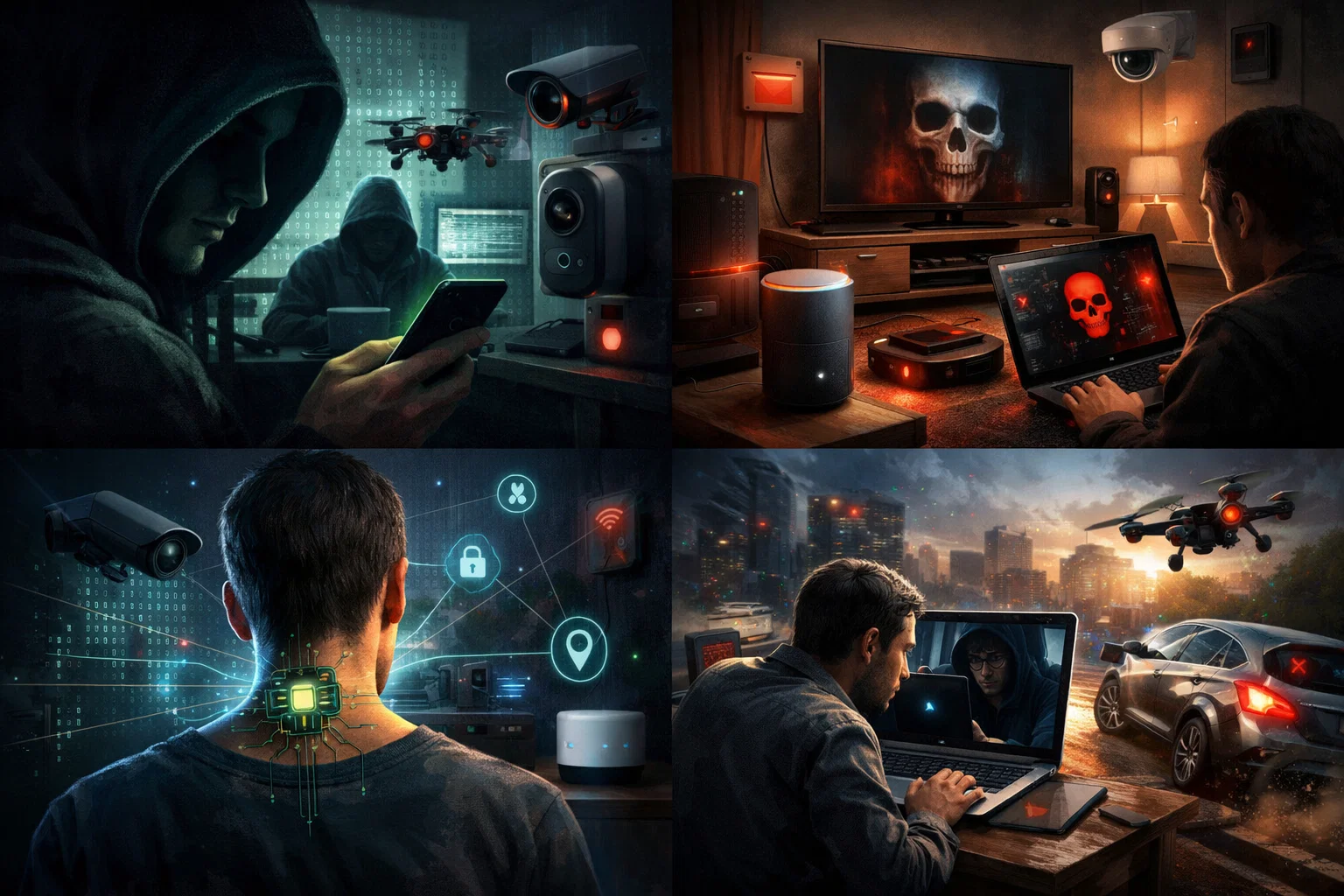
The Rise of Smart Devices in Daily Life
Smart devices have exploded in popularity, transforming our homes into smart homes and integrating smart appliances into our routines. From smart TVs to smart lights, the internet of things promises seamless connectivity and convenience, yet this proliferation comes at a cost.
How Convenience Comes With Hidden Risks
The convenience afforded by smart home technologies often masks hidden privacy risks and cybersecurity threats. Every smart home device connected to a network presents a potential entry point for cybercriminals, who exploit vulnerabilities in IoT devices to access sensitive data.
Privacy Risks: How Smart Devices Collect and Use Your Data
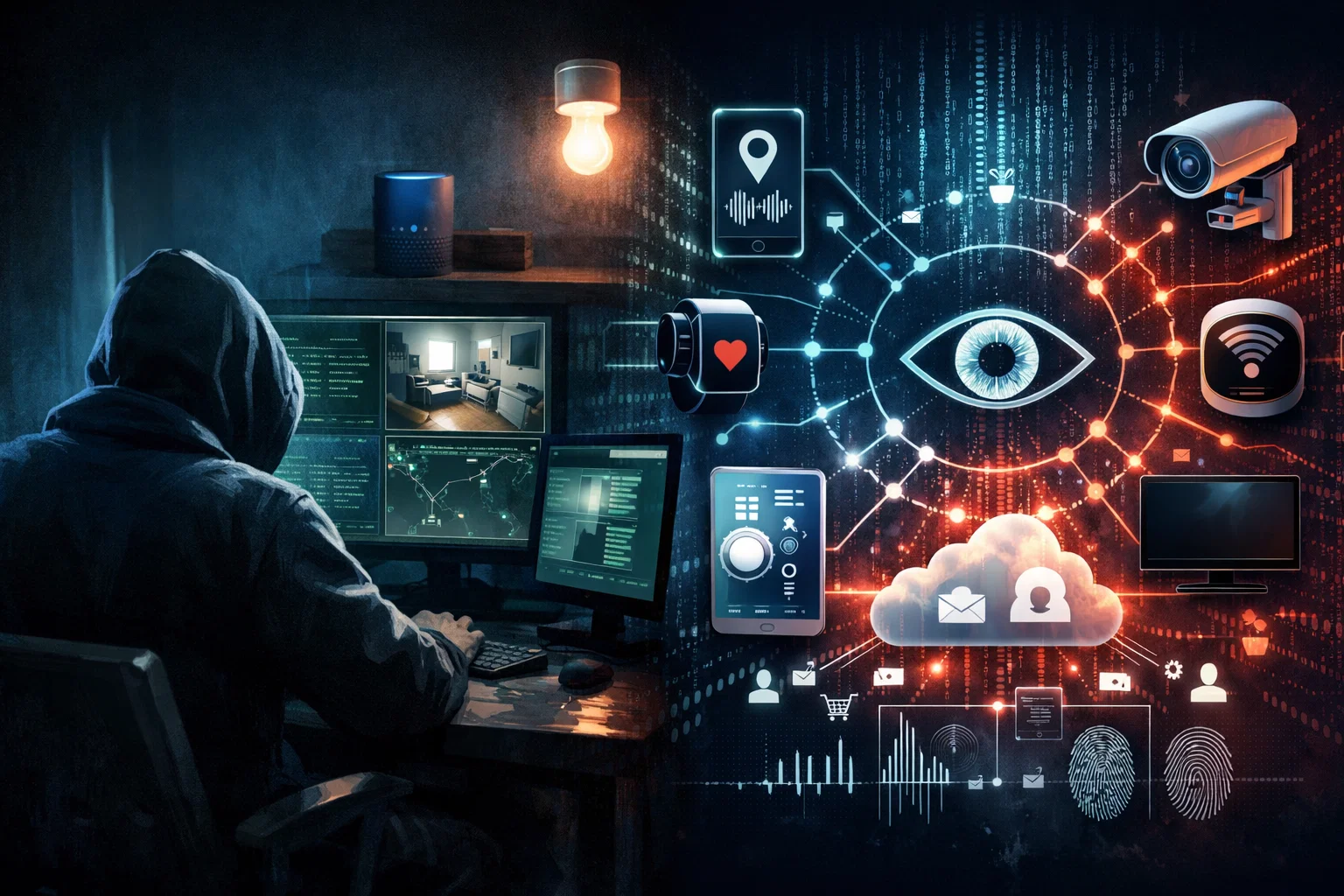
Personal Data Collection by Smartphones, TVs, and Home Assistants
Our personal devices, including smartphones, smart TVs, and home assistants, are constantly engaged in data collection. This data, often gathered without explicit consent, provides a detailed portrait of our habits and preferences, raising serious privacy concerns.
Data Monetization and Targeted Advertising
Technology companies monetize the personal data collected from our internet-connected devices, using it for targeted advertising. This practice blurs the lines between convenience and manipulation, as algorithms analyze our behaviors to influence our purchasing decisions.
Real Cases of Privacy Breaches and Misuse
Real-world examples of data breaches serve as stark reminders of the potential consequences of unchecked data collection. These incidents expose the vulnerability of our personal information and the need for stronger data privacy safeguards.
Cybersecurity Threats: Vulnerabilities in Smart Devices
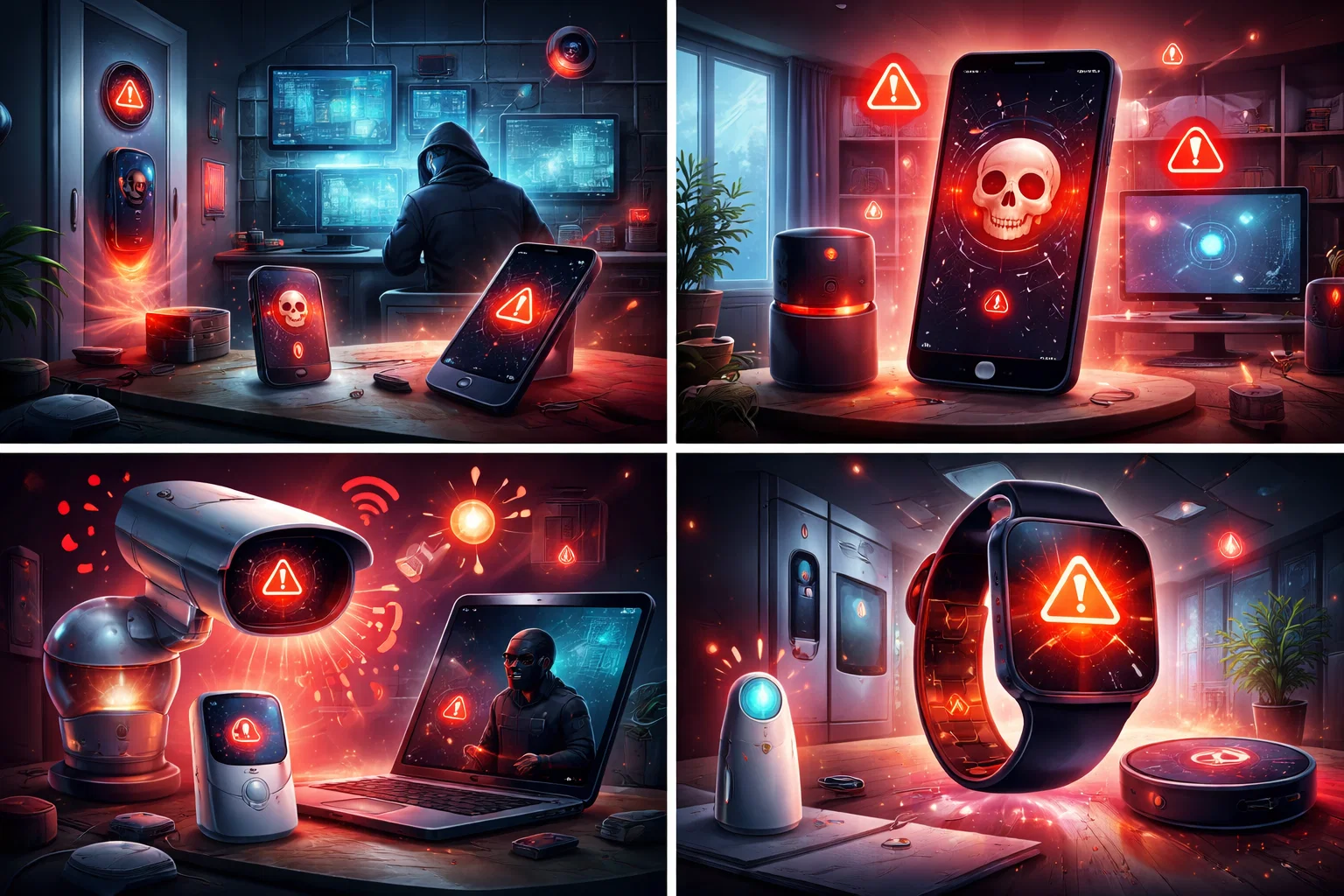
How Hackers Exploit IoT Devices
Hackers exploit vulnerabilities in IoT devices to gain unauthorized access to networks, turning smart devices into unwitting spies. Poorly secured routers and weak passwords create openings for cyberattacks, compromising home security.
Consequences: Identity Theft, Financial Loss, and Home Intrusion
The consequences of a security breach in a smart home can be devastating, leading to identity theft, financial loss, and even home intrusion. Smart locks and security cameras, designed to protect, can be turned against their owners when compromised.
Strategies Companies Use to Protect Smart Devices
To combat these cyber threats, technology companies employ various security measures, including encryption and the latest security protocols. However, these efforts are often insufficient, as cybercriminals constantly evolve their tactics to circumvent these protections.
Over-Dependence and Automation Fatigue

How Reliance on Smart Tech Can Reduce Problem-Solving Skills
Over-reliance on smart technology can diminish our problem-solving skills. As we increasingly depend on smart appliances and automated systems, our ability to think critically and creatively in the face of challenges may decline.
Psychological Impact When Devices Fail or Malfunction
The psychological impact of smart device failures can be significant. When our smart home technologies malfunction, it can lead to frustration, anxiety, and a sense of helplessness, highlighting our growing dependence on these systems.
Digital Addiction and Mental Health Concerns
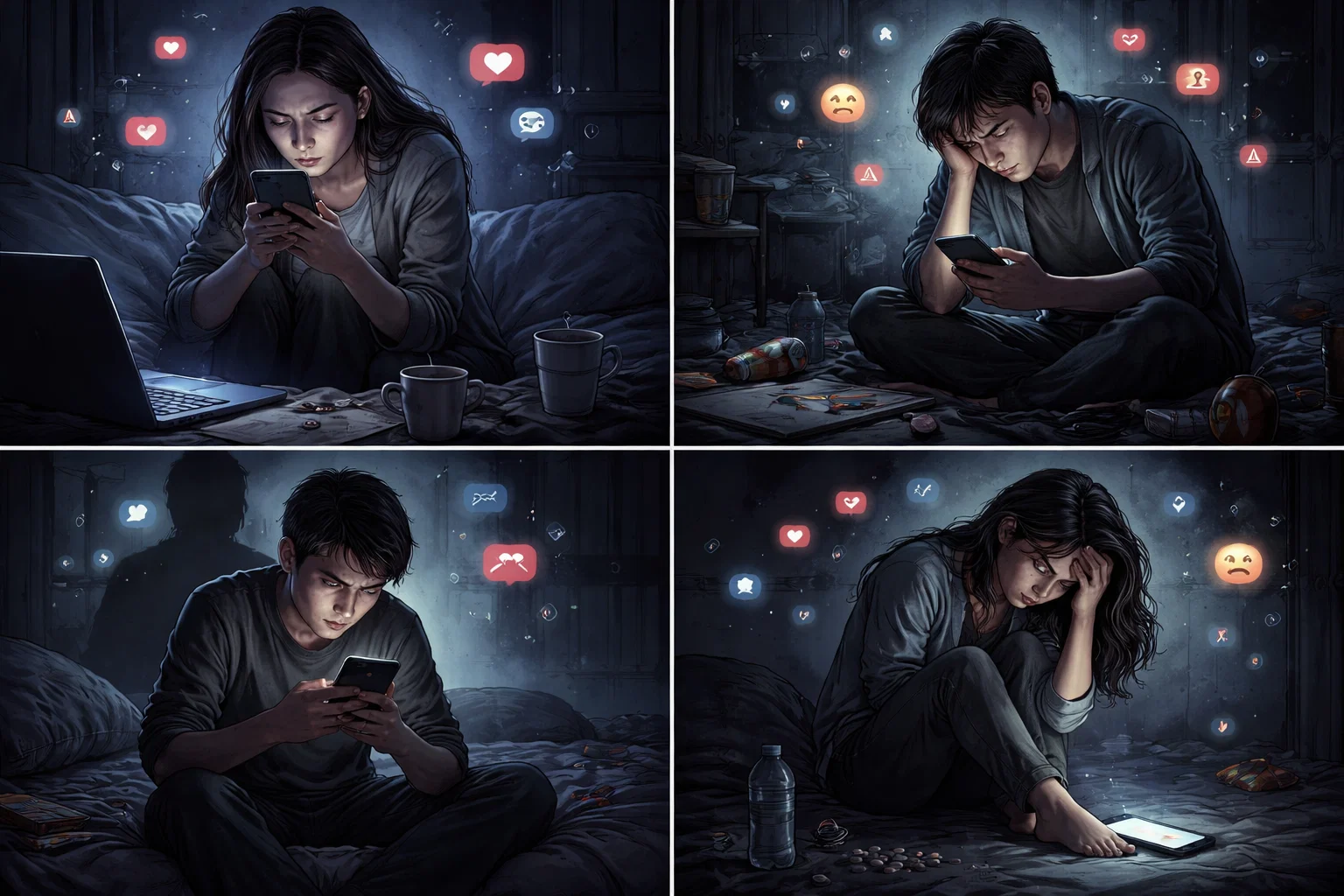
Endless Notifications, Social Media, and Screen Time Effects
The allure of endless notifications from social media and smart apps contributes to digital addiction. The constant stream of information and interactions keeps us glued to our screens, fostering a dependency that can have a detrimental impact on our mental well-being and can be a part of the dark side of smart.
Stress, Anxiety, and Sleep Disruption Linked to Smart Technology
The pervasive use of smart technology is linked to increased stress, anxiety, and sleep disruption. The always-on nature of interconnected devices keeps our minds racing, making it difficult to disconnect and unwind. This constant connectivity can compromise our mental health.
Surveillance and Control: Who’s Watching You?
Government Monitoring and Corporate Oversight
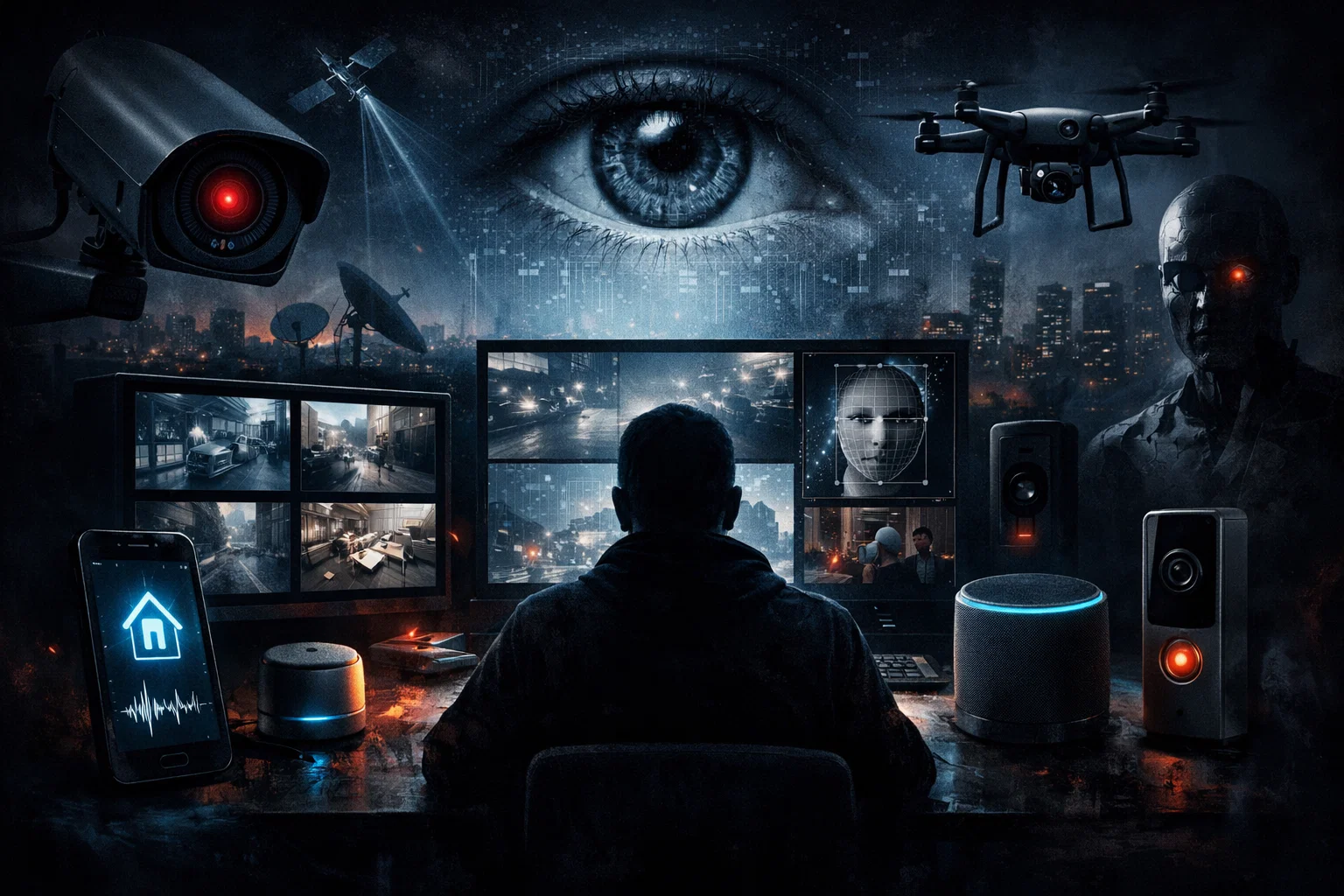
Government monitoring and corporate oversight have expanded with the proliferation of smart devices. Our internet-connected devices are potential surveillance tools, allowing governments and corporations to track our movements, monitor our communications, and gather personal data without our explicit consent.
The Fine Line Between Convenience and Loss of Autonomy
The convenience of smart home technologies comes at the cost of autonomy. As we increasingly rely on algorithms and automated systems to make decisions for us, we risk losing control over our lives and becoming passive recipients of choices dictated by technology. This is the dark side of smart homes.
Ethical and Social Challenges
Bias in AI, Facial Recognition, and Algorithmic Decision-Making
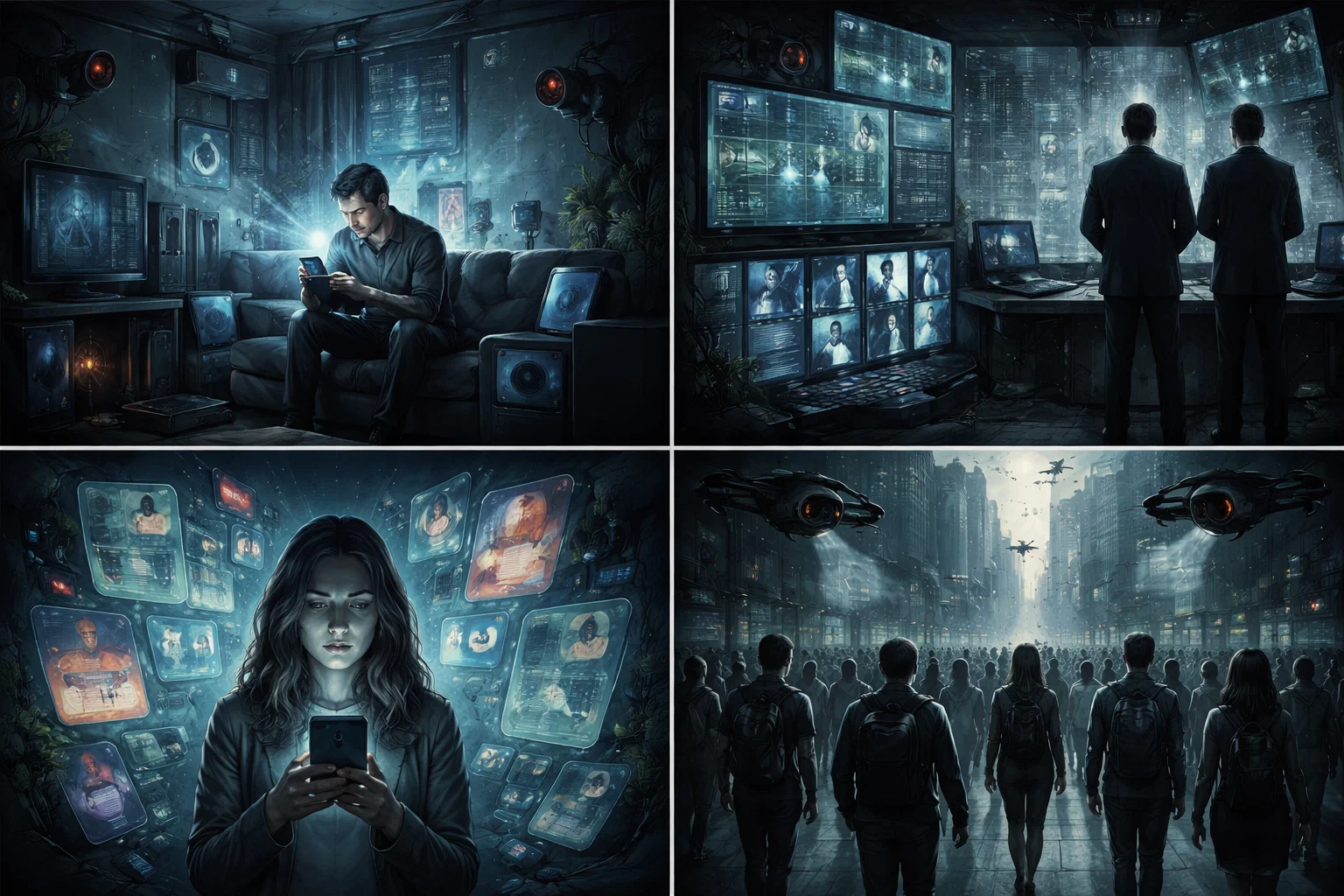
Bias in AI, facial recognition, and algorithmic decision-making poses significant ethical challenges. Algorithms trained on biased data can perpetuate and amplify existing social inequalities, leading to unfair or discriminatory outcomes in various domains, from criminal justice to employment.
Accessibility Inequality: Who Benefits and Who Gets Left Behind
Accessibility inequality exacerbates social divisions, as certain groups benefit disproportionately from smart technology while others are left behind. The high cost of smart devices and reliable internet connectivity can create a digital divide, excluding marginalized communities from the benefits of technological advancement.
Environmental Impact of Smart Technology

E-Waste and the Consequences of Frequent Device Upgrades
E-waste, resulting from frequent device upgrades, poses a significant environmental threat. The disposal of obsolete smart devices contaminates soil and water with toxic materials, endangering ecosystems and human health. The irresponsible disposal of such items is a growing concern.
Energy Consumption and Carbon Footprint of Always-On Devices
The energy consumption of always-on devices contributes to a substantial carbon footprint. The continuous operation of smart appliances, smart TVs, and other internet-connected devices requires significant electricity, exacerbating climate change and straining energy resources. This adds to the dark side of smart.
Health Implications
Electromagnetic Exposure and Long-Term Effects
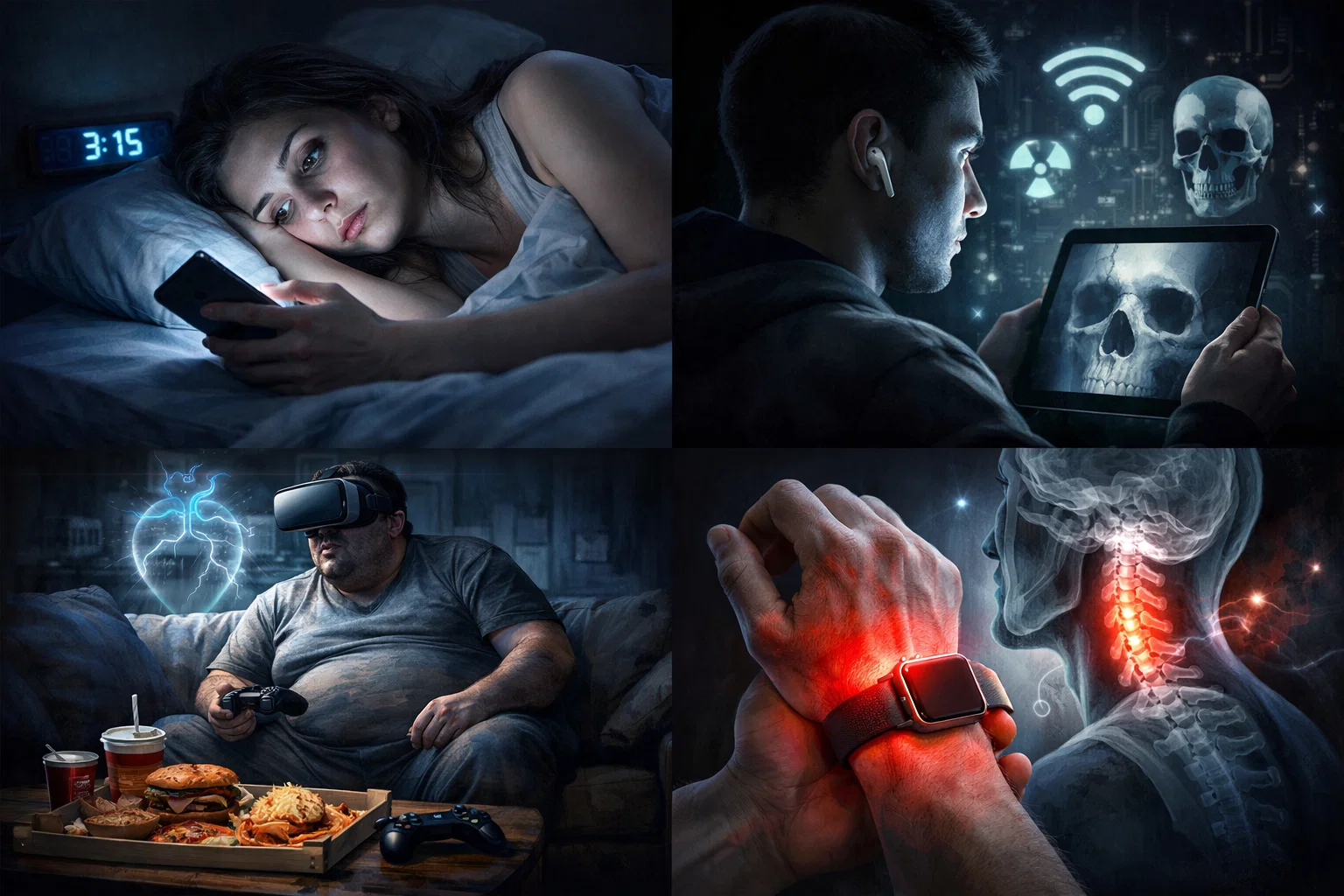
The potential health implications of electromagnetic exposure from smart devices are a growing concern. As we are constantly surrounded by smart devices like smart TVs and appliances, the long-term effects of this exposure on human health remain uncertain. Some studies suggest a link to various health issues.
Physical Strain: Eyes, Posture, and Repetitive Stress
Excessive use of smart technology can lead to physical strain, affecting our eyes, posture, and causing repetitive stress injuries. Staring at screens for extended periods can cause eye strain, while poor posture while using personal devices can lead to musculoskeletal problems. It is definitely a part of the dark side of smart.
Psychological Manipulation and Behavioral Influence
Algorithms Influencing Decisions, Purchases, and Mood
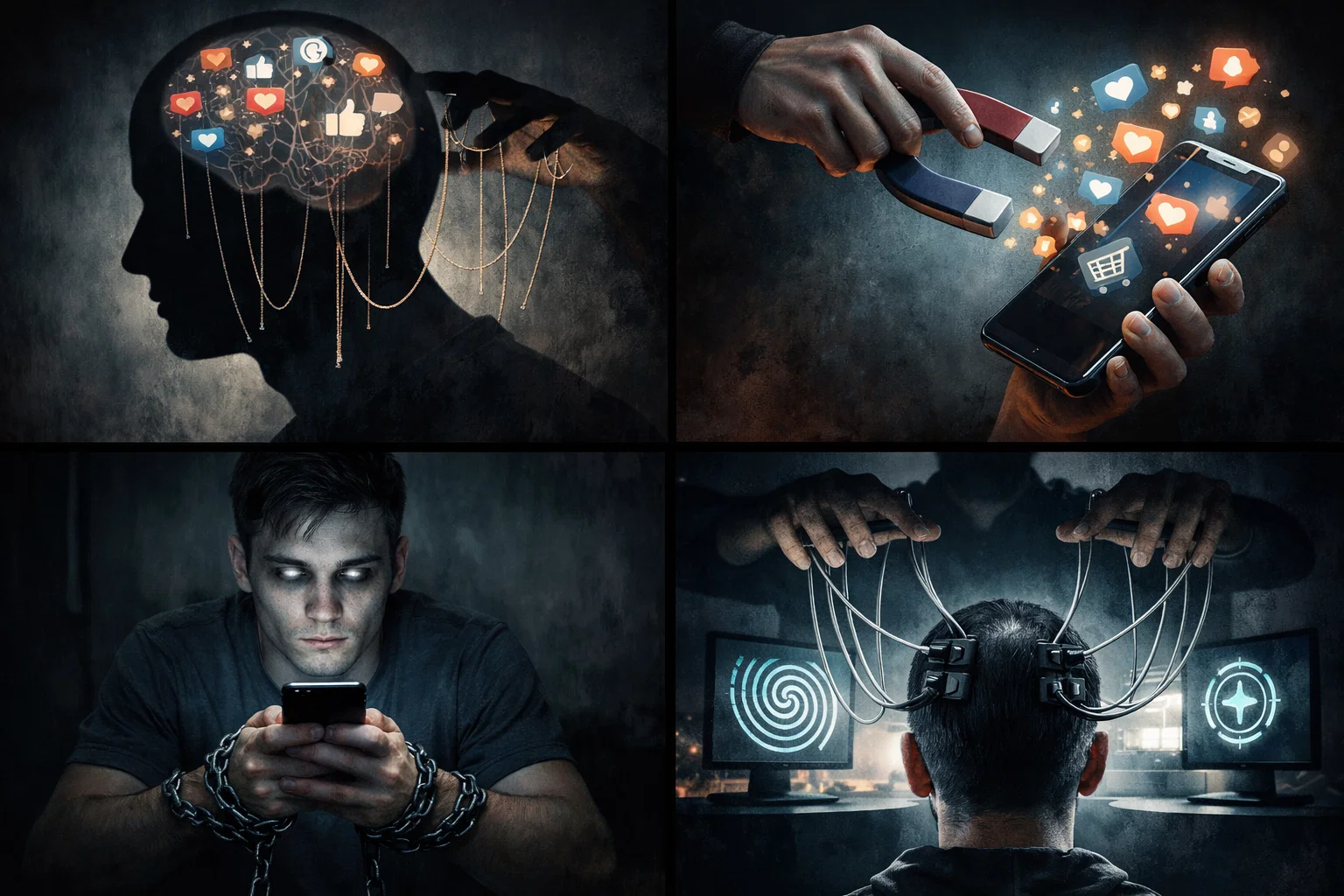
Algorithms embedded in smart technology wield considerable influence over our decisions, purchases, and even our mood. Targeted advertising and personalized content can manipulate our behaviors, shaping our preferences and driving consumerism. Algorithms become a very powerful weapon that is part of the dark side of smart.
Social Media, Smart Apps, and Targeted Persuasion
Social media platforms and smart apps employ persuasive techniques to capture our attention and influence our actions. Notifications, personalized recommendations, and targeted persuasion can create a cycle of addiction, leading to a decline in mental well-being and compromised decision-making. It is a part of the dark side of smart.
Protecting Yourself: Best Practices in 2026
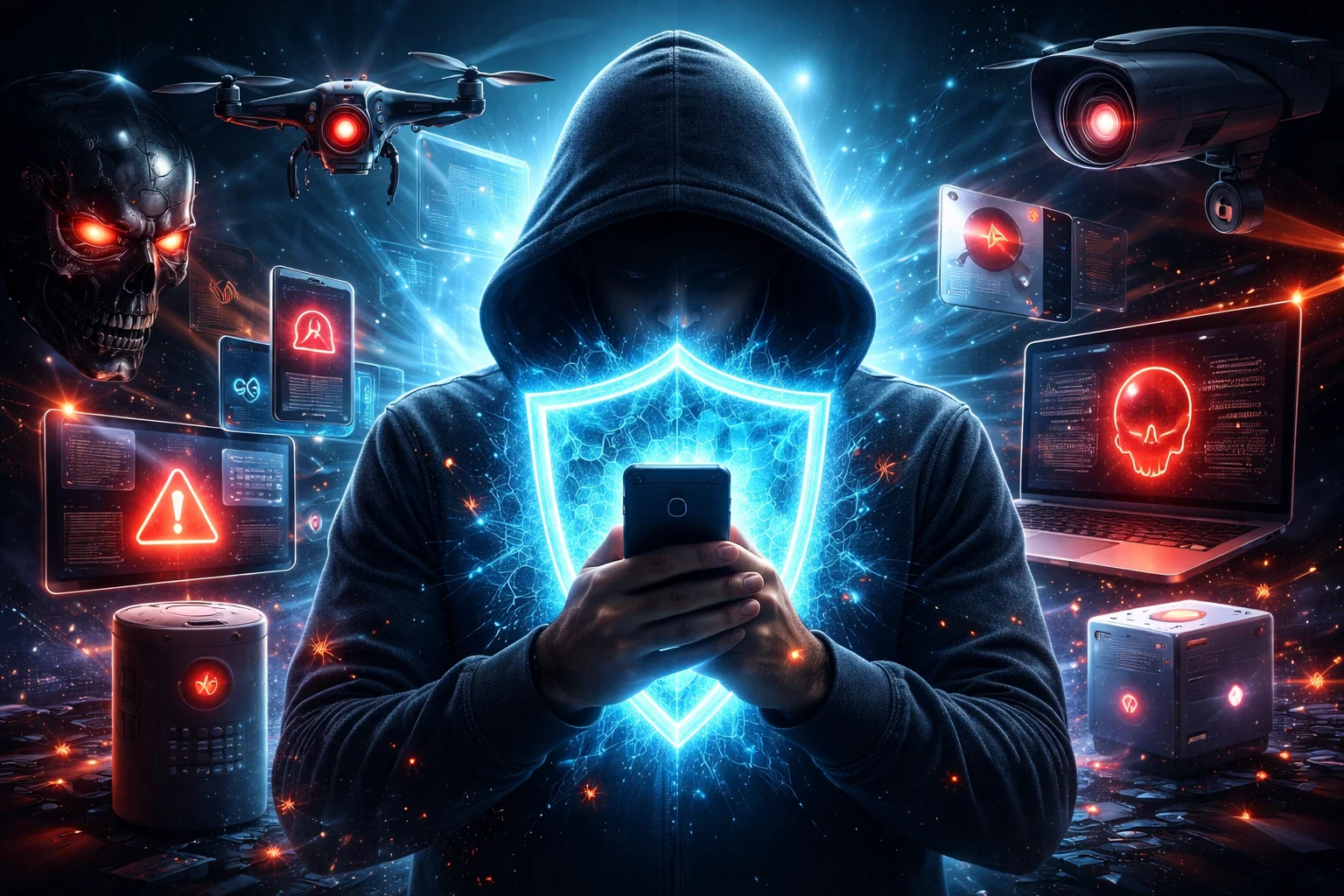
Privacy Settings, Encryption, and Secure Devices
Protecting yourself in 2026 requires a proactive approach to privacy and security. Some key strategies include:
- Adjusting privacy settings on smart devices.
- Using encryption to protect sensitive data.
Choosing secure devices with robust security measures is also important. And, of course, always remember to use strong passwords for every kind of internet-connected device.
Digital Hygiene: Reducing Dependency and Screen Time
Practicing digital hygiene involves reducing dependency on smart technology and limiting screen time. Several strategies can help restore balance and improve mental well-being, including:
- Taking breaks from screens
- Engaging in offline activities
- Setting boundaries for technology use
Remember that you should reduce time that you spend with smart home technologies.
Choosing Ethical and Security-Focused Smart Technology
Choosing ethical and security-focused smart technology is crucial for safeguarding privacy and mitigating risks. When selecting devices, consider the following:
- Prioritize companies with a strong track record of data protection and transparency.
- Check the privacy settings offered by the device.
- Investigate if the company has a history of privacy breaches.
The Future Outlook of Smart Technology
Emerging Solutions to Mitigate Risks
The future of smart technology will likely see the emergence of innovative solutions to mitigate risks. Advances in encryption, cybersecurity protocols, and AI-driven threat detection systems will enhance the security and privacy of smart devices and networks. That will prevent cybercriminals from accessing sensitive data.
Balancing Convenience, Innovation, and Safety
The challenge lies in balancing the convenience and innovation of smart technology with the need for safety and security. A holistic approach that prioritizes ethical considerations, user privacy, and robust cybersecurity measures is essential for ensuring a sustainable and beneficial future for smart devices and smart homes.
How Consumers Can Stay Ahead in a Smart, Connected World
Consumers can stay ahead in a smart, connected world by educating themselves about the risks and benefits of smart technology. Staying informed about privacy settings, security measures, and responsible technology use empowers individuals to make informed decisions and protect their digital well-being from cyberattacks.
Conclusion: Staying Smart About Smart Technology
As smart technology becomes increasingly integrated into our lives, it is imperative to stay informed about its potential dark side. By prioritizing privacy, security, and ethical considerations, we can harness the power of smart devices while mitigating the risks to our well-being and autonomy. The dark side of smart should not win.