



Our daily routines are the unsung heroes of self-discovery. More than just a sequence of tasks, they are the building blocks of our character, subtly yet profoundly shaping who we are.
This article explores how these everyday actions, consciously or unconsciously, mold our self-perception and influence the person we eventually become.
Why Daily Habits Matter for Your Identity


The power of daily habits extends far beyond mere productivity. They are the brushstrokes that paint the canvas of our self, defining our capabilities, values, and aspirations. Understanding how our routines shape your identity is the first step towards intentional self-creation, allowing us to actively design the lives we desire.
The Connection Between Routine and Self-Perception
Our self-perception is not fixed; it’s a fluid concept molded by our experiences, and perhaps most significantly, by our daily routines. When we consistently engage in certain behaviors, we start to internalize those actions as reflections of our true selves, reinforcing a particular narrative about who we are and what we are capable of achieving. These habits shape our identity.
How Small Actions Accumulate Into Big Changes
It’s easy to underestimate the impact of small actions, but consistent, positive habits shape our identity gradually. Think of a daily walk, a consistent meditation practice, or regular reading. Each small action, seemingly insignificant on its own, contributes to a larger transformation. These small wins pave the way for building habits that compound over time, leading to significant behavior change.
Understanding the Psychology of Habits
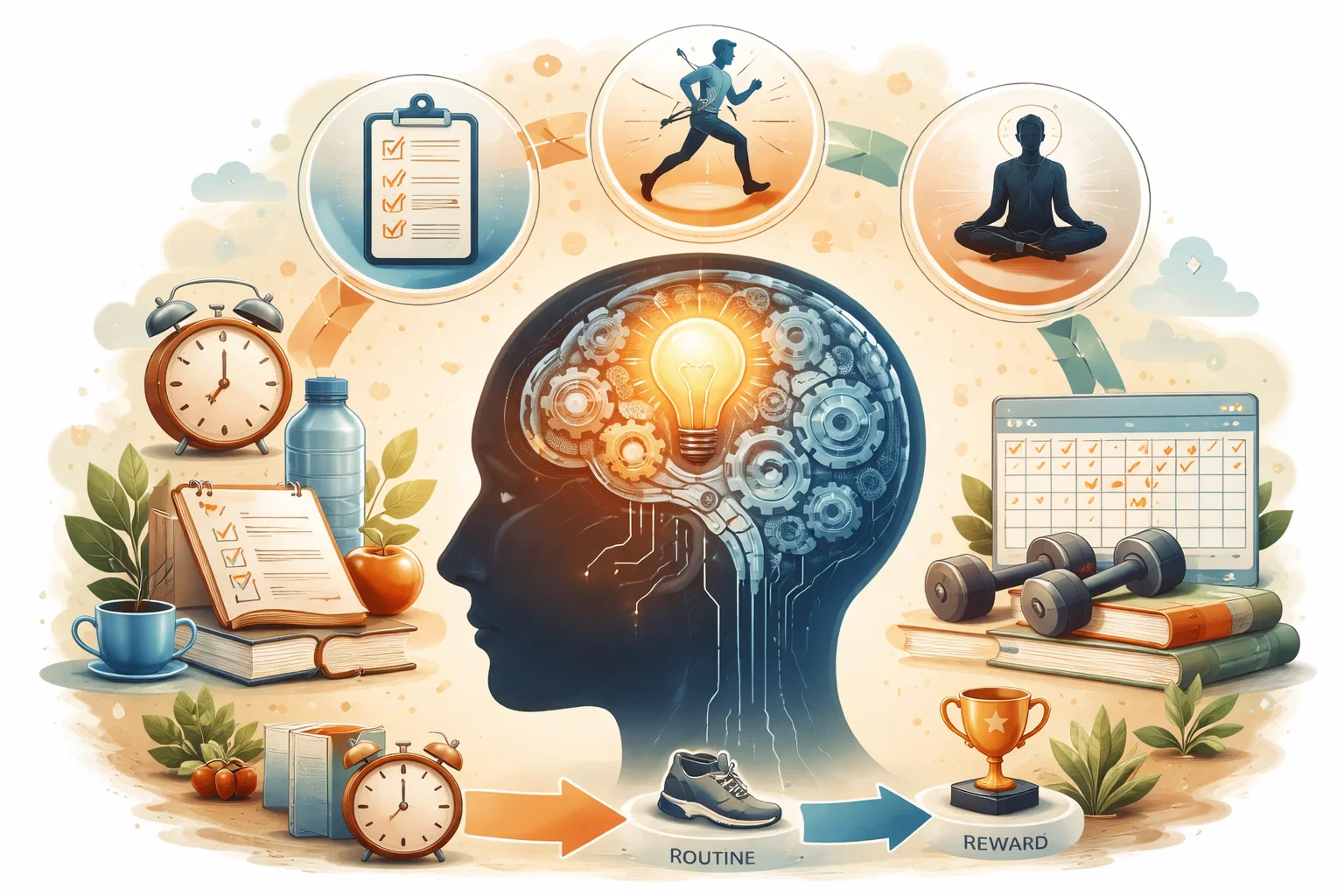
To truly harness the power of routines, we must delve into the psychology that underlies habit formation. Understanding the mechanics of how habits are created, maintained, and altered provides us with the tools to consciously design our daily lives in a way that aligns with our desired self-image and promotes lasting personal growth and transformation.
What Science Says About Habit Formation
Science reveals that habit formation is a complex interplay of neurological and psychological processes. Understanding this framework helps us build identity-based habits. It’s not just about willpower; it’s about understanding how our brains and bodies learn and adapt, turning repeated actions into automatic behaviors. This knowledge is crucial for building habits that align with our values.
The Role of the Brain: Neuroplasticity and Identity
Neuroplasticity, the brain’s ability to reorganize itself by forming new neural connections throughout life, plays a pivotal role in shaping our identity through routine. Every time we repeat a habit, we strengthen the neural pathways associated with that behavior, making it easier to perform in the future. These neural changes can reinforce or create new identities.
Habit Loops: Cue, Routine, Reward and Their Impact on Self
The habit loop consists of a cue, a routine, and a reward. The cue triggers the behavior (routine), which then leads to a reward that reinforces the association. By understanding these elements, we can effectively manipulate the habit loop to foster positive habits and change the ones that no longer serve us, ultimately shaping our behaviors and actions.
How Routines Reflect Your Values and Priorities

Our routines are not just about what we do; they are a powerful statement of what we value. The way we spend our time and energy each day reveals our true priorities, often more accurately than our words do. By examining our daily actions, we gain insight into our deepest values and can align our habits accordingly.
Daily Actions as a Mirror of Your Beliefs
Our daily actions serve as a mirror, reflecting our underlying beliefs and values. If we say we prioritize health, but our daily routine consists of unhealthy eating and sedentary behavior, there’s a misalignment. The actions we take every day, however small, reveal our true values and beliefs, highlighting where we may need to make adjustments.
Aligning Habits With Your Long-Term Goals
For our routines to truly transform our identity, they must be aligned with our long-term goals. It’s not enough to simply adopt random habits; we must consciously select behaviors that move us closer to the person we want to become and the life we want to create. Setting goals is an essential part of this alignment process.
Case Studies: Everyday Habits That Define Character
Examining case studies of individuals who have successfully used routines to shape their identities can provide valuable insights and inspiration. These stories highlight how consistent, intentional habits, whether related to fitness, creativity, or relationships, can cultivate desired character traits and transform one’s sense of self and create new identities.
Identity-Based Habits: Becoming the Person You Want to Be

Moving from “I Want” to “I Am” involves a fundamental shift in mindset. Rather than focusing on outcome-based habits, we focus on building habits that reinforce the type of person we want to become. This approach leverages the power of identity-based habits, where each action is a step towards solidifying a desired self-image.
From “I Want” to “I Am”: Shifting Mindsets Through Routine
The distinction between “I want to achieve this” and “I am this type of person” is crucial. When you build identity-based habits, you’re not just performing a task; you’re embodying a new identity. This shift requires a deep understanding of your values and aspirations, which will shape your identity. It also requires dedicated willpower.
Examples of Identity-Driven Daily Practices
Examples of identity-driven daily practices include a writer writing every day to reinforce the identity of being a writer, or a health enthusiast consistently choosing nutritious meals to embody a healthy lifestyle. An affirmation is a very effective tool to shape your identity. These habits shape your identity. Such small wins are crucial.
Avoiding Conflicting Habits That Dilute Your Identity
Conflicting habits can dilute your identity. If you want to become the type of person who is disciplined, consistently indulging in procrastination undermines that goal. Awareness of these conflicting patterns is the first step to changing your habits and systems to better align with your desired self.
The Role of Consistency in Shaping Self-Perception

Consistency is the cornerstone of transforming routines into a solid sense of self. It’s not about occasional bursts of effort, but the unwavering commitment to daily practices. This repetition solidifies the neural pathways in our brain, reinforcing the new identities we want to embody. Consistency will help build identity-based habits.
How Repetition Reinforces Identity
Each repetition of a habit reinforces the associated identity. When you consistently engage in a behavior, your brain starts to internalize it as part of your identity. This process transforms a conscious effort into an automatic behavior, cementing the new identity you are building. The habits shape your identity gradually.
Overcoming Barriers to Habit Consistency
Overcoming barriers to consistency, which often stem from lack of time, motivation, or external support, requires strategic action. Consider the following approaches:
- Breaking down habits into smaller, manageable steps
- Setting realistic expectations
- Seeking accountability from others
Focusing on these strategies will aid in building habits gradually, improving both adherence and consistency.
Tracking Progress to Strengthen Self-Belief
Tracking progress, whether through a journal, habit tracker, or app, provides tangible evidence of your commitment and growth. Seeing the accumulation of small wins reinforces self-belief and encourages you to continue building habits. This positive feedback loop is essential for maintaining consistency.
Routines That Build Mental, Emotional, and Physical Identity

Our routines extend beyond just physical actions; they encompass mental, emotional, and physical well-being. By consciously designing routines that nurture each of these aspects, we create a holistic sense of self. This integrated approach shapes a well-rounded and resilient identity.
Morning and Evening Rituals That Define You
Morning and evening rituals set the tone for the day and provide a sense of closure. A mindful morning routine can promote clarity and focus, while an evening routine can foster relaxation and reflection. These rituals provide a framework for both mental and physical well-being, to help shape your identity.
Health, Fitness, and Nutrition: Habits That Reinforce Identity
Health, fitness, and nutrition habits are powerful tools for reinforcing a positive physical identity. Regular exercise, balanced nutrition, and sufficient rest not only improve physical health but also boost self-esteem and confidence. This creates a virtuous cycle of well-being.
Mindfulness, Meditation, and Mental Clarity Routines
Mindfulness, meditation, and mental clarity routines cultivate emotional resilience, reduce stress, and enhance self-awareness. These practices provide a space for introspection, allowing you to better understand your thoughts, feelings, and motivations. Regular meditation practices help you shape your identity.
Social and Environmental Influences on Routine and Identity

Our environment and community exert a significant influence on the routines we adopt, subtly shaping our identity. The norms, expectations, and opportunities available in our surroundings can either support or hinder the development of habits that align with our desired self. Understanding these influences is crucial for consciously shaping our identity.
How Your Community Shapes Your Habits
The people we surround ourselves with, from family and friends to colleagues and neighbors, significantly impact our habits. We tend to adopt behaviors that are common or valued within our community, often unconsciously. If your social circle values fitness, you’re more likely to adopt exercise routines. This can shape your identity.
Designing Your Environment to Support Positive Identity Habits
Creating an environment that supports your desired habits is key to reinforcing your identity. This might involve decluttering your workspace to promote focus, stocking your kitchen with healthy foods to encourage nutritious eating, or joining a community that aligns with the habits you want to reinforce.
Balancing Social Expectations With Personal Values
Balancing social expectations with personal values can be a tricky navigation. It’s important to discern which habits are truly aligned with your aspirations versus those adopted to conform to external pressures. Prioritizing your values ensures your routines authentically shape your identity and you become the type of person you want.
Practical Steps to Design Routines That Shape Your Identity

Designing routines that shape your identity intentionally is a multi-faceted process. It involves understanding your core values, setting realistic goals, and using tools and techniques to support habit formation. This deliberate approach ensures your daily actions align with your desired self-image.
Identifying Core Values and Aspirational Self
The first step in designing intentional routines is identifying your core values and your aspirational self. What qualities do you admire? What principles guide your decisions? Defining these elements provides a clear direction for building habits and systems that resonate with your true self. This sets your goals.
Building Small, Sustainable Habits That Stick
When building habits, start small and focus on sustainability. Instead of attempting drastic overhauls, focus on incorporating small, manageable actions into your daily routine. These small wins can reinforce your new identities over time and contribute to significant behavior change that you want to see.
Using Tools and Techniques: Habit Trackers, Journals, and Apps
Tools like habit trackers, journals, and apps can be invaluable in supporting habit formation. These resources provide a visual representation of your progress, help you stay accountable, and offer insights into patterns and triggers. They also make tracking a more engaging process.
Common Mistakes to Avoid When Forming Identity-Shaping Routines
Even with the best intentions, mistakes can hinder the process of forming identity-shaping routines. Overloading your schedule, neglecting reflection, and ignoring the importance of rest can derail your progress. Awareness of these common pitfalls is key to maintaining momentum.
Overloading Your Schedule With Too Many Habits
A common mistake is attempting to incorporate too many new habits at once. This can lead to overwhelm, burnout, and ultimately, abandonment of your efforts. Focus on mastering a few key habits before adding more to your routine, to ensure effectiveness and consistency with your set goals.
Neglecting Reflection and Adaptation
Routines are not static; they require ongoing reflection and adaptation. Regularly assess whether your habits are still aligned with your values and goals. Be willing to make adjustments as your circumstances change, to continue building habits, reinforce your identity, and support your personal growth.
Ignoring the Power of Rest and Recovery
Rest and recovery are integral components of any successful routine. Pushing yourself too hard without adequate rest can lead to fatigue, decreased performance, and ultimately, a breakdown in your habits. Prioritizing rest ensures long-term sustainability, as well as mental and physical well-being.
Conclusion: The Transformative Power of Daily Habits
Daily routines are more than just a sequence of actions; they are a powerful force that can shape your identity, transform your life, and make you become the type of person you want to be. By understanding the psychology of habit formation and consciously designing routines that align with your values, you can harness the transformative power of daily habits to become the best version of yourself. Changing your habits and systems, while difficult, can create new identities.