Embark on a journey to unlock the secrets of phenomenal teamwork with this comprehensive guide. It’s more than just surface-level pleasantries; it’s about mastering the art of working in sync, amplifying collective strengths, and turning shared goals into tangible victories. Let’s get started!
Why Team Success Is More Than Just “Getting Along”
The High Cost of Dysfunctional Teams
A dysfunctional team can bleed a workplace dry. The costs extend beyond missed deadlines and subpar work; they include plummeting morale, increased employee turnover, and a stifled flow of new ideas. A toxic team dynamic can poison the entire work environment, making it crucial to actively cultivate a culture of effective teamwork and successful collaboration.

What “Working in Harmony” Truly Means
Working in harmony involves fostering a collaborative environment where team members feel valued, trust is paramount, and communication flows freely. It means understanding each other’s strengths, respecting differences, and aligning individual contributions towards a shared vision for successful workplace outcomes.
1. Understand the Core Pillars of Effective Teamwork
Trust: The Foundation of Any Successful Team
Trust is the bedrock of any successful team. Without it, collaboration falters, and productivity plummets. Building trust among team members involves consistently demonstrating reliability, honesty, and integrity. When team members feel secure and believe in each other’s intentions, they are more likely to take risks, share new ideas, and engage in open communication.

Communication: The Lifeline of Collaboration in the Workplace
Effective communication is the lifeblood of any thriving team. Clear, concise, and open communication ensures that everyone is on the same page, understands their roles, and can contribute effectively to the team’s goals. This involves not only conveying information but also actively listening to understand different perspectives and fostering a collaborative environment where every team member feels heard and valued.
Accountability: Doing Your Part and Owning It
Accountability is the cornerstone of a high-performing team. Every team member must take ownership of their responsibilities and be held accountable for their actions. This creates a culture of reliability and trust, where team members can depend on each other to deliver on their commitments, enhancing team collaboration and ultimately leading to successful team outcomes.
2. Know Your Role — and Respect Others’
Clarity in Responsibilities Prevents Chaos
Clearly defined roles are essential to prevent confusion and maximize productivity. When every team member understands their specific responsibilities, it minimizes overlap and reduces the likelihood of tasks falling through the cracks. Clear roles create a collaborative team and allow individuals to focus on their strengths, enhancing team collaboration and overall efficiency of the team.

How Role Awareness Builds Efficiency
Role awareness is pivotal in fostering collaboration and improving teamwork. When team members understand not only their own roles but also the roles of their colleagues, it promotes a greater appreciation for each person’s contribution. This understanding facilitates smoother collaboration, reduces unnecessary dependencies, and allows the team to leverage each team member’s expertise more effectively, ultimately enhancing team performance in the workplace.
Respecting Boundaries and Valuing Each Contribution
A respectful work environment is one where boundaries are honored and contributions are valued. Each team member brings unique skills and perspectives, and recognizing these differences is essential for successful collaboration. When everyone feels that their contributions are valued, it promotes open communication, builds trust among team members, and encourages a collaborative team spirit, fostering a more innovative and productive atmosphere.
3. Master the Art of Clear and Empathetic Communication
Active Listening: Why It’s the Real Secret Weapon
Active listening fosters a deeper level of trust and understanding. Active listening goes beyond merely hearing words; it involves fully engaging with the speaker, understanding their message, and responding thoughtfully. In team meetings and collaborative environments, active listening fosters a deeper level of trust among team members and understanding. This creates a collaborative team where everyone feels heard and valued, promoting more effective teamwork and successful workplace outcomes and enhancing team collaboration.

Assertiveness vs Aggressiveness in Team Settings
Assertiveness fosters open communication, while aggressiveness can damage trust. Assertiveness is about expressing your needs and opinions confidently and respectfully, while aggressiveness involves imposing your views on others without regard for their feelings. In any successful team, assertiveness fosters open communication, while aggressiveness can create conflict and damage trust among team members. Learning to communicate assertively is essential for creating a collaborative team and a productive team environment.
Using the Right Tools: Messaging, Email, and Meetings
Choosing the right collaboration tools is crucial for effective teamwork. To ensure effective communication, consider different approaches:
- Messaging apps like Slack are great for quick updates.
- Email is better for formal communication.
Regular team meetings, whether in person or virtual, are essential for discussing complex issues and ensuring everyone is aligned. Utilizing the appropriate tools can greatly enhance teamwork and streamline collaboration in the workplace.
4. Develop Emotional Intelligence (EQ) for Better Team Dynamics
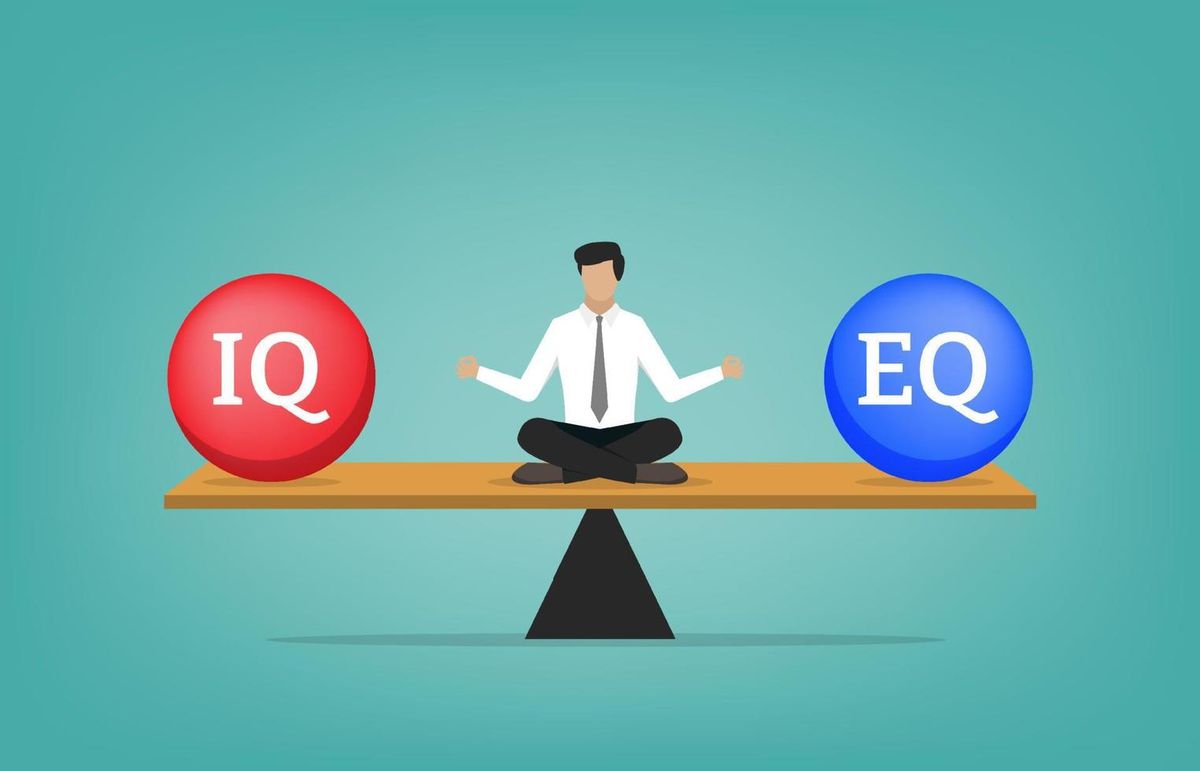
Why EQ Outranks IQ in Team Environments
EQ often outweighs IQ because it enhances teamwork, communication, empathy, and conflict resolution skills. While intelligence quotient (IQ) measures cognitive abilities, emotional intelligence (EQ) focuses on understanding and managing emotions.
In team environments, EQ often outweighs IQ because it enhances teamwork, communication and collaboration, empathy, and conflict resolution skills. A team with high EQ is better equipped to handle challenges, build trust among team members, and achieve successful team outcomes, making it a cornerstone of effective teamwork.
Managing Your Emotions in High-Stress Moments
Managing your emotions effectively is key to maintaining a collaborative team. High-stress situations are inevitable in any work environment, but managing your emotions effectively is key to maintaining a collaborative team.
This involves recognizing when you’re feeling overwhelmed, taking a step back to calm down, and communicating your needs assertively. By managing your emotions, you can prevent conflicts, foster better teamwork, and promote a more positive and productive team environment.
Reading the Room: Empathy and Social Awareness
Empathy and social awareness foster better understanding and teamwork. Empathy and social awareness are crucial components of emotional intelligence. “Reading the room” involves being attuned to the emotions and needs of those around you, allowing you to respond appropriately and build stronger relationships.
In work environments, this skill fosters better understanding, collaboration and teamwork among team members, promotes open communication, and contributes to a more harmonious team dynamic, ultimately enhancing team success.
5. Handle Conflicts with Courage and Calm
Recognizing Tension Early Before It Explodes
Identifying tension early is crucial for preventing conflicts. Identifying tension early among team members within a team environment is crucial for preventing small disagreements from escalating into full-blown conflicts.
By paying close attention to verbal and nonverbal cues, such as changes in tone, body language, or communication patterns, team members can detect when tensions are rising. Addressing these issues proactively helps to create a collaborative team and maintain a healthy work environment, ensuring effective teamwork.

Conflict Resolution Strategies That Strengthen Teams
Effective conflict resolution involves finding solutions that satisfy all parties. Effective conflict resolution involves finding solutions that satisfy all parties involved, strengthening team collaboration and promoting collaboration within the team.
Strategies include active listening, open communication, and collaborative problem-solving. A collaborative team embraces conflict as an opportunity for growth, using it to enhance teamwork and develop better ways of working together to ensure a great team in any work environment.
When to Involve Leadership or Mediation
Seek outside help if conflict persists, impacts collaboration, or involves personal attacks. There are times when conflicts within a team require intervention from leadership or a neutral mediator.
If the conflict is persistent, impacting team collaboration, or involves personal attacks, it’s time to seek outside help. Leadership can provide guidance and support, while a mediator can facilitate open communication and help the team reach a fair resolution, thus building a collaborative team.
6. Collaborate Across Diverse Work Styles and Cultures
Understanding Different Personality Types (e.g., introvert vs extrovert)
Recognizing different personality types is essential for collaboration. Recognizing and appreciating different personality types within a team environment, such as introverts and extroverts, is essential for collaboration in the workplace. Introverts often prefer to process information internally and may require more time for reflection, while extroverts thrive on social interaction and collaboration. Understanding these differences enhances teamwork and promotes a collaborative team.

Embracing Cultural Differences in Global Teams
Embracing cultural differences enriches team collaboration. In today’s globalized work environment, teams often consist of individuals from diverse cultural backgrounds. Embracing these cultural differences enriches team collaboration and fosters a more inclusive and innovative atmosphere. Understanding different communication styles, work ethics, and perspectives enhances teamwork and creates a collaborative work environment where every team member feels valued and respected.
How Inclusion Boosts Innovation and Morale
Inclusion boosts innovation and morale. Creating an inclusive work environment where every team member feels valued and respected is essential for boosting innovation and morale. When individuals feel safe to express their new ideas and perspectives without fear of judgment, it fosters a collaborative culture that sparks creativity. This, in turn, enhances teamwork and leads to more successful workplace outcomes and building a collaborative team.
7. Keep Teams Productive in Hybrid and Remote Settings
Building Connection Without Physical Presence
Building connections in remote environments requires intentional effort. In hybrid and remote work environments, building connections among team members requires intentional effort. Regular virtual team meetings, social activities, and opportunities for informal communication can help maintain relationships and foster a sense of belonging. Encouraging open communication and providing platforms for team members to share personal updates enhances teamwork and strengthens the collaborative team.

Tools for Remote Collaboration (Zoom, Slack, Notion, etc.)
Leveraging collaboration tools is essential for remote productivity. In particular, several tools can be quite useful:
- Zoom facilitates video conferencing for team meetings.
- Slack promotes real-time communication and collaboration.
- Notion provides a centralized platform for project management and knowledge sharing.
These tools enhance teamwork and streamline collaboration in the workplace.
Setting Boundaries and Expectations Remotely
Establishing clear boundaries is crucial for remote work-life balance. Establishing clear boundaries and expectations is crucial for maintaining work-life balance and productivity in remote work environments. Every team member should define their working hours, communicate their availability to colleagues, and create a dedicated workspace. Setting these boundaries promotes well-being, reduces burnout, and enhances teamwork within the collaborative team, leading to more successful workplace outcomes.
8. Celebrate Wins and Learn from Mistakes — Together
The Power of Recognition and Encouragement
Recognition and encouragement boost morale and foster collaboration. Recognition and encouragement are powerful tools for boosting team morale and fostering a collaborative environment.
When team members feel valued for their contributions, it enhances teamwork and motivates them to continue performing at their best. A simple “thank you” or public acknowledgment can go a long way in improving teamwork in the workplace and reinforcing positive behaviors among team members.

Creating a Feedback-Driven Culture
A feedback-driven culture is essential for continuous improvement. A feedback-driven culture is essential for continuous improvement and enhancing team collaboration. Encourage team members to provide constructive feedback to one another, focusing on specific behaviors and outcomes. Regular team meetings can be used as a platform for sharing feedback and identifying areas for growth within the collaborative team, leading to more successful workplace outcomes and enhancing team dynamics.
Learning from Failure Without Finger-Pointing
Focus on learning from failure, not assigning blame. Failure is inevitable, but it presents an opportunity for growth and learning. Instead of assigning blame, a collaborative team should focus on analyzing what went wrong and identifying lessons learned. Encourage open communication about mistakes and create a culture where team members feel safe to take risks and share new ideas without fear of judgment. This approach to failure can build trust among team members.
9. Lead with Purpose — Even If You’re Not the Leader
Influence Without Authority: Be a Leader Within Your Role
Leadership is about taking initiative, regardless of your position. Leadership isn’t just about holding a formal title; it’s about taking initiative and influencing others, regardless of your position. Every team member can demonstrate leadership by taking ownership of their responsibilities, offering new ideas, and supporting their colleagues. This approach fosters a more collaborative work environment and empowers individuals to contribute to the team’s success, therefore building a collaborative team.

Inspire Accountability and Motivation in Others
Inspiring accountability and motivation is crucial for success. Inspiring accountability and motivation among team members is crucial for achieving successful workplace outcomes. Lead by example by demonstrating a strong work ethic and a commitment to excellence. Provide opportunities for team members to develop their skills, recognize their accomplishments, and empower them to take ownership of their work, thus enhancing team collaboration and the importance of teamwork.
Promote Team Values Through Your Actions
Team values should be reflected in every action. Team values are more than just words on a wall; they should be reflected in every action and interaction within the team. By consistently demonstrating integrity, respect, and collaboration, you can promote these values and create a positive work environment. Encourage team members to uphold these values and hold each other accountable, thus enhancing teamwork and building trust among team members.
Conclusion: Team Harmony Isn’t Luck — It’s a Skill You Build
Team harmony is a skill that requires continuous effort. Team harmony isn’t a matter of luck; it’s a skill that requires continuous effort and attention. By focusing on building trust among team members, fostering open communication, and promoting collaboration, you can create a high-performing team. Remember that enhancing team collaboration is an ongoing process and requires every team member’s commitment to teamwork, thus improving teamwork in the workplace.