


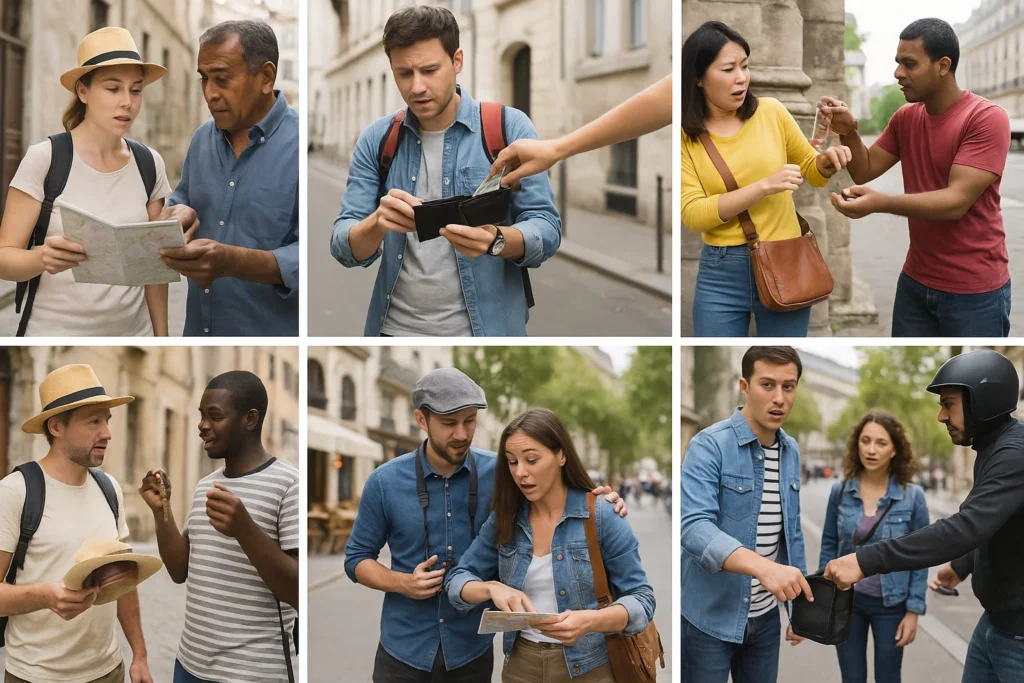
Traveling the world offers incredible experiences, but it’s crucial to be aware of potential dangers. This guide highlights common travel scams that target unsuspecting tourists and provides actionable tips to help you avoid scams and stay safe on your journeys.
Staying Safe While Traveling
Why scams target tourists
Tourists are often targets because they are unfamiliar with local customs and may stand out, making them easier to deceive. Scammers may perceive tourists as wealthy and assume they are less likely to report petty crimes. It’s wise to understand what’s going on.


The rising trend of travel scams worldwide
Unfortunately, travel scams are on the rise globally, adapting to new technologies and preying on vulnerable travelers. The sophistication of scam artists is evolving, making it essential to stay informed about current tactics to avoid this scam.
Importance of being informed before your trip
Being informed about potential travel scams is the best defense against becoming a victim. Researching common scams to avoid in your destination can significantly reduce your risk. Best travel preparation includes knowing the local risks.
1. Overpriced Taxi & Fake Ride-Share Scams
How fake taxi drivers trick tourists
One common scam involves taxi drivers who claim their meter is broken or take longer routes to inflate the fare, often targeting tourists at airports or tourist attractions. It’s essential to negotiate the fare upfront or insist on using the meter.

Common ride-share app frauds
Scammers sometimes impersonate ride-share drivers, accepting rides without being registered with the app or altering the destination in the app to charge you more. Always verify the driver’s identity and the car’s license plate before entering.
Pro tips: How to use licensed transport safely
Only use licensed taxi services or reputable ride-share apps. Double-check the driver’s identification and the vehicle’s license plate. Consider using the official app to book and pay to help you avoid problems with getting your money.
2. Fake Tour Guides and Unauthorized Excursions
Spotting unofficial guides near attractions
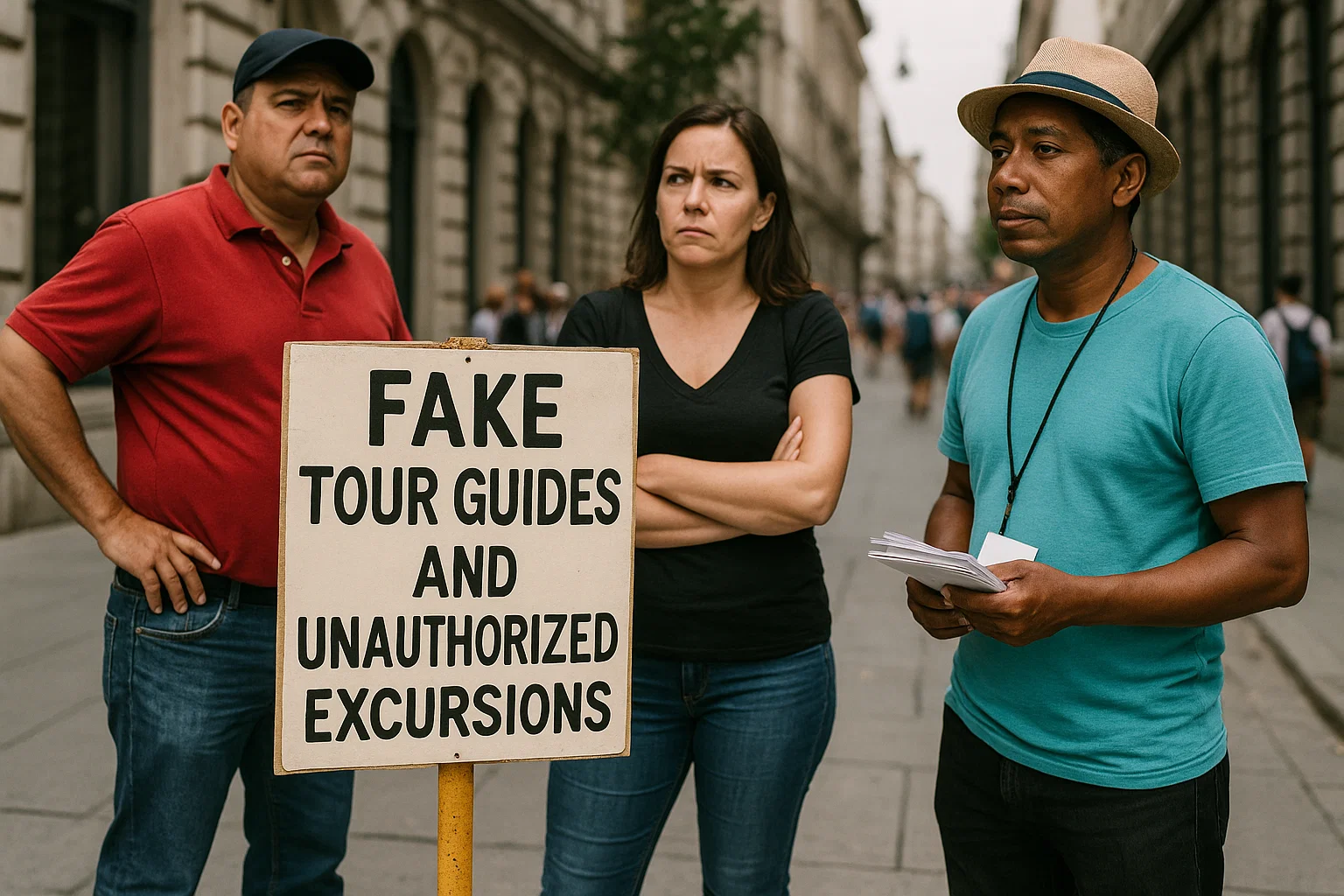
Unofficial tour guides often linger near popular tourist sites, offering tours without proper credentials or insurance. These guides may provide misinformation or lead you into unsafe situations, so avoid this scam.
The “cheap tour” scam explained
The “cheap tour” scam usually lures travelers with unbelievably low prices, only to add hidden fees or deliver a subpar experience. These tours may also cut corners on safety, putting participants at risk, so if sounds too good…
How to verify legitimate tours
To ensure you’re booking a legitimate tour, check the company’s credentials, read reviews, and book through reputable travel agencies or your hotel. Always verify that the tour operator is licensed and insured, as part of your travel plans.
3. Pickpocketing & Distraction Techniques
Classic pickpocket hotspots (stations, markets, plazas)
Pickpockets thrive in crowded areas such as train stations, markets, and plazas, where they can easily blend in and target unsuspecting tourists. Be extra vigilant in these hotspots and keep your valuables secure, as thieves are everywhere.
Common distraction scams (spills, petitions, bump tricks)
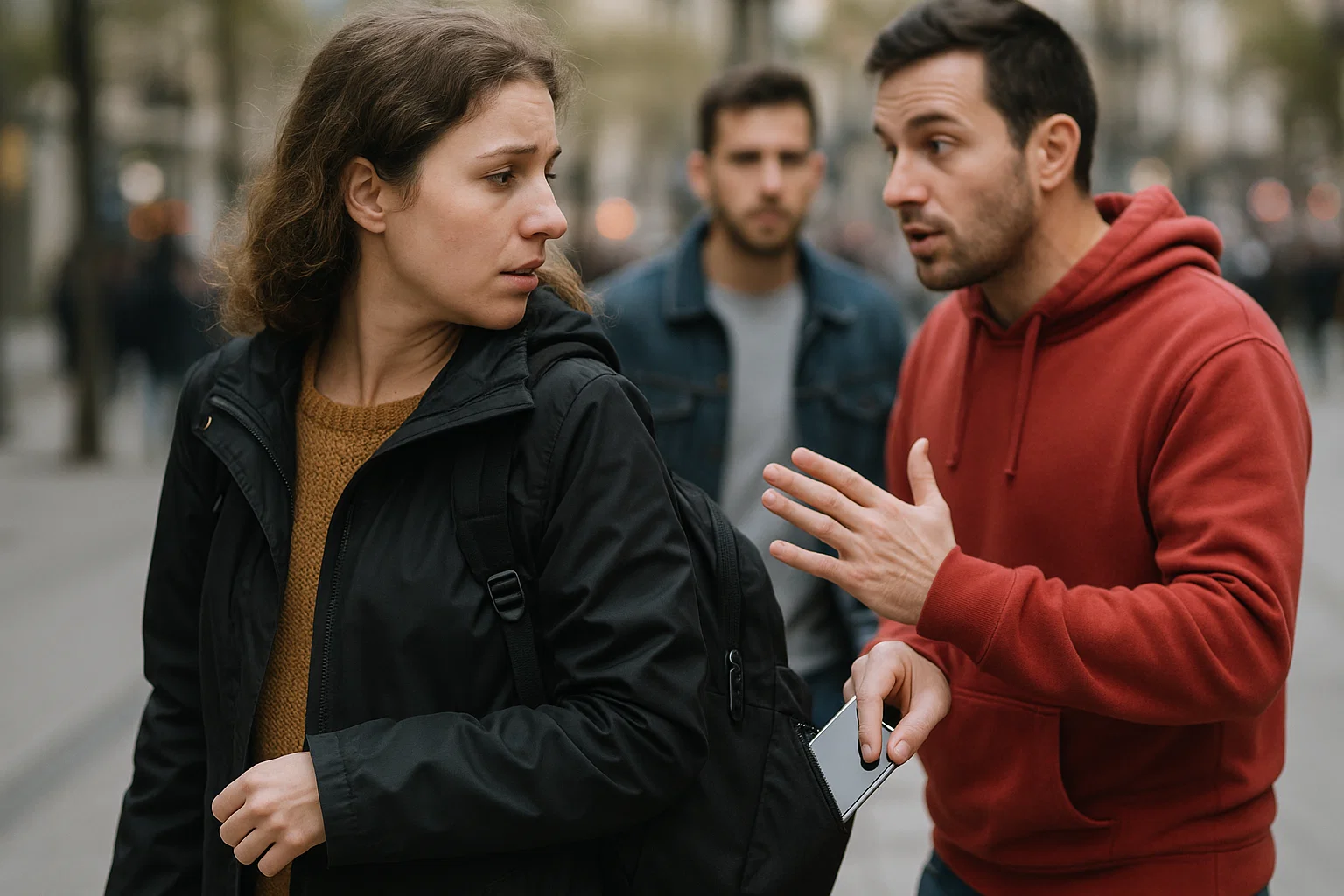
Distraction scams involve scammers creating a diversion, like spilling something on you or presenting a petition, while an accomplice pickpocketed you. Stay alert in crowded areas and be wary of anyone approaching you unexpectedly.
Anti-theft travel gear and prevention tips
Invest in anti-theft travel gear, such as money belts, slash-proof bags, and RFID-blocking wallets, to protect your valuables. Keep your belongings close and be aware of your surroundings to minimize the risk of becoming a victim.
4. Fake Hotel & Accommodation Scams
The “we lost your booking” trick
Some scammers may claim that your hotel booking has been “lost” or “canceled” upon arrival, especially if you booked through a third-party website. They might then pressure you into paying a higher rate for a different room, claiming it’s the only option, which you must avoid this scam.

Fake rental listings on platforms
Common scams involve fake rental listings on platforms like Airbnb or Craigslist. These listings often feature attractive prices and amenities to lure travelers. The scammer may ask for money upfront as a deposit and then disappear, leaving you without accommodation, and that sounds too good to be true.
How to confirm safe accommodation before booking
Always book accommodations through reputable websites or travel agencies to avoid scams. Verify the address, read reviews from other travelers, and contact the property directly to confirm your booking before your travel plans. Check for a registration number as part of best travel.
5. Currency Exchange & ATM Fraud
Overcharging or short-changing tourists
Currency exchange booths in popular tourist areas might try to overcharge or short-change tourists by offering unfavorable exchange rates or using sleight of hand. Always check the exchange rate beforehand and count your money carefully to help you avoid this travel scam.

ATM skimming devices explained
ATM skimming devices are hidden readers attached to ATMs that steal your card information when you insert your card. Scammers also install hidden cameras to record your PIN. Inspect ATMs carefully before using an atm and cover the keypad when entering your PIN to avoid this scam.
Safe practices for handling money abroad
Use ATMs located inside banks or well-lit, secure areas. Notify your bank of your international travel plans and consider using a credit card for purchases to minimize your risk. Avoid carrying large amounts of cash and keep your money in a secure money belt.
6. The “Free Gift” or Friendship Bracelet Scam
How scammers lure tourists with “gifts”
Scammers often approach tourists offering a “free gift,” such as a friendship bracelet or a flower. Once they’ve tied the bracelet around your wrist or given you the item, they demand payment, claiming it’s a cultural tradition. This is a common scam to pressure tourist.

Why saying yes is a costly mistake
Accepting the “free gift” creates a social obligation and makes it harder to refuse payment. The scammer may become aggressive or create a scene if you don’t comply, leading you to pay an inflated price to avoid further confrontation. It’s good to be true but you should avoid this scam.
Polite but firm ways to refuse
The best way to avoid this scam is to politely but firmly decline the “gift” from the start. Avoid making eye contact or engaging in conversation. A simple “no, thank you” should suffice, and if they persist, simply walk away because this is scammer’s way to ask for money.
7. Fake Police Officers or Authority Figures
How fake officers approach tourists
Fake police officers or authority figures might approach tourists, often in plain clothes, claiming to investigate a crime or conduct a “document check.” They might target you near tourist attractions or transportation hubs, so avoid this scam.

Common “document check” or bribe scam
The fake officer may ask to see your passport or wallet, using the opportunity to steal cash or credit cards. They might also claim you’ve violated a local law and demand a bribe to avoid arrest. This is a common scam tourists encounter.
How to verify real officials and respond safely
Always ask to see the officer’s identification and badge. If you’re unsure, request to go to the nearest police station to resolve the issue. Never hand over your wallet or passport directly; show it from a distance and know that tourist police is there to help you avoid scammers may try.
8. Restaurant & Menu Scams
Hidden charges or inflated bills
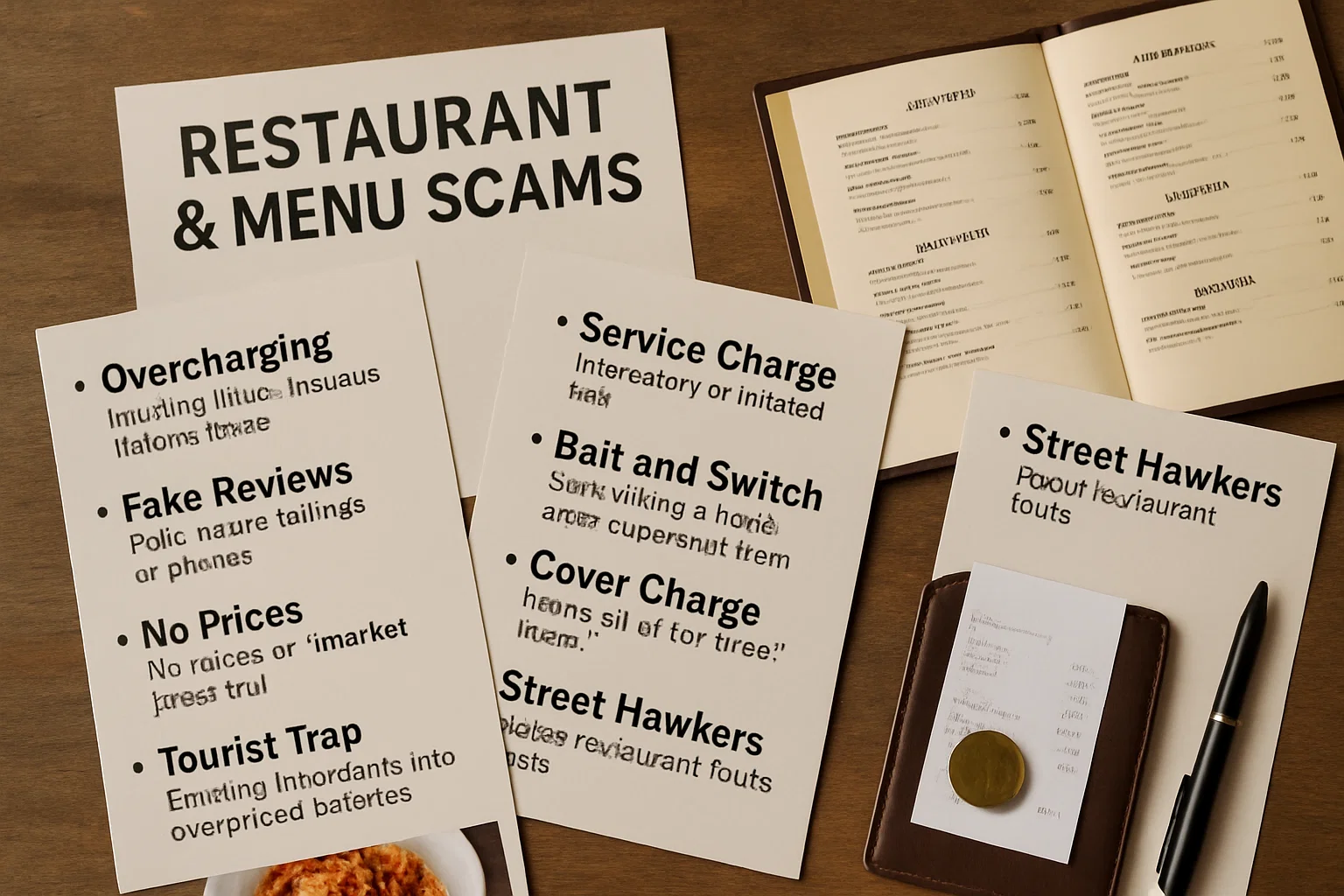
Some restaurants, especially those in popular tourist areas, may add hidden charges to your bill, such as excessive service fees or inflated prices for drinks. Always review the bill carefully and question any discrepancies that you notice for common travel scams.
“Tourist menu” tricks in popular areas
Restaurants might offer a “tourist menu” with higher prices than the regular menu, or charge exorbitant prices for items not listed on the menu. Always ask for the regular menu and confirm the prices before ordering, and this will help you avoid this scam.
Smart dining tips to avoid scams
Read online reviews to identify reputable restaurants with fair pricing. Be wary of restaurants that aggressively solicit customers on the street. Always ask for a detailed bill and double-check it for any unexpected charges and avoid this scam.
9. Online Booking & Ticketing Scams
Fake event tickets and attraction passes
One of the common travel scams involves fake event tickets and attraction passes sold online. Scammers create convincing replicas of tickets for popular tourist attractions or events and sell them at discounted prices, only for buyers to discover they are worthless upon arrival. It sounds too good to be true, so avoid this scam.
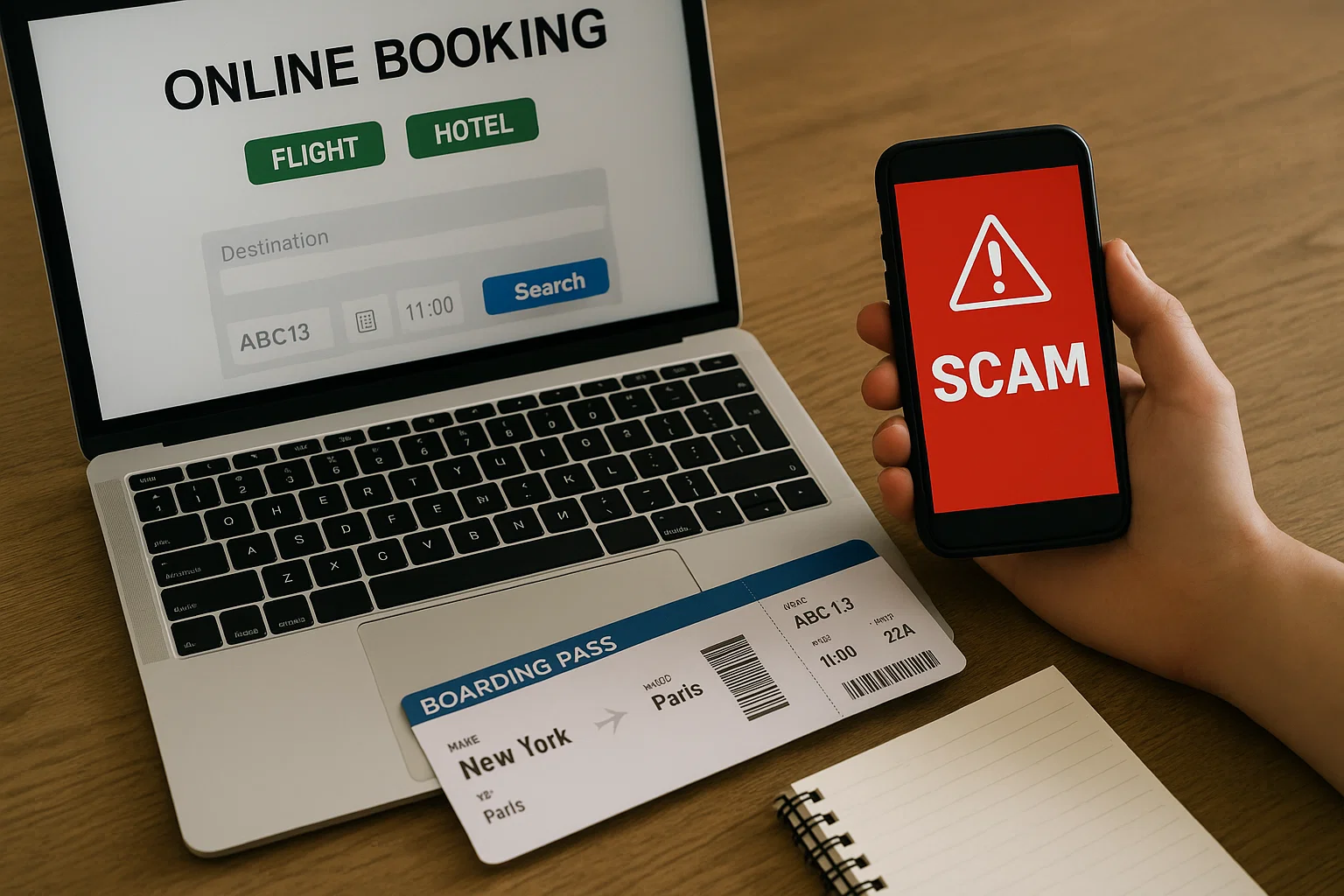
Cloned websites and email phishing
Scammers often create cloned websites that mimic legitimate booking platforms or send phishing emails disguised as travel offers. These fake sites or emails trick you into entering your personal and financial information, which they then use for fraudulent purposes, and that is a common scam to fall victim to.
Safe ways to book online
Always book tickets and accommodations directly through official websites or reputable travel agencies. Double-check the URL to ensure it’s legitimate and look for security indicators like HTTPS in the address bar. Be wary of unsolicited emails or travel offers that sounds too good to be true, and avoid scams.
10. Romance & Friendship Scams Abroad
How emotional manipulation traps tourists
Romance and friendship scams involve scammers preying on the emotions of tourists, often through online dating apps or social media. They create fake profiles and build relationships with their victims, gaining their trust before asking for money or other favors. A common scam to find yourself dealing with on the road.

Signs of an online romance scam during travel
Be wary of individuals who quickly declare their love or affection, especially if you’ve never met in person. Scammers often fabricate sob stories or emergencies to elicit sympathy and request financial assistance. If someone offers this to you, then avoid this scam.
How to protect yourself emotionally & financially
Never send money or share financial information with someone you’ve only met online, regardless of how strong your emotional connection may seem. Be skeptical of requests for help and trust your instincts. Report any suspicious behavior to the online platform and law enforcement to help you avoid getting pickpocketed by your heart.
Lesser-Known Tourist Scams Around the World
Wi-Fi hotspot scams
Fake Wi-Fi hotspots are set up by scammers in public places to intercept your data when you connect. These hotspots often have names similar to legitimate networks but are used to steal passwords, credit card information, and other personal data. A common scam for thieves to exploit.
Fake charity donation scams
Scammers often pose as representatives of fake charities, soliciting donations from tourists for nonexistent causes. They might target you near tourist attractions or in areas affected by natural disasters, preying on your generosity. It sounds too good when someone offers this opportunity for you, so avoid this scam.
Souvenir & shopping overpricing traps
In popular tourist areas, vendors may inflate prices for souvenirs and other goods, taking advantage of tourists who are unfamiliar with local pricing. Always negotiate the price and compare prices at different shops before making a purchase to help you avoid being overcharged and avoid this scam.
How to Protect Yourself Against Travel Scams
Essential travel safety checklist
Before you travel, it’s a good idea to create a checklist to ensure a smooth trip. This should include several key steps, such as:
- Researching common scams to avoid at your destination.
- Sharing your itinerary with family and friends.
- Making copies of important documents.
Remember to also register with your embassy and try to learn basic phrases in the local language.
Digital safety & cybersecurity while traveling
Use strong, unique passwords for all your online accounts. Enable two-factor authentication whenever possible. Be cautious when using public Wi-Fi networks and consider using a VPN to encrypt your data. Keep your devices secure and up-to-date to help you avoid travel scams.
Using travel insurance as a safeguard
Travel insurance can provide financial protection in case of theft, loss, or other unforeseen circumstances. Review your policy carefully to understand what is covered and how to file a claim. Always ask for money.
Final Thoughts: Smarter Travel, Safer Journeys
Staying informed, vigilant, and proactive are the keys to safe and enjoyable travel plans. By understanding common scams, exercising caution, and trusting your instincts, you can minimize your risk and create lasting memories. Scammer s, and their accomplice are everywhere so avoid this scam and other common scams.