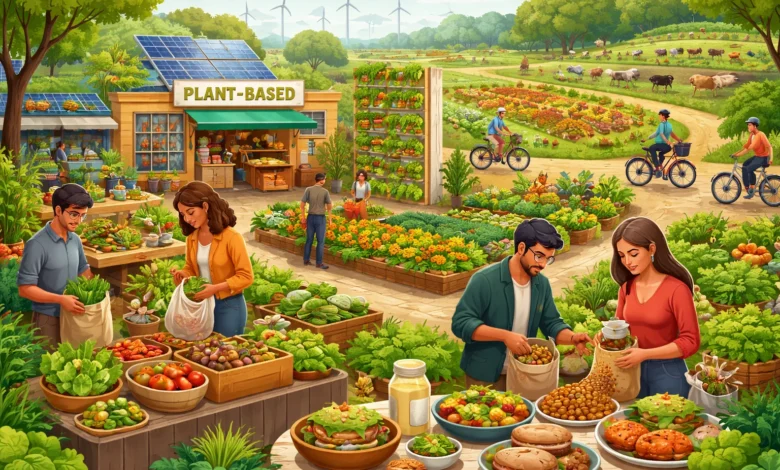
Explore how climate-conscious eating is transforming our diets and food systems in 2026. Discover the trends, key practices, and innovations driving this sustainable revolution.
The Rise of Sustainable Food Choices

Why sustainability is reshaping global diets
Sustainability is revolutionizing global diets as the environmental impact of our food consumption becomes increasingly apparent. The understanding that our eating habits significantly contribute to climate change is driving a shift towards more sustainable food choices, emphasizing healthier and more environmentally friendly options.
How consumer awareness, climate change, and ethics drive food choices
Consumer climate awareness, compounded by the stark realities of climate change impacts, is reshaping food choices. Ethical considerations regarding animal welfare and environmental stewardship are also pivotal, with consumers increasingly opting for plant-based food and sustainable food products, demanding greater transparency and responsibility in the food supply chain.
The connection between health, ethics, and environmental impact
There is a growing recognition of the interconnectedness between health, ethics, and environmental impact in food consumption. Consumers are seeking healthy diets that also minimize their carbon footprint, reflecting a desire for eating practices that support both personal well-being and a sustainable food system. This shift promotes climate action and food security.
What Is Climate-Conscious Eating?
Definition and key principles
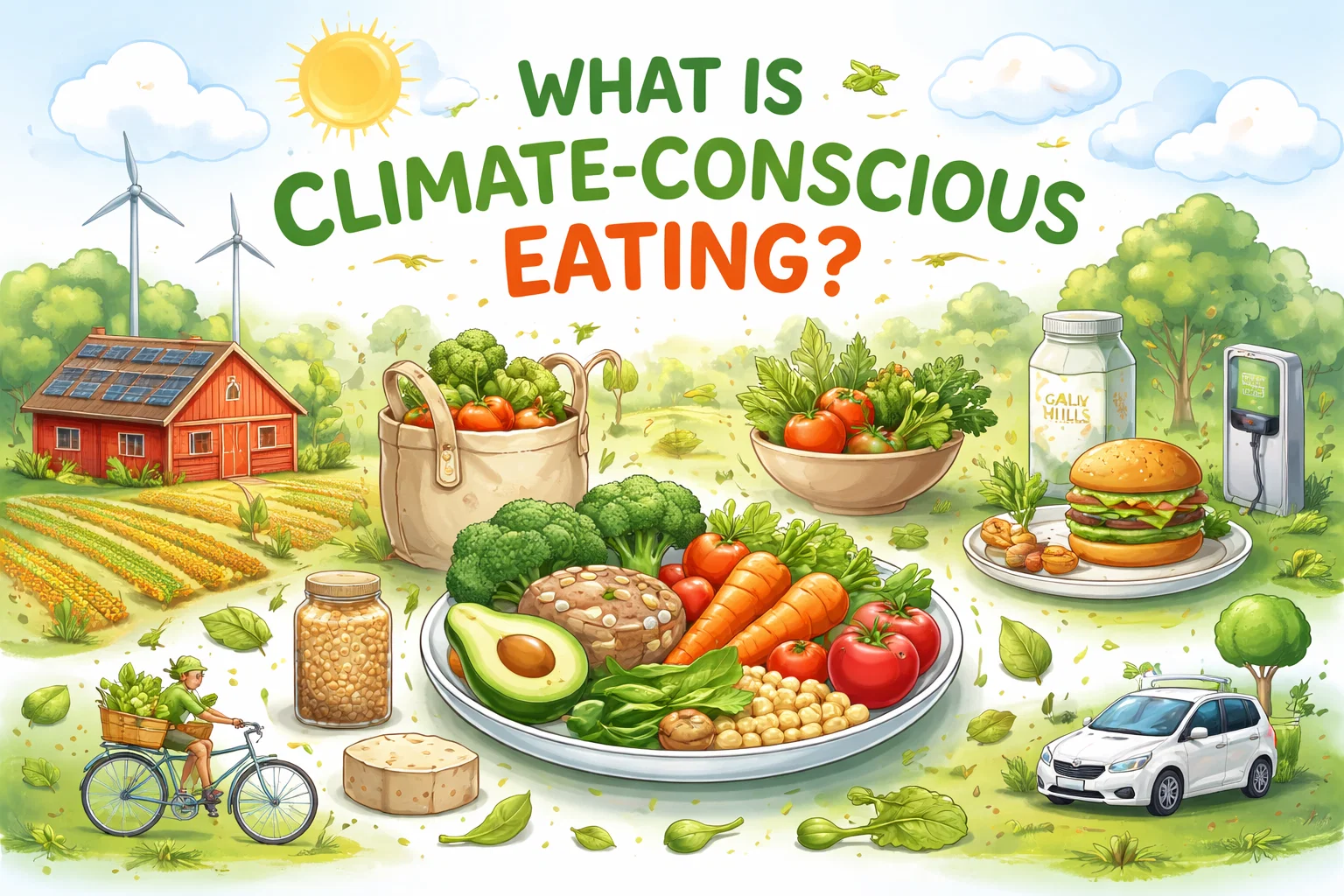
Climate-conscious eating encompasses making informed food choices that minimize the environmental impact of food. Its key principles involve prioritizing sustainable food production and reducing food waste, thereby lessening the effects of climate change. This approach includes embracing plant-forward diets and supporting eco-friendly sourcing methods, ensuring a more sustainable approach.
Plant-forward diets, low-impact proteins, and eco-friendly sourcing
Central to climate-conscious eating are plant-forward diets, which emphasize plant-based food while incorporating low-impact proteins. Eco-friendly sourcing is crucial, focusing on sustainable agriculture practices that reduce food losses and the environmental impact of food. This approach helps to mitigate climate change and ensures sustainable food production.
The role of ethical and responsible consumption
Ethical and responsible consumption plays a pivotal role in climate-conscious eating, promoting food sovereignty and supporting the welfare of animals and the livelihoods of farmers.
Consumers are increasingly concerned about the environmental impact of food and are demanding transparent and sustainable practices, reducing the environmental impact of food and promoting food security.
Why Climate-Conscious Eating Is Trending in 2026
Environmental awareness: reducing carbon footprint and water usage
Environmental awareness is a significant driver behind the climate-conscious eating trend in 2026. Consumers are increasingly aware of the carbon footprint associated with food production and the environmental impact of their food choices.
They seek to minimize water usage and greenhouse gas emissions by opting for sustainable products and practices, contributing to climate action and a more sustainable system.
Health and wellness alignment: plant-based and nutrient-rich foods
The alignment of health and wellness goals with sustainable eating is another key factor driving this trend. Plant-based food and nutrient-rich diets are gaining popularity as people recognize the health benefits of reducing meat consumption. This supports both personal well-being and the health and sustainability of the planet.

Ethical and social responsibility: animal welfare and fair sourcing
Ethical and social responsibility concerns, particularly regarding animal welfare and fair sourcing, significantly influence consumer choices.
People are increasingly seeking food products that align with their values, supporting sustainable agriculture and reducing the negative effects of climate change on communities. This focus promotes food sovereignty and ensures a more ethical and sustainable system, addressing food insecurity and fostering responsible consumption.
Influence of brands, restaurants, and government initiatives
Brands, restaurants, and government initiatives play a crucial role in promoting climate-conscious eating. Companies are developing and marketing sustainable products, while restaurants are offering more plant-based options.
Government policies and climate awareness campaigns also encourage consumers to make sustainable choices, contributing to a more sustainable production system and reducing food waste, mitigating the climate crisis.
Key Practices in Climate-Conscious Eating

Prioritizing plant-based and flexitarian diets
Prioritizing plant-based food is a cornerstone of climate-conscious eating. Embracing flexitarian diets, which emphasize plant-based meals while occasionally including animal products, helps reduce the environmental impact of food consumption.
This approach supports healthy diets and aligns with the goal of reducing the carbon footprint associated with food production.
Reducing meat and dairy consumption
Reducing meat and dairy consumption is essential for minimizing the environmental impact of food. Meat production, in particular, contributes significantly to greenhouse gas emissions and requires substantial resources. By lowering our intake of animal products, we can lessen our impact on climate change and promote more sustainable practices, supporting a healthier and more sustainable system.
Supporting regenerative and organic farming
Supporting regenerative and organic farming practices is crucial for sustainable food production. These methods focus on improving soil health, reducing the use of synthetic fertilizers and pesticides, and enhancing biodiversity.
By choosing products from regenerative and organic farms, consumers can support more environmentally friendly systems and help mitigate the negative impact of food and agriculture organization practices on climate change.
Choosing local and seasonal produce
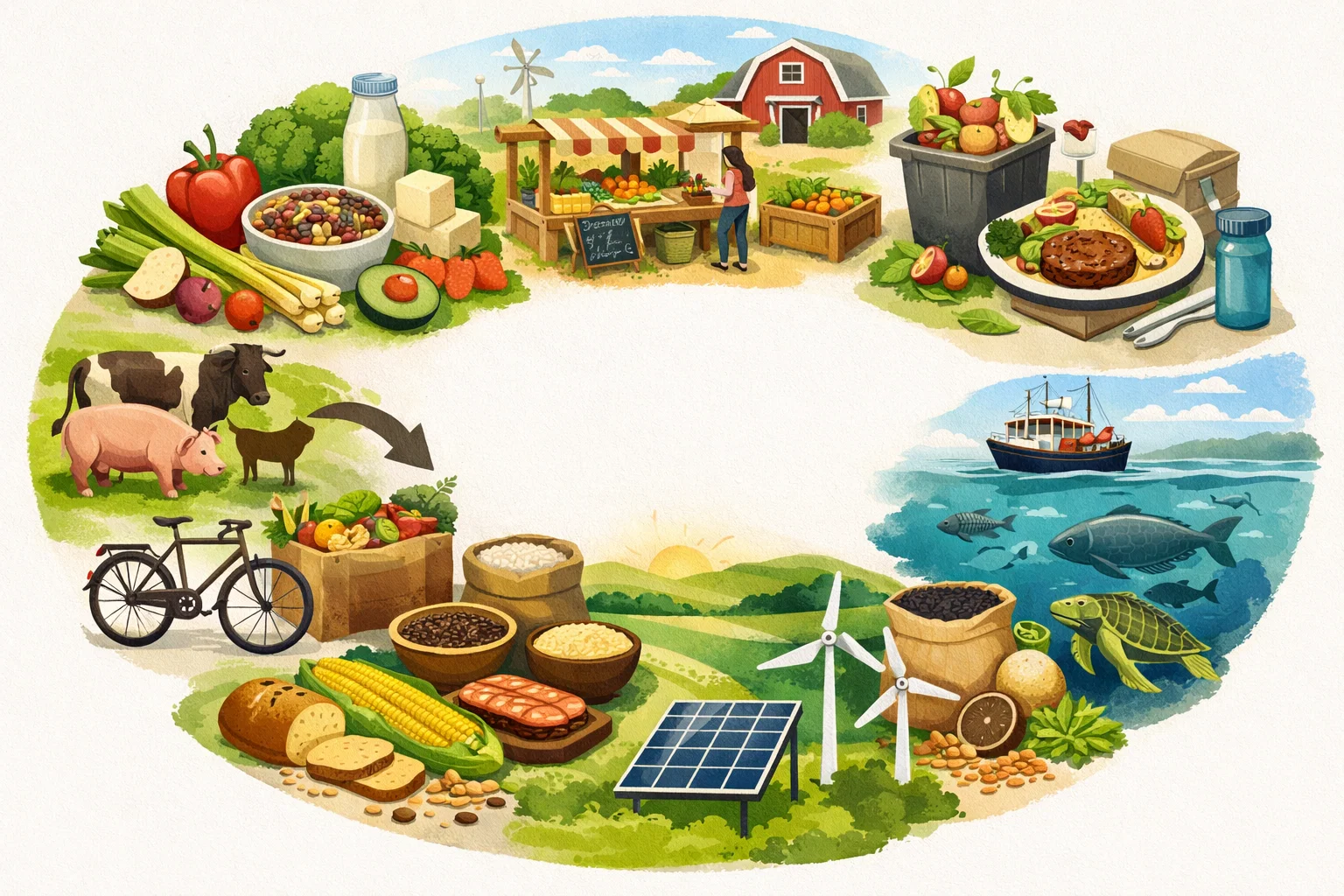
Opting for local and seasonal produce reduces transportation emissions and supports local farmers. Seasonal eating ensures that produce is consumed when it’s naturally available, minimizing the need for energy-intensive storage and transportation.
This practice also enhances the nutritional value of food and promotes a stronger connection to the local system, addressing food insecurity and fostering more sustainable choices.
Reducing food waste and using sustainable packaging
Reducing food waste is a critical aspect of climate-conscious eating. A significant portion of food is lost or wasted throughout the supply chain, contributing to greenhouse gas emissions.
By minimizing waste at home, in restaurants, and in supermarkets, we can reduce the environmental impact of food. Additionally, choosing products with sustainable packaging helps reduce pollution and resource depletion, promoting a more circular system.
Opting for sustainable seafood and responsibly sourced ingredients
Choosing sustainable seafood and responsibly sourced ingredients is vital for protecting marine ecosystems and ensuring ethical labor practices. Overfishing and destructive fishing methods can harm marine life and disrupt ecosystems.
By selecting seafood from sustainable fisheries and supporting companies that prioritize responsible sourcing, consumers can promote ocean health and contribute to a more sustainable global system.
Popular Climate-Conscious Foods and Innovations

Plant-based proteins: legumes, soy, mycoprotein, mushrooms
The surge in popularity of plant-based food is evident through the wide array of options available. Legumes such as lentils and chickpeas, soy-based products like tofu and tempeh, mycoprotein from fungi, and various types of mushrooms are now dietary staples. These sources of protein offer a lower environmental impact compared to animal proteins, aligning with climate-conscious eating.
Lab-grown and hybrid proteins: cultured meat and plant-animal blends
Innovations in food technology are driving the development of lab-grown and hybrid proteins. Cultured meat, produced by cultivating animal cells, promises to reduce the environmental impact associated with traditional meat production.
Plant-animal blends combine plant-based food with cultivated animal cells, offering a middle ground for consumers seeking more sustainable products. These innovative choices aim to transform the system.
Functional plant-based foods: protein drinks, snacks, and cereals
Functional plant-based foods are gaining traction, providing convenient and nutritious options for health-conscious consumers.
Protein drinks, snacks, and cereals made from plant-based sources offer essential nutrients while minimizing the environmental impact of food. These products cater to busy lifestyles and support dietary change toward more sustainable consumption. They promote healthy diets.

Ancient and regenerative crops: quinoa, teff, sorghum
The rediscovery and promotion of ancient and regenerative crops are contributing to more sustainable agriculture. Quinoa, teff, and sorghum are nutrient-rich grains that require fewer resources to grow and can improve soil health. These crops support biodiversity and reduce the environmental impact of food production, fostering more resilient and sustainable production. This also helps to mitigate the effects of climate change.
Upcycled and zero-waste foods: innovative snacks and beverages
Upcycled and zero-waste foods address the issue of food waste by utilizing ingredients that would otherwise be discarded. Innovative snacks and beverages are being created from food byproducts, reducing food losses and waste and minimizing the environmental impact of food.
This approach promotes resource efficiency and reduces the carbon footprint associated with food consumption, supporting a circular system and healthy eating.
Benefits of Climate-Conscious Eating
Environmental impact: lower emissions, water, and land use
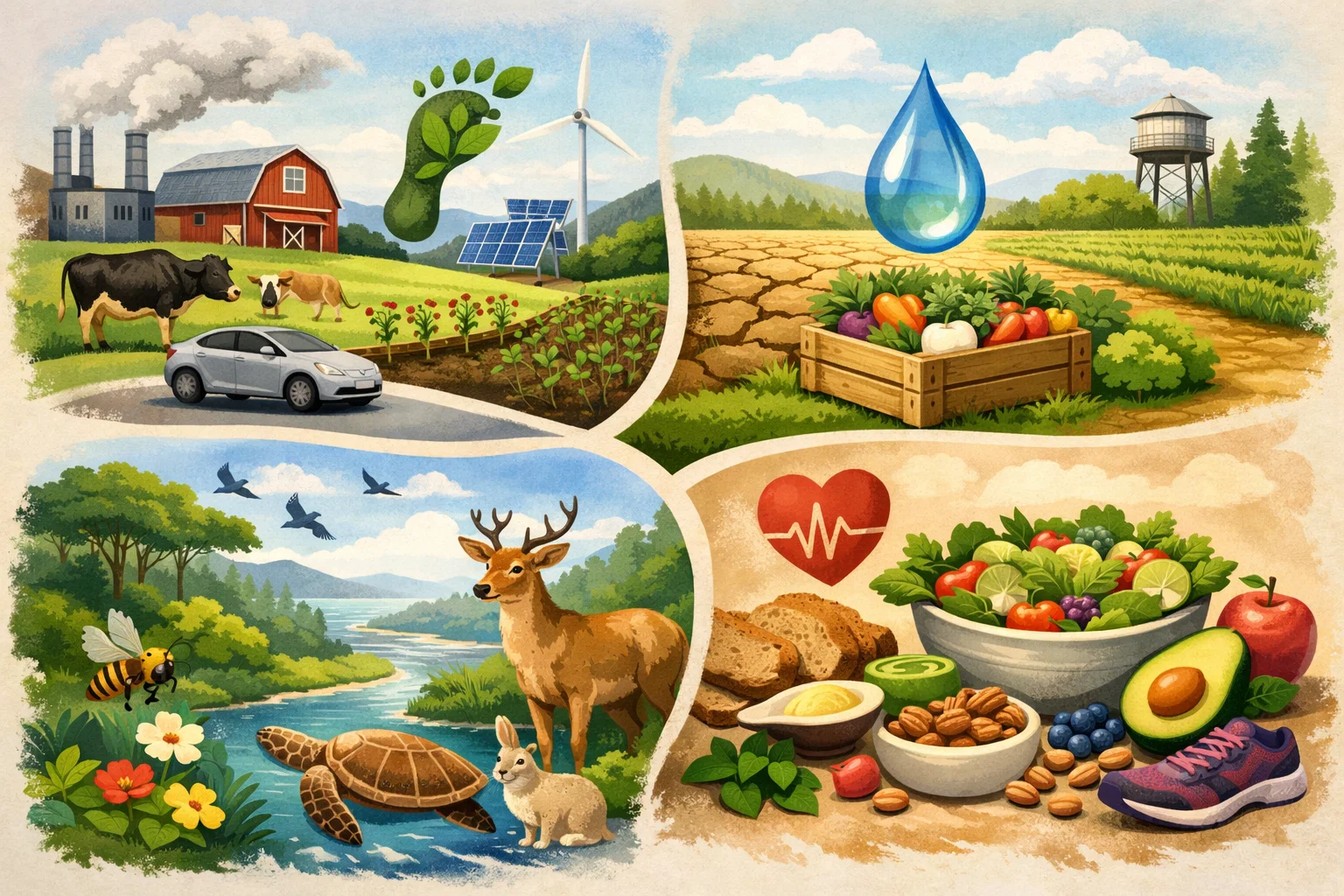
The environmental benefits of climate-conscious eating are significant. By prioritizing sustainable food and plant-based food, we can substantially lower greenhouse gas emissions, reduce water usage, and decrease land use associated with food production. This shift helps mitigate climate change impacts and supports the health and sustainability of the planet. It promotes climate action and reduces food insecurity.
Health benefits: fiber, nutrients, and disease prevention
Climate-conscious eating offers numerous health benefits, primarily through the increased consumption of plant-based food. These diets are rich in fiber and essential nutrients, which can help prevent chronic diseases. By prioritizing healthy diets, individuals can improve their overall well-being while reducing their environmental footprint.
Economic and social impact: supporting ethical brands and sustainable agriculture
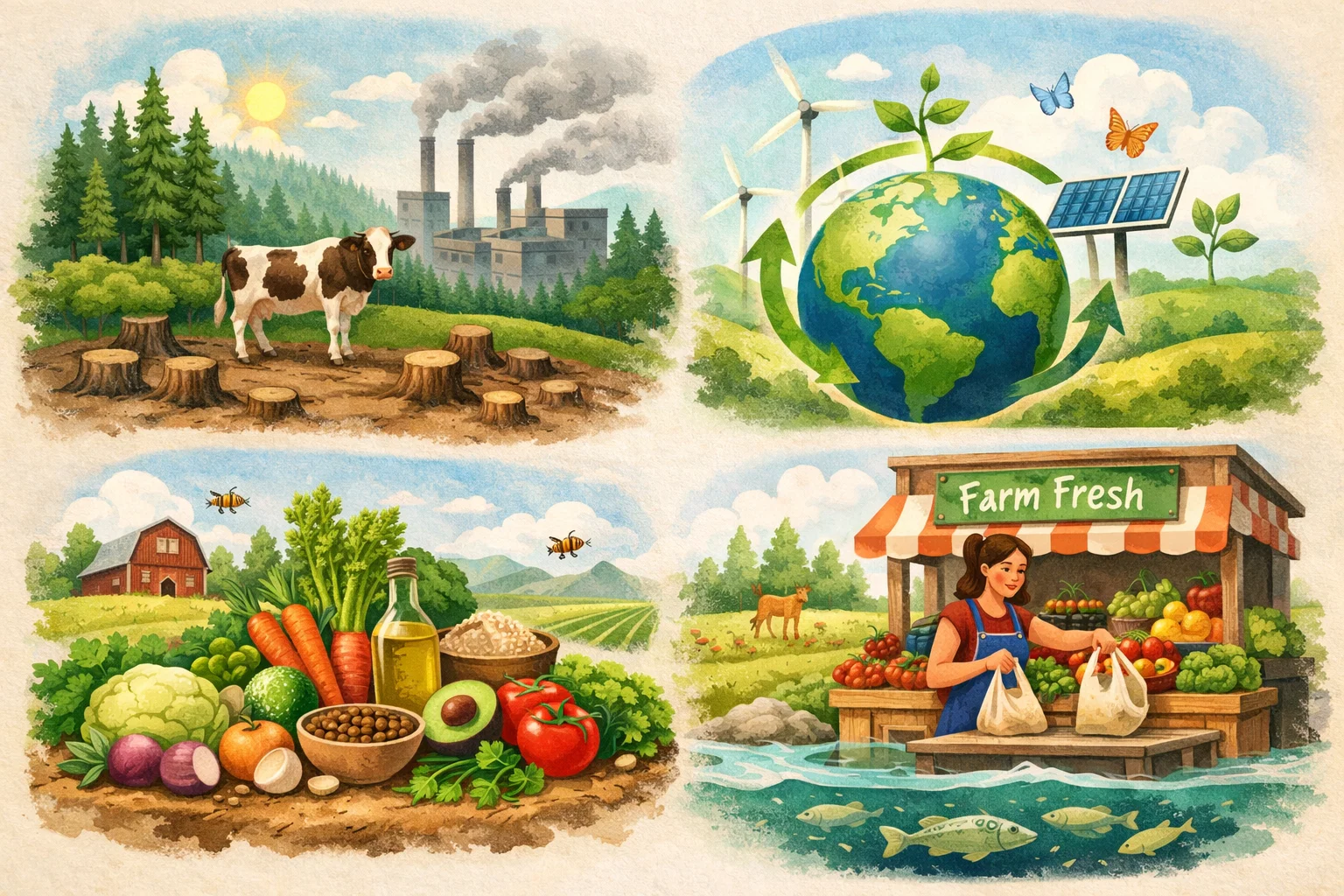
Climate-conscious eating has a positive economic and social impact by supporting ethical brands and sustainable agriculture. Consumers who prioritize sustainable choices help create demand for responsibly produced goods, encouraging companies to adopt more sustainable practices. This approach fosters a more equitable system that values both environmental stewardship and fair labor practices, promoting food sovereignty.
Cultural and lifestyle alignment: food choices reflecting values
Climate-conscious eating aligns food choices with personal values, reflecting a growing awareness of the interconnectedness between our eating habits and the world around us. People are increasingly seeking products that resonate with their ethical and environmental concerns, fostering a sense of purpose and connection to the global community. This shift promotes responsible consumption.
Challenges and Considerations
Accessibility and affordability of sustainable options
One of the primary challenges in promoting widespread climate-conscious eating is ensuring the accessibility and affordability of sustainable options. Often, plant-based food and organic produce carry a higher price tag, making it difficult for low-income communities to adopt these changes. Addressing food insecurity and implementing food policy that subsidizes sustainable production are crucial steps in making healthy choices accessible to everyone.
Consumer education and avoiding greenwashing
Consumer education is vital in fostering informed choice. Many consumers lack awareness about the true environmental impact of food production and the nuances of sustainable food.
Avoiding greenwashing—where companies falsely promote their products as environmentally friendly—is equally important. Transparent labeling and clear communication about the sustainability of food can help consumers make responsible decisions that support addressing the climate crisis.
Taste preferences and acceptance of new foods
Taste preferences and cultural eating habits can pose a significant barrier to the widespread adoption of sustainable diets. Introducing new foods, such as plant-based proteins or upcycled products, requires overcoming initial resistance. Chefs and food innovators play a critical role in creating delicious and appealing sustainable options that can gradually shift consumer palates.
Labeling, transparency, and standardization
Clear and standardized labeling is essential for promoting transparency in the food chain. Consumers need reliable information about the origin, production methods, and environmental impact of food products. Standardized certifications and labeling practices can help consumers easily identify and choose sustainable food, fostering trust and accountability within the food system. This also supports sustainable production.
Future Outlook for Climate-Conscious Eating
Mainstream adoption across supermarkets, restaurants, and meal kits
The future of climate-conscious eating points toward mainstream adoption in various sectors. Supermarkets are expected to increase their offerings of plant-based food and sustainably sourced products.
Restaurants will likely incorporate more plant-forward dishes into their menus, and meal kit services will focus on providing eco-friendly and low-carbon meal options. This shift will make sustainable food more accessible to consumers.
Integration with AI, apps, and personalized nutrition
Technology will play an increasingly significant role in promoting climate-conscious eating. AI-powered apps can help consumers track their carbon footprint associated with food consumption and provide personalized recommendations for sustainable choice. Personalized nutrition plans, tailored to individual health needs and environmental goals, can further enhance the adoption of sustainable dietary change.
Growth of regenerative, plant-forward, and low-impact diets globally
Regenerative agriculture is set to gain traction as a key component of sustainable food production. Plant-forward diets, emphasizing plant-based food, will continue to grow in popularity, driven by health and environmental concerns. Low-impact diets, which consider the carbon footprint of various food products, will also become more prevalent as consumers seek to minimize their environmental impact and adopt more sustainable behaviors.
Long-term impact on food production, supply chains, and consumer behavior
In the long term, climate-conscious eating is expected to transform food production practices and supply chains. Sustainable agriculture will become the norm, reducing the environmental impact of food production. Consumers will increasingly prioritize sustainability when making choices, driving demand for eco-friendly products and fostering a more resilient and equitable global system that addresses food insecurity.
Conclusion: Eating for the Planet and Our Health
As we advance into 2026, climate-conscious eating stands as a pivotal approach to addressing the pressing environmental challenges and promoting health and sustainability. By making informed choices, reducing food waste, and supporting sustainable production, we can collectively mitigate climate change impacts, ensure food security, and foster a healthier future for both ourselves and the planet.