



Welcome to the future of investing! In 2026, the landscape of personal finance is being reshaped by a powerful trend: cashless micro-investing. This innovative approach allows investors to start building wealth with small amounts, making investment accessible to everyone. Read on to learn how you can discover how small contributions can lead to significant financial gains.
The Rise of Micro-Investing in the Digital Age


What is cashless micro-investing and why it’s gaining popularity
Cashless micro-investing is a strategy that allows investors to start investing with as little as a few dollars. Instead of spending, individuals can allocate spare change from everyday purchases or small amounts of money to investment options.
It’s gaining popularity because it democratizes investing, allowing those without large sums of money to participate and build wealth over time.
The role of digital wallets, apps, and AI in making investing seamless
Digital wallets, apps, and artificial intelligence (AI) are pivotal in making micro-investing seamless. These technologies automate the investment process, from rounding up purchases to creating diversified portfolio recommendations based on individual risk tolerance and financial goals. They help you build a portfolio without the traditional barriers to entry, such as high minimum investments or brokerage fees.
How small, consistent contributions can lead to significant wealth over time
The power of micro-investing lies in the ability of small contributions to accumulate into significant wealth over time. Through the magic of compound interest, even small investments can experience exponential growth potential. Regular, consistent saving, coupled with strategic investment choices, allows investors to harness the power of compounding and build momentum toward long-term wealth.
How Cashless Micro-Investing Works
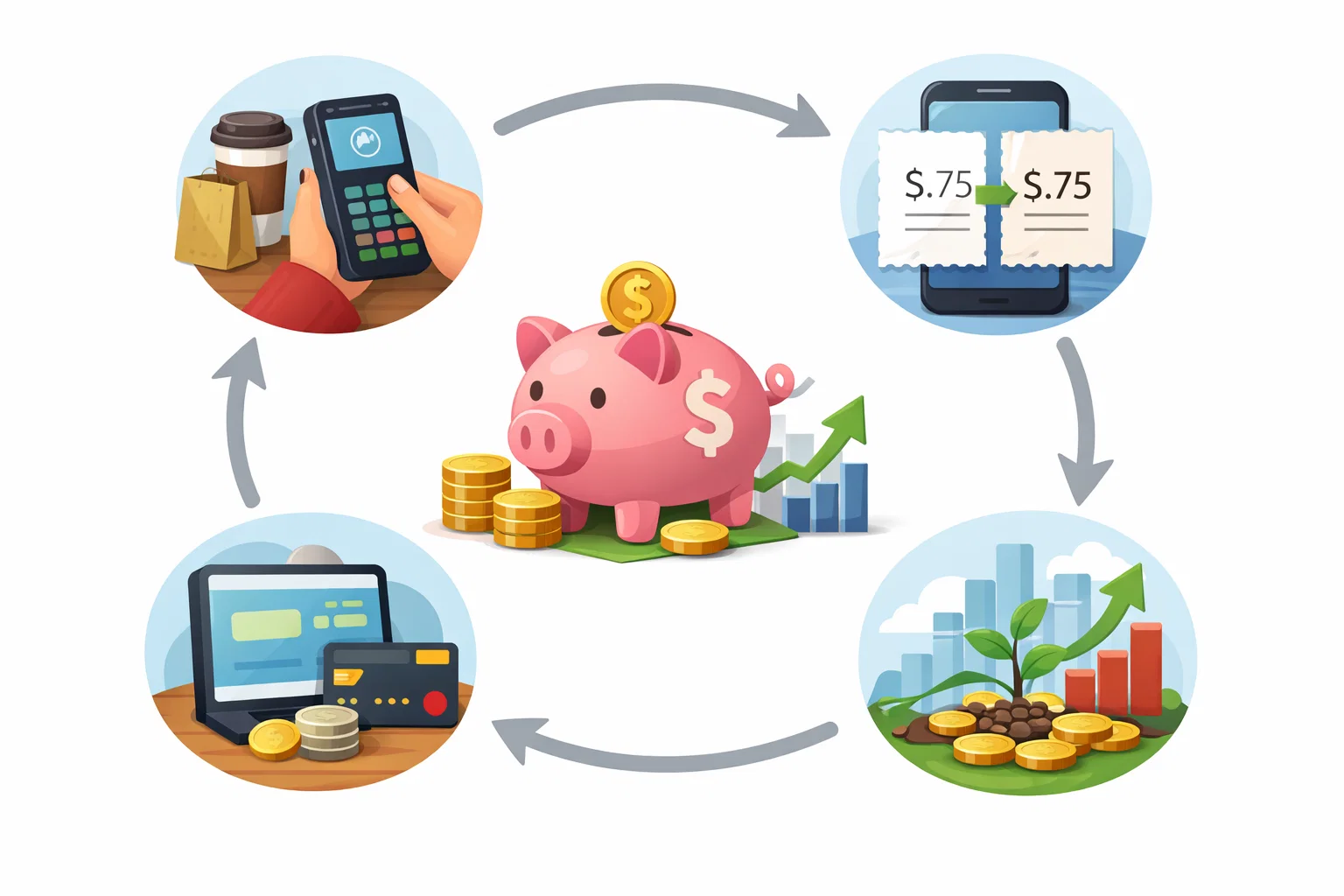
Round-up investing: Turning spare change into investments
Round-up investing is a popular micro-investing technique where spare change from everyday transactions is automatically invested. For example, if you buy a coffee for $2.50, the app rounds it up to $3.00 and invests the $0.50 difference. This simple yet effective method allows investors to painlessly build their portfolio with minimal impact on their daily spending habits.
Recurring micro-contributions: Automating small, regular investments
Recurring micro-contributions involve setting up automated, regular investments of small amounts, such as $5 or $10 per week. By automating the investment process, individuals can consistently allocate funds to their investment options without actively thinking about it. This strategy is particularly effective for those who want to start saving but struggle with consistent saving habits.
Converting rewards, cashback, and gift cards into investments
Another innovative approach is converting rewards, cashback, and gift cards into investment opportunities. Many platforms now allow users to allocate their earned rewards or the balance of gift cards directly into their brokerage account or investment portfolio. This enables investors to maximize the value of their investment and make every dollar work towards building long-term wealth.
The Power of Small Money: Compounding and Consistency

Understanding the magic of compound interest with micro-investments
Compound interest is the key to unlocking significant wealth through micro-investments. It refers to earning returns not only on the initial investment but also on the accumulated interest. As your small investments generate dividends and capital gains, these earnings are reinvested, leading to exponential growth potential. Start building early to harness the full power of compounding.
Why consistency is more important than the size of your investment
In the realm of micro-investing, consistency is paramount. While the lure of large, one-time investments may be tempting, regular, small contributions often yield better results over time.
Consistent saving habits allow investors to take full advantage of compound interest and dollar-cost averaging, mitigating risk and maximizing growth potential of their investment.
Real-world examples: How $1–$5 daily can grow into significant wealth
Consider this: investing just $5 daily can transform into a substantial nest egg over several decades. Assuming an average annual return of 7%, a $5 daily investment can grow into hundreds of thousands of dollars over 30-40 years. Real-world examples demonstrate the power of disciplined saving, showcasing how even small investments can lead to significant financial security and long-term wealth.
Investment Options for Micro-Investing
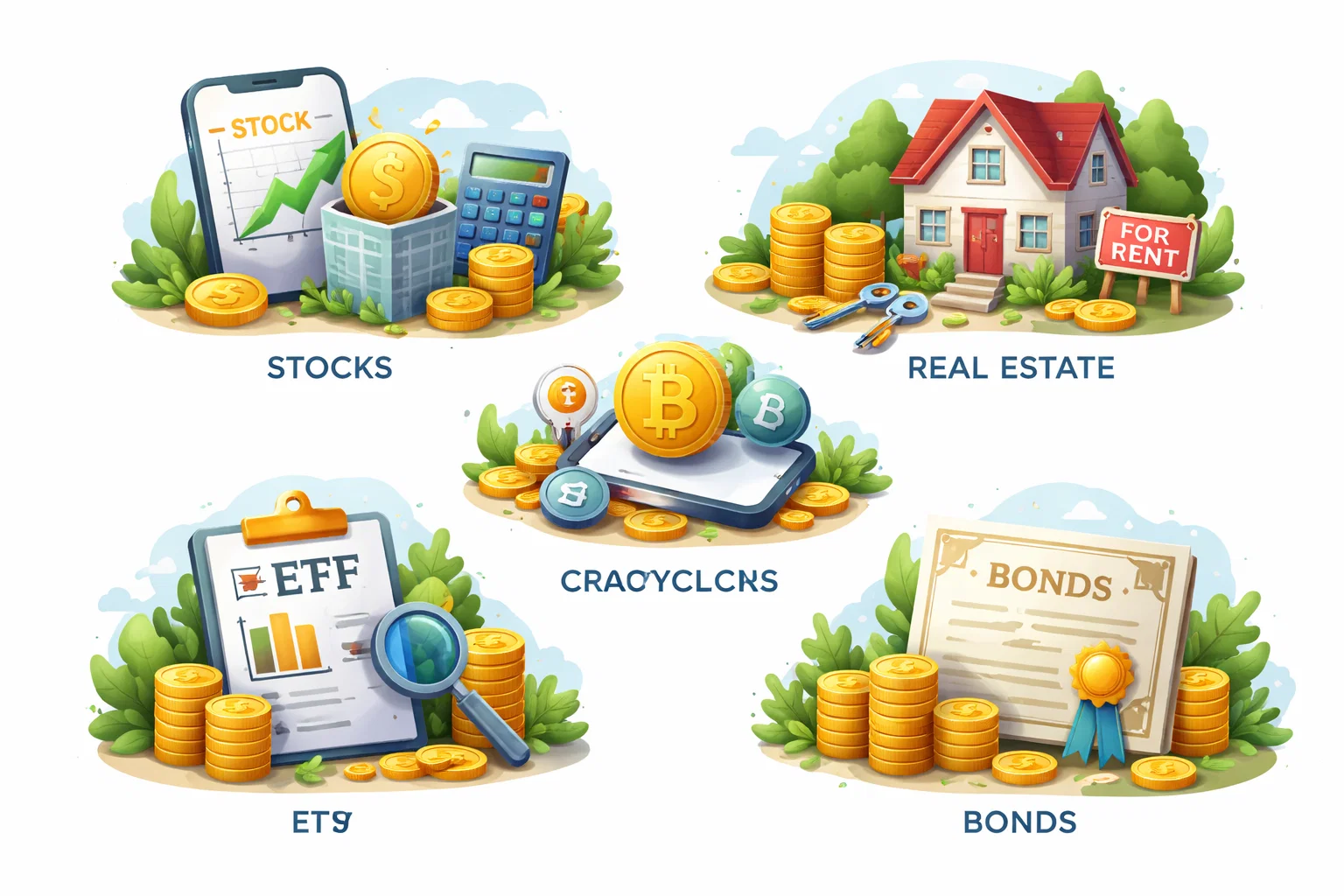
Fractional shares and ETFs for low-cost diversification
For those looking to start investing with small amounts, fractional shares and ETFs offer an accessible entry point. Fractional shares allow investors to purchase a portion of a single stock, rather than the entire share, making even high-value stocks affordable.
ETFs, or Exchange-Traded Funds, provide diversification by bundling a collection of stocks, bonds, or other assets into a single investment. These investment options help you build a diversified portfolio without needing large sums of money.
Robo-advisors and AI-powered portfolios for beginners
Robo-advisors are digital platforms that automate investment management using algorithms. These platforms are ideal for beginners because they offer personalized investment recommendations based on an investor’s risk tolerance and financial goals.
AI-powered portfolios can further refine these recommendations, continuously optimizing asset allocation to maximize returns while minimizing risk. Robo-advisors allow investors to start building wealth with small contributions and automate the process of diversification.
High-growth sectors ideal for micro-investing in 2026
Here are some sectors poised for growth in 2026, presenting opportunities for micro-investing:
- Technology
- Renewable energy
- Healthcare
These areas are characterized by innovation and disruption, making them attractive for investors seeking long-term wealth. Before you invest, remember that these sectors may carry higher risks, but they also offer the potential for substantial rewards to your diversified portfolio.
Benefits of Cashless Micro-Investing

Accessibility: How everyone can start investing without large capital
One of the most significant advantages of cashless micro-investing is its accessibility. Traditional investment options often require substantial capital, excluding many individuals from participating in the market.
Micro-investing breaks down these barriers by allowing anyone to start investing with as little as a few dollars. This democratizes finance, making investment opportunities available to a broader audience, and allows investors to start building wealth.
Building smart financial habits effortlessly
Micro-investing encourages the development of smart financial habits. By automating small, regular contributions, investors can seamlessly incorporate saving money into their daily routines.
This consistent saving approach fosters financial discipline and helps individuals prioritize long-term financial goals. The effortless nature of micro-investing helps people overcome inertia and start building a foundation for future financial security while not losing money.
Reducing friction and procrastination in personal finance
Micro-investing significantly reduces the friction and procrastination associated with personal finance. The small amounts involved make the decision to invest less daunting, and the automated nature of many micro-investing platforms eliminates the need for constant monitoring and decision-making.
By lowering the psychological barriers to entry, micro-investing empowers individuals to take control of their finances and start building wealth sooner, rather than later, instead of spending.
Potential Risks and Considerations

Fees and how they can impact small investments
While micro-investing offers numerous benefits, it’s crucial to be aware of potential risks and considerations. Fees can have a disproportionate impact on small investments. Even small fees can erode returns when dealing with small amounts of money.
Investors should carefully evaluate the fee structures of different micro-investing platforms to ensure they are not paying excessively for the service that could significantly affect their investment.
Market volatility and risk management strategies
Market volatility poses a risk to all investment options, including micro-investments. Economic downturns or unexpected events can cause fluctuations in investment values, potentially leading to losses.
It is important to implement risk management strategies to mitigate these risks. Diversification is key. By spreading your small amounts across different asset classes and sectors, you can reduce the impact of market volatility on your portfolio and better start building.
Importance of diversification even with micro-investments
Diversification is just as crucial for micro-investments as it is for larger portfolios. Spreading your investments across various asset classes, industries, and geographic regions can help mitigate risk.
Diversification ensures that your entire portfolio isn’t overly reliant on the performance of any single investment. Even small amounts of money, when strategically diversified, can contribute to building long-term wealth while managing risk effectively with various investment options.
How to Start Micro-Investing in 2026

Choosing the right app or platform for your goals
Selecting the appropriate app or platform is crucial when you start investing in 2026. Consider your financial goals and risk tolerance.
Look for platforms that offer a range of investment options, from stocks to ETFs, that allow you to diversify even small amounts. Check for user-friendly interfaces, low fees, and educational resources to help you build your portfolio effectively and start building wealth.
Setting investment goals and tracking progress
Define clear investment goals to guide your micro-investing journey. Whether it’s saving for a down payment, retirement, or a specific purchase, having defined financial goals provides direction.
Use the app to track your progress, monitoring your portfolio’s growth and adjusting your strategy as needed. This keeps you motivated and helps you build towards your long-term wealth objectives with consistent saving.
Tips for maximizing returns while minimizing risk
Here are some strategies to maximize returns while minimizing risk. Consider these options:
- Diversify your investment options with ETFs and fractional shares.
- Automate regular contributions to build your portfolio over time.
Also, take advantage of compound interest by reinvesting dividends. Research potential investments and learn how to start small and build wealth, starting with as little as possible, and gradually increase your investment as your confidence grows instead of spending.
Future Outlook: Micro-Investing as a Wealth-Building Trend
Expected growth of micro-investing platforms by 2026–2030
The micro-investing sector is projected for significant growth between 2026 and 2030. As technology advances and awareness increases, more individuals will discover how small contributions can lead to long-term wealth. Expect to see established platforms expanding their offerings and new entrants innovating in the space, which allows investors to start investing with as little as they can.
How micro-investing empowers Millennials and Gen Z to build wealth early
Micro-investing empowers Millennials and Gen Z to start building wealth early. These generations are tech-savvy and appreciate the accessibility and convenience of digital investment platforms.
By lowering the barriers to entry and promoting consistent saving habits, micro-investing enables them to take control of their financial futures and build diversified portfolios and work towards long-term wealth and learn how to start investing.
The evolving role of AI and automation in personal finance
AI and automation will play an increasingly important role in personal finance. Robo-advisors will become more sophisticated, providing personalized investment recommendations and automatically adjusting portfolios based on individual risk tolerance and financial goals. These advancements will streamline the investment process, making it easier than ever for individuals to start building wealth even small amounts regularly.
Conclusion: Small Money, Big Impact
Cashless micro-investing represents a transformative shift in personal finance, demonstrating that even small amounts of money can have a big impact on long-term wealth creation. By embracing this innovative approach, individuals can overcome traditional barriers to entry, develop smart financial habits, and take control of their financial futures to make their investments grow and allows investors to start investing with as little.